Guide to Non-Comedogenic Skin Care for Healthy & Clearer Skin
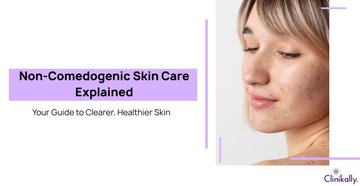
Non-comedogenic skincare is a must for individuals who want to get healthy, clear skin without the risk of pore clogging or acne breakouts. They are specifically designed to stop the formation of comedones and pore blockages that lead to blackheads, whiteheads, and pimples. Non-comedogenic skincare is perfect for oily and acne-susceptible skin because it uses light, pore-pleasant ingredients that moisturize and provide nutrients to the skin without clogging pores. Whether you have chronic acne, congested pores, or sensitive skin, non-comedogenic products balance the skin's natural oiling and keep your skin healthy and smooth. With non-comedogenic moisturizers, serums, and sunscreens, you can protect your skin from damaging ingredients that may cause breakouts. Experience the strength of non-comedogenic skincare for a brighter, blemish-free appearance. With Clinikally, get ahead in your skincare game with the freshest acne-battling, pore-cleansing solutions for glowing, flawless skin.
Understanding Non-Comedogenic Formulations: The Basics

Not just for oily skin, non-comedogenic products are skincare products that are specifically formulated to stay away from clogging pores, something essential to keeping clear, acne-free skin. "Comedo" is a pore filled with excess oil, dead skin cells, or other debris, causing blackheads, whiteheads, and breakouts of acne. Non-comedogenic products are designed with ingredients that will not clog pores, so they're perfect for oily, acne, or sensitive skin. These kinds of products usually have light, oil-free, and aqueous ingredients that moisturize without adding to pore clogs. When buying skincare products, the "non-comedogenic" label can be a lifesaver for those who have acne or rough-skinned problems. By knowing the fundamentals of non-comedogenic products, you are able to better customize your skincare regimen for healthier, clearer skin.
The Science Behind Pore-Clogging Ingredients
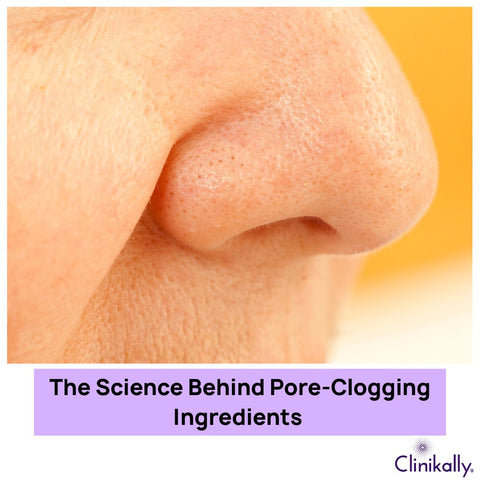
Pore-cloggers can cause a host of skin concerns, such as acne, blackheads, and other types of congestion. Knowing the science behind pore-cloggers is important to having healthy, clear skin, particularly for oily or acne-prone skin. Let's look at the most important factors that clog pores and the ingredients you need to be careful of. Some Key Pore-Cloggers are:
-
Mineral Oil: A general moisturizer and ointment ingredient that creates a surface barrier on the skin, which holds dirt and oil in, and results in clogged pores.
-
Lanolin: Produced from sheep wool, lanolin can irritate the skin and clog pores in sensitive or acne skin.
-
Silicones (Dimethicone, Cyclopentasiloxane): Although they give the skin a smooth look, silicones can accumulate on the skin and clog pores, resulting in breakouts.
-
Petroleum Jelly: With its healing effect on the skin, petroleum jelly can smother the skin, leading to clogged pores full of dirt and oil.
-
Sodium Lauryl Sulfate (SLS): A cleanser detergent that can strip skin of its natural oils, causing an imbalance that stimulates excess oil creation and clogged pores.
-
Cetearyl Alcohol: Employed as an emulsifier, it can lead to acne by clogging pores, primarily for people with oily skin.
-
Cocoa Butter: Although wonderful for moisturizing, it's a heavy emollient that can clog pores, particularly for acne skin types.
-
Algae Extract: Nutrient-dense, but too heavy for some skin types and causes blocked pores as well as acne breakouts.
-
Beeswax: Commonly used in balms and lip care, clogs pores because of its thick, wax-like consistency.
-
Isopropyl Myristate: A popular ingredient in cosmetics and skin care that tends to penetrate too deeply into the skin, combining with sebum and blocking pores.
-
Fragrances: Artificial fragrances can cause irritation of the skin, increasing the likelihood of breakout when pores get clogged with oil and dirt.
These are usually the causes of clogged pores. It occurs in so many ways:
-
These products typically form a thick paste on the skin that ensnares sebum, dirt, and environmental toxins, not allowing the skin to breathe well.
-
They interfere with the natural oil flow, either by drying the skin too much (causing overproduction of oil) or making it excessively greasy, both of which add to pores clogging up.
-
Ingredients such as silicones, mineral oils, and petroleum jelly form occlusive layers that prevent the skin from shedding dead skin cells, causing buildup and pore blockages.
Avoiding Pore-Clogging Ingredients can be done in several methods:
-
Always read the ingredient list, particularly for heavy emollients and occlusive agents, and steer clear of them if you have acne skin.
-
Select products with the label "non-comedogenic," which are designed not to clog pores.
-
Choose lightweight, oil-free products if you have oily or acne skin.
Knowing the science of pore-clogging ingredients is important for those who want clear, healthy skin. By being smart about what you put in your skincare products, you can avoid breakouts and maintain fresh, vibrant-looking skin. Always select non-comedogenic products that are compatible with your skin type and provide it the room it needs to breathe and function.
How Non-Comedogenic Products Are Tested and Labeled
Non-comedogenic products are specifically designed to avoid clogged pores and the potential for acne breakouts. "Non-comedogenic" is a term commonly on skincare product packaging, but what testing and validation goes into these claims? A step-by-step explanation of how non-comedogenic products are tested and labeled so they can be safely used on acne-prone and sensitive skin.
-
Clinical Trials: Clinical trials are carried out in a controlled environment on a group of people with acne skin and can take weeks to see how the product changes the skin over time.
-
Pore Blockage Tests: Products are put on the skin by manufacturers and observed for any blockage in pores or comedones (closed pores) during the test. Pore tests are typically carried out using high-resolution imaging to observe any abnormalities.
-
Acne Patch Test: In certain instances, an acne patch test is employed to see if the product triggers any irritation or formation of acne when applied directly onto a portion of skin. The test replicates extended wear without applying it to the full face.
-
Dermatologist Overseeing: Non-comedogenic testing usually takes place under the guidance of dermatologists who test how effective the product is on acne skin and whether there are any side effects.
-
Comedogenicity Rating Scale: There are some brands that have a standardized comedogenicity scale, whereby ingredients are rated based on their ability to block pores. The lower the score, the less likely an ingredient will clog pores.
The testing and marking of non-comedogenic products are essential for individuals who are susceptible to acne or sensitive skin. Although the label of "non-comedogenic" is not regulated, sound methods of testing in clinical trials and dermatologist assessment guarantee that these products can be used safely on acne-prone skin. Use products with confirmed non-comedogenic claims at all times, and check for ingredient transparency to keep your skin clear and healthy.
Non-Comedogenic vs. Oil-Free: What's the Difference?
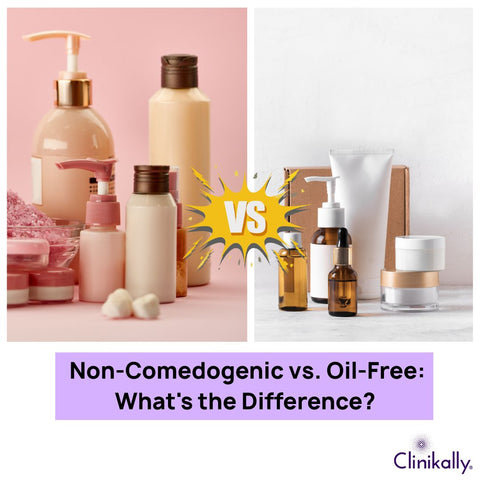
When selecting skincare products, you'll find that you frequently encounter the terms non-comedogenic and oil-free. While they might sound like they do the same thing, they serve different purposes for oily and acne-prone skin. By knowing how they differ, you can make the best decision for your skin.
-
Non-comedogenic: Keeps pores unclogged and breakouts at bay by steering clear of pore-clogging ingredients. These can include oils but are designed not to clog pores. Non-comedogenic aims at preventing acne through keeping pores clear, thus perfect for acne skin.
-
Oil-free: Free from oil, which minimizes excess oil on the skin surface. Oil-free products do not contain oils at all and help manage shine and oil accumulation. Oil-free products aim to manage oil production, thus perform best on oily skin.
Knowing these terms enables you to choose products that address your individual skin concerns. If you require prevention of acne or regulation of shine, the correct formula can make all the difference in your skin care.
Key Benefits of Using Non-Comedogenic Skincare
Utilizing non-comedogenic products for skin care can dramatically enhance the health and appearance of your skin, particularly if you are at risk for acne or clogged pores. These are the major advantages:
-
Prevents Acne Breakouts: Non-comedogenic products are designed to prevent blockage of pores, minimizing the risk of blackheads, whiteheads, and acne.
-
Supports Clearer Skin: By keeping pores unclogged, the products ensure clear, smooth skin without irritation or congestion.
-
Ideal for Acne-Prone Skin: Suitable for people with oily, combination, or sensitive skin who have trouble with acne or skin congestion.
-
Hydrates Without Clogging: Non-comedogenic products offer hydration without adding excess oil, keeping skin moisturized without aggravating acne.
-
Improves Skin Texture: Consistent use of non-comedogenic skincare can help improve skin texture by reducing the buildup of dead skin cells and impurities in pores.
Incorporating non-comedogenic products into your skincare routine helps maintain a balanced complexion, promotes healthier skin, and reduces the likelihood of skin irritation or breakouts.
Reducing Breakouts and Preventing New Blemishes
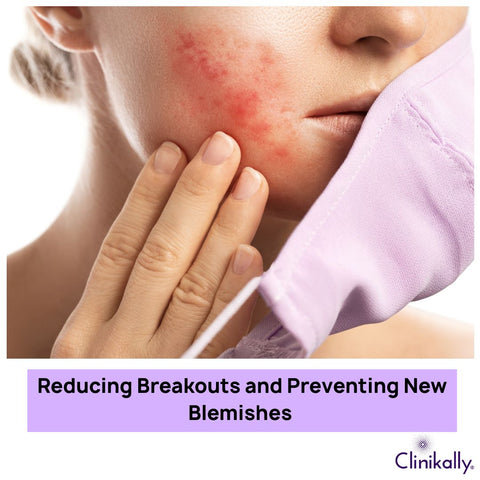
Non-comedogenic skin care is essential in controlling breakouts and keeping new blemishes at bay by its emphasis on keeping pores clear and skin balanced. Here's what it does:
-
Non-comedogenic products are designed so that they will not clog pores, one of the primary reasons for acne and blemishes. By keeping pores clear, they minimize the possibility of breakouts.
-
Numerous non-comedogenic items are light and oil-free, assisting in sebum production regulation that can clog pores and cause acne.
-
The items usually contain ingredients that promote skin cell turnover, stopping the collection of dead skin cells that cause clogged pores and new blemishes.
-
Non-comedogenic skincare usually comprises calming ingredients that lower irritation and inflammation, which can worsen acne and bring about the development of blemishes.
-
These products hydrate without overloading the skin with heavy oils, helping to maintain a healthy moisture balance that can prevent acne flare-ups.
Incorporating non-comedogenic skincare into your daily routine helps keep pores clean, reduces the risk of new blemishes, and maintains a smoother, clearer complexion. It's a vital step in acne prevention and overall skin health.
Maintaining a Healthy and Balanced Skin Barrier
Non-comedogenic skincare plays a vital role in having a healthy and balanced skin barrier, particularly on acne-prone or sensitive skin. Here's how non-comedogenic skincare benefits the skin:
-
By not clogging pores, non-comedogenic products keep pores clear, minimizing inflammation and skin barrier damage.
-
Non-comedogenic products hydrate without clogging the skin with too much oil, keeping the moisture level balanced while not drying out or becoming too oily.
-
Non-comedogenic products typically contain ingredients that fortify the skin's own protective barrier, retaining moisture and protecting the skin from outside pollutants and irritants.
-
Non-comedogenic skincare, used consistently, stimulates the shedding of dead skin cells, keeping the surface of the skin free from buildup and smooth in texture.
-
Non-comedogenic products tend to be formulated with mild, non-irritating ingredients that complement the skin's barrier function without producing redness or sensitivity.
By choosing non-comedogenic skincare, you help keep your skin barrier strong and healthy, allowing it to function properly and protect against environmental stressors, while promoting clear and balanced skin.
Supporting Sensitive and Reactive Skin Types
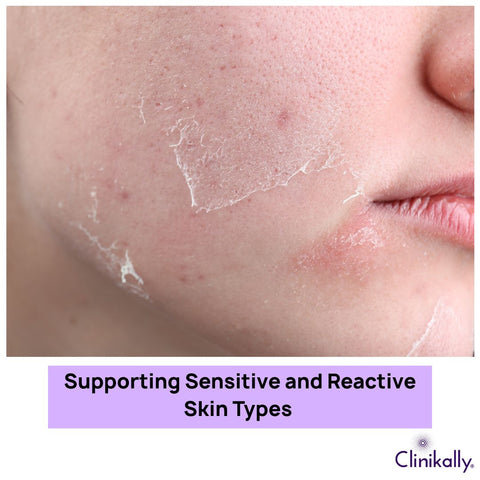
Non-comedogenic skincare plays an important role in supporting sensitive and reactive skin types. Here’s how it helps:
-
Non-comedogenic products are often formulated with gentle, non-irritating ingredients that reduce the risk of inflammation and redness, making them ideal for sensitive skin.
-
These items ensure a balanced skin barrier that is essential for sensitive skin to prevent triggers that lead to inflammation or flare-ups.
-
Most non-comedogenic items include calming ingredients such as aloe vera or niacinamide, which calm and heal the skin after irritation, making skin more resilient.
-
Non-comedogenic products offer light hydration without clogging pores or triggering overproduction of oil, making them ideal for sensitive skin that can be irritated by rich creams.
-
By keeping pores open, non-comedogenic products minimize the occurrence of clogged pores, acne, and breakouts, which are all issues for sensitive skin.
Non-comedogenic skin care is formulated to provide gentle yet effective solutions for sensitive and reactive skin, leading to calm, clear, and healthy skin without frustrating irritation or other concerns.
Integrating Non-Comedogenic Products Into Your Routine
Using non-comedogenic products in your skincare routine is important in keeping clear, healthy-looking skin, particularly for oily or acne skin. Non-comedogenic products are specifically designed not to clog pores, which is beneficial in avoiding breakout and skin irritation. Such products keep oil production balanced without providing an extra amount of greasiness or occlusion, which can cause acne. By using non-comedogenic cleansers, moisturizers, and sunscreens, you establish a block against blockage of pores while maintaining hydration and nutrition. Non-comedogenic products are usually light in texture, making them a more breathable daily skincare alternative. By incorporating these items, skin texture can be greatly enhanced, blemish occurrence can be minimized, and a smoother, clearer complexion can be fostered. Whether your skin is sensitive or you tend to break out, embracing non-comedogenic products is a wise decision towards an acne-free, radiant complexion. We highly recommend consulting a dermatologist to get a tailored skincare routine for yourself.
Choosing the Right Products for Your Skin Type
Selecting the best non-comedogenic products can make a big difference in the health and look of your skin, particularly when you have a tendency to break out or get clogged pores. The secret lies in knowing your skin type and choosing the right products that suit its needs without risking breakouts.
-
Know your skin type: Select the products depending on if your skin is oily, dry, combination, or sensitive. This will make it easier to select.
-
Select light formulas: Water-based or gel-based products are generally non-comedogenic and are suitable for oily or acne skin.
-
Select oil-free moisturizers: These add moisture without the excess oil, which makes them perfect for oily and combination skin. Few oil-free moisturisers are:
-
Check ingredient labels: Steer clear of products containing heavy oils such as coconut oil, which can clog pores, particularly on acne-prone skin.
-
Use gentle exfoliants: Gentle exfoliants like salicylic acid prevent clogged pores by exfoliating dead skin cells without causing irritation. Oxiclean-SA Acne Face Wash, Verso Deep Cleanse With Salicylic Acid and Sebollic Salicylic Acid Serum are excellent recommendations.
-
Use non-comedogenic sunscreens: Mineral sunscreens such as Crystal Tomato Beyond Sun Protection SPF 79+ PA++++ and CodeSkin UltraMatte Mineral Gel Sunscreen SPF 50+ PA++++ tend to be a better choice for acne-prone skin because they are lightweight and non-oily.
When choosing non-comedogenic products, remember your individual skin's needs. By making informed choices about which products to use, you can create a balanced, clear face without causing damage to your skin.
Layering and Application Tips for Best Results
Layering the right non-comedogenic products properly is the key to getting the most out of them and keeping your skin clear and healthy. Applying them properly can help to establish a solid skincare foundation while avoiding clogged pores.
-
Begin with a Cleanser: Begin with a non-comedogenic cleanser such as Skyntox Hydra-Vex Face Cleanser that's gentle on your skin to get rid of dirt, oil, and make-up without disturbing your skin's natural equilibrium. Wash your face properly but do not scrub harshly.
-
Apply Toner: Now, apply a non-comedogenic toner to restore your skin's pH level and wash away any lingering impurities. Opt for an alcohol-free version to keep your skin moisturized. Eucerin DermoPurifyer Oil Control Face Toner is an excellent recommendation.
-
Layer Serums and Treatments: If you apply serums or treatments for acne, use them next. Use non-comedogenic ingredients such as niacinamide or salicylic acid that work on acne without clogging pores. Clinikally The Ultimate NIA (10% Niacinamide) Serum and Minimalist 2% Salicylic Acid Face Serum are highly recommended.
-
Moisturize: Oily skin still requires moisture. Use an oil-free, non-comedogenic moisturizer such as Clinikally HydraSoothe Moisturiser to moisturize and shield your skin without increasing oil production.
-
Finish with Sunscreen: Always end with a non-comedogenic sunscreen such as Clinikally SunProtect Sunscreen SPF 50/PA+++ to shield your skin from UV damage without clogging pores. Mineral sunscreens are often a good option for acne-prone skin.
By following this layering sequence, you’ll create an effective skincare routine that maximizes the benefits of non-comedogenic products and keeps your skin clear and nourished throughout the day.
Personalized Recommendations and Precautions

When selecting non-comedogenic skin care, be sure to customize your choices based on your individual skin type and issues. Personalized advice and cautions are the best way to ensure you obtain optimal results without upsetting or congesting pores.
-
For Oily or Acne-Prone Skin: Use light, oil-free, gel cleansers and moisturizers. For products containing salicylic acid or benzoyl peroxide, which work well as acne preventatives. Select sunscreens which are non-comedogenic to prevent excessive build-up of oils. Hydew Moisturiser For Oily & Acne Prone Skin and Repechage Hydra Medic Mattifying Moisturizer For Oily Problem Skin are great moisturizers for oily and pimple prone skin.
-
For Dry Skin: While you may still want to avoid heavy oils, look for non-comedogenic products that focus on hydration. Choose hydrating serums with ingredients like hyaluronic acid and glycerin, and opt for rich, oil-free moisturizers to maintain hydration without clogging pores. Aveil Creme Avoine Oat Meal Moisturizer, Cetaphil Moisturising Cream and Clinikally Hyaluronic SkinBooster Serum are highly recommended.
-
For Sensitive Skin: If your skin gets irritated easily, use fragrance-free, gentle non-comedogenic products. Steer clear of harsh exfoliants and opt for soothing ingredients such as aloe vera or chamomile to calm your skin. Oliwash Face & Body Wash For Sensitive & Delicate Skin, Physiogel Hypoallergenic Daily Moisture Therapy Body Lotion and Aveeno Calm+ Restore Oat Gel Moisturiser are highly recommended for sensitive skin.
-
For Combination Skin: Find a balanced moisturizer that will hydrate without leaving your skin feeling oily. Use a light exfoliant containing salicylic acid to maintain clear pores, and select a lightweight sunscreen that won't help cause breakouts in the T-zone.
It is advisable to take certain precautions while selecting the products:
-
Always patch-test new products prior to full application, particularly if you have sensitive skin.
-
Read the labels on products that claim to be "non-comedogenic," but also review the ingredient list to confirm that no pore-clogging ingredients such as mineral oils or lanolin are present.
-
Don't use several products that contain active ingredients (such as retinol and exfoliants) at once to avoid over-drying or irritating your skin.
Knowing the needs of your skin and adhering to these tailored suggestions will help you ensure that your non-comedogenic skincare routine keeps your skin clear and healthy.
Tailoring Your Skincare Journey with Non-Comedogenic Choices: Personalized Recommendations for You
Customizing your skincare experience with non-comedogenic products is an effective way to keep your skin healthy, clear, and in balance. Knowing your individual skin type and using products that are specifically designed for your skin type allows you to prevent pore clogs and acne while feeding and guarding your skin. Regardless of whether you have oily, dry, sensitive, or combination skin, you can find a non-comedogenic solution to treat your issues effectively. Keep in mind that the secret to success lies in consistency of routine and in picking products that support your skin's natural cycles. With customized advice and a bit of experimentation, you can create a skincare routine that not only encourages clear skin, but improves its overall health and glow as well. Prioritizing non-comedogenic products is putting your money in long-term skin health that plays well with your skin, making you feel great about yourself on a daily basis.