6 Best Soaps for Oily Skin Recommended by Dermatologists
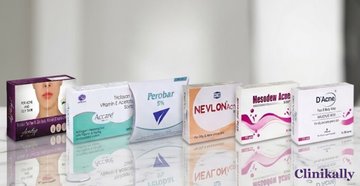
Living with oily skin can feel like a constant battle against a greasy shine and clogged pores. This happens because your skin's sebaceous glands produce an excess of sebum, an oily substance that easily traps dirt and dead skin cells. While many people reach for traditional bar soaps to dry out the grease, these standard soaps are highly alkaline. They strip away your skin's naturally acidic protective barrier, causing it to panic and produce even more oil to compensate.
To fix this cycle, dermatologists recommend specialized medicated bars or syndet cleansers that dissolve oil while keeping your skin’s pH perfectly balanced. In this blog, we’ll talk about the role of soaps to control oil, and find out some of the best soaps for oily skin that clear your pores, and restore balance to your skin.
Why the Right Soap Matters for Oily Skin
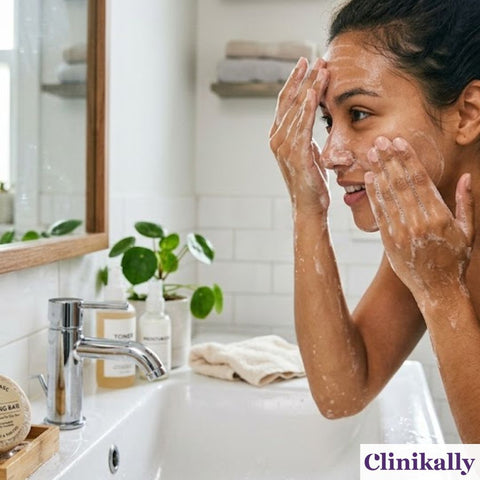
Choosing a soap for oily skin isn’t just about washing away shine; it’s about managing your skin’s needs. Using the wrong soap can trigger a vicious cycle of irritation and breakouts, while the right choice keeps your skin healthy and clear.
Controlling the Sebum Cycle
Your skin naturally produces an oil called sebum to protect itself. However, when you have oily skin, your sebaceous glands are overactive. The right cleanser effectively breaks down and removes his excess oil without sending your oil glands into overdrive.
Protecting the Skin Barrier (pH Balance)
Healthy skin is naturally slightly acidic, having a pH of about 5.5. Traditional soaps are highly alkaline, which strips away the skin’s protective acid mantle. When this barrier is damaged, your skin experiences rebound hypersecretion, meaning it panics and produces even more to replace what was lost. The right soap maintains your skin’s ideal pH.
Preventing Acne and Yeast Growth
Excess oils act as a magnet for dead skin cells and environmental debris, which quickly clogs pores and leads to bacterial acne. Furthermore, heavy sebum production feeds malassezia, a natural skin yeast that thrives in oily environments and causes fungal acne. Dermatologist-approved soaps contain targeted ingredients that keep these micro-organisms in check, preventing breakouts before they start.
Dermatologists Pick: 6 Best Soaps for Oily Skin
Choosing a soap for oily skin needs adept knowledge of the ingredients, and related concerns. There are plenty of products available in the industry, marketed as the best soap for oily skin, but they won’t work against clog pores and acne-control. Thus, here are some dermatologists-recommended soaps known for their effectiveness against oily skin.
|
Product Name |
Key Ingredients |
Key Benefits |
|
Soap Noodles, Perfume, Zinc Oxide, Tea Tree Oil, Triclosan, Allantoin, Vitamin E Acetate, Tartrazine Colour (Ci No. 19140) |
|
|
|
Surfactant Blend, Glycerin, Aloe Vera, Zinc PCA, Turmeric, Neem Oil, Salicylic Acid, Triclosan, Tea Tree Oil, Vitamin E, Tinoguard TT |
|
|
|
Glycerin, Triclosan, Ethyl Lactate, Zinc PCA, Salicylic Acid, Willow Extract, Tea Tree Oil, Olive Extract, Aloe Vera Extract, Titanium Dioxide, EDTA, Butylated Hydroxy Toluene |
|
|
|
Olive Extracts, Manuka Concentrate, Willow Extract, Tea Tree Oil, Zinc PCA, Salicylic Acid, Glycerine, Palm & Coconut Oil Soap Noodles, Ethyl Lactate, Triclosan, Titanium Dioxide, Aqua, Disodium EDTA, Disodium Etidronate, Butylated Hydroxytoluene |
|
|
|
Triclosan, Vitamin E |
|
|
|
Hydrous Benzoyl Peroxide, Methylene Chloride |
|
1. Acnetop Soap
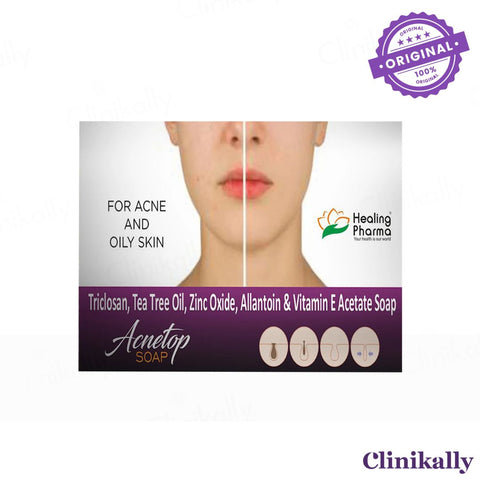
Acnetop Soap is a medicated cleansing bar known for its exceptional ability to balance acne-prone and oily skin types. It combines the antimicrobial power of Triclosan and Tea Tree Oil with Zinc Oxide to deep-clean pores and target acne at its source. The inclusion of Allantoin and Vitamin E Acetate ensures that the skin remains calm and hydrated during the cleansing process. What makes it the best soap for oily skin is its:
-
Dual Sebum Control: Zinc Oxide naturally acts as a mild astringent and sebum absorber, taking away immediate surface grease.
-
Pore Purifying: The synergy of Tea Tree Oil and Triclosan flushes out the oily buildup inside pores where acne-causing bacteria thrive.
-
Anti-Inflammatory Protection: Allantoin accelerates healing and minimizes the angry redness often left behind by painful blemishes.
Who should avoid it:
-
Highly Fragrance-Sensitive Individuals: This soap contains added perfume, which may irritate hyper-reactive skin or active eczema.
-
Dry or Flaky Acne Profiles: If your acne is accompanied by dry patches, the heavy oil-control action may feel too stripping.
2. Nevlon Acne Soap
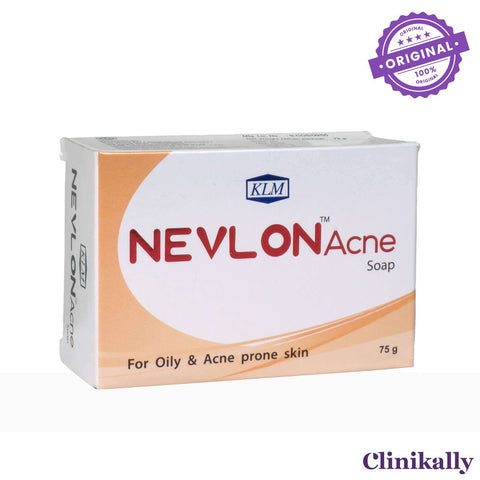
Nevlon Acne Soap features a complex, advanced cleansing action built to clear away impurities, bacteria, and dead skin cells without over-drying the skin barrier. It uses a thoughtful blend of chemical exfoliants (Salicylic Acid), oil-regulators (Zinc PCA), and traditional calming botanicals like Neem Oil and Turmeric. Some of its known benefits includes:
-
Sebum Regulation: Zinc PCA is a powerhouse ingredient that targets the 5-alpha reductase enzyme to chemically reduce excess sebum production at the root.
-
Keratolytic Action: Salicylic Acid is oil-soluble, meaning it can easily penetrate deep into greasy pores to dissolve the sticky glue holding dead skin cells together.
-
Botanical Defense: Neem and Turmeric provide natural antibacterial support, preventing the oil from feeding acne germs.
Who Should Avoid It:
-
Aspirin Allergies: Because Salicylic Acid is a derivative of aspirin, anyone with a known aspirin allergy should avoid it.
-
Compromised Skin Barriers: The presence of multiple active botanicals and acids means it should be skipped if you have open wounds, severe sunburns, or active dermatitis.
3. D'Acne Soap
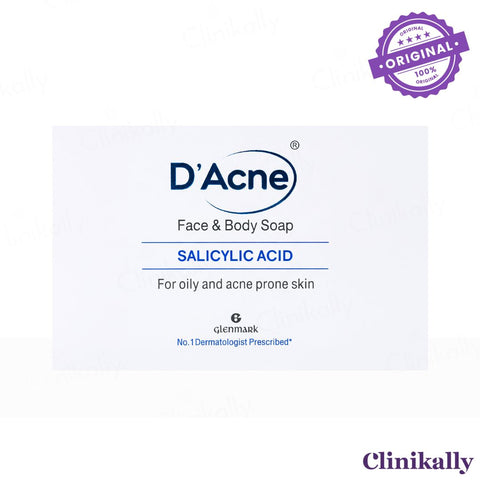
D’Acne Soap is a heavy-hitting medicated cleansing bar formulated for deeply congested, oily skin profiles. It features a robust active list including Salicylic Acid, Triclosan, Tea Tree Oil, and Willow Extract. To ensure the skin isn't stripped bare, it is anchored by moisture-retaining agents like Glycerin, Olive Extract, and Aloe Vera. Some of its exceptional properties that makes it the best soap for oily skin include:
-
Double-Action Exfoliation: Combining pure Salicylic Acid with natural Willow Extract (a natural source of salicin) delivers an intensive pore-unclogging mechanism.
-
Combats Fungal Concerns: The potent mix of Tea Tree Oil and Zinc PCA helps control the Malassezia yeast that multiplies rapidly in highly oily environments.
-
Moisture-Balanced Matte Finish: Olive and Aloe extracts provide deep cleansing without triggering the dreaded rebound hypersecretion of oil.
Who Should Avoid It
-
Extremely Sensitive Skin: The combination of Triclosan, Salicylic Acid, and Tea Tree Oil can cause initial purging or flaking on easily irritated or thin skin types.
4. Mesodew Acne Soap
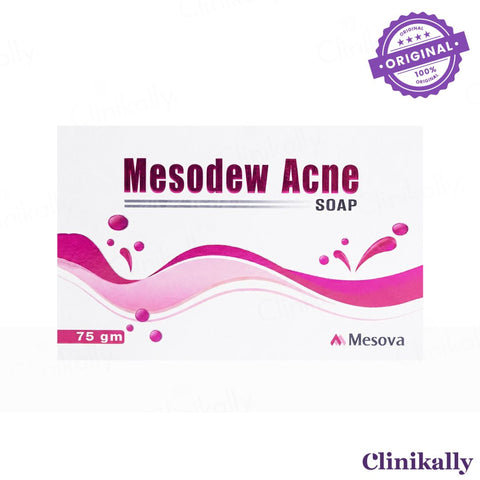
Mesodew Acne Soap relies on a specialized, triple-action synergy of Salicylic Acid, Willow Extract, and Tea Tree Oil. What sets it apart is its unique base composed of Palm and Coconut Oil Soap Noodles, combined with rare calming agents like Manuka Concentrate to support tissue healing and reduce acne inflammation. This soap for oily skin includes:
-
Microbiome Balancing: Manuka Concentrate acts as a highly effective natural antimicrobial agent, keeping acne-causing bacteria under tight control.
-
Texture Refining: The physical lather from the palm/coconut base lifts away heavy surface sebum, while the acids smoothen out bumps and micro-comedones.
-
Mattifying and Soothing: Zinc PCA limits grease production, leaving the skin with a comfortable, matte appearance rather than a tight, dry feel.
Who Should Avoid It:
-
Coconut Derivatives Sensitivity: Individuals who experience breakouts or allergic contact dermatitis from coconut oil derivatives should exercise caution due to the base ingredients.
5. Accare Soap
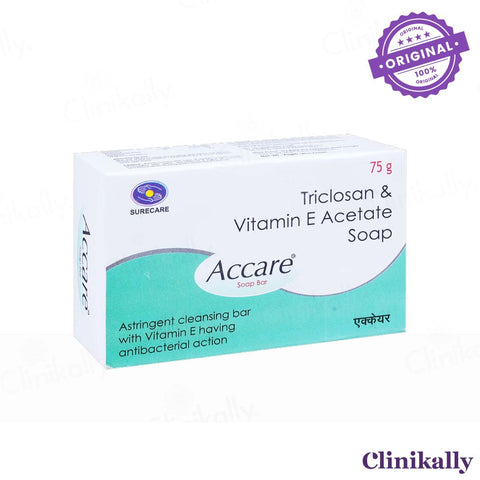
Accare Soap takes a minimalist, highly targeted approach to managing oily skin. It relies heavily on a high-purity antibacterial agent (Triclosan) to eliminate skin impurities and acne flare-ups. It matches this with Vitamin E Acetate to protect the skin from environmental stressors and prevent premature aging. What makes it essential for oily skin individuals include:
-
Streamlined Oil Management: By keeping the formula simple, it cleanses surface grease without overwhelming overactive skin with too many complex ingredients.
-
Clears Blackheads & Whiteheads: Its astringent properties dry up active micro-blemishes, pulling plugs out of clogged pores.
-
Antioxidant Shielding: Vitamin E helps prevent sebum from oxidizing on the surface of your face; which is the process that turns trapped oil into dark blackheads.
Who Should Avoid It
-
Severely Dehydrated Skin: Because it lacks heavy chemical exfoliants and relies on basic antibacterial drying actions, it can cause mild tightness if your oily skin is fundamentally dehydrated.
6. Perobar 5% Soap
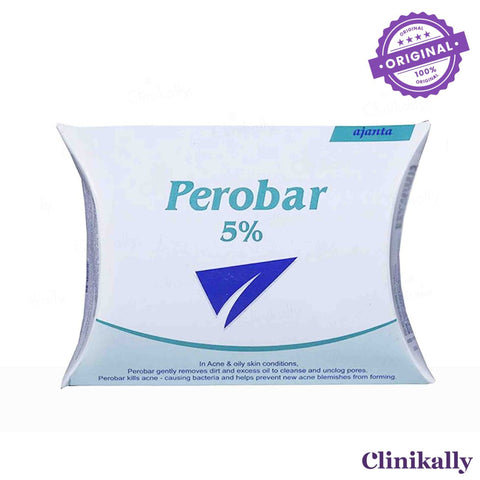
Perobar 5% Soap is a maximum-strength, short-contact medicated treatment bar. Its singular hero ingredient is 5% Benzoyl Peroxide. Unlike standard cleansers that merely wipe away surface grease, Benzoyl Peroxide acts as a medical intervention designed to introduce oxygen into the skin pores. Dermatologists recommend this soap to oily skin individuals, because of its:
-
Bactericidal Power: Cutibacterium acnes (the bacteria responsible for inflammatory pimples) cannot survive in the presence of oxygen. Benzoyl Peroxide floods the pore with oxygen, killing the bacteria instantly.
-
Drying Agent: It rapidly dries out angry, pus-filled pimples and reduces overall sebum levels on highly problematic skin.
-
Prevents Resistance: Unlike topical antibiotics, bacteria cannot build a resistance to Benzoyl Peroxide.
Who Should Avoid It:
-
Bleaching Risk Warning: Benzoyl Peroxide will bleach dark towels, clothing, and even hairlines if not rinsed off completely.
-
Highly Sensitive or Eczema-Prone Skin: This is a very potent medical ingredient. It frequently causes initial peeling, redness, and dryness. Anyone with dry, sensitive, or eczema-prone skin should avoid it entirely.
How to Choose the Right Soap for Oily Skin?
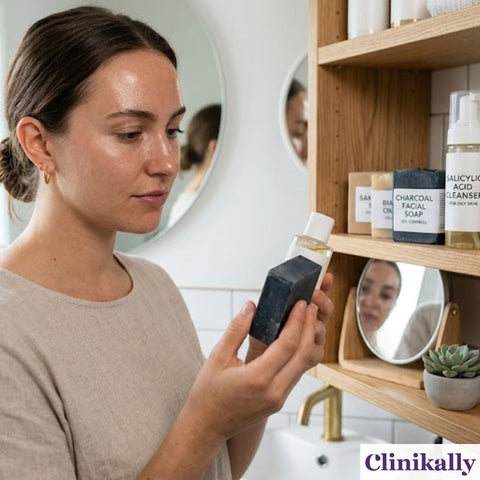
When shopping for an oily-skin cleanser, reading the ingredient label is crucial. You want to look for dermatologically active compounds that actively dissolve excess sebum, gently exfoliate dead skin cells, and calm inflammation without stripping your natural moisture barrier.
Salicylic Acid & Willow Extract
Salicylic acid is a beta-hydroxy acid (BHA) that is uniquely oil-soluble. Unlike water-soluble ingredients, it can cut through surface grease and penetrate deep inside your pores. Once inside, it dissolves the sticky mixture of old sebum and dead skin cells that creates blackheads and whiteheads. Willow extract acts as a natural, gentler companion to salicylic acid, providing similar pore-clearing benefits with a lower risk of irritation.
Zinc PCA & Zinc Oxide
Zinc is a powerhouse mineral for overactive sebaceous glands. Zinc PCA works at a cellular level to help regulate and slow down excess oil production before it even reaches the surface of your skin. Meanwhile, Zinc Oxide acts as a mild, natural astringent that absorbs immediate surface grease, leaving your face with a comfortable, shine-free matte finish.
Tea Tree Oil & Triclosan
Oily environments are breeding grounds for micro-organisms, including acne-causing bacteria and natural skin yeasts. Tea tree oil provides potent, natural antimicrobial properties that keep these blemish-causing microbes in check while soothing angry skin. Triclosan is a highly effective antibacterial agent often found in medicated soaps to actively target and reduce stubborn, inflammatory breakouts.
Benzoyl Peroxide
For oily skin that is heavily prone to inflammatory acne, benzoyl peroxide is a premier dermatologist recommendation. It functions by introducing oxygen deep into the pores. Because acne-causing bacteria cannot survive in an oxygen-rich environment, it effectively clears out deep pimples and dries up active oil pockets rapidly.
Glycerin & Aloe Vera
It might seem counterintuitive to look for hydrating ingredients in an oil-control soap, but they are absolutely essential. Humectants like glycerin and soothing botanicals like aloe vera ensure that as the active acids and minerals clear away excess grease, your vital skin barrier remains hydrated. This prevents the rebound effect, where stripped skin panics and produces double the amount of oil.
Final Thought: Managing the Oily Skin Effectively
Managing the Oily Skin effectively is all about working understanding and working with your skin’s natural biology, rather than fighting it. Stripping away grease with harsh, traditional soaps only triggers a panic response that causes your skin to produce even more oil. By switching to a dermatologist-recommended, pH-balanced medicated bar or syndet cleanser, you can effectively dissolve excess sebum, keep acne-causing bacteria and yeast in check, and maintain a clear, matte complexion without damaging your skin barrier.Every skin type is unique and so do they react with ingredients differently. It’s always recommended to consult a dermatologist before adding any new product to your skincare routine.