7 Best Stretch Mark Creams for Pregnancy: Dermatologist’s Picks
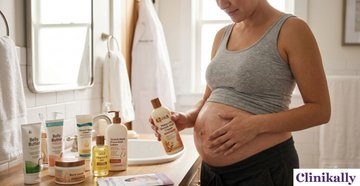
Let’s be honest: every skincare journey is full of big promises, but skin biology tells a very different story.
Stretch marks aren't just surface dryness; they are deep dermal scars that form when collagen and elastin fibers snap under rapid body changes. Medical research from journals like the British Journal of Dermatology confirms that once stretch marks mature into pale, silvery-white lines (striae albae), no cream in the world can fully eliminate them. But, there is a solution to this.
In this guide, we cut through the hype to highlight the best stretch mark creams for pregnancy and explain the exact right time to use them so you can keep your skin hydrated, comfortable, and protected throughout your pregnancy.
When to Start Using Stretch Mark Creams for Pregnancy

The optimal time to begin applying topical stretch mark creams during pregnancy is early in the first trimester, ideally as soon as pregnancy is confirmed.
Although abdominal expansion peaks during the late second and third trimesters, dermatologists recommend establishing a daily hydration ritual early in pregnancy to keep the epidermal barrier flexible and resilient before rapid stretching begins.
Why Early Treatment Works Best
-
Optimizing Epidermal Elasticity & Comfort: Stretch marks (striae gravidarum) originate deep in the reticular dermis when rapid expansion strains structural fibers. While topicals cannot prevent deep dermal tearing, pre-conditioning the surface layer with lipid-replenishing emollients increases epidermal suppleness and significantly reduces tension-induced tightness.
-
Fortifying the Skin Barrier: Systemic hormones like cortisol and relaxin naturally soften structural tissues during pregnancy. Early topical care maintains a healthy, hydrated moisture barrier that protects outer skin integrity against these internal physiological changes.
-
Soothe Pruritus and Early Strain: Rapid skin expansion frequently causes severe itching (pruritus) and microscopic surface scaling. Early moisturizing calms raw, reactive skin long before peak abdominal expansion occurs in the late second and third trimesters.
Top 7 Stretch Marks Creams for Pregnancy
There are plenty of stretch mark creams available in the market that promise adequate cure from these permanent scars. The usage of some stretch mark removal creams actually offers effective results, but finding them is a tough task. Thus, to ease your search, here are some of the best pregnancy stretch mark creams recommended by dermatologists:
|
Product Name |
Key Ingredients |
Main Benefits |
|
Glycerin, White Beeswax (Cera Alba), Petrolatum, Lactic Acid |
Delivers dual-action hydro-moisturization to keep expanding skin supple, enhances surface flexibility, and relieves tension with a hypoallergenic, fragrance-free formula. |
|
|
Shea Butter, Cocoa Butter, Cica Extract, Sweet Almond Oil, Coconut Oil, Vitamin E |
A lightweight, rich-butter duo that deeply nourishes skin, reduces itchiness, and supports stretch mark defense throughout pregnancy and postpartum care. |
|
|
Aloe Vera, Allium Cepa Extract, Red Algae Extract |
Enhances skin elasticity and firmness, promotes smooth texture, and deeply hydrates skin undergoing rapid body volume changes. |
|
|
Beeswax, Glycerin, Caprylic/Capric Triglyceride, Sodium Lactate |
Creates a protective moisture barrier, stimulates collagen regeneration, and evens out skin tone while soothing irritation. |
|
|
Allium Cepa, Vitis Vinifera, Helianthus Annuus Oil, Shea Butter, Coffee Bean Extract |
Contains targeted botanicals and peptides to support skin hydration, improve surface texture, and soothe stretching skin. (Requires OB-GYN clearance due to Retinyl Palmitate). |
|
|
Cepalin Botanical Extract, Hyaluronic Acid, Centella Asiatica |
Supports collagen production, locks in deep moisture, and improves texture. (Note: Recommended by manufacturer for use starting in the 2nd trimester). |
|
|
Red Algae Extract, Allium Cepa, Vitamin B3 (Niacinamide), Aloe Vera |
Boosts natural collagen and elastin synthesis and lightens discoloration. (Note: Active botanical formula requires a patch test for sensitive skin). |
1. Luciara Anti Stretch Marks Cream
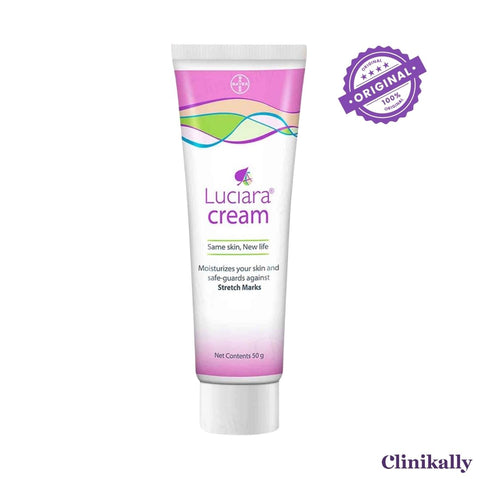
Luciara is a dermatologist-recommended, water-in-oil stretch mark cream specially designed to protect expanding skin against surface dryness and tight sensations during pregnancy. It forms a protective, long-lasting hydrating barrier that locks in deep moisture, keeps skin tissue supple, and relieves tight, stretching sensations on the abdomen and hips.
-
Pregnancy Safety Status: Highly Safe
-
Why It Is Recommended: Formulated without fragrances, parabens, alcohol, or common allergens, Luciara minimizes skin irritation risks while providing intense, 24-hour dual-action hydro-moisturization to support dermal elasticity.
-
Who Should Avoid It: Expecting mothers who prefer ultra-light, watery, or fast-absorbing lotions, as its rich, occlusive texture can feel slightly heavy or tacky on oily skin types.
-
When to Start: Start applying in the early first trimester (weeks 4 to 8) to prepare skin elasticity well before rapid abdominal stretch occurs.
2. Orimii Happy Belly Stretch Mark Defence Regime
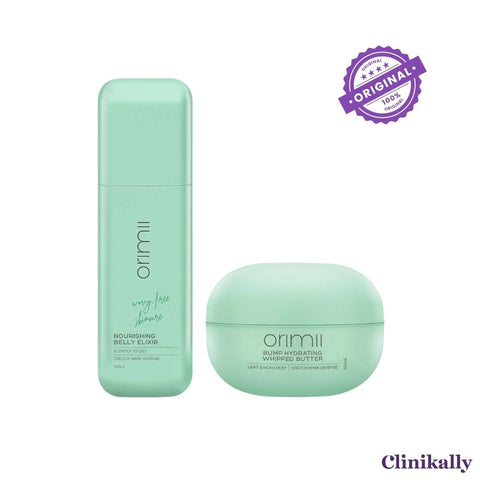
Designed specifically for expecting mothers, this clean skincare duo combines a deeply hydrating whipped body butter with a nourishing belly elixir oil. Together, they deliver a double layer of plant-based lipids and antioxidants that soothe itchiness and bolster skin flexibility throughout pregnancy and early motherhood.
-
Pregnancy Safety Status: Highly Safe
-
Why It Is Recommended: Packed with Cica extract, Shea Butter, Cocoa Butter, and natural botanical oils, it provides clean, fragrance-conscious moisture without leaving a greasy residue on clothing.
-
Who Should Avoid It: Anyone with nut or plant allergies (such as sweet almond oil sensitivities) should patch-test first.
-
When to Start: Ideal for early first trimester daily use, continuing right through to postpartum tissue recovery.
3. Motherfaith Flexil Stretch Marks Cream
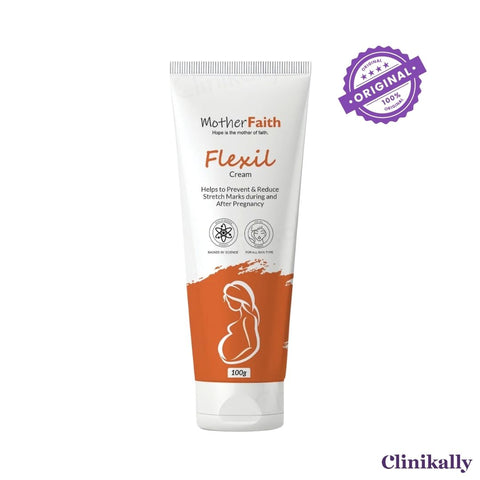
Motherfaith Flexil focuses on restoring firmness, smoothness, and hydration to skin experiencing intense physical expansion. This gentle stretch mark cream works to calm cutaneous inflammation, improve overall skin tone, and preserve natural tissue suppleness during pregnancy and weight changes.
-
Pregnancy Safety Status: Safe
-
Why It Is Recommended: Combines soothing Aloe Vera with Red Algae Extract and Allium Cepa to maintain an even skin surface while protecting against elasticity loss.
-
Who Should Avoid It: Women who prefer completely unfragranced or clinical barrier pastes, as this light cream focuses on gentle, everyday maintenance.
-
When to Start: Start early in the second trimester (around week 12 to 14) as the bump begins to show and stretch tension increases.
4. Codesoft Clear Stretch Mark Clearing Cream
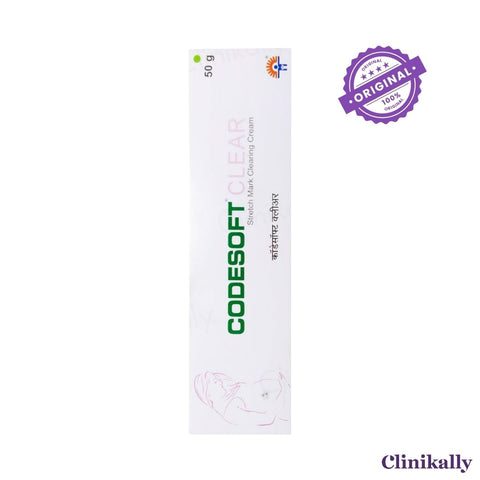
Codesoft Clear is a deeply emollient clearing cream formulated to lock in essential skin lipids, soothe itching, and reduce tissue tightness. It reinforces the protective moisture barrier so skin can expand smoothly without micro-tearing or surface flaking.
-
Pregnancy Safety Status: Safe
-
Why It Is Recommended: Rich in beeswax, glycerin, and lactic acid, it gently exfoliates dry surface cells while binding essential moisture into the upper skin barrier.
-
Who Should Avoid It: Those prone to body acne or clogged pores on the chest and back due to its rich, beeswax-heavy texture.
-
When to Start: Start in the first trimester to build up epidermal hydration reserves before rapid skin stretching begins.
5. Elastoderm Cream
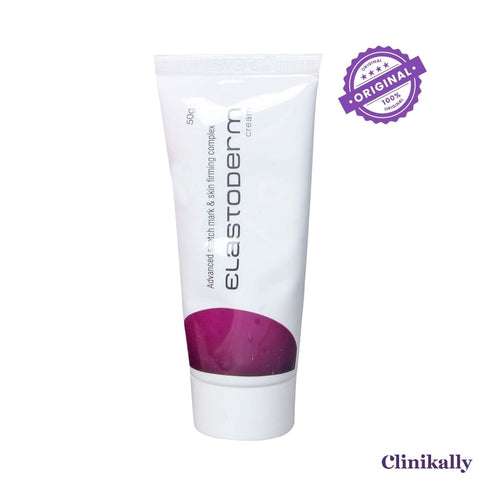
Elastoderm is an advanced stretch mark formulation designed to enhance collagen synthesis, improve skin elasticity, and reduce the texture and depth of stretching skin. However, because its formula contains Retinyl Palmitate (a Vitamin A derivative/retinoid), medical guidelines strongly advise against using it during the first trimester. Always consult your obstetrician before introducing any retinoid-containing product during pregnancy.
-
Pregnancy Safety Status: Consult OB-GYN / Avoid Retinoids in 1st Trimester
-
Why It Is Recommended: Combines peptides, Resveratrol, Centella Asiatica, and Allium Cepa to effectively boost structural elasticity, hydrate dry tissue, and fade skin discoloration.
-
Who Should Avoid It: Women in their First Trimester, or expecting mothers who prefer a strictly retinoid-free skincare routine throughout their pregnancy.
-
When to Start & Usage Caution: Second Trimester onwards (Week 13+), strictly under physician guidance. Because it contains Retinyl Palmitate (a mild Vitamin A derivative/retinoid), many dermatologists advise avoiding it during the sensitive 1st trimester organogenesis phase. Always perform a 24-hour patch test prior to widespread belly application due to active onion extract (Allium Cepa).
6. Mederma Stretch Marks Therapy Cream
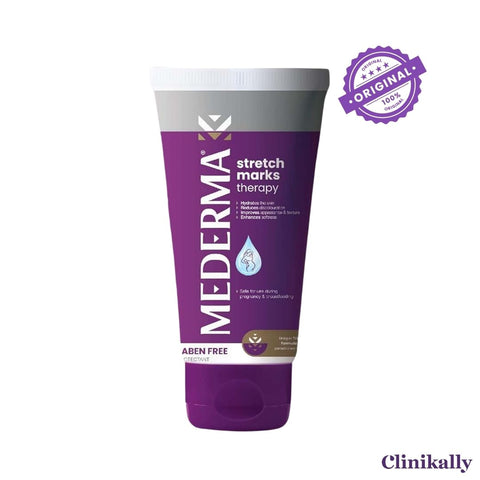
This clinical stretch mark cream combines botanical science with intense hydration to improve the overall texture, softness, and tone of stretching skin. It supports structural collagen production and cell renewal to fade discoloration and improve skin smoothness.
-
Pregnancy Safety Status: Safe with Caution
-
Why It Is Recommended: Features a triple-action formula containing Cepalin onion bulb extract, Hyaluronic Acid, and Centella Asiatica, making it a clinically backed choice for texture smoothing.
-
Who Should Avoid It: Women in their first trimester, as manufacturer safety guidelines specify starting use from the second trimester. Individuals with known allergies to onion extract (Allium Cepa) should also avoid it.
-
When to Start: Begin at the start of the second trimester (week 13 onwards) per official product instructions.
7. Fixderma Strallium Stretch Mark Cream
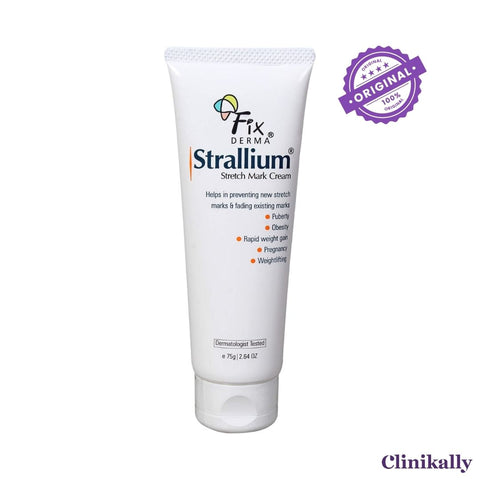
Fixderma Stralium is a target-focused dermatological formulation engineered to improve skin tensile strength, lighten discoloration, and encourage deep dermal repair during periods of rapid volume changes.
-
Pregnancy Safety Status: Safe with Caution
-
Why It Is Recommended: The synergistic blend of Red Algae Extract, Allium Cepa, and Niacinamide (Vitamin B3) helps boost collagen and elastin synthesis while evening out skin discoloration.
-
Who Should Avoid It: Expecting mothers with sensitive or reactive skin who have not performed a patch test, as active botanical extracts can occasionally trigger mild redness.
-
When to Start: Best introduced in the second trimester (around week 12 to 14) after performing a 24-hour patch test.
How to Use Pregnancy Stretch Mark Creams?
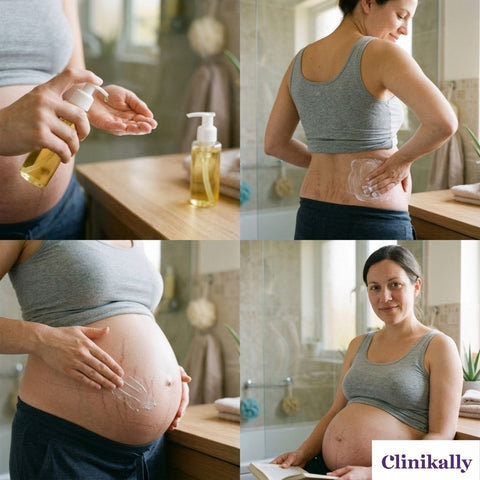
Applying your stretch mark cream is not just another step in your skincare routine. It is an opportunity to nurture your changing body, boost skin elasticity, and connect with your growing baby. To maximize hydration, improve skin suppleness, and promote local microcirculation, follow this step-by-step application ritual:
Step-by-Step Application Ritual
-
Start with Warm, Damp Skin: Apply your cream immediately after a warm shower or bath while your skin is still slightly damp. Warmth opens pores and enhances skin permeability, allowing lipid-rich active ingredients to absorb much faster and deeper.
-
Warm the Cream in Your Hands: Scoop a generous amount of cream and rub your palms together for a few seconds. Warming the formula lowers its viscosity, making it spread smoothly across sensitive, stretching skin without pulling or dragging.
-
Massage the Target Areas: Massage is half the magic. Use light, upward circular motions with your fingertips across your abdomen and bump (working in slow, clockwise circles), hips, thighs, breasts, and lower back to encourage circulation and relieve tension.
-
Allow 3 to 5 Minutes to Absorb: Let the cream sink in completely before dressing. If you are using a rich occlusive butter or oil-based cream, giving it a few minutes prevents product transfer onto your clothes and ensures your skin locks in moisture all day.
Pro-Tips for Peak Efficacy
-
Consistency Beats Quantity: Applying a moderate amount twice daily (morning and night) works far better than slathering on a thick layer once every few days.
-
Smart Layering: If you use both a belly oil and a cream, apply the cream first to hydrate, then layer the oil on top to lock in moisture.
-
Do Not Stop at Delivery: Continue your routine for 8 to 12 weeks postpartum. Your skin undergoes rapid volume contraction after birth, and continuing hydration supports structural recovery as tissues bounce back.
Final Thought: Managing Pregnancy Stretch Marks
Managing pregnancy stretch marks requires proactive care, realistic expectations, and deep skin nourishment. While no topical cream can override genetics or fully prevent internal tissue stretch, high-quality creams play a vital role in keeping your skin hydrated, comfortable, and resilient throughout your journey.
Every pregnancy and skin type is unique. If you have specific skin concerns, persistent irritation, or are unsure which ingredients best align with your personal healthcare routine, it is always best to consult a dermatologist online. A dermatologist can provide personalized guidance, ensuring product safety to your pregnancy stage, and help you manage your skin health with confidence every step of the way.