Volcanic Ash Clay: Get Glowing Skin with this Mineral Mask
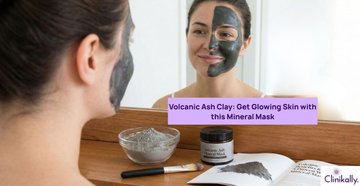
Is volcanic ash a skincare ingredient? What about the ash that emerges from a volcano's searing flames? That's correct. In our quest for the perfect-looking skin, we tested various uses for volcanic ash, as well as different types of clay, Dead Sea mud, and a variety of other ingredients found all over the world. In truth, there is still a lot of study being done to find a cure for perfect-looking, younger skin. In terms of volcanic ash benefits for skin, despite concerns about how volcanic ash is sourced or the effects of the minerals in the ash on the skin, it is undeniably beneficial.
Volcanic Ash Clay 101: Origin, Composition, and Unique Properties
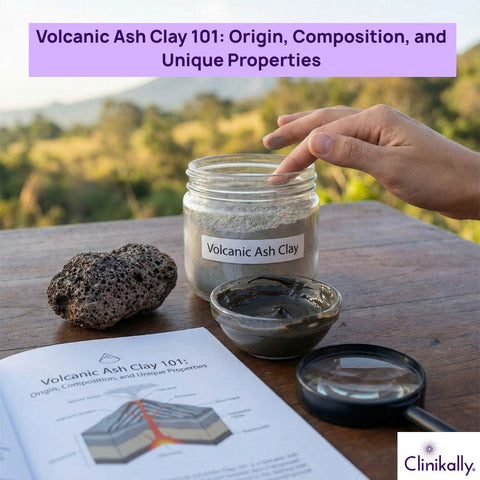
Volcanic ash clay, also known as "volcanic clay" or "bentonite clay" (depending on its origin), is a mineral-rich, naturally occurring substance generated by the interaction of volcanic ash and water over time. Its therapeutic use dates back centuries, but it is now widely recognized for its potent purifying and skin-enhancing properties.
Origin:
Volcanic ash clay is formed from the small particle matter produced during volcanic eruptions. When volcanic ash lands on Earth and interacts with water (particularly in hot springs or mineral-rich regions), it transforms over thousands of years into clay-like deposits. These deposits are then mined, cleaned, and refined for use in skincare, medicine, and health. Two common varieties of volcanic ash clay are:
-
Bentonite clay is primarily composed of montmorillonite and derived from ancient volcanic ash beds.
-
Fuller's earth, also known as zeolite clay, is composed of volcanic tuff and has a distinct crystalline structure.
Composition:
Volcanic ash clay contains a variety of beneficial minerals, which contribute to its health and beauty properties. Its distinctive composition includes:
-
Silica promotes collagen production and improves skin elasticity.
-
Magnesium reduces inflammation and promotes skin healing.
-
Calcium is essential for cell regeneration and barrier function.
-
Iron boosts oxygenation and aids tissue repair.
-
Sodium and potassium help to maintain moisture balance.
-
Sulfur has antibacterial properties and helps acne-prone skin.
Unique properties:
-
Highly absorbent: Volcanic ash clay acts as a toxin sponge, drawing out excess oil, dirt, and environmental pollutants from the pores.
-
Natural exfoliant: The fine, gritty texture provides gentle physical exfoliation, removing dead skin cells and promoting a smoother skin surface.
-
pH-Balancing: Most volcanic clays help to restore the skin's natural pH, resulting in an ideal environment for barrier function and microbiome health.
-
Thermal reactivity: When mixed with water, it produces mild heat due to mineral interaction, which improves blood circulation and nutrient absorption in the skin.
-
Antimicrobial action: Because of its mineral and sulfur content, volcanic ash clay has mild antibacterial and antifungal properties, making it ideal for acne and blemish-prone skin.
From Eruption to Extraction: How Nature Creates This Mineral-Rich Clay
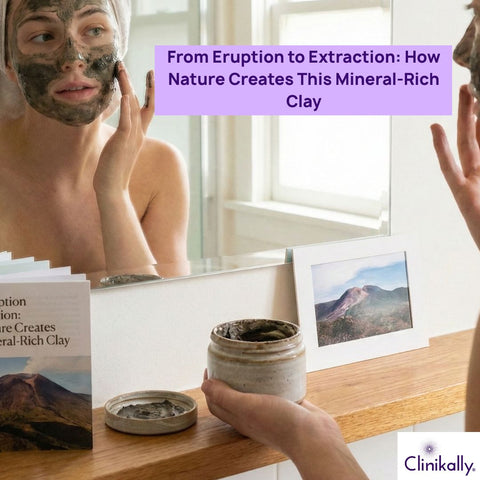
Volcanic ash clay is a mineral-rich skincare ingredient derived from a spectacular natural process. It starts with a volcanic eruption, which spews ash made of fine rock, glass, and mineral particles. Once the ash has settled on the ground, it slowly transforms due to exposure to water from rain, hot springs, or subsurface sources. Over thousands of years, this interaction transforms the ash into a soft, fine clay recognized for its cleansing and therapeutic qualities.
As the ash weathers and reacts with its surroundings, it produces clay structures containing minerals such as silica, magnesium, calcium, and iron. These minerals give volcanic ash clay its distinctive absorbent and cleansing properties, making it perfect for cosmetic applications. The clay is also naturally filtered through layers of earth, which improves its cleanliness and mineral content. Once mature, the clay is carefully collected from natural deposits using environmentally friendly mining processes. It is then cleaned, sun-dried, and finely ground to create the soft powder used in masks and other cosmetic products.
Key Minerals—Silica, Iron, Sulphur—and Their Role in Skin Physiology
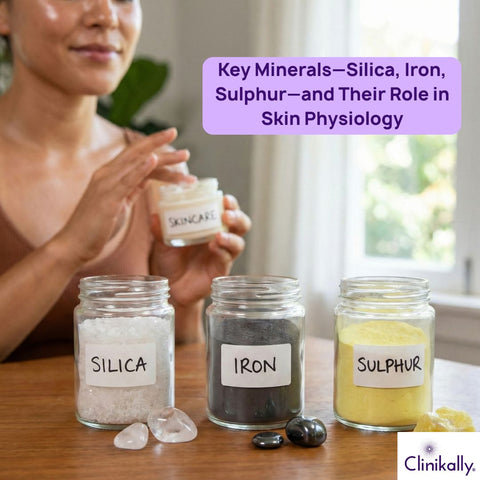
Volcanic ash clay is valued for its high concentration of skin-benefiting minerals. Silica, iron, and sulfur are among the most important, with each performing a unique role in promoting good skin function and appearance.
-
Silica: It is required for the formation of collagen, a structural protein that keeps skin firm, elastic, and young. It strengthens connective tissue, enhances skin texture, and aids moisture retention. With regular application, silica-rich clay may help to make skin smoother, plumper, and more resilient.
-
Iron: Iron promotes oxygen transmission in the blood, which is essential for nourishing skin cells and stimulating regeneration. Iron, used in topical therapies such as volcanic clay, improves circulation and revitalizes dull or exhausted skin. It promotes cellular healing and may help to balance out skin tone and texture with time.
-
Sulfur: It contains natural antibacterial, antifungal, and keratolytic (exfoliating) characteristics. It removes clogged pores, reduces excess oil, and treats acne and inflammation. Sulfur also aids in detoxifying activities in the skin, making it very good for blemished or congested complexions.
Why Volcanic Ash Clay Is Gentler Than Common Bentonite or Kaolin
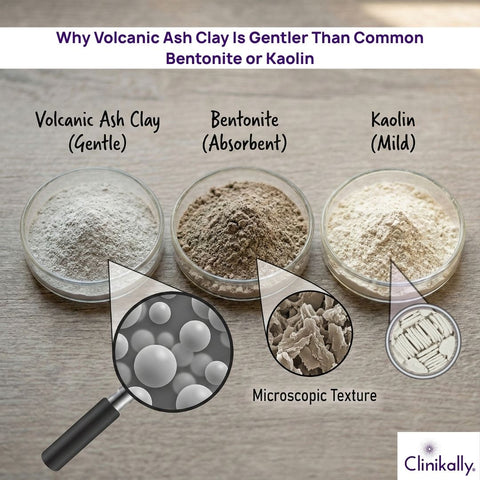
Volcanic ash clay is distinguished among natural clays by its unique mix of deep detoxification and skin gentleness. This rare combination makes it suitable even for sensitive or reactive skin types. Why is it milder than standard clays like bentonite or kaolin:
-
Naturally softer and finer texture: Its ultra-fine particle size enables gentle exfoliation. Unlike bentonite, which can feel gritty and tight, volcanic clay applies smoothly and rinses off effortlessly, without hurting the skin barrier.
-
Balanced oil absorption: Unlike bentonite, which is very absorbent and can remove natural oils, volcanic ash clay softly absorbs excess sebum without leaving the skin dry or flaky. It keeps a more even moisture level, making it ideal for combination or dehydrated skin.
-
Mild pH and mineral profile: Kaolin clay is known for its mildness, while volcanic ash clay has a more mineral-rich yet non-reactive makeup, including calming minerals such as magnesium and silica. This reduces inflammation and promotes skin healing while maintaining its natural pH.
-
Antioxidant and anti-inflammatory properties: It has natural antioxidants and sulfur compounds that cleanse while also reducing redness and bacterial irritation, which bentonite and kaolin do not have.
The Big Five: Research-Verified Benefits Your Skin Will Love

Volcanic ash clay is more than just a natural treatment; it is supported by science. This potent substance, which is high in minerals and trace elements, has numerous skin advantages that have been demonstrated via both traditional use and contemporary research. Here are the big five skin benefits you can rely on:
-
Deep pore detoxification: It has the unique ability to bind to impurities, toxins, and heavy metals trapped deep within your pores. It has been shown in studies to help reduce skin congestion, blackheads, and acne by unclogging and cleansing pores.
-
Oil control without overdrying: Research indicates that volcanic clay absorbs excess sebum while preserving the skin's natural moisture barrier. This makes it great for balancing oily and mixed skin while avoiding flakiness and irritation.
-
Natural exfoliation and texture refinement: The ultra-fine particles of volcanic ash clay provide a gentle exfoliation. Regular use helps remove dead skin cells, smooth uneven texture, and promote cellular turnover, resulting in a more youthful, radiant complexion.
-
Anti-inflammatory and antibacterial action: Volcanic ash clay, which is high in sulfur and trace minerals, has anti-inflammatory and antibacterial properties. These qualities help alleviate acne flare-ups, reduce redness, and promote wound healing.
-
Mineral infusion for skin health: It is rich in minerals such as silica, magnesium, and calcium, which nourish and strengthen the skin. It promotes collagen formation, increases suppleness, and enhances overall skin vitality.
Microscopic Detox: Adsorbing Toxins and Pollution Particles
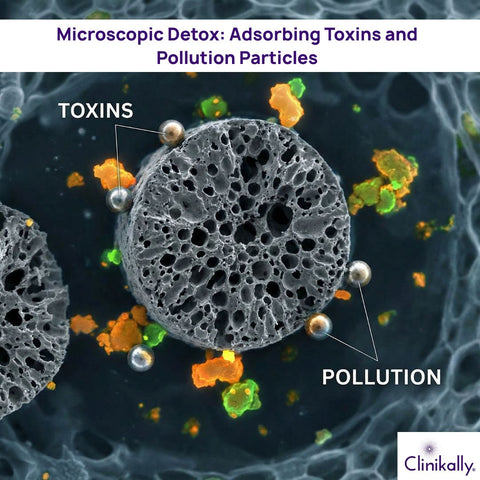
Volcanic ash clay provides a strong kind of skin detoxification at the microscopic level, making it an efficient remedy for battling modern contaminants. Unlike most cleansers, this clay does more than just cleanse the surface; it binds and removes pollutants, heavy metals, and pollution particles from the pores. Volcanic ash clay, with its thin, porous structure and intrinsic negative charge, draws positively charged contaminants such as dirt, germs, and free radicals. This ionic contact unclogs pores and removes embedded pollutants that cause breakouts, dullness, and inflammation. In addition to detoxification, volcanic ash clay thickens the skin barrier, making it more resistant to external stressors. Urban pollution and airborne contaminants can speed up aging and disturb the skin's natural defense mechanism, but using this mineral-rich clay regularly helps to neutralize oxidative stress and prevent long-term damage. Volcanic ash clay's mild, non-stripping nature makes it suited for even the most delicate skin, providing deep cleansing without creating dryness or irritation. It refreshes the skin from within with each application, leaving your complexion cleaner, smoother, and more balanced.
Sebum Rebalancing for Clear, Matte Complexions
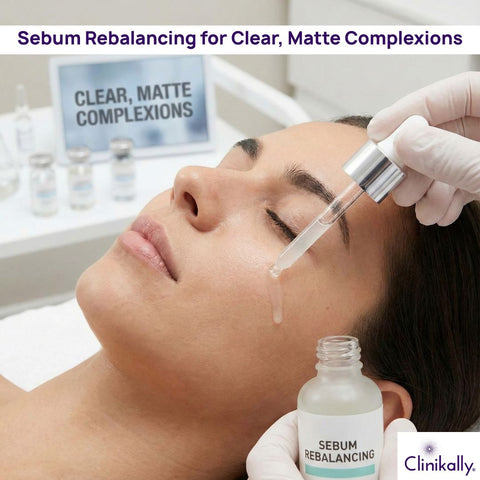
One of volcanic ash clay's most notable advantages is its natural ability to normalize sebum production, making it suitable for persons with oily or mixed skin. Unlike many harsh treatments, which aggressively strip the skin of oil, this mineral-rich clay gently regulates excess sebum while preserving the skin's moisture barrier.
-
It has an absorbent, negatively charged structure that removes excess oil from the pores without dehydrating the skin. It selectively targets excess sebum and pollutants, reducing clogged pores, blackheads, and acne while preventing rebound oiliness.
-
Many oil-control products leave the skin tight or flaking. Volcanic ash clay moisturizes while mattifying the skin. It leaves the skin feeling soft, clean, and comfortably matte, rather than stripped or parched.
-
With continuous usage, this clay helps the skin learn to self-regulate oil production. Over time, it reduces shine in greasy areas, relieves congestion, and promotes a more equal texture and tone.
Calming Inflammation: Soothing Acne-Prone and Sensitive Skin
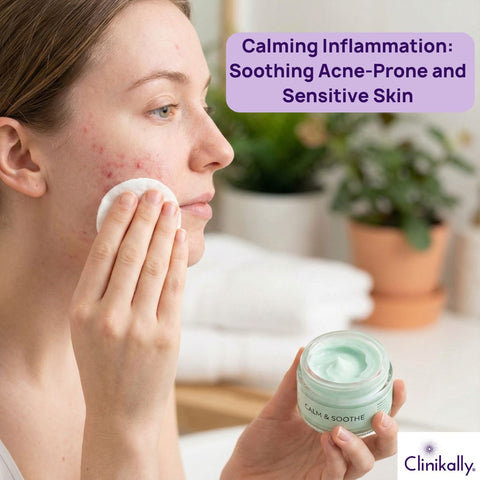
Volcanic ash clay is not only a detoxifier; it also acts as a natural moisturizer for irritated, acne-prone, and sensitive skin. It treats redness, swelling, and irritation at their source with relaxing minerals and a gentle application.
-
This clay contains magnesium, calcium, sulfur, and zinc, all of which have been shown to calm reactive skin. Sulfur, in particular, has antibacterial and keratolytic qualities that aid in acne treatment while lowering inflammation with minimal adverse effects.
-
It reduces acne's underlying causes by pulling out pollutants and excess oil. At the same time, its anti-inflammatory properties significantly reduce redness and swelling, resulting in a calmer, more even skin tone.
-
Unlike harsh acne treatments that might damage the skin barrier, volcanic ash clay works in tandem with the skin. Its delicate texture and balanced mineral profile make it suitable for soothing irritation and rebalancing sensitive skin.
Practical Guide: Choosing, Storing, and Using Volcanic Ash Clay Safely
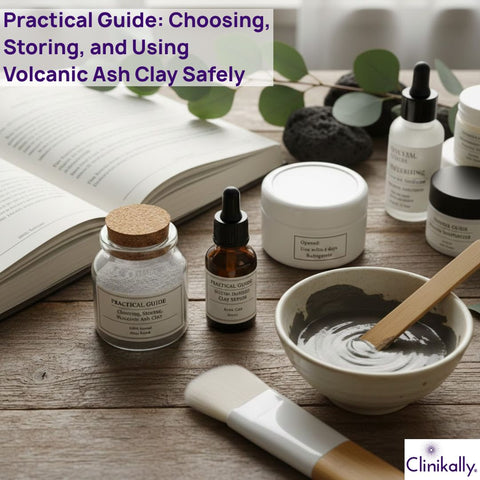
To get the most out of volcanic ash clay in your skincare routine, buy the perfect product, handle it correctly, and apply it with caution. Here's your go-to resource for safe and successful use:
-
Select 100% natural or pharmaceutical-grade volcanic ash clay with no chemicals, perfumes, or fillers. Choose clay from recognized volcanic locations for high mineral richness. Choose a finely milled, unscented variety. Acne-prone? Look for sulfur-containing clays for enhanced antibacterial effect.
-
Keep in an airtight container in a cold, dry place to avoid moisture contamination. Keep refrigerated after opening and use within 7-10 days if handmade or according to label directions.
-
Use clean, non-metal bowls and utensils; metal can react with minerals, reducing effectiveness. Especially if your skin is sensitive or allergic. Apply 1-2 times per week and leave on for 10-15 minutes (don't let it dry completely to avoid overdrying). Always finish with a moisturizing serum or moisturizer to refresh your skin.
With the proper selection, storage, and routine, volcanic ash clay can be a reliable and effective ally in obtaining clear, balanced, and healthy skin.