Boosting Skin Elasticity: Top Tips for a Firmer Complexion

An elastic skin that is firmer and more youthful may very well be achieved with the right strategies. Combining methods from the inside out will increase your skin elasticity manifold. These top Clinikally tips will show you through a nutrient-rich diet and application of targeted skincare products to support your skin elasticity and improve on it for a smoother, more glowing look. Continue reading.
Understanding Skin Elasticity

Understanding skin elasticity is essential for maintaining a youthful and healthy complexion. Skin elasticity refers to the skin's ability to stretch and return to its original shape, a property primarily attributed to the presence of collagen and elastin fibres within the skin's structure. These proteins provide the skin with its firmness, resilience, and ability to bounce back after stretching or compressing. As we age, the natural production of collagen and elastin decreases, leading to sagging, fine lines, and wrinkles. Various factors such as sun exposure, poor nutrition, smoking, and environmental pollutants can accelerate the loss of skin elasticity. Maintaining skin elasticity involves a combination of protective measures, including regular use of sunscreen, a balanced diet rich in antioxidants and essential nutrients, adequate hydration, and a consistent skincare routine featuring products that support collagen production and skin repair. Additionally, lifestyle habits such as regular exercise, sufficient sleep, and stress management play significant roles in preserving the skin's elastic properties. By understanding and addressing these factors, we can enhance and maintain skin elasticity, contributing to a more youthful and vibrant appearance.
The Science Behind Skin Elasticity
The ability of the skin to stretch and return back to its original state is referred to as Skin elasticity. It makes the skin bouncy and supple. It occurs due to collagen and elastin fibres. Collagen and Elastin are the proteins that are produced by the fibroblasts. Collagen is associated with structure and strength of the skin, and elastin provides flexibility and resilience. The elasticity is affected by various factors such as sun exposure, diet and other lifestyle choices. Continue reading to know more.
Factors Affecting Skin Elasticity
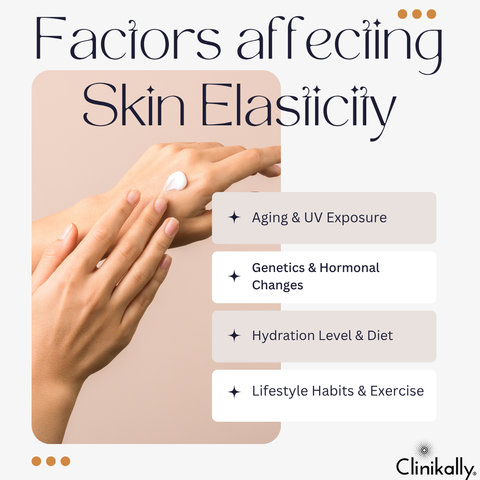
There are various factors that affect the skin’s ability to stretch and return back to its original shape. Some of these factors include:
1. Ageing
As we age, there is a decline in the production of collagen and elastin, along with a rapid breakdown of already existent collagen and elastin. This decrease in the collagen and elastin quantity leads to loss of skin elasticity. Ageing can be natural and lifestyle induced.
2. UV Exposure
UV Rays of the sun are quite harmful for the skin. Excessive exposure to the sun causes damage to the collagen and abnormal production of elastin. This contributes to rapid loss of skin elasticity.
3. Genetics
Apart from environmental factors, the genetic constitution of an individual also plays a key role in determining the skin elasticity. Some people have a generally more resilient skin than others. It is due to the inherited traits.
4. Hormonal Changes
Any abrupt changes in hormones can also negatively affect collagen and elastin synthesis. For example, during menopause, a hormone named Oestrogen declines that results in the loss of skin elasticity.
5. Stress
Chronic stress is associated with a release of a hormone called Cortisol. It causes an accelerated breakdown of collagen and elastin, thereby reducing skin elasticity. Hence stress and loss of skin elasticity are directly related to each other. Less the stress, the more elastic skin is. More the stress, the more skin elasticity loss.
6. Hydration Level
A skin that is adequately hydrated appears more plump and bouncy due to increased support to skin. This results in an improved elasticity, than the skin that is dry and dehydrated.
7. Diet
Various minerals and vitamins support the production of collagen and aid in skin repair. Vitamin C, Magnesium and Zinc supports collagen synthesis, hence having a diet rich in these nutrients is very crucial. Antioxidant rich die is recommended to be taken to prevent skin damage that can also negatively affect collagen and elastin. In addition, a protein rich diet also plays a vital role. Hence, a nutritious balanced diet plays a vital role in maintaining skin elasticity.
8. Lifestyle Habits
Certain habits like smoking and consumption of alcohol are associated with a rapid loss of skin elasticity. Smoking deprives the skin of pure oxygen and nutrients due to a compromised blood flow, and alcohol has dehydrating effects on the skin. In addition, bad sleeping habits also have an adverse impact on skin elasticity as the skin repair is at the peak while we are asleep. Also lack of quality sleep also increases stress. This results in a compounding adverse effect on skin elasticity.
9. Exercise
Exercise greatly improves the blood circulation throughout the body. This ensures maximum delivery of oxygen and nutrients to the skin, thereby improving overall skin elasticity and health.
10. Fluctuations in Weight
Frequent weight gain and weight loss, especially caused by dieting (Yo-Yo Dieting), causes loss of skin elasticity. It occurs due improper and frequent stretching of skin.
Signs of Reduced Skin Elasticity

Reduction in the elasticity of skin can manifest in a variety of ways. The major signs of loss of skin elasticity are:
1. Skin Sagging- Skin can get sagged on the face and on the body. Facial sagging can occur around jaw bones, lips, cheeks and neck. It also causes a loss of the facial contours. In addition, various areas such as upper arms and thighs can also show body sagging. It is quite common after weight loss.
2. Fine Lines & Wrinkles- Development of expression lines around lips and eyes, called laugh lines and crow’s feet respectively, and the frown lines on forehead are usually visible. Sometimes, there is a formation of static wrinkles as well. It refers to the lines that are visible even when the face is at rest. This indicates the loss of underlying skin support and elasticity.
3. Crepe- Like Skin- The skin may appear thin, crepe-like, especially in areas like neck, decolletage and under-eye area. Such skin is delicate and fragile and gets bruised often.
4. Decreased Skin Bounce- Less elastic skin often exhibits delay in skin bounce back. It can be examined by the ‘Pinch Test’. When the skin is pinched, a healthy elastic skin returns back to its original position. Skin with compromised elasticity takes time to bounce back. In addition, the skin that has reduced skin elasticity remains wrinkled or indented after the application of pressure of any kind.
5. Deep Wrinkles- Development of wrinkles and pronounced lines is indicative of reduced skin elasticity. Usually, lines running from corners of the mouth to the chin become deeper and prominent due to decreased elasticity. These lines are referred to as Marionette Lines.
6. Skin Laxity- The skin feels less firm and feels devoid of the firmness and tightness of the skin.
7. Drooping Eyelids- Due to loss of skin elasticity, the skin of the upper eyelid may begin to droop. This may sometimes impair vision and also contribute to a tired and aged skin.
8. Rough Texture- Due to collagen breakdown, skin feels and appears rough.
9. Hyperpigmentation- Development of age spots or sun spots is very common as the skin loses its ability to repair and regenerate due to loss of collagen.
10. Oval, Enlarged Pores- The pores appear larger and noticeable due to loose skin around them. Also, the pore shape changes from round to oval.
11. Dull Tone- Reduced elasticity is associated with a dehydrated appearance. As a result, the skin loses its natural, healthy glow. There is an overall decrease in the radiance and brightness of the skin.
12. Delayed Wound Healing- There is a reduction in the skin’s regenerative and reparative potential. As a result, the wounds like cuts, abrasions etc. take longer to heal. Also, signs of inflammation remain for a longer time period.
Methods to Improve Skin Elasticity

This is what improves skin elasticity: a well-balanced diet supplemented with topical treatments to achieve that youthful, healthy glow. Vitamins, minerals, and antioxidants found in fruits, vegetables, and nuts usually perform the job of boosting collagen production and acting against oxidative stress. Direct topical treatments like serums and creams with retinoids, hyaluronic acid, and peptides feed the skin to make it more pliable and elastic. Therefore, each one of these two ways will make sure that both from the inside and from the outside, sufficient support is given for the elasticity of the skin, decreasing fine lines and wrinkles, which is connected to healthy skin and its vitality.
Topical Treatments for Firmer Skin
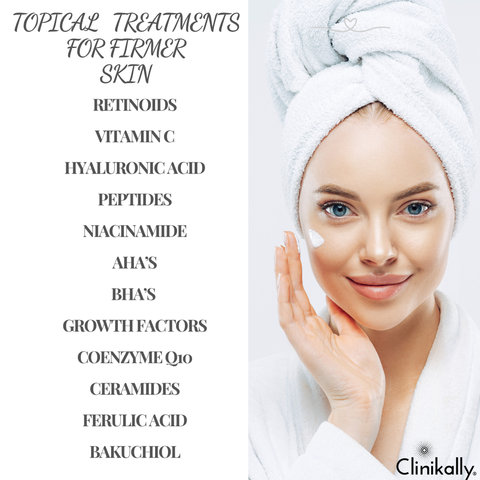
Various topical treatments can significantly improve and enhance skin firmness and elasticity. Some of the topical treatments that aid in making the skin firm are:
1. Retinoids
These not only enhance the cell turnover rate, but also stimulate the collagen production significantly. Verso Super Facial Oil With Retinol 8 is an excellent recommendation.
2. Vitamin C
It stimulates the synthesis of collagen, along with making the skin bright and radiant. Dermaceutic Tri-Vita C30 30% Vitamin C Serum is an excellent recommendation.
3. Hyaluronic Acid
Being a humectant, it is capable of attracting moisture to the skin, thereby making it plump and firm. COSRX The Hyaluronic Acid 3 Serum is an excellent recommendation.
4. Peptides
These enhance skin firmness and elasticity by signalling and stimulating the skin to produce collagen and elastin. Genosys ND Cell Anti-Wrinkle Serum is an excellent choice.
5. Niacinamide
Niacinamide prevents degeneration of collagen, thereby making the skin firm and resilient. Clinikally The Ultimate NIA (10% Niacinamide) Serum is highly recommended.
6. Alpha Hydroxy Acids (AHAs)
AHAs like Glycolic Acid, Lactic Acid exfoliate the skin, promote cell turnover and stimulate collagen production. This makes the skin firm and resilient. Glyco-12 Cream is highly recommended.
7. Beta Hydroxy Acids (BHAs)
Salicylic ACid is the most common BHA that aids in skin exfoliation and increases the cell turnover rate significantly. This enhances the collagen formation, therefore improving skin firmness and resilience. COSRX Salicylic Acid Daily Gentle Cleanser is an excellent recommendation.
8. Growth Factors
As the name suggests, growth factors can stimulate cell regeneration and collagen production, thereby making the skin firm and resilient. iS Clinical Reparative Moisture Emulsion has copper tripeptide growth factors aids in reducing fine lines and wrinkles.
9. Coenzyme Q10 (Ubiquinone)
It is an antioxidant that protects the skin from free radical damage and oxidative stress. This improves skin firmness. Sesderma Reti Age Anti-Aging Serum is one such product that contains CoQ10 along with other ingredients.
10. Ceramides
These aid in strengthening and restoration of skin barrier. As a result, trans-epidermal water loss gets decreased, thereby making the skin hydrated and supple. The Face Shop Rice & Ceramide Moisturizing Cream is rich in ceramides that strengthen skin barrier.
11. Ferulic Acid
Being a potent antioxidant, it prevents skin damage by oxidative stress and free radical damage, which are capable of degrading collagen and elastin. GAHA Serum also contains Ferulic Acid.
12. Bakuchiol
It is a plant-based alternative to retinol that boosts collagen synthesis. This results in improved skin elasticity. Sesderma Sesretinal Young Skin Moisturizing Plus Gel contains various anti ageing ingredients along with Bakuchiol.
Dietary Changes to Boost Elasticity
As mentioned above, eating a balanced, rich diet plays a vital role in enhancing skin health and resilience. Someadditions and subtractions recommended in the diet to amplify dietary skin benefits are:
- Eat food rich in collagen. Include bone broth, chicken or fish in the diet.
- Consume food rich in antioxidants.Spinach, kale, nuts like almonds, chia seeds and berries like strawberries, blueberries and raspberries, are rich in antioxidants that protect the skin from free radical damage.
- Include ample sources of Vitamin C in your diet as it stimulates and enhances the synthesis of collagen. Amla, kiwi, oranges etc. are rich sources of Vitamin C. Bell peppers and broccoli also are rich in Vitamin C.
- Include fatty fish like sardines and salmon in your diet to incorporate Omega-3 fatty acids as these play a vital role in maintaining skin barrier. For vegetarians, chia seeds, pine nuts can be added to the diet.
- Add food rich in zinc as it also boosts collagen production. Pumpkin seeds, oysters and crabs are excellent sources of zinc in diet.
- Eat a protein rich diet consisting of lean meats like turkey, chicken and legumes like chickpeas, beans and lentils as these contain amino acids required for collagen and elastin synthesis.
- Keep yourself hydrated. Drink ample water and consume water rich food like cucumber, watermelon and celery to keep the skin hydrated and plump.
- Vitamin E protects the skin from oxidative damage, thereby supporting skin health. Avocado and nuts like almonds, hazelnut and sunflower seeds are a rich source of Vitamin E.
- Sulphur rich food options like garlic and onions should also be added to diet as these help in the synthesis of collagen.
- Copper is also essential for collagen production. Hence, lobsters, oysters, sesame seeds and cashews should also be added in the diet.
- Consume green tea and dark chocolate as these are rich in polyphenols and have an anti-inflammatory and collagen boosting effect.
- Incorporate probiotics in your diet as it has a significant impact on gut health, that gets reflected on skin. Yogurt and fermented foods like kimchi and kefir can be added.
- Limit sugar, refined carbohydrates and other processed foods in your diet as they damage and deteriorate the existing collagen and elastin, thereby negatively impacting skin elasticity.
Certain nutrition supplements that can be added to make your skin healthy and supple are:
- GM Age Defy Tablet
- Beautywise Skin Resilience Capsule
- Beautywise Vegan Collagen Builder Powder
- INJA Beauty Collagen
- Azelia Biotin & Collagen Supplement Tablet
Lifestyle Habits for Healthy Skin
As lifestyle has a significant impact on one’s skin health, adopting certain habits can immensely support skin health and resilience.
- Stay hydrated.
- Eat a balanced, antioxidant rich, nutritious diet.
- Avoid spending excess time in the Sun.
- If going out in the Sun, protect the skin from sun damage by wearing sunscreen with a minimum of SPF 30. Also wear protective gear like sunglasses, hats etc.
- Follow a proper skincare regimen.
- Exfoliate your skin regularly.
- Get a good-quality sleep of minimum 7-9 hours.
- Manage stress using stress relaxation techniques.
- Practice meditation.
- Exercise regularly. Do cardiac exercises like jogging, skipping etc. to improve blood circulation.
- Avoid smoking and limit alcohol consumption.
- Avoid excessively processed foods, sugar and refined flours.
- Opt for whole grains.
- Avoid excessive and harsh diets.
- Avoid Yo-Yo dieting.
- Consult a dermatologist regularly.
Natural Remedies for Skin Elasticity

Natural remedies offer a gentle and effective approach to maintaining and enhancing skin elasticity. Ingredients like aloe vera, coconut oil, and honey are known for their moisturising and healing properties, which can help improve skin's resilience. Consuming antioxidant-rich foods such as berries, nuts, and leafy greens supports collagen production and protects against environmental damage. Regular facial massages with natural oils can also stimulate blood flow and promote firmer skin. These natural methods not only enhance skin elasticity but also provide a holistic approach to skincare, promoting overall skin health without the use of harsh chemicals. Embracing natural remedies is an important step in achieving and maintaining youthful, elastic skin. Continue reading to know more about it in detail.
Essential Oils for Skin Tightening
Various essential oils can be incorporated into the skincare regimen to enhance skin elasticity due to their anti-inflammatory, antioxidant-rich and collagen boosting nature. Some of the best essential oils that can be added to the skincare routine are:
1. Frankincense Oil
- regenerates skin cells
- reduces scar appearance
- improves skin elasticity.
2. Lemon Oil
- rich in Vitamin-C
- boosts collagen production
- tightens skin.
3. Rosemary Oil
- enhances circulation
- tightens sagging skin
- reduces puffiness.
4. Patchouli Oil
- stimulates collagen production
- promotes skin healing
5. Lavender Oil
- fights free radicals
- soothes skin.
6. Neroli Oil
- boosts skin cell regeneration
- improves elasticity
7. Geranium Oil
- possesses astringent properties
- tightens skins
- minimises the appearance of wrinkles
8. Clary Sage Oil
- contains natural phytoestrogens
- improves skin elasticity
- anti-ageing
9. Sandalwood Oil
- Moisturises skin
- tightens skin
- soothes irritated skin.
10. Myrrh Oil
- strengthens skin
- improves elasticity
- possesses antioxidant properties
11. Tea Tree Oil
- possesses antibacterial properties
- tightens pores
Certain tips on incorporating essential oils in your skincare regimen are:
- Always dilute the essential oil with a carrier oil.
- Jojoba oil, Coconut Oil, Argan Oil, Grapeseed Oil and Almond Oil are the best carrier oils.
- Always perform a patch test.
- Use essential oil on a clean skin and massage gently using upward strokes.
- Use essential oils only once or twice daily.
- Try using essential oils at night time to avoid photosensitivity.
Homemade Masks for Firm Skin
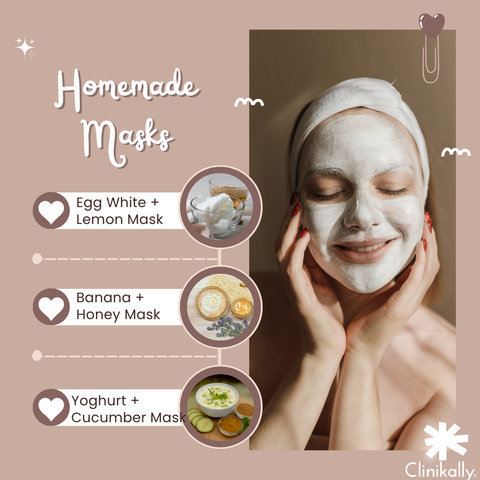
From the kitchen, various DIY home-made masks can also be incorporated into the skincare regimen that aids in making the skin firmer due to the nutritious ingredients present in the food items.
1. Egg white and lemon mask
- Squeeze the lemon juice.
- Separate egg white from yolk.
- Mix the yolk and lemon juice.
- Whisk until frothy.
- Apply it on your face and neck.
- Leave it on until it dries.
- Rinse with lukewarm water.
- Use once or twice a week.
2. Banana and Honey Mask
- Mash the ripe banana until smooth.
- Add honey to it.
- Mix well.
- Apply it evenly on the face and neck.
- Leave for 15-20 minutes.
- Rinse with lukewarm water.
3. Yogurt and Cucumber Mask
- Blend 1 cucumber and 4 teaspoons of yogurt together.
- Apply the mixture on the face.
- Leave for 20 minutes.
- Rinse with cool water.
Exercise Routines for Skin Firmness

Performing exercise proves to be extremely beneficial for skin health. It improves blood circulation, thereby enhancing nutrient availability and increased waste removal. It significantly increases collagen production and aids in skin repair and healing. It also keeps a check on stress levels by lowering the levels of cortisol and boosting endorphins. In addition, it keeps a check on hormone regulation. All this results in improved skin health. Various exercises that can be done to enhance skin firmness are:
- Cardiovascular Exercises like running, cycling, jogging, swimming, and dancing.
- Strength Training such as lifting weights, performing resistance band exercises, and bodyweight exercises.
- Yoga and Pilates
- High-Intensity Interval Training (HIIT)
Apart from these, certain Facial Exercises can also be done that have specific target movements, focusing on strengthening specific muscles, thereby improving the skin appearance. Certain tips for incorporating facial exercises for Skin Firmness are:
- Be consistent. Exercise at least 4-5 times a week.
- Stay hydrated while exercising.
- Do a balanced mix of exercises.
- While exercising outdoors, always wear sun protection in the form of sunscreen or sun-protective gears.
Professional Treatments for Enhanced Elasticity
Professional treatments, however, can do much for elasticity and to fight the signs of ageing. Laser therapy, microneedling, chemical peels, and radiofrequency work to increase collagen levels in skin cells and stimulate firmer, more elastic skin. The at-home versions of these professional treatments, however, cannot compare to what can be achieved by a dermatologist or aesthetician. Such regular professional interventions, supplemented by a good skincare routine, have radical positive effects on skin texture and elasticity, thus helping to preserve youthful looks and boosting overall health. The investments made in such treatments can definitely lead to long-lasting and resilient skin.
In-Office Procedures for Skin Tightening
| Procedure | How It Works | Treatment Areas | Benefits |
| Laser Skin Tightening | Lasers heat the deeper layers of the skin, stimulating collagen production and remodelling. | Face, neck, and body. | Non-invasive: Minimal downtime and less discomfort compared to surgical options. Collagen Boost: Improves skin texture and firmness by promoting collagen production. |
| Radiofrequency (RF) Treatments | RF devices use energy to heat the skin’s deeper layers, stimulating collagen and elastin production. | Face, neck, abdomen, thighs, and other areas with loose skin. | Non-invasive: Typically involves no downtime. Skin Firmness: Improves skin tone and reduces sagging. |
| Ultrasound Therapy | Ultrasound waves penetrate deep into the skin, heating tissue and stimulating collagen production. | Face and neck. | Non-invasive: No downtime and minimal discomfort. Lift and Tighten: Effective for lifting and tightening the skin on the face and neck. |
| Microneedling with Radiofrequency (RF Microneedling) | Combines microneedling with RF energy to enhance collagen production. | Face, neck, décolletage, and body. | Dual Action: Enhances skin texture and firmness by stimulating collagen both mechanically and thermally. Minimal Downtime: Quick recovery time. |
| Chemical Peels | A chemical solution is applied to the skin to exfoliate and remove dead skin cells, promoting new cell growth and collagen production. | Face and body. | Improved Texture: Reduces fine lines, wrinkles, and improves overall skin texture. Collagen Stimulation: Promotes collagen and elastin production for firmer skin. |
| Thread Lifts | Biodegradable threads are inserted into the skin to lift and tighten sagging areas. | Face, neck, and jowls. | Immediate Results: Provides an instant lifting effect. Collagen Production: Threads stimulate collagen production as they dissolve. |
| Dermal Fillers | Injectable fillers (e.g., hyaluronic acid, calcium hydroxylapatite) are used to add volume and lift sagging skin. | Face, particularly around the cheeks, jawline, and under the eyes. | Non-surgical: Minimally invasive with immediate results. Volume Restoration: Fills in wrinkles and adds volume to sagging areas. |
| Platelet-Rich Plasma (PRP) Therapy | Platelets from your own blood are injected into the skin to stimulate collagen production and cell regeneration. | Face, neck, and décolletage. | Natural Method: Uses your body’s own platelets for skin rejuvenation. Improves Texture: Enhances skin firmness and reduces fine lines. |
| Microcurrent Facials | Uses low-level electrical currents to stimulate facial muscles, promoting collagen and elastin production. | Primarily the face and neck. | Non-invasive: No downtime and immediate tightening effect. Muscle Stimulation: Improves muscle tone and skin firmness. |
| Cryolipolysis (CoolSculpting) | Targets fat cells with controlled cooling, causing them to crystallise and be naturally eliminated by the body. | Commonly used for body contouring, including the abdomen, thighs, and under the chin. | Non-invasive: No downtime. Targeted Fat Reduction: Reduces stubborn fat areas. |
To know more about these in-office procedures, and to schedule an online consultation with a dermatologist, book now!!
The Role of Supplements in Skin Elasticity
Sometimes the diet fails to provide adequate nutrients. In such a scenario, adding various supplements to the diet can prove to be very beneficial for the skin resilience and elasticity. These supplements are capable of providing the daily nutrition/nourishment that, otherwise can be missed. These supplements can be oral or topical. Keep reading to know about the ingredients that are required for optimum skin health and their respective supplements.
1. Collagen Peptides: Oral Consumption is required. Can be applied topically also.
Recommended products are:
- Nutrova Collagen + Antioxidants
- INJA Pro Collagen - Natural Flavour
- Desafio Anti Ageing Cream
- Cosderma Collagen Face Gel
- KAINE Chaga Collagen Charging Serum
2. Vitamin C: Can be taken orally or applied topically.
Recommended products are:
- Revibra C10 Pure Vitamin C Cream
- Neolayr Pro Vitamin-C Skin Brightening Face Wash
- COSRX The Vitamin C 23 Serum
- VitFiz Charge Effervescent Tablet
3. Vitamin E: Recommended oral and topical products are:
- Carbamide Forte Vitamin E 400mg Capsule
- Genosys ND Cell Anti-Wrinkle Serum
- VCX Vitamin C,E, Ferulic Acid Serum
4. Hyaluronic Acid: Recommended products containing hyaluronic acid are:
- Clinikally Hyaluronic SkinBooster Serum
- Dermatica HA Pure Serum
- Sesderma Hidraderm Hyal Facial Cream
- COSRX The Hyaluronic Acid 3 Serum
- OZiva Skin Vitamins Capsule With Hyaluronic Acid and Grape Seed Extract
- Swisse Beauty Collagen + Hyaluronic Acid Tablet
5. Omega-3 Fatty Acids: Recommended products are:
- Nutrova Complete Omega 3 Capsule
- WishNew Wellness Daily Ritual 3X Omega's & CoQ-10 Capsule
- Swisse Ultiboost Odourless High Strength Omega-3 1500mg Wild Fish Oil Capsule
6. Zinc: Recommended topical and oral products are:
7. Coenzyme Q10 (CoQ10): Recommended ORAL products are:
8. Biotin (Vitamin B7): Recommended oral and topical products are:
- Carbamide Forte Biotin 10000mcg Tablet
- SwisseMe Beauty Biotin Gummies - Strawberry Flavour
- Peltos Rejuve Sleep Mask
9. Silica : Recommended topical products are:
10. Resveratrol: Recommended topical and oral products are:
- Glowtiva Skin Illuminating Brightening Face Wash
- Acnechio-OD Tablet
- Yuderma Yuvit-C Anti-Ageing Cream
These supplements should always
- be incorporated after consultation with dermatologists.
- be used along with a balanced diet.
- be taken/used consistently.
- be high-quality products.
- be taken/used after reading the label thoroughly.
Choosing the Right Skin Care Products
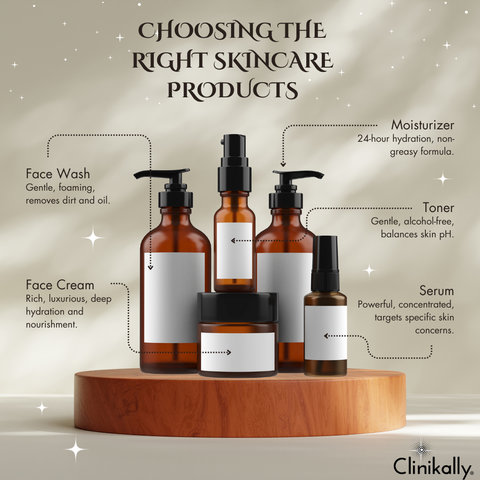
Choosing the correct skincare products is very essential as it aids in addressing specific skin issues and the correct reason behind the loss of skincare elasticity. Certain tips for choosing the correct skincare products are:
- Choose the skin according to your own skin type.
- Look for the active ingredients that specifically target your concern. For skin elasticity, look for ingredients containing Vitamin C, Retinol, HYaluronic Acid, Peptides and antioxidants.
- Always read ingredient label carefully to avoid harmful additives like paraben, alcohol and fragrance, especially if you have a sensitive skin.
- Choose products that are dermatologist recommended.
- Consider user feedback before buying the products to understand the effectiveness and side effects.
- Choose quality products with good, proven ingredients.
- Generally, reputable brands are known for their research and quality standards.
- Adjust the skincare regimen according to season.
- Choose the products that are recommended for your age-group.
- In case of pregnancy, conception trials and lactation, always consult a dermatologist before using/ consuming any product/supplement.
Final Thoughts on Maintaining Skin Elasticity

Elastic skin, for a young and healthy outlook, is necessary. Factors such as a balanced diet, proper hydration, regular exercise, and less exposure to sunlight together holistically maintain this. Use of skin products containing substances such as retinoids, hyaluronic acid also maximises the effect of elasticity. Avoid a lifetime of smoking and excessive exposure to sunlight. All it needs is some regular little care and a few thoughtful lifestyle habits to always maintain your skin elastic, firm, and glowing.
Personalised Skin Care Recommendations

For an effective skincare to boost collagen production, a sample personalised skincare regimen is formulated below:
1. Morning Skincare
- Cleanser: Ahaglow Advanced Skin Rejuvenating Face Wash Gel
- Toner: The Face Shop Rice & Ceramide Moisturizing Toner
- Serum: Barulab 530 S-Peptide Serum Ampoule
- Moisturiser: Clinikally HydraSoothe Moisturiser
- Sunscreen: Aclaris Photon Sunscreen Gel SPF 50 PA+++
- Lip Balm: Neutrogena Daily Lip Balm SPF 15
2. Evening Skincare
- Oil Based Cleanser: IUNIK Calendula Complete Cleansing Oil
- Water Based Cleanser: Faher Skin Radiance & Age Defying Creamy Face Wash
- Toner: The Face Shop Pomegranate & Collagen Volume Lifting Toner
- Serum: Clinikally Skin Renewer Retinol Serum
- Spot Treatment: Swiss Perfection Montreux Cellular Perfect RS-28 Rejuvenation Anti-Dark Spot Serum
- Under-Eye Cream: FCL Eye Refining Matrix
- Moisturiser: iS Clinical Reparative Moisture Emulsion
- Occlusive Moisturiser: MaxRich Intensive Moisturizing Cream Aquaporin Hydraconcept
- Lip Balm: Belif Super Knights - Multi Vitamin Lipcerin
- Hand Cream: Aqurea HF Richly Nourishing Hand & Foot Cream Gel
3. Weekly Skincare
- Exfoliants: iS Clinical Active Peel System
- Masks: Peltos Rejuve Sleep Mask
Long-Term Strategies for Youthful Skin
To maintain a youthful skin for a long term, usually good skin care practices need to be implemented.
- A consistent skincare regimen must be followed.
- UV protection must always be done.
- Always reapply sunscreen every 2 hours, or after any physical activity that involves sweating or contact with water.
- Stay updated with the latest research in the industry.
- Tanning beds must be avoided.
- Take a proper balanced diet.
- Get adequate rest.
- Manage stress.
- Avoid smoking and drinking.
- Get regular dermatologist check-ups.
Incorporating such practices is very essential for maintaining good, resilient skin. Skincare practice for maintaining skin’s collagen should be started at a young age.
- In late teens and early twenties, AHA and BHA based skincare products must be incorporated into skincare regimen to boost skin turnover. In addition, hyaluronic acid can be used to keep the skin plump and hydrated.
- In the late twenties, Vitamin C based skincare products must be added so as to support and boost collagen production. Peptides can also be added.
- In the early thirties, Retinoids must be added to target wrinkles and fine lines.
- In late thirties and forties, a higher concentration of retinoids should be incorporated.
- In the fifties, prescription retinoids can be used for an effective result. These can be prescribed by a dermatologist.
- In-Clinic skin care procedures can also be done time-to-time to amplify collagen synthesis.
- In all age groups, a healthy diet is the basic requirement.
Expert Opinions on skin elasticity
Experts in the field agree that elasticity maintenance is the key factor to attaining an overall youthful, healthy skin appearance. Facial skin elasticity is lost due to many factors, such as ageing, sun damage, poor nutrition, and smoking, which result in the degeneration of collagen and elastin fibres. To maintain and improve elasticity, dermatologists strictly advise a balanced diet that is dense in vitamins C and E, application of sunscreen, keeping the body well-hydrated, and making a routine in skincare that should contain retinoids and hyaluronic acid. Besides those, exercising daily and avoiding different vices can make a big difference in the elasticity of the skin.
Conclusion: Your Path to Firmer, More Elastic Skin
Proper care and lifestyle can grant one firmer and more elastic skin. Eating healthy, avoiding sun damage, keeping your body well-hydrated, and making use of some of the good skincare products available all make a huge difference. Add some regular exercise to your schedule and avoid unhealthy habits like smoking, and you could actually see your skin doing much better. Think ahead to following these expert-recommended tips for enjoying healthier, more youthful-looking skin that will stay firm and elastic over the years.