Beyond the Usual: 8 Unexpected Powerhouse Protein Foods
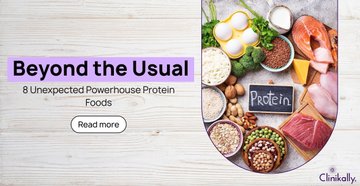
There is a large variety of high-protein foods. These can include a variety of fruits and vegetables, dairy products, meat, seeds, and more.
Eating high-protein foods offers numerous advantages, including muscle development and feeling fuller after eating. Although consuming a lot of protein can be advantageous, having a balanced diet is critical for remaining healthy. Protein is an essential food that is required for many body activities. It serves as the foundation for cells and aids in the maintenance of muscle mass. Most healthy adults should ingest at least 0.8 grams (g) of protein per kilogram of body weight (0.36 g per pound). However, an individual's protein goals may differ depending on their physical activity level and medical history. The following are some of the top high protein foods that people can eat.
Why Expanding Your Protein Sources Matters
The 8 most unexpected but powerful protein-packed foods to include in your diet.
-
Tempeh: Protein: around 19g per 3 oz. This fermented soy product is denser and nuttier than tofu, and it contains probiotics that are beneficial to the gut as well as all nine essential amino acids. Excellent meat substitute with a firm texture for stir-fries and sandwiches.
-
Hemp seeds: Protein: around 10g per 3 tbsp. These tiny seeds include a lot of plant-based protein, omega-3s, and magnesium. Sprinkle on cereal, yogurt, or salad for a subtle, nutty crunch.
-
Cottage Cheese: Protein: around 14g per ½ cup. It's a popular choice among fitness fanatics since it contains casein, a slow-digesting protein that's ideal for nocturnal recuperation. Combines well with fruit or savory herbs for a snack or light supper.
-
Spirulina: Protein: approximately 4g per tablespoon (dry powder). This blue-green algae contains a high concentration of complete protein, B vitamins, and antioxidants. Add to smoothies or combine with lemon juice and water for a detoxifying shot.
-
Quinoa: Protein content: around 8g per cup (cooked). Quinoa, unlike most grains, is a complete protein that contains all of the essential amino acids as well as fiber and iron. Use instead of rice or as the foundation for protein bowls and salads.
-
Peanut butter powder: Protein content: around 8g per 2 tbsp (powder). This powdered peanut butter contains less fat than conventional peanut butter while still providing solid protein and superb flavor. Mix into smoothies, oatmeal, or protein pancakes.
-
Green Peas: Protein content: around 8g per cup (cooked). Peas, which are high in fiber and protein, help to stabilize blood sugar levels. Blend into soups, pastas, or dips such as pea pesto.
-
Chickpea pasta: Protein content: around 14g per 2oz serving. Made from chickpeas or lentils, this pasta alternative contains more protein and fiber than traditional pasta. The same level of comfort food satisfaction, but with a significantly improved nutritional profile.
Protein’s Role in Everyday Nutrition
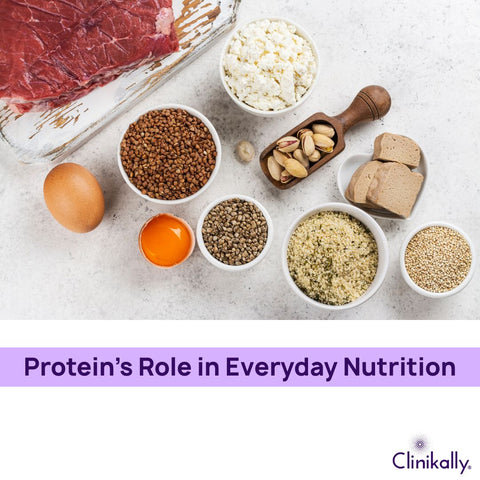
Protein isn't only for bodybuilders and elite athletes; it's an essential component of every diet, playing an important role in almost every area of health and wellness. Protein is a nutritional powerhouse that should be on every plate, from strengthening your immune system to keeping you full between meals. Protein is composed of amino acids, which are the building blocks that your body uses to:
-
Build and repair tissues, such as muscles, skin, and organs.
-
Produce enzymes and hormones.
-
Support immune function.
-
Transport nutrients and oxygen.
Because your body cannot store protein in the same way that it can store carbohydrates or fat, you must consume it on a regular basis through food.
Common Myths About High-Protein Diets
Some of the most common myths about high-protein diets, along with scientific evidence.
-
Myth 1: A high-protein diet harms your kidneys.
-
Truth: This is one of the most common myths. A high-protein diet does not appear to impair kidney function in healthy people. People with pre-existing renal illness are particularly concerned, as they may need to reduce their protein intake under medical supervision.
-
Myth 2: Protein Makes You Bulky.
-
Truth: Eating protein alone will not cause you to "bulk up." Muscle growth necessitates constant strength exercise and, typically, a calorie surplus. Protein improves muscle preservation and tone, but it does not cause bulkiness unless combined with particular training and diet.
-
Myth 3: You can only absorb 20-30 grams of protein at once.
-
Truth: While muscle protein synthesis may reach a maximum of 20-30g each meal, your body absorbs and uses the remaining protein for various activities such as enzyme creation, immunological support, and tissue repair.
-
Myth 4: High-protein diets are bad for your bones.
-
Truth: Older beliefs believed that a high protein diet might leach calcium from bones, weakening them. However, modern research demonstrates that enough protein promotes bone health, particularly when combined with calcium and vitamin D.
-
Myth 5: You must eat meat to get enough protein.
-
Truth: Animal products are complete proteins, but you can definitely meet your needs on a plant-based diet with a variety of foods, including legumes (lentils, chickpeas, beans), tofu, tempeh, seitan, quinoa, nuts, seeds, and plant-based protein powders.
-
Myth 6: High-protein diets promote weight gain.
-
Truth: Protein is one of the most effective macronutrients for weight loss. It promotes metabolism and satiety and helps to maintain lean muscle mass while decreasing fat. Any weight gain from a high-protein diet would be attributed to an excess of calories rather than protein.
-
Myth 7: Protein supplements are necessary.
-
Truth: Supplements such as protein powder are useful but not necessary. Most people may meet their nutritional needs with entire meals such as eggs, dairy, legumes, meat, and grains. Supplements are only a tool, not a requirement.
Green Proteins That Do More Than You Think
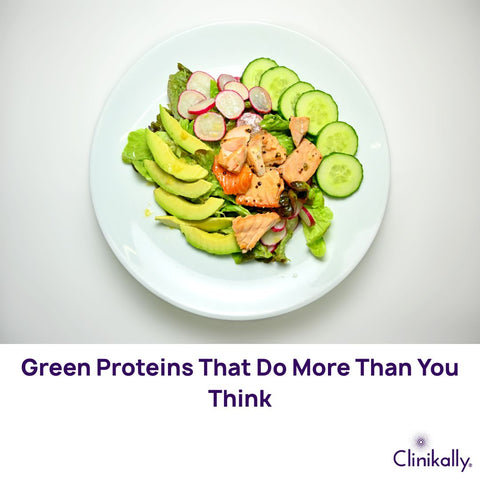
When you think of protein, leafy greens and green-colored foods may not be the first things that come to mind. However, "green proteins" pack a surprising punch, providing not only protein but also fiber, antioxidants, and essential minerals. These green superfoods do more than just build muscle; they also aid digestion, reduce inflammation, and increase overall vitality. Some of the best green protein sources that give far more than you might imagine are:
-
Edamame (young soybeans): It has around 17g of protein per cup (boiled). Edamame is a complete protein, which means it has all nine essential amino acids. It is also rich in fiber, folate, and iron. Add to salads, rice bowls, or eat as a steamed snack with sea salt.
-
Spirulina: It contains around 4 grams of protein per tablespoon (dry powder). This blue-green algae is one of the most nutritionally dense meals on the planet. It has over 50% protein by weight and high in B vitamins, iron, and potent antioxidants such as phycocyanin. Blend into smoothies, incorporate into energy snacks, or add to green juice.
-
Green peas: It contain around 8 grams of protein per cup (boiled). Peas are high in protein and also contain vitamin C, vitamin K, and manganese. They also include lysine, an essential amino acid that is commonly deficient in other plant-based meals. Blend into soups, mash into spreads, or add to pasta recipes.
-
Broccoli: Protein content is around 4g per cup (cooked). While broccoli is generally commended for its fiber and vitamin C content, it also has a respectable protein to calorie ratio. It also contains anti-inflammatory chemicals, including as sulforaphane. Steam, roast, or sauté; for added protein, consider pairing with hummus or tahini.
-
Chlorella: It has around 2 grams of protein per teaspoon (powdered). This green freshwater algae, like spirulina, is high in protein, detoxifies heavy metals, boosts immunological function, and increases endurance. Mix with water, or add to green smoothies or protein balls.
-
Hemp seeds: It contain around 10 grams of protein per 3 tablespoons. Although hemp seeds are not literally green, they are frequently associated with "green" proteins due to their plant origin and high nutritional content. They include omega-3s, magnesium, and are a complete protein. Sprinkle over salads, yogurt, or incorporate into smoothies.
-
Dark leafy greens (spinach, kale, swiss chard): Protein: ~2-3g per cup (cooked). While leafy greens are low in protein per serving, they add up when consumed regularly. They are high in antioxidants, calcium, iron, and fiber, and when combined with other proteins, they improve nutrient absorption. Use as a salad basis, sauté with garlic, or add to smoothies and soups.
Green Peas: Tiny But Protein-Dense Superstars
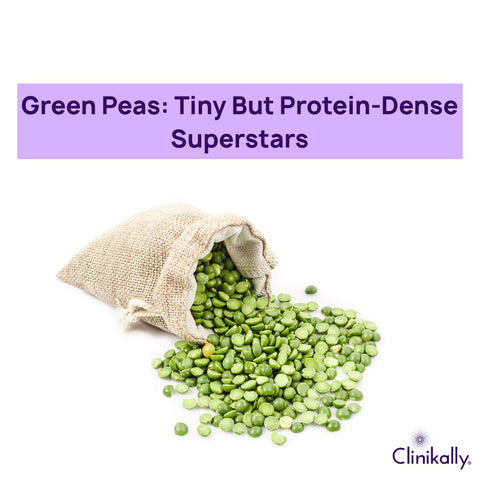
Green peas may appear to be a simple side dish, but their modest size belies their protein-packed, fiber-rich, and nutrient-dense content. Green peas, which are often disregarded in the protein discourse, are one of the most nutrient-dense legumes you can eat.
Nutritional Profile (for one cup cooked)
-
Protein ~8 grams
-
Fiber ~8 grams
-
Calories ~120
-
Rich in vitamin C, vitamin K, B vitamins (especially folate), manganese, and iron.
The reasons why green peas are considered superfoods are listed below:
-
Plant-based protein powerhouse: Green peas contain more protein than most other vegetables, making them appropriate for plant-based diets. They're particularly significant since they contain lysine, an essential amino acid that is frequently deficient in other plant proteins.
-
Fiber for digestive health: The high fiber content promotes gut health, blood sugar stability, and keeps you feeling fuller for longer—all of which are beneficial for weight management and digestive regularity.
-
Antioxidant-rich: Peas are high in flavonoids, carotenoids, and polyphenols, all of which assist the body in combating inflammation and oxidative stress.
-
Heart and bone health: Peas are abundant in vitamin K, which promotes bone density and good blood clotting, as well as folate and magnesium, which are essential for heart health.
Broccoli and Spinach: Leafy Greens That Pack Protein
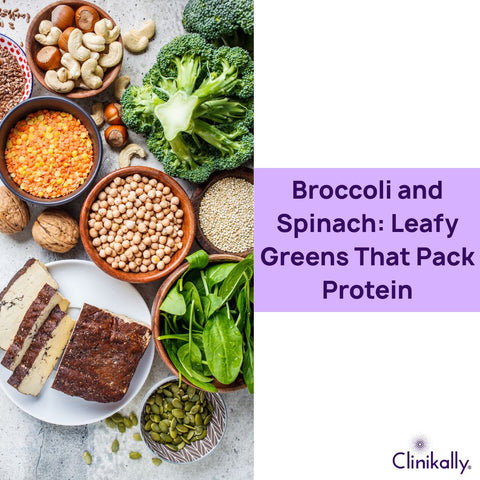
Broccoli and spinach are well-known for their vitamins and antioxidants, but they also contain unexpectedly high levels of plant-based proteins. While they will not replace lentils or tofu as key protein sources, they will contribute significantly to your daily intake—especially when consumed in large quantities and coupled with other meals.
Broccoli
-
Protein content is approximately 4 grams per cup (cooked).
-
Bonus nutrients include vitamin C (more than 100% of your daily requirement per cup), folate, potassium, and sulforaphane (a potent anti-inflammatory molecule).
-
Broccoli is a full nutritional package, it is low in calories, high in fiber, and has more protein per calorie than most other vegetables. Its plant chemicals promote immunological function, detoxification, and potentially cancer prevention.
Spinach
-
About 5 grams of protein per cup (cooked).
-
Iron, magnesium, calcium, vitamins A, C, and K, as well as potent antioxidants like lutein and zeaxanthin, are all included as bonus nutrients.
-
Spinach is low in carbohydrates but high in protein for its calorie count. Cooked spinach shrinks significantly in volume, allowing you to eat more and increase your protein intake with minimal effort.
Spirulina: The Algae with Muscle Fuel
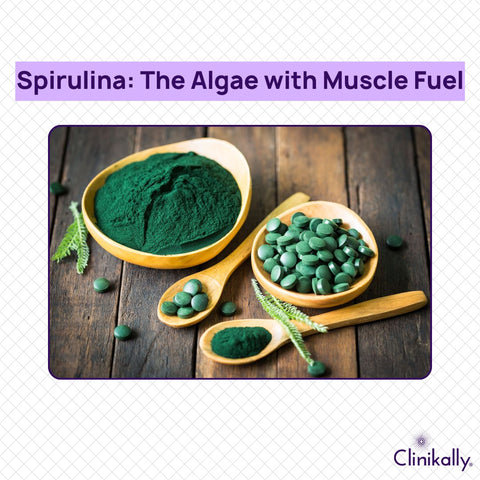
Spirulina, a blue-green algae, has been touted as a superfood for decades—and with good cause. Spirulina, which is high in protein and contains a variety of vitamins and minerals, provides a natural, plant-based boost that is ideal for muscular health, energy, and general wellness.
Nutritional powerhouse.
-
Protein is approximately 4 grams per tablespoon (dried powder).
-
Complete protein includes all nine essential amino acids.
-
Rich in B vitamins (especially B12, though plant B12 is debated), iron, magnesium, antioxidants like phycocyanin (which gives spirulina its vibrant blue-green color), and essential fatty acids.
The benefits of spirulina for muscle and energy are listed below.
-
Complete protein source: Spirulina contains all of the essential amino acids required for muscle repair, growth, and recovery after exercise.
-
Antioxidant support: Phycocyanin, a powerful antioxidant, aids in the reduction of inflammation and oxidative stress, resulting in faster muscle recovery and less fatigue.
-
Energy boost: Its high B vitamin content promotes energy metabolism, converting food into usable energy—ideal for workouts and active days.
Lesser-Known Protein Superstars You Should Know
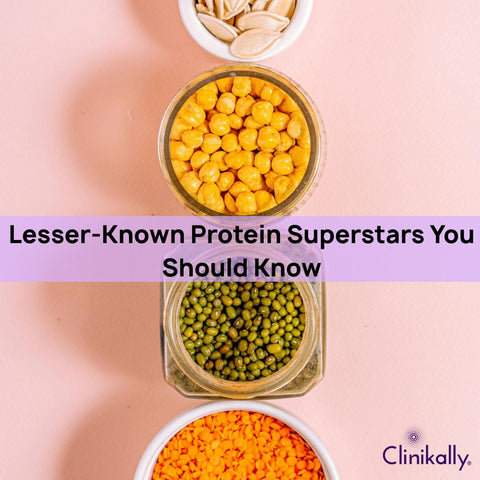
When you think of protein, you usually think of chicken, eggs, and tofu. However, in addition to the typical suspects, there are a few lesser-known foods that provide significant levels of protein while also providing distinct health benefits. Incorporating these lesser-known protein sources will help vary your diet and improve your nutrition in novel ways.
-
Teff: A little ancient grain from Ethiopia. Protein content is approximately 10g per cooked cup. Teff is gluten-free and high in fiber, iron, and calcium, making it beneficial for digestion and bone health. It is also a complete protein. Cook like quinoa or oats, toss with salads, or bake into breads and pancakes.
-
Amaranth: A gluten-free pseudocereal high in nutrients. Protein content is approximately 9g per cooked cup. It contains all of the essential amino acids and is high in fiber, magnesium, and iron. It has also been connected to cardiac health. Serve as a hot cereal, in soups, or pop like popcorn for a crispy snack.
-
Pumpkin seeds: Pumpkin seeds are nutritious and tasty. Protein content is approximately 7g per ounce (roughly a handful). Pumpkin seeds are high in magnesium, zinc, and healthy fats, which promote immune health and muscle performance. Sprinkle over salads, yogurt, or cereal; make pesto; or eat roasted.
-
Black-eyed peas: Black-eyed peas are a popular legume in Southern cuisine. Protein content is approximately 13 grams per cooked cup. Black-eyed peas are abundant in fiber, folate, and antioxidants, which aid digestion and cardiovascular health. Add to stews, salads, and spreads.
-
Hemp seeds: Hemp seeds are high in protein and omega-3 fatty acids. Protein content is around 10g per 3 tablespoons. Complete protein with anti-inflammatory omega fatty acids and minerals such as magnesium. Sprinkle over smoothies or salads, or add into baked products.
-
Seitan: Wheat gluten is a common meat substitute. Protein content: around 21g per 3 ounces. It's strong in protein and low in fat, making it ideal for vegetarians and vegans looking for a meaty mouthfeel. Use in stir-fries, sandwiches, and grilled foods.
-
Nutritional yeast: Deactivated yeast flakes with a cheese flavor. Protein content is around 8g per 2 tablespoons. High in B vitamins (typically fortified with B12) and fibre, ideal for vegan diets. Sprinkle over popcorn and pasta, or stir into sauces.
-
Lupini beans: Mediterranean legumes are commonly consumed as snacks. Protein content is approximately 26g per cooked cup. High protein and fiber content; low carbohydrates; promotes blood sugar regulation. They can be eaten pickled or mixed into salads.
Nutritional Yeast: The Vegan Protein Boost You Didn't Expect
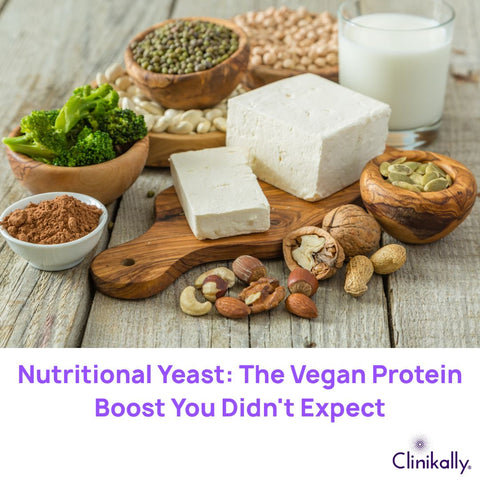
Nutritional yeast is a common component in vegan and vegetarian dishes, but it is more than just a flavor enhancer. This deactivated yeast, available in flaky or powdered form, has a surprising amount of full plant protein, vitamins, and minerals. If you want to boost protein and add umami flavor without using animal products, nutritional yeast is a practical and delicious solution.
Nutritional yeast profile (for two tablespoons)
-
Protein content is approximately 8 grams.
-
Calories around 60.
-
Fiber ~4 grams
-
B vitamins (often fortified with B12), zinc, selenium, and iron are plentiful.
Nutritional yeast is a vegan powerhouse:
-
Complete protein: It contains all nine necessary amino acids, making it a unique plant-based complete protein source. This promotes muscular maintenance, immunological function, and overall wellness.
-
B12 boost for vegans: Many products are supplemented with vitamin B12, a nutrient that is typically deficient in vegan diets but is required for energy and nervous system health.
-
Low-calorie nutritional density: Nutritional yeast contains a lot of nutrition in very few calories and no fat, making it an ideal complement for people looking for nutrient-dense, low-calorie protein.
-
Immunological support and antioxidants: It contains beta-glucans and other substances that have been demonstrated to improve immunological function and antioxidant activity.
Chia and Hemp Seeds: Small Seeds, Big Gains
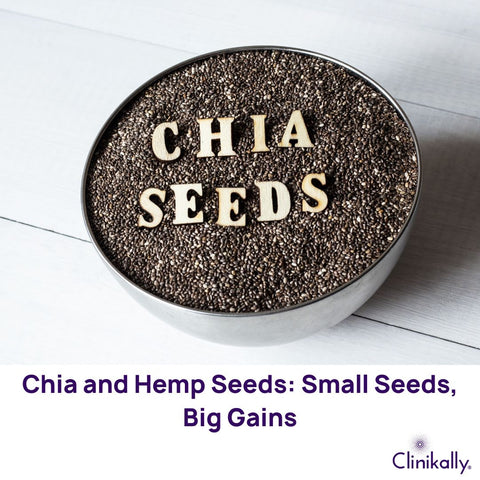
Despite their small size, chia and hemp seeds are nutritional powerhouses with several benefits, particularly for those looking to boost protein intake, support heart health, and improve digestion. These versatile seeds are simple to incorporate into meals and snacks, making them a favorite superfood for plant-based protein and other minerals.
Chia seeds
-
Protein content is approximately 4.7 grams per 2 tablespoons.
-
Key nutrients include fiber, omega-3 fatty acids (ALA), calcium, magnesium, and antioxidants.
-
When chia seeds are soaked, they form a gel-like texture that slows digestion and helps you feel fuller for longer. Their high fiber content improves gut health, while omega-3s promote heart and brain health.
-
Make chia pudding by soaking it in water or plant milk, then sprinkle it on oatmeal or yogurt, blend it into smoothies, or add it to baked goods.
Hemp seeds
-
Protein content is around 10 grams per 3 tablespoons.
-
Key nutrients include complete protein with all essential amino acids, omega-3 and omega-6 fatty acids, magnesium, zinc, and iron.
-
Hemp seeds contain one of the best plant-based complete proteins, which promote muscle repair and overall vitality. Their balanced fatty acids also help to reduce inflammation and promote skin health.
-
Sprinkle over salads, cereals, or smoothie bowls; incorporate into energy bars or homemade granola; and blend into dressings or dips.
Quinoa: A Complete Protein from the Andes
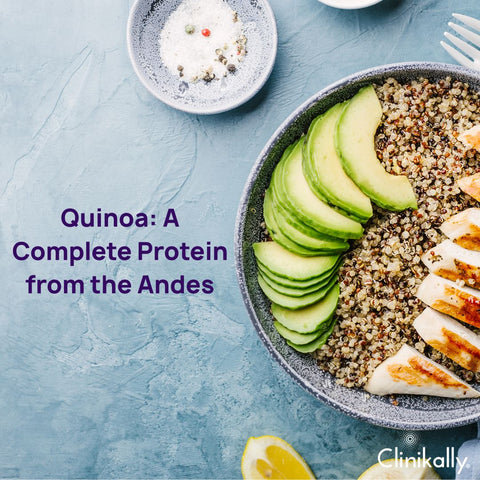
Quinoa is a small seed that originated in South America's Andes Mountains. Quinoa, celebrated by indigenous civilizations for generations, has garnered a global reputation as a nutrient-dense, gluten-free complete protein—a rare find in the plant kingdom, making it a staple for vegetarians, vegans, and health fanatics alike.
-
Protein ~8 grams
-
Calories ~220
-
Fiber ~5 grams
-
High in magnesium, iron, potassium, B vitamins, and antioxidants.
Quinoa is a plant-based protein powerhouse that includes:
-
Complete protein: Unlike most plant diets, quinoa provides all nine essential amino acids, which promote muscle regeneration, immunological function, and overall health.
-
High in fiber and nutrients: Fiber aids digestion and blood sugar regulation, while minerals such as magnesium promote bone health and energy metabolism.
-
Gluten-free and versatile: Quinoa is naturally gluten-free, making it suitable for people with gluten intolerances or celiac disease. Its mild, nutty flavor complements a wide range of foods.
Chickpeas and Lentils: The Unsung Plant-Based Heroes
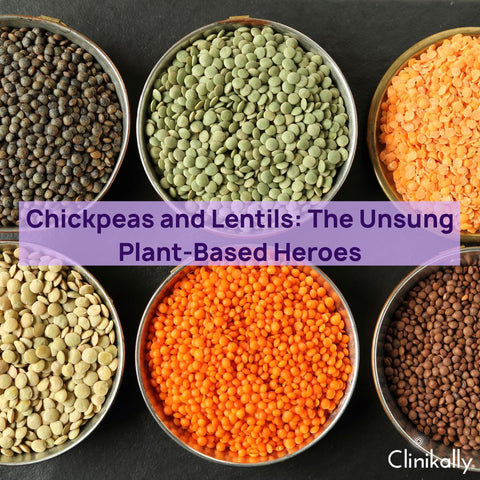
Chickpeas and lentils have long been nutritional staples in many communities around the world, yet they are frequently overlooked in mainstream discussions about protein. These legumes are nutrient-dense powerhouses, containing plenty of plant-based protein, fiber, and important vitamins and minerals. Chickpeas and lentils are your go-to for substantial, healthful dishes, whether you're vegan, vegetarian, or just trying to broaden your dietary options.
Chickpeas (Garbanzo Beans)
-
Protein content is approximately 15 grams per cooked cup.
-
Fiber ~12.5 grams
-
Key nutrients include folate, iron, phosphorus, manganese, and magnesium.
-
Chickpeas are filling and help regulate blood sugar due to their high fiber content. They also promote heart health and digestion.
-
Make hummus, toss in salads, roast for crunchy snacks, stir into stews and curries, or blend into veggie burgers.
Lentils
-
Approximately 18 grams of protein per cooked cup.
-
Key nutrients include folate, iron, potassium, and B vitamins.
-
Lentils cook quickly when compared to other legumes, making them convenient. They improve digestive health, lower cholesterol, and provide long-lasting energy.
-
Prepare as soups, salads, dhal, lentil loaves, or as a meat substitute in sauces and tacos.
Tofu and Tempeh: Fermented, Functional Protein Staples
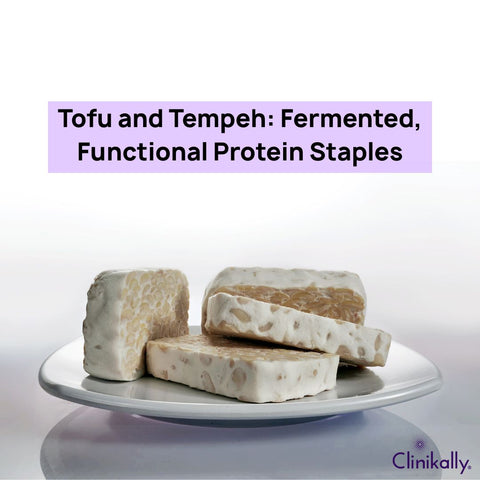
Tofu and tempeh are two soy-based meals that are popular in many cultures, notably among vegetarians and vegans. Both are good sources of plant-based protein, but they have different textures, flavors, and health benefits, making them great staples for anybody looking to improve protein intake while still enjoying a range of culinary options.
Tofu
-
Protein is approximately 10 grams per ½ cup of firm tofu.
-
Soft to firm texture and mild flavor that readily absorbs sauces and spices
-
Low in calories and high in calcium and iron (especially if fortified), these are nutritional highlights.
-
Tofu can be scrambled like eggs, grilled, stir-fried, and blended into smoothies or desserts because of its versatility. It contains every essential amino acid, making it a complete protein.
-
Uses include stir-fries, soups, salads, smoothies, baking, and marinated and grilled dishes.
Tempeh
-
Protein content is about 15-20 grams per ½ cup.
-
Texture and flavor, include firm, chewy texture and a distinct nutty, earthy flavor.
-
Fermentation improves digestibility and introduces beneficial probiotics while also increasing fiber, vitamins, and minerals.
-
Tempeh not only contains more protein per serving than tofu, but it also promotes gut health due to fermentation. It's a hearty meat alternative with a rich flavor.
-
Marinate and grill, crumble into salads or tacos, combine with stir-fries, or bake in casseroles.
Final Word: Rethink Your Protein Plate for Better Health
Protein is more than just a muscle builder; it's an essential component of general health, supporting immunity, energy, and cell repair. By reframing your protein plate, you invite a more diverse nutrient profile, increase meal enjoyment, and promote long-term health objectives. Small changes and additions can make a significant difference, so start looking for new protein superstars now and give your body the diversified food it requires.