6 Best Non Comedogenic Sunscreens for Oily Skin
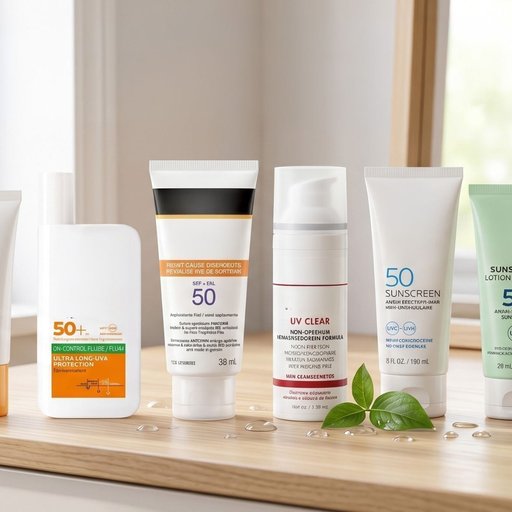
For those with oily or acne-prone skin, choosing a non-comedogenic sunscreen is a mandatory skin care step. Standard formulas often contain heavy occlusives that trap sebum and dead keratinocytes within the pilosebaceous unit, directly triggering acne cosmetica. Thus, by opting for non-comedogenic formulas, you not only ensure proper sun protection, but also ensure your skin remains free from acne.
There are several non-comedogenic sunscreens available for oily skin that offer optimal results and are tested to remain pore-breathable, providing a critical UV shield without compromising follicular health. And to make it easier for you to access some of the best products, we’ve designed this blog, which features dermatologists' recommended non-comedogenic sunscreens for oily skin widely praised in the market.
Why Oily Skin Needs Non-Comedogenic Sunscreen?
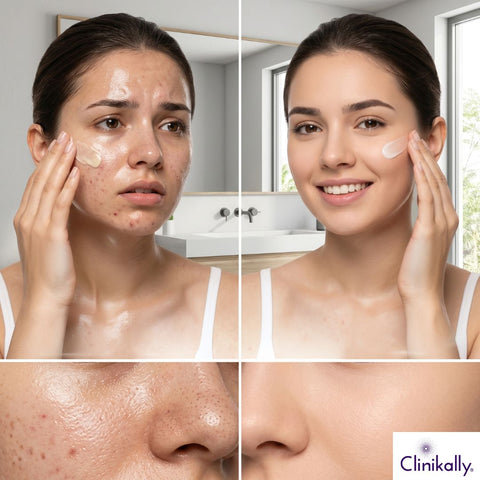
Non-comedogenic sunscreens are specialized skincare formulations designed specifically to protect the skin from UV radiation without blocking or plugging the pores. In dermatology, a comedo is the earliest stage of a pimple (a whitehead or blackhead). Therefore, non-comedogenic literally means the product has been formulated and tested to ensure it doesn’t contribute to the formation of these pore blockages.
How They Benefit Oily Skin
Oily skin is characterized by overactive sebaceous glands that produce an abundance of sebum. Traditional sunscreens can do more harm that benefit for this skin type, but non-comedogenic versions offer several clinical benefits, such as:
-
Prevention of Acne Cosmetica: Various standard sunscreens use heavy oils or fatty acids such as coconut oil or isopropyl palmitate to stay water-resistant. On oily skin, these act like glue trapping dead skin cells and oil inside the follicle. Non-comedogenic formula uses breathable alternatives such as dimethicone or water-based carriers.
-
Sebum Regulation & Matting: Advanced non-comedogenic sunscreens often include ingredients like Silica or Zinc oxide. These don’t just sit on the skin; they act as porous sponges that absorb excess oil throughout the day, preventing the midday grease look.
-
Reduced Inflammation: Oily skin is often prone to sensitivity and redness. Because non-comedogenic products avoid common irritants and heavy esters, they help maintain the skin barrier without triggering the inflammatory response that leads to cystic breakouts.
-
Protection Against Squalene Oxidation: When the sun hits the natural oils (squalene) on your face, it causes them to oxidize. Oxidized oil is much more likely to clog pores. By providing a non-clogging shield, these sunscreens prevent your own natural oils from turning into pore-plugs.
What to Look on the Label While Buying Sunscreen
To truly benefit oily skin, you need to understand what specific ingredients you need alongside the non-comedogenic tag.
-
Oil-Free: It ensures no additional lipids are being added to your already oil-rich environment.
-
Dry-Touch/Matte Finish: It indicates the use of minerals or powders that will control shine.
- Fluid or Gel Texture: These formulations have a higher water content and lower wax content, making them ideal for high-sebum skin.
Top Non-Comedogenic Sunscreens for Oily Skin
Choosing the right non-comedogenic sunscreen for oily skin needs proper research about key ingredients. The sunscreen must not contain oil or oily ingredients that clog pores. And, it must have a proper SPF that provides adequate protection. Let’s have a look at some of the dermatologists-recommended sunscreens that manage sebum while providing broad-spectrum protection.
|
Product Name |
Key Ingredients |
Key Benefits |
|
Zinc Oxide, Butyl Methoxy Dibenzoylmethane, Octocrylene, Homosalate, Vitamin C, Vitamin E |
|
|
|
SunCat DE, Neo Heliopan Hydro, Zinc Oxide, Vitamin E, Ethylhexyl Methoxycinnamate, Butyl Methoxydibenzoylmethane, Benzophenone-3, Panthenol, Tocopheryl Acetate |
|
|
|
ISDIN Fotoprotector Fusion Water Magic Light Sunscreen SPF 50 PA++++ |
Titanium Dioxide, Ethylhexyl Salicylate, Butyl Methoxydibenzoylmethane, Bis-Ethylhexyloxyphenol Methoxyphenyl Triazine, Ethylhexyl Triazone, Phenylbenzimidazole Sulfonic Acid, Sodium Hyaluronate, Tocopheryl Acetate (Vitamin E), Porphyridium Cruentum Extract |
|
|
Zinc Oxide, Titanium Dioxide, Uvinul A+, Ethylhexyl Triazone, Octyl Methoxycinnamate, Bemotrizinol, Oryza Sativa (Rice) Extract |
|
|
|
Octyl Methoxycinnamate, Methylene Bis-Benzotriazolyl Tetramethylbutylphenol (Tinosorb M), Bis-Ethylhexyloxyphenol Methoxyphenyl Triazine (Tinosorb S), Diethylamino Hydroxybenzoyl Hexyl Benzoate, Ethylhexyl Triazone, Silica |
|
|
|
Avene Very High Protection Cleanance Ultra-Light Sunscreen SPF 50+ |
Avene Thermal Spring Water, Alkyl Benzoate Diethylamino Hydroxy Benzoyl Hexyl Benzoate, Ethylhexyl Triazone, Phenylene Bis-Diphenyltriazine, Zinc Gluconate |
|
1. UV Doux Gold Silicone Sunscreen Gel SPF 50 PA+++
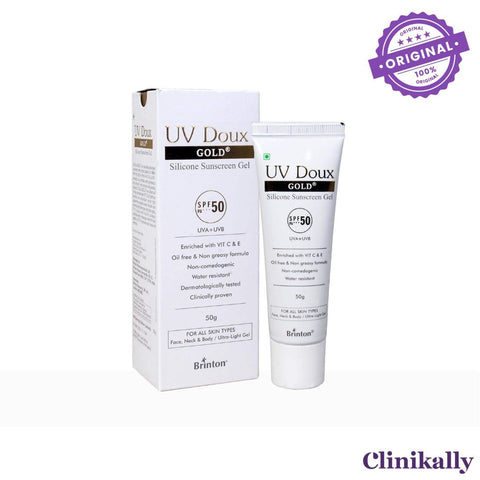
This oil-free, non-comedogenic silicone gel is crafted specifically for oily, acne-prone, and blemish-prone skin. Designed to prevent melasma and premature photoaging, it glides on smoothly to offer a lightweight finish without any heavy residue or white cast. Packed with antioxidant powerhouses like Vitamins C and E, it delivers superior UV blocking while defending your skin against everyday environmental stressors.
-
Anti-Aging & Melasma Defence: Formulated with Vitamin C and Vitamin E to fight photoaging and hyperpigmentation.
-
Long-Lasting Water Resistance: Stays active and sweat-resistant for up to 80 minutes.
-
Silicone-Base Perfection: Creates a smooth, breathable texture that feels weightless on the skin.
Who Should Avoid It:
-
People with Heavy Silicone Sensitivities: If your skin tends to break out from rich silicone bases or dimethicone-heavy textures, this may clog your pores over time.
-
Single-Cleanser Users: Anyone who doesn't double-cleanse at night should pass, as water-resistant silicone formulas require an oil cleanser or micellar water to wash off completely.
2. Fixderma Shadow SPF 50+ Gel Sunscreen
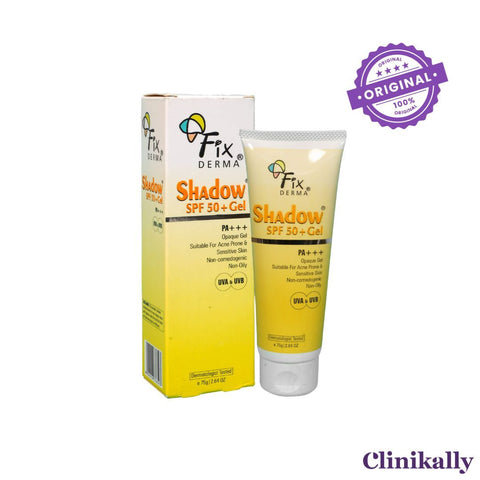
Formulated as an opaque, lightweight gel, Fixderma Shadow is built to handle sensitive and acne-prone skin with care. Its oil-free and non-comedogenic composition relies on highly photostable sun protectors to offer extended UV coverage across all weather conditions. It delivers robust protection without clogging pores or feeling heavy, making daily sun care completely hassle-free.
-
Encapsulated UV Protection: Features SunCat DE and photostable filters for long-duration sun coverage.
-
Soothes & Protects: Infused with Panthenol, Vitamin E, and Tocopheryl Acetate to nourish sensitive skin.
-
Non-Clogging Gel Base: Provides broad-spectrum defense while letting acne-prone skin breathe.
Who Should Avoid It:
-
Extreme Outdoor Athletes: Because it focuses on a light, water-gel sensation, it is less water-resistant compared to heavy silicone pastes and may wash off faster with heavy sweating.
3. ISDIN Fotoprotector Fusion Water Magic Light Sunscreen SPF 50 PA++++
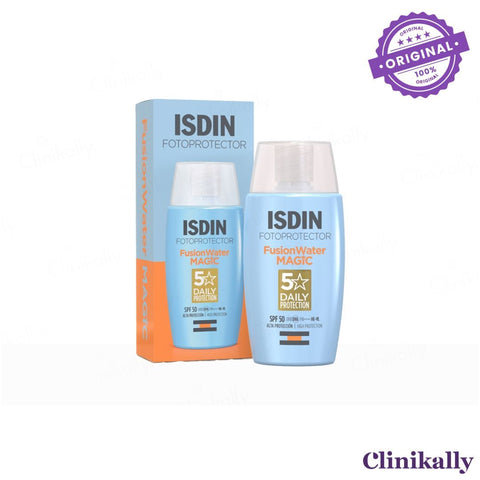
This advanced, water-phased facial sunscreen delivers ultra-lightweight protection that absorbs almost instantly into the skin. Designed with an oil-control feature that prevents eye stinging, it shields against UVA, UVB, and High-Energy Visible Light (Blue Light). It features a natural, light tint that unifies your skin tone and blurs minor imperfections, while Sodium Hyaluronate delivers intense, oil-free hydration.
-
Blue Light & Multi-Ray Shield: Protects against UVA, UVB, and HE-VL (screen blue light).
-
Safe-Eye & Water-Phased Tech: Formula absorbs instantly without greasy residue and won't sting your eyes.
-
Hydration + Barrier Support: Formulated with Sodium Hyaluronate and red algae extract (Porphyridium Cruentum).
Who Should Avoid It:
-
Coverage Seekers: The tint is extremely sheer and light; anyone looking for high-coverage foundation alternatives will find it too subtle.
-
Fragrance or Algae Sensitivities: Those sensitive to marine extracts or subtly fragranced formulas should do a patch test first.
4. Sunbless Anti Pollution Sunscreen Gel SPF 50+ PA+++
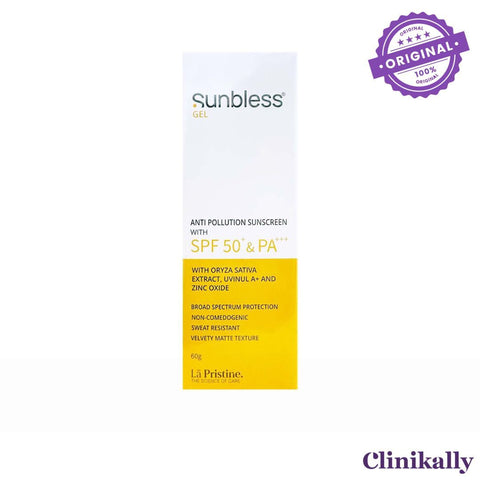
Sunbless is specifically built for oily and acne-prone skin exposed to tough outdoor environments and urban pollution. Enriched with antioxidant-rich Oryza Sativa (Rice) Extract, Zinc Oxide, and Uvinul A+, this sweat-resistant, oil-free formula protects against both environmental aggressors and UV rays. It sets into a velvety matte finish that controls shine even under extreme sun exposure.
-
Anti-Pollution Defense: Shields skin from environmental stress and urban pollutants alongside UV rays.
-
Rice Extract Nourishment: Contains Oryza Sativa Extract for antioxidant protection.
-
Velvety Matte Finish: Oil-free, sweat-resistant gel that keeps excess shine under control.
Who Should Avoid It:
-
Flaky or Dehydrated Complexions: The mattifying, sweat-resistant gel texture can cling to dry patches or flaky skin areas.
-
Fans of Dewy Finishes: If you prefer a glowing, glass-skin look, this velvety matte formula will feel too flat or dry for your taste.
5. Sunblock-OC Acne Matte Sunscreen Gel SPF 55+ PA+++
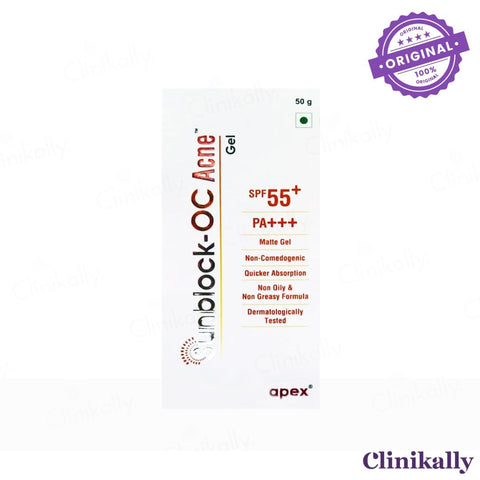
Engineered as a specialised solution for acne-prone and oily skin, Sunblock-OC absorbs quickly into the skin without leaving a greasy or sticky residue. Its non-comedogenic formulation ensures that pores stay clear while delivering high-level SPF 55+ PA+++ protection. Dermatologically tested for safety, it keeps skin matte, fresh, and comfortable all day long.
-
High-Power Sun Defense: Offers boosted SPF 55+ PA+++ protection against UVA and UVB damage.
-
Matte Oil Control: Quickly absorbs surface sebum to keep oily skin shine-free.
-
Acne-Safe & Tested: Dermatologically tested to ensure zero pore-clogging on acne-prone skin.
Who Should Avoid It:
-
Deeper Skin Tones Mindful of Cast: Contains Methylene Bis-Benzotriazolyl Tetramethylbutylphenol (Tinosorb M), which can sometimes leave a faint cast if not rubbed in thoroughly.
-
Skin with Damaged Barriers: Active mattifying agents might feel slightly tight on skin that is raw, irritated, or over-exfoliated.
6. Avene Very High Protection Cleanance Ultra-Light Sunscreen SPF 50+
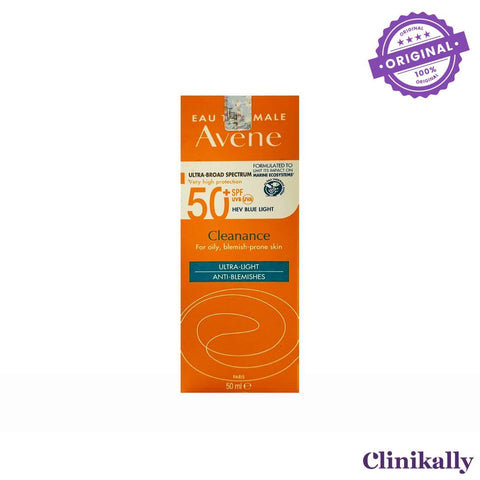
A premium French pharmacy favorite, this ultra-light sunscreen is formulated specifically to calm oily, blemish-prone, and reactive skin. Infused with soothing Avene Thermal Spring Water and Zinc Gluconate, it regulates excess oil and helps prevent new breakouts. Its water-resistant, non-comedogenic formula leaves the face matte, clear, and comfortable without clogging pores.
-
Soothes Active Breakouts: Enriched with Avene Thermal Spring Water to calm irritation.
-
Sebum-Regulating Zinc: Uses Zinc Gluconate to actively control oil production.
-
Ultra-Light Matte Finish: Water-resistant protection that keeps the skin clean, comfortable, and shine-free.
Who Should Avoid It:
-
Rushed Routines: Needs a short minute to dry down fully; applying makeup immediately over it might cause pilling.
-
Budget-Strict Shoppers: As a premium French skincare product, it carries a higher price point than basic everyday sunscreens.
Expert Sunscreen Application Tricks for Oily Skin
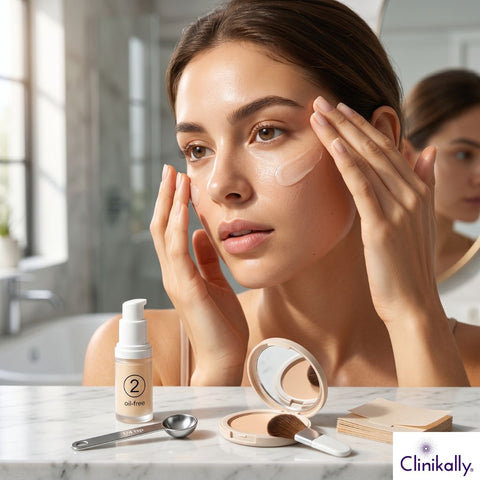
To maximize the efficacy of your non-comedogenic SPF requires more than just application of the sunscreen; it requires strategic maintenance to prevent sebum-induced film disruption.
The Double Cleanse Rule
Standard water-based cleansers often fail to dissolve the lipophilic UV filters and silicone polymers found in high-performance gels like UV Doux. A study in the Journal of Cosmetic Dermatology notes that residual SPF can lead to acne cosmetica.
The Hack: Use a micellar water or oil cleanser first to break down the SPF shield, followed by a foaming cleanser to clear the pores.
Setting the Shield
Even dry-touch formulas can struggle against peak sebum production. And, it’s scientifically proven and mentioned in the International Journal of Cosmetic Science that silica micro-spheres adsorbs excess lipids without clogging the follicle, extending the matte finish of your sunscreen.
The Hack: After your SPF sets (approx. 3 minutes), dust a translucent silica-based powder over the T-zone.
Smart Reapplication
The American Academy of Dermatology (AAD) recommends reapplication every 2 hours. It’s always suggested to always blot skin with a tissue before reapplying to prevent trapping surface bacteria under the new layer of protection. For oily skin, layering cream over existing oil causes congestion.
The Hack: Use SPF Mists for touchless protection over makeup, or SPF Sticks for a dry targeted glide.
The 180-Second Rule
A Research published in Photodermatology, Photoimmunology & Photomedicine states that sunscreens must form a uniform film to be effective.
The Hack: Wait 3 minutes (180 seconds) after applying your gel SPF before adding makeup. This prevents film dilution which causes patchy protection and increased midday shine.
Final Thought: The Best SPF For Oily Skin
Choosing the right sunscreen for oily skin is important to prevent premature aging, acne scars, and barrier disruption. By opting for high-performance, non-comedogenic gels and fluids, you can maintain a sophisticated matte finish while ensuring your pores remain clear and breathable.
The products designed for oily skin are specifically optimized to manage excess oil. Though, all these products are clinically designed for oily and acne-prone skin, everyone’s skin chemistry is unique. It’s strongly recommended consulting a dermatologist before adding any new product to your medical skincare routine to ensure it aligns accurately with your specific skin needs.