Understanding SPF: How Much Do You Need for Protection?
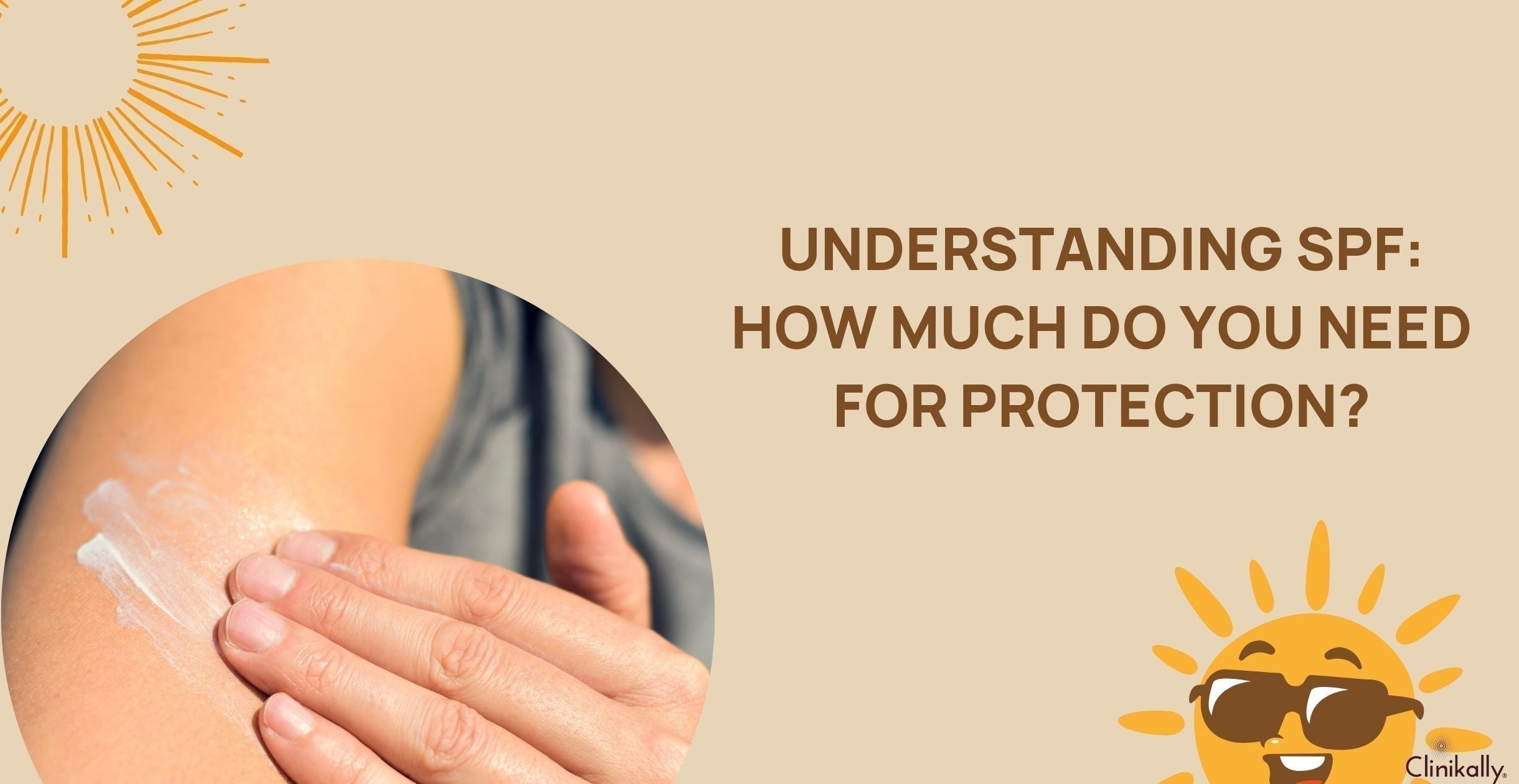
Choosing a sunscreen can be difficult because there are so many options on the market. You can start by looking for those with at least SPF 30. If you spend any time outside, you've probably heard a few warnings about the importance of wearing sunscreen. While wearing sunscreen is preferable to not wearing it, if you have an option, select a sunscreen with broad-spectrum UV protection of at least SPF 30. These tips apply to persons of all skin tones. Ideally, apply sunscreen to your skin 30 minutes before going out in the sun. Read on to learn more about SPF and how to protect your skin from the sun.
The Science Behind SPF: What You’re Really Applying
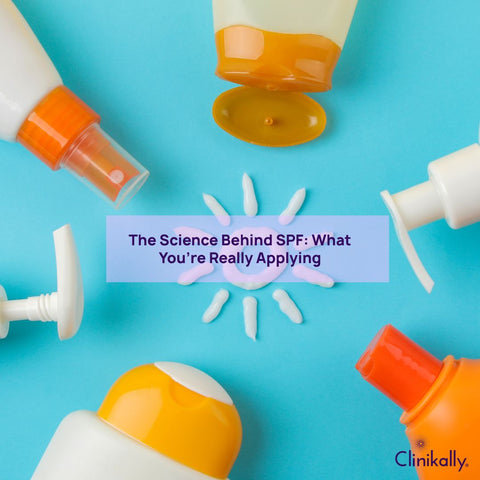
When you apply sunscreen to your skin, you are not simply applying a lotion; you are applying a precisely built chemical or mineral barrier that protects your skin from ultraviolet (UV) rays. Understanding the science behind Sun Protection Factor (SPF) helps to explain how sunscreens work and what they do for your skin.
-
SPF = UVB protection (but not UVA unless broad spectrum).
-
You are either using a chemical filter that absorbs UV or a mineral filter that reflects UV.
-
A consistent application and reapplication are required.
-
Modern sunscreens are multifunctional: some hydrate, some contain antioxidants, and some come in tinted formulas to even out skin tone.
-
Sunscreen is science-based skincare that protects your skin at the cellular level.
What Does SPF Actually Measure?
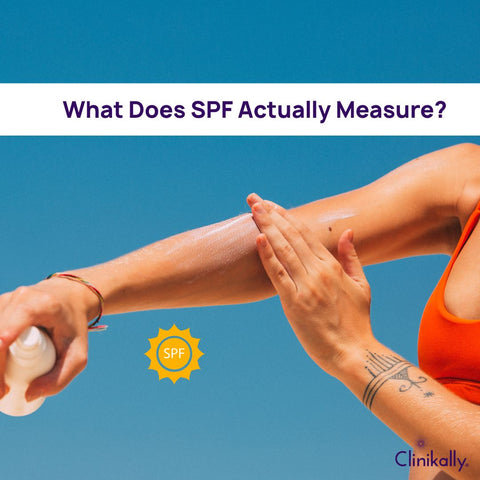
SPF indicates how long and successfully a sunscreen protects you from UVB rays, not UVA. To provide total protection, apply generously, reapply frequently, and check for broad-spectrum on the label.
The Role of UVB Rays in Sunburn and Skin Damage
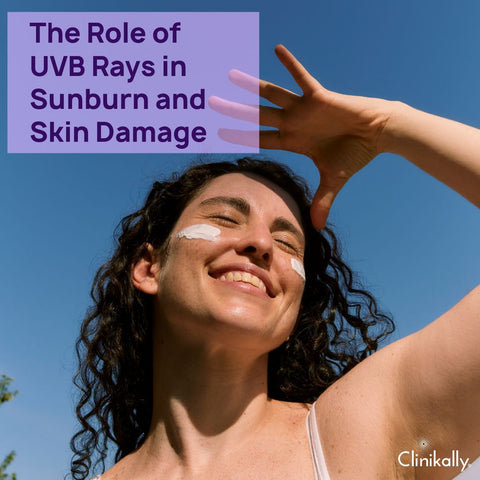
UVB rays are the leading cause of sunburn and a major contributor to DNA damage and skin cancer. Protecting your skin against UVB rays is more than simply a matter of comfort; it's an important step toward preventing long-term skin damage and maintaining skin health.
How SPF Testing is Conducted in Labs

SPF testing is a rigorous, regulated method that assesses a sunscreen's ability to protect skin from UVB-induced sunburn using carefully controlled UV exposure and human skin examination. While highly accurate in the lab, real-world results rely on careful application.
Choosing the Right SPF: Factors That Matter
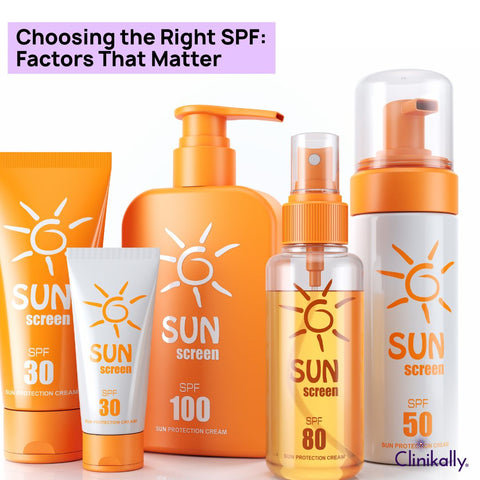
Choosing the perfect Sun Protection Factor (SPF) is more than just selecting the highest number on the shelf; it's about matching your skin type, environment, and lifestyle to the optimal level of protection. Here's what you should consider:
-
Skin type and sensitivity: Fair, freckled, red or blonde hair (SPF 50+), light to medium (SPF 30-50), olive or tan (SPF 30), and brown or black (SPF 15-30 minimum).
- UV exposure level: High UV index (above 6): SPF 50+, moderate UV index (3-5): SPF 30, and low UV index (1-2): SPF 15 or better. Check your daily UV index if you'll be outside, especially in tropical, high-altitude, or snow-reflective areas where exposure is higher.
- Activity and water exposure: Swimming or sweating? Use a water-resistant sunscreen with an SPF of 30 or higher. Reapply every 40-80 minutes if you are in the water or sweating profusely. Outdoor activities or hiking? Choose a broad-spectrum, sweat-proof SPF 50 stick or lotion that will not get into your eyes.
-
Duration of sun exposure: SPF 15-30 is adequate for short walks or commuting. SPF 30-50+ is recommended for extended outdoor activities lasting more than 30 minutes. If you expect to be outside during the midday sun (10 a.m.-4 p.m.), always wear SPF 50+.
- Application habits: Most people apply only 25–50% of the recommended amount. If you're likely to underapply, consider bumping up your SPF for better coverage. Reapply every 2 hours, no matter the SPF rating.
- Product type and formulation: The best for full-body coverage are lotions. Sticks work great on the lips, ears, and face. Sprays are useful, but they should be applied evenly and completely. Look for "Broad-spectrum": UVA and UVB protection. For skin prone to acne, non-comedogenic means it will not clog pores. Mineral: titanium dioxide, zinc oxide it is excellent for infants or sensitive skin.
SPF 15, 30, or 50+: What’s the Difference?
While all SPF levels protect against sunburn-causing UVB rays, the difference between SPF 15, 30, and 50+ is the amount of UVB radiation blocked, not the amount of time you can spend in the sun.
-
SPF 30 is the safe baseline for most people.
-
SPF 50+ offers better protection if you're outdoors for extended periods or have sensitive skin.
-
The real-world effectiveness is more dependent on proper application and reapplication than on the number itself.
How Skin Tone and Exposure Time Influence SPF Needs
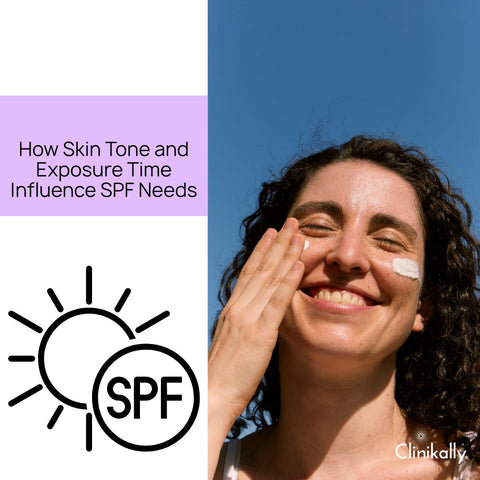
Your skin tone and the amount of time you spend in the sun are two of the most critical criteria in deciding how much SPF protection you truly require. Together, they influence your risk of sunburn, skin damage, and long-term consequences such as premature aging and skin cancer.
-
Lighter skin tones require a higher SPF due to reduced melanin protection.
-
Longer exposure equals a higher SPF requirement, regardless of tone.
-
SPF is required for all skin tones; while melanin helps, it does not prevent damage.
Broad-Spectrum Protection: Why UVA Coverage Matters Too
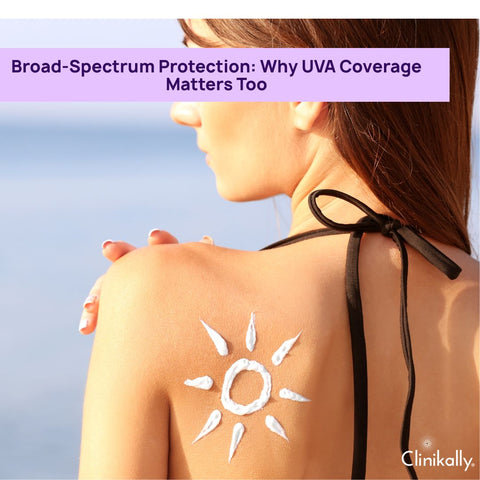
When it comes to sunscreen, SPF is only half the issue. While SPF measures UVB light protection (which causes sunburn), it does not provide UVA protection — which is where broad-spectrum sunscreen comes in.
-
Prevents long-term skin aging: UVA rays play a significant role in wrinkles, sagging, and collagen loss.
-
Reduces the risk of melanoma: UVA rays penetrate deep into the skin and mutate cells over time.
-
All-year protection: UVA rays can pass through glass, smog, and clouds, so you are exposed even indoors or on cloudy days.
-
Essential for all skin tones: Even darker skin tones are susceptible to UVA-induced aging and cancer, even though they may burn less.
Making Sunscreen Work for You: Real-World Usage Tips
Even the greatest sunscreen will not protect your skin unless it is applied correctly and consistently. Here's how to make sunscreen work in your real life, not just in theory.
-
Apply enough—more than you think: Most people use half or less of the amount required for full protection. Use a nickel-sized amount on the face and neck. The complete body weight is around 1 ounce (one shot glass full). Don't forget: ears, hairline, back of neck, tops of feet, and hands.
-
Apply Early — and Reapply Often: Apply 15-30 minutes before sun exposure to allow it to adhere to your skin. Reapply every 2 hours, or more if you're sweating, swimming, or towel-drying. If you're wearing makeup, layer sunscreen underneath or use SPF setting sprays for touch-ups.
-
Daily use isn’t just for beach days: UV exposure occurs year-round, including through windows. On cloudy days (up to 80% of UV rays still get through), and make SPF part of your morning skincare routine, just like moisturizer.
-
Combine sunscreen with other sun-safe habits: Wear hats (wide-brimmed for improved face/neck coverage), sunglasses with UV protection, seek shade, especially between 10 a.m. and 4 p.m., and wear UV-protective clothes. Sunscreen should augment, not replace, physical sun protection.
How Much Sunscreen to Apply and When to Reapply
To get the best protection from your sunscreen, it’s important to use enough and to reapply it regularly. Here’s an easy guide to help:
Much sunscreen to apply
-
Face: Use about ½ to 1 teaspoon of sunscreen for your face, neck, and ears. Don't forget your under-eyes, eyelids, and lips; use an SPF lip balm for those areas.
-
Body: You’ll need about 1 ounce (roughly 2 tablespoons or a shot glass full) for full-body coverage. Most people use too little, so don't be shy and apply generously! Reapply every 2 hours or right after swimming or sweating for the best protection.
Reapply Sunscreen
-
Every 2 hours: Regardless of SPF, reapply sunscreen every 2 hours while in the sun.
-
After swimming or sweating: Even water-resistant sunscreens can lose effectiveness after 40-80 minutes in the water or excessive sweating. Reapply immediately after swimming or towel drying.
-
After rubbing or wiping: If you wipe your skin or touch your face, reapply to rubbed areas.
-
If you're using makeup: If you wear makeup, you can apply SPF under it or use powder sunscreens or setting sprays with SPF to touch up during the day.
Layering SPF with Makeup and Moisturizers
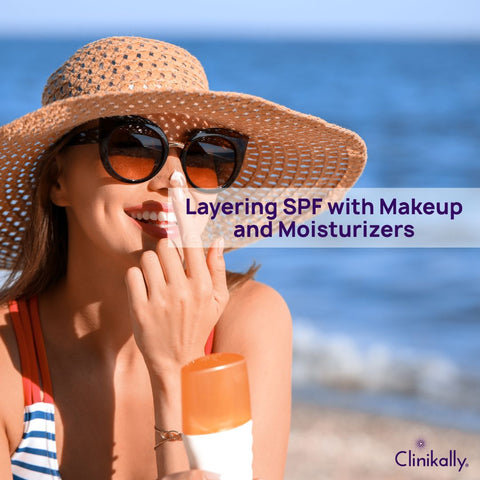
Sunscreen is an important part of your daily routine, even if you wear makeup. Here’s how to use it the right way for full protection:
-
Start with moisturizer: If your skin feels dry, apply a moisturizer first. Let it sink in for a few minutes before sunscreen. This helps the sunscreen stay smooth and not clump up. Even if your moisturizer has SPF, still use a separate sunscreen.
-
Apply sunscreen: Next, apply sunscreen—SPF 30 or higher and broad-spectrum (protects against UVA & UVB). Use about ½ to 1 teaspoon for your face and neck. Let it absorb for 3–5 minutes before moving on to makeup. Pick one that suits your skin type (oil-free, hydrating, etc.) to avoid irritation or shine.
-
Apply your makeup: You can now apply your makeup as usual. Tinted sunscreens can work as a base. Don’t rely on SPF in your foundation—you don’t apply enough of it for full protection. Always apply sunscreen under your makeup.
-
Reapply every 2 hours: Sunscreen goes off, so reapply every two hours or after exercising or swimming. Here's how to do it with makeup: Apply an SPF spray or mist for quick touch-ups. SPF powders or compact sticks are also effective and won’t mess up your makeup.
Common Myths About SPF You Should Ignore
There are numerous misconceptions surrounding sunscreen and SPF. Some of the most common myths about protecting your skin are listed below.
-
Myth: Having a higher SPF allows you to stay in the sun longer.
-
Reality: SPF numbers are frequently misunderstood. SPF 30 blocks approximately 97% of UVB rays, while SPF 50 blocks 98%—the difference is minimal. The greater the SPF, the less extra protection, but it does not increase the amount of time you may spend in the sun. To ensure maximum protection, reapply every 2 hours (or more if sweating or swimming).
-
Myth: You only need sunscreen on sunny days.
-
Reality: UV rays are prevalent even on cloudy days, with up to 80% of UV energy passing through clouds. UVA rays, which cause aging and skin cancer, are present year-round. Wear sunscreen every day, even if it's gloomy or you're indoors near windows that allow in UV rays.
-
Myth: Darker skin does not require sunscreen.
-
Reality: While darker skin tones have more melanin and may burn less easily, they are nonetheless susceptible to sun damage, premature aging, and skin cancer, particularly UVA-induced damage to the skin's deeper layers. Everyone, regardless of skin tone, requires broad-spectrum sunscreen to protect against both UVB (burning) and UVA (aging) radiation.
-
Myth: Sunscreen isn't necessary after tanning.
-
Reality: A tan indicates skin injury rather than protection. Even after you've tanned, your skin is still susceptible to additional UV damage. Continuing to use sunscreen after tanning can help prevent skin cancer, aging, and sunburn. Even if you've already tanned, reapply sunscreen to keep your skin healthy and avoid further harm.
-
Myth: Sunscreen will protect you throughout the day.
-
Reality: Sunscreen is not a "set it and forget it" product. It wears off when you sweat, swim, or towel dry. Even without these activities, sunscreen fades with time, so reapply every 2 hours. Reapply sunscreen throughout the day to maintain continued protection.
Expert Recommendations: Finding the Best SPF for Your Skin Type

Choosing the proper SPF is more than just a number; it's also about how a sunscreen suits your skin type, lifestyle, and personal requirements. Dermatologists urge that you customize your sunscreen selection to reduce discomfort, increase comfort, and ensure regular use.
-
Oily or acne-prone skin: Oil-free, non-comedogenic (won't clog pores) formulations, gel-based or matte-finish sunscreens, and mineral sunscreens with zinc oxide or titanium dioxide can be soothing
-
Dry or sensitive skin: Moisturizing sunscreens with additional ingredients like hyaluronic acid, ceramides or glycerin, fragrance-free and alcohol-free products to decrease irritation, and mineral-based SPFs are frequently kinder on reactive skin.
-
Combination skin: Combination skin requires lightweight lotion or fluid textures, balanced hydration without greasiness, and solutions that target both dry and oily areas.
-
Normal skin: Almost any broad-spectrum SPF 30 or above. Choose based on your preferred finish (matte, dewy, etc.) and activity level.
-
Mature or aging skin: Formulas include anti-aging substances such as niacinamide, vitamin C, and peptides. Hydrating foundation that provides broad-spectrum protection.
-
Darker skin tones: Mineral sunscreens frequently leave a white cast; look for tinted variants or chemical-based SPFs developed for darker skin tones.