How Do You Prevent and Treat Papule Acne?
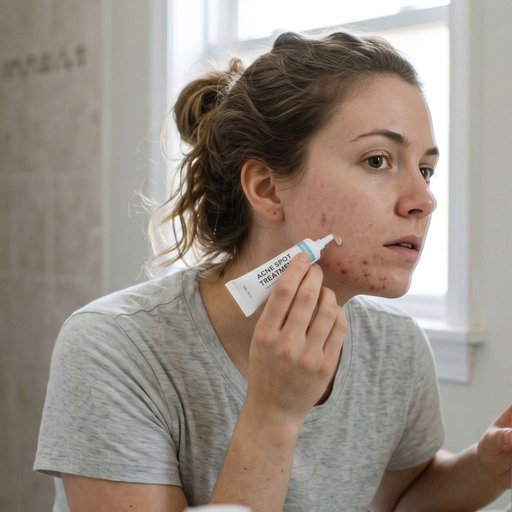
Papule acne is a common type of inflammatory acne that appears as small, red, raised bumps without a visible pus-filled center. It develops when clogged pores become inflamed due to excess oil, dead skin cells, bacteria, and other contributing factors. Although papules can be painful and persistent, the right treatment and skincare routine can help reduce breakouts and prevent them from worsening.
In this blog, we will discuss what papule acne is, its causes and types, common triggers, effective treatment options, the best skincare ingredients, dermatologist-approved therapies, and practical tips to help prevent future breakouts.
Understanding Papule Acne
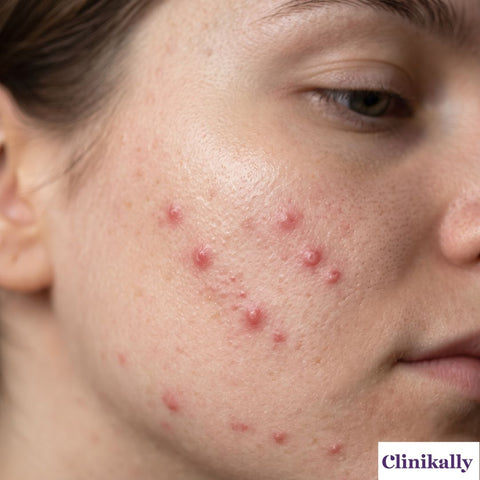
Papule acne is a type of inflammatory acne that develops when a hair follicle becomes clogged with excess sebum (oil), dead skin cells, and impurities. Unlike pustules, papules do not contain visible pus. Instead, they appear as small, firm, red or pink bumps that may feel tender or painful when touched. They commonly occur on the face, chest, shoulders, and back, where oil glands are more active.
Papules form through a series of changes within the skin:
-
Clogged pores: Excess sebum and dead skin cells accumulate inside a hair follicle, blocking the pore.
-
Bacterial growth: Cutibacterium acnes (formerly Propionibacterium acnes), a normal skin bacterium, can proliferate within clogged follicles and contribute to inflammation.
-
Inflammation: As the immune system reacts to the bacteria and trapped debris, the surrounding skin becomes inflamed, resulting in a small, red, raised bump known as a papule.
Untreated papules may progress into pustules or, in some people, develop into deeper inflammatory lesions such as nodules or cysts, increasing the risk of acne scars.
Why Papule Acne Develop on the Skin
Papule acne develops as a result of a complex interaction between excess oil production, clogged pores, bacteria, and inflammation. The process usually begins when dead skin cells and excess sebum block a hair follicle, creating an environment where Cutibacterium acnes, a naturally occurring skin bacterium, can multiply. This triggers the body's immune response, leading to inflammation and the formation of red, raised papules.
Several factors can contribute to this process. Hormonal fluctuations during puberty, menstruation, pregnancy, or conditions such as polycystic ovary syndrome (PCOS) can increase sebum production. Genetic predisposition, certain medications, stress, and the use of comedogenic skincare or cosmetic products may also increase the likelihood of developing inflammatory acne. Understanding these underlying mechanisms can help you choose targeted treatments that reduce inflammation, prevent clogged pores, and minimize future breakouts.
Common Triggers That Worsen Papule Acne
Several everyday factors can trigger or worsen papule acne by increasing oil production, clogging pores, or promoting inflammation. Identifying these triggers can help you make simple lifestyle and skincare changes to reduce breakouts.
-
Excess Sebum Production: Excess oil clogs pores and promotes bacterial growth, triggering inflammation and papule acne.
-
Hormonal Changes: Hormonal fluctuations during puberty, menstruation, pregnancy, or PCOS can increase oil production and trigger breakouts.
-
Stress: Stress may increase oil production and inflammation, making papule acne worse.
-
High Glycaemic Diet: A diet high in refined carbohydrates and sugary foods may worsen acne in some people. Some studies also suggest that skim milk and whey protein supplements may contribute to breakouts in susceptible individuals.
-
Comedogenic Skincare and Makeup: Oil-based or pore-clogging products can block pores and contribute to breakouts.
-
Harsh Skincare Practices: Over-cleansing and excessive exfoliation can damage the skin barrier and worsen irritation.
-
Environmental Factors: Heat, humidity, and pollution may contribute to acne flare-ups by increasing oil production and allowing sweat, oil, and debris to accumulate on the skin.
-
Certain Medications: Some medications, including corticosteroids and hormone-based therapies, may trigger or worsen acne.
Difference Between Papules, Pustules and Other Acne Types
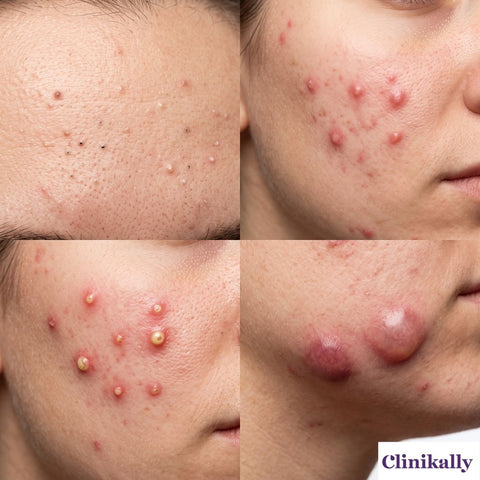
Acne can appear in different forms, each with distinct characteristics and treatment needs. Understanding the differences between papules and other acne lesions can help you identify your acne type and choose the most appropriate skincare or treatment.
|
Acne Type |
Appearance |
Contains Pus? |
Severity |
|
Papules |
Small, red, inflamed, raised bumps |
No |
Mild to moderate |
|
Pustules |
Red bumps with a white or yellow pus-filled center |
Yes |
Mild to moderate |
|
Blackheads |
Open pores with a dark surface |
No |
Mild |
|
Whiteheads |
Small, flesh-coloured or white closed bumps |
No |
Mild |
|
Nodules |
Large, hard, painful lumps beneath the skin |
No |
Severe |
|
Cysts |
Deep, painful, pus-filled lumps |
Yes |
Severe |
Effective Ways to Treat and Manage Papule Acne
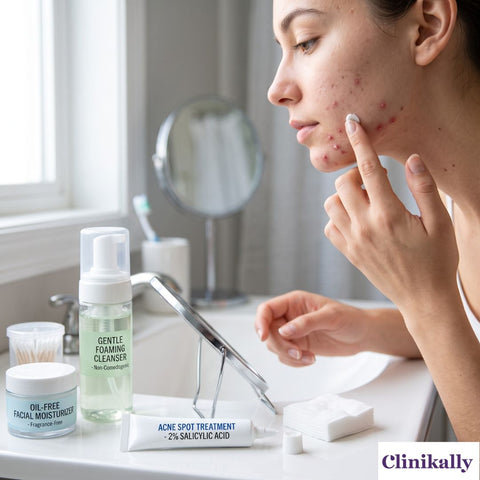
Treating papule acne requires a consistent skincare routine and the right combination of active ingredients. While mild cases often improve with over-the-counter products, persistent or severe acne may require prescription treatment from a dermatologist. Here are some effective ways to treat or manage papule acne:
-
Use Non-comedogenic Skincare Products: Choose cleansers, moisturizers, and sunscreens that won't clog pores.
-
Use Targeted Acne Treatments: Salicylic acid, benzoyl peroxide, and topical retinoids help clear pores and reduce inflammation.
-
Avoid Picking or Squeezing Papules: This can worsen inflammation and increase the risk of scarring.
-
Follow a Consistent Skincare Routine: Cleanse, moisturize, and apply sunscreen every day.
-
Maintain a Healthy Lifestyle: Eat a balanced diet, stay hydrated, manage stress, and get enough sleep.
-
Consult a Dermatologist When Needed: Seek professional care if your acne is severe, persistent, or causing scars.
-
Introduce New Products Gradually: Start with one active ingredient at a time and perform a patch test before using new skincare products to minimize irritation and identify any sensitivity.
Best Skincare Ingredients for Reducing Acne Papules
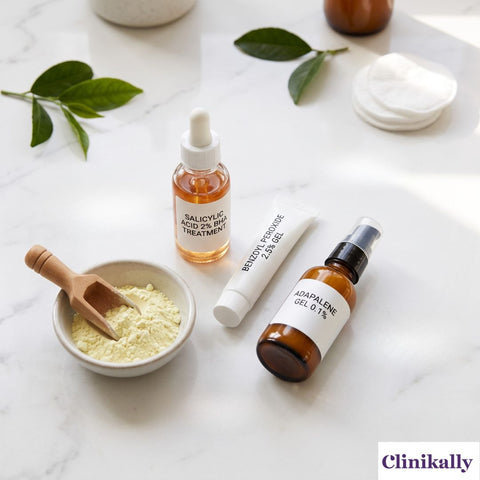
The right skincare ingredients can help reduce inflammation, unclog pores, and prevent new papules from forming. Here are some of the most effective ingredients for managing papule acne:
-
Salicylic Acid (BHA): It exfoliates inside the pores to remove excess oil and dead skin cells, helping prevent clogged pores.
-
Benzoyl Peroxide: This reduces C.acnes and inflammation, making it effective for inflammatory acne.
-
Retinoids (Retinol, Adapalene): It increases skin cell turnover to keep pores clear and reduce future breakouts.
-
Niacinamide: It helps calm redness, reduce inflammation, and may help regulate excess oil production.
-
Azelaic Acid: It reduces inflammation, fights acne-causing bacteria, and helps fade post-acne marks.
-
Tea Tree Oil: It offers antibacterial and anti-inflammatory properties and may help mild acne but can cause irritation or allergic contact dermatitis in some individuals, but should always be used in diluted formulations.
-
Alpha Hydroxy Acids (AHAs): It gently exfoliates the skin's surface to improve texture and remove dead skin cells from the skin's surface.
-
Sulfur: It absorbs excess oil while helping reduce inflammation and active breakouts.
-
Zinc: It has anti-inflammatory properties and may support acne healing .
-
Hyaluronic Acid: It provides lightweight hydration and helps maintain a healthy skin barrier during acne treatment.
Dermatologist-Approved Treatment Options
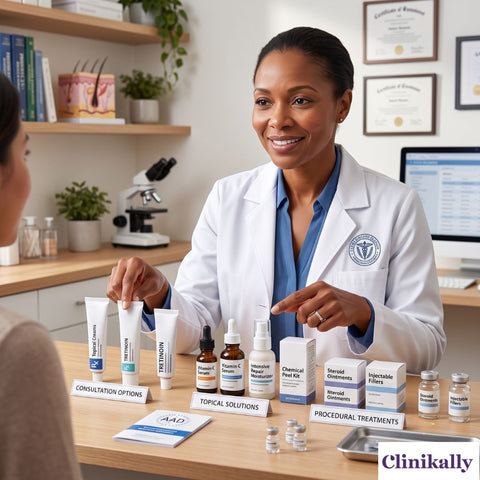
If over-the-counter treatments do not improve your papule acne, or if your acne is severe, painful, or causing scars, consult a dermatologist. These treatments should be used only under medical supervision or after consultation with a healthcare professional. Depending on your skin condition, they may recommend:
-
Topical Retinoids: This helps unclog pores and prevent new acne lesions.
-
Topical or Oral Antibiotics: It helps reduce acne-causing bacteria and inflammation, often prescribed for moderate inflammatory acne.
-
Hormonal Therapy: This may be recommended for women whose acne is linked to hormonal fluctuations.
-
Isotretinoin: It is used for severe or treatment-resistant acne under close medical supervision.
-
In-office Procedures: Chemical peels, light or laser therapies, and comedone extraction may benefit selected patients as an adjunct to standard acne treatment.
Topical and oral retinoids are generally not recommended during pregnancy. Always consult your healthcare provider before using these medications if you are pregnant or planning to conceive.
Home Remedies to Soothe Inflamed Skin
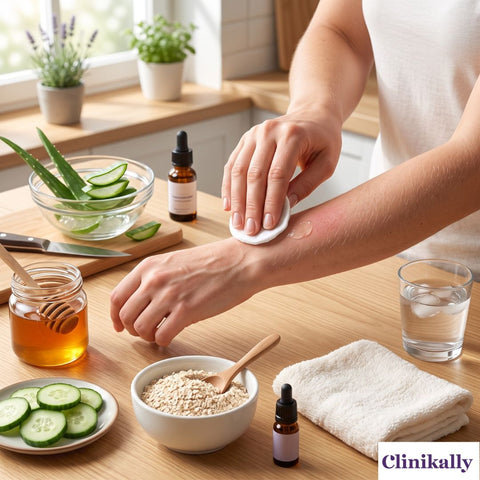
While home remedies cannot treat papule acne, some may help soothe irritation and support skin recovery alongside your prescribed skincare routine. Always perform a patch test before trying any new remedy.
-
Aloe Vera: It helps soothe irritated skin and reduce redness.
-
Cold Compress: It helps relieve swelling, discomfort, and inflammation.
-
Green Tea Compress: Rich in antioxidants that may help calm inflamed skin.
-
Honey: It has soothing and antibacterial properties, although evidence for acne treatment remains limited.
-
Colloidal Oatmeal: It helps calm irritation and strengthen the skin barrier.
If your acne is persistent, painful, or worsening despite home care, consult a dermatologist for appropriate treatment.
When to See a Dermatologist
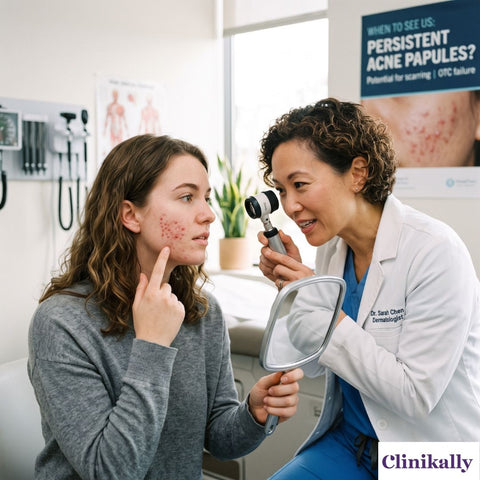
While mild papule acne can often be managed with over-the-counter treatments, persistent or severe breakouts may require professional care. Consult a dermatologist if you:
-
No Improvement After 8 to 12 Weeks: Have acne that does not improve after 8 to 12 weeks of consistent treatment.
-
Painful Nodules or Cysts: Develop painful nodules or cysts.
-
Scarring or Dark Spots: Notice acne scars or persistent dark spots.
-
Frequent or Severe Flare-Ups: Experience frequent or severe flare-ups.
-
Impact on Confidence or Quality of Life: Find that acne is affecting your confidence or quality of life.
A dermatologist can identify the underlying cause of your acne and recommend a personalized treatment plan to help prevent long-term skin damage.
Lifestyle Changes to Prevent Future Breakouts
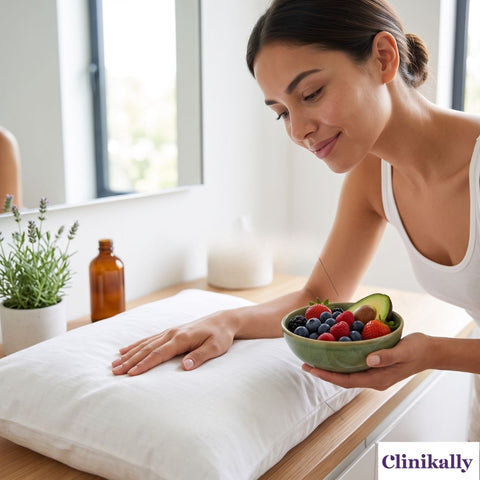
Healthy lifestyle habits can complement your skincare routine and help reduce the risk of future papule acne breakouts. While they may not replace medical treatment, they can support overall skin health.
-
Follow a Consistent Skincare Routine: Cleanse, moisturize, and apply sunscreen daily.
-
Eat a Balanced Diet: Include plenty of fruits, vegetables, whole grains, and lean protein.
-
Manage Stress: Exercise, meditation, and adequate sleep may help minimize acne flare-ups.
-
Avoid Touching Your Face: This helps reduce the transfer of oil, dirt, and bacteria to the skin.
-
Keep Personal Items Clean: Regularly wash pillowcases, towels, makeup brushes, and phone screens.
-
Stay Hydrated: Staying hydrated supports normal skin function, although drinking more water alone is unlikely to clear acne.
Daily broad-spectrum sunscreen (SPF 30 or higher) is especially important when using retinoids or exfoliating acids, as these ingredients can increase your skin's sensitivity to sunlight.
Common Skincare Mistakes That Aggravate Papule Acne
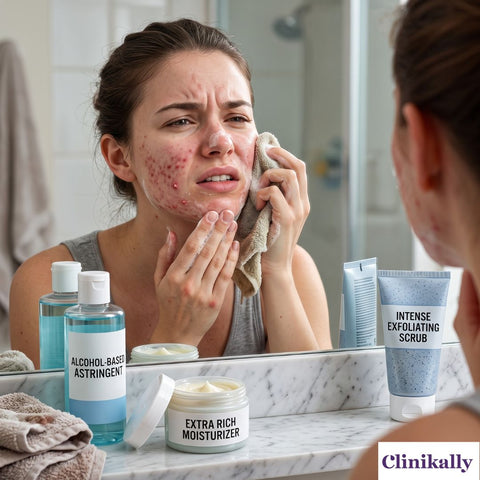
Certain skincare habits can worsen papule acne by irritating the skin, clogging pores, or disrupting the skin barrier. Avoiding these common mistakes can help improve treatment outcomes and reduce future breakouts.
-
Over-cleansing: Washing your face too often can strip away natural oils and trigger excess sebum production.
-
Over-exfoliating: Excessive use of scrubs or exfoliating acids can irritate the skin and worsen inflammation.
-
Using Comedogenic Products: Heavy or oil-based skincare and makeup can clog pores and contribute to breakouts.
-
Picking or Squeezing Papules: This can increase inflammation, delay healing, and raise the risk of acne scars and dark spots.
-
Skipping Moisturizer: Even acne-prone skin needs hydration to maintain a healthy skin barrier.
-
Not Wearing Sunscreen: Daily sunscreen helps protect the skin from UV damage and reduces the risk of post-acne pigmentation.
Final Thoughts
Papule acne can be challenging, but with the right skincare routine, effective ingredients, and healthy lifestyle habits, it can often be managed successfully. Early treatment, consistent care, and avoiding common skincare mistakes can help reduce inflammation, prevent new breakouts, and lower the risk of acne scars.
If your papule acne is persistent, severe, or not responding to over-the-counter treatments, consult a dermatologist for a personalized treatment plan. With the right approach and patience, you can achieve healthier, clearer-looking skin.