Unpacking Propionibacterium acnes: The Science Behind Acne and New Frontiers in Treatment
Propionibacterium acnes has long been associated with acne, but recent research has unveiled a more complex role for this bacterium in skin health. Understanding the science behind C. acnes and its role in acne formation offers insights into how we might improve treatments and explore new therapeutic options for this pervasive condition
What is Propionibacterium Acnes? The Science Behind This Acne-Causing Bacteria
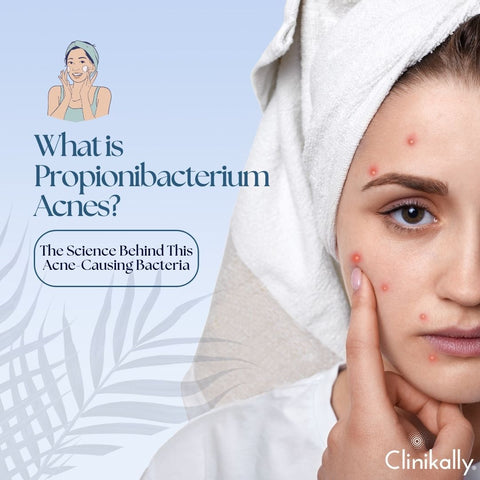
Propionibacterium acnes is a bacterium widely found on human skin, particularly in places with large concentrations of sebaceous glands. This bacterium contributes significantly to the development of acne, a disorder that affects millions of people, primarily teenagers and young adults. C. acnes is a normal part of the skin microbiome, but it can become harmful under specific situations, contributing to the formation of acne lesions.
-
Bacterium: C. acnes is an anaerobic, Gram-positive bacterium. This means it thrives in oxygen-free environments, such as the pores of the skin.
-
Commensal Organism: C. acnes is a common, usually harmless, component of the normal skin microbiota in healthy people. It can aid in the breakdown of sebum, or skin oil, which may improve the condition of the skin.
-
Opportunistic Pathogen: C. acnes can overgrow and set off the processes that cause acne when skin conditions change, such as increased oil production or clogged pores.
The Role of P. Acnes in Skin Health and Acne Development
Skin Health
-
Sebum Breakdown: C. acnes aids in the breakdown of sebum, an oily material produced by the sebaceous glands. This is part of its natural function in regulating the skin's microbiota. The bacterium converts triglycerides in sebum into free fatty acids, which are normally safe in moderate amounts and can even help protect the skin from hazardous germs.
-
Microbial Balance: By fighting for space and nutrients on the skin's surface, C. acnes contributes to the skin's microbiota and helps prevent the overgrowth of harmful, pathogenic bacteria. This keeps additional dangerous germs from invading the skin and promotes a healthy microbial environment.
immunological Modulation: C. acnes modulates the skin's immunological system. Interacting with skin cells (such as keratinocytes), promotes a balanced immune response and prevents overreaction to typical environmental conditions. In its commensal state, the bacterium rarely causes inflammation or injury.
Acne Development
-
Excess Sebum Production: The skin's sebaceous glands become overactive under certain conditions, particularly during puberty due to hormonal swings (androgens). These hormones cause the sebaceous glands to create excess sebum, which can clog the pores.
-
Overgrowth of C. acnes: When pores get clogged and sebum collects, C. acnes thrive in these oxygen-deprived environments. As it grows, it generates enzymes (such as lipases) that degrade sebum into free fatty acids. These fatty acids can irritate the surrounding skin, causing irritation and pore blockages.
-
Immune System Activation: Pattern recognition receptors (PRRs) are among the receptors on skin cells that P. acnes activates to stimulate the immune system. Pro-inflammatory cytokines may be released as a result of this contact with keratinocytes, or skin cells, intensifying the inflammatory response.
-
Biofilm Formation: Because the bacteria are protected from antimicrobial medications, C. acnes is more difficult to treat with standard acne therapies such as antibiotics.
Factors That Trigger P. Acnes Overgrowth

C. acnes overgrowth is influenced by a number of internal and external factors, including hormone fluctuations, stress, environmental factors, and drugs. Understanding these elements can help you prevent and treat acne. Effective acne treatment typically entails addressing the underlying causes of C. acnes overgrowth, which may include a combination of skincare regimens, lifestyle changes, and, in some cases, medicinal interventions.
How P. Acnes Contributes to Inflammation and Clogged Pores

These two important acne-related processes are facilitated by C. acnes:
-
Clogging of pores: Acne develops when hair follicles and pores become clogged with sebum (skin oils), dead skin cells, and other debris.
-
Inflammation triggered by C. acnes: C. acnes causes inflammation when the pores get clogged. The excess of C. acnes and its interaction with the skin's immune system causes inflammation, which is a hallmark of acne.
-
Biofilm formation and chronic inflammation: Biofilm production and chronic inflammation: Acne researchers have discovered that C. acnes can create biofilms within clogged pores. A biofilm is a protective structure composed of bacterial cells encased in a slimy matrix of polymers. This biofilm protects bacteria from the immune system and medications, making acne more persistent and difficult to treat.
-
Acne lesion types: C. acnes-induced inflammation causes a variety of acne lesions, depending on the severity of the obstruction and immune response, including non-inflammatory and inflammatory acne.
-
Severe acne: C. acnes may lead to the production of cystic or nodular acne, which can result in long-term scarring. In these circumstances, the inflammation is more extensive and deeper in the skin, and C. acnes may be involved in a complex combination of bacteria, immune response, and skin barrier function.
Treatment Approaches: Managing Acne at the Root
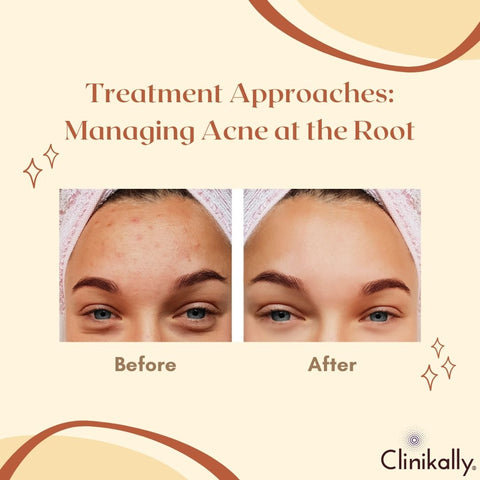
Various treatment approaches that aim to treat acne from the root, emphasizing both traditional and emerging therapies.
-
Topical treatments: Topical treatments are frequently the first line of defense against acne, and they can help target P. acnes, reduce sebum production, and encourage skin healing. These therapies often address one or more of the primary causes of acne.
-
Oral therapies: When acne is severe or resistant to topical treatments, oral medication may be necessary to treat it at its source. These treatments can address the underlying causes of acne, such as hormonal imbalances and C. acnes overgrowth.
-
Light and laser therapy: Advances in dermatology have resulted in the creation of light and laser therapies that target C. acnes and reduce inflammation. These treatments are most useful for moderate-to-severe acne.
-
Microbiome-based treatments: As research into the skin's microbiome progresses, there is a growing interest in treatments that try to balance the skin's microbial environment and prevent C. acnes proliferation.
Traditional Treatments: Antibiotics and Topical Solutions
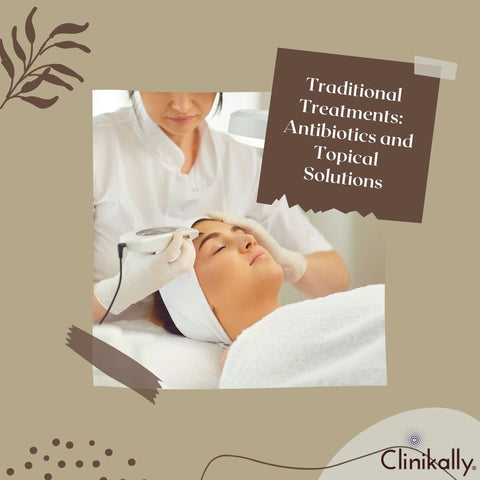
Traditional acne treatments, such as antibiotics and topical therapies, continue to be effective in managing and controlling acne. Many people with mild acne benefit from topical antibiotics such as clindamycin and erythromycin, when paired with additional therapies such as benzoyl peroxide. Oral antibiotics like doxycycline, tetracycline, and minocycline can help treat severe acne and inflammation. Topical therapies such as benzoyl peroxide, salicylic acid, retinoids, and azelaic acid address various components of acne, including clogged pores, bacterial overgrowth, and inflammation. When selecting an acne treatment, consult with a physician to identify the best regimen based on acne severity, skin type, and personal response to therapy.
The Rise of Probiotics: Can Good Bacteria Fight Acne?
Probiotics have received a lot of attention in recent years, not only for their digestive benefits but also for their potential to help with skin disorders like acne. While probiotics have historically been seen as helpful microbes that promote gut health, their effect on the skin has attracted interest in dermatology, notably for acne therapy. Acne is a multifactorial condition caused by increased sebum production, plugged pores, bacterial overgrowth (particularly C. acnes), and inflammation. The theory behind using probiotics to treat acne is that by affecting the skin's microbiome—the community of microorganisms that dwell on the skin—probiotics can help balance bacterial populations, reduce inflammation, and promote skin health.
Skincare Ingredients That Target P. Acnes Effectively
Some of the most commonly used and scientifically supported skincare ingredients that target P. acnes are:
-
Benzoyl peroxide: Benzoyl peroxide is one of the most commonly prescribed ingredients for acne treatment. It works by releasing oxygen into pores, creating an environment where C. acnes cannot survive. This oxygen-rich environment kills the bacteria, thereby reducing the number of acne-causing microorganisms on the skin. Benzoyl peroxide is highly effective in treating both inflammatory acne (such as pustules and papules) and non-inflammatory acne (like blackheads and whiteheads). It also helps to clear out clogged pores, reducing the risk of new breakouts.
-
Salicylic acid (Beta Hydroxy Acid - BHA): Salicylic acid is a powerful exfoliant that penetrates deep into the pores, helping to dissolve excess sebum and dead skin cells that can clog pores and create an environment for C. acnes to flourish. Its anti-inflammatory properties also help to reduce redness and swelling associated with acne. Salicylic acid is particularly effective for treating comedonal acne (blackheads and whiteheads), as it helps prevent the buildup of debris in pores. While it doesn’t directly kill C. acnes, its ability to exfoliate the skin and keep pores clear reduces the conditions that allow the bacteria to thrive.
-
Retinoids (Retinol, Tretinoin, Adapalene): Retinoids are derivatives of Vitamin A that accelerate skin cell turnover, helping to clear clogged pores and prevent acne formation. By increasing cell turnover, retinoids make it more difficult for C. acnes to thrive in the blocked pores, reducing bacterial growth. They also have anti-inflammatory properties, which help to reduce the redness and swelling of acne. Retinoids are effective for both treating and preventing acne. They help address all forms of acne, including blackheads, whiteheads, and more severe forms such as cystic acne. Topical retinoids like adapalene (sold as Differin) are now available over the counter, while stronger retinoids like tretinoin require a prescription.
-
Tea tree oil: Tea tree oil is a natural essential oil that has antimicrobial and anti-inflammatory properties. Research suggests that tea tree oil can effectively reduce the growth of C. acnes without irritating the skin as much as some synthetic treatments. It also helps to reduce redness and inflammation in existing acne. Tea tree oil has been shown to reduce acne lesions significantly, particularly in mild to moderate acne. It works by directly targeting C. acnes and calming the skin’s inflammatory response.
-
Zinc: Zinc is a mineral that has natural antibacterial properties and is known to help reduce the production of sebum, one of the main factors contributing to acne development. By regulating sebum production and reducing C. acnes growth, zinc helps to prevent clogged pores and inflammation. Zinc is often recommended for treating inflammatory acne, particularly cystic acne, due to its anti-inflammatory and antibacterial properties. It can be taken orally as a supplement or applied topically in creams or gels.
-
Niacinamide (Vitamin B3): Niacinamide is a potent antioxidant and anti-inflammatory ingredient that helps to reduce redness, swelling, and irritation associated with acne. It also works to regulate sebum production, which reduces the food source for C. acnes, limiting bacterial growth. Niacinamide is particularly effective for treating inflammatory acne and can help reduce post-inflammatory hyperpigmentation (dark spots) left behind by acne lesions. It also improves the overall appearance of the skin by enhancing the skin barrier function.
-
Alpha Hydroxy Acids (AHAs): AHAs, such as glycolic acid and lactic acid, are water-soluble acids that exfoliate the skin’s surface. They work by breaking down the bonds between dead skin cells, preventing clogged pores that could harbor C. acnes. While they don't directly kill bacteria, their exfoliating action keeps pores clear, which in turn helps reduce acne formation. AHAs are effective for treating non-inflammatory acne, especially when combined with other acne-fighting ingredients. They are also beneficial for improving skin texture and reducing acne scars.
-
Sulfur: Sulfur has been used in acne treatments for centuries due to its antibacterial and keratolytic (skin-shedding) properties. It works by drying out excess oil and helping to remove dead skin cells that can clog pores. Sulfur also has antibacterial properties, specifically targeting C. acnes. Sulfur is particularly useful in treating mild acne and is often found in masks, cleansers, and spot treatments. It is less irritating than some other acne treatments, making it suitable for those with sensitive skin.
-
Clindamycin: Clindamycin is a topical antibiotic that targets C. acnes by inhibiting its protein synthesis. It directly reduces the bacterial population in the skin, helping to decrease the severity of acne lesions. Clindamycin is effective for treating inflammatory acne and is often combined with other ingredients like benzoyl peroxide or retinoids to enhance efficacy. However, it is generally used as part of a short-term treatment plan to reduce the risk of antibiotic resistance.
Emerging Innovations: The Future of Acne Treatments
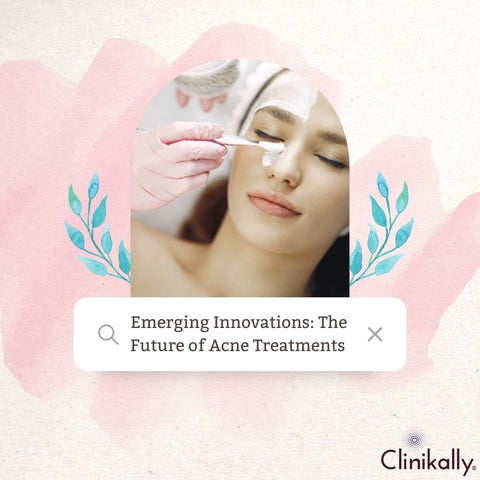
Acne has long been a frustrating condition for millions of people worldwide. While traditional treatments such as benzoyl peroxide, retinoids, and antibiotics have proven effective, they often come with side effects like irritation, dryness, or antibiotic resistance. As research into the microbiome, skin science, and novel treatment modalities continues to grow, several innovative acne treatments are emerging on the horizon. These advancements could offer more personalized, effective, and sustainable solutions for acne sufferers. Let’s explore some of the cutting-edge innovations that are shaping the future of acne treatment.
Light Therapy and Laser Treatments for Bacterial Acne
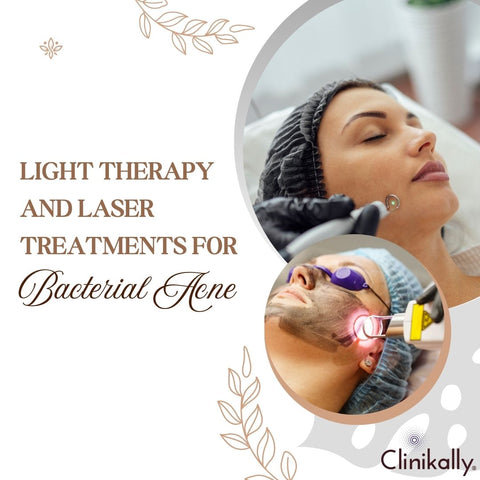
Light therapy
-
Blue Light Therapy: Blue light therapy primarily targets the C. acnes bacteria, which are one of the primary causes of acne formation. When the skin is exposed to blue light (usually between 415 and 420 nm), it activates a bacterial chemical known as porphyrins. When exposed to light, these porphyrins generate reactive oxygen species (ROS), which are poisonous to C. acnes and effectively destroy the bacteria. Blue light therapy has been found to decrease acne lesions and prevent future breakouts by inhibiting bacterial development. It is extremely useful for mild to moderate acne, particularly inflammatory forms like pustules and papules. However, it is less effective for severe cystic acne or non-inflammatory acne, such as blackheads.
-
Red Light Therapy: Red light treatment, also known as low-level laser therapy or LLLT, penetrates deeper into the skin by using longer wavelengths of light, often between 600 and 650 nm. This light improves healing and lowers inflammation by boosting collagen formation, enhancing blood circulation, and lowering sebum production. Red light does not directly target C. acnes, but it does assist in addressing some of the underlying causes of acne, including inflammation and excess sebum. Red light treatment is especially effective at treating the inflammation and edema associated with acne. It can help reduce redness, accelerate the healing of acne lesions, and enhance overall skin appearance. It works very well for acne-induced post-inflammatory hyperpigmentation (dark patches). It can also be used alongside blue light therapy to provide a more thorough acne treatment regimen.
Laser Treatments
-
Pulsed Dye Laser (PDL): Pulsed dye laser treatment targets blood vessels beneath the skin with a laser that generates yellow light (about 585 nm). This reduces inflammation, and redness, and improves the look of acne lesions. The laser is also thought to reduce sebaceous (oil) glands, lowering the production of excess sebum, which is a major cause of acne development. The pulsed dye laser is efficient at treating inflammatory acne, such as papules and pustules, as well as reducing redness. It can be especially beneficial for acne-prone skin that is prone to scarring and hyperpigmentation. Multiple sessions are frequently required to attain the best results.
-
Fractional CO2 Laser: Fractional CO2 lasers employ carbon dioxide (CO2) to treat acne scars, skin texture, and deeper layers of the skin. This treatment includes generating minute holes in the skin (fractional pattern) to encourage collagen and elastin formation. The heat generated by the laser also helps to shrink sebaceous glands, lowering oil production and preventing recurrent outbreaks. Fractional CO2 lasers are particularly helpful for treating acne scars because they promote the skin's natural healing process. It can help minimize the appearance of big pores and enhance skin texture. While it is not commonly used to treat active acne, it is an extremely efficient technique for dealing with the long-term effects of acne.
-
Nd:YAG Laser: With a wavelength of 1064 nm, the light emitted by the Nd:YAG laser (Neodymium-doped Yttrium Aluminum Garnet) may go deeper into the skin. By decreasing the sebaceous glands, this laser lowers the production of sebum. It works well for cystic acne since it can also assist target deeper acne lesions and reduce inflammation. Both current acne and acne scars can be effectively treated with the Nd:YAG laser. It works especially well for people with deeper, more persistent acne lesions and for treating severe acne, including cystic acne. By encouraging the creation of collagen and quickening the healing process, it can also lower the chance of scarring.
The Role of Microbiome Research in Acne Prevention
The skin microbiome, which includes bacteria, fungus, viruses, and other microbes, is a varied population of microorganisms that live on the human skin. This microbiome is essential for preserving the health and equilibrium of the skin, and a new study indicates that an imbalance in this microbial ecology may be a factor in the emergence of acne and other skin disorders. Acne has traditionally been treated with topical medicines, oral antibiotics, and other techniques that target the bacterium Cutibacterium acnes (previously Propionibacterium acnes), which is most typically linked with acne. However, recent research has highlighted the significance of knowing and controlling the skin's microbiome as a more comprehensive approach to acne prevention and therapy.
Personalized Skincare for Acne Management
Personalized skincare, which offers more customized, effective, and thorough treatments for clear skin, is revolutionizing acne management and treatment. By focusing on specific factors including skin type, acne severity, lifestyle, and even inheritance, personalized acne treatments provide better outcomes and fewer adverse effects than generic options. As science and technology progress, customized skincare will probably become an essential part of managing and preventing acne for many people.
Is It Time to Rethink Acne Treatment Strategies?
The methods used to treat acne need to be reviewed. Although treatment helps a lot of people, the conventional method usually overlooks the root causes of acne, which include stress, hormone imbalances, diet, and heredity. Technology advancements, genetic research, and a deeper comprehension of the skin microbiome have made customized, holistic acne treatments a more viable, long-term choice. Acne management can be made more effective and long-lasting by using personalized skincare, addressing underlying causes (such as hormones and food), and embracing modern technology. Rather than simply masking symptoms, these innovative treatments aim to prevent acne from the start, giving people with this common condition healthier skin and more confidence.