



- Pigmentation & Acne Scars
- Changes in Skin Texture
- Ingredients Treating Pigmentation
- Treating Acne Marks Naturally
- Dermatological Treatment for Acne Marks
- Types of Acne Scars
- Customised Regimen for Skincare
- FAQs
Skin blemishes are a usual concern for many individuals these days. It affects both teenagers and adults alike. Not only acne itself is frustrating, but also the blemishes, marks, pits and scars that acne leaves behind can often be just as troublesome. This leads to declining skin confidence. Fortunately, with the correct approach and method of skincare, these acne scars can be minimized, thus achieving a clearer skin. Effective acne mark treatments protect and heal the skin, significantly boost skin cell turnover, and reduce inflammation signs such as redness and swelling. Skincare routines incorporating active ingredients like glycolic acid, vitamin C, retinol, salicylic acid and niacinamide have gained popularity. It is so because these skincare ingredients effectively fade hyperpigmentation and smooth the skin's texture. Also, targeted professional treatments like chemical peels, microneedling, and laser therapy are becoming increasingly sought-after solutions. In this article by Clinikally, we’ll explore the best acne scar treatments, skincare tips, and preventative measures to help you achieve clearer, smoother skin.
Understanding Acne Blemishes: Marks vs. Scars
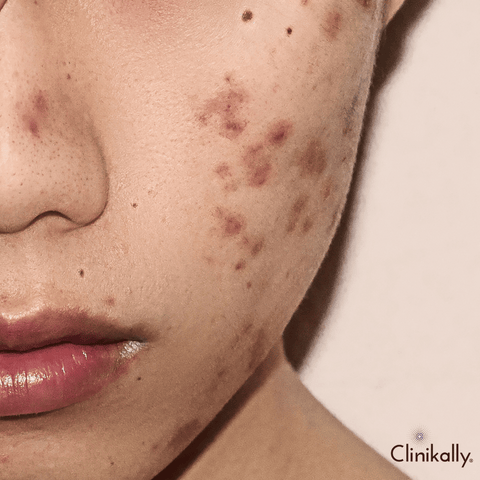
Acne blemishes are a common skin issue faced by many people. It is important to differentiate between acne marks and scars. It is so because these require different approaches for treatment. Post-inflammatory hyperpigmentation (PIH), visible as Acne marks are typically colored spots, mostly red, brown or purple, left behind after a pimple heals. These marks fade over time with proper skincare. Acne scars are deeper in character. It is so because the tissue of skin is lost during the healing process, causing skin damage. Acne marks can be considerably improved with topical treatments, but acne scars may require more intensive and professional treatments to restore smoother skin. Understanding the difference between the two is key to choosing the right skincare treatment for your skin's needs.
What Are Acne Marks? The Role of Pigmentation
Acne marks are the dark or discolored spots left on the skin after an acne breakout has healed. These marks are common for people who suffer from acne. These acne marks occur because of pigmentation. It plays a significant role in how these marks develop and appear.
-
Pigmentation is the main reason behind these marks, especially post-inflammatory hyperpigmentation (PIH). Acne marks develop after healing of pimples, blackheads, or cystic acne.
-
Skin produces excess melanin in response to skin inflammation caused by acne.
-
People with darker skin are more prone to visible acne marks. It is due to higher melanin production.
-
Acne marks can occur in various colors and anywhere acne was present. It can occur on on the face, back, shoulders, or chest.
-
Changes in hormones, sun exposure, and picking pimples or acne can worsen acne marks.
-
Acne marks are typically temporary and may take weeks or months to fully fade and heal.
-
Treatments like topical acne skin care creams, serums with Vitamin C, retinoids, and chemical exfoliation can speed up the healing process and help reduce pigmentation.
-
Using sunscreen regularly is essential to prevent acne marks from darkening due to UV exposure.
Acne marks can be a persistent and hard reminder of past acne breakouts. However, understanding the role of pigmentation and inflammation in the formation of pimples can help manage expectations and guide effective treatments.
What Are Acne Scars? Exploring Skin Texture Changes
After the acne has healed, various permanent marks are left behind on the skin. These are called Acne Scars.These scars involve more significant changes in skin texture due to deeper tissue damage which is caused by inflamed pimples, or cysts. Understanding acne scars involves recognizing how they form and the different types of scars that can develop.
-
The scarring process can result from inflamed pimples, cysts, or nodules that damage the skin’s deeper layers.
-
It occurs when skin is unable to regenerate properly.
-
There are two main types of acne scar namely atrophic (depressed) scars and hypertrophic (raised) scars.
-
Atrophic scars are more common. These occur as a result of loss of tissue, causing pitted skin.
-
Hypertrophic scars are less common. These occur when an excess amount of collagen is produced during the healing process of the skin. It causes raised and firm scars.
-
Genetic makeup of an individual, severity of the acne and skin healing ability after an inflammatory breakout are contributing factors to the risk of scarring.
-
The habit of squeezing or picking the pimples increases the chances of scarring. It is so because of increased trauma to the skin.
-
Treatment options for acne scars include professional options such as laser therapy, microneedling, chemical peels, fillers, and topical treatments such as retinoids or silicone gels.
Acne scars involve permanent changes in skin texture. As a result, these are more challenging to treat than acne marks. However, with the right treatments and a proper, personalised skincare regimen, significant improvements are possible.. Patience and consistency are key to helping the skin heal and restore the skin appearance.
The Science Behind Acne Aftereffects
The science behind acne marks and acne scars, is based in the healing process of the body after skin inflammation. Acne occurs when hair follicles become blocked or clogged with debris, sebum, dead skin cells, and bacteria, triggering an inflammatory response, which, if severe, can result in lasting changes to the skin’s appearance. The aftereffects, such as pigmentation changes or textural alterations, are a direct result of this inflammation and the body’s attempt to repair itself.
-
Acne begins when pores are blocked by sebum, debris, and dead skin cells. This creates the perfect environment for acne-causing bacteria to thrive.
-
This blockage leads to inflammation.
-
It causes the redness and swelling that is seen in active acne lesions.
-
The inflammation triggers the immune system.
-
It causes the body to release various molecules to repair the skin.
-
If inflammation is prolonged, it can damage the deeper layers of the skin.
-
For damage control, the skin may either produce excess collagen or fail to generate enough tissue.
-
It results in changes in skin texture and formation of scars.
-
When excessive melanin is produced, it causes formation of acne spots.
-
When loss or overproduction of collagen occurs, it leads to permanent changes in skin texture such as pits or raised areas.
-
Sun exposure exacerbates both acne marks and scars. It is so because UV rays can stimulate melanin production, making pigmentation issues worse.
-
External factors, like picking or squeezing acne, can exacerbate inflammation and increase the risk of both scars and marks by causing further damage to the skin.
-
Genetics play a crucial role in acne aftereffects. The skin of a few people heals with minimal scarring, while others are more prone to severe scarring.
-
Over time, some acne aftereffects, such as marks, fade as the skin naturally heals. However, scars often remain permanent unless treated with medical or cosmetic interventions.
Understanding the science behind acne aftereffects reveals how deeply acne affects the skin’s structure and function. While acne itself can be managed, the aftereffects require careful skincare, treatment, and sometimes professional interventions to reduce their appearance and support long-term skin health.
Treatment Approaches for Acne Marks
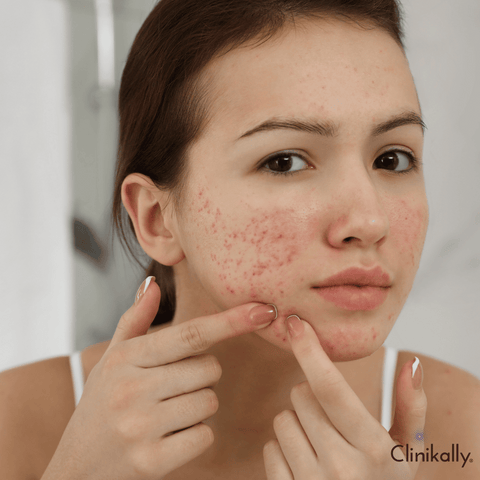
Proper treatment approaches for acne marks are vital to achieving clear, healthy skin and restoring self-confidence. The effectiveness of acne scar removal depends on selecting the right methods for your skin type and scar severity. The treatment protocol often ranges from home care like sunscreen usage and medicated treatment products to dermatologist-led skin procedures such as chemical peels, fillers, laser resurfacing, microneedling and subcision. Professional interventions not only accelerate healing but also reduce the risk of discoloration and uneven skin texture, while home care helps maintain results and prevent further damage.
Ignoring the importance of tailored acne scar treatments can result in persistent and permanent marks, emotional distress and anxiety, and the need for more intensive and invasive procedures later. By consulting dermatologists, and using evidence-based therapies, safe, lasting improvements and smooth complexion are ensured. Comprehensive, individualized acne scar management empowers individuals to take control of their skin journey, thereby leading to visible and psychological benefits that go beyond appearances.
Skincare Ingredients That Target Pigmentation
To treat acne pigmentation (PIH), there are several skincare ingredients known to help fade dark spots and even out skin tone. These ingredients can target pigmentation and promote skin healing:
1. Vitamin C (Ascorbic Acid) brightens skin and dark spots and promotes collagen production in the skin. It is best suited for dull skin and dark spots from acne. Some highly recommended vitamin C products that target pigmentation are:
2. Niacinamide (Vitamin B3) reduces pigmentation and brightens skin. It also improves skin barrier function. It is best for reducing redness and uneven skin tone from acne scars. Few niacinamide products available at Clinikally are:
3. Azelaic Acid is highly effective for reducing redness, acne scars, and pigmentation. It is especially very effective in sensitive skin patients. It significantly reduces melanin production and has anti-inflammatory properties, helping to treat both acne and acne scars. Azelaic Acid products recommended by the experts are:
4. Tranexamic Acid reduces production of melanin. It has been shown to be effective in lightening hyperpigmentation and dark spots. It is highly effective for treating stubborn dark spots and melasma. Few highly recommended products are:
5. Alpha Arbutin is a skin brightening agent. It inhibits melanin production, thus lightening dark spots and hyperpigmentation. It is extremely recommended for fading dark spots and evening out skin tone. Viso Fer 2% Alpha Arbutin Face Serum and Minimalist 2% Alpha Arbutin Face Serum are highly effective.
6. Retinoids such as Retinol, Retinoid, Tretinoin, effectively increase skin cell turnover, helping to shed damaged skin cells and reduce pigmentation, while also helping to treat acne, preventing further breakouts. It is highly suited for acne-prone skin with dark spots and texture. Highly recommended retinoids are:
7. Glycolic Acid is an AHA that gently exfoliates the skin to remove dead skin cells, helping to fade dark spots and even out skin texture. It is best suited for dull skin and uneven skin tone from acne. Few glycolic acid products that are highly recommended are:
8. Licorice Extract inhibits melanin production and has soothing anti-inflammatory effects. It is best for brightening skin and reducing pigmentation from acne.
9. Salicylic Acid is a BHA that exfoliates the skin from within the pores and improves the skin cell turnover. This leads to reducing acne and pigmentation over time. It is best for acne-prone skin and preventing new breakouts while fading scars. Verso Deep Cleanse With Salicylic Acid and Minimalist 2% Salicylic Acid Face Serum are highly recommended.
10. Kojic Acid inhibits melanin production. This in turn helps to lighten dark spots and improve skin tone. It is best for brightening dark spots left by acne. Kojic Depigmenting Cream can be used.
11. Ceramides strengthen the skin barrier and help with skin healing, thereby reducing the appearance of scars over time. It is highly recommended by dermatologists for skin repair and hydration. Few ceramide enriched products available are:
Using a combination of these ingredients can help fade acne scars and pigmentation, but it's important to be consistent and use sunscreen daily, as many of these ingredients can make the skin more sensitive to the sun.
Home Remedies and Natural Options
Acne may fade with time, but the marks, scars, and blemishes it leaves behind can often feel more stubborn than the breakouts themselves. While medical treatments are available, many people prefer safe, natural, and budget-friendly home remedies to restore clearer and healthier-looking skin. Nature provides powerful ingredients with healing, brightening, and soothing properties that can gradually minimize the appearance of acne scars.
-
Lemon Juice is a natural skin brightening agent. Lemon contains vitamin C, which acts as a natural skin lightener and boosts collagen production. Mix it with water or honey to dilute it. Apply this diluted lemon juice mixture on marks for 10 minutes before rinsing. Lemon can make skin photosensitive hence it is recommended to follow with sunscreen.
-
Tea tree oil has anti-inflammatory and anti-inflammatory effects. Mix a few drops with a carrier oil like jojoba oil and dab it on scars. Regular usage can reduce redness, swelling, and blemish marks.
-
Honey has natural antibacterial and healing properties. Dabbing raw honey or manuka honey on acne marks helps in fading blemishes. It also keeps skin hydrated, preventing further scarring.
-
Aloe vera is rich in antioxidants, vitamins A and C. It also has anti-inflammatory properties. Applying fresh aloe vera gel directly on scars helps promote skin regeneration, lightens dark spots, and soothes irritation. Even WishCare Pure & Natural Aloe Vera Gel can be used.
-
Turmeric has curcumin. It is a powerful natural anti-inflammatory and antioxidant compound. Mix turmeric with yogurt and apply it as a mask to reduce pigmentation and promote healing of scars.
These natural remedies offer gentle yet effective ways to treat acne scars and blemishes over time. Consistency is key as results may take several weeks of regular use. Always perform a patch test before trying any remedy to avoid irritation, and protect your skin with sunscreen, as UV exposure can darken scars.
Professional Treatments for Acne Marks
Acne scars can be frustrating and persistent, often remaining long after breakouts have healed. While home remedies may help with mild marks, professional dermatological treatments are often the most effective way to achieve smoother, clearer skin. These advanced procedures are designed to target different types of scars such as raised, depressed, or pigmented, and promote long-lasting skin renewal. Consulting a dermatologist ensures you receive the right treatment for your unique skin type and scar pattern.
-
Chemical Peels: Dermatologists apply a chemical solution, usually glycolic acid, salicylic acid, or trichloroacetic acid to the skin. These exfoliate the top skin layers. This practice smooths uneven texture, reduces hyperpigmentation and stimulates collagen. Multiple sessions may be needed for deeper scars.
-
Microneedling/ Collagen Induction Therapy: Tiny needles create controlled micro-injuries in the skin. This helps in boosting collagen and elastin production. It reduces indented scars and improves overall skin texture. This treatment is often combined with platelet-rich plasma (PRP) for enhanced healing.
-
Laser Therapy: Lasers are widely used to resurface the skin and target deep scars. Usually carbon dioxide and erbium lasers are used. These treatments promote collagen production, even out skin tone, and break down scar tissue. Multiple sessions are usually required, with some downtime.
-
Microdermabrasion: It uses fine crystals or a diamond-tipped device to gently remove dead skin cells. It improves mild acne scars and discoloration.
-
Dermabrasion: It is a more intensive procedure. Dermabarasion sands down the outer layers of the skin. This improves deeper scars.
-
Fillers: Dermal fillers temporarily lift depressed scars, making skin appear smoother.
-
Subcision: Subcision is a minor surgical technique that releases scar tissue beneath the skin, allowing scars to rise closer to the surface.
Taking the step to consult a dermatologist ensures a tailored approach to achieving smoother, healthier-looking skin. Depending on the severity and type of scars, dermatologists may recommend a single therapy or a combination for the best outcome. Professional acne scar treatments provide targeted and effective solutions that go beyond what natural remedies can achieve. While these procedures may require time, financial investment, and some recovery, they can dramatically improve skin texture, reduce discoloration, and restore confidence.
Tackling Acne Scars: From Prevention to Repair
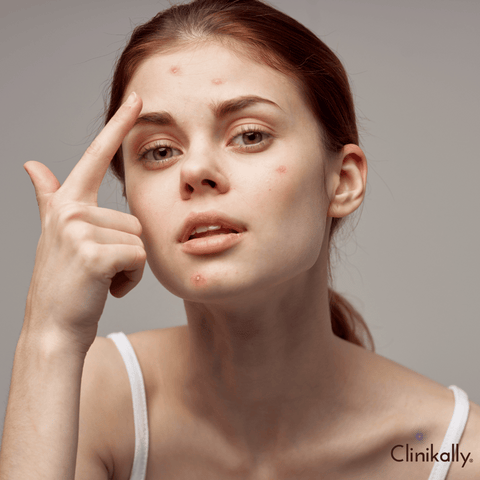
Conquering acne scars requires a strategic and holistic approach. It starts with early prevention and extends to advanced repair solutions. These enduring marks can stay for a long time after healing of acne. This may affect skin confidence and overall appearance. By prioritizing proven acne scar prevention methods like daily gentle cleansing, non-comedogenic skincare products, and diligent sunscreen application, you can proactively reduce your risk of new scars. For those dealing with persistent post-acne marks, innovative scar-removal treatments including laser resurfacing, chemical peels, microneedling, and potent serums offer effective repair and skin renewal. Understanding the full spectrum of best acne scar remedies, from home care to dermatologist-approved therapies, empowers you on your journey to a clear, smooth, and blemish-free complexion.
Types of Acne Scars and Their Impact
Acne scars are a common concern for people who have experienced moderate to severe acne, often persisting long after breakouts have resolved. These scars form due to the body’s natural healing process, which can result in either loss or excess collagen at the site of inflammation. Various types of scars seen after healing of acne are:
1. Atrophic Scars: These are the most common type of acne scar and are caused by a loss of collagen. They are further divided into:
-
Ice pick scars: These are deep, narrow, pitted scars that appear like small holes in the skin.
-
Boxcar scars: These are broad depressions with sharply defined edges, often round or oval in shape.
-
Rolling scars: These are wide depressions with sloping edges, giving the skin a wavy or uneven appearance.
2. Hypertrophic Scars: These are raised scars that develop when too much collagen is produced during healing. This leads to a firm, thickened area of skin. These are usually localized to the size of the original acne spot.
3. Keloid scars are a more severe form of raised scar, growing beyond the borders of the original acne lesion and sometimes becoming itchy, painful, or darker than the surrounding skin.
4. Papular scars are small, raised bumps that are often skin-colored or lighter, usually appearing on the nose, chin, or jawline.
5. Post-inflammatory hyperpigmentation is not a true scar, but rather discolored patches that remain after acne heals. While not permanent, they can persist for months before fading.
The impact of acne scars extends beyond the physical, often leading to psychological distress. The severity and visibility of acne scars can negatively influence quality of life. These scars serve as reminders of past breakouts and can cause ongoing emotional discomfort. Addressing acne scars involves recognizing both the physical and psychosocial dimensions of their impact. Effective management may not only improve skin appearance but also enhance confidence and overall well-being.
Dermatological Procedures for Scars
Dermatological procedures for acne scar treatment offer effective solutions for those seeking to improve their skin’s appearance and texture after breakouts. If you're searching for the best acne scar treatments, consulting a dermatologist is vital for developing a customized skincare plan. These advanced procedures can dramatically minimize acne scarring, acne marks, and uneven pigmentation, helping you achieve smoother, clearer, and healthier skin.
-
Laser acne scar removal: Laser resurfacing is one of the most popular treatments for reducing acne scars. These procedures target damaged skin, stimulate collagen production, and help fade deep acne marks, especially ice pick and atrophic scars.
-
Chemical peels for acne scars: Professional chemical peels use exfoliating acids like glycolic, lactic, and trichloroacetic acid to improve mild acne scarring and post-inflammatory hyperpigmentation, revealing a brighter skin tone.
-
Microneedling for acne scars: Also known as collagen induction therapy, this technique creates micro-injuries to promote skin renewal and reduce the visibility of rolling and boxcar scars.
-
Dermal fillers for depressed acne scars: Injectable fillers containing hyaluronic acid or collagen temporarily plump up indented scars, instantly smoothing the skin’s surface.
-
Subcision for deep acne scars: This minor surgical technique detaches scar tissue underneath the skin, lifting sunken scars and improving skin contour.
-
Dermabrasion and microdermabrasion treatments: These skin resurfacing methods remove surface layers, diminishing the appearance of superficial acne scars and blemishes.
-
Steroid injections for raised acne scars: Intralesional corticosteroid shots are an effective acne keloid and hypertrophic scar treatment, reducing inflammation and flattening tough scar tissue.
-
Platelet-rich plasma (PRP) therapy for acne scars: PRP, often combined with microneedling, harnesses the body’s healing factors to enhance tissue regeneration and tackle persistent acne scars.
-
Punch excision and skin grafting for severe acne scars: Surgical interventions for acne include removing isolated deep scars and repairing the area with sutures or grafts.
-
Radiofrequency microneedling and energy-based treatments: These advanced therapies tighten skin and boost collagen production, providing effective results for mild and moderate acne scarring.
-
Cryosurgery for keloid and raised scars: Cryotherapy helps shrink and flatten hypertrophic acne scars, improving skin texture.
Choosing the right acne scar removal procedure is essential for lasting results and restored confidence. Dermatologists recommend combining these treatments with a targeted acne scar skincare routine for optimal recovery and smoother, blemish-free skin.
Daily Skincare Practices to Support Healing
Supporting acne scar healing with an effective daily skincare routine is crucial for those seeking brighter, smoother, and healthy skin after acne. When searching for the best products and skincare practices for acne scars, following expert-approved steps and using targeted ingredients can dramatically boost results. A well-structured acne scar skincare regimen not only fades post-acne marks and hyperpigmentation but also prevents new blemishes and supports long-term skin health.
1. Start your morning and night routines with a gentle, non-comedogenic cleanser such as The Face Shop Tea Tree Pore Clarifying Gel Cleanser featuring tea tree extract to remove dirt, oil, and pore-clogging impurities without over-drying your skin.
2. Incorporate chemical exfoliants, such as AHAs (glycolic acid, lactic acid) or BHAs (salicylic acid), 1–2 times per week to promote skin cell renewal, smooth rough texture, and visibly diminish acne scars and dark spots. Avoid abrasive scrubs that can irritate skin and worsen scars. SkinInspired Desqua Mate AHA BHA PHA Face Serum, Silkera Exfoliating Peeling Serum and Gunam Daily Liquid Exfoliant can be used.
3. Apply specialized or targetted serums with powerful ingredients like vitamin C (for post-inflammatory hyperpigmentation), niacinamide (to calm redness and support skin repair), or retinoids (to accelerate cell turnover and fade acne scars). These actives help achieve an even, radiant skin tone.
4. Choose oil-free, acne-safe moisturizers rich in ceramides, peptides, or hyaluronic acid to lock in moisture, restore your skin barrier, and accelerate scar healing without causing new breakouts. Few moisturizers suitable for acne skin are:
5. Make broad-spectrum sunscreen SPF30+ a non-negotiable part of your morning routine. Sun exposure worsens acne marks and slows healing. Applying the routine SPF shields your skin and preserves results. Clinikally SunProtect Sunscreen SPF 50/PA+++ and Hydrafar Aquagel Sunscreen SPF 50 PA+++ can be used.
6. Resist the urge to squeeze blemishes, as this can result in new acne scars and delay in healing. Let skin repair naturally and use spot treatments such as AZ-Acnewin 20% Cream only as recommended.
7. Use gentle scar creams containing centella asiatica or licorice root extract to calm inflammation, speed up regeneration, and enhance overall skin recovery.
8. Stick to your acne scar skincare routine for at least several weeks to see noticeable improvements. Persistence is key for fading persistent acne marks and achieving scar-free skin.
By prioritizing these proven skincare tips for acne scars, you’ll optimize healing and reduce visible marks, setting the stage for confidence and a healthy, glowing complexion. Combine your routine with professional treatments for long-lasting results and clearer skin.
Crafting a Personalized Skincare Journey
Crafting a personalized skincare journey for acne blemishes and scars is essential for achieving meaningful results and sustained skin health. Each individual’s skin is unique, and factors like skin type, sensitivity, lifestyle, and the severity of acne blemishes all influence the effectiveness of treatment. By tailoring your daily routine and professional interventions to your needs, you not only target existing scars and discoloration with optimal solutions, but also prevent new breakouts and promote resilient skin. Personalized routines allow you to incorporate the right ingredients, whether that’s salicylic acid for deep cleansing, vitamin C for brightening, or ceramides for hydration, while avoiding products that trigger irritation or worsen blemishes.
Moreover, an individualized approach empowers you to track progress, adjust strategies, and celebrate milestones, fostering both confidence and self-care. Guidance from dermatologists and consistent use of best-practice skincare tips for acne scars help ensure you’re leveraging the latest advancements and treatments. Ultimately, building a skincare journey around your unique concerns transforms the process from a daily task into a path toward clearer, smoother, and more luminous skin, restoring not just your complexion, but also your self-assurance and well-being.











1 comment
Siddharth Bhogta
Can you suggest a serum that remove scars and acne marks ?
Can you suggest a serum that remove scars and acne marks ?