



- Causes of Oily Skin
- Collagen, Elastin & Oily Skin
- Natural Protection with Sebum
- Tips for Choosing Anti-Aging Products
- 5 Professional Treatments for Oily Skin
- 6 Lifestyle Tips for Oily Skin
- FAQs
As far as skincare goes, one of the most trending and prevalent beauty confusion is about oily skin and aging. It is thought, generally, that overproduction of oil maintains the moisture levels of the skin naturally thereby slowing down fine lines and wrinkles.
Oily skin does come with its challenges, such as breakouts, enlarged pores, and unwanted shine, however, it also has unique characteristics and features that may directly or indirectly influence how the skin ages compared to dry or combination skin. In this article by Clinikally, we’ll explore the science behind oily skin, its impact on the aging process, and whether those with oily complexions truly gain an advantage in maintaining youthful, resilient skin over time or not.
Understanding the Link Between Oily Skin and Aging
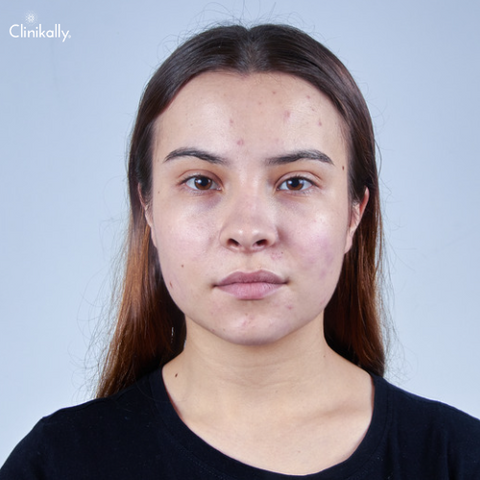
Aging and oily skin have an intriguing connection. It usually arouses controversy in the universe of beauty and skincare. Oily skin is caused by overly active sebaceous (oil) glands that secrete sebum more than the desired quantity, thus causing acne and gloss starting in young age. The same oil, however, creates a protective coating. This aids in keeping the skin hydrated and safeguarding it from pollution, sun damage and other aggressive environmental factors. These are the two significant causes of premature aging. This natural protective and moisturizing property helps in slowing the formation of fine lines, wrinkles and maintaining a more plump skin for a longer duration. However, this does not imply that oily skin is exempt from aging. It is not. In fact, conditions such as large pores, irregular skin texture in the form of scars and pits, and skin sagging become more apparent with the passing of time. Recognizing this connection shows the importance of personalized skincare as it aids in finding the correct equilibrium between oil control and moisture which is the basis of maintaining long-term skin well-being and elegant aging.
What Causes Oily Skin? The Role of Sebum Production
Oily skin is mainly determined by sebum production, a physiologic process regulated by the sebaceous glands. Understanding the causes of oily skin is instrumental in selecting the optimal skincare routine for oily skin and successful long-term control of skin health. Factors affecting oil or sebum levels in an individual are:
-
Genetic Makeup: If oily skin runs in the family, you’re more likely to have overactive sebaceous glands.
-
Diet: High-glycemic foods such as white rice, breads and pancakes, along with dairy products may stimulate excess sebum.
-
Hormonal Changes: Fluctuations during puberty, pregnancy, or menstrual cycles can trigger increased oil production.
-
Stress and Cortisol: Elevated stress levels boost cortisol levels in the body, which can indirectly increase oil production.
-
Climate: Hot and humid weather often worsens oily skin and shine.
-
Environment: Pollution adversely affects the oil secretion.
-
Unhealthy Skincare: Over-washing or using strong products strips the skin, making it secrete even more oil.
By understanding the underlying causes of oily skin, you can design a specific skincare routine using balancing cleansers, light moisturizers, and non-comedogenic products. Not only does it keep sebum in balance, but it also minimizes acne, large pores, and unevenness, to give healthier and more balanced skin in the long run.
Collagen, Elasticity, and the Oily Skin Advantage
Collagen and Elastin are the proteins that are the basis of young, healthy skin. Oily skin relies heavily on these proteins when it comes to aging. Collagen maintains the skin's firmness and texture, whereas Elastin enables the skin to stretch and recover without sagging. However, the levels of these proteins declines with age. But, oily skin can benefit from increased sebum production, which shields the collagen fibers and elastin and keeps them moist. This is commonly known as the oily skin anti-aging benefit and it takes place because:
-
Sebum creates a barrier that cuts water loss, making skin fuller and more elastic.
-
Oily skin tends to wrinkle later because it remains more hydrated and flexible.
-
Less dryness delays collagen breakdown which is a prime reason for visible signs of aging.
-
Oily skin is able to retain its stretch by preserving Elastin, thus reducing premature sagging.
-
Sebum serves as a natural filter against pollutants and UV light, both of which speed up collagen loss.
Overall, oily skin does not exempt you from aging, but its own natural oils protect the collagen and elasticity, thus keeping the skin firm and smooth. With the proper oily skin skincare routine, you can further improve these advantages and keep your skin looking young and healthy longer.
Myths vs. Facts: Does Oily Skin Truly Prevent Wrinkles?
Due to lack of awareness, there are many myths surrounding oily skin and aging. Let's bust those one by one and state the actual facts.
Myth 1: Oily skin does not require moisturizers.
Fact: Gentle, oil-free moisturizers balance sebum and stop overproduction. Hence it is recommended by dermatologists to use even if you have oily skin.
Myth 2: Oily skin never wrinkles.
Fact: Oily skin can postpone fine lines through natural moisturizing, but aging still happens as it is a natural process.
Myth 3: Oily skin doesn't require wrinkle creams.
Fact: Retinol, antioxidants, and sunscreen are essential for anti-aging skin care.
Myth 4: Sebum alone wards off all signs of aging.
Fact: Although sebum helps fight dryness, loss of collagen and elasticity still create sagging and wrinkles. Hence, a balanced diet and dermatologist consultation are the cornerstones of healthy skin.
Myth 5: Larger pores equal fewer wrinkles.
Fact: Big pores are associated with oiliness, but they won't stop or prevent collagen breakdown.
In sum, oily skin and wrinkle prevention are related, but oiliness does not make skin immortal. The additional moisture of sebum delays wrinkle development, but sun exposure, genetics, and collagen loss continue to dominate.
The Benefits and Challenges of Aging with Oily Skin
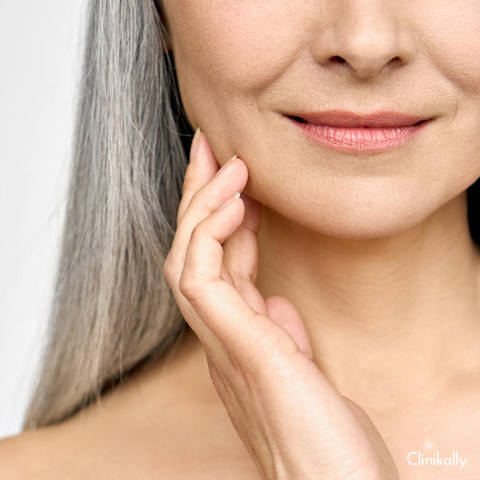
Aging with oily skin involves a combination of positives and negatives that tend to make it different from other skin types. On the one hand, the essential oils of sebaceous glands can serve as a natural moisturizer that helps in making the skin layer resilient, robust and less susceptible to premature fine lines and dryness-induced wrinkles. This protective barrier formed by sebum ensures hydration is retained and maintained, and guards the skin against environmental damage. Most dermatologists agree that people with oily skin tend to have delayed visible and observable signs of aging as compared to those with sensitive or dry skin.
Conversely, aging with oily skin has its own drawbacks. Skin issues such as enlarged pores, uneven skin texture, and adult acne can become persistent challenges. As skin elasticity decreases over time, excess oil production may emphasize sagging or shine, making skincare management more complex. Striking the right balance between oil control and hydration is the key to substantially boost the anti-aging benefits and decrease the drawbacks.
Natural Protection: How Oil Helps Shield Against Dryness
The natural oils in the skin work to maintain equilibrium and guard against early aging. For individuals with oily skin, sebum functions as a natural moisturizer that fortifies the skin barrier and seals in moisture. This helps in decreasing dryness, flakiness, and irritation, thus preventing early signs of ageing. By maintaining the skin's suppleness and elasticity, sebum proves to beneficial in maintaining long-term skin health in numerous ways:
-
Sebum traps the water in the skin to avoid dryness and dehydration.
-
Properly hydrated skin is less susceptible to fine lines due to dryness.
-
Natural oils strengthen the skin's defense barrier, thus minimizing sensitivity and irritation.
-
Skin flexibility: Proper hydration maintains collagen and elasticity. This makes the skin plump and firm.
-
Sebum protects against harmful toxins and harsh weather.
While sebum production often leads to shine or breakouts, its protective abilities make oily skin stronger. With a suitable oily skin care routine, one may avail these natural advantages without compromising skin balance and health.
Fine Lines and Wrinkles: Do They Appear Later in Oily Skin?
Fine lines and wrinkles are a natural age indicator, but the time of their occurrence and visibility depends on an individual’s skin type. Several experts believe that oily skin tends to get wrinkles later in life than dry or sensitive skin. This is because sebum secretion and natural oils serve as a built-in moisturizer that maintains a healthy and functional skin barrier, that seals in moisture, and decreases the dryness. This prevents the fine line creation from accelerating. This results in individuals with oily skin potentially experiencing a smoother, plumper face for longer, thus having a mild anti-aging benefit.
Although fine lines and oily skin exhibit a gradual relationship, it does not imply that wrinkles can be eliminated entirely. Aging is evident and cannot be escaped. However, it is possible to maximize its natural benefits with the proper anti-aging skincare for oily skin to maintain a vibrant, youthful complexion far into the future.
Common Concerns: Enlarged Pores and Breakouts with Age
While oily skin delays the onset of ageing signs, it also has a negative impact while ageing. As oily skin ages, it presents special and hard challenges in addition to fine lines and wrinkles such as:
-
Excessive Sebum: Hyperactive sebaceous glands cause pores to become clogged and skin remain shiny.
-
Adult Acne: Hormonal fluctuations, environmental factors and stress can lead to pimple and breakout happening even in adulthood.
-
Risk of Scarring: Ongoing breakouts can leave dark spots and acne scars.
-
Skin Texture: Large pores and breakouts cause rough, uneven skin.
-
Loss of Elasticity: Aging skin no longer has the firmness to keep pores tight and hidden.
Hence, oily skin might slow down wrinkles but it has its own problems like big pores and acne as it gets older. With the adoption of a skincare regimen for aging oily skin, the skin can be well-managed so that it remains clear, healthy, and young-looking.
Skincare Strategies for Aging Oily Skin
Taking care of aging oily skin means a harmonious skincare approach that balances sebum control with sustained skin health. With aging skin, oily skin types might continue to deal with shine, pores congestion, and breakouts but also enjoy natural moisture that prevents early wrinkles and fine lines. The trick is to adopt focused skincare regimens consisting of retinol, niacinamide, hyaluronic acid, and oil-free lightweight moisturizers, after consultation with a dermatologist. Adding gentle exfoliation, broad-spectrum sunscreen, and antioxidant serums can help to fight off uneven texture, large pores, and environmental damage. With proper anti-aging skincare products and habits, aging oily skin can keep its youthful sheen, smoother texture, and healthier look with time.
Choosing the Right Anti-Aging Products for Oily Skin
Ageing oily skin is different. Choosing the best anti-aging products for oily skin is important since the wrong products can exacerbate various problems such as shine, pore congestion, or breakouts. Smart choices while picking up skincare allows a person to regulate sebum production, reduce enlarged pores, and address fine lines and wrinkles without interfering with skin's own barrier function. Various tips to select Anti-Aging Oily Skin Products are:
1. Opt for gel or water-based moisturizers that moisturize without being greasy. Few highly recommended moisturisers are
- Re'equil Oil Free Moisturiser
- Excela Moisturiser for Oily & Acne Prone Skin
- Zitmoist Oil Free Moisturiser Gel
- Venusia Acne Control Moisturizer
2. Select non-comedogenic products. Non comedogenic products do not clog pores. Products containing coconut oil, beeswax, cocoa butter, palm oil etc. may clog pores. Always look for products that mention ‘Non-Comedogenic’
3. Add retinol or retinoids in your skin practice after consulting with a dermatologist. These help in boosting and increasing collagen production, thus minimizing fine lines without oil. Few highly recommended Retinol products for ageing oily skin are:
- Clinikally Skin Renewer Retinol Serum
- Revibra A15 Pure Retinol Cream
- Dermaceutic Activ Retinol 1.0
- Neutrogena Visible Repair Serum With Retinol
4. Apply niacinamide as it regulates sebum, minimizes pores, and enhances the overall texture of the skin. Highly recommended Niacinamide products are:
- Clinikally The Ultimate NIA (10% Niacinamide) Serum
- Cosderma Acne Scar & Spot Removal Gel
- CosIQ Vitamin B3-10% Niacinamide Face Serum
- Minimalist 10% Niacinamide Face Serum
5. Add hyaluronic acid as it deeply moisturizes without the greasiness, making skin look plump. Dermatologist trusted hyaluronic acid products available are:
- Hyalura Hyaluronic Pure Hydration Face Serum
- Hebeda Hyaluronic Acid Concentrate Serum
- Silkera Hyaluronic Acid Serum
- Clinikally Hyaluronic SkinBooster Serum
6. Antioxidants are essential. Look for products with Vitamin C and green tea extract to minimise free radical damage and lighten skin. Highly recommended products are:
- Clinikally Vitamin C3+ Serum
- Silkera 20% Vitamin C Serum
- Dermatica C Prime Cream
- Palsons Renewderm Vit C Face Cream
7. Sunscreen is mandatory. Never skip it. Use matte-finish, oil-free SPF to prevent UV-induced aging. Best sunscreens for oily skin are:
- CodeSkin UltraMatte Oil-Free Fluid Sunscreen SPF 50+ PA++++
- Heliocare 360 Gel Oil-Free Sunscreen Protector Solar Dry Touch SPF 50/PA++++
- Acnefiq Day Advanced Acne & Sebum Control Sunscreen Cream SPF 50+
- IPCA Acne-UV Gel Sunscreen SPF 50/PA+++
- IPCA Acne-UV Gel Sunscreen SPF 30/PA+++
8. Mild exfoliation. Salicylic acid or glycolic acid prevents breakouts and smoothes wrinkles. Various exfoliants and scrubs for oily skin are:
- Repechage Hydra Medic Beta Hydroxy Serum For Oily Problem Skin
- Noreva Exfoliac Acnomega 200
- Minimalist 2% Salicylic Acid Face Serum
- Acnepad Salicylic Acid & Glycolic Acid Wipes
- Pilgrim Salicylic & Glycolic Acid Anti-Acne Serum
- O3+ Volcano Scrub Normal To Oily Skin
- Bellacos Healthcare AHA BHA Acne Gel
In summary, the ideal anti-aging skincare regimen for oily skin must strike a balance between oil control and moisture and protection. By choosing the correct ingredients, such as retinol, niacinamide, and antioxidants, and omitting heavy, pore-clogging products, you can smooth out fine lines, regulate shine, and enjoy a healthy, radiant complexion for decades to come.
Balancing Oil Control and Hydration Needs
Achieving the proper balance of oil control and hydration is vital for all oily skins, particularly as it starts to age. Most individuals over-clean or omit moisturizers to control shine, but this can have the opposite effect. Finding the perfect balance keeps the skin clear, shielded, and youthful. Balancing oil control practices and and hydration is vital because:
-
The ideal balance of hydration and oil control ensures smoother, more even-looking skin.
-
Over-drying causes sebaceous glands to respond by making more oil.
-
Balanced regimens prevent clogged pores and acne outbreaks.
-
Adequate hydration fortifies the skin's natural barriers.
-
Hydrated skin is less susceptible to fine lines, while oil control maintains pores fine.
-
Balanced skin is more receptive to anti-aging and treatment products.
In summary, the key to long-term skin health is finding harmony between managing excess oil and delivering effective hydration.
Professional Treatments and Lifestyle Tips for Oily Skin
To maintain oily skin effectively, a combination of professional oily skin treatments and daily skincare lifestyle advice is an unmatched recommendation. Clinical treatments minimize large pores, breakouts, and shine, whereas regular routines balance and avoid flare-ups. Both combine to promote clearer, healthier, and more youthful skin. The key to a successful solution is a combination of professional oily skin treatment and intelligent lifestyle and skin care advice. By managing oiliness, with professional treatments and at home skincare regimen, you'll reduce shine, prevent spots, and have a radiant, youthful-looking complexion. With proper balance, oily skin can be brought to its best, healthiest self.
Best Professional Treatments for Oily Skin
Clinical anti-aging skincare treatments surpass topical products, providing more extensive and effective benefits. They regulate oil, texture, and aging issues such as wrinkles and enlarged pores better. 5 highly recommended professional treatments are:
-
Chemical Peels for oily skin
-
Laser Treatment for sebum regulation
-
Microdermabrasion for large pores
-
LED Light Therapy for acne prone and oily skin
- HydraFacial to maintain hydration levels in skin
Lifestyle Tips for Oily Skin Care
Daily habits form the basis of oily skin care. Regular skincare, healthy nutrition, and stress management prevent excessive shine and acne and provide long-term anti-aging benefits. 6 lifestyle tips to adopt for a healthy skin are:
-
Adhere to a regular oily skin skincare routine consisting of cleansing with oil free cleansers, treating the active acne, applying light moisturizers, and using non-comedogenic sunscreen daily.
-
Eat a diet conducive to healthy skin. Avoid greasy, high-glycemic foods and concentrate on antioxidants, fruits, and vegetables.
-
Stay well-hydrated for balanced skin because water helps control sebum production and promotes healthy skin.
-
Manage stress to avoid acne as stress hormones stimulate excessive sebum production. To manage stress practice yoga, meditation, or deep breathing.
-
Sleep well for clear skin as it improves hormone balance, thus improving acne.
-
Don't over-wash oily skin. Washing more than twice a day strips your skin of natural oils, causing rebound oiliness.
Final Thoughts: Does Oily Skin Really Age Better?
In terms of the question, does oily skin actually age more evenly, the answer is balance. Oily skin does have a few advantages of its own, like natural moisturizing, increased resistance to fine lines, and a more pliable texture that can postpone visible wrinkles. But it's not entirely resistant to the ravages of time. Issues like large pores, adult acne, and uneven tone are still prevalent as the skin ages. The true secret is a routine skincare approach that manages excess oil while maintaining elasticity and overall skin health. By incorporating anti-aging products, sun protection, and proper hydration, those with oily skin can maximize their youthful glow and minimize potential drawbacks. Ultimately, oily skin may provide a head start in the aging process, but smart skincare habits determine how well it truly ages.











1 comment
Sunita Mule
Oily skin acne pigmentation skin open porsu he
Oily skin acne pigmentation skin open porsu he