





- Understanding Procapil
- Understanding Redensyl
- Procapil v/s Redensyl
- Recommendations by Dermatologists
- Visible Hair Changes With Procapil and Redensyl
- Side Effects of Redensyl & Procapil
- Procapil and Redensyl Combination
- FAQs
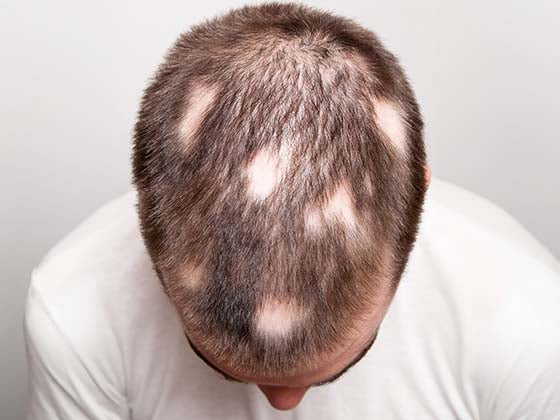
Experiencing persistent hair loss or thinning hair? When it comes to anti-hair loss actives, Procapil vs Redensyl is one popular controversy in the market of hair growth serums. These research-backed active ingredients are causing ripples in new hair fall solutions, particularly for those who prefer natural hair regrowth without chemicals. Procapil for hair loss works by blocking DHT and strengthening hair roots, while Redensyl benefits include reactivating stem cells and stimulating hair follicles. If you’re exploring dermatologist recommended actives or choosing between Redensyl vs Minoxidil, understanding their clinical results and effectiveness is key. This manual by Clinikally deconstructs the hair care science of both ingredients, illuminates the finest hair serum ingredients, and provides expert-recommended insights for maximum scalp maintenance and hair regrowth support to your individualized needs.
Understanding the Science Behind Hair Growth Ingredients
The search for functional hair thinning solutions and hair fall remedies has prompted researchers to investigate new anti-hair loss actives beyond conventional ingredients. Hair growth is a multi-component biological phenomenon that is governed by genetics, hormones (such as DHT), inflammation, and follicle condition. New hair growth serums nowadays contain revolutionary ingredients like Procapil, Redensyl, and Minoxidil, each addressing various hair loss components. Hair loss remedy Procapil is a botanical extract and peptide combination that works as a DHT blocker and a hair root strengthener. Redensyl benefits are derived from how it works to activate follicular stem cells and induce the anagen (growth) stage. Knowledge about these dermatologist-recommended actives gives users informed decisions with science behind hair care, resulting in healthier scalps and obvious natural hair regrowth.
What Is Procapil? A Closer Look at the Compound
Procapil is a new compound becoming increasingly popular in hair growth serums and anti-hair loss preparations for stimulating follicles and firming up roots without the side effects of conventional treatments. As people talk about Procapil vs Redensyl and Redensyl vs Minoxidil more and more in the world of hair care science, Procapil is a natural, dermatologist-recommended solution for individual-level long-term hair regrowth assistance. Regardless of whether you are experiencing early thinning or chronic hair loss, knowing how Procapil works will enable you to make better-informed choices in selecting the optimal hair fall solution for your scalp.
• Procapil is a synergistic mixture of Biotinoyl Tripeptide-1, Apigenin, and Oleanolic Acid extracted from olive leaves.
• It enhances blood supply to the scalp, stimulating follicles and increasing nutrition delivery.
• Serves as a natural DHT blocker for hair, targeting one of the underlying causes of male and female pattern baldness.
• Lengthens the anagen phase (growth stage) of the hair cycle, which supports natural hair growth.
• Established Procapil efficacy consists of decreased hair loss and increased strand density over time.
• Scalp-friendly and safe to use for all hair types, even those with sensitive skin.
• Dermatologists frequently prescribe it as an irritation-free alternative to Minoxidil.
• Can be combined with Redensyl benefits for an effective, multi-targeted hair thinning treatment.
• Found in top-performing hair growth serums containing dermatologist-approved actives.
• Assists in strengthening the dermal papilla and securing hair follicles more firmly in the scalp.
• One of the top hair serum actives for its three-pronged mechanism attacking underlying causes of hair loss.
• Maintains a healthy scalp barrier, increasing resistance to extrinsic stressors.
• Incorporated in scalp care actives that target rejuvenating and purifying the hair follicles.
• Proved to be very effective in male and female hair loss solutions, such as postpartum and stress-induced hair loss.
• Frequently mentioned in dermatologist hair care advice for long-term use because of its very good tolerability.
In short, Procapil is not merely a trendiest ingredient but also a clinically supported, multi-action compound that is at the forefront of contemporary hair loss remedies. From fortifying the hair roots to activating hair follicles and functioning as a natural blocker of DHT, Procapil provides effective, side-effect-free outcomes. Whether you’re navigating the Procapil vs Redensyl debate or simply searching for dermatologist recommended actives to restore scalp health, Procapil is a trusted ally in your journey to stronger, fuller hair. Mintop Pro+ Hair Regrowth Serum is a great product rich in Procapil.
How Redensyl Stimulates Hair Regeneration
Redensyl is a breakthrough ingredient in hair regeneration science, often praised as a powerful alternative to Minoxidil without the common side effects. Regularly used in dermatologist-prescribed hair growth serums and hair loss actives, Redensyl induces natural hair regrowth by aiming at hair follicle stem cells and encouraging cell division. While the Redensyl vs Minoxidil and Procapil vs Redensyl debates take the center stage in hair care, Redensyl is still leading the charge with astounding clinical performance. Here's how Redensyl actually triggers hair regrowth:
• Redensyl has patented molecules such as DHQG (Dihydroquercetin-Glucoside) and EGCG2 that activate sleeping hair follicle stem cells.
• Targets specifically the outer root sheath stem cells (ORSc), which are essential in initiating the cycle of hair growth.
• Increases expression of major hair growth genes while suppressing pro-inflammatory markers that lead to hair loss.
• Lengthens the number of cells in the anagen (growing) phase and shortens those in the telogen (resting) phase.
• Improves circulation in the scalp to feed and revitalize thinning hair follicles.
• Facilitates hair thinning treatment by stimulating premature hair strand growth and follicular density.
• Provides Redensyl benefits without altering the balance of hormones or irritating the scalp.
• Demonstrates clinically supported results within 3 months, such as thicker, denser hair and less shedding.
• Frequently listed among best hair serum ingredients due to its dual activity against stem cells and dermal papilla fibroblasts.
• Synergistic with other anti-hair loss actives such as Procapil, Anagain, and Capixyl.
• Thickens the anchoring system of the hair by making follicular dermal structure more robust.
• Redensyl is a non-synthetic, plant-derived compound making it ideal for natural hair regrowth.
• Frequently highlighted in dermatologist hair care tips due to its non-irritating and non-toxic profile.
• A go-to ingredient for DHT blockers for hair formulations in both male and female hair fall solutions.
• Recognized as a cutting-edge scalp care active that works from the follicular root level for optimal results.
By activating the underlying building blocks of the hair growth cycle, Redensyl is a science-backed, safe, and effective hair regrowth support solution. Whether Redensyl vs Minoxidil or Procapil vs Redensyl is your consideration, this new-generation active delivers the visible results, denser roots, and healthier scalp it promises-making it a staple of contemporary hair care science. Chosen Morning Lark Redensyl Hair Growth Serum is an amazing product containing Redensyl.
Comparing Procapil and Redensyl at the Molecular Level
Comparing Procapil and Redensyl at the Molecular Level is crucial in identifying how each active specifically targets hair loss through different biological mechanisms. Being two of the most discussed ingredients in hair growth serums and hair fall treatments, knowing their molecular processes can inform buyers and dermatologists. The Procapil vs Redensyl showdown tends to hinge on their sites of action-Procapil targets DHT blocking and follicle anchoring, whereas Redensyl stimulates stem cells and reactivates hair at the cellular level. Here's a more detailed molecular comparison:
• Origin & Composition
– Procapil: Combination of Biotinoyl Tripeptide-1, Apigenin, and Oleanolic Acid
– Redensyl: Made up of DHQG (Dihydroquercetin Glucoside), EGCG2, Glycine, and Zinc.
• Primary Mechanism
– Procapil: Inhibits DHT and reinforces follicle anchoring
– Redensyl: Stimulates follicle stem cells and increases cellular regeneration.
• Target Site
– Procapil: Targets outer root sheath stem cells and perifollicular structure
– Redensyl: Targets outer root sheath stem cells and dermal papilla fibroblasts.
• Hormonal Impact
– Procapil: Blocks 5α-reductase to inhibit DHT production
– Redensyl: Non-hormonal, stimulates hair follicle metabolism.
• Cellular Action
– Procapil: Increases keratinocyte function and ECM protein synthesis
– Redensyl: Enhances mitochondrial function and gene expression associated with hair growth (e.g., ALPL, SOX21).
• Clinical Onset
– Procapil: Results visible in 90–120 days
– Redensyl: Clinical improvements evident within 84 days.
• Hair Growth Phase Effect
– Procapil: Lengthens anagen phase and strengthens hair anchoring
– Redensyl: Transitions resting follicles to anagen phase sooner.
• Anti-inflammatory Properties
– Procapil: Weak anti-inflammatory and antioxidant properties
– Redensyl: Powerful antioxidant function suppresses scalp inflammation.
• Ideal Use Case
– Procapil: Ideal for androgenic alopecia (DHT-related hair loss)
– Redensyl: Best suited for mild, initial thinning as well as non-hormonal hair loss.
• Compatibility with Other Actives
– Procapil: Usually combined with Redensyl, Anagain, or Capixyl for increased DHT-blocking
– Redensyl: Can be mixed with Procapil, peptides, and caffeine for all-round regrowth.
• Safety Profile
– Procapil: Safe and non-irritating on sensitive scalps
– Redensyl: Plant-based, non-toxic, and side-effect-free.
• Hair Anchoring vs Activation
– Procapil: Works on making existing hair follicles stronger
– Redensyl: Works on stimulating dormant follicles.
• Dermatologist Approval
– Procapil: Featured in DHT blocker in hair serums
– Redensyl: Trending in natural hair growth and stem cell-derived solutions.
In summary, though Procapil for hair loss and Redensyl benefits both share clinically proven results, their molecular actions are quite different. Procapil is a more specific DHT blocker with structural follicle advantages, while Redensyl is a hair regrowth support active at the stem cell level. Grasping their distinct actions enables more informed decisions in hair care science-particularly when evaluating dermatologist-recommended actives for sustainable scalp health and visible hair regrowth.
Clinical Research and Dermatologist Opinions
Clinical studies and professional reviews bring forth insightful distinctions when considering Procapil vs Redensyl. Procapil research for balding emphasizes its three-way mechanism-increasing blood flow, inhibiting DHT, and fortifying hair roots. In clinical studies, customers saw a dramatic decrease in hair loss and better hair density after 12 weeks. Redensyl advantages, though, have yielded even more favorable clinical outcomes. A 2014 study demonstrated that Redensyl performed better than Minoxidil in stimulating natural hair regrowth, where 85% of the participants reported visible improvement within only three months.
Dermatologist hair care advice tends to suggest Redensyl for early hair thinning because it activates stem cells and carries a reduced risk of irritation. In contrast, Procapil is the preference for patients who require a strong DHT blocker. Ultimately, both actives promote hair regrowth and scalp health, but selection will be determined by patient concerns and clinical requirements.
Procapil Studies: Efficacy and Limitations
Procapil has become one of the most sought-after anti-hair loss actives in hair care science, particularly among those seeking natural hair regrowth options against Minoxidil. It is featured prominently in hair growth serums because of its DHT-blocking property, follicle fortifying action, and tolerability on the scalp. Although Procapil's processes are scientifically supported, it's worth looking at both its evidenced efficacy and limitations to see where it places in integrated hair fall solutions.
• Clinical research has indicated that Procapil has the ability to enhance hair density by more than 120% and decrease hair fall by greater than 50% within 4 months of regular usage.
• Trial participants taking Procapil reported enhanced hair thickness, reduced breakage, and healthier roots compared to the placebo controls.
• Its anti-DHT action is due to blockade of 5α-reductase, the enzyme central to hormonal hair loss.
• Procapil facilitates microcirculation and enhances oxygenation and nutrient supply to follicles, promoting healthy hair growth.
• It enhances anchoring protein expression in the hair root, preventing premature shedding of hair and maintaining root integrity.
• Procapil is superior to Redensyl in hormonally induced hair loss, whereas Redensyl is superior to Procapil in the activation of latent follicles.
• Procapil is less harsh on the scalp compared to Minoxidil, with no reported irritation or cardiovascular side effects, and is therefore safer for extended use.
• It complements other dermatologist-approved actives such as Redensyl, Anagain, or peptides for added hair regrowth benefit.
• It may take 90–120 days to show results, which is more suited to users who do not need quick-acting products.
• Its effectiveness is compromised in severe hair loss wherein the follicles are permanently damaged or scarred.
• Procapil studies usually have small groups of subjects and short study periods, so additional long-term studies are required.
• It is not a pharmaceutical treatment and is not FDA-approved, so its use is restricted to cosmetic purposes.
• Despite the restraint, Procapil is a leading addition to the best hair serum ingredients due to its multi-tasking advantages.
• Redensyl tends to supplement Procapil in thinning hair treatments with initial follicle stimulation in addition to Procapil's root-stabilizing properties.
• For optimal results, dermatologists recommend combining Procapil with a consistent hair care routine and healthy scalp maintenance.
Finally, Procapil is a science-backed act that provides a non-invasive, side-effect-free route to hair regrowth care. Although it is most effective during the initial phases of hair loss, particularly in the case of androgenic alopecia, it is most promising when blended with complementary scalp care actives such as Redensyl-towards becoming a foundation in many contemporary hair loss remedies.
Redensyl Trials: What the Data Shows
Redensyl has emerged as one of the top ingredients used in hair growth serums and hair loss products, being commonly touted as a safer, natural alternative to Minoxidil. Its popularity is based on remarkable clinical evidence behind its potential to awaken hair follicles, boost stem cell functionality, and promote natural hair growth without interfering with hormones. For those looking at Redensyl vs Minoxidil or considering Procapil vs Redensyl, it's important to know what the studies and trials actually indicate regarding its effectiveness and practical use.
• One of the most important 2014 clinical trials on 26 male patients with androgenetic alopecia demonstrated that Redensyl improved the anagen (growth) to telogen (rest) ratio of hair by +9%, performing significantly better than the placebo group.
• In the same study, Redensyl increased hair density by +8% after only 84 days, with 85% of volunteers showing visible hair regrowth.
• Redensyl has two principal targets: the hair follicle stem cells in the outer root sheath and the dermal papilla fibroblasts, both increasing proliferation and differentiation.
• Its primary molecules-DHQG and EGCG2-are also recognized to increase expression of hair growth genes such as ALPL and SOX21 and decrease markers of inflammation.
• Redensyl does not affect blood pressure or hormones, unlike Minoxidil, and is thus ideal for long-term dermatologist-prescribed hair care.
• There are no side effects noted in trials such as scalp irritation, flaking, or sensitivity, unlike traditional treatments.
• Redensyl has been proven to enhance hair thickness and lower hair shedding rates in both men and women with mild to moderate thinning of hair.
• Comparative studies indicate that Redensyl works optimally in early-stage hair loss, while Minoxidil and Procapil can work better in end-stage or hormonally induced cases.
• Redensyl pairs effectively with anti-hair loss actives such as Procapil, Capixyl, and Anagain to provide synergistic benefits for hair regrowth promotion.
• Long-term observation data indicate consistent hair density gains with prolonged usage of more than 3 months.
• Redensyl is often advised in dermatologist hair care advice due to its clean and non-toxic nature and noticeable efficacy.
• Its efficacy is explained by its twin-action stimulation-awakening stem cells and strengthening hair follicle health at a cellular level.
• Redensyl also serves to decrease oxidative stress and inflammation of the scalp, further cultivating an environment conducive to hair growth.
• Although not FDA-approved as a pharmaceutical, Redensyl has obtained regulatory approval for cosmetic hair care use globally.
• Users report consistently better volume, glow, and density in the first 8–12 weeks of use.
Overall, Redensyl has established itself as an effective, non-surgical ingredient supported by substantial clinical evidence. Though it is not likely to restore advanced balding on its own, its capacity to grow hair follicles, slow shedding, and encourage hair regrowth support is a formidable option-particularly during initial hair loss or as part of a comprehensive hair thinning solution in combination with Procapil or other top hair serum ingredients.
Expert Take: What Dermatologists Recommend
For hair loss solutions and hair regrowth assistance, dermatologists point to a science-driven, bespoke solution. As interest in actives such as Procapil and Redensyl grows, the experts now point to these as key components of an overall treatment plan targeting underlying causes-hormonal, inflammatory, or nutritional. Although both Procapil and Redensyl are non-surgical and well-tolerated, their application is contingent upon severity and pattern of hair loss, thus professional advice becomes crucial to achieve optimal results.
• Dermatologists prescribe Procapil for DHT sensitivity hair loss, particularly in early-stage androgenetic alopecia.
• Redensyl is usually prescribed to patients with diffuse thinning or scalp inflammation because of its anti-inflammatory and stem cell-inducing properties.
• For Procapil vs Redensyl scenarios, physicians may use both concomitantly for the double mechanism: Procapil to inhibit DHT and Redensyl to stimulate hair follicle stem cells.
• Such ingredients are often used in actives that are dermatologist-approved because of their non-hormonal compositions and fewer side effects.
• Dermatologists recommend regular topical use (typically once or twice a day) for at least 3 months for optimal results.
• Specialists also emphasize the role of scalp care actives such as peptides, niacinamide, and caffeine in developing a growth-favorable environment.
• Hair care routines can also consist of oral supplements, microneedling, or low-level laser therapy in combination with hair growth serums.
• Redensyl is also the most preferred option in natural hair regrowth programs for women, postpartum hair loss, or even those who are intolerant to Minoxidil.
• Procapil is more apt for those who want long-term DHT blocker for hair options with the added strength at the base of the follicles.
• Dermatologists advise against overnight miracles; both actives demand patience and compliance to deliver dramatic improvements.
• Proper scalp health, stress control, and proper nutrition are deemed non-negotiable in any successful hair thinning treatment.
• In treatment protocols used in clinics, Redensyl and Procapil can be utilized post-procedure (e.g., PRP or mesotherapy) to maximize results.
• Follow-up appointments prevent dermatologists from missing product efficacy and making necessary adjustments to the routine on time.
• These actives are usually selected as first-choice options for sensitive or medically compromised patients who can't tolerate Minoxidil.
• Dermatologists emphasize the use of high-quality, well-formulated products that have clinically effective concentrations of these actives.
According to expert opinion, Procapil and Redensyl symbolize the future of hair science-providing targeted, tolerable, and multi-pathway solutions for various types of hair loss. With no single ingredient on its own working, combining these actives into a regular and integrated hair care program-under professional guidance-can achieve noticeable, sustained outcomes in your quest for stronger, healthier hair. To get a personalised hair care regimen, you can always consult a dermatologist.
Real-World Results and User Experiences
Both Procapil and Redensyl have received favorable notice in actual application for their contributions to hair fall solutions and organic hair growth. Consumers frequently note that hair growth serums with Redensyl improve hair density and minimize shedding in a matter of weeks with regular application. Products with Procapil are commonly noted to make the hair stronger at the roots and reduce breakage in the long term. Although outcomes may differ depending on individual scalp condition, regularity, and hair loss severity, both are commonly regarded as effective anti-hair loss actives. Users resort to these products as part of a dermatologist-recommended plan, particularly when looking for alternatives to more aggressive treatments. General experience indicates gradual improvement in the hair's texture, density, and scalp health when used on a regular basis.
Before & After: Visual Progress with Procapil and Redensyl
When used regularly in a hair care regimen, Procapil or Redensyl is often seen to result in significant visual changes by users. During the first few weeks, the diminishing of hair loss and fewer hairs on pillowcases or combs are indicative of improvement. As weeks pass, individual hair strands tend to look thicker, and balding or thinning spots can begin to exhibit finer signs of regrowth. With Procapil, clients generally experience deeper roots and better hair texture, whereas Redensyl characteristically creates the appearance of denser coverage and fuller hair through its follicle-activating agent. These effects tend to become more pronounced from 8 to 12 weeks of treatment, particularly when complemented by a well-balanced scalp care regimen. While results differ from person to person, regular usage generally produces a healthier, more voluminous look.
Scalp Sensitivity and Side Effects to Watch Out For
Procapil and Redensyl are now star ingredients in hair growth serums and hair loss treatments because of their safe, non-hormonal profiles and efficacy in stimulating normal hair regrowth. Nevertheless, as with any active ingredient, their application can be fraught with minor to moderate side effects, particularly among people who have scalp sensitivity. While for the most part safe for extended periods of use, it's critical to appreciate the possible undesirable reactions noted during clinical use and practical application.
• Redness, itching, or tingling upon first few uses of the scalp
• Flaking or dryness, especially when found in alcohol-based products
• The development of small bumps or inflammation of the hair follicles (folliculitis) in some cases
• Burning or stinging feeling on damaged or very sensitive skin
• Increased temporary hair shedding in the first 2–4 weeks (shedding phase)
• Allergic contact dermatitis brought about by inactive ingredients such as preservatives or stabilizers
• Uncommon instances of scalp tightness or sensation of discomfort after extended use
• Spotty greasy or sticky residue based on serum base
• Slight alterations in scalp oil secretion, resulting in dryness or mild oiliness
• Slight discoloration or sun sensitivity in highly reactive individuals
• Periodic scalp pimples in acne-prone users when used too close to the forehead
• General sensation of heaviness or buildup if not thoroughly washed out regularly
• Scalp fatigue or irritation from overuse or combination with other actives
• Infrequent intolerance to plant extracts found in certain Redensyl products
• Mild tingling or numbness in specific areas with vigorous massage or serum penetration
While side effects are uncommon and typically mild, being aware of these possible reactions helps set realistic expectations around Procapil effectiveness and Redensyl benefits. For most users, these actives offer a safe, science-backed path toward hair regrowth support with minimal disruption-especially when part of a well-formulated, dermatologist-informed routine.
Best Ways to Use Procapil or Redensyl in Routine
Adding Procapil or Redensyl to your daily hair care regimen can greatly improve hair regrowth support and achieve noticeable scalp health and strand density improvements. These hair loss anti-actives are commonly found in hair growth serums for their capacity to awaken dormant hair follicles, inhibit DHT, and turn on follicular stem cells-hence making them excellent selections for preventative and restorative hair fall solutions. To be effective, their application should follow the natural hair growth cycle and on a regular basis in the long term.
• Use serums with Procapil or Redensyl once or twice a day on a clean, dry scalp for maximum absorption.
• Apply using a dropper or spray directly to targeted thinning spots without unnecessary product dispersion.
• Massage the serum into the scalp with fingertips gently to stimulate microcirculation and facilitate ingredient penetration.
• Let the serum absorb completely prior to application of any styling or leave-in products.
• Add to your evening routine to benefit from nighttime follicular repair and minimized environmental stress.
• Use with a gentle, sulfate-free shampoo to preserve scalp health and minimize interference with active ingredients.
• Optimal results are achieved by using continuously for at least 12 weeks-results usually appear between 8 to 16 weeks.
• Refrain from rinsing immediately after application; let it sit on the scalp unless the product instructions say otherwise.
• Mix with complementary ingredients such as caffeine, niacinamide, or peptides to achieve synergistic advantages.
• Incorporate Redensyl in morning routines if it is included in a lightweight, non-greasy product to avoid build-up.
• Procapil is usually best applied in the evening with its root-enforcing activity performing optimally overnight.
• Alternate between Procapil and Redensyl-based products when both are being utilized to prevent overexposure.
• Try not to apply too close to the hairline or the forehead if you're acne-prone, particularly with serum-based products.
• Keep products out of direct sunlight and heat to maintain the integrity of active molecules.
• Track progress through monthly photographs to gauge density, volume, and new growth over time.
When deployed strategically, both Procapil against hair loss and Redensyl benefits can bring about revolutionary gains in hair thickness, strand longevity, and overall follicular health. Their function as part of modern dermatologist-recommended actives makes them trusted partners for any long-term anti-hair thinning treatment or maintenance regimen.
Choosing the Right Active for Your Hair Needs
Choosing the best anti-hair loss active-Procapil, Redensyl, or others-is important to effectively address your particular hair issues. Each person's baldness experience varies, depending on their genetics, hormones, scalp condition, and way of life. Procapil for baldness could be perfect if your issue is related to fragile roots or DHT sensitivity, whereas Redensyl benefits are most appropriate for mild thinning and individuals looking for natural hair growth with less irritation. Knowing the hair care science behind each component assists in formulating a targeted routine that produces noticeable outcomes. Visiting a dermatologist and selecting products with actives that are dermatologist-approved, based on your hair type, condition, and desired outcome, guarantees long-term success. Proper selection can result in stronger roots, less shedding, and fuller, healthier-looking hair.
Who Should Use Procapil vs. Redensyl?
Selecting Procapil or Redensyl is based on your hair type, hair loss phase, and sensitivity to the ingredients. Procapil for loss works well for those who are experiencing weakening of the roots, hairline receding, or DHT-induced shedding-commonly found in androgenetic alopecia. It's suitable for those who require a DHT blocker to build hair roots and ensure long-term hold.
However, Redensyl is for those with initial hair thinning, patchy baldness, or overall reduction in density. It's a milder choice that suits sensitive scalps and is designed to stimulate hair follicles and reactivate stem cells for natural regrowth.
To achieve the best results, dermatologists tend to suggest selecting actives according to your scalp health, hair objectives, and whether you are looking for prevention or advanced regrowth.
Combining Actives: Can They Be Used Together?
Yes, Redensyl and Procapil can usually be combined together for a synergistic approach to hair loss solutions. While the latter functions by inhibiting DHT and securing hair roots, the former stimulates the hair follicles and promotes natural hair growth at the cellular level. Their modes of action complement each other nicely and thus can be combined in most hair growth serums.
This two-step strategy is especially beneficial for those with both initial thinning and ongoing hair loss. Still, it's important to verify product combinations for compatibility and not overwhelm the scalp with multiple serums simultaneously. Dermatologists generally recommend mixing dermatologist-prescribed actives-if they're used every day, applied according to instructions, and aren't irritating. In combination, they can deliver greater scalp health and more noticeable, long-lasting effects. Various products containing this combination are
Your Personalized Hair Regrowth Plan: What’s Next?
Getting healthier, fuller hair begins with knowing your individual scalp requirements and identifying the correct actives-Procapil, Redensyl, or both. No matter if you're experiencing early hair thinning or severe baldness, persistence and consistency are necessary. Start by picking a reputable hair growth serum specific to your condition, preferably one that includes dermatologist-approved actives addressing your particular issues. Combine your treatment with a balanced regimen of gentle cleansing, scalp care, and a nourishing diet. Meeting with a professional can also tailor your plan to your specific needs. With the proper regimen, you can nourish natural hair regrowth, heal the scalp, and rediscover confidence-one drop at a time. Your hair journey is individual. Allow science to guide the way.