



Sunscreen is an essential part of any skincare routine, especially for those who live in sunny climates or spend a lot of time outdoors. One of the key ingredients found in many sunscreens is titanium dioxide. But what exactly is titanium dioxide, and how does it work? Is titanium dioxide sunscreen safe, or are there potential side effects to be aware of? In this blog post, we'll explore these questions and more.
How Does Titanium Dioxide in Sunscreen Work?
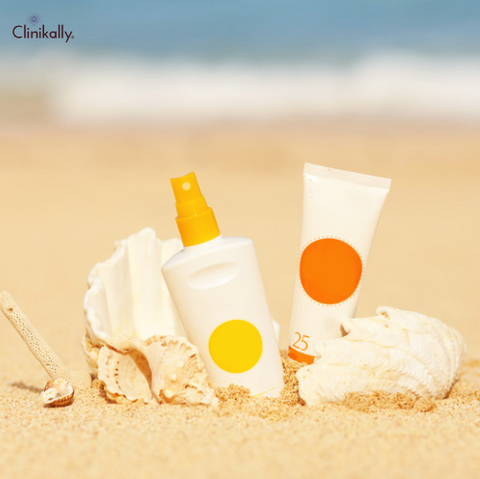
Titanium dioxide is a naturally occurring mineral that is often used in sunscreen due to its ability to block harmful UV rays. It works by sitting on the skin's surface and reflecting, scattering, and absorbing UV rays, preventing them from penetrating the skin and causing damage. This makes titanium dioxide a physical (or mineral) sunscreen, as opposed to chemical sunscreens, which absorb UV rays and convert them into heat.
Who Should Use Titanium Dioxide?

Titanium dioxide is generally safe for all skin types, including sensitive skin. It's non-comedogenic, meaning it won't clog pores, and it's hypoallergenic, so it's unlikely to cause an allergic reaction.
Can I Use Titanium Dioxide on Both Face and Body?
Yes, titanium dioxide can be used on both the face and body. It's often found in facial sunscreens, body sunscreens, and even lip balms.
Benefits of Titanium Dioxide in Sunscreen
There are several benefits to using titanium dioxide in sunscreen:
-
Broad-Spectrum Protection: Titanium dioxide provides broad-spectrum protection, meaning it protects against both UVA and UVB rays.
-
Safe for Sensitive Skin: As mentioned earlier, titanium dioxide is hypoallergenic and non-comedogenic, making it suitable for sensitive skin.
-
Immediate Protection: Unlike chemical sunscreens, which require about 20 minutes to become effective, titanium dioxide sunscreens start working as soon as they're applied.
-
Long-Lasting: Titanium dioxide is resistant to water and sweat, making it a good option for outdoor activities.
Potential Side Effects of Titanium Dioxide in Sunscreen
While titanium dioxide is generally considered safe, there are a few potential side effects to be aware of:
-
White Cast: Because it's a physical sunscreen, titanium dioxide can leave a white cast on the skin, especially on darker skin tones.
-
Possible Environmental Impact: There's ongoing research into whether titanium dioxide can harm marine life when it washes off in the ocean.
-
Potential Health Concerns: Some studies have suggested that nanoparticles of titanium dioxide (used in some sunscreens to reduce the white cast) could pose health risks. However, the majority of research indicates that these particles do not penetrate the skin, and the FDA considers them safe.
Bottom Line
Titanium dioxide is a safe and effective ingredient in sunscreen, offering broad-spectrum UV protection and being suitable for all skin types. However, like any skincare product, it's important to use it as directed and to choose a product that suits your specific needs and skin type.
When comparing titanium dioxide sunscreen vs zinc oxide, another mineral sunscreen ingredient, both offer similar benefits. However, some people find that zinc oxide leaves less of a white cast.
Remember, the best sunscreen is the one you'll use consistently. So whether you choose a titanium dioxide sunscreen, a zinc oxide sunscreen, or a combination of the two, the most important thing is to protect your skin from the sun's harmful rays.