




- Beauty Marks
- Mole
- Types of Moles
- Beauty Marks vs Moles
- Misconceptions about Beauty Marks & Moles
- FAQs
Beauty mark vs mole is a common comparison, as both are similar-looking skin features that can be confusing to identify. In simple terms, a beauty mark is usually a type of mole that is considered attractive due to its size, shape, or location. Moles, medically known as nevi, are skin growths formed by clusters of pigment-producing cells.
While most beauty marks and moles are harmless, it is important to monitor them for any changes in size, shape, color, or texture. Certain changes may require medical evaluation. People with many moles or a family history of skin cancer should consider regular skin checks with a dermatologist.
In this blog, we’ll talk about the difference between beauty marks and moles, their causes, types, warning signs to watch for, and when you should see a dermatologist.
What Is a Beauty Mark?
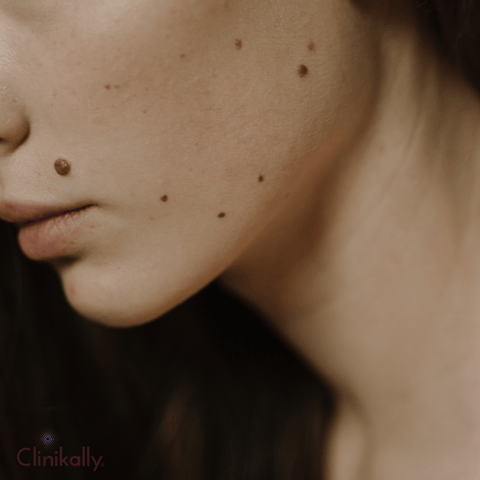
Beauty markings, also known as beauty spots, are small, dark spots on the skin that are visually pleasant or attractive. They are often considered attractive and can enhance a person’s appearance, especially on the face or torso. Historically, beauty marks have been associated with attractiveness and have been admired in different cultures.
Characteristics of Beauty Marks
Beauty marks are typically small, round or oval in shape. They are usually flat or slightly raised and have a uniform color ranging from light brown to black. In most cases, they measure less than 6 mm in diameter. They are often found on areas exposed to sunlight, such as the face, neck, shoulders, and arms.
How Beauty Marks Develop
Beauty marks may be present from birth or develop over time. Factors such as sun exposure and hormonal changes can influence their appearance. Some people may have one or more beauty marks from childhood, while others develop them later in life.
Are Beauty Marks Harmful?
Most beauty marks are harmless and do not require treatment. They are usually stable in appearance and remain unchanged over time. Regular skin checks and sun protection help maintain overall skin health.
What Is a Mole?
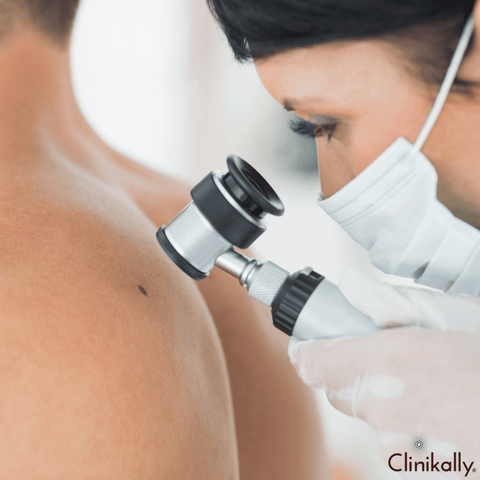
Moles, also known as nevi, are skin growths caused by an accumulation of pigment-producing cells called melanocytes. They are a common and usually harmless feature of the skin and can appear anywhere on the body.
Characteristics of Moles
Moles can vary significantly in size, shape, and color. They may be flat or raised and can appear in shades such as brown, black, pink, red, or skin-colored. Some moles may also have hair growing from them. Unlike beauty marks, moles do not always have a uniform appearance.
When Do Moles Appear?
Moles typically develop during childhood or adolescence, although some may be present at birth. They can also appear later in life due to factors such as sun exposure, hormonal changes, or aging. Sun exposure, especially in individuals with lighter skin, can increase the likelihood of developing new moles.
Are Moles Dangerous?
Most moles are benign and harmless. However, some types, such as atypical or dysplastic moles, may carry a higher risk of developing into melanoma, a type of skin cancer.
Types of Moles:
Understanding different types of moles can help you identify potential concerns and know when to seek medical advice.
- Common Moles: These are the most common type of moles. They are usually small, round or oval, and have a uniform color. They may be flat or slightly raised and are generally harmless.
- Atypical Moles (Dysplastic Moles): Atypical moles are larger and may have irregular shapes and uneven color. They have a higher risk of developing into melanoma and require careful monitoring.
- Congenital Moles: These moles are present at birth or appear shortly after. Larger congenital moles may have a higher risk and should be observed regularly.
- Acquired Moles: These develop later in life and are often influenced by sun exposure, hormonal changes, or aging.
Beauty Marks vs Moles: Key Differences
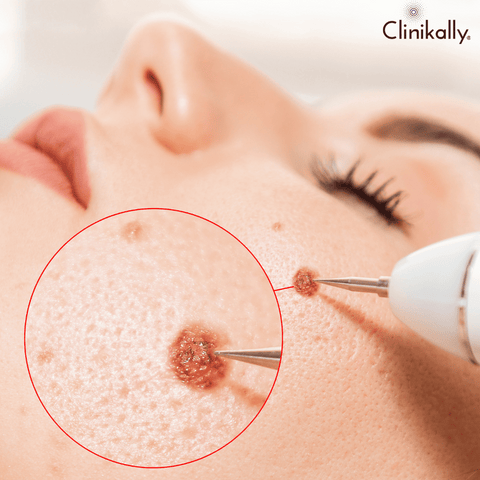
When comparing beauty mark vs mole, it is important to understand the key differences in their appearance, formation, and potential health risks. While they are both skin marks, they have distinct appearances and underlying causes. The main difference is that a beauty mark is typically a small, attractive mole with a uniform appearance, while moles can vary in size, shape, and medical risk.
Here is how to tell the difference between the two:
|
Feature |
Beauty Mark |
Mole |
|
Definition |
Small, attractive mole |
Pigmented skin growth |
|
Medical Term |
No specific term |
Melanocytic nevus |
|
Appearance |
Uniform color |
Variable color and shape |
|
Size |
Usually small |
Can vary |
|
Location |
Often exposed areas |
Anywhere on body |
|
Risk |
Typically harmless |
Some may turn cancerous |
|
Monitoring |
Basic |
Important |
It’s important to note that a beauty mark is typically a type of mole rather than a separate skin condition.
Warning Signs of Dangerous Moles
While most moles and beauty marks are harmless, certain changes can indicate potential skin concerns. It is important to watch for warning signs that may require medical evaluation.
The ABCDE rule is commonly used to identify suspicious moles:
A – Asymmetry: One half does not match the other
B – Border: Irregular or poorly defined edges
C – Colour: Multiple or uneven colors
D – Diameter: Larger than 6 mm
E – Evolution: Changes in size, shape, color, or symptoms
Other warning signs include itching, pain, bleeding, crusting, or the sudden appearance of new moles after the age of 30. Moles that look different from others on your body should also be examined.
If you notice any of these changes, it is important to consult a dermatologist for proper evaluation.
Dispelling Myths and Misconceptions
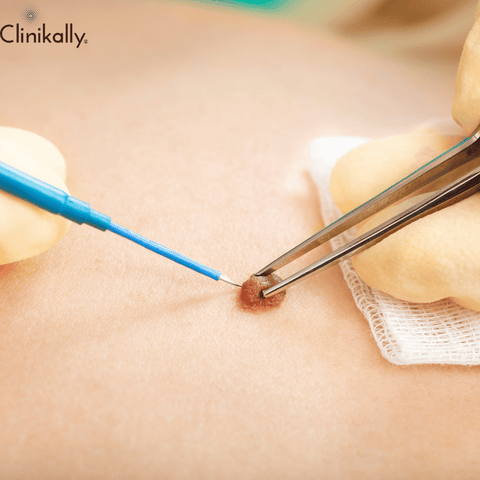
Dispelling myths and misconceptions about moles and skin health is critical for spreading accurate information and encouraging proper skin care practices. Here are some common mole myths and misconceptions:
-
Myth 1: All moles are cancerous.
Fact: The majority of moles are benign (non-cancerous) and pose no health risk. They are usually harmless, with only a small percentage developing into skin cancer. -
Myth 2: Moles are always present at birth.
Fact: While some moles are present at birth (congenital moles), many others can develop later in life due to various factors, such as sun exposure, hormonal changes, or aging. -
Myth 3: Mole removal causes cancer.
Fact: In most cases, removing benign moles does not result in cancer. If a mole is suspected of being cancerous or atypical, a dermatologist may advise a biopsy to further evaluate the situation and determine the best course of action. -
Myth 4: Moles can spread if they are touched.
Fact: Moles cannot spread or be "contagious." Touching a mole will not cause it to increase in size or spread to other parts of the body. -
Myth 5: Moles can be removed with home remedies.
Fact: It is not recommended to attempt to remove moles at home. Home remedies like cutting, scraping, or using acidic substances can lead to infection, scarring, and other complications. If you want a mole removed, consult a dermatologist or healthcare professional for safe and appropriate procedures. -
Myth 6: Tanning can aid in the removal of moles.
Fact: Tanning or using tanning beds can actually increase the risk of developing atypical moles and skin cancer. Sun exposure can darken moles and make new moles appear more likely. -
Myth 7: Moles are only found on people with fair skin.
Fact: Moles can occur in individuals of all skin types. While moles are more visible on fair skin, people of all ethnicities can have them. -
Myth 8: Lemon juice can be used to remove moles.
Fact: Applying lemon juice or other acidic substances to moles is neither safe nor effective. Such practices can result in irritation, burns, and scarring. -
Myth 9: Moles will disappear over time.
Fact: In most cases, moles are permanent features on the skin. They may change in appearance or fade slightly with age, but they do not typically disappear on their own.
Common Misunderstandings About Beauty Marks and Moles
Misconceptions about beauty marks and moles are common, and they can cause unnecessary anxiety. Here are some of the most common misunderstandings:
-
Moles and beauty marks are the same thing:
Fact: While both beauty marks and moles are skin marks, they are distinct in appearance and development. Beauty marks are small, appealing dark spots on the skin that are frequently associated with notions of beauty. Moles, on the other hand, are common skin growths that can be present from birth or develop later in life. -
All Beauty Marks Are Harmless:
Fact: While most beauty marks are harmless, some may require closer attention and evaluation, just like moles. It's essential to monitor any changes in beauty marks and seek a professional evaluation if there are concerns. -
Moles Can Be "Cured" or Removed Permanently:
Fact: Moles that are benign (non-cancerous) can be removed for cosmetic or medical reasons, but this does not guarantee that they will not reappear elsewhere on the body. Furthermore, cosmetic mole removal should be performed by a dermatologist or other healthcare professional who employs safe techniques. -
Moles Always Indicate Skin Cancer:
Fact: The majority of moles are benign and do not indicate skin cancer. However, some moles, particularly atypical moles, are more likely to develop into skin cancer and must be closely monitored. -
Beauty Marks Only Occur on the Face:
Fact: While beauty marks are often associated with facial features, they can occur anywhere on the body, just like moles. Beauty marks on other parts of the body can be just as appealing and distinctive. -
Sunscreen Does Not Affect Moles or Beauty Marks:
Fact: Both moles and beauty marks require sunscreen and sun protection. Overexposure to UV rays from the sun can darken existing moles and increase the likelihood of new ones developing. It's crucial to protect all areas of the skin, including moles and beauty marks, from the sun to maintain skin health. -
All Moles Require Removal:
Fact: Most moles are harmless and do not need to be removed. However, if there are concerns about a mole's appearance or changes, a dermatologist may recommend removal for further evaluation. -
Moles Can Be "Healed" With Home Remedies:
Fact: It's not safe or effective to attempt to remove moles with home remedies or DIY methods. Home removal can result in complications, scarring, and even infection. A dermatologist or other healthcare professional should evaluate and, if necessary, remove moles.
The Role of Genetics in Skin Mark Formation
The formation of skin marks, such as beauty marks and moles, is heavily influenced by genetics. The development, number, and characteristics of these marks are influenced by inherited genetic factors. Here's how genetics affects skin mark formation:
-
Inherited Traits: The proclivity to develop beauty marks and moles can be passed down through families. If one or both parents have a lot of moles or beauty marks, their children are more likely to inherit them.
-
Genetic Mutations: Certain genetic mutations can increase the likelihood of developing atypical moles or beauty marks. People with specific gene mutations, such as those in the CDKN2A or CDK4 genes, may be at a higher risk of developing atypical moles and melanoma (a type of skin cancer).
-
Melanin Production: Melanocytes' ability to produce melanin (the pigment responsible for skin color) is genetically determined. People with more active melanocytes are more likely to have beauty marks or moles, whereas those with less melanin are more likely to have lighter-colored marks.
-
Melanocyte Distribution: Genetics also influences the distribution of melanocytes (pigment-producing cells) in the skin. Melanocyte clustering can result in the formation of moles and beauty marks.
-
Congenital Moles: Some moles are present at birth and are the result of genetic factors influencing melanocyte clustering during foetal development.
-
Familial Clustering: Moles and beauty marks may be more common in some families due to shared genetic traits that influence their formation.
When to Seek Professional Advice

Seeking professional advice for unusual skin marks, such as beauty marks and moles, is critical for proper evaluation and diagnosis. If you notice any of the following concerning signs in your skin marks, make an appointment with a dermatologist or healthcare professional right away:
-
Size Changes: Rapid growth or an increase in the size of a mole or beauty mark.
-
Changes in Shape: The mark has irregular or asymmetrical shapes.
-
Color Changes: Several colors or uneven pigmentation within the mark.
-
Texture Changes: The mole becomes raised, rough, or has an unusual texture.
-
Itching or Pain: The presence of persistent itching, tenderness, or pain in the mole or beauty mark.
-
Bleeding or Crusting: The presence of a crust on the surface or oozing from the mole.
-
New Moles: The appearance of new moles or beauty marks, particularly after the age of 30.
-
Family History: A family history of skin cancer or atypical moles.
-
Immune Suppression: Immune system weakness caused by medical conditions or medications.
When you visit a dermatologist or other healthcare professional, they will examine your skin thoroughly, including the area with the affected mark. In some situations, they may do a skin biopsy, which involves taking a small sample of skin and sending it to a lab for study to determine whether the mark is benign or potentially cancerous.
Enhancing and Caring for Your Beauty Marks
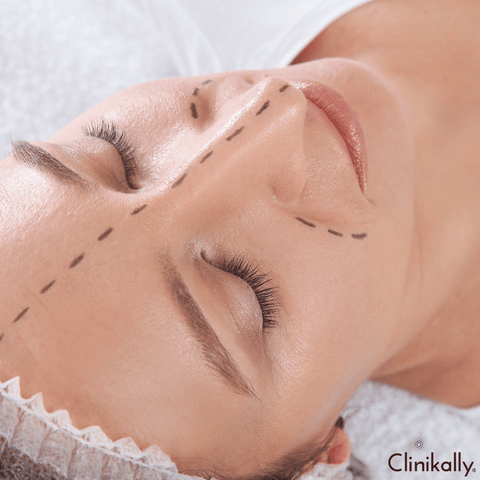
Enhancing and caring for your beauty marks can help you celebrate these distinct characteristics while also promoting healthy, radiant skin. Here are some tips for enhancing and caring for your beauty marks:
-
Embrace Your Beauty Marks: Begin by accepting and embracing your beauty marks as part of what makes you unique. Recognize that beauty marks give your appearance character and charm.
-
Makeup Enhancement: If you want to draw attention to your beauty marks, consider enhancing them with makeup. You can use a fine-tip eyeliner or eyebrow pencil to lightly accentuate the mark. Be gentle and make sure your makeup looks natural.
-
Sun Protection: Wear sunscreen with a high SPF to protect your beauty marks (and the rest of your skin) from the harmful effects of the sun. Sun exposure can darken moles and beauty marks and increase the likelihood of developing new ones.
-
Regular Skin Checks: Perform regular self-examinations of your skin, including your beauty marks. Keep an eye on any changes in size, shape, color, or texture. If you notice any concerning developments, seek medical attention.
-
Moisturize: Use a moisturizer that is appropriate for your skin type to keep your skin hydrated. Moisturizing helps to maintain skin health and can improve the appearance of your beauty marks.
-
Gentle Cleansing: When cleansing your face, use a gentle cleanser suitable for your skin type. Avoid harsh scrubbing, as it may irritate your beauty marks.
-
Avoid Irritation: Refrain from picking or scratching at your beauty marks. Irritating them can lead to inflammation or potential scarring.
-
Stay Hydrated: Drinking an adequate amount of water can help keep your skin hydrated and may contribute to the overall health of your beauty marks.
-
Seek Professional Advice: If you have concerns about your beauty marks, such as changes in appearance or irritation, consult a dermatologist or healthcare professional for proper evaluation and advice.
Embracing Natural Beauty Marks: Tips and Confidence
Embracing your natural beauty marks can be an effective way to boost your self-esteem and celebrate your unique features. Here are some pointers to help you confidently embrace your natural beauty marks:
-
Self-Acceptance: Accept that beauty marks are a natural part of your appearance and a unique aspect of who you are. Accept the idea that they contribute to your uniqueness and make you stand out.
-
Positive Self-Talk: Reframe your thoughts about your beauty marks. Instead of focusing on flaws, remind yourself of the charm and allure they bring to your face.
-
Surround Yourself with Supportive and Positive Influences: Surround yourself with supportive and positive influences, whether they are friends, family, or social media accounts that celebrate diverse beauty. Positive reinforcement can boost your self-esteem and confidence.
-
Makeup (Optional): If you enjoy wearing makeup, consider using it to highlight your beauty marks. Some people use makeup to highlight their marks and make them stand out even more.
-
Share Your Story: If you feel comfortable, share the story behind your beauty marks with others. Talking about your unique features can help you feel empowered and appreciated.
-
Avoid Comparison: Avoid comparing yourself to others, as it can lead to unnecessary self-doubt. Remember that beauty comes in many forms, and your beauty marks make you uniquely beautiful.
-
Self-Care: Take care of your skin by maintaining a skincare regimen that includes gentle cleansing, moisturizing, and sun protection. Skincare can make you feel more confident in your natural beauty.
-
Dress with Confidence: Wear outfits that make you feel good about yourself and highlight your natural beauty features. Confidence in how you present yourself can come from within.
-
Develop a Positive Mindset: Use positive affirmations and mindfulness techniques to develop a positive mindset about your appearance and beauty marks.
-
Individuality: Celebrate the diversity of beauty by appreciating the unique characteristics that make each person unique. Embrace the notion that your beauty marks are an essential part of your overall beauty.
Makeup Techniques to Highlight Beauty Marks
Makeup can be a great tool to enhance and draw attention to your beauty marks. Here are some makeup tips for highlighting your beauty marks in a natural and flattering manner:
-
Clean and Moisturized Canvas: Start with a clean and moisturized face. Apply a light, non-greasy moisturizer to keep your skin hydrated.
-
Even Out Skin Tone: If you prefer to wear foundation, choose a lightweight, natural-looking formula that matches your skin tone. Apply the foundation evenly all over your face, including your beauty marks.
-
Use a Light Hand: When applying makeup to your beauty marks, use a light hand to ensure a natural look. You want to accentuate the marks without making them look overly dramatic.
-
Avoid Heavy Concealer: Avoid using heavy concealer or foundation on your beauty marks, as this can make them look unnatural and draw more attention than desired.
-
Accentuate with Eyeliner or Brow Pencil: To draw attention to your beauty marks, you can use a fine-tip eyeliner or brow pencil in a shade that matches the color of your marks. Carefully outline or lightly fill in the marks with short, feathery strokes.
-
Experiment with Lip Color: Bold lip colors can complement beauty marks and draw attention to your facial features. Try using a lip color that suits your skin tone and enhances the overall look.
-
Keep the Rest of the Makeup Simple: To make your beauty the focal point, keep the rest of your makeup simple and understated. Opt for neutral eyeshadows and a light coat of mascara to accentuate your eyes without overshadowing your beauty marks.
-
Natural Contouring: If you're into contouring, use a soft, natural contouring powder or cream to define your cheekbones subtly.
-
Highlighter: A touch of highlighter on your cheekbones can add a gentle glow to your complexion and further accentuate your beauty marks.
-
Set with Setting Spray: Once you've completed your makeup, set it with a setting spray to ensure it lasts throughout the day.
Importance of Sun Protection for Moles and Beauty Marks
Taking care of your skin is essential for keeping it healthy, preventing damage, and lowering your risk of skin problems such as premature aging and skin cancer. Sun protection is one of the most important aspects of skincare. Here are some of the reasons why sun protection is important, as well as how you can incorporate it into your daily routine:
Importance of Sun Protection:
-
Prevents Sunburn: Sunscreen protects your skin from harmful ultraviolet (UV) rays that can cause sunburn, skin irritation, and redness.
-
Reduces Skin Aging: Prolonged sun exposure can cause premature skin aging, including wrinkles, fine lines, and age spots. Sun protection can help keep your skin looking young.
-
Lowers Skin Cancer Risk: UV rays are a significant risk factor for skin cancer, including melanoma, the deadliest form of skin cancer. This risk can be reduced by using sunscreen on a regular basis.
-
Protects against DNA Damage: UV rays can damage the DNA in your skin cells, increasing the risk of skin cancer and other skin problems.
-
Maintains Skin Health: Sun protection helps maintain your skin's barrier function, reducing moisture loss and preventing dryness and dehydration.
Final Thoughts: Celebrating Your Uniqueness and Individuality
Each of us is unique, with qualities that make us stand out. Beauty marks, moles, and other natural features are a part of what makes your appearance distinctive.
Embracing your individuality means accepting these features with confidence. Your beauty marks and personality are what set you apart, so it is important to accept and celebrate them as part of your identity.
When you embrace your uniqueness, it helps you move through life with confidence, self-assurance, and a positive mindset. Surround yourself with positivity, practice self-care, and appreciate your natural beauty.
Celebrate yourself exactly as you are, and let your confidence reflect who you truly are.