

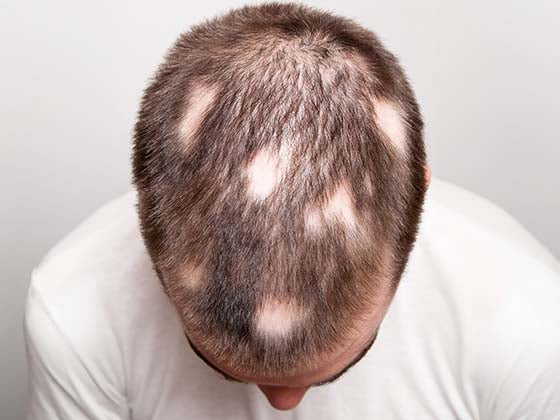



- What is White Spot on the face?
- Myth & Facts For White spots
- Causes of White spots
- Eczema white patches on skin
- White spots on face treatment
- Home Remedies
- FAQs
White spots on the skin are a common skin condition that could occur in patients of any age. Such light patches on the skin could be caused by several reasons, including a loss in pigmentation, fungal infection, sunburn, or a skin disorder such as vitiligo or eczema. Although they can cause low self-esteem and health concerns on the skin, the majority of cases are harmless. To successfully remove these white spots on face and end up with a clear and even skin tone, one has to first be aware of the causes of the patches and the preventive options available. This article will explore the cause of these white patches on face, some useful therapies, both at-home solutions, and the treatment by dermatologists, as well as some of the key lifestyle behaviors to facilitate the avoidance of these white spots.
Understanding White Spots on the Face

A lot of nervousness and care are caused in people by the presence of white crust on the face, which is not only an aesthetic problem but also worries them about its general health of their skin and a possible predisposition to a disease. White spots may gradually darken over time, becoming more noticeable and causing concern. There are a lot of different reasons as to why they would look a certain way, and knowing this can help the individual gain insight into the state of their skin health and pigmentation issues, as well as inform them on whether the skincare routines they should follow are effective or not.
What White Spots Reveal About Your Skin

Our natural pigment melanin may be decreased or abolished in some areas, leading to the appearance of white spots on the skin. This pigmentation change is due to a few causes that can either be temporary or permanent. These white patches might prove to be harmless and disappear on their own in one case, and pathology requiring clinical investigation and management by a physician in the other. These alterations in the appearance of the skin should, therefore, be taken seriously as they can have a wide range of impacts on one's health and well-being.
The Role of Pigmentation in Skin Discoloration

Specialised cells called melanocytes produce the skin, hair, and eye pigment called melanin. These are the cells that are necessary in regard to regulating pigmentation. However, the production of melanin can be critically hampered due to the destruction of melanocytes by injuries, infections, or autoimmune diseases. The effect of this upheaval is hypopigmentation, whereby the skin fails to produce the normal levels of melanin. It is possible to see that the skin gets lighter or even develops white areas on it. This imbalance of pigmentation affects a person holistically, including their appearance and sometimes self-esteem, which are the underlying causes of most forms of discolouration on the skin.
Common Myths About White Spots and Skin Health

-
Myth: White spots always indicate vitiligo.
Fact: It is a widespread fallacy that any white patches on the skin are the result of vitiligo. In truth, a number of factors may contribute to the development of white patches, which include fungal infections, eczema, and sun-caused skin discoloration, which whitens the skin.
-
Myth: White patches are permanent and cannot be treated.
Fact: Lots of people are afraid that as soon as white spots appear, they will last forever. By using the right skincare products coupled with proper sun protection and a combination of treatments, most of these white spots may fade over time
-
Myth: Only individuals with fair skin experience white spots.
Fact: Another myth is that only people in lighter categories of skin are prone to the whites. It is, however, a fact that any person, no matter his or her skin color or complexion, can develop such white spots in his or her skin.
-
Myth: All white spot conditions can be cured with home remedies.
Fact: Although natural home solutions may have a curative effect on some individuals, it is important to note that there are underlying factors, like vitiligo or fungal infection, which generally need more medical interventions to help treat them.
Possible Causes of White Spots

There is an enormous list of causes of white spots on the skin, both harmless and indicative of underlying skin or health problems. They can be due to alteration in pigmentation, fungal infections, nutritional deficiencies, or even over exposure to the sun. Knowing the potential factors might assist you in determining the proper treatment method and when it may be necessary to consult a doctor.
Hypopigmentation and Melanin Loss

Hypopigmentation is the most common cause of white patches on face. Some skin conditions decrease melanin on the skin, and they consist of pityriasis alba, which is prevalent in young children, and post-inflammatory hypopigmentation that may occur in injury or acne.
-
Post-acne marks: We get them when we get rid of the pimples, and they leave behind them the scars of the skin that are the breakout scars. They may be left behind as a residue of areas of hyperpigmentation when the process of inflammation hurts the skin, and probably, they will clear off takes time.
-
Nutritional deficiencies: There are also underlying skin disorders and diseases that can contribute significantly to skin health. Lack of these nutrients can result in a condition called hypopigmentation, whereby some parts of the skin look much paler than the rest of the body tissues. These vitamins are important in keeping the skin even-toned.
-
Genetic predisposition: Other people might be vulnerable to defects during the pigmentation of the skin; this is mainly inherited by people in families. Among these genetic factors of the responsiveness of the skin to other factors around it, such as sun exposure and inflammation, pigmentation abnormalities may occur to different degrees.
Sun Exposure and White Patches on Skin

The existence of white patches on the skin is highly likely as a result of overexposure to the sun. The small patches are formed due to a widespread disease known as idiopathic guttate hypomelanosis (IGH), particularly on parts of the body such as the face and arms, which are usually exposed to the light. Melanocytes, the skin colour-producing cells, may be impaired with aging due to prolonged exposure to ultraviolet (UV) rays, and ultimately cause those specific parts to lose their colour.
To safeguard the skin from further damage and to help prevent the emergence of new white patches, it is crucial to use a dermatologist-recommended sunscreen. The sunscreen not only provides high-level protection against harmful UV rays but also helps maintain the skin's health and appearance, ensuring it stays vibrant and even-toned despite sun exposure.
Skin Conditions Like Vitiligo and Eczema

-
Vitiligo: It is an autoimmune disease that is marked by the incorrect attack of the melanocytes by the immune system, which are the cells that provide the skin with its color. The impact is apparent in the form of white spots that show up on their skin over the long term. Vitiligo is sometimes in places that are exposed, such as hands, lips, cheeks, and a very nice contrast to the other parts of the skin.
-
Eczema (Atopic Dermatitis): The result of chronic eczema is the appearance of aggravated and itchy skin that is regularly reddened and blistered. As the condition enters the recovery period, post-inflammatory hypopigmentation can remain as a result of the pigmentation factor alteration in the pigmented regions. This may create an uneven complexion of the skin in the affected individuals.
-
Pityriasis Alba: This minor type of eczema is seen most often in children and adolescents. You will know it by the appearance of dry scaly patches several shades lighter than the rest of the skin, and most prevalent on the cheeks. Even though they are generally harmless and tend to settle eventually, such patches can be distressing and even manipulate the self-esteem of the majority of the youth.
-
Milia: When keratin or dead skin cells become trapped behind the epidermis, tiny, white or yellowish pimples known as milia form. Often seen around the eyes, nose, and cheeks, these benign patches are often mistaken for white spots associated with pigmentation. They typically disappear on their own, though treatments like light exfoliation, retinol-based creams, or expert extraction can help. Additionally, recurrence can be prevented by utilizing mild cleansers like Gentle Foaming Face Wash.
-
Idiopathic guttate hypomelanosis: IGH is an innocent skin disorder that causes small and round spots or blemishes of the skin, which are white in colour and generally appear on body parts exposed to the sun, like arms and legs, and face. Even though it normally targets individuals over the age of 40, the younger individuals who spend excessively in the sun may also be affected. A definite cause is not known, but there are a few contributory factors, like age, genes, and exposure to the sun. Topical creams, cryotherapy, or laser therapy are the choices, though the latter must be prevented regularly with the help of sunscreen and sun protection. An expert, like a dermatologist, may assist individuals who are not comfortable with the spots.
Fungal Infections That Cause White Spots

Tinea versicolor: Tinea versicolor is a fungal disease and appears in the form of overgrowth of a particular type of yeast, Malassezia, which is a normal part of skin microflora. The discolored patches that may result from this infection would often turn out lighter or darker than the aforementioned skin, and this creates a distinct difference in the aesthetic appearance of the skin. The affected regions can also be itchy, and this aspect can exacerbate the symptoms and pain of those affected. Sometimes these patches are more prominent in warmer months or after sun exposure since the rest of the skin tans and the affected skin does not.
Treatment of tinea versicolor practical methods generally uses antifungal drugs that work on the yeast that causes the condition. An efficient alternative is Selenext Anti-Fungal Wash, as it has been created to fight against fungal growth on the skin. This soothing yet powerful cleanser does more than just remove the infection; it also balances out the tone of the skin by eliminating the yeast and restoring the well-being of the skin barrier. When used as a daily skincare product, users are able to treat their symptoms and gain a clearer and more harmonised skin. When used regularly and supplemented with lifestyle changes, extremely positive results can be achieved, and overall skin health improved to a large extent.
Treatment and Prevention Options

Although treatment is beneficial to contain the symptoms and facilitate the recovery process, preventive steps are intended to minimise the chances of recurrence and ensure long-term health. The combination of the two aspects is an entire world of how to not only treat the condition but also to be well.
Dermatologist-Recommended Treatments for White Spots

If you’re dealing with this disease, you must undergo white spots on face treatment. Dermatologists may recommend a variety of targeted treatments tailored to your specific condition. Here’s a more detailed look at some of the options available:
-
Topical Steroids: These anti-inflammatory medications can help reduce swelling and redness while promoting the restoration of skin pigment, making them effective in conditions such as eczema where discoloration is a concern.
-
Antifungal Medications: For conditions like tinea versicolor, dermatologists may prescribe oral or topical antifungal treatments. These medications work to eliminate fungal infections that can disrupt skin pigmentation.
-
Phototherapy: This innovative light-based treatment aims to stimulate melanocytes, the cells responsible for pigment production. It is particularly beneficial for individuals with vitiligo, as it encourages the repigmentation of affected areas.
-
Laser Therapy: In cases requiring precise pigment correction, laser therapy is often utilized. This method targets specific areas of discoloration, promoting an even skin tone by using concentrated light energy.
-
Skin Care Prescriptions: Custom formulations that include active ingredients such as niacinamide, vitamin C, and retinoids can effectively even out uneven pigmentation. These ingredients are known for their ability to enhance skin texture and brightness.
For those looking for a dermatologist-formulated solution, Clinikally offers the Skin Brightening Cream, which is enriched with niacinamide and antioxidants. This cream is specifically designed to help improve uneven skin tone, leaving your skin looking more radiant and balanced.
Home Remedies for Mild White Spots

Here are some Home Remedies for white patches on face. For mild skin issues, incorporating natural remedies can be beneficial in restoring balance to your skin.
-
Aloe Vera Gel: Renowned for its hydrating and soothing properties, aloe vera gel not only provides moisture but also promotes the healing of irritated or damaged skin. Its cooling effect can be particularly comforting.
WishCare Pure & Natural Aloe Vera Gel
The Face Shop Jeju Aloe Fresh Soothing Gel
-
Coconut Oil: This versatile coconut oil is known for its ability to combat fungal infections while enriching the skin’s natural barrier. Its nourishing qualities help keep the skin soft and supple, making it a popular choice for daily moisturizing.
-
Turmeric Paste: Packed with anti-inflammatory properties, turmeric can support the skin’s melanin activity. When applied as a paste, it may help reduce redness and promote an even skin tone, thanks to its natural antioxidant content.
-
Diet Rich in Antioxidants: A diet abundant in leafy greens, nuts, and vibrant fruits plays a crucial role in supporting overall skin health. These foods are loaded with vitamins and minerals that help fight oxidative stress and promote a radiant complexion.
It's essential to note that while these home remedies can be effective, they should ideally complement a skincare routine approved by a dermatologist for the best results.
Skin Care Tips to Prevent Discoloration

-
Apply Broad-Spectrum Sunscreen Every Day: Daily use of a high-quality broad-spectrum sunscreen SPF 30+ is essential for protecting your skin from the harmful effects of UV rays, which can lead to the development of white patches on your skin. Choose a sunscreen with at least SPF 30 and make it a non-negotiable part of your morning routine.
Clinikally SunProtect Sunscreen SPF 50/PA+++
Dermatica Ray Protect Barelyon Fluid Sunscreen SPF 50
IPCA Acne-UV Gel Sunscreen SPF 30/PA+++
-
Adopt a Gentle Cleansing Routine: It's important to cleanse your skin without stripping it of its natural oils. Opt for mild and soothing cleansers. This gentle formula removes impurities without irritating the skin, making it suitable for sensitive skin types. Here are some more suggestions for the mild cleansers:
-
Hydrate and Moisturize Regularly: Keeping your skin well-hydrated is crucial for maintaining a healthy skin barrier. Use the Hydrating Face Moisturizers in your daily skincare routine. Formulated with nourishing ceramides and hyaluronic acid, this moisturizer locks in moisture and helps improve your skin's texture and resilience.
Clinikally HydraSoothe Moisturiser
IPCA Acne-OC Sebum Regulating Moisturizer
-
Steer Clear of Harsh Chemicals: Be cautious with products that contain strong bleaching agents or aggressive chemical peels, as excessive use can exacerbate pigmentation issues and lead to further skin damage. Instead, focus on gentle, nourishing treatments that promote a more even skin tone.
-
Consult a Dermatologist Promptly: If you notice any irregularities in your skin tone, seeking advice from the best dermatologist as soon as possible can be beneficial. Early intervention can help prevent the spread of patches and increase the likelihood of successful treatment, reducing the risk of them becoming permanent.
Final Thoughts on Managing White Spots on the Face

The causes of white spots on the face include fungus, autoimmune disorders, such as vitiligo, UV damage, and nutritional deficiency. Other cases require specialized dermatological treatment, whereas others are temporary and can be treated with skincare products and home remedies.
We also believe Clinikally in a comprehensive view: we combine dermatologist-approved treatments with everyday skin care habits and prevention of skin problems to guarantee their well-being in the long term. With the help of consistent sun protection, clinically proven skincare products, and the need to address underlying health concerns, white spots on face can be successfully eliminated and controlled.