







Acne & Acne Scars Treatment Products
It can be really frustrating to deal with acne and acne scars, especially when the breakout reoccurs and leaves marks behind. Acne develops when the skin pores get clogged with excess oil, dead skin cells or bacteria. This may lead to inflammation, swelling and often dark spots or uneven skin texture after healing.
Finding the right acne treatment products is crucial not only to control active breakout but also to prevent your skin from long-term damage. At Clinikally, we have carefully curated a wide range of dermatologist-recommended skincare products for acne and acne scar treatment that can help you manage acne, reduce marks and make your skin clear and healthy. With the right and consistent skincare routine for acne and acne scars, you can visibly improve your skin over time.
Understanding Acne and Acne Scars
Acne is one of the common skin conditions that can affect people of all ages. It can show up as whiteheads, blackheads or inflamed pimples. The main causes are excess oil production, clogged pores, bacterial growth and hormonal changes.
Acne often leads to another concern, acne scars or marks. These can appear as dark spots, redness or uneven skin texture. While some marks fade naturally with time, others require specific treatment. With the right product and early care, you can reduce the chances of long-term scarring and improve your overall skin appearance.
What Causes Acne and Acne Scars
Understanding the causes of acne can help you manage it better. Acne usually develops due to a number of factors. Let’s have a look at these factors:
- Excess Oil: Oily skin is more prone to clogged pores.
- Bacteria: Acne-causing bacteria can trigger inflammation and redness.
- Hormones: Fluctuations can trigger breakouts, especially around the jawline.
- Inflammation: Deep, cystic acne is more likely to damage skin tissue, leading to lasting scars.
Types of Acne Scars
Before buying any scar removal products, it is crucial to know and identify the specific type of scarring you have. Let’s have a look through the types of scars:
- Ice Pick Scars: These look like small, deep holes in the skin, as if made by a sharp tool. They are common on the forehead and upper cheeks where the skin is thinner.
- Boxcar Scars: These are round or square depressions with sharp borders. They usually appear on the lower cheeks and jawline.
- Rolling Scars: These create an uneven, wavy texture on the skin surface due to damage underneath the skin.
- Hypertrophic Scars: These are raised or flat firm lumps that form when the body produces too much collagen during healing.
- Keloid Scars: Similar to hypertrophic scars but larger than the original pimple, these raised bumps can sometimes feel itchy or painful.
- Dark Patches: Common in medium to dark complexions, these are flat spots where the skin produced extra melanin after a pimple cleared.
- Elastolysis Perifollicularis: Also known as papular scars, these are small, flesh-colored bumps often found on the face, back, or chest.
Managing Active Acne
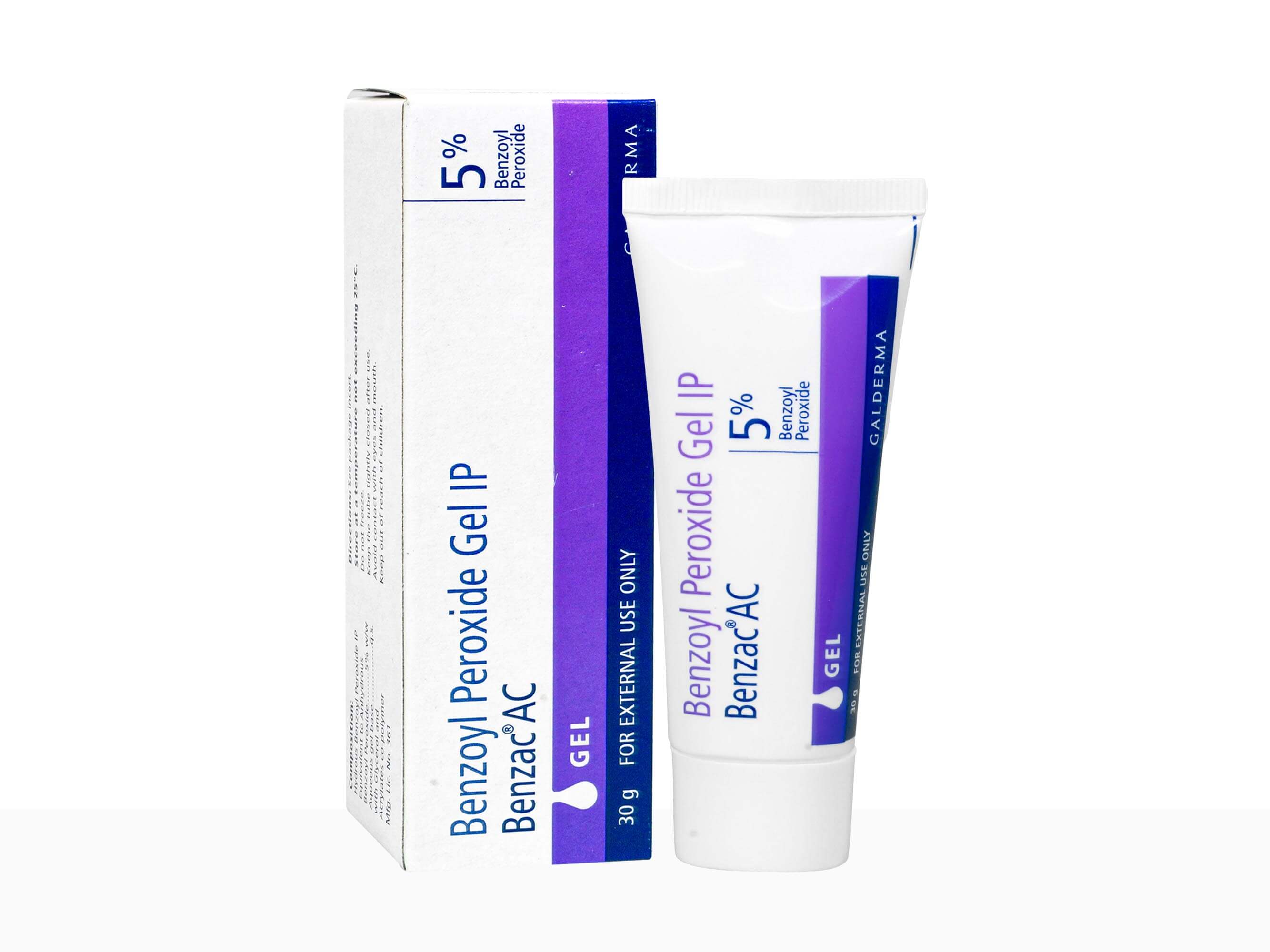
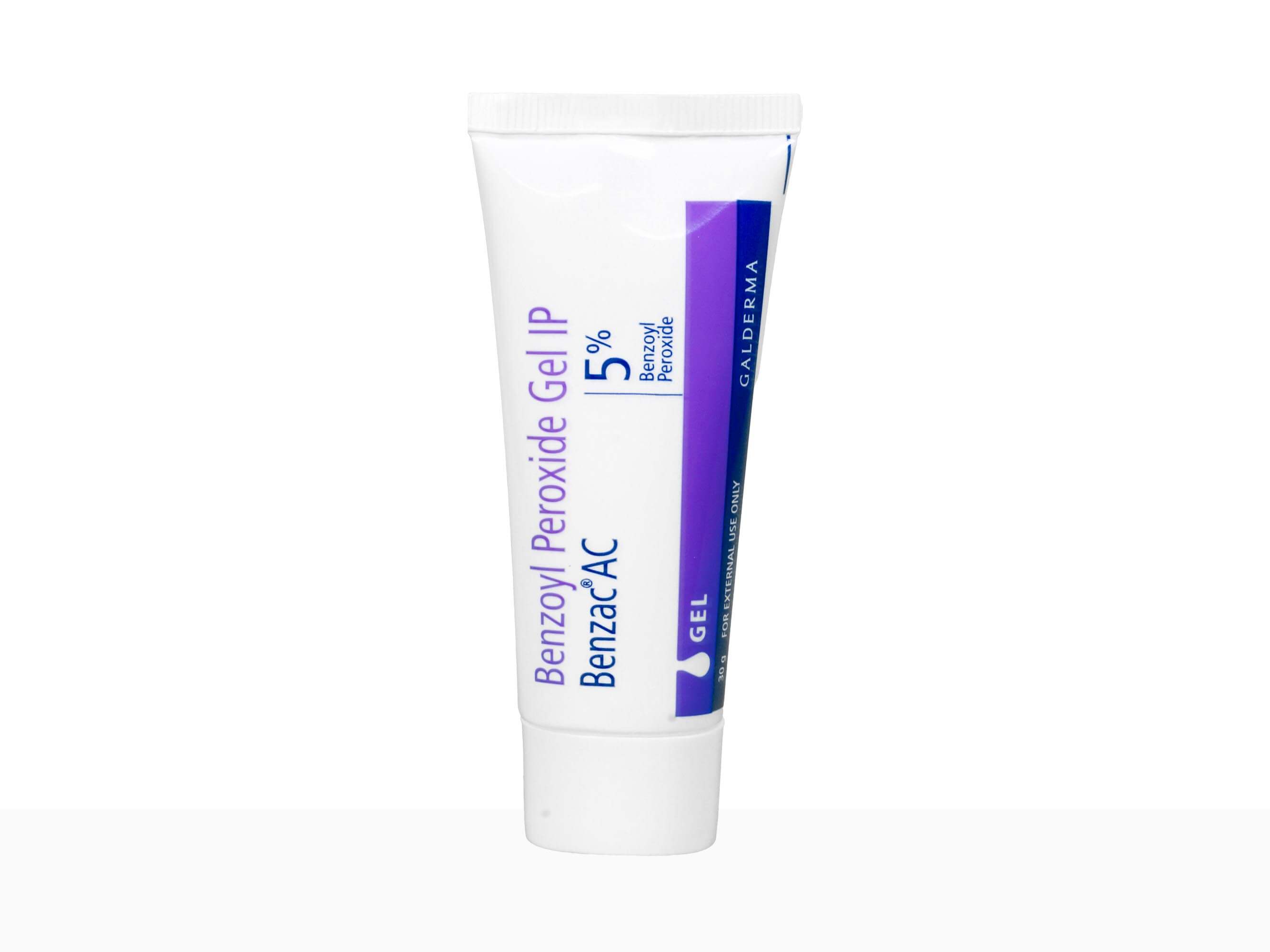
When it comes to treating acne, the first step is to control the active breakout. This involves getting rid of excess oil, unclogging pores and targeting acne causing bacteria.
By choosing the right product, you can reduce the inflammation and prevent new pimples from developing. Here are some dermatologist-recommended products that help control active acne:
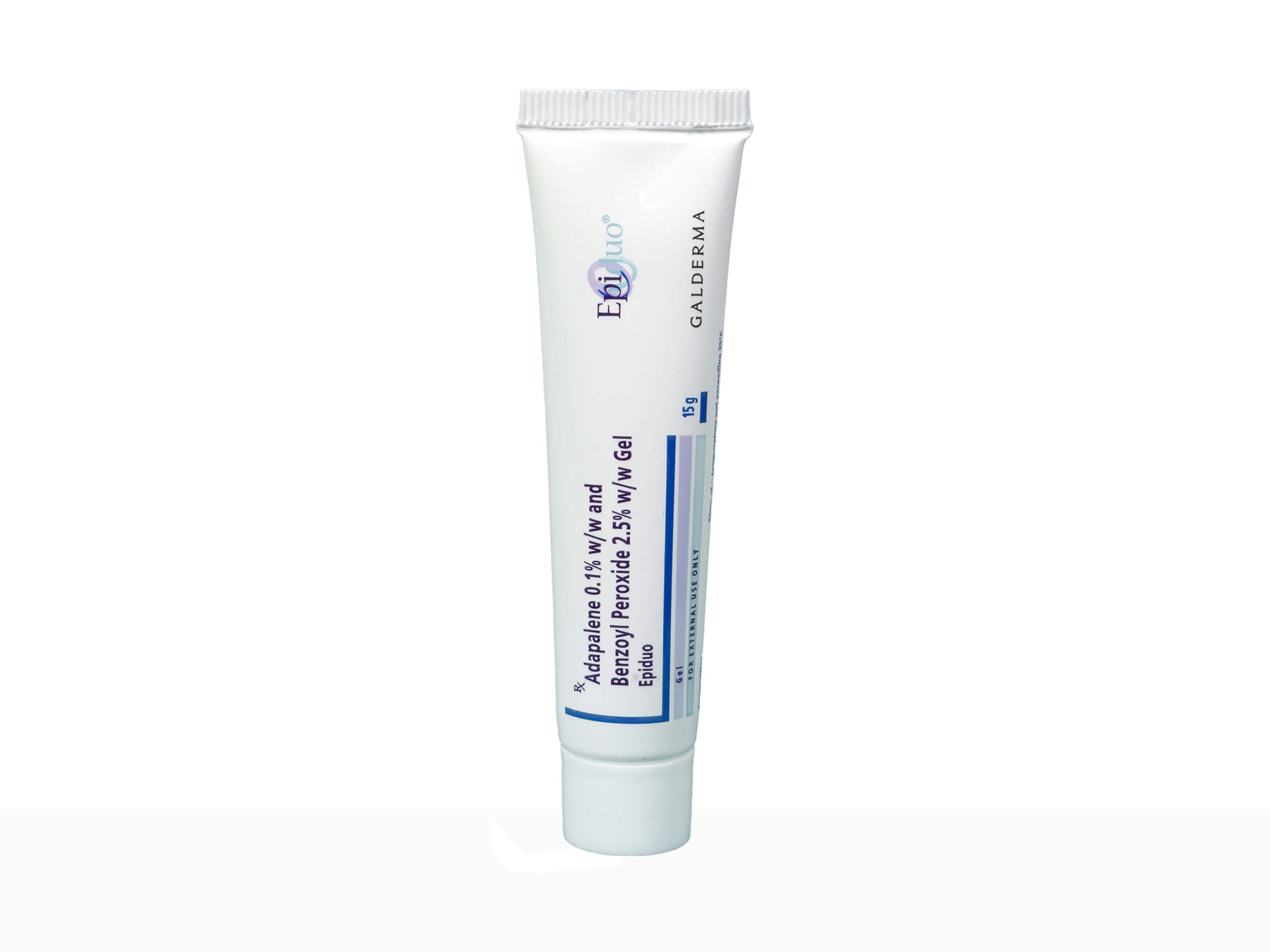
|
Product Name |
Key Ingredient |
Benefit |
Best For |
|
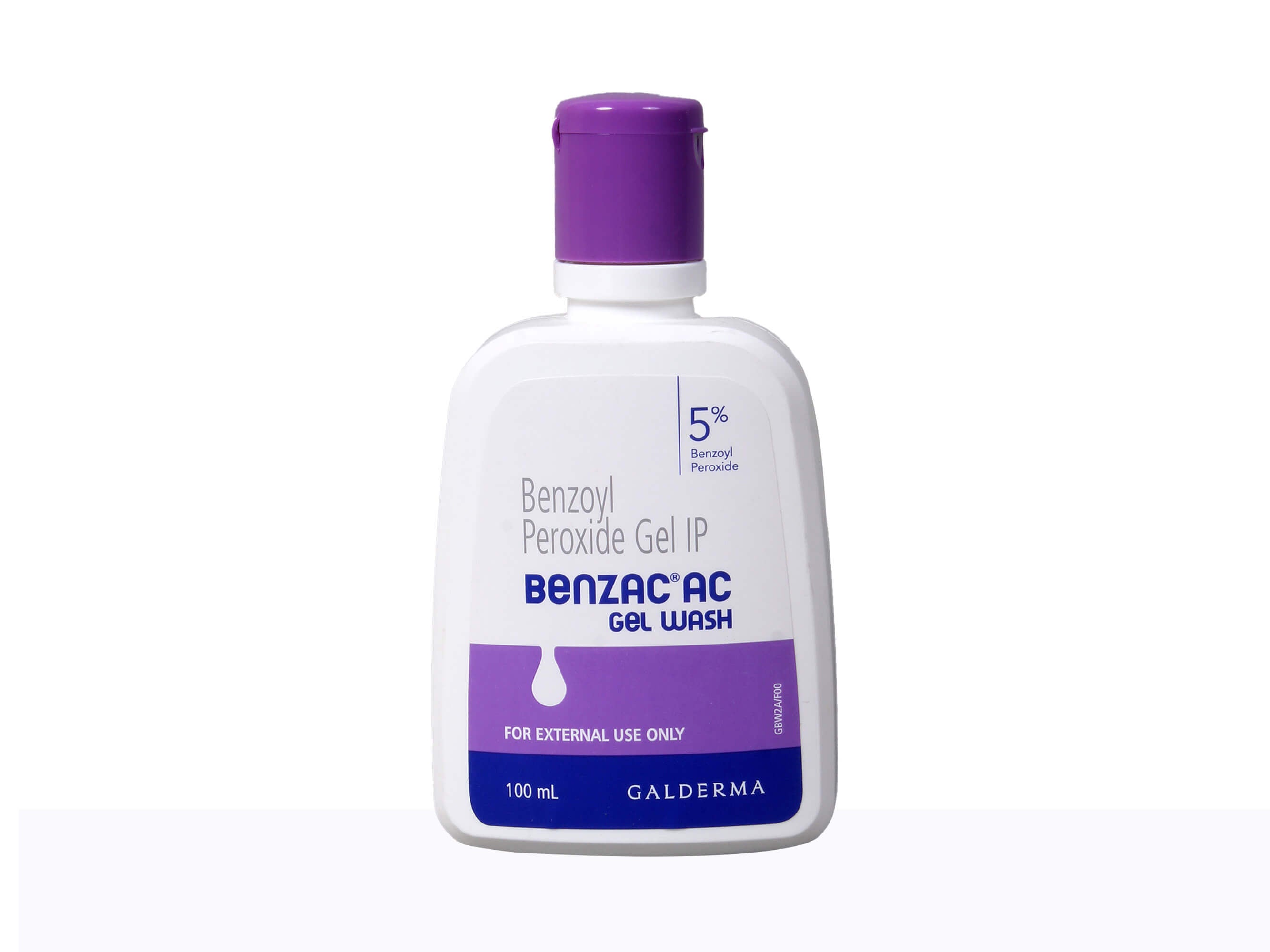
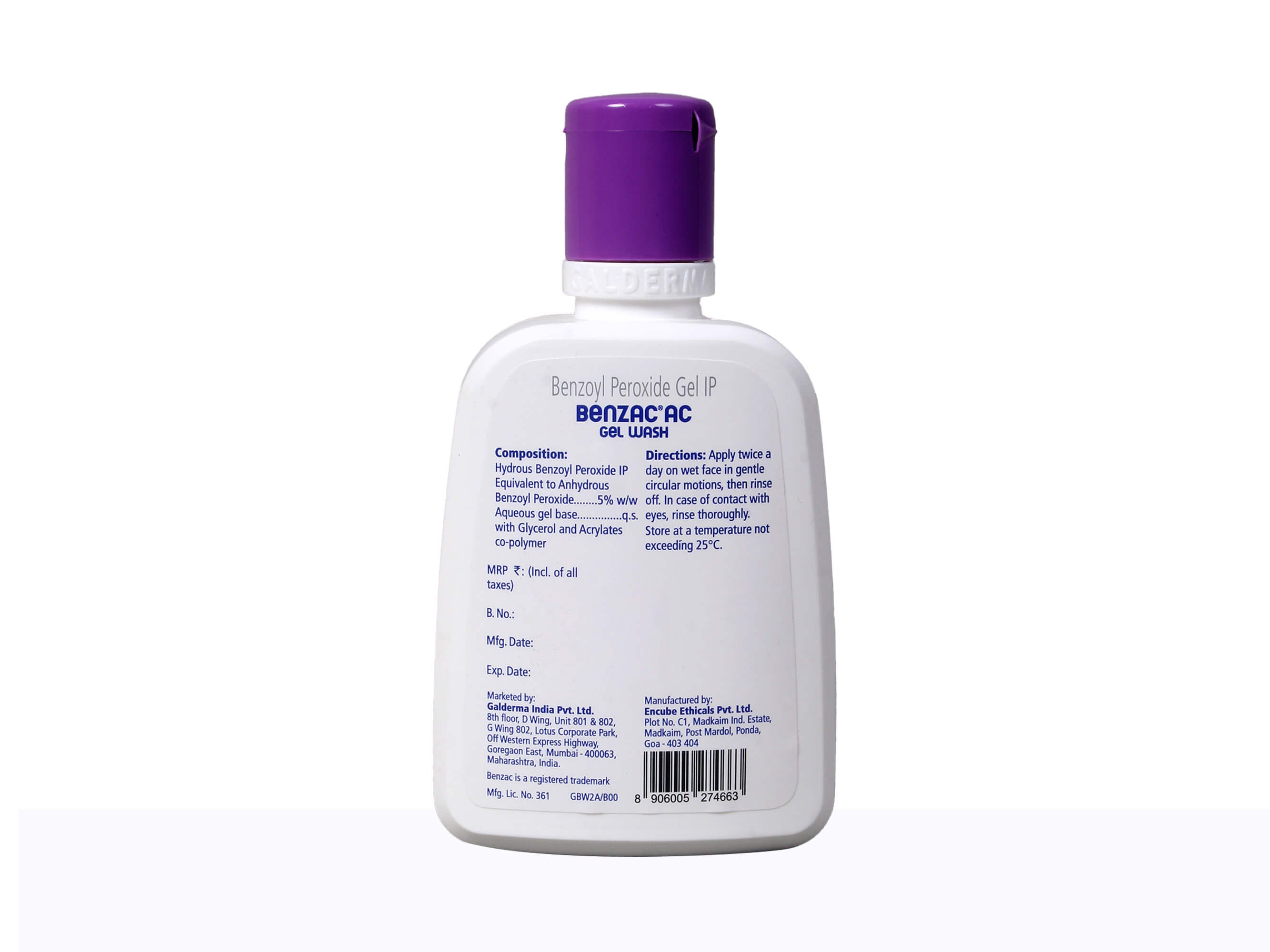
Benzoyl Peroxide |
Kills acne causing bacteria |
Moderate acne |
|
|
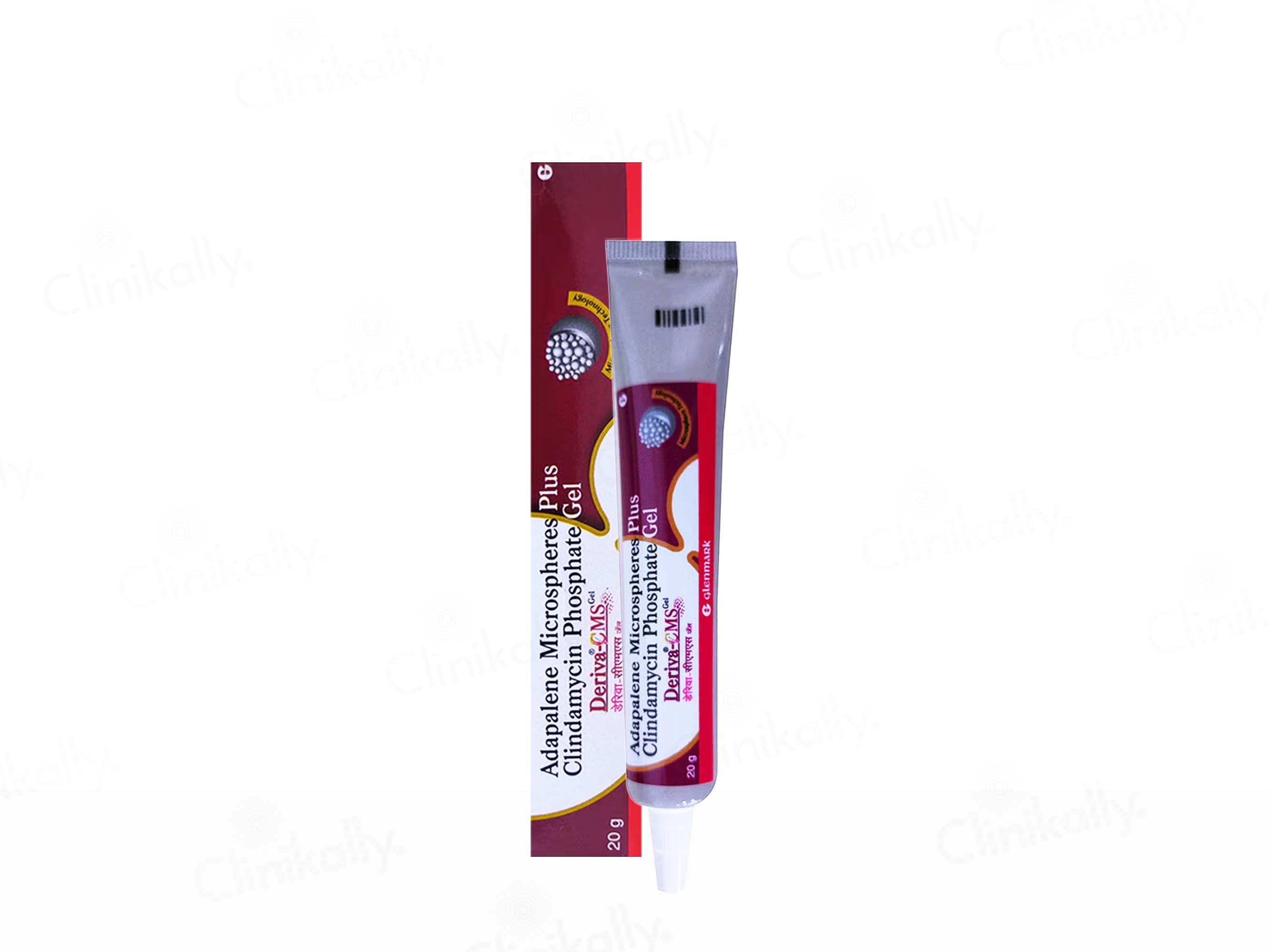
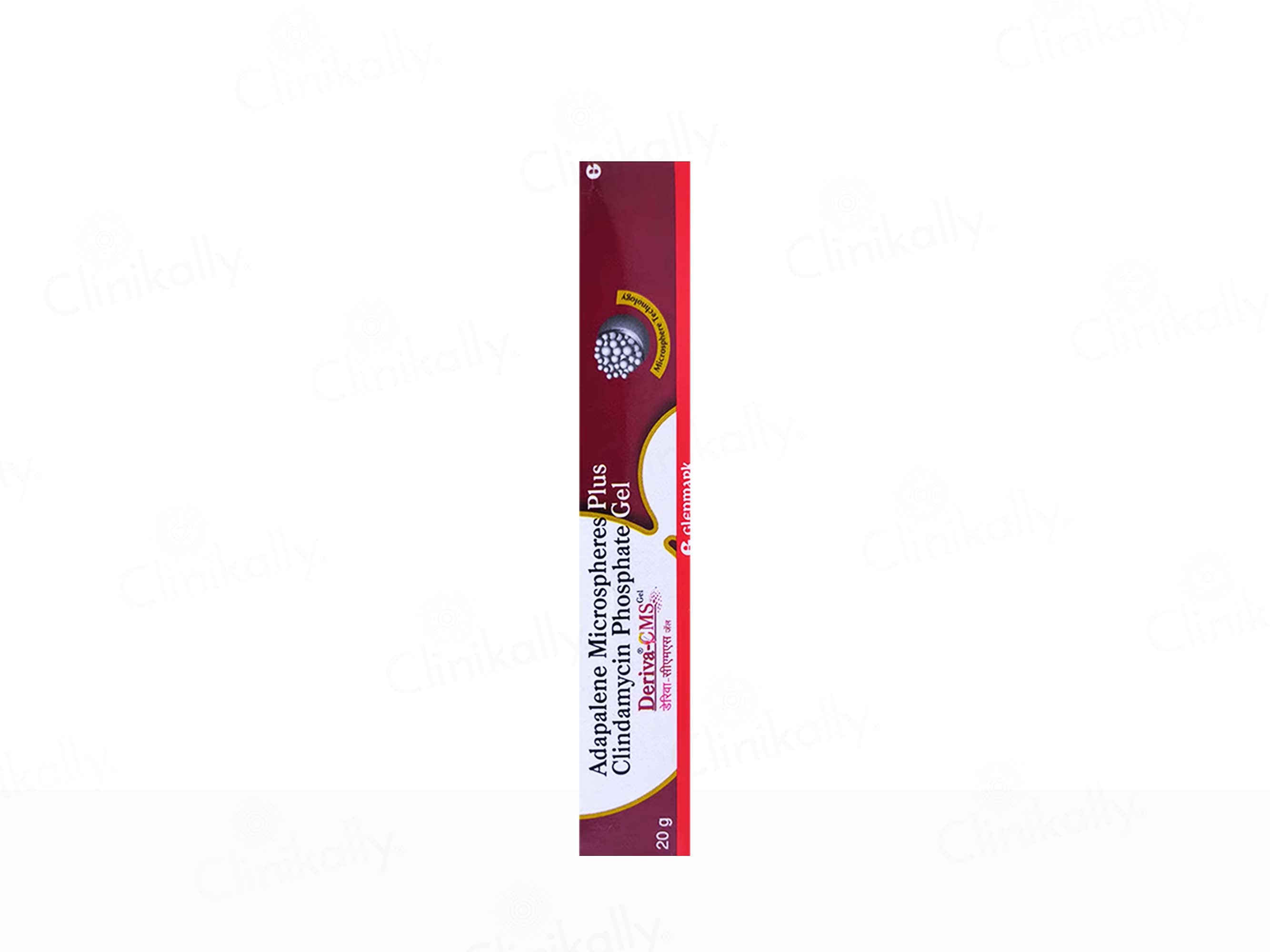
Adapalene, Clindamycin |
Prevent pore blockage and reduce inflammation |
Inflammatory acne |
|
|
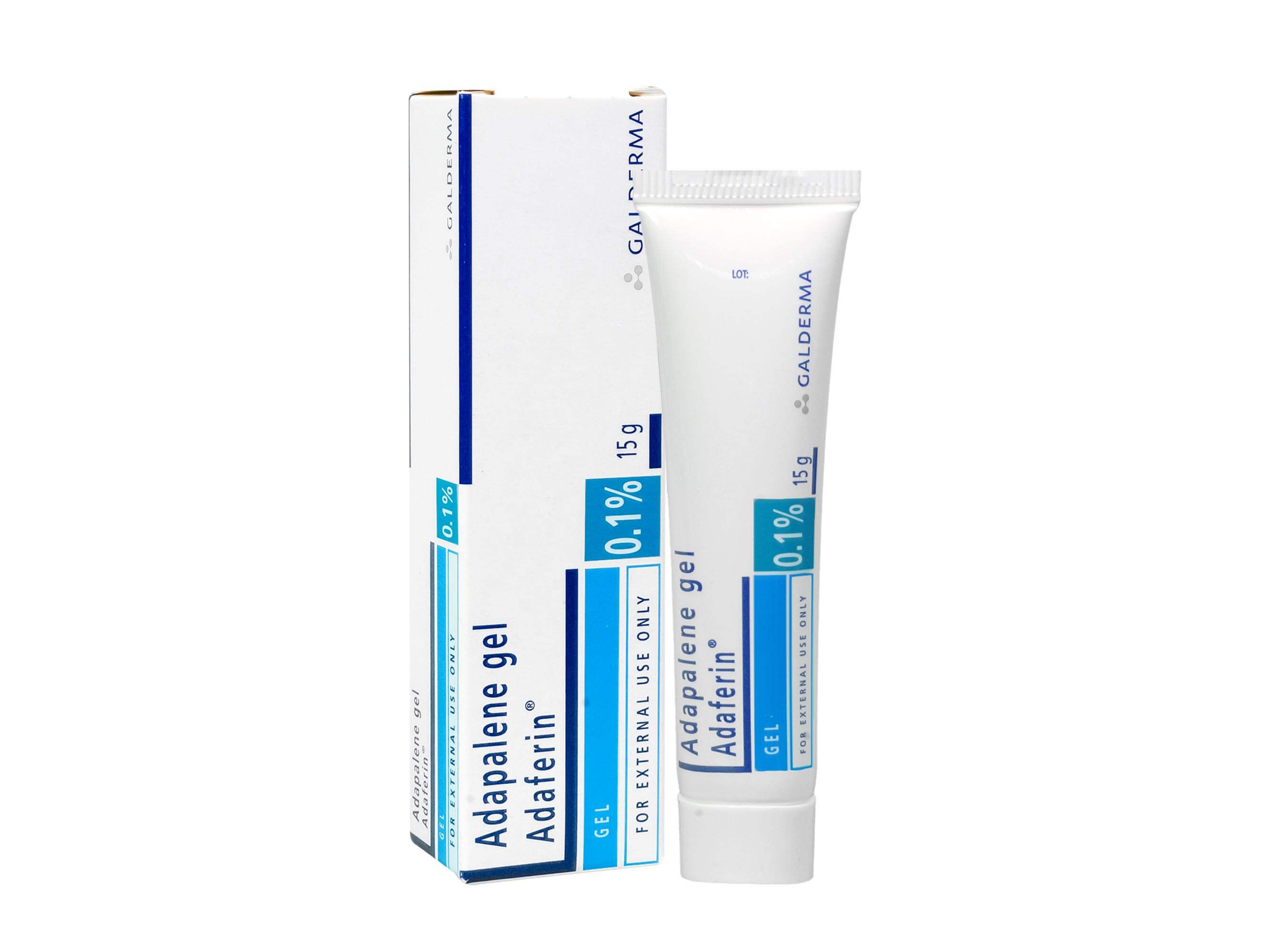
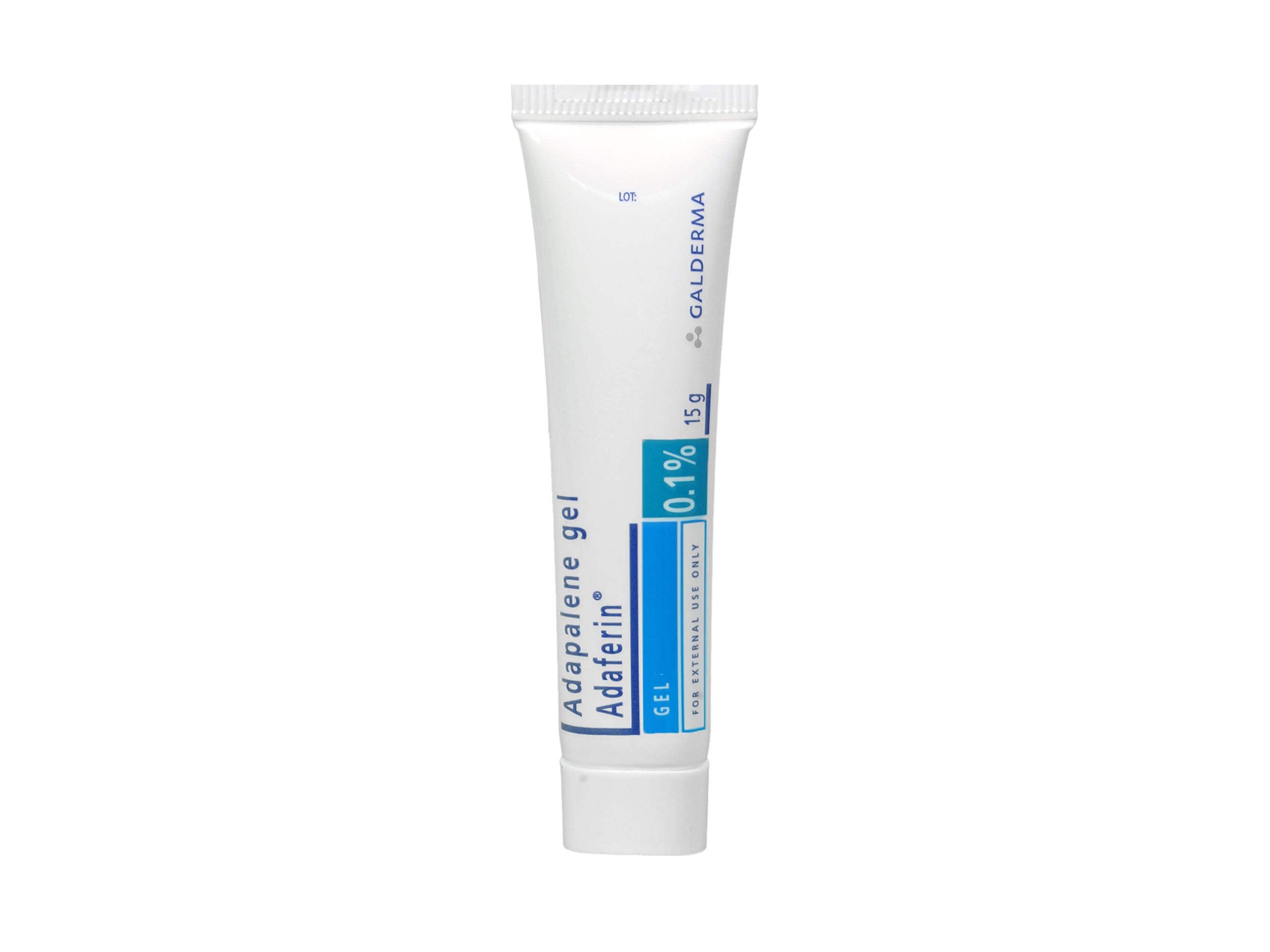
Adalpalene |
Prevents clogged pores |
Mild to moderate acne |
These treatments work directly on acne and help make your skin clearer when used regularly. It is important to start slowly and follow usage instructions to avoid irritation.
Treating Acne Marks and Scars
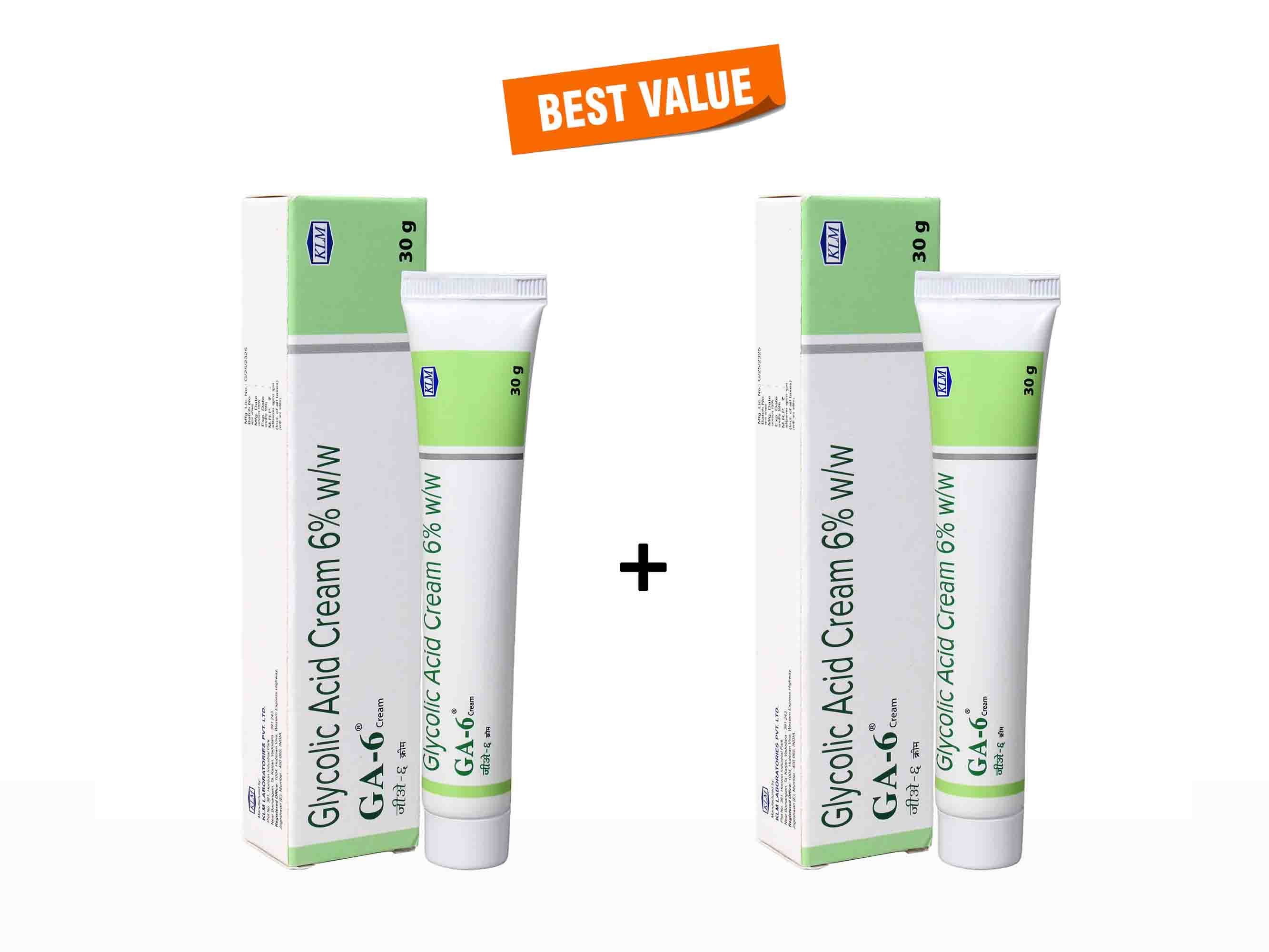
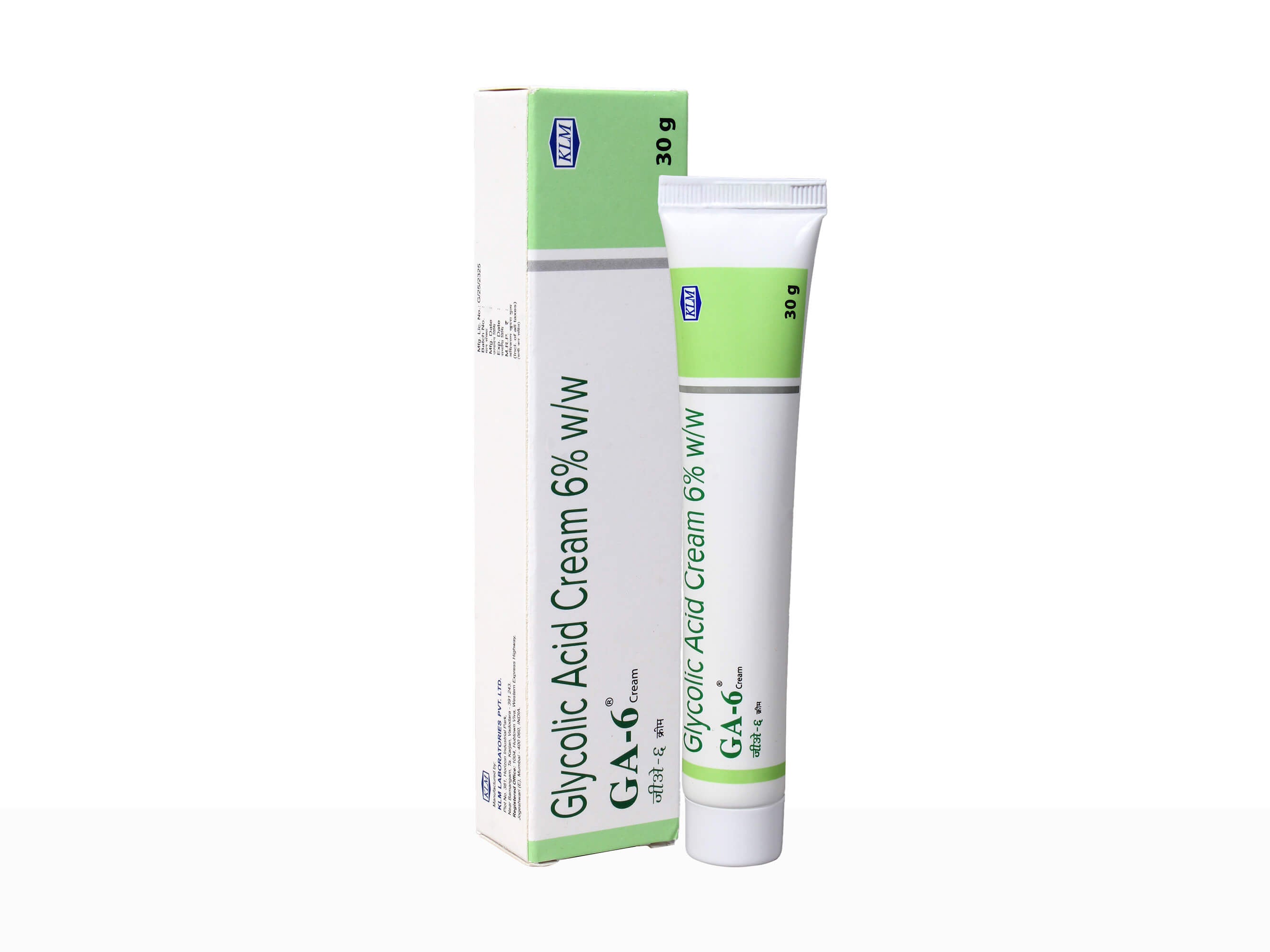
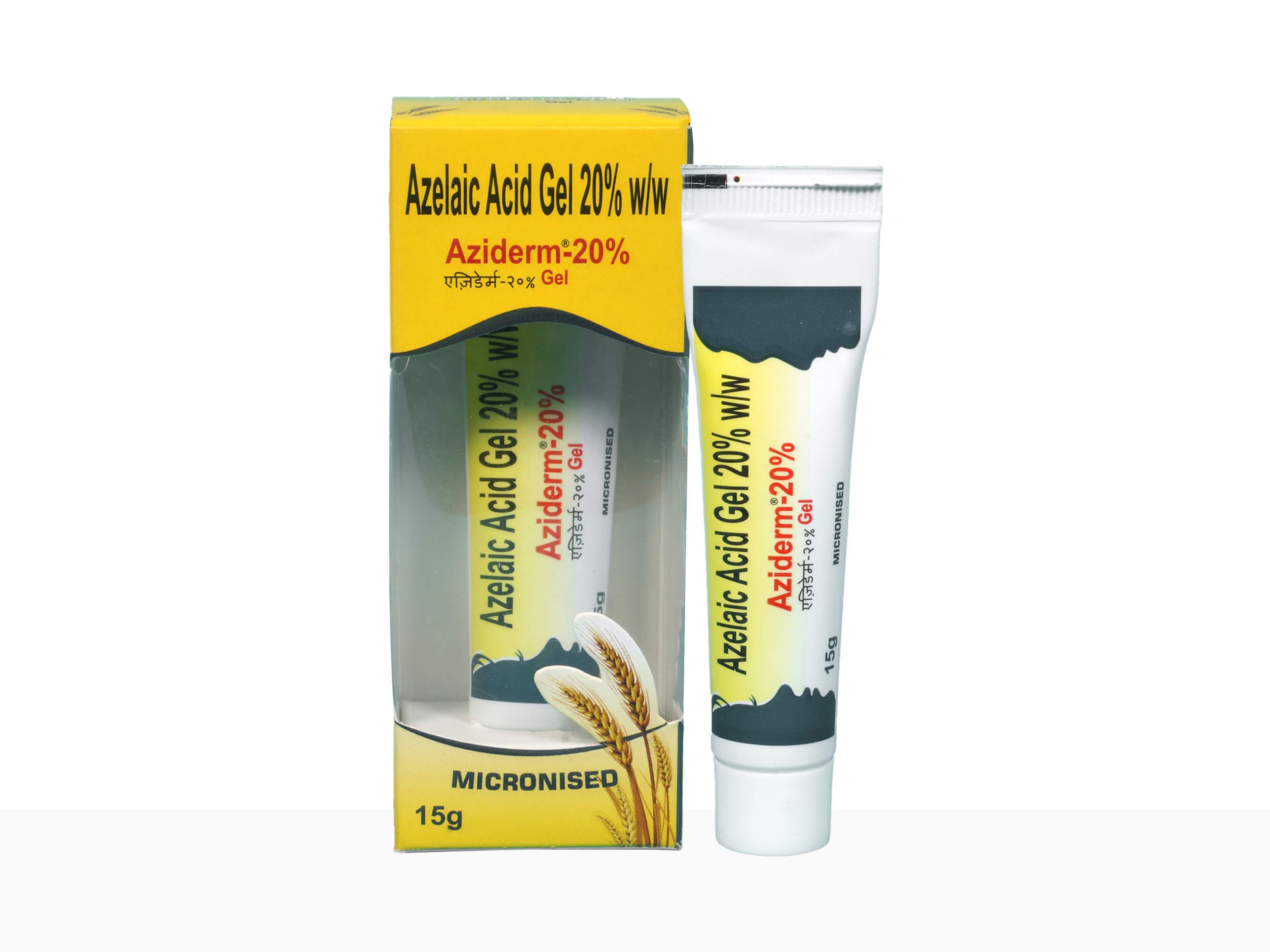
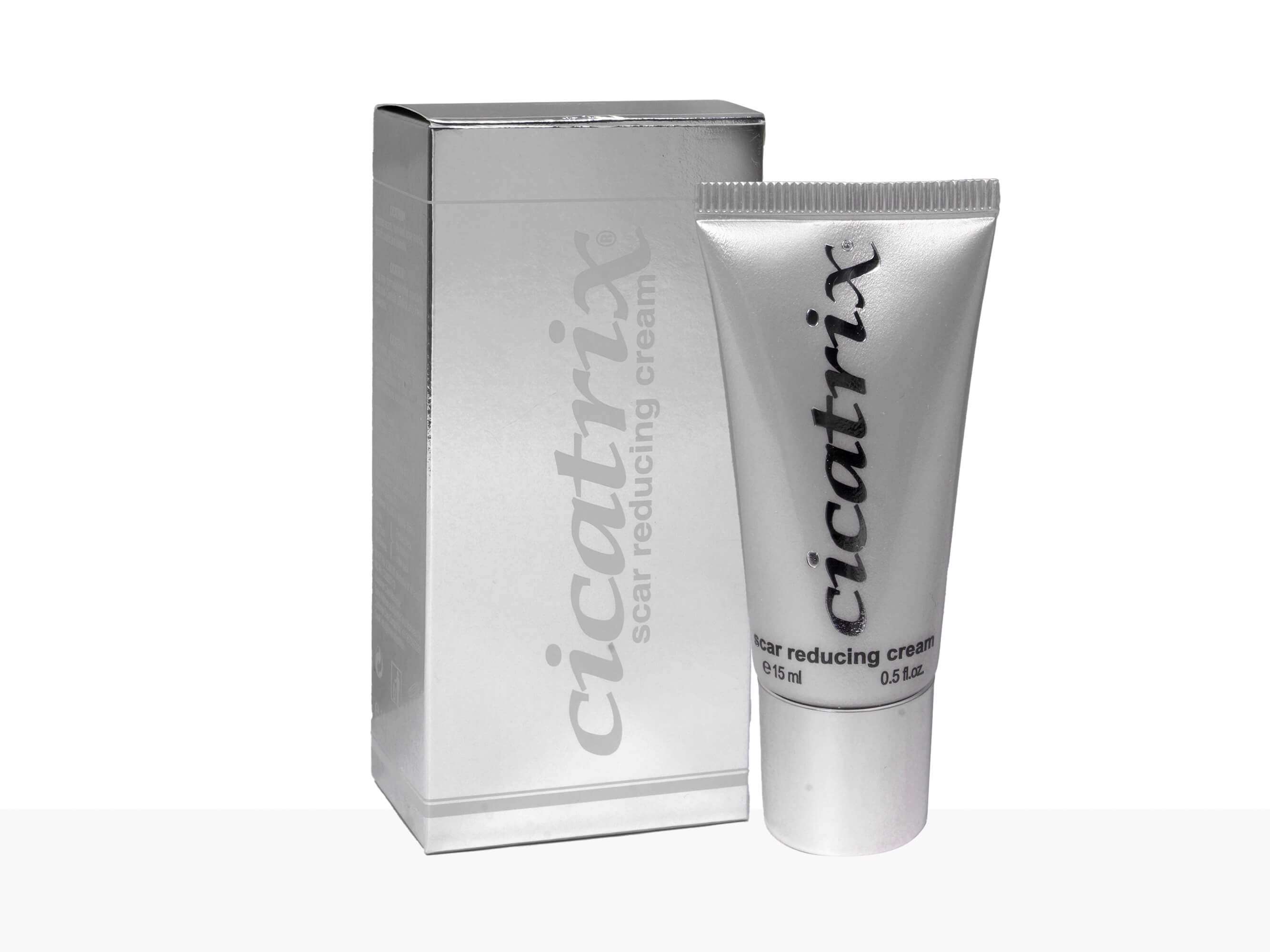
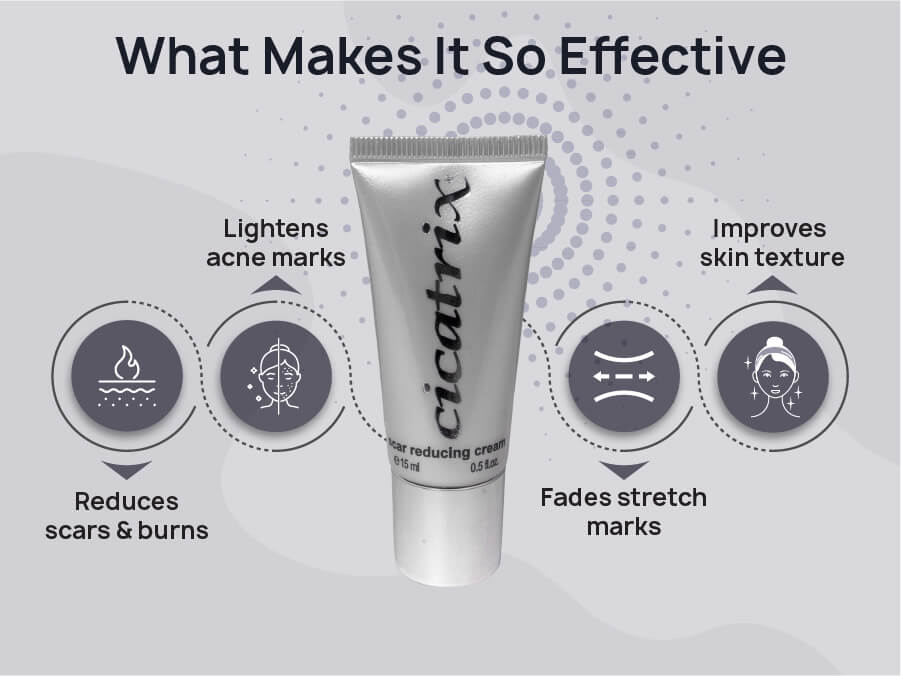
The next step after getting rid of active acne is to treat acne scars and marks. Acne scars are usually caused by inflammation and may appear as red or dark spots. These scars or marks may take time to fade after healing, but by using the right product you can speed up the process of fading. Here are some dermatologist-recommended products for treating acne scars:
|
Product Name |
Key Ingredient |
Benefit |
Best For |
|
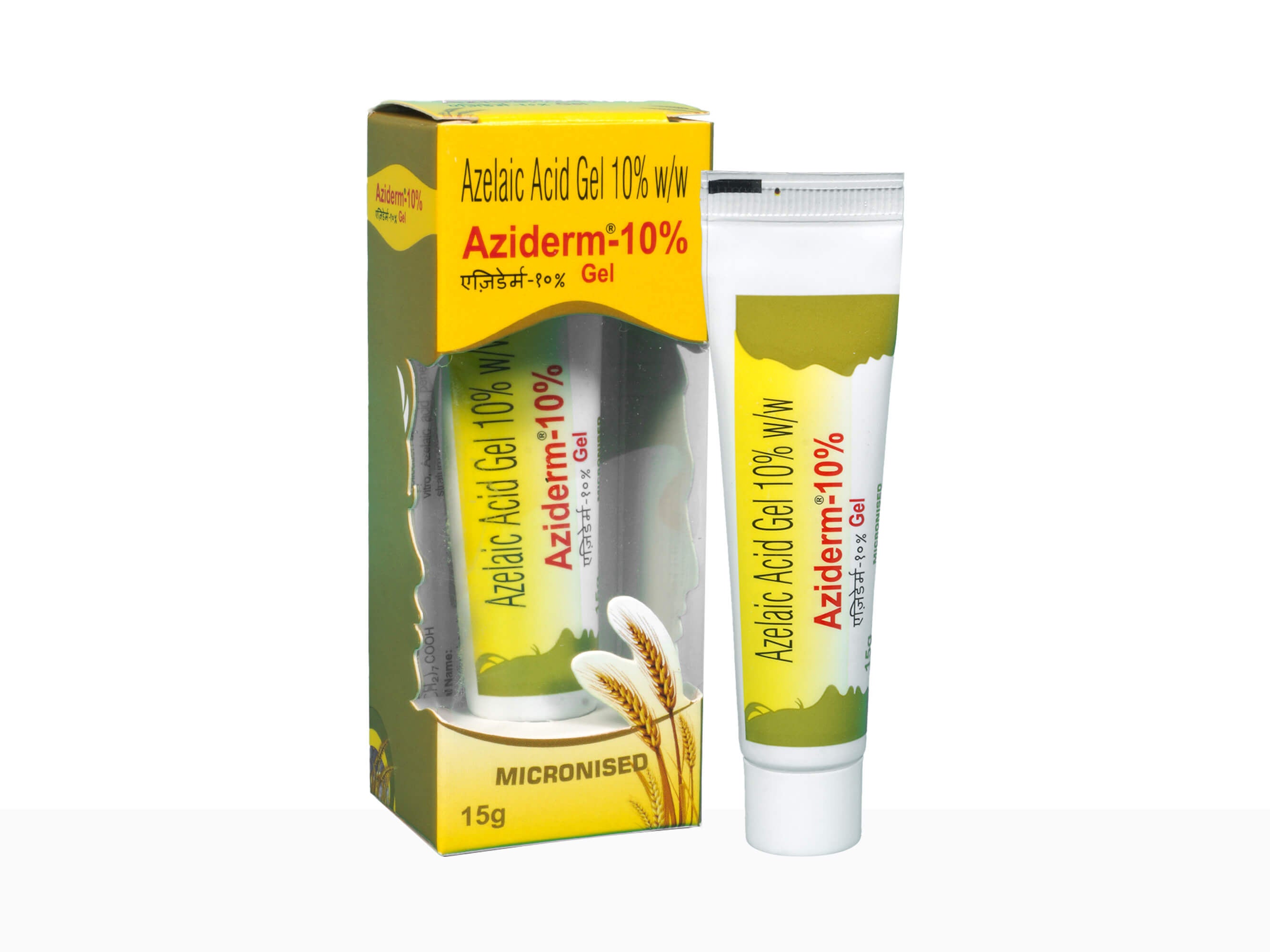
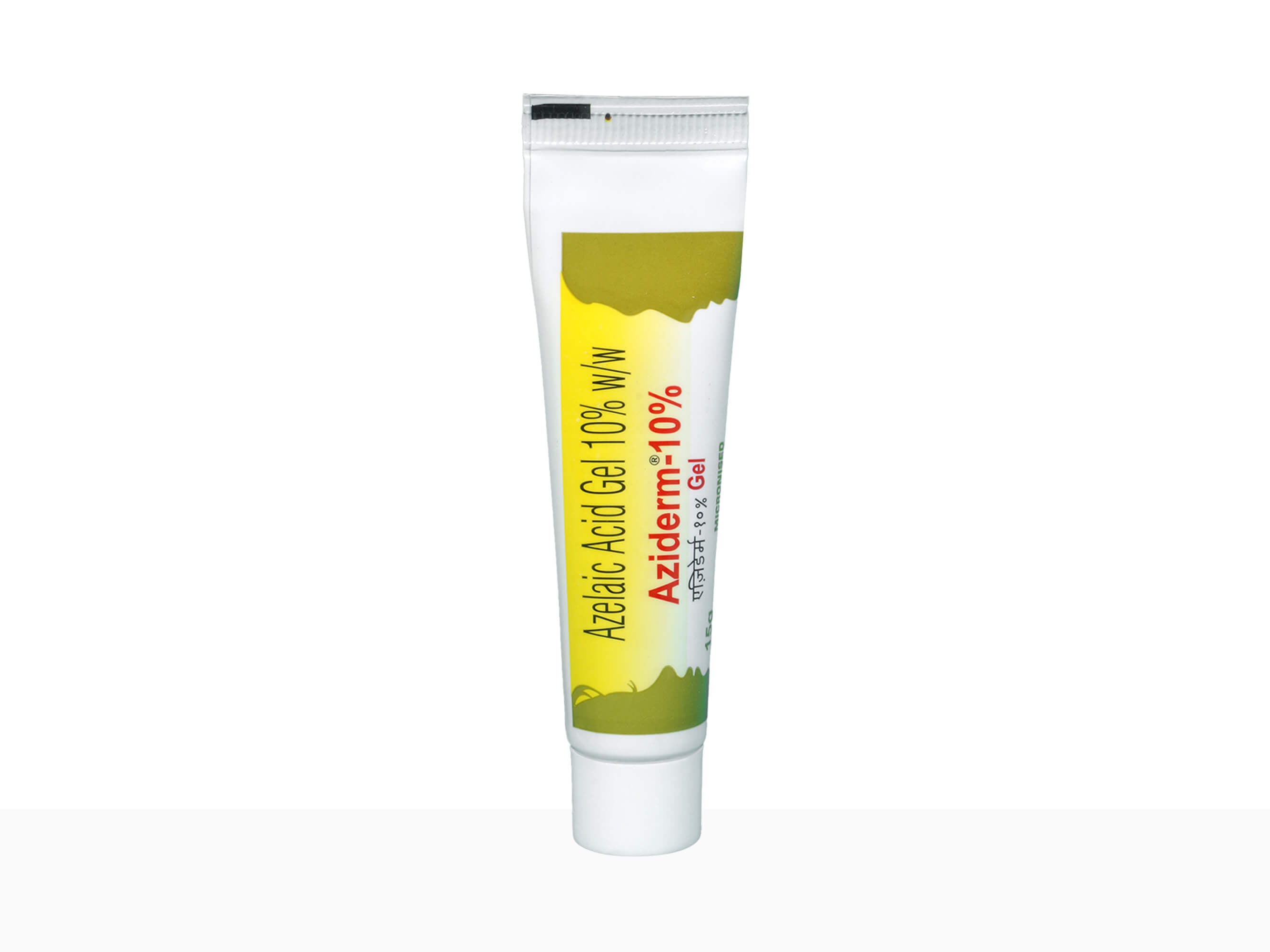
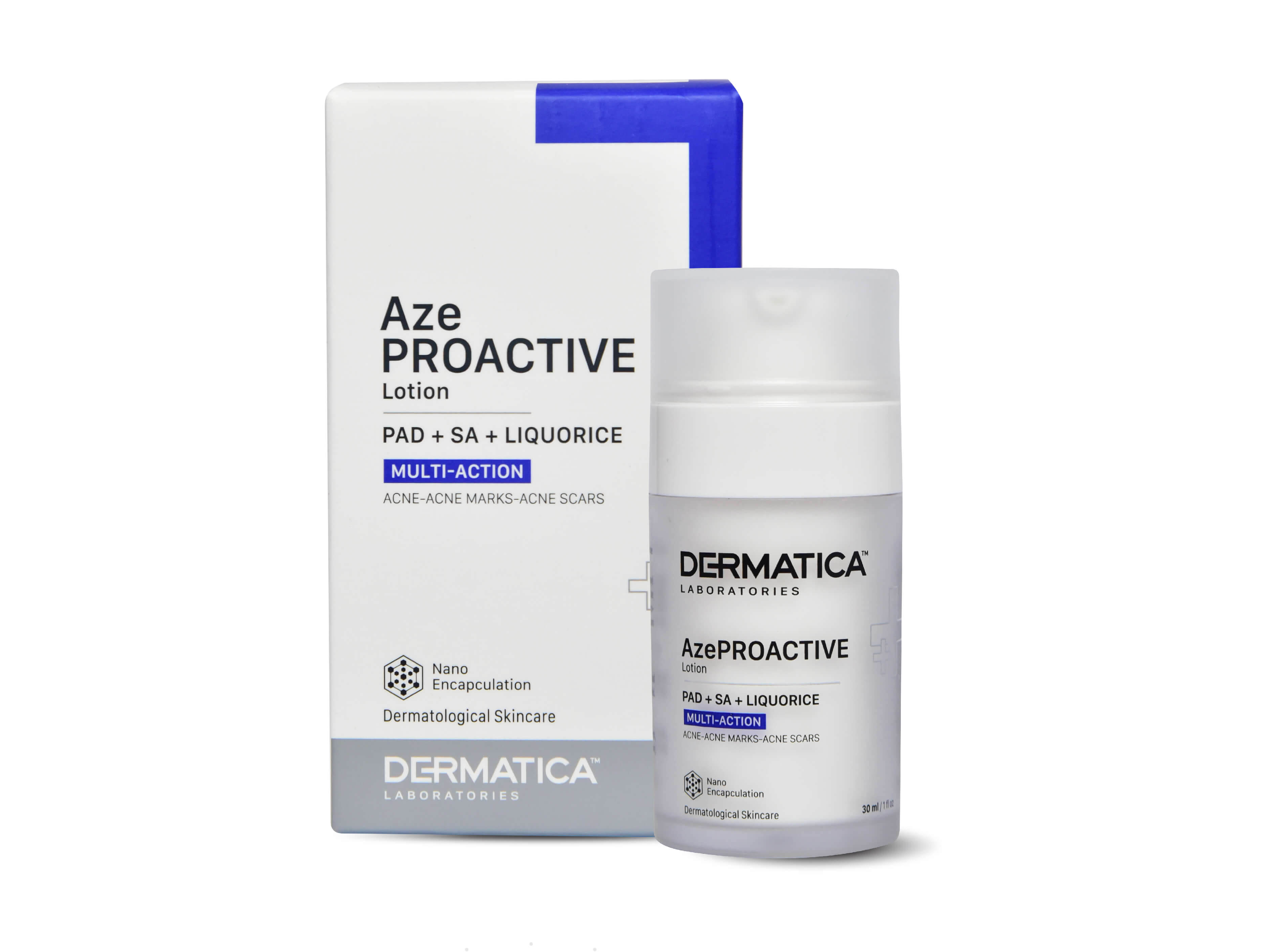
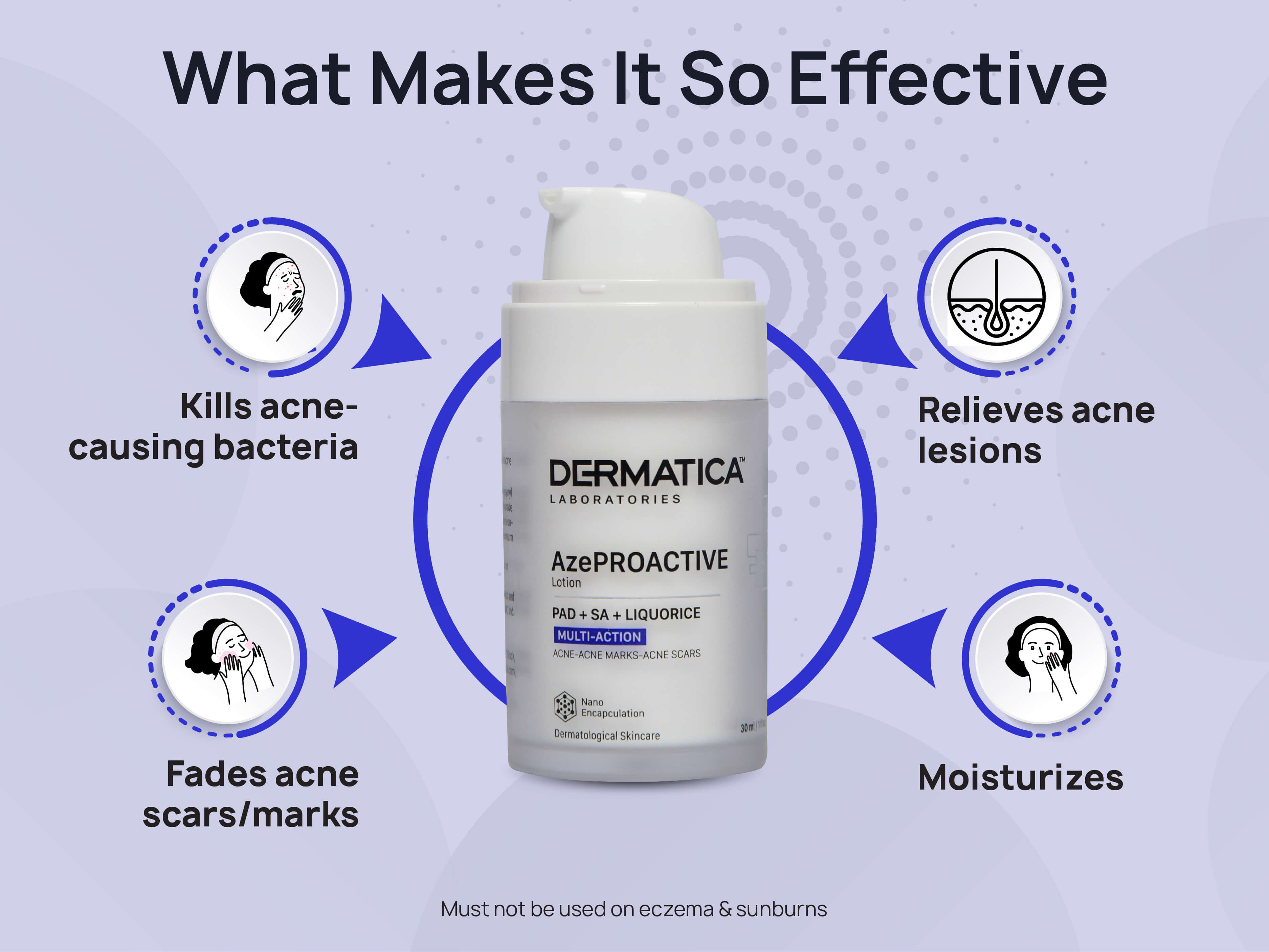
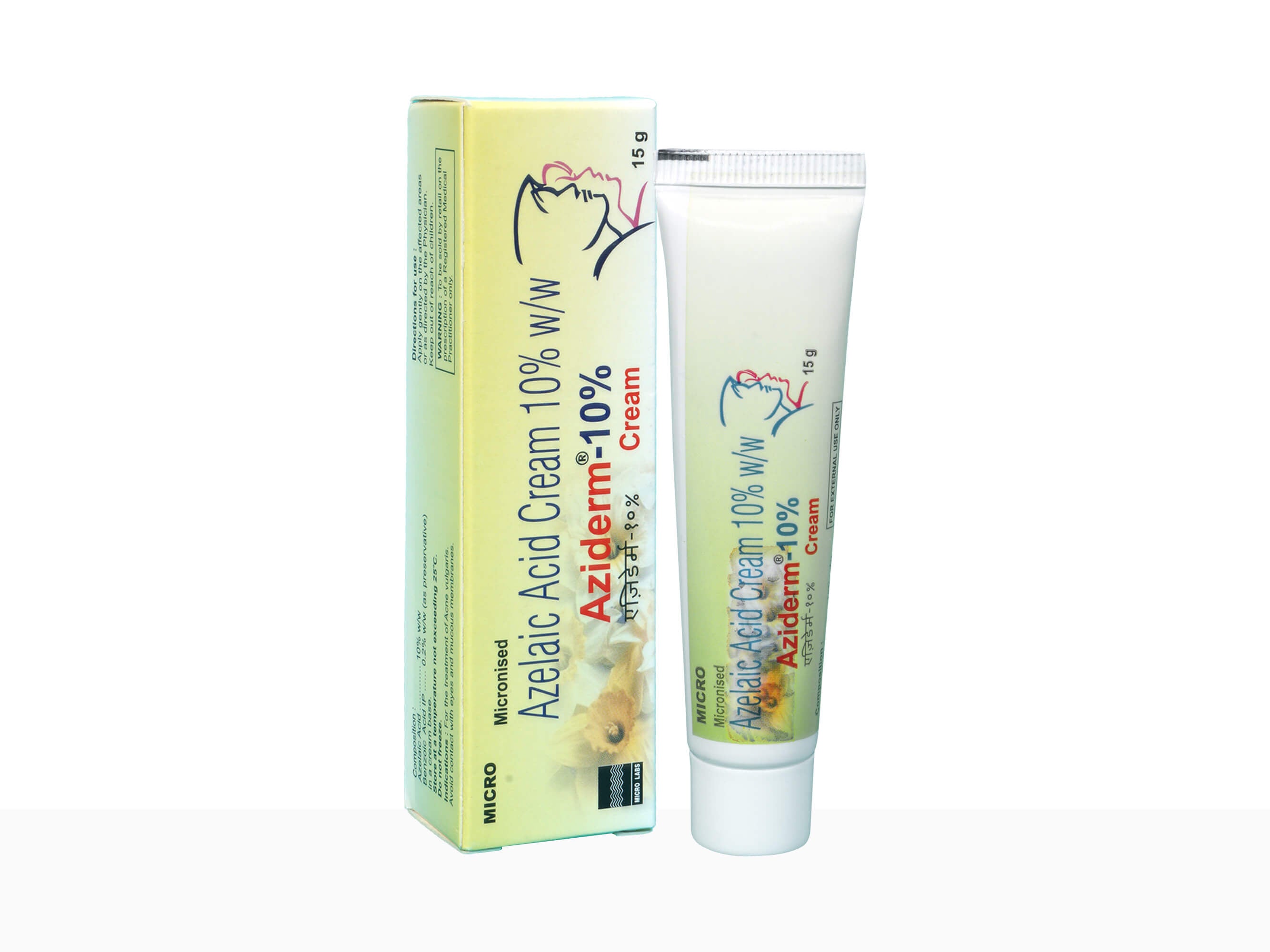
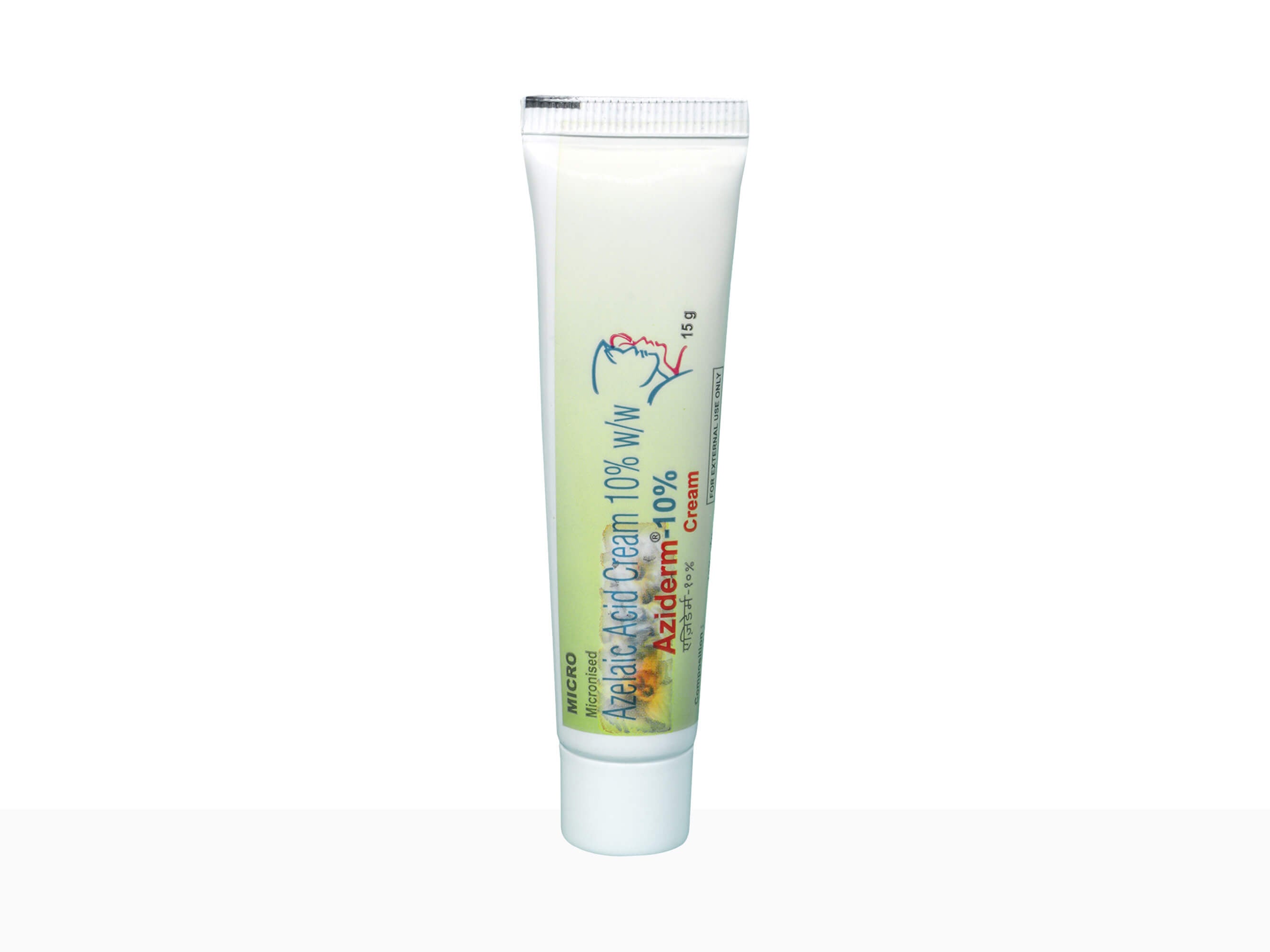
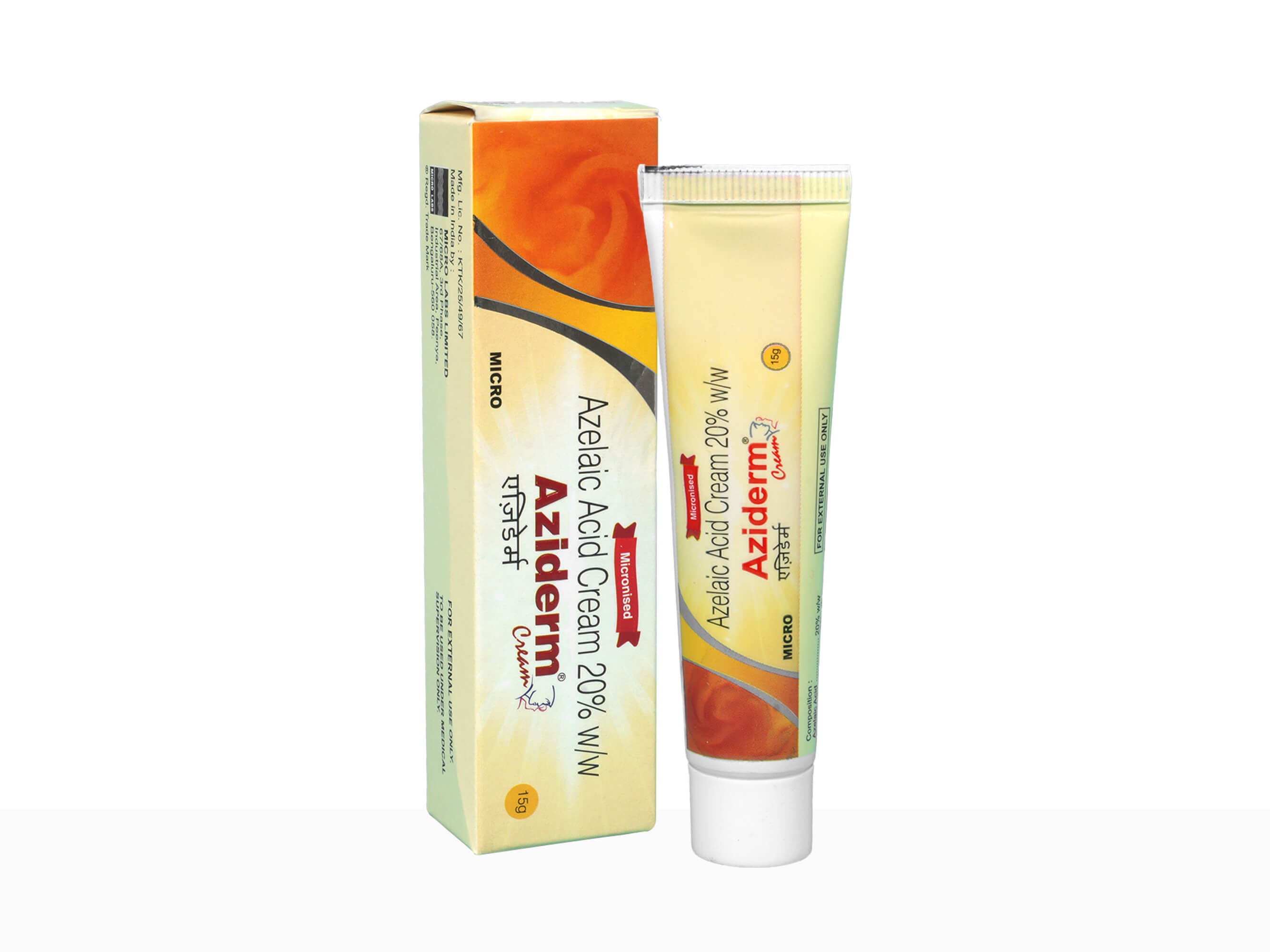
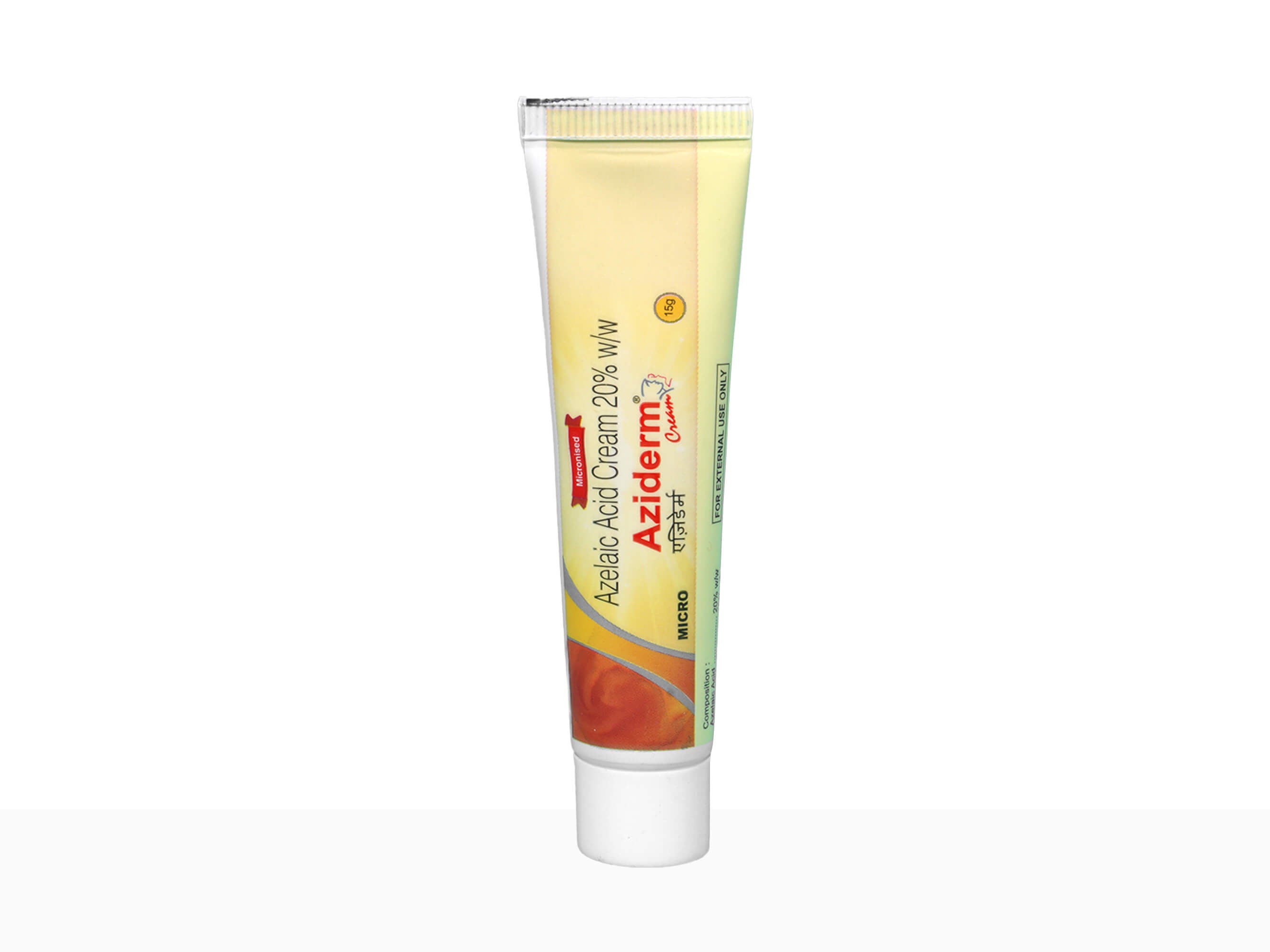
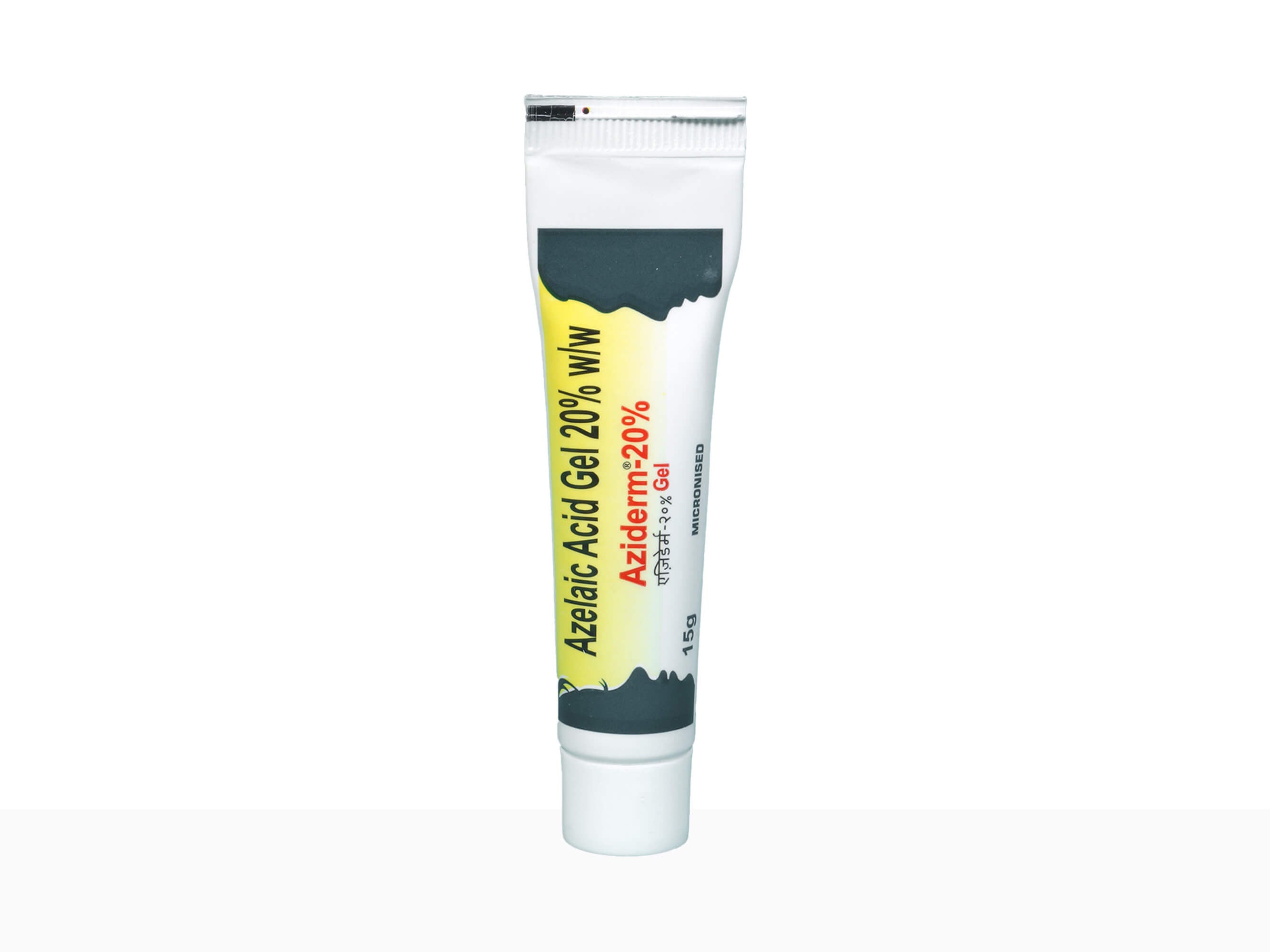
Azelaic Acid |
Reduces pigmentation and acne |
Acne marks |
|
|
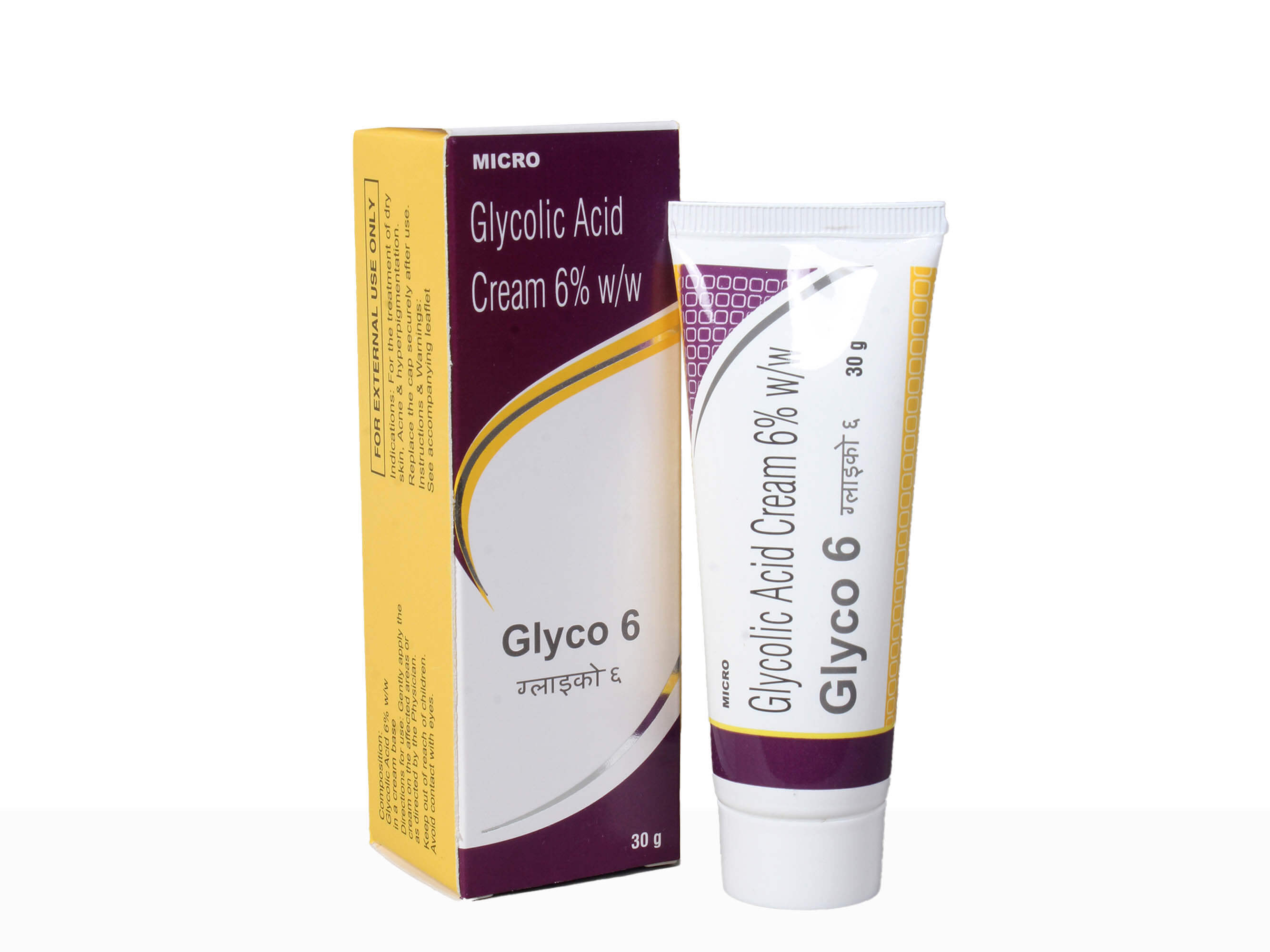
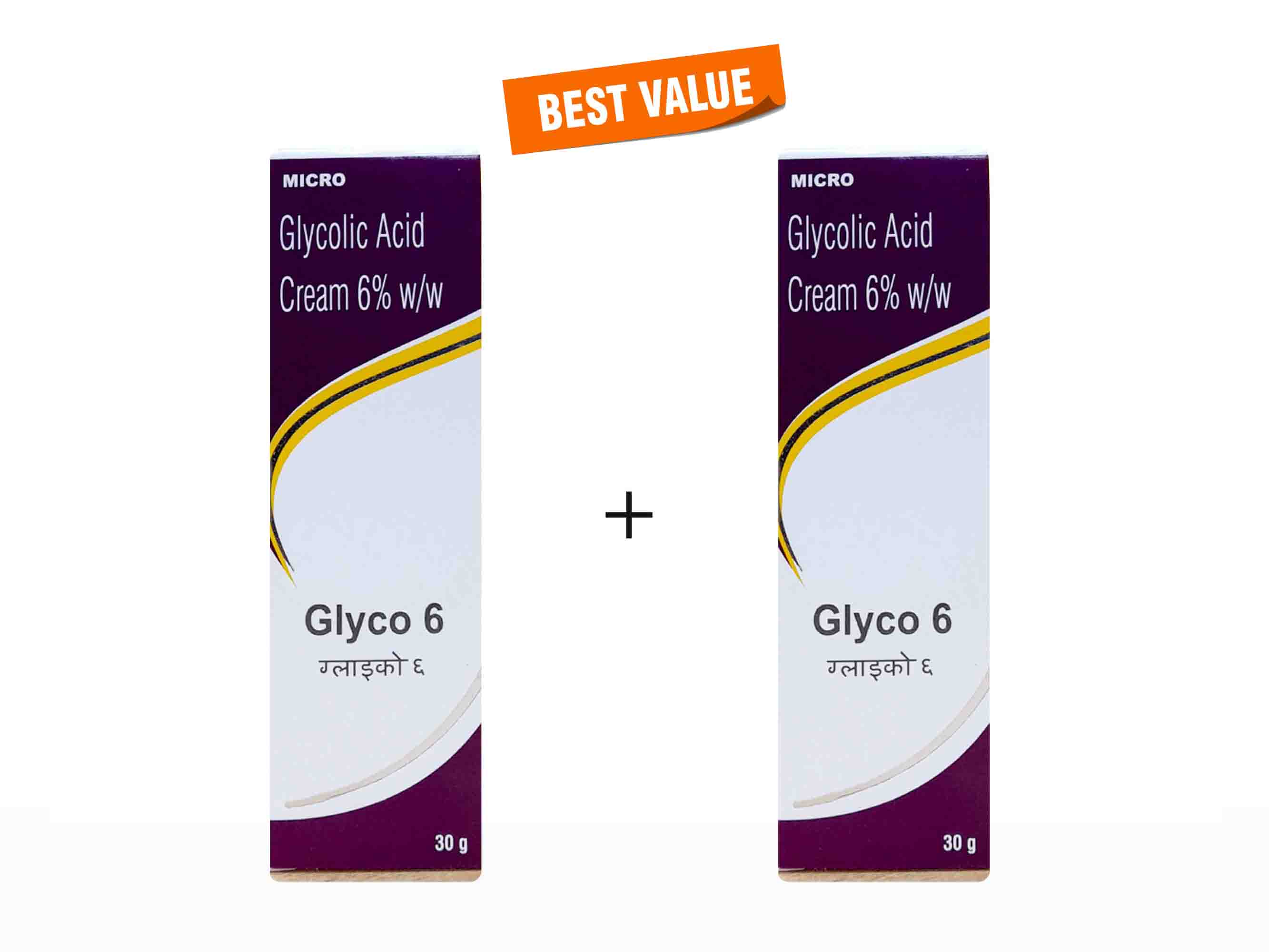
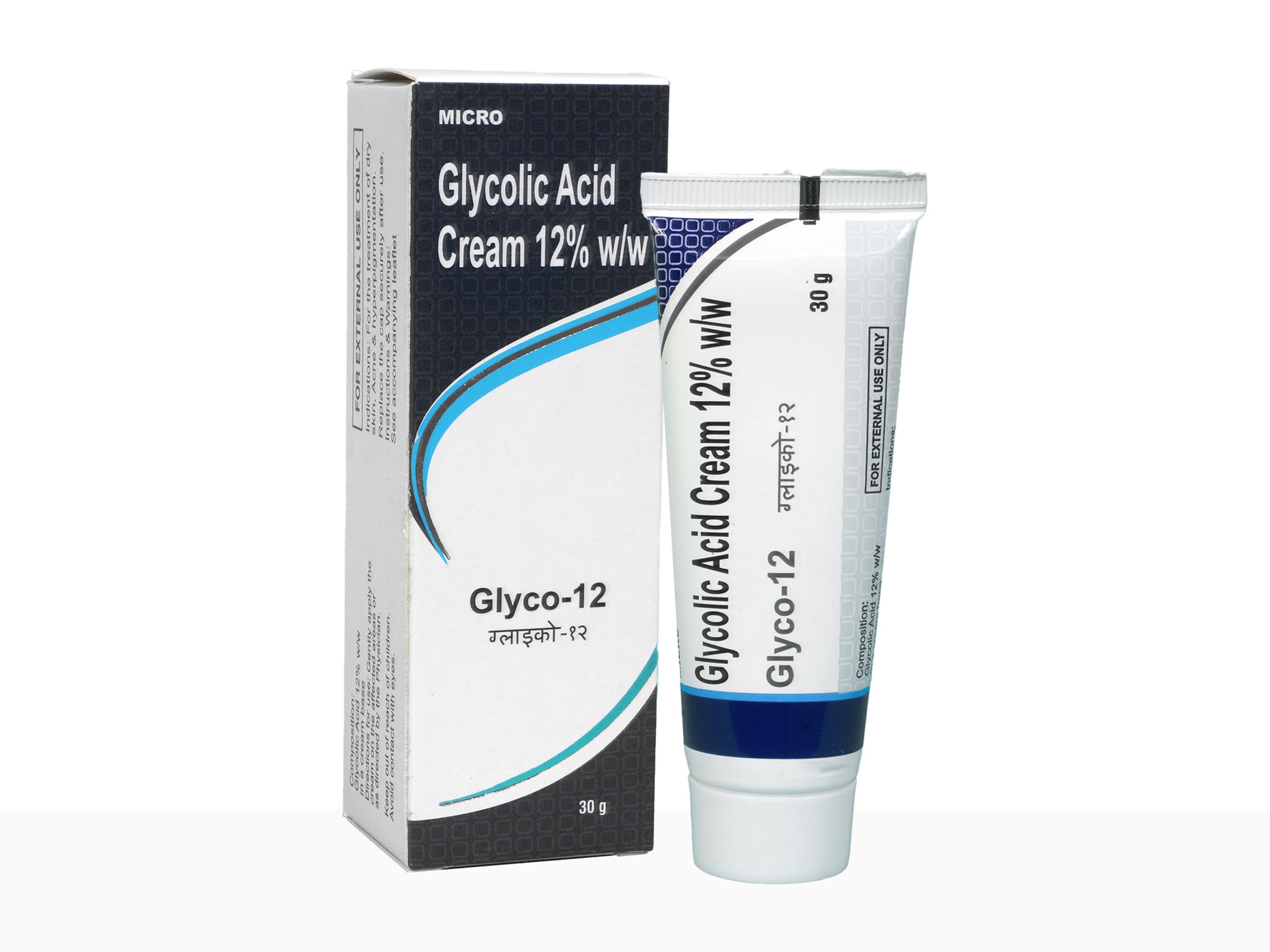
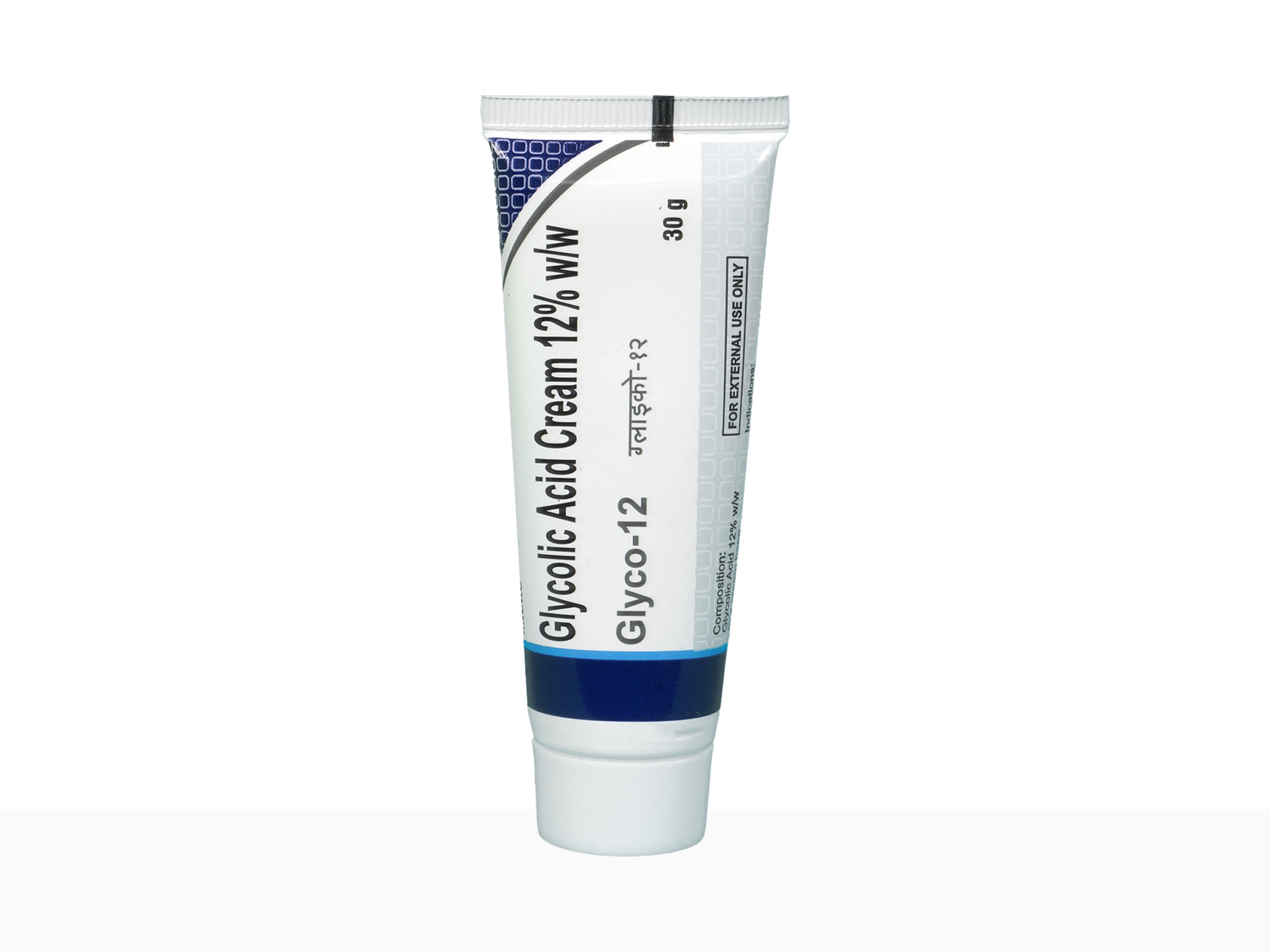
Glycolic Acid |
Improves skin texture |
Uneven skin |
|
|
Kojic Acid, Glabridin |
Targets dark spots |
Stubborn pigmentation |
These acne scar removal products help improve your skin tone while reducing pigmentation and dark spots.
Cleansing for Acne-Prone Skin
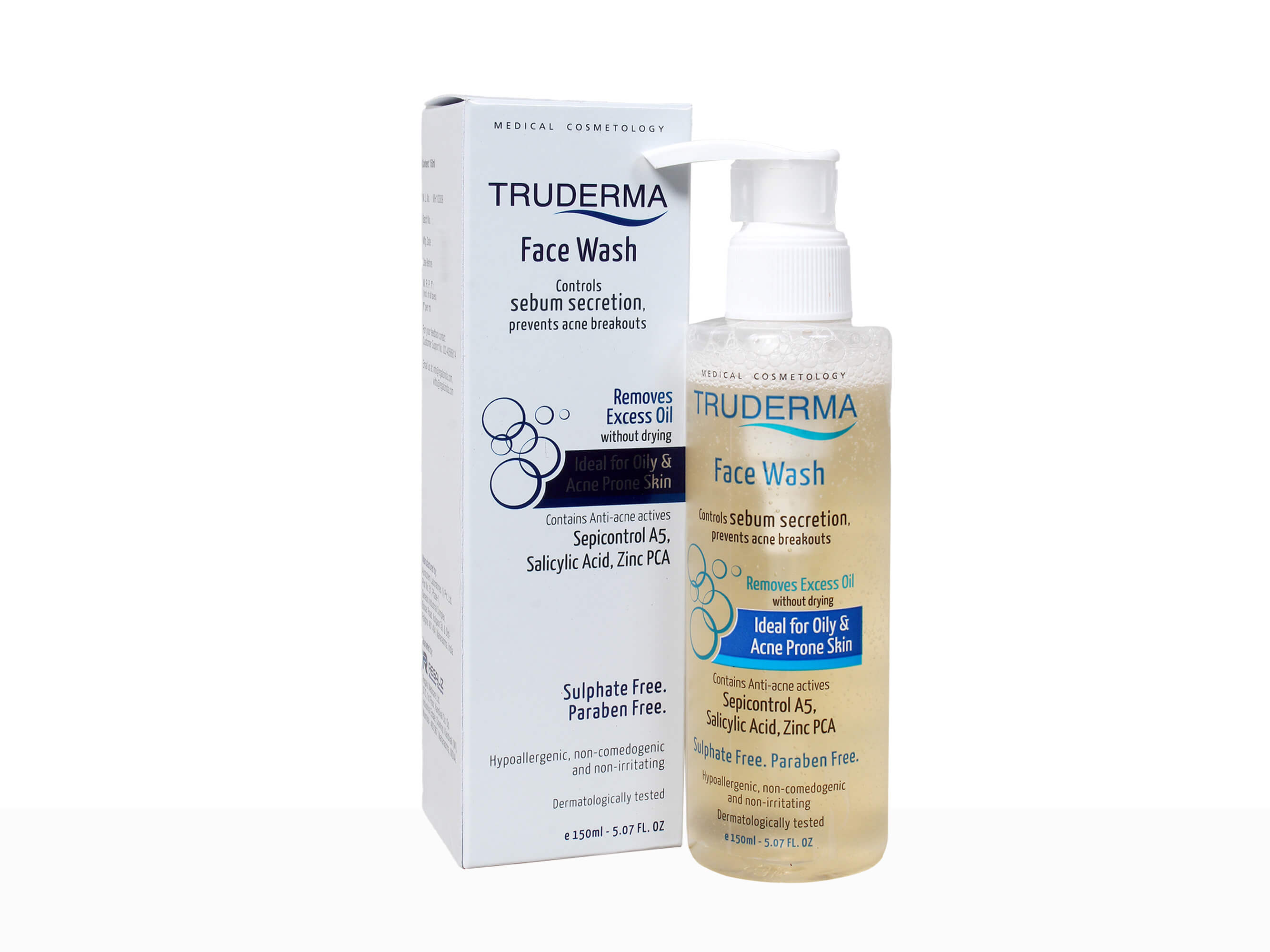
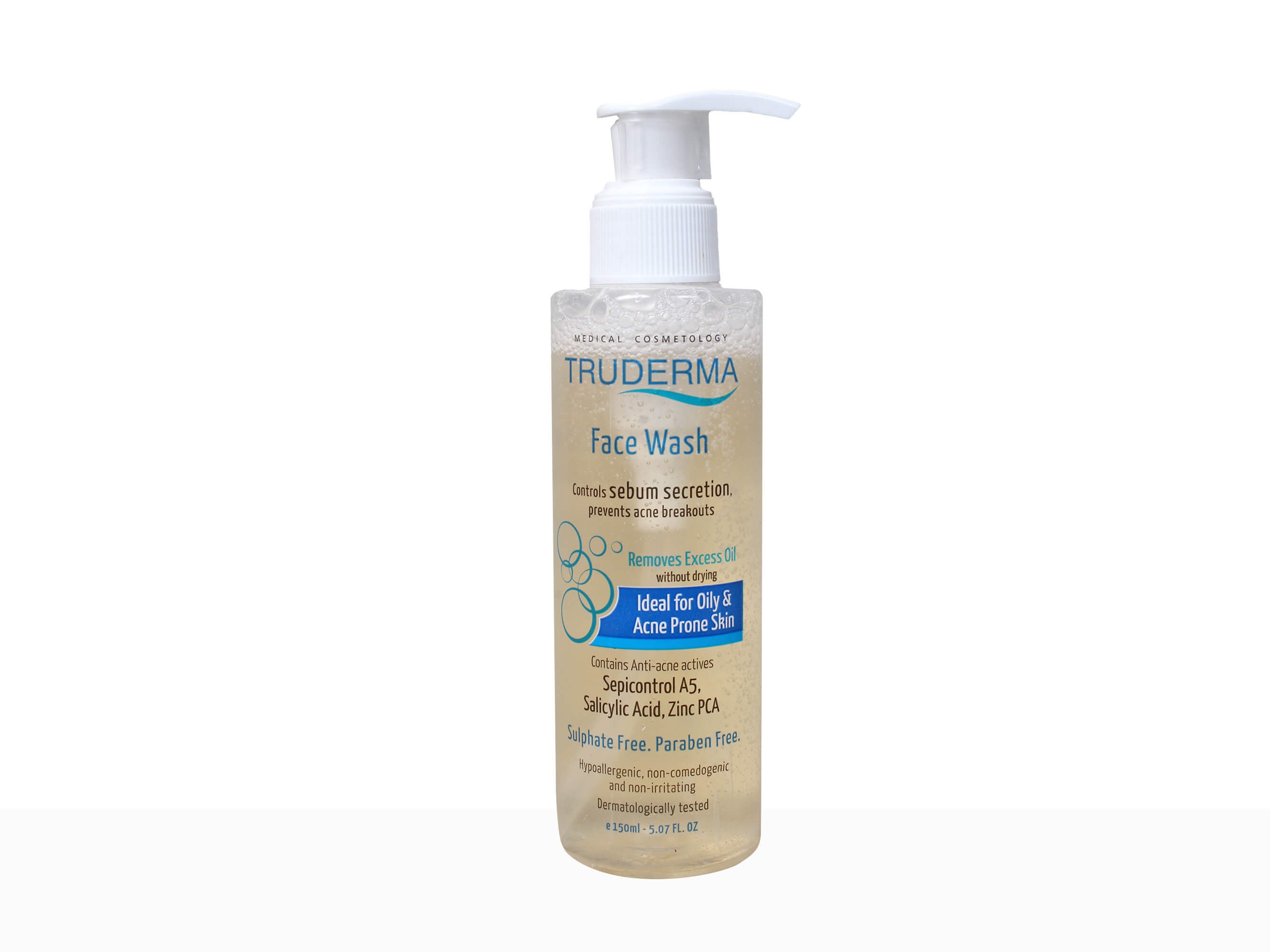
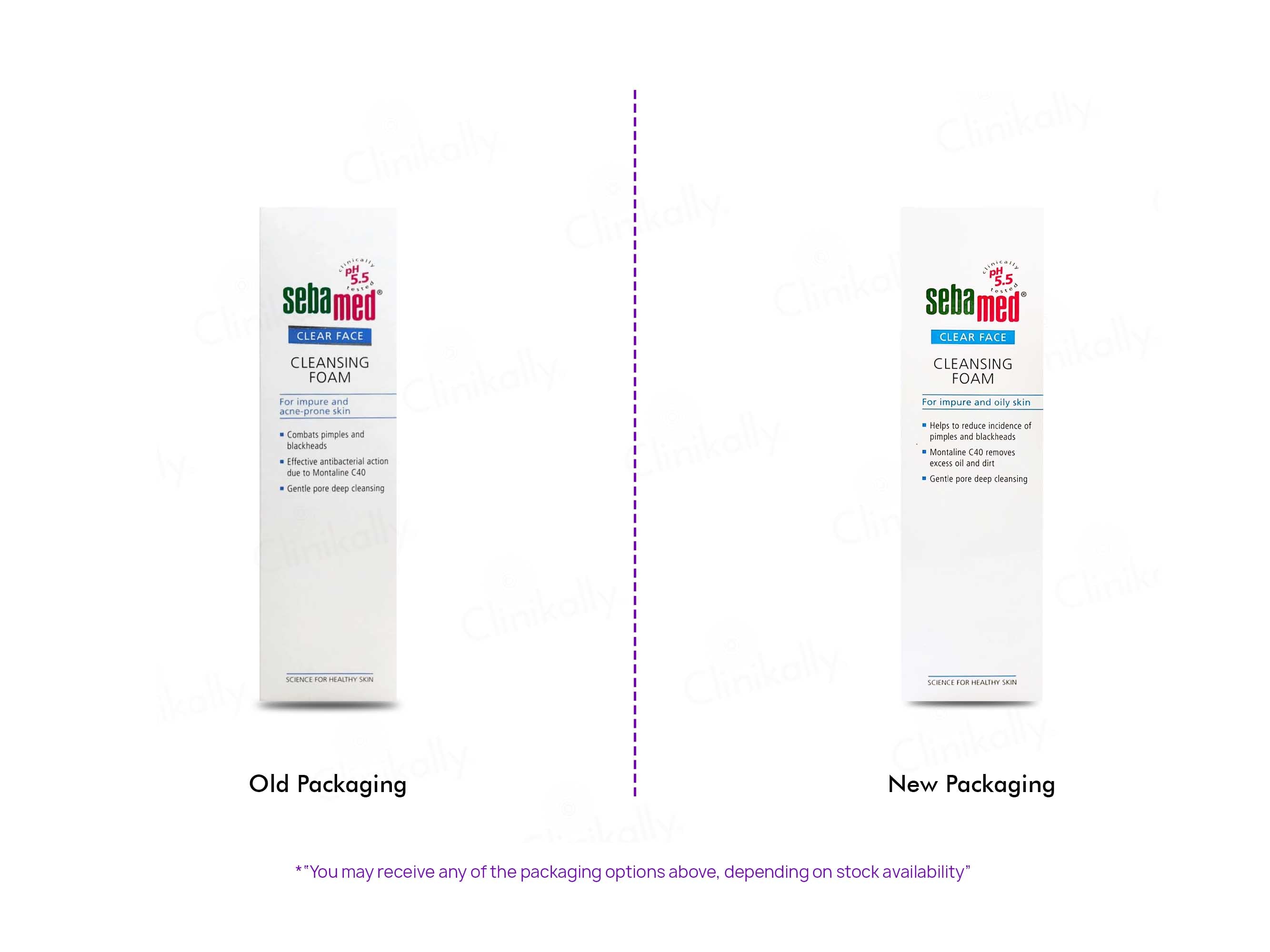
Cleansing is the most crucial step in any acne skincare routine. It helps get rid of extra oil, dirt and impurities that can clog your skin pores and cause breakouts. Choosing the right acne cleanser or face wash will keep your skin clean without making it dry or irritated. Here are some recommended face washes for acne-prone skin:
|
Product Name |
Key Ingredient |
Benefit |
Best For |
|
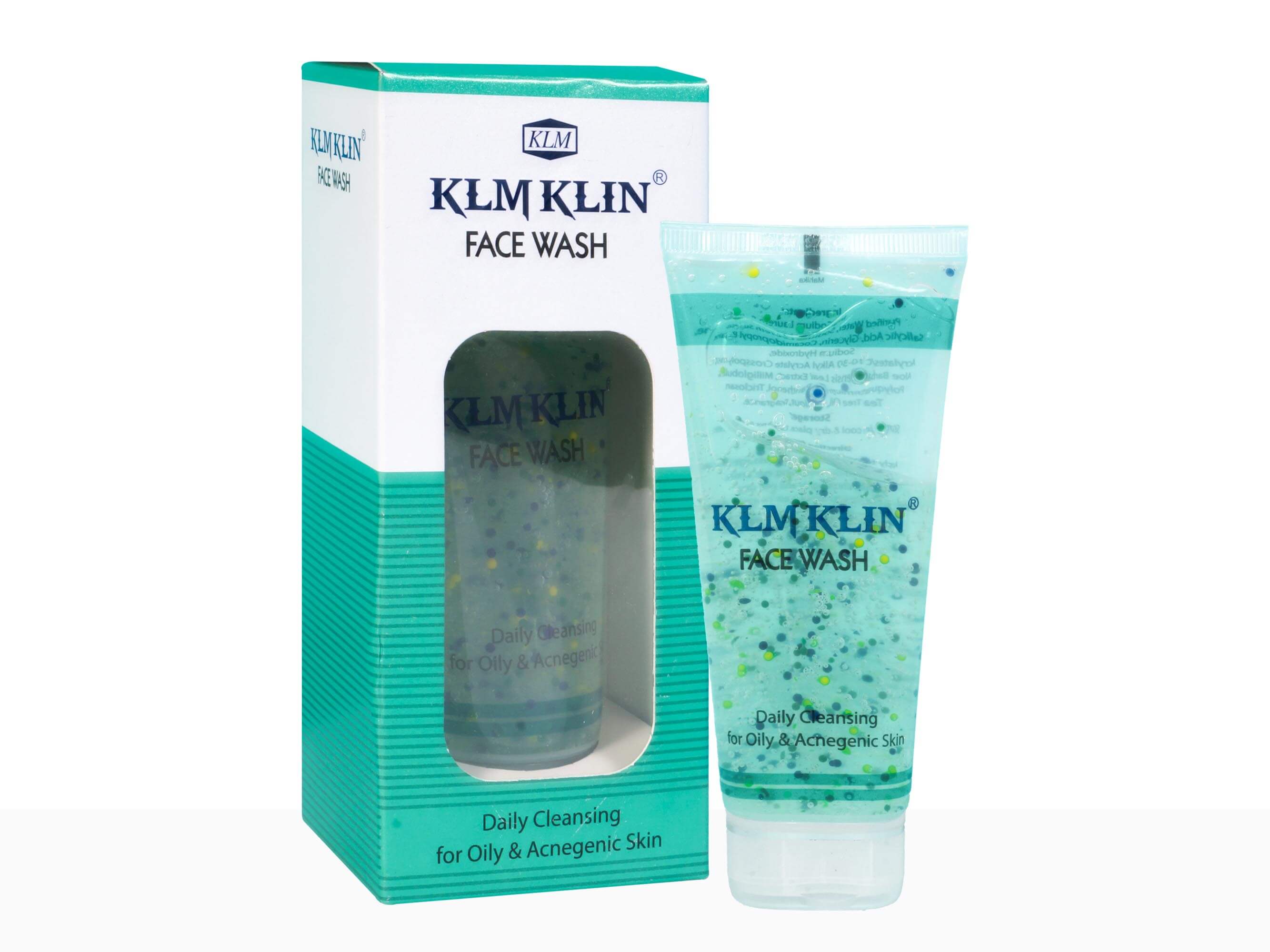
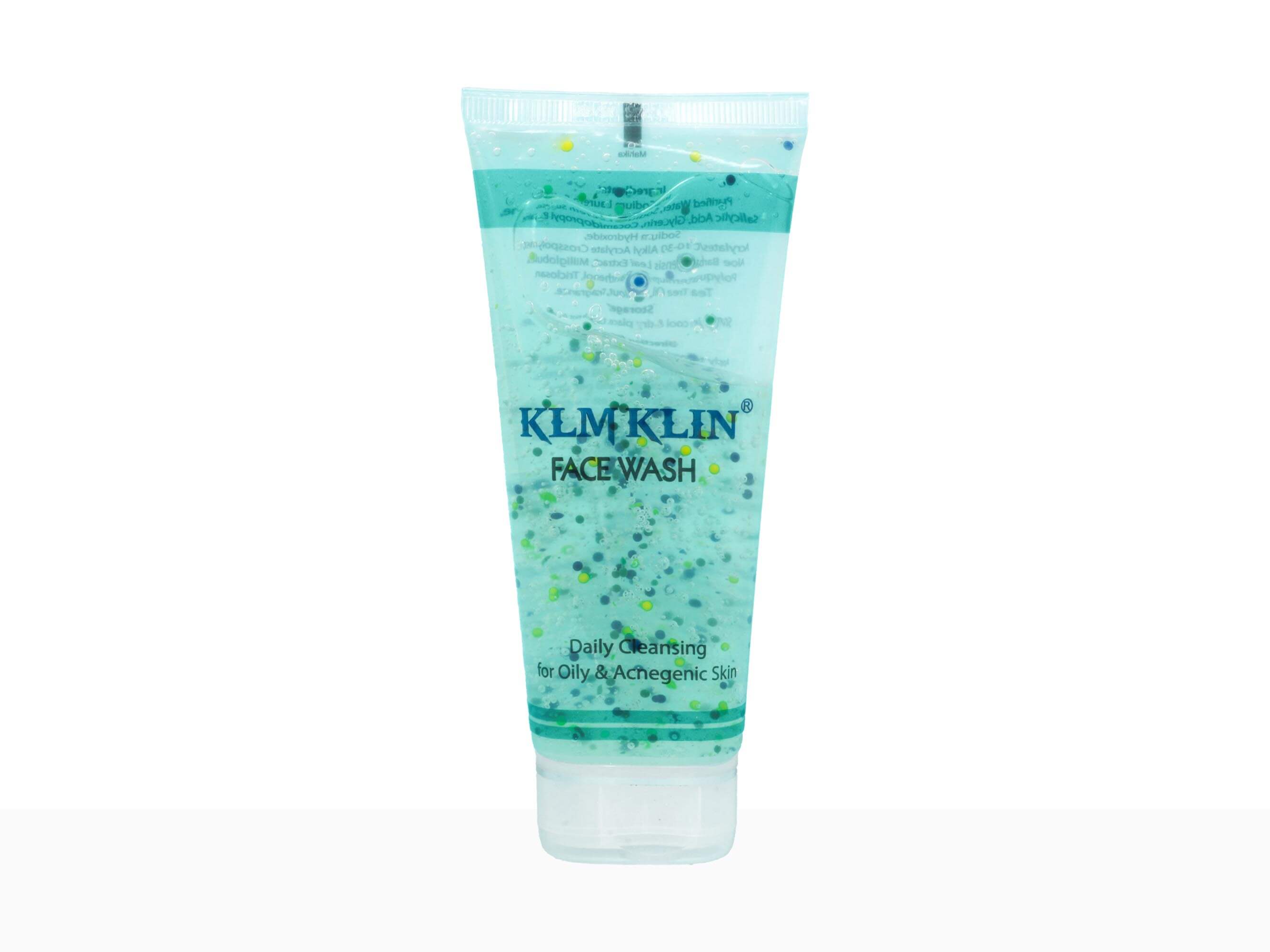
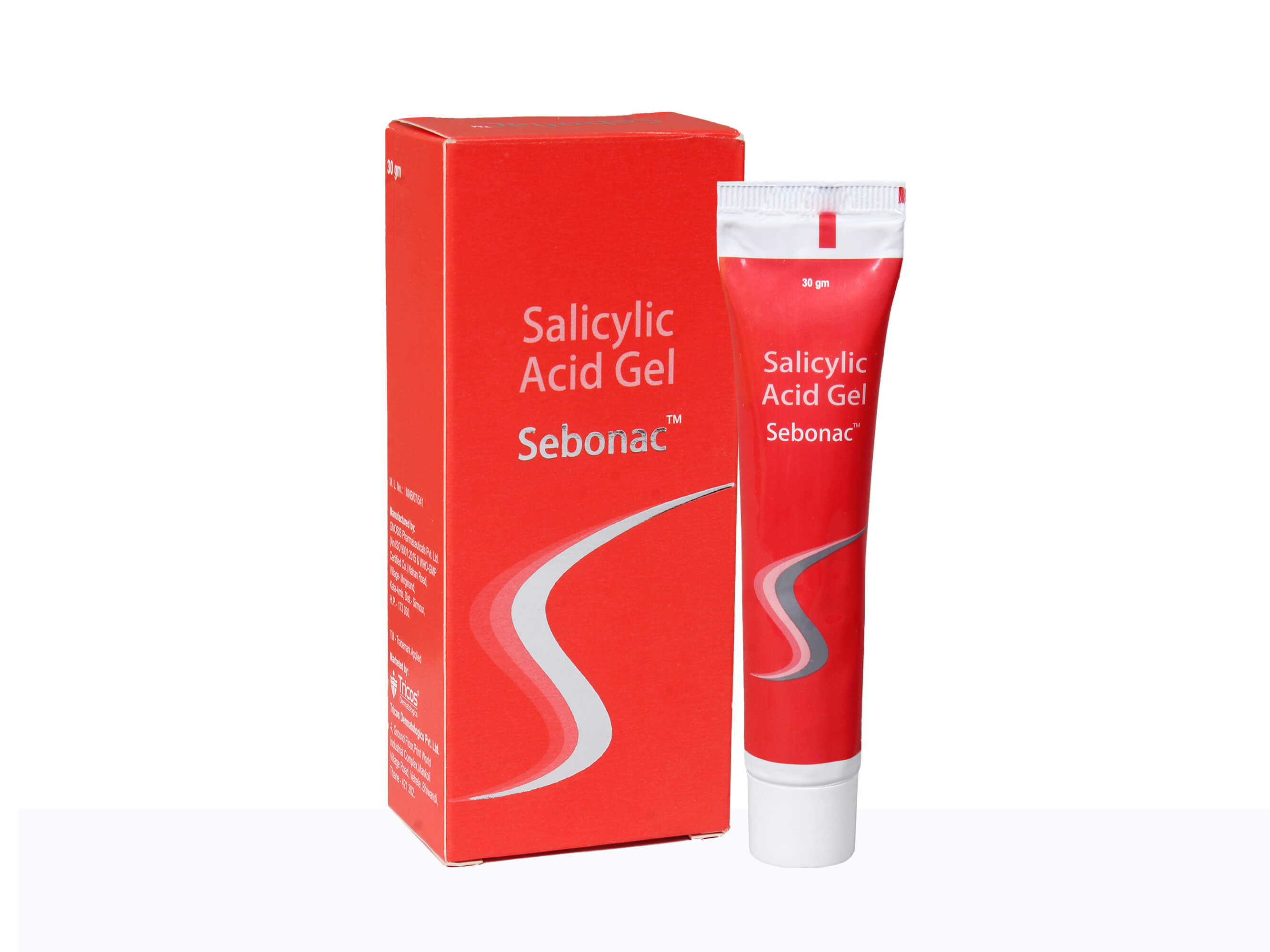
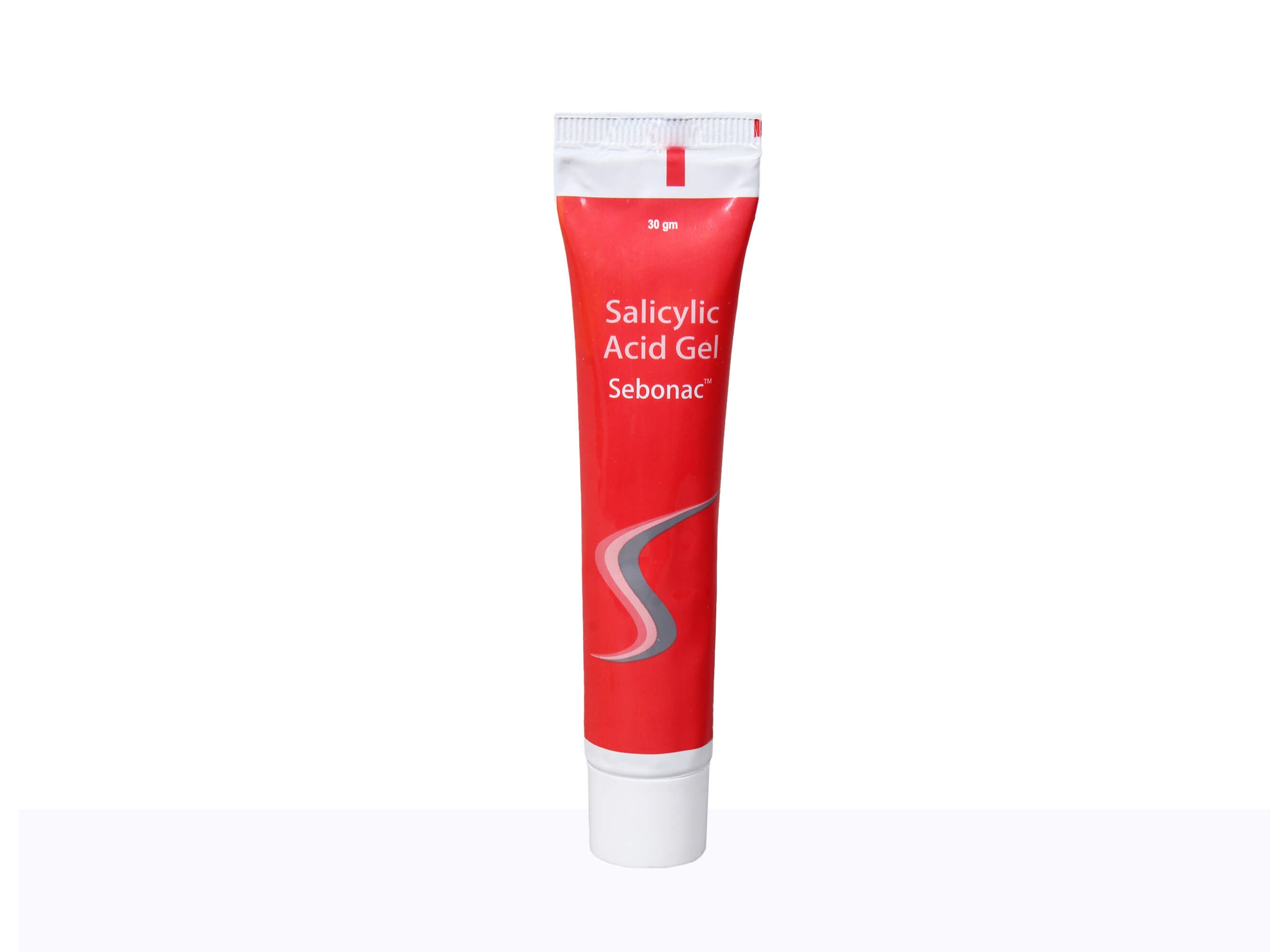
Salicylic Acid |
Deep pore cleansing |
Oily skin |
|
|
Zinc, Salicylic acid |
Oil control and gentle cleansing |
Acne-prone skin |
|
|
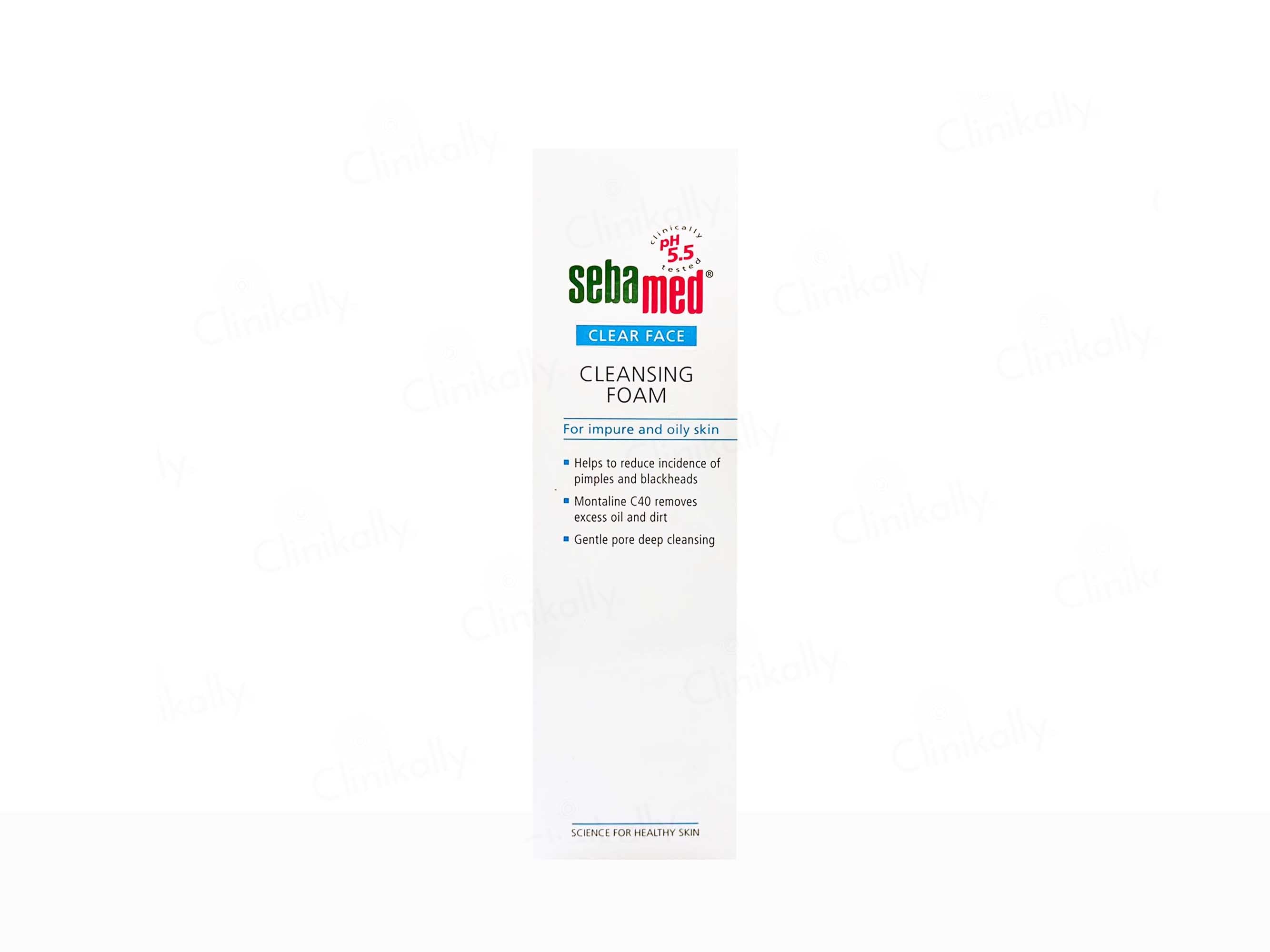
Coco Betaine, Decyl Glucoside |
Removes excess oil and dirt without drying the skin |
Oily & acne prone skin |
Repair and Skin Renewal
To get rid of acne scars and improve your skin texture, it requires specific treatment that supports skin renewal. These acne serums help increase the cell turnover and promote healthier skin over time. Here are some dermatologist-recommended products that support skin renewal and acne scar repair:
|
Product Name |
Key Ingredient |
Benefit |
Best For |
|
Vitamin C, Glycerin |
Promotes skin renewal and reduces dark spots |
All Skin types |
|
|
Vitamin C, Hyaluronic acid |
Boosts collagen production |
Acne and hyperpigmentation |
|
|
Arbutin, Glycerin |
Improves texture and tone |
Acne and fine lines |
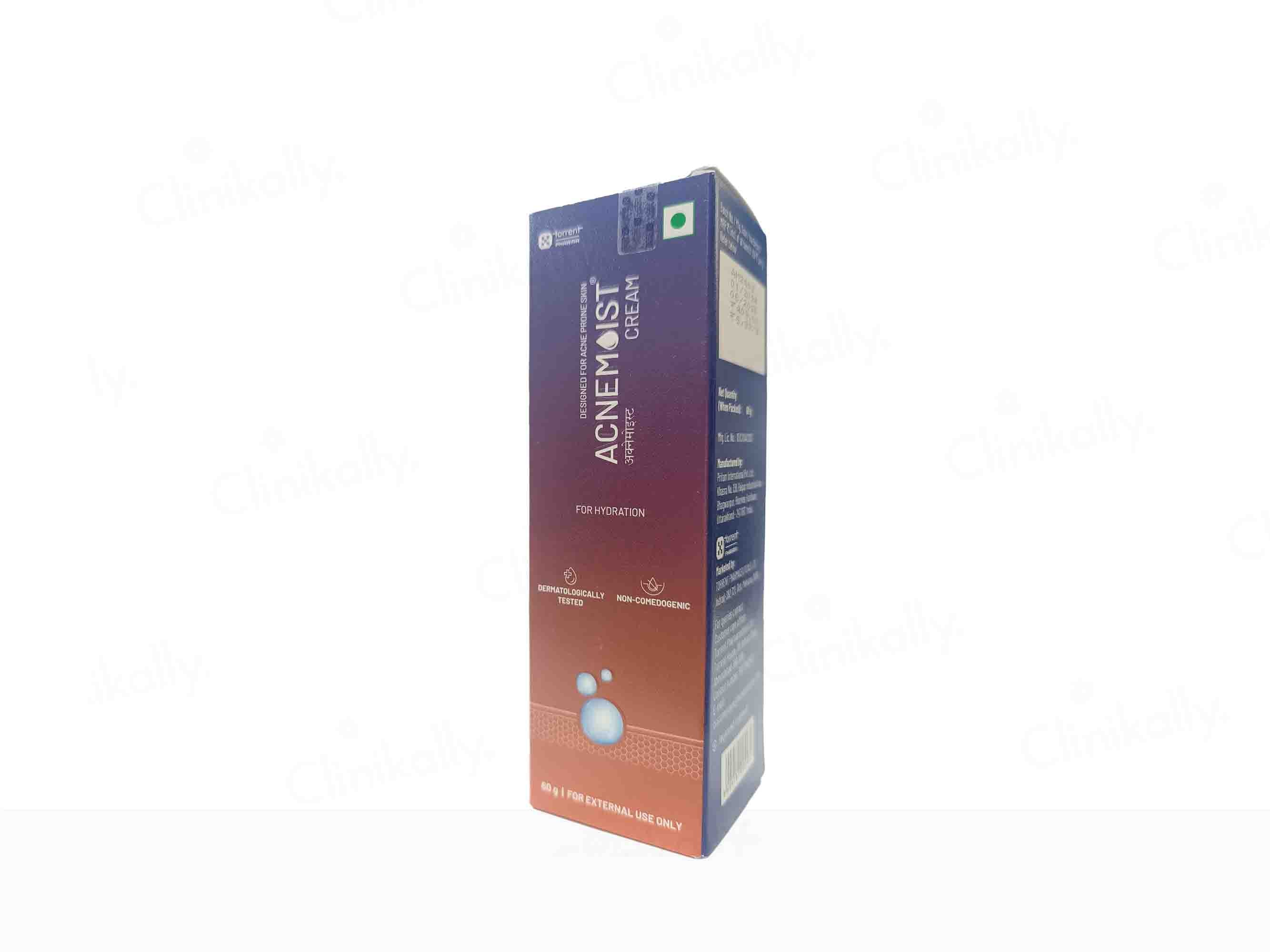
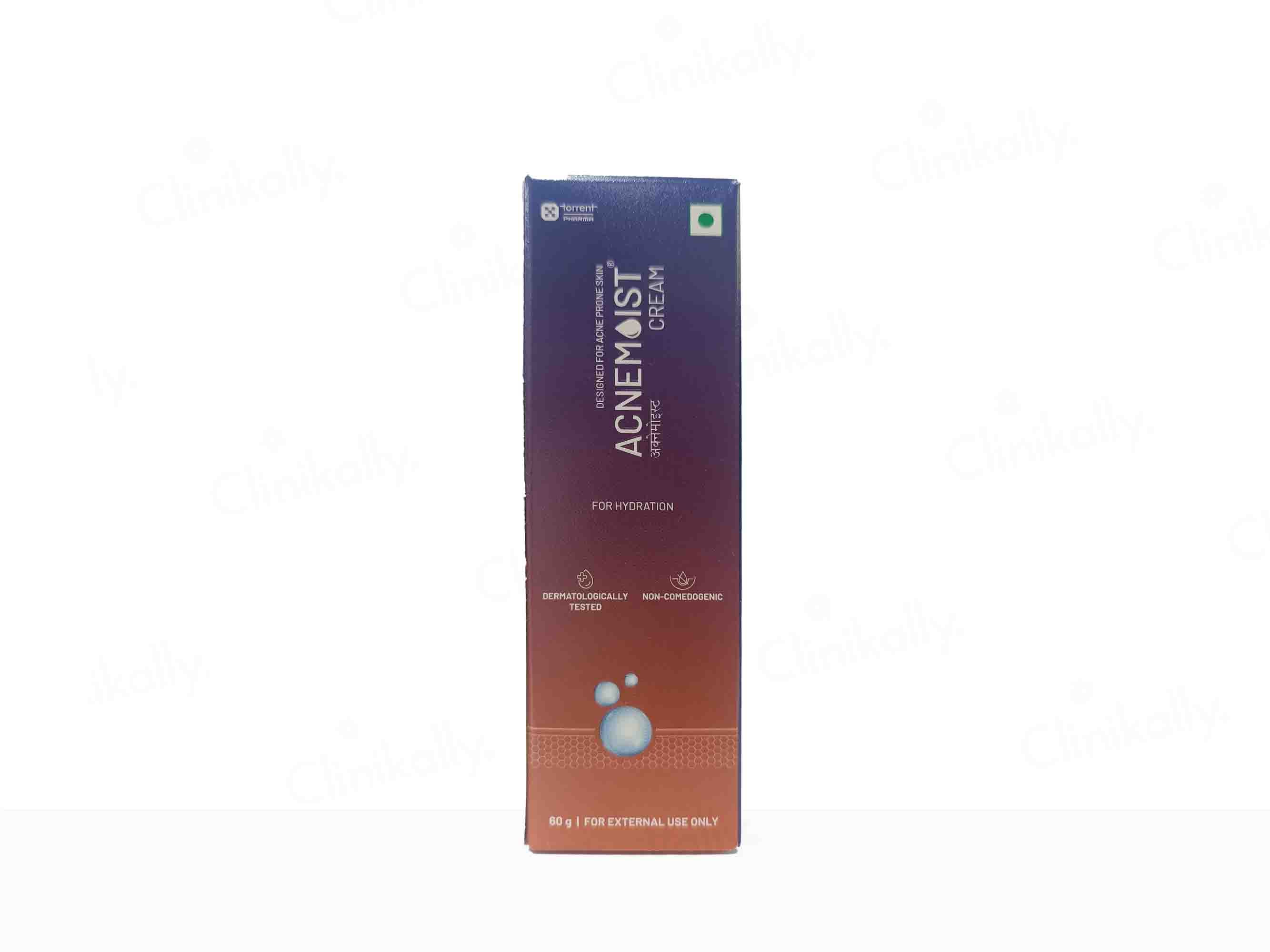
Moisturizing for Acne-Prone Skin
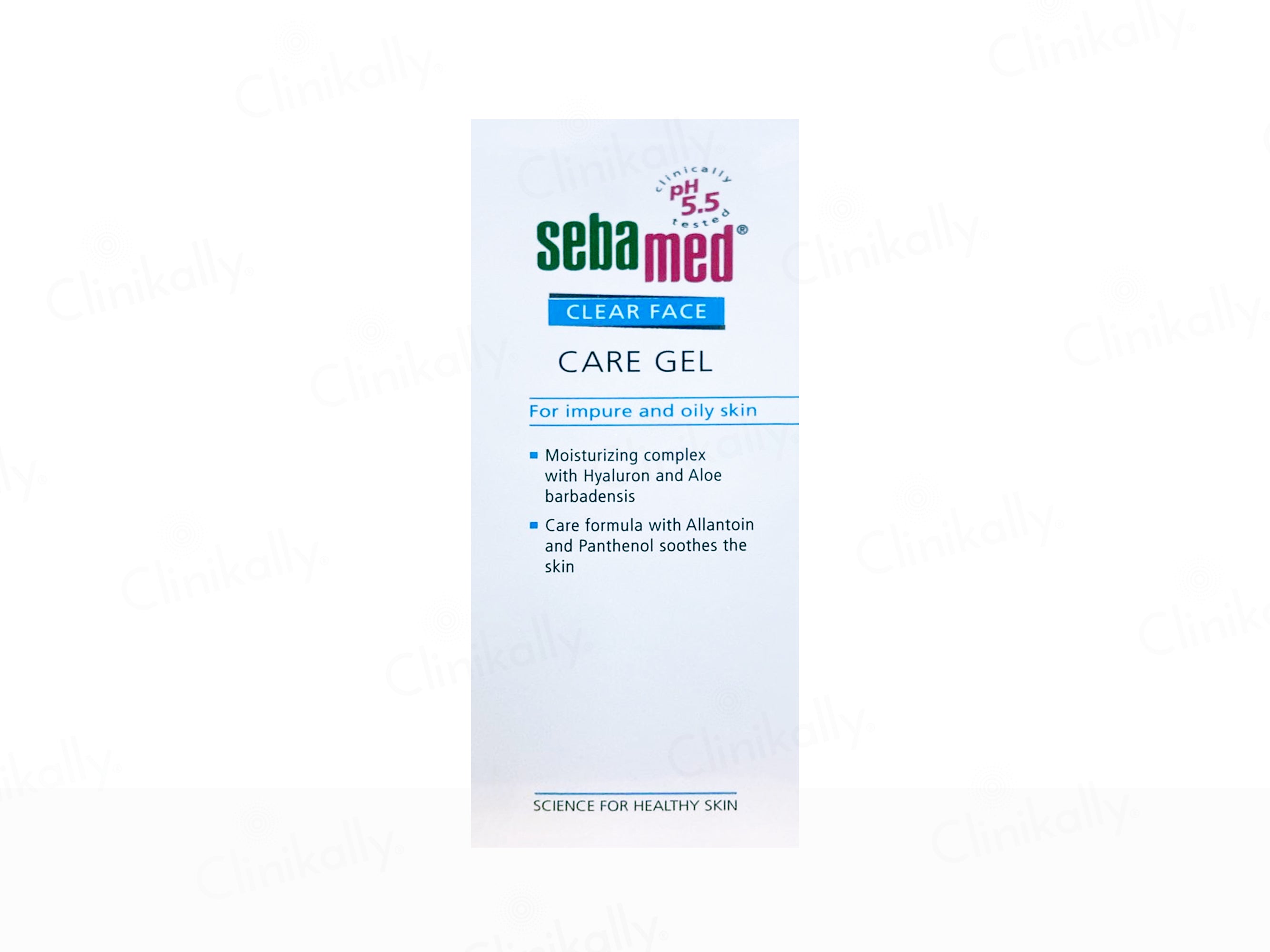
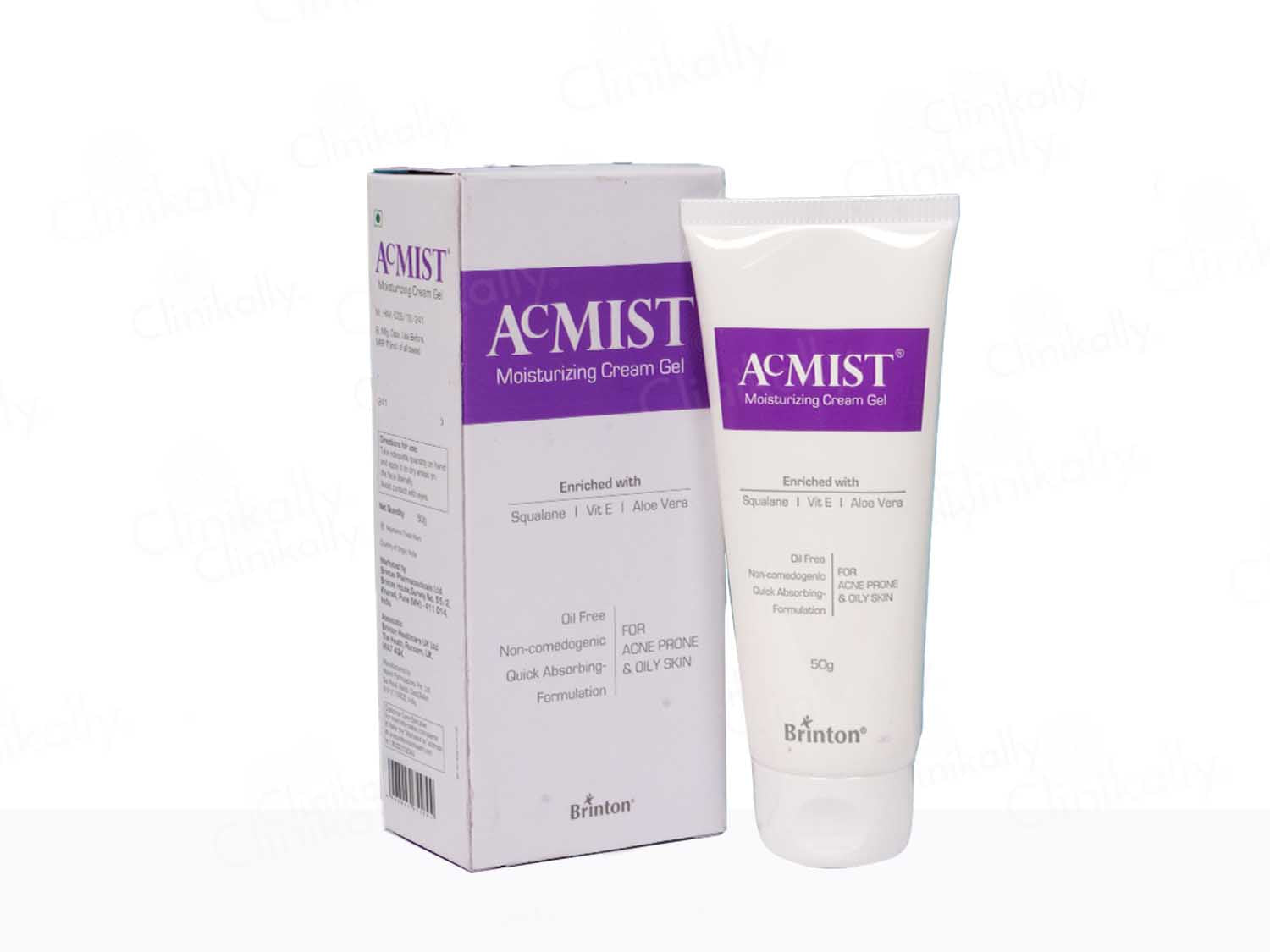
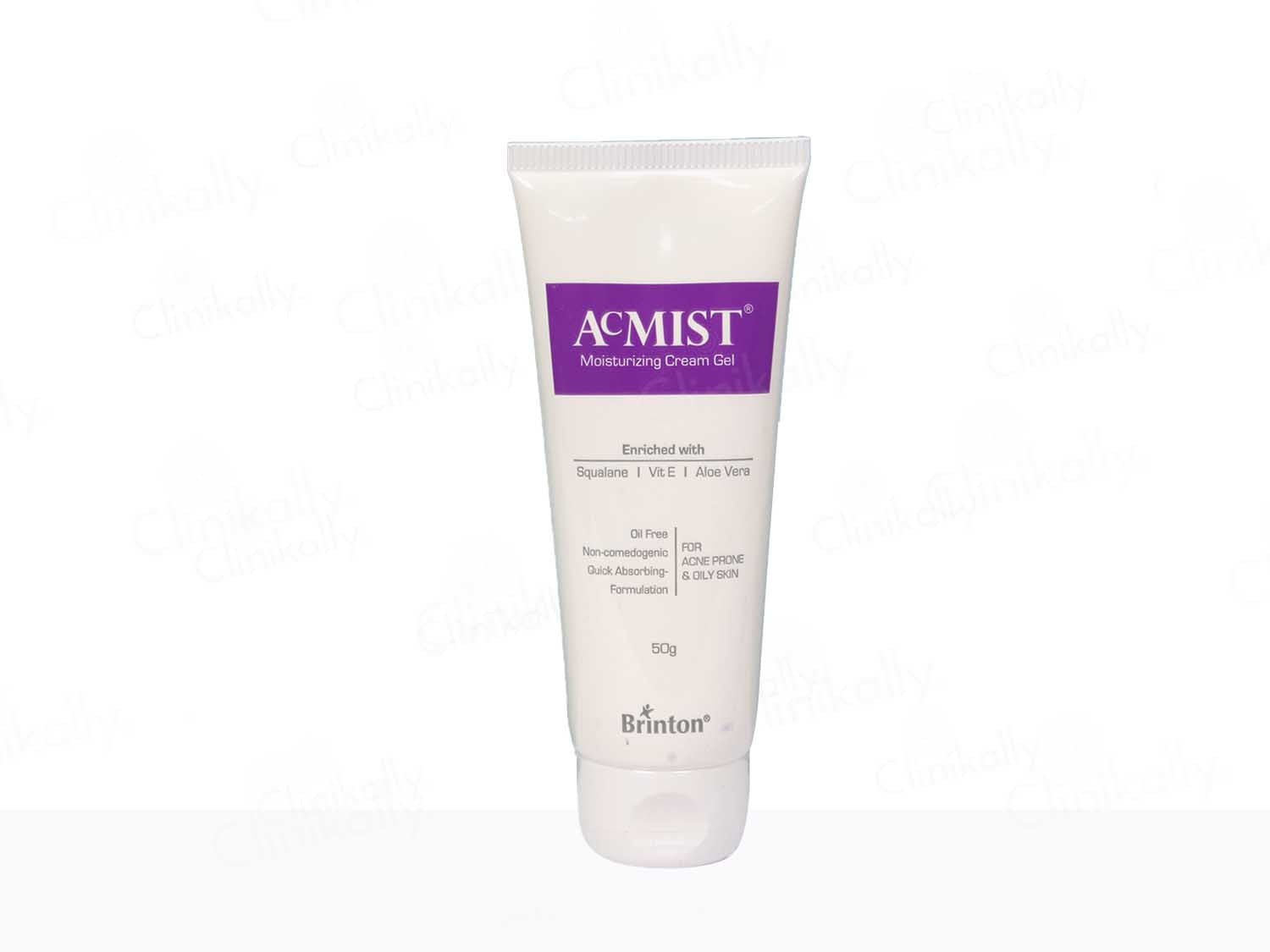
Even for oily and acne-prone skin, moisturizing is an important step in skincare routine. A lot of acne treatment products can make your skin dry or irritated, that can make your skin barrier weaker and trigger more breakouts. Using the right moisturizer helps maintain hydration, balance oil production and support faster skin recovery.
For oily and acne-prone skin, lightweight, non-comedogenic moisturizers are the best choice as they hydrate your skin without clogging pores. They also help reduce irritation caused by active ingredients such as retinoids and benzoyl peroxide, making the acne treatment more effective.
Here are some dermatologist-recommended moisturizers suitable for acne-prone skin:
|
Product Name |
Key Ingredients |
Key Feature |
Best For |
|
Glycerin, Ceramides |
Compensates treatment dryness |
Irritated, acne-treated skin |
|
|
Panthenol, Sorbitol |
Lightweight hydration |
Acne-prone skin |
|
|
Triaulin, Silica |
Non-greasy hydration |
Oily acne-prone skin |
Supporting Acne-Prone Skin
Treating acne and acne scars is not just using the right topical products. By taking overall care of your skin by simple habits and additional solutions can help improve results and prevent future breakouts.
Body acne or bacne can affect areas such as back, chest and shoulders. Targeted body sprays with ingredients such as salicylic acid can help control oil and prevent breakouts.
Here are some products that can help manage body acne and support overall skin care:
|
Product Name |
Ingredients |
Key Benefit |
Best For |
|
Salicylic acid, Azelaic acid |
Targets body acne |
Back and chest acne |
|
|
Salicylic acid |
Salicylic acid-based exfoliation |
Oily, acne-prone body skin |
|
|
Clindamycin, Benzoyl Peroxide |
Reduces active breakouts |
Body acne treatment |
|
|
Hydrocolloid |
Absorbs pus and protects acne |
Active pimples |
|
|
Zinc, Beta Carotene |
Reduce acne and prevent future breakouts |
Acne-prone individuals |
How to Choose the Right Acne Treatment Products
Choosing the right products depends on your skin type and the severity of your acne.
If you have oily skin, look for oil-free and lightweight products that help control sebum. For sensitive skin, choose gentle formulations that do not cause irritation.
Active acne requires ingredients like benzoyl peroxide or salicylic acid. For acne marks, ingredients like azelaic acid and glycolic acid are more effective. Retinoids are helpful for both acne and scars but should be used carefully.
It is always better to introduce new products slowly and monitor how your skin reacts.
Skincare Routine for Acne-Prone Skin
A simple and consistent routine is often the most effective way to manage acne:
- Cleanse: Wash your face twice daily with a gentle cleanser or face wash specifically formulated for acne-prone skin.
- Treat: Use targeted acne serums or prescribed gels after washing your face.
- Moisturize: Use a lightweight, water-based moisturizer to protect your skin barrier.
- Protect: Always wear a sunscreen with SPF 50 or above during daytime.
Why Choose Clinikally for Acne and Acne Scar Treatment
Managing acne and acne scars requires the right ingredients, expert guidance, and consistency. Clinikally brings all of this together in one place, making your skincare journey simpler and more effective. Here’s why you should choose Clinikally:
- Dermatologist-Backed Selection: Every product is selected with expert input to ensure it is safe, effective and suitable for acne-prone skin.
- Targeted Solutions for Every Concern: Whether you have active acne, body acne or acne scars, you can find products designed for specific skin needs.
- Personalized Expert Guidance: Consult our expert dermatologist anytime and build a skincare routine that works for your skin.
- 100% Authentic and Trusted Brands: All products are sourced directly from verified brands to maintain quality and effectiveness.
- Complete Skincare in One Place: From cleansers and treatments to moisturizers and sunscreens, everything you need is available in one place.
- Reliable & Easy Delivery: Easy ordering and timely delivery help you stay consistent with your acne treatment routine.