


Dermatologist Recommended Guide to Repair Damaged & Frizzy Hair
Healthy Haircare requires a special attention to the cuticle. When the cuticle (outermost layer of the hair) is raised or damaged due to heat styling, chemical treatments, or environmental stress, moisture escapes and friction increases. And, this can lead to brittle and frizzy hair. And, this damage isn’t just limited to surface level, it disturbs the complete hair structure. The situation deteriorates more when the disulfide bonds and keratin proteins within the hair shafts get compromised.
The recovery roadmap isn’t difficult, but requires special attention. To restore your hair’s natural shine and bounce, you need more than just a regular wash, and thus, we’ve curated this dermatologist guide to help you to find the correct hair care product that repairs the hair from the inside out. But, to find the effective solution, we need to understand the problem adequately.
What causes Damaged & Frizzy Hair?
There are more than one factors that lead to damaged and frizzy hair. It isn’t about bad hair day or wrong hair care practice. It requires a thorough examination of the biophysical structure of the hair shaft. Hair is an integrated system consisting of a medulla (core), a cortex (strength), and a cuticle (protection). When any of the functions of this system gets disturbed, the system fails and leads to frizz and damage. Let’s have a look at a few factors that are most prominent cause of this underlying hair condition:
Hydrophobic Barrier Disruption
The primary defense against frizz is a microscopic layer of fatty acids known as 18-methyl eicosanoic acid (18-MEA). This lipid layer is chemically bonded to the cuticle and makes the hair hydrophobic (water-repelling).
According to research published in the International Journal of Trichology, chemical treatments like bleaching and high-alkaline shampoos strip this layer. And, once this fatty acid layer is lost, the hair becomes hydrophilic (water-attracted). It begins to soak up atmospheric humidity, causing the hair shaft to swell unevenly. This disturbs the texture of the hair and makes them frizzy.
Cuticle Weathering & Raised Scales
The cuticle consists of 6 to 10 overlapping layers of scales. In healthy hair, these scales lie flat, protecting the internal cortex. But mechanical stress like frequent brushing and towel ruffling create friction that chips away at these scales.
A study published in Journal of Cosmetic Science highlights that when the cuticle is lifted or weathered, the internal cortex is exposed. This increases the Inter-fiber friction and allows the moisture to escape, leading to brittleness. When fibers can’t slide past each other smoothly, they tangle leading to a frizzy appearance.
Thermal Degradation of Keratin
Hair is approximately 65-95% made up of Keratin. This fibrous structural protein is held together by disulfide bonds. Excessive heat from styling tools (above 180°C) causes a physical change in these proteins.
A study published in the Journal of Investigative Dermatology states that Bubble Hair, an underlying condition where water trapped inside the hair cortex turns to steam during rapid heating. This steam expands, creating gas bubbles within the hair shaft that thin the walls and cause the hair to snap. Additionally, heat also denatures the alpha-helix keratin chains, turning them into beta-pleated sheets that are more prone to breakage and loss of elasticity.
Hygroscopic Expansion and Porosity
Frizz is often a result of High Porosity. When the hair is damaged, the holes in the cuticle allow water to enter the cortex too easily. A research published in Clinical, Cosmetic and Investigational Dermatology states that when hair absorbs water, the diameter of the fiber increases by up to 15-20%.
However, the damage is usually non-uniform, the hair shaft swells evenly, leading to bends in the fiber as it dries, preventing the hair from laying parallel. This condition where the hair loses its alignment is known as Frizz.
Electrostatic Charge
On a molecular level, damaged hair tends to carry a negative electrical charge. When the protective lipid layer is stripped, the negative charges (anionic) of the keratin proteins are exposed.
Since like-charges repel each other, individual hair fibers push away from one another. This electrostatic repulsion prevents the hair from clumping together in smooth groups, leading to flyaways and a halo of frizz.
The 3-Step Restoration Strategy
The best approach suggested by dermatologists is very simple and needs to focus on three main functions: Repair, Hydrate, and Seal. This tiered strategy goes beyond temporary silicone coating and focuses on:
Structural Repair
This step focuses on Bond building. Ingredients such as Hydrolyzed Keratin, Ceramides, and Amino Acids act as biological cement, filling in the gaps in the hair shaft and repairing broken protein chains to restore tensile strength and prevent breakage.
Moisture Infusion
Frizzy hair is essentially thirsty hair reaching out to the humidity in the air. Thus, this step focuses on Internal Hydration. By using humectants like Panthenol (Vitamin B5) and Hyaluronic Acid, we lock moisture into the cortex, so the hair stays heavy and smooth regardless of the weather.
Cuticle Sealing
This final step focuses on the sealing part. Protective agents like Argan Oil, Squalene, and Vitamin E create a microscopic lipid barrier that smooths the cuticle down. This step also prevents Transepidermal Moisture Loss (TEWL) from the hair and creates that signature glass-hair finish.
Best Products to Repair Damaged & Frizzy Hair
Now we know what we’ve to do to repair damaged & frizzy hair. Just by adding accurate products, we can achieve the desired results. But, choosing the right product requires understanding how ingredients interact with the hair shaft. Thus, we’ve curated this selection of top dermatologist-recommended products for damaged & frizzy hair, designed to repair broken bonds and seal the hair cuticle.
1. Shampoos
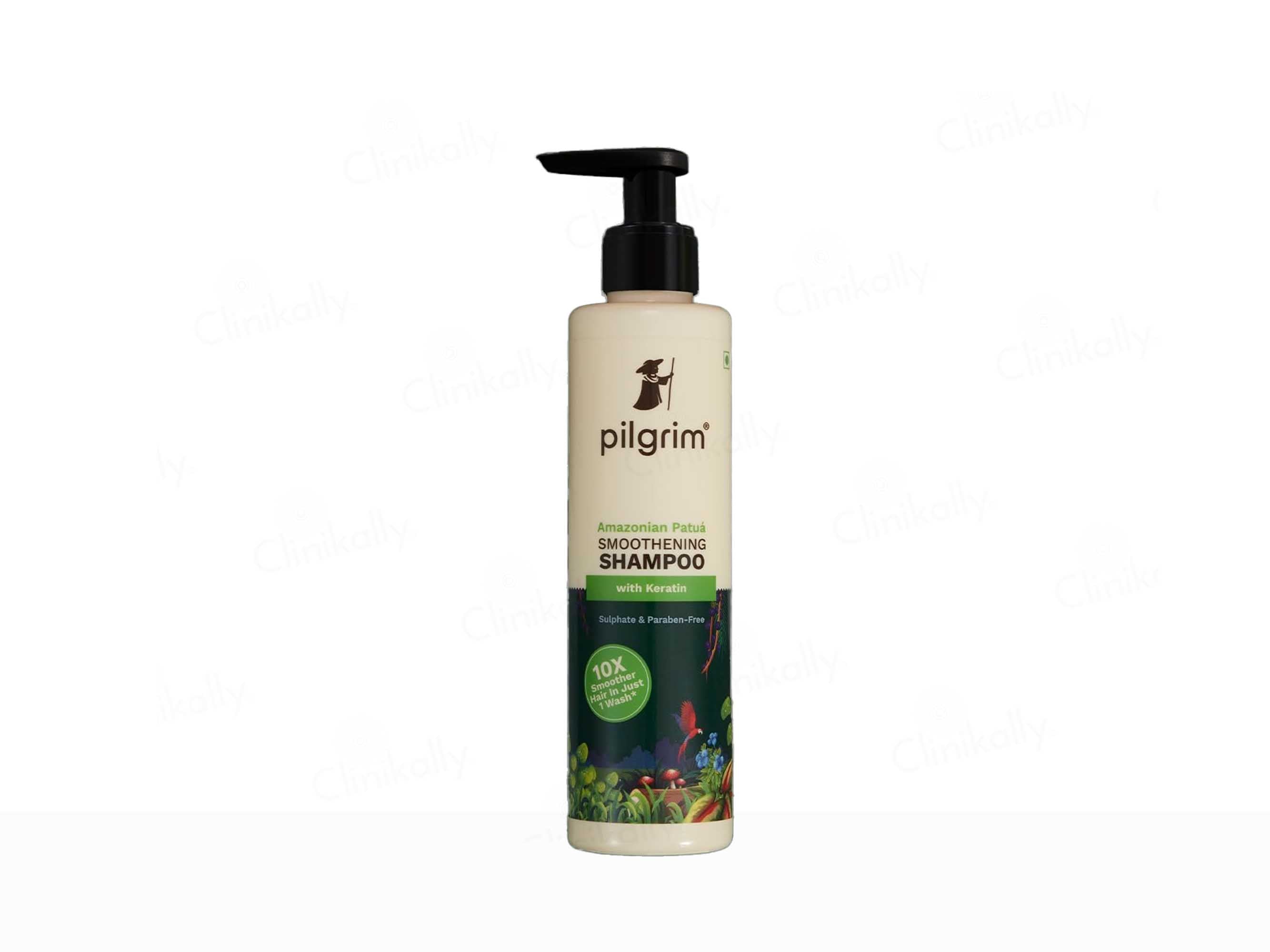
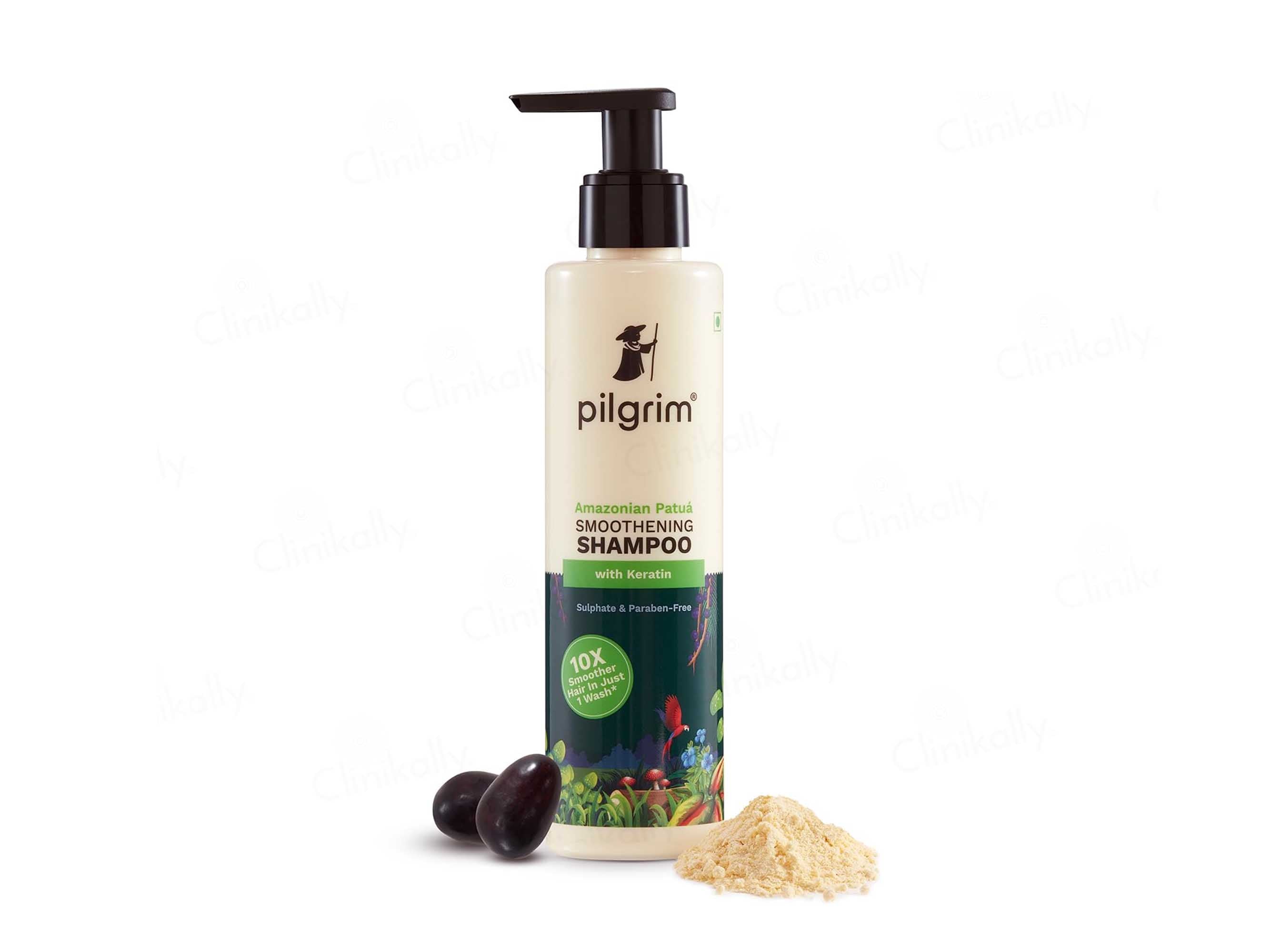
The goal of a repair shampoo is to cleanse without stripping the 18-MEA lipid layer and to infuse the cortex with initial strengthening proteins.
|
Product Name |
Key Ingredients |
Benefits |
|
Pentavitin & Intensive Conditioners |
It acts as a moisture magnet that combat weathering caused by heat and pollution. |
|
|
Hydrolyzed Keratin & Argan Oil |
This shampoo rebuilds the hair's natural protective layer while reducing inter-fiber friction (frizz). |
|
|
Caffeine & Vitamin E (Argan-derived) |
It forms a protective fatty layer that prevents dryness and boosts shine in brittle hair. |
|
|
Zinc Pyrithione & D-Panthenol |
It soothes inflamed scalp while Pro-Vitamin B5 restores internal hair hydration. |
|
|
DSactiv™ Patented Complex |
This shampoo prevents scalp-related frizz by balancing sebum and reducing fungal flaking. |
2. Serums
Serums provide a concentrated dose of active ingredients that stay on the hair. These formulations focus on Bond Repair and Scalp protection to prevent UV-induced protein degradation.
|
Product Name |
Key Ingredients |
Benefits |
|
Maleic Acid & Ceramides |
It reconnects broken disulfide bonds inside the hair shaft to fix structural damage. |
|
|
Keratin, Ceramides & UV Filters |
It shields hair from solar radiation (Photolysis) which causes color fading and frizz. |
|
|
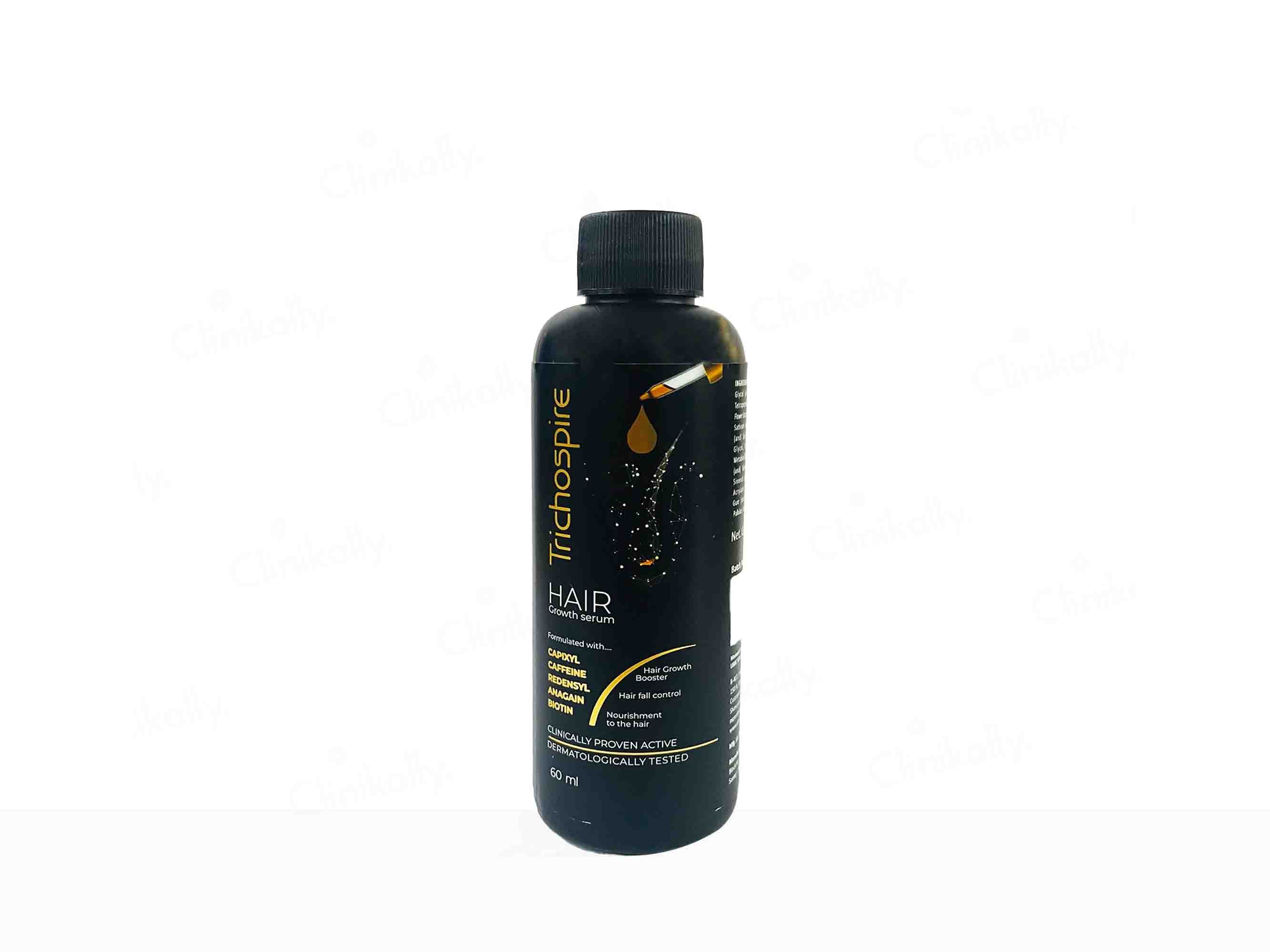
Capixyl (Peptides) & Aloe Vera |
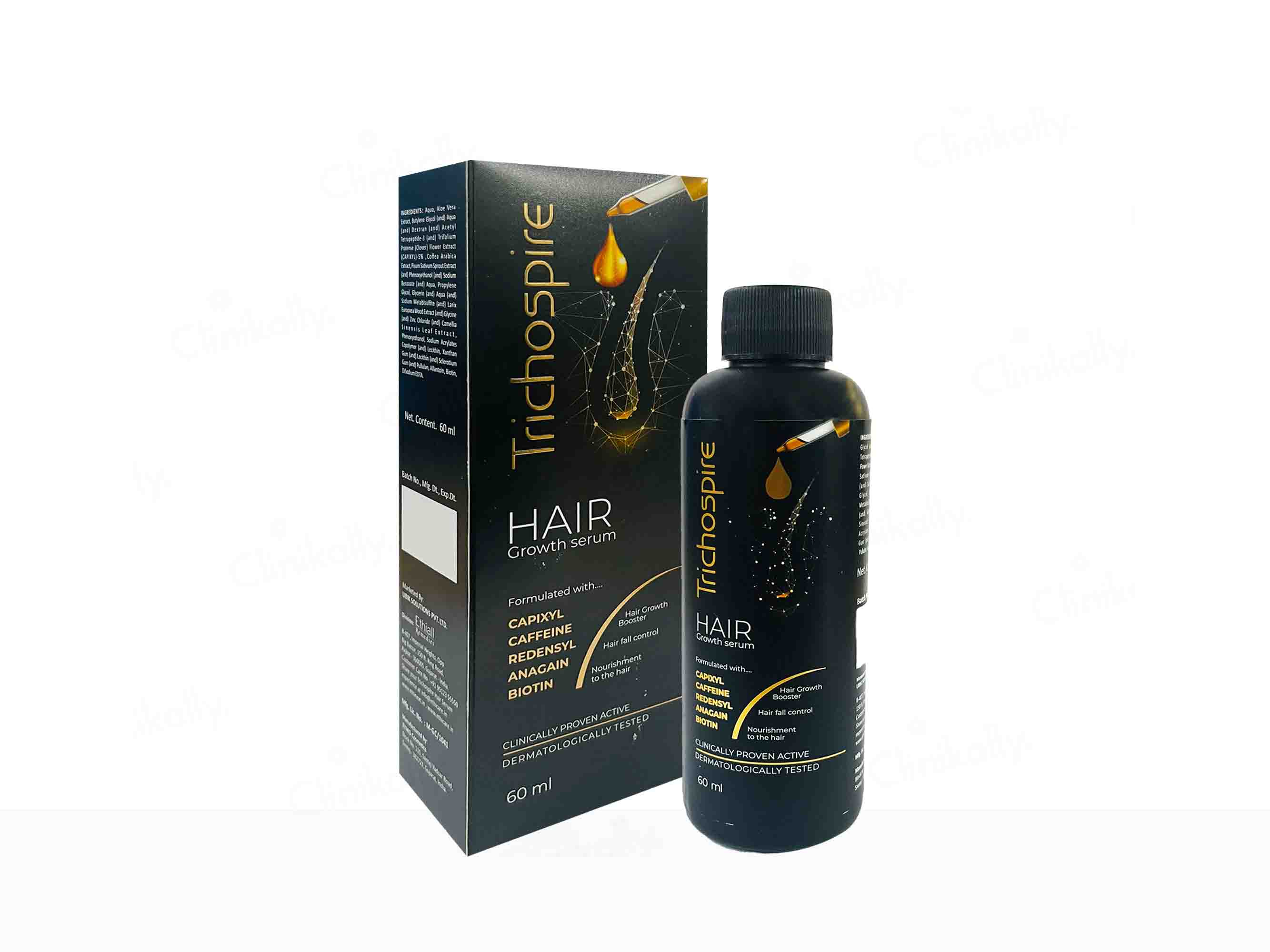
This serum contains biomimetic peptides that rejuvenate the follicle while Aloe calms a frizzy, dry scalp. |
|
|
Anti-Glycation Actives |
It strengthens the hair's antioxidant defense to prevent premature thinning and texture loss. |
|
|
High-Grade Silicones & Vitamin E |
It provides an instant cuticle seal, reflecting light for a high-shine, frizz-free finish. |
3. Conditioners & Masks
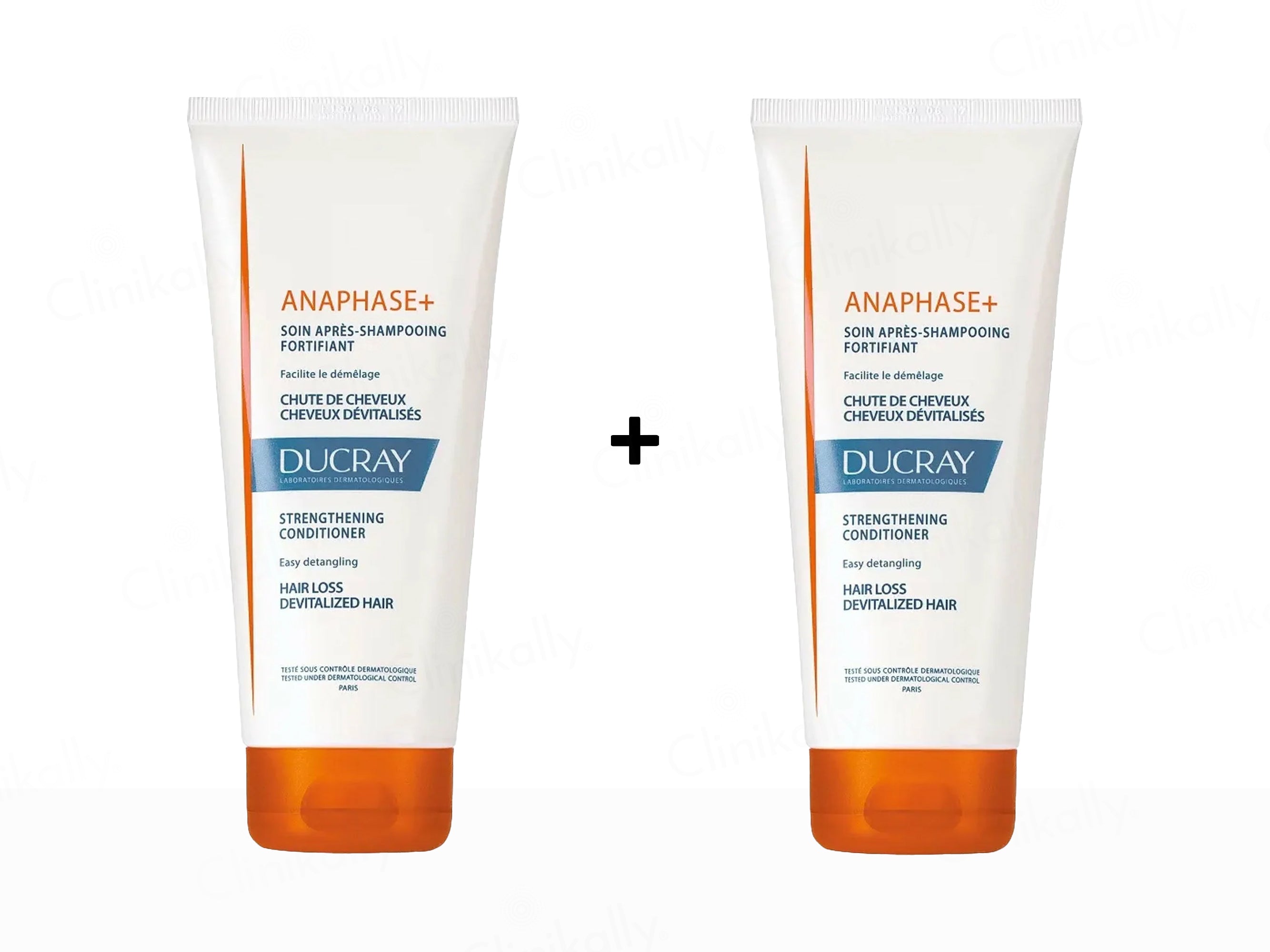
They’re highly essential for closing the raised scales of the cuticle. By adjusting the hair’s pH and replenishing lost lipids, these products ensure long-term smoothness.
|
Product Name |
Key Ingredients |
Benefits |
|
Bis-Aminopropyl Diglycol Dimaleate |
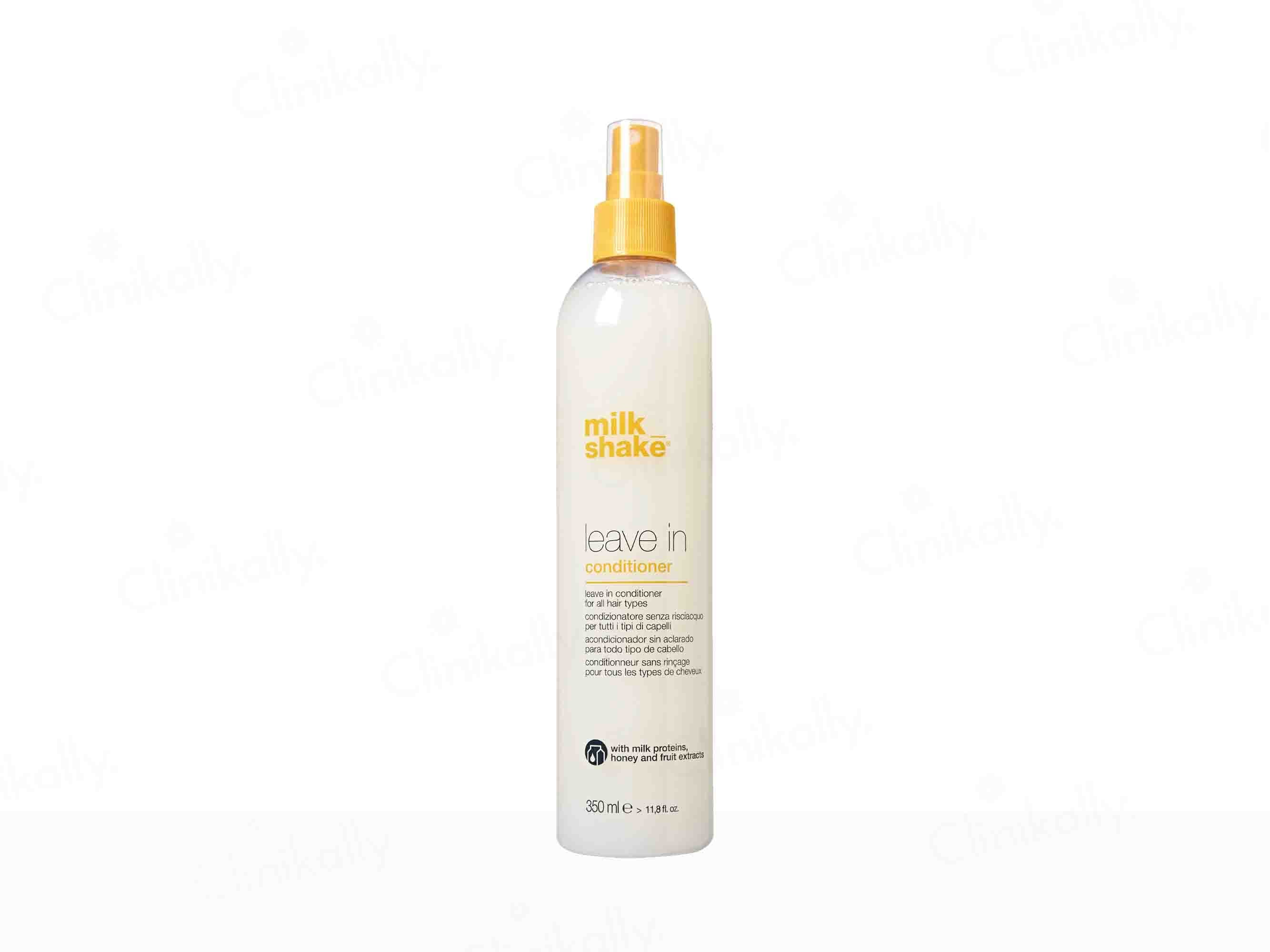
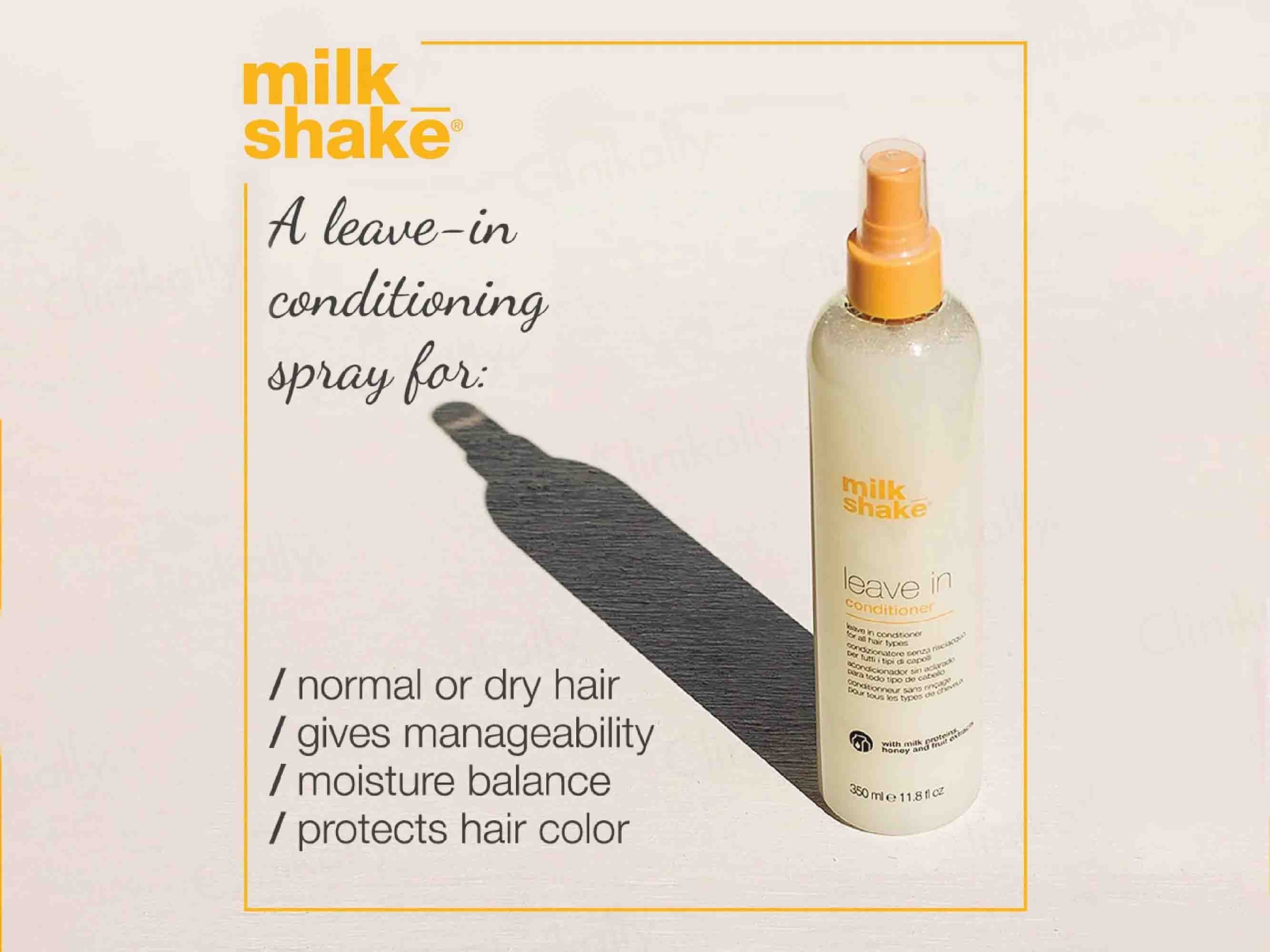
Dermatologists recommend this leave-in treatment to eliminate flyaways for up to 72 hours by repairing bonds. |
|
|
Murumuru Butter & Pea Protein |
This conditioner uses plant-based proteins to fill in holes in the cuticle without weighing hair down. |
|
|
Seaweed Extract & Caffeine |
This Hair mask replenishes lost keratin and deeply hydrates the cortex to restore elasticity. |
|
|
pH Balancing Actives |
This conditioner lowers the hair's pH to flatten the cuticle, making hair instantly easier to detangle. |
|
|
Botanical Lipids & L-Amino Acids |
It delivers intensive internal nourishment for chemically treated or mushy damaged hair. |
Why Choose Clinikally for Damaged & Frizzy Hair?
When your hair gets damaged, it becomes leaky and starts losing moisture. Here at Clinikally, we don’t look for solutions that provide surface-level smoothing; we offer complete biological restoration. We’re a science first organization with better clinical products and industry knowledge. Our damaged and frizzy hair solutions are formulated with evidence-based ingredients such as Maleic Acid, Ceramides, and Peptides; known to improve the tensile strength of hair.
-
Top-Notch Products: Our team consists of dermatologists, who work dexterously to sort this range of products that offer clinical results.
-
Authentic Brands: All the listed products on our platform are 100% authentic, and sourced directly from brands.
-
Medical-Grade Purity: Our products are stored in temperature-controlled environments to ensure the delicate proteins and vitamins in your hair treatments stay potent.
-
Dermatologist Consultation: Alongside top products we offer online dermatologist consultation for just a nominal fee. You can consult a hair expert and get your routine prepared, according to your conditions.