Few Left

View Similar
4.8 (18)
Rx - Prescription Required
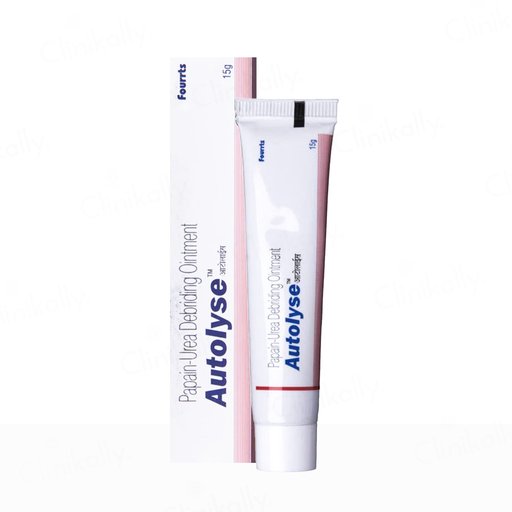
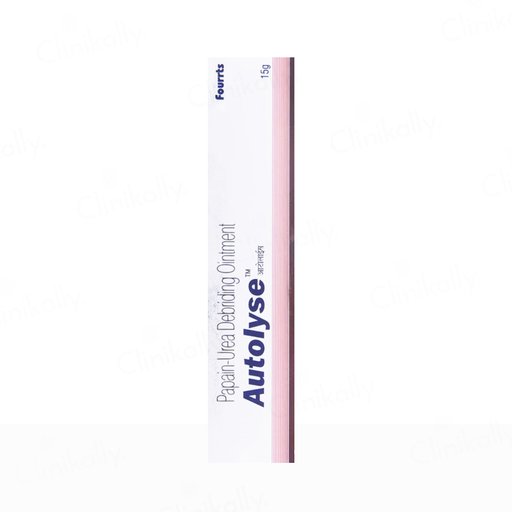
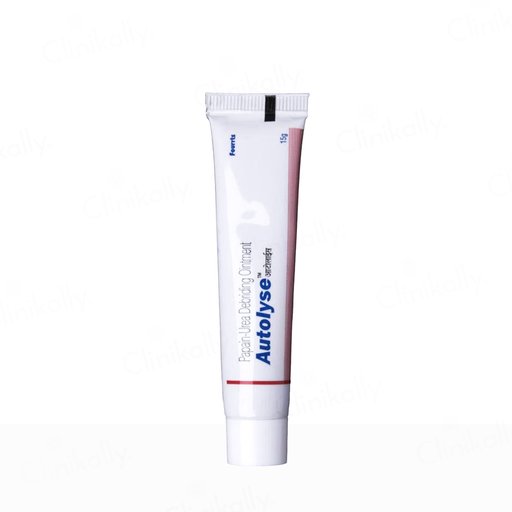
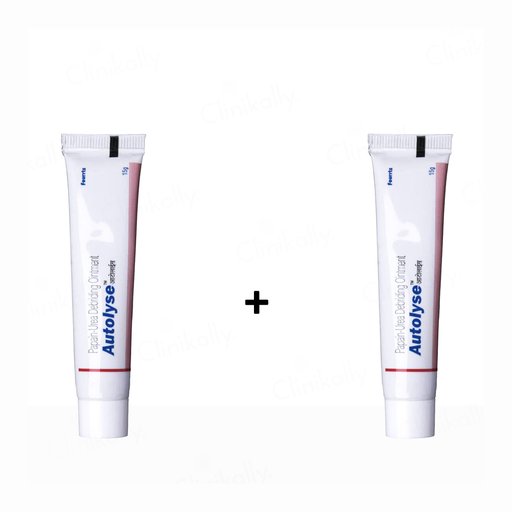
Autolyse Papain-Urea Debriding Ointment
₹219
QTY : 1
155+ units sold recently
100% Authentic Products
Cash on Delivery Available
Exchange & Returns
Delivery & Return Policies
About the Product
Product Description
Autolyse Ointment is a debriding agent containing Papain and Urea. It is used for enzymatic debridement of wounds, ulcers, and burns by removing necrotic tissue and promoting faster healing. Papain breaks down proteins in dead tissue while Urea softens and moisturizes, aiding wound bed preparation for recovery.
Storage Condition
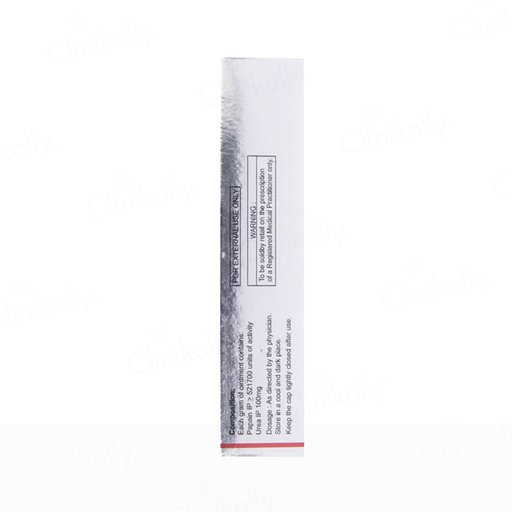
Store in a cool and dry place away from sunlight.
Name of Marketer
Fourrts India Laboratories Pvt. Ltd.
Address of Marketer
Plot No. 1, Fourth Avenue, Annai Indra Nagar, Okkiyam Thoraipakkam, Chennai - 600097
Composition
- Papain ≥521700 units/g
- Urea 10% w/w
Uses
- Enzymatic debridement of necrotic tissue in chronic wounds
- Treatment of pressure ulcers and venous stasis ulcers
- Debridement of diabetic foot ulcers and infected wounds
- Removal of devitalized tissue from burns and post-surgical wounds
- Wound bed preparation to promote granulation and healing
- Management of traumatic wounds with necrotic debris
How to Use?
- Clean the wound area before use
- Apply a thin layer of Autolyse Ointment to cover the wound
- Cover with sterile dressing if advised
- Reapply once or twice daily as directed
Dosage
Clean wound thoroughly, apply a thick layer of ointment directly to the wound bed once or twice daily, cover with an appropriate dressing; continue until necrotic tissue is fully debrided
Safety Advice
- For external use only; keep away from eyes and mucous membranes
- Inactivated by heavy metals — avoid concurrent use of silver-containing dressings
- Store below 25°C and protect from direct sunlight
- Perform patch test in patients with known latex or papaya allergy before use
- Wound should be assessed by a healthcare professional at each dressing change
Precautions
- Contraindicated in patients with known hypersensitivity to papain or latex
- Do not use in patients receiving concurrent anticoagulant therapy without monitoring
- Avoid contact with eyes and mucous membranes
- Protect perilesional healthy skin with zinc oxide paste or barrier film
- Do not use with hydrogen peroxide or heavy metal-containing products as they inactivate papain
- Use with caution in patients with bleeding disorders
- Discontinue if signs of systemic allergic reaction occur
Side Effects
- Transient burning or stinging at application site
- Local irritation and erythema
- Hypersensitivity reactions in sensitive individuals
- Mild pain or discomfort during dressing changes
- Perilesional skin maceration with prolonged use
Additional Information
Country of origin
India
Manufacturer
Fourrts Avenue, Annai Indira Nagar, Okkiyam Thoraipakkam, Chennai, Tamil Nadu - 600096, India.
Maximise your routine with

Rate this product
Frequently Asked Questions
What is Autolyse Ointment used for?
How does Autolyse Ointment work?
Can Autolyse be applied on all wounds?
Is dressing required after applying Autolyse?
Can Autolyse cause irritation?
Is Autolyse safe for children?
How often should Autolyse be applied?
Can Autolyse be used on infected wounds?
Customer Asked Questions
Got a Question?
Ask us anything about this product.View all Fourrts India Labora Products