




- Hair Growth Treatment
- Adenosine vs Minoxidil
- Adenosine for Hair Growth
- Minoxidil for Hair Growth
- Lifestyle tips for Hair Growth
- FAQs
When comparing adenosine vs minoxidil, it is important to understand how each treatment supports hair regrowth. Both adenosine for hair growth and minoxidil for hair growth are widely used options for people dealing with thinning hair and hair loss, but they work in different ways and may suit different needs.
Minoxidil for hair is a well-known, research-backed treatment that is often used for moderate to advanced hair loss. On the other hand, adenosine for hair is considered a gentler option that may support early-stage thinning and improve scalp health with fewer side effects.
Choosing between these two depends on factors like the stage of hair loss, scalp sensitivity, and how consistent you can be with treatment. In this blog, we will talk about how adenosine and minoxidil work, their effectiveness, side effects, key differences, and how to choose the right hair growth treatment for your needs.
Understanding Hair Growth Treatment

Hair growth treatments do not work the same way for everyone. The right option depends on the cause of hair loss, the stage of thinning, scalp sensitivity, and overall hair health.
For some people, adenosine for hair growth may work well in the early stages of thinning by supporting healthier follicles and improving scalp circulation. For others, minoxidil for hair growth may be a better choice, especially when dealing with visible hair loss or pattern baldness.
Before choosing between adenosine and minoxidil, it is important to understand how each treatment works and which one is better suited to your hair concerns.
Adenosine vs Minoxidil: Key Differences

Both adenosine and minoxidil are used to support hair growth, but they differ in how they work, how quickly they show results, and the type of hair loss they are best suited for.
Let’s have a look at this comparison that can help you understand which option may work better for your needs.
|
Feature |
Adenosine |
Minoxidil |
|
Best for |
Early hair thinning |
Moderate to advanced hair loss |
|
How it works |
Supports follicle activity and scalp health |
Improves blood flow to hair follicles |
|
Time to results |
3–6 months |
2–4 months |
|
Side effects |
Mild irritation |
Dryness, irritation, initial shedding |
|
Research support |
Emerging studies |
Strong clinical evidence |
|
Suitable for sensitive scalp |
Yes |
May cause dryness |
Which Works Better?
When comparing adenosine vs minoxidil, minoxidil for hair growth is generally considered the more proven and effective option, especially for moderate to severe hair loss. It has stronger clinical evidence and often shows visible results faster.
Adenosine for hair growth may be a better choice for early-stage thinning and for people with sensitive scalps who prefer a gentler treatment with fewer side effects.
In simple terms, choose adenosine for hair if you have early thinning or a sensitive scalp but choose minoxidil if you want faster results or have visible hair loss.
How Adenosine Supports Hair Growth

Adenosine for hair growth is known for supporting healthier hair follicles and improving the overall scalp environment. It is often used in treatments for early hair thinning.
Adenosine works by improving blood flow to the scalp, which helps deliver more oxygen and nutrients to the hair follicles. This creates a better environment for hair to grow.
It may also help activate weak or dormant follicles, encouraging them to enter the growth phase of the hair cycle. Over time, this can lead to thicker and stronger hair strands.
Another benefit of adenosine for hair is that it may help reduce the effects of factors that cause hair thinning, especially in the early stages.
Benefits of Adenosine for Hair Growth
Adenosine for hair growth works by supporting the scalp environment and helping hair follicles stay active for longer. It is commonly used for early-stage hair thinning and may help improve hair density over time.
-
Improves blood flow to the scalp: Adenosine helps boost scalp circulation, allowing more oxygen and nutrients to reach the hair follicles and support healthier growth.
-
Activates weak or dormant hair follicles: It may help stimulate weaker follicles and encourage them to enter the active growth phase of the hair cycle.
-
Supports thicker-looking hair: By improving follicle function, adenosine may help hair strands appear stronger, denser, and healthier over time.
-
Helps maintain the growth phase: Adenosine may support the anagen phase, which is the active stage where hair continues to grow.
-
Gentle on sensitive scalps: Compared to stronger treatments, adenosine is often considered a milder option for people with scalp sensitivity.
How Minoxidil Supports Hair Growth?

Minoxidil for hair growth is one of the most widely used and research-backed treatments for hair thinning and hair loss. It is commonly recommended for moderate to advanced hair loss, especially in cases of pattern baldness.
Minoxidil works by improving blood flow to the scalp, which helps deliver more oxygen and nutrients to the hair follicles. This creates a healthier environment for the follicles to stay active and support stronger hair growth.
It may also help stimulate weak or dormant follicles, encouraging them to enter the active growth phase of the hair cycle. Over time, this can lead to visibly thicker and fuller hair.
Another benefit of minoxidil for hair is that it helps keep hair follicles in the growth phase for longer, which may help reduce ongoing thinning and support continued regrowth.
Benefits of Minoxidil for Hair Growth
Minoxidil for hair growth is widely used because it not only supports hair regrowth but also helps manage ongoing thinning. With regular and consistent use, it may improve hair density and support healthier-looking hair over time.
-
Supports visible regrowth: Minoxidil may help improve hair density and encourage noticeable regrowth in thinning areas.
-
Helps slow further hair loss: Along with encouraging regrowth, it may also help reduce continued thinning and excessive shedding.
-
Works well for pattern hair loss: It is commonly recommended for male and female pattern baldness and is backed by strong clinical evidence.
-
Shows results relatively faster: Many users may begin to notice visible improvement within 2 to 4 months of consistent use.
-
Easy to include in a routine: Available in solutions, foams, and serums, it can be easily added to a daily hair care routine.
Potential Risks and Side Effects

Both treatments are commonly used to support hair regrowth, but like any topical solution, they may come with certain side effects. The type and severity of these effects can vary based on your scalp type, skin sensitivity, and how consistently the product is used.
Understanding these risks can help you make a more informed choice.
Side Effects of Adenosine
Adenosine is generally considered a gentler option and is often preferred by people with sensitive scalps. However, some users may still experience mild side effects, especially during the initial days of use.
Common side effects may include:
-
Mild scalp irritation: Slight itching, redness, or tingling after application.
-
Temporary shedding: Initial shedding may occur as weaker strands make way for new growth.
-
Scalp sensitivity: Mild discomfort may be noticed in the beginning.
-
Rare allergic reactions: In uncommon cases, redness or prolonged irritation may occur.
Side Effects of Minoxidil
Minoxidil is a widely used and clinically proven treatment, but it may cause certain side effects, especially in the early stages of use.
Common side effects may include:
-
Dryness or flaking: The scalp may feel dry or flaky, particularly with liquid formulas.
-
Itching or redness: Some users may experience irritation.
-
Initial hair shedding: Temporary shedding in the first few weeks is common.
-
Unwanted facial hair growth: Product spread near the forehead may sometimes lead to this.
-
Scalp sensitivity: People with reactive skin may notice more dryness or irritation.
Choosing Between Adenosine and Minoxidil

Choosing between adenosine and minoxidil depends on your individual hair concerns, scalp condition, and how consistent you can be with treatment. While both support hair growth, the right option can vary based on your needs and expectations.
Here are some key factors to consider:
-
Stage of hair loss: If you are noticing early thinning, a gentler approach may be enough to support hair health. However, more visible or advanced hair loss may require a stronger, clinically proven treatment.
-
Scalp sensitivity: If you have a sensitive or easily irritated scalp, choosing a milder option can help reduce discomfort and improve consistency in use.
-
Speed of results: Some treatments may show visible improvement faster, while others work more gradually. Your expectations around results can influence your choice.
-
Consistency and routine: Both require regular use over time. It is important to choose a treatment that fits easily into your daily routine so you can stay consistent.
-
Long-term commitment: Hair growth treatments often need to be continued to maintain results. Consider which option you are more likely to stick with in the long run.
When to See a Dermatologist for Hair Loss?

Hair loss can happen for many reasons, and not every case responds the same way to topical treatments. While early thinning can often be managed with the right products, some situations need expert evaluation.
You should consider consulting a dermatologist if:
-
Sudden hair shedding: A noticeable increase in hair fall over a short period may point to an underlying issue that needs proper diagnosis.
-
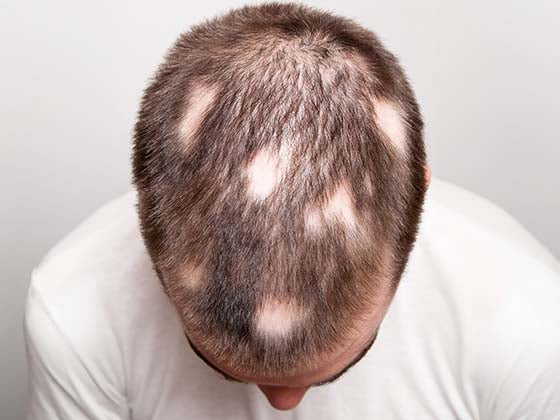
Visible bald patches: Patchy hair loss, a widening part line, or a receding hairline may require more targeted treatment.
-
Persistent scalp irritation: Ongoing itching, redness, or inflammation should be checked before continuing any treatment.
-
No visible improvement: If you have been using a product consistently for a few months without results, it may be time to reassess your treatment plan.
-
Unclear cause of hair loss: Stress, hormonal changes, and nutritional deficiencies can all contribute to hair thinning and may need professional advice.
Consulting a dermatologist can help identify the root cause and guide you toward the most suitable treatment plan.
Lifestyle Tips to Support Hair Growth

While treatments can help improve hair regrowth, everyday habits also play an important role in maintaining healthy hair. Supporting your scalp and follicles with the right lifestyle choices can help improve overall results.
Here are a few simple tips to support hair growth:
-
Eat a balanced diet: Include protein-rich foods along with iron, zinc, biotin, and vitamin D to support stronger and healthier hair.
-
Manage stress levels: Ongoing stress can contribute to hair shedding, so practices like regular exercise, meditation, or proper rest may help.
-
Prioritize sleep: Quality sleep supports the body’s repair process and can positively impact hair health over time.
-
Follow a gentle hair care routine: Avoid harsh shampoos, excessive heat styling, and tight hairstyles that may put stress on the hair.
-
Maintain consistency with treatment: Hair growth solutions work best when used regularly as part of a long-term routine.
Small lifestyle changes, along with the right treatment, can help create a better environment for stronger and healthier hair growth.
Final Thoughts on Adenosine vs Minoxidil: Which Is Right for You?
Choosing between adenosine and minoxidil depends on your hair concerns, scalp condition, and how quickly you want to see results. Both options can support hair growth, but they work best in different situations.
Adenosine may be a suitable choice if you are in the early stages of hair thinning or have a sensitive scalp and prefer a gentler approach. It can help support overall scalp health and maintain hair density over time.
Minoxidil, on the other hand, is a more widely researched option and is often recommended for moderate to advanced hair loss. It may deliver faster and more visible results when used consistently.
If you are unsure which option is right for you, consult a dermatologist that can help you choose a treatment plan based on your specific hair needs.
With the right approach and consistent care, improving hair health and managing hair loss becomes much more achievable.