

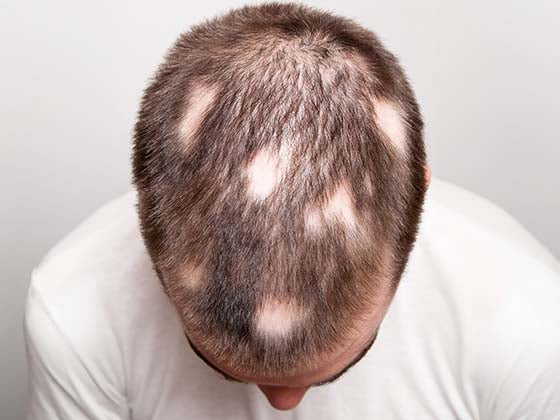



If you are struggling with thinning hair or a stagnant growth cycle, clove water is a clinically backed natural solution that targets the scalp at a cellular level. The magic lies in eugenol, a powerful bioactive compound found in whole cloves that stimulates blood flow to dormant hair follicles. By increasing microcirculation, clove water ensures that your roots receive a steady supply of oxygen and nutrients, physically thickening the hair shaft and extending the anagen (growth) phase of your hair cycle. In this blog, we’ll discuss some proven methods to use clove water on hair & get stronger, thicker, and dense hair.
A Quick Summary (TL;DR)
Clove water has several advantageous properties that help your hair in many ways. Here is a quick summary of what you can expert from the usage of clove water:
-
The Growth Trigger: Eugenol in cloves boosts blood flow, delivering vital nutrients to dormant follicles.
-
Scalp Health: Antifungal properties eliminate Malassezia (dandruff-causing fungus) and balance scalp pH.
-
Strength & Shine: High antioxidant content protects hair from environmental damage and smooths the cuticle.
-
Usage: Best used as a spray or rinse 1 to 2 times per week.
-
Caution: Always perform a patch test to avoid irritation from the potent essential oils.
What is Clove Water and How Do You Make It?

Clove water is a potent, nutrient-rich infusion made by simmering whole cloves in filtered water. This process extracts eugenol and vital antioxidants, creating a biological tonic that stimulates scalp microcirculation. Here is the clinical way to brew and apply your infusion for maximum hair density.
The Universal Brewing Method
-
The Ratio: Add one handful (approx. 1-2 tablespoons) of whole cloves to two cups of filtered water.
-
The Simmer: Bring to a boil, then reduce heat and simmer for 15 to 20 minutes until the water turns a deep amber color.
-
The Cooling: Turn off the heat and let the mixture steep until it reaches room temperature.
-
The Storage: Strain out the cloves and transfer the liquid into a clean glass spray bottle.
Application: The 30-Minute Scalp Treatment
To ensure the bioactive compounds actually reach your hair follicles, follow these steps:
-
Target the Scalp: Section your hair and spray the infusion directly onto the skin of your scalp, not just the hair strands.
-
The Five-Minute Massage: Use your fingertips to massage the liquid in circular motions. This physical stimulation works with the cloves to double the blood flow to your roots.
-
The Wait Time: Leave the treatment on for at least 30 minutes. You can rinse it with cool water or leave it in as a natural hair perfume and tonic.
Usage and Customization
-
Frequency: For the best structural results, use this treatment 1 to 2 times per week.
-
Boosters: You can supercharge your water by adding a teaspoon of Aloe Vera for moisture or 3 drops of Rosemary Oil for accelerated growth.
Safety Note: Before using this formula, it’s recommended to do a patch test first. Cloves are highly potent. Before a full application, apply a small amount to the skin behind your ear. Wait 24 hours to ensure you do not have a sensitivity or allergic reaction to the essential oils.
Why Clove Water Works for Your Scalp

Clove water can work wonders on your hair, providing a variety of benefits that promote scalp health and hair growth. Here's how clove water can benefit your hair:
|
Benefits |
Biological Action |
Visible Result |
|
Growth Stimulation |
Increases scalp microcirculation via eugenol. |
Faster growth and thicker new strands. |
|
Follicle Strength |
Reduces oxidative stress with antioxidants. |
Less hair fall and reduced breakage. |
|
Dandruff Control |
Antimicrobial and antifungal properties. |
Flake-free scalp and reduced itching. |
|
Luster & Shine |
Smooths the hair cuticle for light reflection. |
Natural, vibrant "glass-like" shine. |
|
Scalp Soothing |
Anti-inflammatory effect on the skin. |
Calms redness and irritation. |
|
pH Balancing |
Regulates the scalp's acidic environment. |
Healthier oil production and less grease. |
|
Anti-Graying |
Protects pigment-producing cells. |
May slow down premature graying. |
Stimulating Growth by Boosting Scalp Circulation
Clove water is a potent natural remedy that stimulates the scalp and promotes hair growth. Here's how it promotes growth:
-
Improved Blood Circulation: When applied to the scalp, clove water increases blood flow to the hair follicles, delivering oxygen and nutrients that nourish the scalp and promote hair growth.
-
Enhanced Nutrient Delivery: Clove water increases blood circulation, ensuring that hair follicles receive a consistent supply of nutrients required for healthy hair growth. These nutrients include vitamins, minerals, and amino acids, which aid in the development of strong, resilient hair strands.
-
Strengthened Hair Follicles: Clove water's antimicrobial properties help keep the scalp clean and healthy, free of bacteria and fungi that can inhibit hair growth. By keeping the scalp free from infections, clove water supports the health and strength of hair follicles, reducing the risk of hair loss and breakage.
-
Encourages New Hair Growth: Regular use of clove water can stimulate dormant hair follicles, causing them to enter the active growth phase (anagen phase) of the hair cycle. This causes the growth of new, thicker hair strands, which helps fill in areas of thinning or balding.
-
Reduces Scalp Inflammation: Scalp inflammation can disrupt the hair growth cycle, causing hair loss. Clove water contains anti-inflammatory properties that can soothe scalp irritation and reduce inflammation, promoting healthy hair growth.
-
Prevents Free Radical Damage: Clove water contains antioxidants that protect the scalp and hair follicles from oxidative stress caused by free radicals. By neutralizing free radicals, clove water helps prevent damage to the hair follicles, preserving their health and vitality.
-
Balances Scalp pH: A healthy scalp environment requires a balanced pH level. Clove water helps regulate the scalp's pH level, keeping it slightly acidic, which is optimal for hair growth and overall scalp health.
Improving Natural Shine and Hair Color Vibrancy
Maintaining your hair's health while adding vibrancy and shine is essential for enhancing its natural beauty. Here are some tips for achieving colour and shine:
-
Healthy Hair Foundations: Begin with a consistent hair care routine that includes washing, conditioning, and deep conditioning treatments. Healthy hair is more likely to have a natural shine and maintain colour vibrancy.
-
Nutrient-Rich Diet: To promote hair health from the inside out, consume a well-balanced diet high in vitamins, minerals, and antioxidants. Fruits, vegetables, lean proteins, and healthy fats contain essential nutrients that promote shine and colour retention.
-
Hydration: Drink plenty of water to keep your hair hydrated from the inside. Hydrated hair is less prone to dryness and dullness, resulting in greater shine and colour vibrancy.
-
Gentle Cleansing: Use a sulfate-free shampoo to cleanse your hair without stripping away the natural oils. Harsh detergents can fade colours and dull them over time.
-
Protective Styling: Avoid heat styling and UV rays, which can fade hair colour and dull its shine. To protect your hair from sun damage, use heat protectant sprays and wear hats or scarves while outdoors.
-
Color-Enhancing Products: Use color-enhancing shampoos, conditioners, and treatments that are specifically designed for your hair colour. These products contain pigments that deposit on the hair shaft, refreshing and intensifying the colour while adding shine.
-
Natural Remedies: Include natural remedies such as apple cider vinegar rinses or herbal hair rinses in your hair care routine. These treatments help to balance the scalp's pH, remove product buildup, and add shine to the hair.
-
Hair Masks and Treatments: Regularly apply deep conditioning masks and treatments to nourish and hydrate your hair's shaft. Look for products that contain argan oil, coconut oil, and keratin to improve shine and manageability.
-
Avoid overprocessing: Chemical treatments such as bleaching, perming, and frequent hair colouring can damage the hair cuticle, causing colour fading and dullness. Choose gentle, ammonia-free hair dyes, and allow your hair to recover between treatments.
-
Regular Trims: Trim your hair regularly to remove split ends and prevent breakage, which can dull your hair's appearance. Keeping your hair ends healthy and fresh improves overall shine and vitality.
By incorporating these tips into your hair care routine, you can bring out your hair's natural beauty, achieve vibrant colour, and have lustrous, shiny locks.
Clearing Dandruff and Calming Scalp Irritation
Clove water can be a soothing and effective solution for dandruff and scalp care. Here's how to use it to alleviate dandruff and promote scalp health:
-
Fill a spray bottle with cold clove water. Part your hair into sections and apply the clove water directly to your scalp. Gently massage the scalp with your fingertips to evenly distribute the clove water.
-
After applying clove water to your scalp, leave it on for a soothing leave-in treatment. The clove water combats the fungus that causes dandruff, while its cooling effect helps soothe scalp irritation.
-
To achieve the best results, use clove water as a scalp treatment 1-2 times per week. Consistent use can help reduce dandruff, itching, and inflammation, resulting in a healthier scalp environment.
-
Clove water can be made more effective by adding other beneficial ingredients like tea tree oil, neem oil, or aloe vera gel. These ingredients have antimicrobial and soothing properties that enhance the effects of clove water.
-
Clove water balances the pH of the scalp, making it less hospitable to fungi that cause dandruff. A balanced pH on the scalp can also help to regulate oil production and reduce inflammation.
-
In addition to using clove water, practise good hair care to avoid dandruff and promote scalp health. This includes regular shampooing, avoiding harsh chemicals, and eating a well-balanced diet high in nutrients that promote scalp health.
By incorporating clove water into your scalp care routine and following these guidelines, you can reduce dandruff, relieve scalp irritation, and promote a healthier, flake-free scalp.
7 Simple DIY Clove Water Recipes

Making clove water elixirs at home is simple and allows you to tailor the solution to your specific scalp and hair care needs. Here are some simple DIY recipes to get you started.
|
Hair Goal |
Clove Combination |
Why it works |
|
Rapid Growth |
Clove + Rosemary Oil |
Rosemary is a clinical growth twin to minoxidil. |
|
Dandruff Fix |
Clove + Tea Tree Oil |
Tea tree kills the Malassezia fungus on contact. |
|
High Shine |
Clove + Apple Cider Vinegar |
ACV flattens the hair cuticle to reflect light. |
|
Deep Moisture |
Clove + Aloe Vera Gel |
Aloe acts as a humectant to trap water in the shaft. |
|
Scalp Soothing |
Clove + Lavender Oil |
Reduces inflammation and calms tight scalps. |
|
Hair Strength |
Clove + Coconut Oil |
Coconut oil prevents protein loss in the hair core. |
|
Oil Control |
Clove + Lemon Juice |
Citric acid breaks down excess sebum and grease. |
These DIY clove water elixirs are simple to make and can be added to your regular hair care routine to promote a healthy scalp and lustrous locks. Feel free to change the ingredient quantities to your liking, and experiment with additional ingredients for extra benefits.
The Standard Clove Rinse for Maximum Shine
To maximise the benefits of cloves, combine this potent ingredient with complementary elements when making the ultimate hair rinse. Here's how to create the ideal clove concoction for your hair.
-
Add Apple Cider Vinegar: If desired, combine apple cider vinegar with the clove-infused water. Apple cider vinegar helps balance the scalp's pH, reduces dandruff, and adds shine to the hair.
-
Incorporate Essential Oils: Add a few drops of your chosen essential oils to the mixture for additional scalp and hair benefits. Tea tree oil is excellent for addressing dandruff, lavender oil soothes the scalp, and rosemary oil stimulates hair growth.
-
Blend with Aloe Vera Gel: For added scalp nourishment and hydration, blend the clove-infused water with aloe vera gel. Aloe vera helps soothe scalp irritation, moisturise the hair, and promote overall scalp health.
-
Mix Well: Stir or shake the mixture well to ensure all ingredients are thoroughly combined. This ensures that you get the full benefits of each ingredient when applying the rinse to your hair and scalp.
-
Application: After shampooing your hair, pour the clove concoction over your scalp and hair, ensuring thorough coverage. Gently massage the mixture into your scalp for a few minutes to stimulate circulation and enhance absorption. Let the rinse sit for 5-10 minutes before rinsing thoroughly with lukewarm water.
-
Follow with Conditioner: Optionally, follow up with a conditioner to lock in moisture and further nourish your hair. Choose a conditioner that complements the benefits of the clove rinse, such as one infused with natural oils or plant extracts.
-
Repeat as Needed: Use this clove hair rinse once or twice a week, depending on your scalp and hair needs. Over time, you should notice improvements in scalp health, reduced dandruff, and enhanced hair shine and vitality.
By combining the ideal clove concoction with these simple steps, you can create the ultimate hair rinse that nourishes your scalp, promotes hair health, and enhances the natural beauty of your hair.
Deep Conditioning Masks for Every Hair Type
Clove water masks can provide deep conditioning benefits to all hair types by promoting hydration, nourishment, and scalp health. Here are some clove water mask recipes for different hair types:
-
Dry Hair: Ingredients include 2 tablespoons whole cloves, 1/4 cup coconut oil, 1/4 cup honey, and 1/4 cup plain yoghurt. Prepare clove water by boiling the whole cloves in water for 10-15 minutes. Allow it to cool and strain out the cloves. In a bowl, mix the cooled clove water with coconut oil, honey, and yoghurt until well combined. Apply the mixture to damp hair, focusing on the lengths and ends. Cover your hair with a shower cap or towel and leave the mask on for 30-60 minutes.
-
Oily Hair: Combine 2 tablespoons of whole cloves, 1/4 cup aloe vera gel, and 1 tablespoon lemon juice. Prepare clove water as described in the previous recipe. In a bowl, mix the cooled clove water with aloe vera gel and lemon juice. Apply the mixture to damp hair, concentrating on the scalp and roots. Massage gently to stimulate circulation and distribute the mask evenly. Leave the mask on for 20-30 minutes, then rinse thoroughly with cool water and shampoo.
-
Normal Hair: Ingredients are 2 tablespoons of whole cloves, 1/4 cup of olive oil and 1 ripe avocado. Prepare clove water as described earlier. In a blender, combine the cooled clove water with olive oil and ripe avocado (peeled and mashed). Blend until smooth to form a creamy mask. Apply the mask to clean, damp hair, focusing on the lengths and ends. Cover your hair with a shower cap or towel and leave the mask on for 30-60 minutes.
-
All Hair Types: Ingredients are 2 tablespoons of whole cloves, 1/4 cup of honey, 1/4 cup of plain yoghurt and 1 tablespoon of coconut oil. Prepare clove water as described earlier. In a bowl, mix the cooled clove water with honey, yogurt, and coconut oil until well combined. Apply the mixture to damp hair, ensuring even distribution from roots to ends. Cover your hair with a shower cap or towel and leave the mask on for 30-60 minutes.
These clove water masks offer deep conditioning benefits to all hair types, nourishing the hair, moisturising the scalp, and improving overall hair health and appearance. Experiment with these recipes to see which one works best for you, and enjoy the rejuvenating properties of clove water on your hair.
Daily Maintenance: Sprays and Leave-in Treatments
There are many advantages to including clove water in your hair care regimen, ranging from regular scalp nourishment to targeted treatments for particular issues. Here's how to use clove water for specific treatments and incorporate it into your daily routine:
Daily Use:
-
After shampooing, use clove water as a final rinse to nourish and revitalise your scalp. Simply pour the clove water over your scalp and hair, massage gently, and let it sit for a few minutes before rinsing with water.
-
Transfer the clove water to a spray bottle after diluting it with equal parts water. After washing, spritz it on your scalp and hair as a leave-in treatment. Massage lightly to enhance absorption, then leave it in without rinsing.
-
Add a scalp massage with clove water to your nighttime regimen. Apply a few drops of clove water to your hands and massage it into your scalp in circular strokes for a few minutes before bedtime.
Special Treatments:
-
Create a deep conditioning mask by combining clove water with natural hair conditioners such as coconut oil, honey, or avocados. Apply the mask to your hair, focusing on the ends, and let it sit for 30-60 minutes before rinsing.
-
To make an effective dandruff treatment, combine clove water with tea tree oil, aloe vera gel, or apple cider vinegar. Apply the mixture to your scalp, massage gently, and let it sit for 20-30 minutes before shampooing as usual.
-
Blend clove water with essential oils such as rosemary, peppermint, or lavender, which are known to promote hair growth. Apply the serum to your scalp daily or a few times per week to boost circulation and promote healthy hair growth.
-
To make a scalp scrub, mix clove water with a natural exfoliant such as brown sugar or coffee grounds. Gently massage the scrub into your scalp in circular motions to remove dead skin cells and product buildup.
-
Add a few drops of your favourite essential oil to clove water for a natural hair perfume. Spray it on your hair for a refreshing scent that also improves scalp health.
By incorporating clove water into your daily routine and using it for special treatments, you can effectively and naturally nourish your scalp, promote hair health, and address specific issues.
Safety and Precautions: Using Cloves Responsibly

While clove water has many benefits for hair and scalp health, it should be used with caution because it may cause side effects for some people. Here are some factors to consider:
-
Skin Sensitivity: Clove oil, the primary active ingredient in clove water, can cause skin irritation and allergic reactions in certain people. Before applying clove water to your scalp extensively, conduct a patch test to rule out any adverse reactions.
-
Scalp Irritation: Applying undiluted clove water directly to the scalp may irritate, particularly for people who have sensitive skin or pre-existing scalp conditions. To reduce the risk of irritation, dilute clove water with water or carrier oils before use.
-
Allergic Reactions: Some people may be allergic to cloves or other ingredients found in clove water recipes. If you experience itching, redness, swelling, or any other allergic symptoms after using clove water, stop using it right away and seek medical attention.
-
Staining: Clove water may stain fabrics and surfaces, so use it carefully to avoid any accidental spills or drips. Consider wearing old clothes or using towels to protect your clothing and surroundings when applying clove water to your hair and scalp.
-
Eye Contact: Avoid getting clove water in your eyes, as it can cause irritation and discomfort. If contact occurs, flush your eyes with water right away and seek medical attention if irritation persists.
-
Overuse: While clove water is beneficial when used in moderation, excessive use may cause scalp dryness or irritation. Limit the frequency of clove water applications to avoid potential side effects, and monitor your scalp's response to determine the best dosage for your hair care regimen.
-
Pregnancy and Nursing: Pregnant or nursing women should seek medical advice before using clove water or any other herbal remedies to ensure the safety of themselves and their babies.
You can take advantage of clove water's benefits for the health of your hair and scalp while lowering any risks by being aware of these possible side effects and using it responsibly. If you feel uneasy or have negative side effects, stop using the product and seek advice from a medical professional.
When to Use Clove Water Sparingly
Understanding your hair's needs, sensitivities, and any potential risks associated with clove water use is essential for determining when to use it sparingly. Here are some scenarios in which caution is required:
-
Sensitive Scalp: If you have a sensitive scalp that is prone to irritation or allergic reactions, use clove water sparingly and test it on a small area first. Monitor your scalp's response and stop using it if any adverse reactions occur.
-
Existing Scalp Conditions: If you have eczema, psoriasis, or dermatitis, see a dermatologist before using clove water. Apply clove water with caution, as it may worsen certain scalp diseases.
-
Overuse of Clove Water: While clove water can improve scalp health and hair growth, excessive use can cause dryness, irritation, and other negative effects. Avoid using clove water too frequently, and allow your scalp to rest in between treatments.
-
Color-Treated Hair: If you have color-treated hair, be cautious when using clove water because it may alter the colour or integrity of your hair dye. Before applying clove water to color-treated hair, conduct a strand test in an inconspicuous area.
-
Pregnancy and Nursing: Pregnant or nursing women should use clove water with caution and consult a healthcare professional before incorporating it into their hair care routine. Some herbal remedies, such as clove water, may not be appropriate during pregnancy or lactation.
-
Children and Infants: When using clove water on children or infants, be cautious because their delicate scalp and skin may be more vulnerable to its effects. Before using clove water on young children, consult a pediatrician to ensure their safety.
-
Allergic Reactions: If you are allergic to cloves or other ingredients commonly found in clove water preparations, avoid using them altogether.
-
Scalp Sensation: Pay attention to how your scalp feels after applying clove water. If you experience discomfort, itching, redness, or irritation, stop using the product right away and thoroughly rinse your scalp with water.
By keeping these factors in mind and using clove water sparingly in appropriate situations, you can reap the benefits for hair and scalp health while minimising any potential risks or side effects. If you have any concerns or experience persistent reactions, speak with a healthcare professional for personalised advice and guidance.
How to Perform a 24-Hour Patch Test
When using clove water or any new product on your hair and scalp, you must take steps to avoid allergic reactions and sensitivities. Patch testing, dilution, spot testing, avoiding contact with the eyes, using gloves, limiting exposure time, monitoring for reactions, and consulting a healthcare professional are all good ways to ensure safe application. When using clove water for hair and scalp care, follow these safe application guidelines to reduce the risk of allergic reactions and sensitivities. If you have any concerns or suffer any unpleasant reactions, stop using the product and seek medical attention.
Managing Potential Side Effects and Sensitivities
Balancing the benefits and risks of using clove water entails understanding its potential benefits for hair and scalp health, as well as being aware of the risks and taking appropriate precautions. Here's how to use clove water to your advantage:
-
Begin slowly: If you are new to using clove water, start with a diluted solution and gradually increase the concentration as your scalp gets used to it. This enables you to monitor how your scalp reacts and adjust the potency accordingly.
-
Patch Test: Before using clove water extensively on your scalp, conduct a patch test to rule out allergic reactions or sensitivities. Apply a small amount of diluted clove water to a small area of your skin and allow 24-48 hours to see if any adverse reactions occur.
-
Dilute Properly: Always dilute clove water with water or carrier oils to reduce the risk of irritation or sensitization, particularly if you have sensitive skin or scalp. Follow the recommended dilution ratios and adjust as needed according to your skin's tolerance.
-
Monitor Effects: Pay attention to how your scalp and hair react to clove water over time. Note any improvements in scalp health, hair texture, and overall appearance, as well as any adverse reactions or sensitivities.
-
Use sparingly: While clove water can be beneficial to hair and scalp health, excessive use may cause dryness, irritation, or other negative effects. Use clove water sparingly and avoid overdoing it in your hair care regimen.
-
Consult a Professional: If you have any existing scalp conditions, allergies, or sensitivities, see a dermatologist or healthcare professional before using clove water. They can offer personalised advice and guidance based on your specific requirements and medical history.
-
Balance with Other Products: Incorporate clove water into a comprehensive hair care regimen that includes other beneficial ingredients and products. This helps to diversify your hair care regimen and reduces reliance on a single ingredient.
-
Listen to Your Body: Trust your instincts and pay attention to your body's signals. If you experience discomfort, itching, redness, or other signs of irritation after using clove water, stop immediately and thoroughly rinse your scalp with water.
By keeping these factors in mind and taking the necessary precautions, you can reap the benefits of clove water for hair and scalp health while minimising any potential risks. If you have any concerns or experience adverse reactions, consult with a healthcare professional for personalised advice and support.
The Final Verdict: Making Clove Water Work for You
Clove water can help improve your hair care routine by promoting scalp health, stimulating hair growth, and increasing overall hair vitality. Here's how to add clove water to your hair care routine for best results:
-
To stimulate blood circulation, promote nutrient delivery to hair follicles, and invigorate the scalp, massage with clove water. Dilute clove water with water or a carrier oil, then gently massage it into your scalp in circular motions.
-
After shampooing, rinse with clove water to nourish and condition your scalp and hair. Pour diluted clove water on your scalp and hair, then rinse thoroughly with lukewarm water.
-
Make a deep conditioning mask by combining clove water with natural ingredients such as honey, coconut oil, or avocado. Apply the mask to your hair and scalp, let it sit for 30-60 minutes, and then rinse thoroughly with water.
-
Blend clove water with essential oils that promote hair growth, such as rosemary or peppermint oil. Apply the serum to your scalp every day to stimulate hair follicles and promote healthy hair growth.
-
To create an effective dandruff treatment, combine clove water with tea tree oil or aloe vera gel. Apply the mixture to your scalp, massage gently, and let it sit for 20-30 minutes before shampooing.
-
To make a scalp scrub, combine clove water with a natural exfoliant, such as brown sugar or coffee grounds. Massage the scrub into your scalp to remove dead skin cells, clear clogged hair follicles, and promote a healthy scalp environment.
-
Add a few drops of your favourite essential oil to clove water for a natural hair perfume. Spray it on your hair for a fresh scent and additional scalp nourishment.
-
Dilute clove water with water or aloe vera gel and store in a spray bottle. After showering, spritz it on your scalp and hair as a leave-in treatment.
By incorporating clove water into your hair care routine in these different ways, you can naturally nourish and revitalise your hair while also promoting scalp health, stimulating hair growth, and improving overall hair quality. Experiment with various methods to determine which ones work best for your hair type and concerns.