



- Science Behind Dutasteride
- Working of Finasteride
- Comparison of Dutasteride & Finasteride
- Benefits of Dutasteride
- Benefits of Finasteride
- Side Effects of Dutasteride
- Side Effects of Finasteride
- Treating Baldness
- FAQs
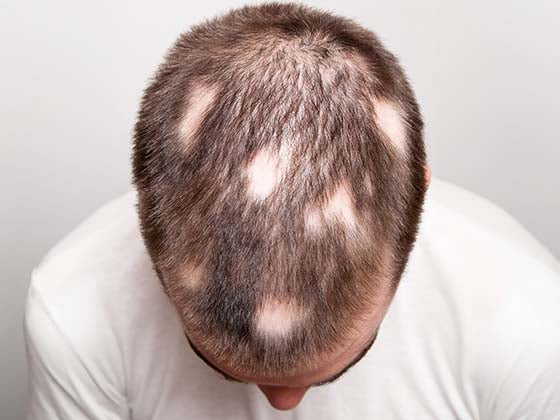
Dutasteride and Finasteride are two widely used drugs that are normally prescribed for the treatment of baldness, particularly in men who suffer from androgenetic alopecia or male pattern baldness. Both drugs function by blocking the transformation of testosterone to dihydrotestosterone (DHT), the hormone that causes hair loss and hair thinning. Finasteride has been used as a treatment option for years, while Dutasteride is a recently introduced drug that could be more effective for some people. In this comparison, we will explore the differences between Dutasteride and Finasteride, their effectiveness, side effects, and how they can help with hair regrowth. Whether you’re struggling with hair thinning or looking for a more effective hair restoration solution, understanding these medications will help you make an informed decision for your hair health.
Understanding the Basics: What Are Dutasteride and Finasteride?

Both Dutasteride and Finasteride are oral drugs mainly applied in the treatment of alopecia, or hair loss, androgenetic in men. They act as 5-alpha reductase inhibitors, inhibiting the enzyme that is involved in the conversion of testosterone to dihydrotestosterone (DHT), a hormone that is involved in the shrinking and thinning of hair follicles. Finasteride, being the older of the two, acts on one form of the enzyme (Type II), whereas Dutasteride acts on both Type I and Type II enzymes and is therefore a more effective drug. By lowering the levels of DHT, both drugs prevent further hair loss and stimulate hair growth. Although Finasteride has been used extensively over the years, Dutasteride is increasingly in the spotlight because of its potentially more vigorous impact on suppressing DHT, presenting a hopeful avenue for those who might not react favorably to Finasteride. Continue reading with Clinikally to know more about these medications in detail.
What Is Dutasteride and How Does It Work for Hair Loss?
Dutasteride is a drug that is mainly employed for the treatment of hair loss, especially male pattern baldness (androgenic alopecia). It inhibits the transformation of testosterone into dihydrotestosterone (DHT), a hormone associated with hair loss and baldness. By lowering DHT levels, Dutasteride slows down or even reverses hair loss and enables thicker and fuller hair growth.
-
Dutasteride inhibits the 5-alpha reductase enzyme that converts testosterone into DHT.
-
The decrease in the level of DHT stops hair follicles from getting smaller, which is one of the major causes of hair loss.
-
It may aid in the growth of new hair and the increase in hair density, especially in balding areas of androgenic alopecia.
-
Dutasteride is more potent than Finasteride, another popular treatment for hair loss, because it blocks both Type I and Type II 5-alpha reductase enzymes.
-
Usually, it is prescribed for individuals with more extensive hair loss or for people who do not respond to other medication such as Finasteride.
-
Dutasteride can also be used to treat benign prostatic hyperplasia (BPH), which is helpful for people with both hair loss and prostate problems.
-
The drug has to be taken regularly for a few months in order to notice visible changes in hair growth.
-
It can be taken orally and must be administered under medical guidance owing to possible side effects.
For those who are fighting hair loss, Dutasteride provides a hopeful respite by addressing the origin of thinning hair. Nevertheless, before using Dutasteride, it is crucial to visit a healthcare provider to determine its safety and mitigate the risk of side effects. Properly used, the drug can reverse hair density and enhance self-esteem.
What Is Finasteride and Its Role in Treating Hair Loss?
Dutasteride is a drug that is mainly employed for the treatment of hair loss, especially male pattern baldness (androgenic alopecia). It inhibits the transformation of testosterone into dihydrotestosterone (DHT), a hormone associated with hair loss and baldness. By lowering DHT levels, Dutasteride slows down or even reverses hair loss and enables thicker and fuller hair growth.
-
Dutasteride inhibits the 5-alpha reductase enzyme that converts testosterone into DHT.
-
The decrease in the level of DHT stops hair follicles from getting smaller, which is one of the major causes of hair loss.
-
It may aid in the growth of new hair and the increase in hair density, especially in balding areas of androgenic alopecia.
-
Dutasteride is more potent than Finasteride, another popular treatment for hair loss, because it blocks both Type I and Type II 5-alpha reductase enzymes.
-
Usually, it is prescribed for individuals with more extensive hair loss or for people who do not respond to other medication such as Finasteride.
-
Dutasteride can also be used to treat benign prostatic hyperplasia (BPH), which is helpful for people with both hair loss and prostate problems.
-
The drug has to be taken regularly for a few months in order to notice visible changes in hair growth.
-
It can be taken orally and must be administered under medical guidance owing to possible side effects.
For those who are fighting hair loss, Dutasteride provides a hopeful respite by addressing the origin of thinning hair. Nevertheless, before using Dutasteride, it is crucial to visit a healthcare provider to determine its safety and mitigate the risk of side effects. Properly used, the drug can reverse hair density and enhance self-esteem.
The Science Behind Both Medications: How They Affect Hair Follicles
Finasteride and Dutasteride are both drugs that act against hair loss, specifically in men suffering from androgenic alopecia (male pattern baldness). Although both drugs have a similar mechanism of action, there are essential differences between the way they operate and their efficacy. Both drugs have an impact on hair follicles by lowering the production of dihydrotestosterone (DHT), a hormone that is responsible for hair follicle miniaturization and causes hair to thin and finally fall out.
-
Inhibition of 5-alpha reductase enzyme: Finasteride and Dutasteride inhibit the 5-alpha reductase enzyme, which converts testosterone into DHT. DHT is the major offender responsible for the shrinking of hair follicles, which results in thinner, shorter, and weaker hair shafts. By preventing the production of DHT, both medications aid in slowing or halting additional hair loss.
-
Finasteride's selective inhibition: Finasteride is a selective inhibitor of Type II 5-alpha reductase, the enzyme located primarily in the hair follicles and prostate. By inhibiting this enzyme, Finasteride decreases the levels of DHT in the scalp, thus preventing hair follicles from shrinking, enabling them to grow stronger and healthier hair. Finasteride is usually effective on people experiencing mild to moderate hair loss and can be used to sustain currently existing hair, as well as to enhance new hair growth.
-
Dutasteride's wider inhibition: Dutasteride, however, blocks both Type I and Type II 5-alpha reductase enzymes. Type I has greater activity in the skin and scalp, whereas Type II occurs in the prostate and hair follicle. Dutasteride hence has a stronger effect in lowering DHT levels compared to Finasteride, since it blocks both forms of the enzyme. This more general inhibition renders Dutasteride a more effective option for addressing more advanced baldness, as it is acting upon a greater number of pathways for DHT production.
-
Effect on hair follicles: Both Finasteride and Dutasteride, by lowering DHT, avoid hair follicles shrinking, which is a phenomenon when DHT binds to androgen receptors within the follicles. This process reduces the anagen (growing) phase of the hair cycle and increases the telogen (rest) phase. Both drugs, by reducing the level of DHT, prevent extending the telogen phase and increase the anagen phase, enabling hair follicles to produce longer, thicker hairs.
-
Hair growth and upkeep: Finasteride usually delivers noticeable effects within 3 to 6 months of treatment, with users generally experiencing a halt in hair loss and some level of regrowth. Dutasteride, because of its more potent DHT inhibition, could yield quicker and more substantial results in patients presenting with more advanced hair loss.
Both drugs work, but the preference between Dutasteride and Finasteride takes into consideration the stage of hair loss and the general response to treatment. Although Dutasteride is generally more potent, it is also likely to have more side effects, such as sexual dysfunction, which is the reason it is usually prescribed once Finasteride has failed to provide satisfactory improvement. Finasteride and Dutasteride maintain and restore hair by lowering the levels of DHT, but their efficacy depends on their profiles of enzyme inhibition. Knowing the science behind these drugs can lead people to the most suitable treatment for their conditions of baldness.
Comparing Dutasteride and Finasteride: Efficacy and Benefits for Hair Loss Treatment
Dutasteride and Finasteride are highly potent drugs prescribed for treating hair loss, especially male pattern hair loss. Both drugs, acting as 5-alpha reductase inhibitors, inhibit the production of dihydrotestosterone (DHT), which causes hair thinning. Although both drugs are intended to treat hair loss, their variations in effectiveness and advantages can determine treatment response.
Dutasteride is slightly more powerful because it blocks both forms of the 5-alpha reductase enzyme, thereby reducing DHT levels more. This increased potency usually means a quicker and more pronounced hair regrowth in most patients. Finasteride only blocks one form of the enzyme, so it is relatively less powerful. It nevertheless works well for most people and has a better side-effect profile.
How Effective Are Dutasteride and Finasteride in Preventing Hair Loss?
Dutasteride and Finasteride are both potent drugs prescribed for preventing baldness, especially in men with androgenetic alopecia (male pattern baldness). Both drugs act by inhibiting the 5-alpha-reductase enzyme, which is responsible for the conversion of testosterone into dihydrotestosterone (DHT), the hormone that causes miniaturization of hair follicles and loss of hair. Finasteride inhibits one form of 5-alpha-reductase, whereas Dutasteride inhibits both, and hence, is a more potent drug for some people. Research indicates that Finasteride will stop further hair loss in approximately 80-90% of individuals and will encourage hair regrowth in approximately 60-70% of instances. Dutasteride, however, has demonstrated even higher success in other instances, with a better rate of halting hair loss and encouraging hair growth. While both medications are effective, results can vary based on individual response, the severity of hair loss, and the duration of use. It’s important to note that both treatments require consistent use to maintain results, and discontinuing the medication can lead to the return of hair loss. Always consult a healthcare provider before starting either treatment to determine the most suitable option for your needs.
Key Benefits of Using Dutasteride for Hair Growth
Dutasteride is a strong drug usually used for hair growth, particularly in men who have androgenetic alopecia. These are the advantages of taking Dutasteride for hair growth:
-
Is more effective in blocking DHT: Dutasteride blocks both forms of the enzyme that converts testosterone into DHT (dihydrotestosterone), a hormone highly associated with hair loss, thereby being more effective than Finasteride.
-
Promotes significant hair regrowth: Dutasteride has been shown to stimulate hair growth, especially in areas where hair thinning has occurred, by addressing the root causes of hair loss.
-
Slows down hair loss progression: By effectively blocking DHT, Dutasteride helps slow or stop the progression of hair loss, maintaining existing hair and preventing further thinning.
-
Increases hair density: Dutasteride, when used routinely, can result in increased hair density, making the scalp appear fuller and thicker, especially in regions that have been impacted by thinning hair.
-
Functional for resistant cases: Dutasteride can be especially useful for patients who do not achieve significant results with other medications such as Finasteride, so it is worth considering for more severe or resistant cases of hair loss.
Dutasteride may be a good option for individuals wanting to regain hair regrowth and stop losing more hair. Nevertheless, like all medicines, it should be used after consultation with a medical professional to make sure it is the appropriate solution for you.
Key Benefits of Using Finasteride for Hair Restoration
Finasteride is a popular drug used for the restoration of hair, most commonly used in men suffering from androgenetic alopecia (male baldness). These are some of the major advantages of applying Finasteride to restore hair:
-
Avoids additional balding: Finasteride functions by preventing the transformation of testosterone to DHT (dihydrotestosterone), a hormone responsible for balding, slowing or avoiding the growth of thinner hair.
-
Stimulates hair regrowth: In most users, Finasteride stimulates new hair follicle growth, contributing to noticeable hair regrowth in balding patches.
-
Enhances hair density: Repeated use of Finasteride tends to bring about an increase in hair density, presenting the scalp with a fuller, thicker texture.
-
Long-term effective solution: Clinical evidence indicates that Finasteride works long-term, sustaining hair restoration outcomes with ongoing use.
-
Non-invasive treatment: Unlike surgical hair restoration methods, Finasteride is a simple, non-invasive oral medication, offering a convenient solution to hair loss management.
By treating the underlying causes of baldness, Finasteride can be an effective aid in hair regrowth and preventing future thinning, thus making it a desirable choice for men wanting to revive their hairline. Always consult a healthcare professional to ascertain whether Finasteride is the appropriate treatment for your condition. Few products containing Fiansteride are:
Potential Side Effects and Risks of Dutasteride and Finasteride Use

Dutasteride and Finasteride are popular drugs for hair loss treatment, most commonly male baldness. These two medications are in the group of 5-alpha reductase inhibitors and inhibit hair thinning and loss through reduction of dihydrotestosterone (DHT) levels, a hormone. Although they are useful in stopping further loss and encouraging hair regrowth, one should be aware of side effects and risks surrounding their administration. Common side effects are sexual dysfunction, mood change, and possible impairment of fertility. Some individuals may also develop allergic reactions or breast tissue changes. In this article, we discuss the potential side effects of both Dutasteride and Finasteride, and discuss their safety profiles. If you are thinking about such hair loss treatments, it's important to consider the potential benefits against the risks and discuss with a medical expert to make an informed choice.
Common Side Effects of Dutasteride: What to Know Before Using
Dutasteride is mostly recommended for the treatment of hair loss in men with androgenetic alopecia. Though it works wonderfully in stimulating hair growth, one needs to be cautious against side effects. Following is a list of the most common Dutasteride side effects:
-
Sexual dysfunction: One of the most common side effects reported is reduced libido, erectile dysfunction, or lowered semen volume.
-
Breast tenderness or enlargement: A few men experience breast tissue changes, including enlargement or tenderness.
-
Depression or mood swings: Emotional effects, including depression or mood change, occasionally follow.
-
Skin reactions: Rashes, itchiness, or other skin irritation have been reported by some users.
-
Swelling in hands or feet: Fluid retention causes swelling in extremities, which can be uncomfortable.
-
Dizziness or lightheadedness: Dutasteride can result in dizziness, especially when rising from a sitting position.
-
Decreased ejaculate volume: Decreased volume of the ejaculate is reported by some men, though it is not permanent in all cases.
-
Fatigue: Becoming unusually weak or tired is another side effect.
-
Headaches: Frequent or mild headaches are reported by some users of the drug.
-
Changes in liver enzyme: Dutasteride can impact liver function occasionally, which is why it is advised to have regular check-ups.
It's necessary to know these possible side effects before initiating Dutasteride for baldness. Although not all will develop these complications, knowing beforehand means you can be ready in case of any adverse reactions. Always refer to your physician if you develop any side effects or have doubts regarding Dutasteride usage.
Understanding the Side Effects of Finasteride for Hair Loss Treatment
Finasteride is a common drug for the treatment of baldness, especially among men with androgenetic alopecia. Although it proves to be greatly effective in supporting hair growth, its users must be aware of its possible side effects to make an educated choice prior to undergoing the treatment. Below are the most common side effects found with Finasteride:
-
Sexual side effects: Most commonly reported side effects are experiencing a reduction in libido, erectile dysfunction, and a lesser semen volume.
-
Breast changes: Enlargement, tenderness, or even lumps in the breasts might be noticed by some men, which may be an indication of gynecomastia.
-
Mood changes: Depression, anxiety, and mood-related symptoms might show up in some patients taking Finasteride.
-
Skin reactions: Skin irritations like rashes, itching, and other allergic reactions might be noted among users.
-
Lightheadedness or dizziness: Some people experience dizziness or lightheadedness, especially upon rising quickly.
-
Fatigue: There have been reports of men feeling tired or fatigued more than usual when taking Finasteride.
-
Decreased volume of ejaculate: A decrease in ejaculate volume is a general side effect, although this may reverse once the drug is discontinued.
-
Headaches: Headaches are also an observed side effect, usually mild.
-
Testicular pain: Pain or tenderness in the testicles has been reported by some users.
-
Changes in liver enzymes: Although it is uncommon, liver function abnormalities can happen in patients taking Finasteride, requiring periodic monitoring.
It's important to balance the advantages of Finasteride in the treatment of hair loss with the risk of side effects. Although not all users will suffer from these complaints, having an idea of what to expect can assist in controlling any negative reactions. Always check with your health care provider prior to initiating or ceasing Finasteride to confirm it is the appropriate treatment for your condition.
Making the Decision: Which Medication Is Better for You?
For the treatment of hair loss, specifically male pattern baldness, Dutasteride and Finasteride are among the most frequently prescribed drugs. Both are 5-alpha reductase inhibitors, which means they act by inhibiting testosterone's conversion to dihydrotestosterone (DHT), the hair-thinning and loss-causing hormone. However, each medication differs in its efficacy and potential side effects, making it important to understand which one is best suited to your needs. Dutasteride is considered more potent than Finasteride because it inhibits both types of 5-alpha reductase enzymes, while Finasteride only targets one. As a result, Dutasteride may offer faster or more significant results for some individuals. Conversely, Finasteride is usually linked with fewer side effects. In this manual, we will guide you through evaluating which drug might be best for you according to your aspirations, risk acceptance, and consultation with a doctor.
Which Medication Works Best for Different Types of Hair Loss?
Both Dutasteride and Finasteride are active drugs usually employed to cure baldness, particularly androgenic alopecia (male/female pattern baldness). Though both act through their ability to block DHT (dihydrotestosterone), a primary cause of hair thinning, they have differences in efficacy for different forms of baldness.
-
Finasteride blocks Type II 5-alpha reductase, preventing the conversion of testosterone into DHT. Dutasteride, which is stronger than Finasteride, blocks both Type I and Type II 5-alpha reductase enzymes.
-
Finasteride is approved by the FDA for the treatment of male pattern baldness and works to reduce hair loss and stimulate hair regrowth. Dutasteride has proven more effective in treating male pattern baldness, particularly in men who are not responsive to Finasteride.
-
Finasteride is usually the initial treatment of choice for early male pattern baldness. Dutasteride might be used when the male pattern baldness is advanced.
-
For women, Finasteride may be beneficial for mild to moderate female pattern baldness, particularly in pre-menopausal women. While Dutasteride is not FDA-approved for use in female pattern baldness, it has also been reported with good results, especially in post-menopausal women. For severe androgenic alopecia in women, Dutasteride may be an option if Finasteride fails.
Finally, Finasteride can be the initial option for early male pattern baldness and light female hair loss, but Dutasteride can be prescribed for severe conditions or when Finasteride has no effect. Under all circumstances, consult a doctor to select the best treatment for your condition.
Consult a Dermatologist: Finding the Right Treatment for Your Hair Type
Consulting a dermatologist is important when exploring treatments such as Dutasteride and Finasteride for hair loss. A doctor can determine the cause of your hair loss, prescribe the best medication for you, and provide guidance on how to use it properly for maximum benefit. Booking a consultation with dermatologist can help in many ways:
-
Customized Treatment Programs: A dermatologist will assess your hair type, the progression of hair loss, and other aspects to develop an individualized plan that works best for you.
-
Precise Diagnosis: Not all hair loss is equal. A dermatologist can differentiate between various types of alopecia, including androgenic alopecia or telogen effluvium, and recommend the best medication.
-
Reduction of Side Effects: Both Dutasteride and Finasteride can have possible side effects. A dermatologist can explain and handle these risks for you, so you're aware of any sign of adverse reactions.
-
Tracking Progress: Regular consultation with a dermatologist enables tracking of the effectiveness of treatment and changing dosages if needed. They can also suggest further treatments or lifestyle modifications to support the medication.
-
Expertise: A dermatologist's experience ensures that you're well-informed, minimizing the risk of trial-and-error therapy, and maximizing the likelihood of successful hair growth.
In summary, treatment from a dermatologist using Dutasteride and Finasteride ensures you get the proper medication for your individual type of hair loss, keeping risks to a minimum and effectiveness at maximum. Regardless of whether you're fighting male or female pattern baldness, professional advice is necessary to obtain optimum results.
Conclusion: Evaluating Your Hair Loss Treatment Options

When deciding on treatment for hair loss, it's critical to consider the advantages and disadvantages of existing drugs such as Dutasteride and Finasteride. Both are effective in inhibiting hair thinning by decreasing levels of DHT but vary in strength and risk of side effects. Dutasteride, being stronger, can be more effective and quicker in bringing about results but is potentially more risky in terms of side effects. Finasteride is well-tolerated and has fewer side effects but can potentially be less effective in people with a higher rate of hair loss.
Ultimately, the ideal option is based on your personal circumstances, such as the degree of hair loss, your sensitivity to possible side effects, and your long-term hair restoration objectives. It is important to consult with a medical professional to make a decision that suits your requirements. Regardless of whether Dutasteride or Finasteride is chosen, proactive measures toward hair care can result in favorable, long-term outcomes.