

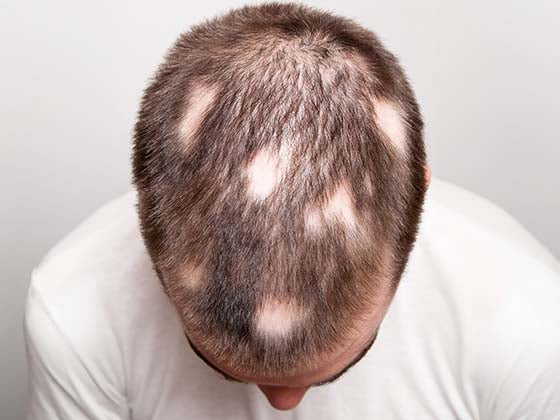



Gunja seeds, also known as Abrus precatorius, have traditionally been used in Ayurvedic hair care to support scalp health and reduce hair fall. When used in properly detoxified topical formulations, they may help strengthen the roots and promote healthier-looking hair. However, raw Gunja seeds are highly toxic and should only be used with proper caution.
In this blog, we’ll talk about whether Gunja seeds can help with hair growth, their benefits for the hair and scalp, the science behind their use, safety precautions, and how to use them correctly in your hair care routine.
What Are Gunja Seeds?

Gunja seeds, also known as rosary peas, jequirity beans, or Abrus precatorius, are small, brightly coloured seeds commonly found in tropical regions such as India, Southeast Asia, Africa, and the Caribbean. Their striking red and black appearance often resembles tiny beads, which is why they have traditionally been used in jewellery and decorative items.
In Ayurvedic practices, gunja seeds have long been used in various health and cosmetic remedies, including traditional hair and scalp treatments. Many people explore gunja seeds for hair because of their believed ability to support scalp health and strengthen the roots.
However, despite their traditional use, it is important to note that raw gunja seeds contain abrin, a highly toxic compound. Because of this, they should only be used in properly detoxified topical formulations and must never be consumed.
Benefits of Gunja Seeds for Hair and Scalp

One of the most talked-about gunja seeds benefits is their traditional use in supporting hair and scalp health. When used in properly detoxified topical formulations, gunja seeds may help nourish the scalp, strengthen the roots, and improve the overall appearance of the hair. Some of the key benefits of gunja seeds for hair and scalp include:
- Supports hair growth: Gunja seeds for hair growth are traditionally believed to nourish the scalp and strengthen the roots, which may help support thicker and healthier-looking hair.
- Helps reduce hair fall: Their antioxidant and anti-inflammatory properties may help minimize hair fall caused by scalp irritation, oxidative stress, and weakened follicles.
- Improves scalp health: Gunja seeds may help soothe itching, dandruff, and mild scalp inflammation while keeping the scalp cleaner and healthier.
- Nourishes and strengthens hair: Natural proteins and saponins may help hydrate the strands, reduce breakage, and make the hair smoother and easier to manage.
- Enhances shine and volume: Regular use of detoxified gunja seed oils or pastes may improve texture, shine, and the overall appearance of fuller-looking hair.
The Science Behind Gunja Seeds for Hair Growth

While gunja seeds for hair growth have a long history in traditional Ayurvedic practices, modern scientific research on their direct role in promoting hair growth is still limited. Existing research mainly supports their antioxidant, anti-inflammatory, and scalp-nourishing properties, which may help improve scalp health and create a healthier environment for hair growth. However, more human studies are needed to confirm their effectiveness and long-term safety.
Because raw gunja seeds are highly toxic, they should only be used in properly detoxified topical formulations and under professional guidance. More research is still needed to fully understand their safety and effectiveness for hair care.
How to Use Gunja Seeds for Hair

When using gunja seeds for hair growth, it is important to use only properly detoxified topical formulations. These are commonly used in the form of hair oils, hair masks, or scalp treatments to help nourish the scalp, strengthen the roots, and improve overall hair health.
Using gunja seeds for hair growth is a traditional practice that usually involves topical application through oils, scalp treatments, and DIY hair masks. However, due to the toxicity of raw seeds, they should always be used with care and preferably under expert guidance.
DIY Hair Masks and Treatments
If you are planning to include gunja seeds in your hair care routine, DIY hair masks and scalp treatments can be a simple way to use them topically. Always make sure to use only properly detoxified gunja seed powder or oil to help nourish the scalp, strengthen the roots, and support healthier-looking hair.
- Gunja Seed & Aloe Vera Hair Mask: Mix 2 tbsp detoxified gunja seed powder with 2 tbsp fresh aloe vera gel, 1 tbsp coconut oil, and a little honey. Apply for 30-45 minutes and rinse thoroughly.
- Gunja Seed & Neem Anti-Dandruff Mask: Combine 2 tbsp gunja seed powder, 1 tbsp neem powder, 1 tbsp yoghurt, and a few drops of tea tree oil. Leave it on for 20-30 minutes before washing with a mild shampoo.
- Gunja Seed & Amla Strengthening Mask: Mix 2 tbsp gunja seed powder with 2 tbsp amla powder, 1 tbsp coconut oil, and a little water to form a smooth paste. Apply for 30-45 minutes and rinse.
- Gunja Seed & Fenugreek Hair Growth Mask: Blend-soaked fenugreek seds into a paste with 2 tbsp gunja seed powder, 1 tbsp yoghurt, and 1 tbsp castor oil. Apply to the scalp and thinning areas for 45-60 minutes and use once every two weeks.
- Gunja Seed Oil Scalp Massage: Heat detoxified gunja seed powder in coconut or sesame oil for 20-30 minutes, strain, cool, and massage into the scalp for 5-10 minutes. Leave it on for 1-2 hours or overnight before shampooing.
Tips for Using Gunja Seed Oil

To get the most out of gunja seed oil for hair, always use a properly detoxified and high-quality formulation. Start with a patch test, warm the oil slightly before application, and gently massage it into the scalp to help improve absorption and circulation.
For best results, use it as a pre-shampoo treatment, overnight oil massage, or as part of hair masks. Avoid excessive use, stay consistent with your routine, and consult a dermatologist if you have a sensitive scalp or ongoing hair concerns.
Are Gunja Seeds Safe for Hair?
Gunja seeds can be used for hair care only when they are properly detoxified and used topically. Raw gunja seeds contain abrin, a highly toxic compound, and should never be consumed or applied directly to the scalp without professional processing.
To use gunja seeds for hair safely, always choose professionally prepared formulations, perform a patch test before use, and consult a dermatologist or hair care expert if you have a sensitive scalp or existing scalp condition. Prioritizing safety and expert guidance is essential to minimize any risk.
Final Thoughts: Do Gunja Seeds Benefit Hair Growth?
Gunja seeds have long been valued in traditional Ayurvedic hair care for their potential to support scalp health, reduce hair fall, and strengthen the roots. When used in properly detoxified oils, masks, or scalp treatments, they may help improve the overall appearance and health of the hair.
However, because raw gunja seeds are highly toxic, safety should always come first. Use only professionally processed formulations, follow the right application methods, and consult a dermatologist or hair care expert if needed. With the right precautions and consistent use, gunja seeds for hair growth can be a valuable addition to a well-rounded hair care routine.