
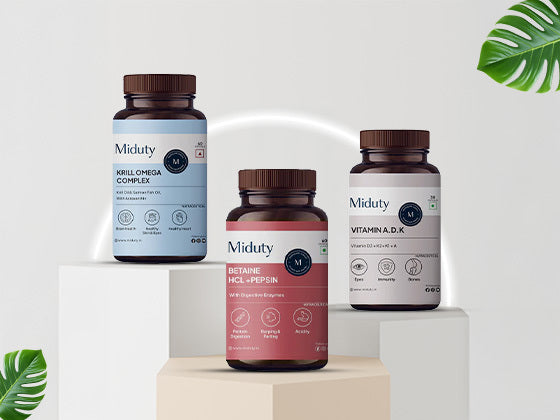


If your child consumes a variety of fruits, vegetables, whole grains, proteins, and dairy, food is likely to provide all of the nutrients they require. Whole foods provide vitamins, minerals, fiber, and other important components that pills cannot entirely imitate. In this blog, we will look at whether children truly require vitamin supplements.
Understanding Children’s Nutritional Needs

Children's nutritional demands change as they develop. A balanced, whole-food diet is usually sufficient, but it is critical to monitor eating patterns, address nutritional gaps as needed, and seek professional assistance when in doubt.
What a Balanced Diet Looks Like for Kids

A balanced diet for children is providing the appropriate nutrients to promote their growth, energy, cognitive development, and immune health. Here's what that looks like in practice, broken down in a simple, age-appropriate manner:
-
Daily food groups & portions (general guide): Fruits (fresh, frozen, canned in juice), vegetables (all colors, especially leafy greens and orange), grains (whole grains: brown rice, oats, whole wheat), protein (lean meats, poultry, fish, eggs, beans, tofu), dairy (milk, yogurt, cheese, fortified plant milks), and healthy fats (nuts, seeds, avocado, olive oil, fatty fish).
-
Plate approach (visual guide): Use the ½-¼-¼ rule on a plate: ½ plate fruits and vegetables, ¼ plate whole grains, and ¼ plate lean protein. Add a serving of dairy (milk, yogurt), or a calcium-fortified beverage.
-
Hydration: Children should drink largely water, limit sugary drinks (juice, soda) to occasional treats, and serve milk (or fortified substitutes) 1-2 times per day.
-
Healthy eating tips for parents include: variety (rotating foods to cover all nutrients), setting a good example (eating balanced meals together), limiting processed/packaged foods (high in sugar, salt, and unhealthy fats), not forcing or bribing (creating a positive mealtime environment), and keeping an eye on portion sizes.
-
Sample day (ages 6-12): Breakfast (whole grain toast with peanut butter, banana, and glass of milk), lunch (turkey and cheese sandwich on whole wheat, carrot sticks, apple slices, and water). Snack: yogurt with berries and a handful of whole-grain crackers. Dinner: grilled chicken, brown rice, steamed broccoli, and water or milk.
Common Nutrient Gaps in Growing Children

Many growing children, particularly fussy eaters or those with restricted diets, may have dietary deficiencies that can impair their energy, growth, and immunity. Here are the most frequent vitamin deficits in children and what to look for:
-
Iron: It promotes brain development, energy, and oxygen delivery in the bloodstream. Symptoms of deficiency include weariness, pale skin, irritability, poor attention, and frequent infections. Meat (particularly red meat), chicken, fish, iron-fortified cereals, beans, spinach, and tofu are good sources, while vitamin C (such as citrus) can help with absorption.
-
Vitamin D: It is essential for calcium absorption and strong bones. Signs of shortage include bone discomfort, slowed growth, frequent sickness, and muscle weakness. Sunlight exposure, fortified milk or plant milks, fatty fish (salmon, tuna), eggs, and supplements are commonly suggested, especially in winter or low-sunlight locations.
-
Calcium: It strengthens bones and teeth and promotes nerve and muscle function. Signs of insufficiency include poor bone growth and dental problems. Milk, cheese, yogurt, fortified plant-based milks (almond, soy, oat), leafy greens (spinach, kale), and calcium-sulfate-enriched tofu are also good sources.
-
Fiber: aids digestion and prevents constipation; regulates appetite and blood sugar. Constipation, stomach pain, and low energy are all signs of a deficit. Sources include fruits and vegetables (with skin), whole grains (oats, brown rice, whole wheat bread), beans, lentils, and seeds.
-
Omega-3 fatty acids (DHA and EPA): They are essential for brain development, attention, and behavior. Symptoms of deficiency include difficulty concentrating, dry skin, and mental difficulties. Sources include fatty fish (salmon, sardines, mackerel), chia seeds, flaxseeds, walnuts, and fortified eggs or supplements.
-
Vitamin A: Supports the vision, skin, and immune system. Signs of insufficiency include poor night vision, dry skin, and recurrent infections. Carrots, sweet potatoes, pumpkin, leafy greens, eggs, and dairy products are all good sources.
-
Vitamin C: Improves immunological function and aids iron absorption. Signs of deficiency include easy bruising, delayed wound healing, and recurrent colds. Citrus fruits (such as oranges and kiwis), berries, tomatoes, bell peppers, and broccoli are all good sources.
Who is Most at Risk for Deficiencies?

Certain types of children are more likely to have vitamin deficiencies due to their food, health issues, or lifestyle choices. Here's the breakdown of who is most at risk and why:
-
Picky eaters: A lack of food variety frequently results in low intakes of iron, fiber, vitamin D, and other nutrients. Common deficiencies include iron, zinc, vitamin A, fiber, and protein.
-
Kids with restricted diets: Vegetarian/vegan youngsters may be deficient in vitamin B12, iron, zinc, calcium, omega-3s, and vitamin D. Certain nutrients, such as B12, require fortified foods or supplements. Children with food allergies, including dairy-free children, may lack calcium and vitamin D. Gluten-free children may miss out on fiber, B vitamins, and iron.
-
Children with medical conditions: Digestive disorders (such as celiac disease, Crohn's disease, and IBS) can reduce iron, B vitamin, calcium, and vitamin D absorption. Sensory difficulties with textures and strong food aversions are common in people with developmental or behavioral abnormalities, such as autism spectrum disorders. Vitamin D, calcium, and essential fatty acids are among the most common deficits.
-
Overweight or obese children: Overweight or obese youngsters may consume a lot of calories yet still experience a "hidden hunger"—a lack of critical nutrients. Due to a high intake of processed foods, individuals are frequently deficient in vitamin D, iron, fiber, and magnesium.
-
Underweight or malnourished children: Children who are underweight or malnourished may not receive adequate nutrition, resulting in a variety of deficits. Protein, iron, zinc, and vitamin A deficits provide a significant danger.
-
Low-income or food-insecure families: Low-income or food-insecure families may eat calorie-dense but nutrient-poor meals due to cost or availability issues. Iron, calcium, vitamin D, and fiber deficiencies can all occur.
-
Teens and adolescents: Rapid growth combined with bad eating habits (meal skipping and fast food) results in common deficits. Menstruation puts girls at an increased risk of iron insufficiency. Teenagers frequently lack calcium, vitamin D, and iron.
The Role of Vitamin Supplements in Pediatric Health

Vitamin supplements can help improve pediatric health, but they are not a one-size-fits-all answer. Supplements can fill nutritional deficits in children.
-
Limited or restricted diet: Picky eaters or those who avoid specific food groups (e.g., dairy, meat, veggies), children with food allergies, particularly to dairy, gluten, or eggs, and vegetarian/vegan youngsters who may be deficient in B12, iron, calcium, or omega-3s.
-
Increased nutritional needs: Rapid development periods necessitate increased nutritional requirements. Children who are underweight, recuperating from illness, or have a low appetite.
-
Medical conditions: Celiac disease, Crohn's disease, cystic fibrosis, and autistic spectrum disorders are examples of medical conditions that can interfere with nutrient absorption.
-
Lack of sun exposure (Vitamin D): Kids living in colder areas or who wear high-SPF sunscreen routinely may not acquire enough vitamin D naturally.
When Food isn’t Enough

In a perfect world, children would obtain all of the nutrients they require from food. However, even with the best intentions and a carefully planned diet, food alone is not always sufficient. Here's when and why it happens, as well as how to deal with it.
-
Picky or selective eating: Toddlers and young children frequently exhibit picky behavior, refusing entire food groups.
-
Restrictive diets: If not carefully planned, vegetarian or vegan diets may be deficient in B12, iron, calcium, and omega-3s. Dairy-free diets (due to allergy or intolerance) can result in low levels of calcium and vitamin D.
-
Medical conditions: Celiac disease, Crohn's disease, cystic fibrosis, and food allergies can all impair nutrient absorption and limit dietary options.
-
Increased needs: During growth spurts, puberty, or illness recovery, children may require more nutrients than food can provide. Teenage girls may require additional iron due to menstruation.
-
Poor food quality or access: Highly processed meals (common in food-insecure households) may be calorie-dense yet nutritionally deficient. Lack of access to fresh fruits, vegetables, and whole grains can result in significant nutritional deficits.
-
Limited sunlight exposure: Even a healthy diet may not provide adequate vitamin D, particularly in the winter or for children who spend little time outside.
Signs your Child might need Supplements

Most healthy children who eat a diversified diet do not require supplements; nonetheless, subtle (or not-so-subtle) indications can suggest a nutritional deficiency. Here are the main symptoms and red flags that parents should look for:
-
Fatigue or low energy, pale skin, recurring infections or delayed recovery, slow development or poor weight gain, muscle weakness or bone discomfort, and constipation or digestive problems.
-
Cognitive and behavioral symptoms include difficulty concentrating or hyperactivity, mood swings or irritability, and sleep disturbances.
-
Dietary and lifestyle clues include a very restricted diet, vegetarian or vegan diets, dairy-free diets, no or limited sun exposure, and chronic medical conditions.
How Pediatricians Determine Supplement Needs

Before recommending any supplements, pediatricians use a careful, evidence-based method to establish whether a kid requires additional nutrients. Here's how the process typically works:
-
Complete medical and nutritional history: Pediatricians will ask inquiries like, "What does your child usually eat in a day?" Do you have any food allergies or aversions? Is your child a finicky eater or follow a certain diet (e.g., vegan, dairy-free)? Are there any recent illnesses, weight loss, or behavioral changes?
-
Growth & development assessment: Doctors will look at weight and height patterns on the growth chart, head circumference in newborns and toddlers, and milestones for speech, mobility, and social development. Slow growth, underweight status, or developmental delays may suggest dietary deficiencies, such as protein, iron, or vitamin D.
-
Laboratory tests (if needed): Pediatricians may order blood tests to confirm or rule out deficiencies, which include hemoglobin & ferritin (for iron), vitamin D levels, vitamin B12 & folate, and zinc, calcium, and magnesium (in certain cases). Many deficiencies can’t be confirmed just by symptoms alone—lab work offers clear data to guide treatment.
-
Medical condition screening: Doctors will consider conditions that impact nutrient absorption or increase needs, such as celiac disease, crohn’s disease, chronic diarrhea, cystic fibrosis, autism spectrum disorders, and chronic infections or inflammation. Kids with chronic health conditions often need supplemental support to absorb or retain adequate nutrients.
-
Tailored supplement plan (if needed): If a deficiency is identified (or the risk is high), your pediatrician will recommend specific supplements (e.g., iron, vitamin D, or a multivitamin), choose age-appropriate doses, suggest retesting after a few months, especially for iron or vitamin D, and monitor for side effects or interactions. Supplementing without guidance can lead to overdose—especially with fat-soluble vitamins or iron.
Choosing the Right Supplements for Your Child

With so many children's vitamins available, it might be difficult to choose the best one. But it does not have to be. Here's a simple, practical approach to help you make safe, effective, and age-appropriate decisions—with a pediatrician's priorities in mind.
-
Start with the basics: Before buying anything, evaluate your child's diet. Are they missing any major food groups (such as dairy, meat, and vegetables)? Check for symptoms such as fatigue, frequent illness, slow growth, or a poor appetite. Consult your pediatrician, especially if your child has a medical condition or is on a restricted diet. Supplements should fill real gaps, not simply act as a daily "insurance policy."
-
Match the supplement to the child’s age and needs: Nutritional needs change as kids grow. Make sure the product is labeled for the right age group, as infants (0-12 months) may require vitamin D, iron (if breastfed), or fluoride (if not in water). Toddlers (1-3 years) should focus on vitamin D, iron, and calcium. Children (4-8 years) may need a multivitamin if their diet is limited. Tweens and teens may require more iron (particularly girls), vitamin D, calcium, and B vitamins.
-
Look for it in high-quality supplements: Choose supplements that have been approved by a pediatrician or are clinically formulated, contain no artificial ingredients, and are in appropriate dosages.
-
Key nutrients to consider (depending on your child’s needs): Key nutrients to consider are vitamin D (most kids require more, especially in the winter), iron (low-meat diets, menstruating teens, fatigue, pale skin), vitamin B12 (vegan/vegetarian children), calcium (dairy-free diets, rapid growth), omega-3s (DHA/EPA) (brain health, low fish intake), and zinc (frequent colds, picky eating).
-
Avoid typical pitfalls: Do not double up. Multivitamins and individual supplements may exceed safe dosages. Prevent "gummy overload." Too many gummies can cause excessive sugar or vitamin A/D toxicity. There are no adult vitamins for youngsters. Adult formulations are frequently too powerful and can be harmful.
-
Read the label (and understand what it means): Unless otherwise specified, recommendations are based on adult needs; check for age-specific information. Some patients require two or more candies or pills with each dose. Keep out of reach of youngsters; several nutrients, notably iron, are harmful in large doses.
-
Consult your pediatrician or dietitian: Bring your child's current supplements or a snapshot of the label to their next session. They can assist you in verifying the exact dosage, ruling out any interactions with medications or health problems, and determining whether supplementation is truly necessary.
Age-Appropriate Formulations and Dosage

Giving your child the correct supplement is more than simply what you give them; it's also about how much and in what form. Children's nutritional requirements change substantially as they grow; thus, age-appropriate formulations and doses are critical for health and safety.
-
Infants (0-12 months): Common needs include vitamin D (400 IU/day if breastfed), iron (1 mg/kg/day starting at 4 months if breastfed), and fluoride (if not in drinking water; after 6 months). Formulations are liquid drops with a dropper (simple to measure and mix with milk or food), and iron can be mixed with vitamin D or administered independently.
-
Toddlers (1–3 years): Common requirements include vitamin D (600 IU/day), iron (7 mg/day), and calcium (700 mg/day). Formulations include liquids or powders (for mixing) and chewables or soft melts (if safe to chew).
-
Young children (4–8 years): Common requirements include vitamin D (600 IU/day), iron (10 mg/day), and calcium (1,000 mg/day). Picky eaters can take chewables or gummies (1-2 per day, depending on brand) as well as powder or liquid. If your child's diet is lacking in diversity, look into child-specific multivitamins with iron
-
Tweens and early teens (9-13 years old): Common needs include vitamin D (600-1,000 IU/day), calcium (1,300 mg/day), iron (8-10 mg/day; greater for menstruating girls), B vitamins, zinc, and omega-3s for brain and hormone support. Formulations include larger chewables, gummies, and capsules (children aged 9 and up can typically swallow tablets). Iron may be administered individually based on blood results. If your doctor recommends specialist formulas for focus, mood, or immunity, consider them.
Natural vs. Synthetic Vitamins

When selecting a supplement for your child, you may notice labels that advertise "natural" vitamins—or, more quietly, synthetic forms. But what does that really mean? And is it important for your child's health? Here's a straightforward explanation to help you decide what's best for your family.
-
Natural Vitamins: They are derived from food, yeast, or fermentation. May contain extra cofactors (such as enzymes or bioflavonoids) that aid absorption. It is frequently branded as "food-based", "whole-food derived", and "from organic vegetables/fruits".
-
Synthetic Vitamins: They are created in a lab to closely resemble the structure of natural vitamins. Frequently more concentrated, shelf- stable, and cost-effective. Found in most regular multivitamins, unless explicitly indicated.
What to Avoid in Kids’ Supplements

Not all children's vitamins are the same. Some products include superfluous additions, potentially dangerous substances, or low-quality nutrients. Here's a clear list of what you should avoid when selecting a supplement for your child, based on pediatric best practices.
-
Excess sugar: Many kids' gummies have 2-5 grams of sugar per serving, which is more than candy. Look for sugar labeled as glucose syrup, corn syrup, sucrose, or cane sugar. Look for sugar-free or naturally sweetened products (stevia, monk fruit), as well as chewables or drops that contain no added sugar.
-
Artificial colors and flavors: Common synthetic dyes, such as Red 40 and Yellow 5, have been related to hyperactivity in sensitive children. Artificial tastes are unneeded and may irritate sensitive systems. Look for labels that say "No artificial colors or flavors" and are naturally colored with beet juice, turmeric, or annatto.
-
Mega-nutrient doses: Too much vitamin A, D, iron, or zinc can be detrimental. The body accumulates fat-soluble vitamins (A, D, E, and K), which can reach hazardous levels. Look for formulas that are close to 100% of the Daily Value (DV) for your child's age, and avoid supplements that deliver more than 200-300% DV without medical supervision.
-
Unnecessary fillers or additives: Avoid unnecessary fillers and additives, such as titanium dioxide (a whitening agent), magnesium stearate, and artificial preservatives. These provide no health advantages and may impair digestion or absorption. Look for clean labels with fewer ingredients and brands that properly disclose all of their contents.
-
Iron: Iron can cause constipation, nausea, and, if overdosed, be hazardous in youngsters. Only include iron if your pediatrician recommends it and your child has been tested and shown to be deficient.
-
"Proprietary blends" lack transparency: Vague ingredient lists, such as "fruit and veggie blend" without proportions, are warning flags. You will not know how much of each nutrient your youngster is receiving. Look for comprehensive ingredient information, including clear amounts per nutrient.
-
Adult formulae labeled for "all ages": Adult supplements may exceed children's acceptable limits and come in pill sizes that they are unable to take. Look for clearly specified age-appropriate doses on the label, as well as pediatrician-recommended brands created for children.
Talking to Your Pediatrician: The First Step to Safe Supplementation

Talking to your pediatrician is the safest and smartest first step before beginning any supplement. They can assist you:
-
Understand your child's actual nutritional needs.
-
Avoid harmful ingredients or overdose.
-
Select supplements that benefit your child's health.