6 Best Salicylic Acid Serums for Dry Skin
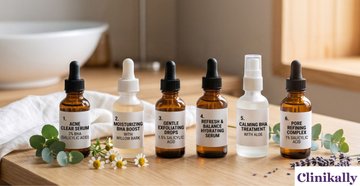
If you have dry skin and breakouts at the same time, you've likely felt stuck most acne-fighting products strip away what little moisture you have. It is important to note that acne is one of the eight most common skin conditions in the world approx 9.4% of the world's population. According to a studies, more than 36% of acne sufferers have dry skin type.
The right salicylic acid serum can not only help treat acne, but it can also exfoliate dead skin cells and unclog pores without stripping away moisture from your skin. In this article, you're going to learn about the 6 best salicylic acid serums that work on dry skin. How salicylic acid works on dry skin, what ingredients to pair it with, and the most common mistakes to avoid to keep your skin barrier intact and keep your pores clear.
How Salicylic Acid Works on Dry Skin?
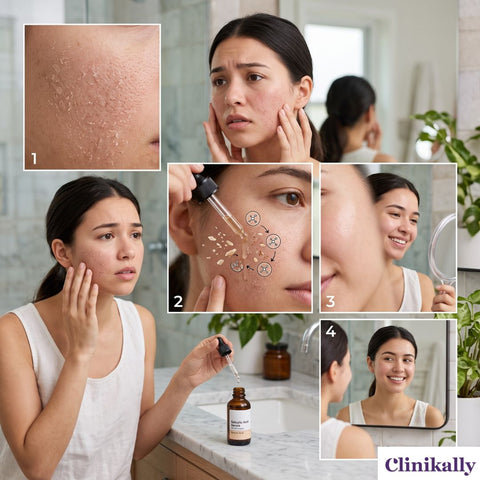
Most people think that salicylic acid is good for oily and acne-prone skin. But dry skin has its own complex relationship with this ingredient that is often misunderstood.
The Science of Salicylic Acid
Salicylic acid is a beta-hydroxy acid (BHA) formulated originally from willow bark. Unlike alpha-hydroxy acids (AHAs) like glycolic and lactic acid. These are water-soluble and work only on skin's surface. Salicylic acid is an oil-soluble organic molecule. This is what makes it uniquely powerful: it can slip past the sebum inside pores and penetrate to the pore lining itself, dissolving the "glue" that holds dead skin cells together from the inside out.
-
Breaks up the dead skin cell buildup at the pore level.
-
Reduces whiteheads and blackheads.
-
Has mild anti-inflammatory properties it is a derivative of aspirin (salicylates), which is why it can calm redness alongside clearing congestion
Why Dry Skin Still Needs It?
What many people may not know is that dead skin cells build up in dry skin at a higher rate and in thicker layers than in oily skin. Because if there's not enough oil production the natural skin cell shedding process will slow down. This results in uneven skin, dullness, clogged pores and acne, even if there is no excess oil production.
When used appropriately, well-formulated salicylic acid products can support the skin barrier while helping control excess oil. A 2025 clinical study found that salicylic acid gel reduced sebum by 23.65%, increased skin hydration by 40.5%, and decreased transepidermal water loss (TEWL) by 49.26% after 21 days of use.
How to Use Salicylic Acid Serum on Dry Skin?
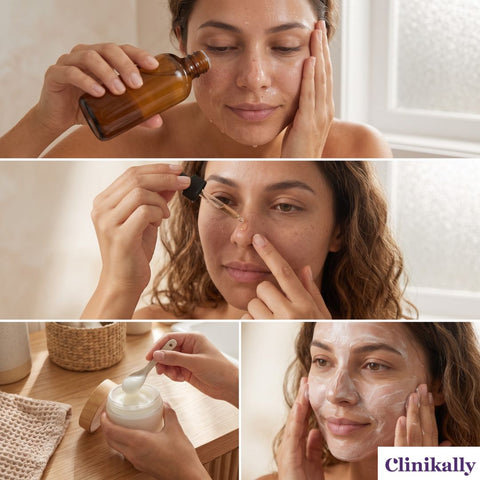
If you are correctly using salicylic acid then it is less about restriction and more about sequencing and balance. Below are some daily care steps which you can follow for better results:
Step-by-Step Routine
Step 1: Gentle Cleanse: Use a non-stripping, hydrating cleanser. Avoid foaming cleansers with sulfates. They remove the necessary oil from your skin, which produces salicylic acid's subsequent drying potential.
Step 2: Apply Salicylic Acid Serum: Apply 2–3 drops of your SA serum to dry (not damp) skin. Applying to completely dry skin slows absorption slightly, which actually reduces the chance of irritation for dry skin types. If you find it too intense on dry skin, try applying it on slightly damp skin for an even gentler result.
Step 3: Hydrating Serum: Follow with a hyaluronic acid or glycerin serum to immediately replenish moisture that the BHA exfoliation may have pulled away.
Step 4: Rich Moisturizer: Apply a ceramide-rich moisturizer to seal in hydration and reinforce the skin barrier. This step is non-negotiable for dry skin users.
Step 5: SPF in the Morning (Mandatory): Salicylic acid increases photosensitivity. If used in the morning, always finish with SPF 30 or higher. If used at night, SPF remains essential in your morning routine the following day.
Frequency Guidelines for Dry Skin
|
Skin Response |
Recommended Frequency |
|
First 2 weeks (all dry skin) |
2–3 nights per week |
|
Mild dry skin, tolerated well |
Every other night |
|
Dry + sensitive/reactive skin |
2–3 nights per week (ongoing) |
|
Dry skin with significant dehydration |
Start once per week and build slowly |
6 Salicylic Acid Serum for Dry Skin
When you have dry skin the most important thing is to select the right salicylic acid serum. The formula needs to be able to clear up your pores without dehydrating skin. Here are some of the best salicylic acid serums for dry skin that exfoliate while keeping skin hydrated and maintaining the barrier function.
|
Product Name |
Main Ingredients |
Primary Benefit |
|
Bisabolol, Tranexamic Acid (TXA), Cyclomethicone, Salicylic Acid |
Makes skin bright and evenly-toned. |
|
|
Salicylic Acid, Lactic Acid, Rice Phytoceramide |
Clears deep pores and helps maintain skin moisture balance. |
|
|
Salicylic Acid, Aloe Barbadensis Leaf Extract, Camelia Sinensis Leaf Extract |
Targets stubborn blemishes and calms irritation and redness. |
|
|
Salicylic Acid, Cica Extract, Zinc |
Helps to reduce intense acne breakouts and regulates excess oil. |
|
|
Salicylic Acid, Niacinamide, Propylene Glycol |
Mildly clears acne without drying out the skin. |
|
|
Salicylic Acid, Epilobium Angustifolium Extract |
Clears the cellular debris to expose soft, totally clear skin. |
1. Gleam BI-Phase Serum
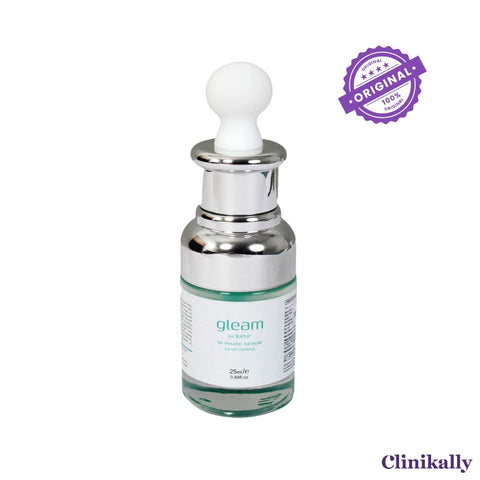
Best For: Dull skin, uneven skin tone, dark spots, early signs of ageing, and anyone wanting brighter, younger-looking skin.
Benefits: This is an AHA + BHA + Tranexamic Acid (TXA) bi-phase serum the water phase gently exfoliates and unclogs pores while the oil phase (argan oil, bisabolol) hydrates and calms. It visibly brightens skin, fades dark spots and hyperpigmentation, smooths rough texture, and supports cell renewal to reduce dullness and fine lines.
Who Should Avoid: Those with very sensitive or reactive skin should patch test first as AHAs/BHAs can cause irritation. Pregnant or breastfeeding individuals should consult a doctor before use.
2. Chemist At Play 2% Salicylic Acid Acne Control Face Serum
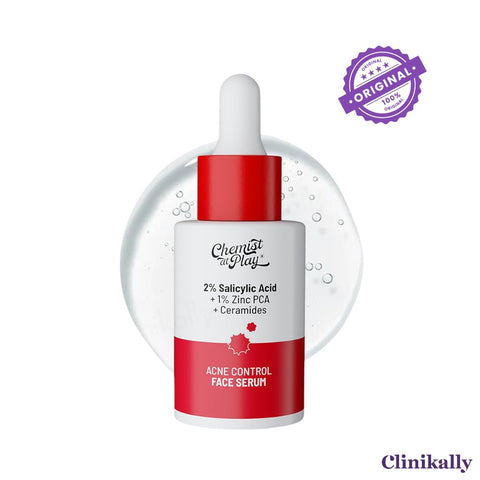
Best For: Oily and acne-prone skin dealing with blackheads, whiteheads, and active breakouts.
Benefits: Contains 2% Salicylic Acid to deeply unclog pores and treat acne, 1% Zinc PCA to regulate excess oil and reduce shine, Centella Asiatica to calm redness, Lactic Acid to brighten and smooth skin tone, and barrier-repairing ceramides with Sodium Hyaluronate to maintain moisture all in a lightweight, non-sticky formula.
Who Should Avoid: Those with dry or very sensitive skin should start slowly (alternate days). Pregnant or breastfeeding individuals should consult their doctor before using salicylic acid products.
3. Neolayr Pro Acne Control Salicylic Acid Face Serum
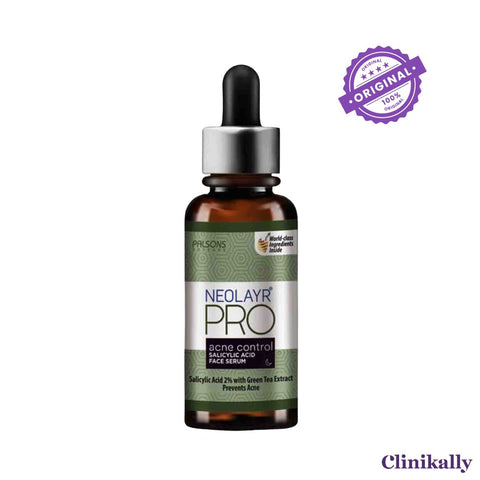
Best For: Oily, combination, and acne-prone skin with blackheads, whiteheads, and excess sebum. Suitable for men and women aged 18+.
Benefits: Formulated with 2% pharmaceutical-grade RonaCare Salicylic Acid (Merck, Germany) that unclogs blocked pores, reduces oil formation, and prevents new acne lesions. Green Tea Extract reduces inflammation and calms redness, while Aloe Vera and Glycerin keep skin hydrated without dryness.
Who Should Avoid: Those under 18 or with dry/sensitive skin should use with caution. Pregnant or breastfeeding individuals are recommended to consult a healthcare provider before use.
4. Dot & Key Cica + 2% Salicylic Skin Clearing Face Serum
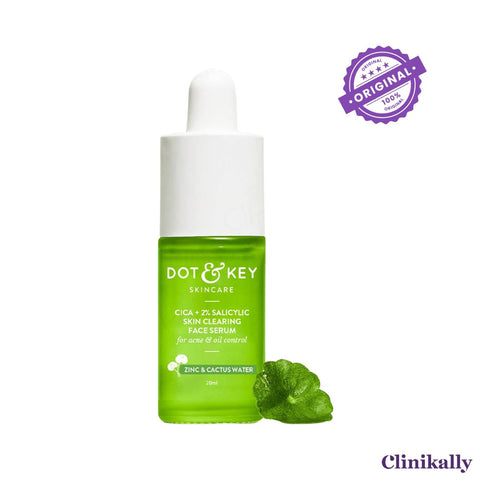
Best For: Oily, acne-prone, and sensitive skin that needs both acne control and calming in one step.
Benefits: Powered by 2% Salicylic Acid to penetrate deep and dissolve blackhead and whitehead-causing debris, enriched with soothing Cica to reduce redness and inflammation, Zinc PCA for sebum control, Niacinamide for pore refinement, and hydrating Sodium Hyaluronate and Prickly Pear Cactus Extract to maintain moisture balance.
Who Should Avoid: It can increase sun sensitivity, so always apply sunscreen in the morning when using this serum. Those with compromised skin barriers should repair the barrier before introducing this. Pregnant/breastfeeding individuals should check with a doctor.
5. Sebocyte Acne Face Serum
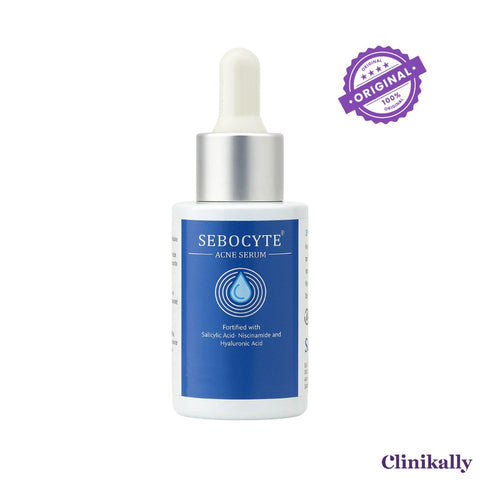
Best For: Active acne, especially when recommended by a dermatologist for moderate acne.
Benefits: It is a prescription medicine that removes the dead layer of skin on the surface and stops the growth of bacteria. It helps reduce excess oil in the skin, keeps pores open, reduces redness and swelling around acne, and promotes healing resulting in smoother-looking skin.
Who Should Avoid: Those who are pregnant, planning pregnancy, or breastfeeding should inform their doctor. Common side effects include skin irritation, itchiness, and burning at the application site. It should not be used for spot treatment on a single pimple it needs to be applied to the full face as directed. Always use only as prescribed.
6. Sebollic Salicylic Acid Serum
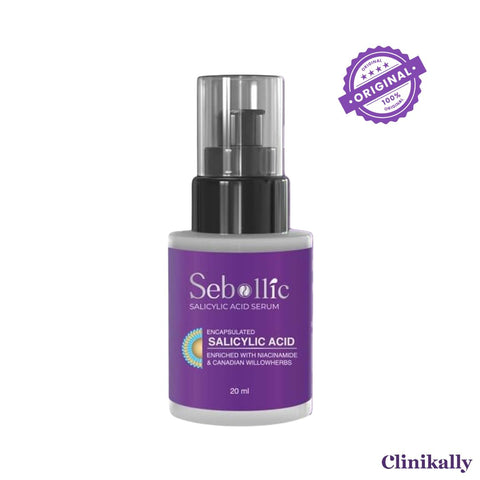
Best For: Oily and acne-prone skin looking for a gentle yet effective daily acne treatment without irritation.
Benefits: Uses encapsulated salicylic acid that stays stable and potent until it reaches the site of action, penetrating deep to prevent breakouts and reduce blackheads and whiteheads. Niacinamide fades blemishes and controls oil production. Canadian Willowherb has antibacterial properties and reduces redness and inflammation associated with acne. It also exfoliates dead skin cells for clearer skin overall.
Who Should Avoid: Beginners should patch test before full use. Those with very dry or sensitive skin should start with alternate-day use. Pregnant/breastfeeding individuals should consult a doctor. Always follow up with SPF during the day.
Ingredients That Work Well With Salicylic Acid for Dry Skin
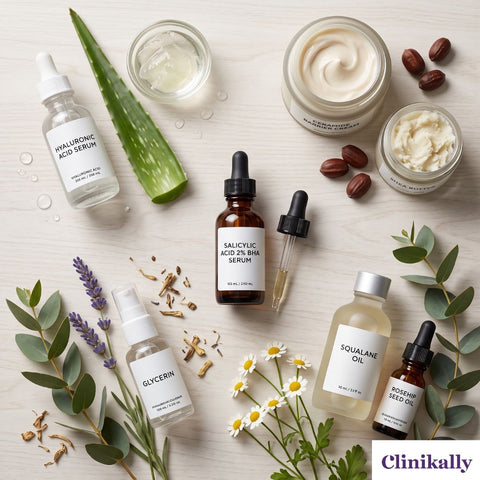
The right pairings turn a potentially drying ingredient into one that both clears and hydrates. Here are the best companions for salicylic acid on dry skin.
1. Hyaluronic Acid- The Essential Moisture Partner
Hyaluronic acid (HA) is a humectant, which is able to retain up to 1,000 times its weight in water and can absorb moisture from the environment. It will be the most crucial pairing ingredient for salicylic acid when applied to dry skin, as it directly neutralizes the possible drying impact of BHA exfoliation.
How to use: Apply a hyaluronic acid serum immediately after your salicylic acid serum has absorbed. The two work at different layers of the skin and do not interfere with each other's effectiveness.
2. Ceramides- Barrier Repair and Protection
Ceramides are lipids that are an integral part of your skin's protective barrier. Salicylic acid exfoliation will temporarily harm the lipid layer, and dry skin already has a compromised lipid layer. After your BHA serum, use a ceramide-rich moisturizer that restores barrier integrity, helps to retain moisture in the skin, and keeps the skin safe from environmental stressors.
How to use: In your moisturizer (applied after serum), not layered directly with salicylic acid.
3. Niacinamide- Barrier Strength + Oil Balance
Niacinamide (Vitamin B3) is a good partner of salicylic acid. Salicylic acid works on the pores to control oil from within while niacinamide does so from the outside through a different pathway, working together on excess oil. Another benefit of Niacinamide is that it naturally increases ceramide production directly helping those who suffer from dry skin.
How to use: Apply niacinamide at a different time of day (morning) or wait at least 30 minutes after applying salicylic acid.
4. Squalane- Lightweight Oil That Won't Clog Pores
Squalane is the best choice for dry skin where there is a need for additional lipid replenishment but no comedogenic risk. It is an emulation of natural sebum adds moisture and forms a protective soft layer on the skin. When salicylic acid clears out pore debris, squalane keeps the newly exfoliated skin from feeling tight or flaky.
How to use: As the final step in your evening routine, after moisturizer, or mixed into your moisturizer.
5. Panthenol (Vitamin B5)- Calming and Healing
Panthenol is a soothing, healing humectant that supports barrier recovery and reduces redness. For dry skin types prone to irritation from acids, panthenol in your post-BHA moisturizer provides a calming buffer and speeds barrier repair between uses.
What to AVOID Pairing With Salicylic Acid?
-
Retinol (in the same routine): Both are active exfoliants. Use retinol on alternate nights.
-
Benzoyl peroxide: Can cause over-dryness and irritation; use on alternating nights if needed.
-
Other AHAs/BHAs: Over-exfoliation damages the moisture barrier.
-
Vitamin C (at the same time): Combining acids with Vitamin C at the same time can cause irritation; use Vitamin C in the morning and salicylic acid at night.
-
Alcohol-based toners: Using these before or after BHA serums strips skin of essential moisture.
Common Mistakes to Avoid When Using Salicylic Acid on Dry Skin
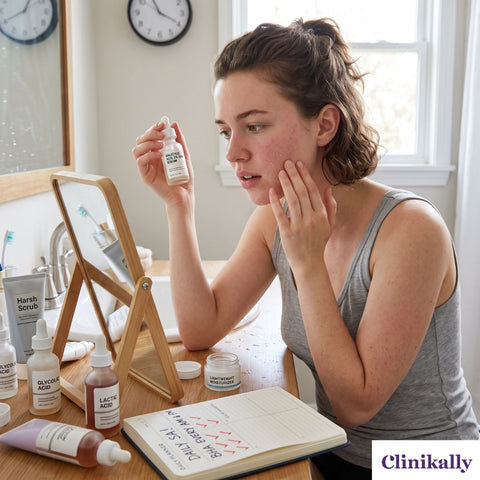
Even with the right product mistakes in application can undo the benefits or worse it can be actually damage your skin cells. Here are the most common errors and how to avoid them.
Mistake 1: Using It Every Day Without Building Up Gradually
The problem: Jumping straight to daily use on dry skin almost always leads to flaking, redness, and an impaired skin barrier.
Solution: Start slowly approx 2-3 times per week. Spend at least two weeks at this frequency before increasing. If your skin still feels comfortable after a month, you can try every other night. Daily use is appropriate for some dry skin types eventually but it must be earned, not assumed.
Mistake 2: Skipping Moisturizer
The problem: Many people apply salicylic acid and consider their routine done. For dry skin, this is the most damaging mistake on this list. Salicylic acid exfoliates; without immediate replenishment, the skin is left temporarily vulnerable to moisture loss.
Solution: Always follow salicylic acid with a hydrating serum and a ceramide-rich moisturizer within 2–3 minutes of application.
Mistake 3: Using a High Concentration Right Away
The problem: Starting with a 2% salicylic acid product at a low pH on dry, sensitive skin is too aggressive for most beginners.
Solution: Start at 0.5%–1%, or choose a higher-pH formulation (4.5–5.3), and only increase concentration once your skin has adapted over several weeks.
Mistake 4: Using It on Already Compromised or Flaring Skin
The problem: If your skin barrier is already broken down actively flaking, red, or peeling applying salicylic acid will make things significantly worse. BHAs need an intact enough barrier to exfoliate safely.
Solution: When your skin is flaring or severely dry, pause salicylic acid and focus entirely on barrier repair (ceramides, hyaluronic acid, gentle cleansing) for 5–7 days before reintroducing it.
Mistake 5: Layering With Too Many Other Actives
The problem: Dry skin that uses retinol, AHAs, and salicylic acid in the same routine will become sensitized, red, and worse than before any of these products were introduced.
Solution: Use vitamin C and niacinamide in the morning. Reserve salicylic acid for your evening routine and only add retinol on nights when you are not using your BHA serum.
Final Thoughts: Can Dry Skin and Salicylic Acid Truly Get Along?
Salicylic acid and dry skin can go hand in hand; it is all about the formula and how it is used. Dry skin is not a barrier to clear pores, it is just that one should be more careful in product selection and routine. The serums in this guide prove that BHA exfoliation doesn't have to result in dry, irritated or damaged skin barriers.
Use with a lower concentration, add it gradually 2-3 times per week. Always use a ceramide rich moisturizer and hyaluronic acid to maintain skin barrier. After that apply SPF during the daytime. Use salicylic acid as one carefully selected part of a whole, paired with the appropriate complementary ingredients and allow time for adaptation. If it is done regularly and properly, it will give you a softer texture, fewer acne outbreaks, and much clearer pores even on the driest of skin using it regularly.