



- Causes of Scalp Inflammation
- Symptoms of Scalp Inflammation
- Anti-Inflammatory Treatments
- Preventing Scalp Inflammation
- FAQs
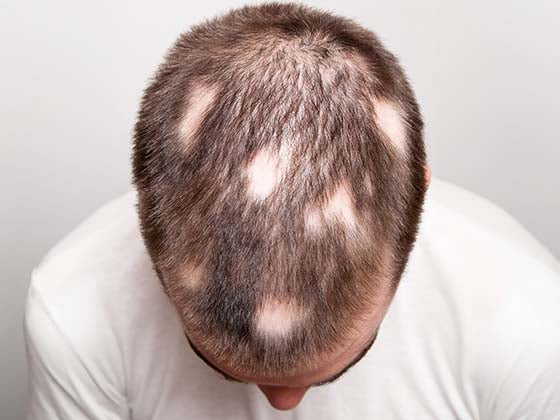
Yes, scalp inflammation can cause permanent hair loss if it leads to scarring (Cicatricial Alopecia). While most inflammation causes temporary shedding, chronic irritation can damage hair follicles that cannot be repaired or restored. Early treatment with anti-inflammatories can help you stop permanent damage and restore growth. In this blog, we’ll understand what causes scalp inflammation, talk about some common conditions and effective treatment plans.
A Quick Summary (TL;DR)
If you’re dealing with scalp irritation and thinning, these quick steps will help:
-
Act Early to Prevent Scarring: Most inflammatory hair loss is reversible, but chronic, untreated cases can lead to severe conditions such as Cicatricial Alopecia that causes the scar tissue to permanently damage the hair follicles.
-
Finding the Trigger: For effective recovery, a quick diagnosis is a must. Some of the most common causes include Seborrheic Dermatitis, Psoriasis, and Folliculitis.
-
Medical Solutions: Dermatologists often prescribe corticosteroids to halt the immune response and ketoconazole or Zinc Pyrithione to eliminate fungal triggers.
-
Natural Interventions: Bioactive ingredients such as Aloe Vera, Tea Tree Oil, and Apple Cider Vinegar restore the scalp’s pH and soothe immediate redness.
-
Growth Environment: You cannot grow healthy hair on an inflamed scalp. Reducing “micro-tears” from scratching is essential to prevent secondary infections.
Let’s deep-dive into each of these factors and understand this topic properly. But first, let’s understand some of the causes of scalp inflammation.
What Causes Scalp Inflammation?

Scalp inflammation is characterized by redness, irritation, itching, or tenderness of the scalp. It can be caused by a variety of factors, including skin diseases and infections, as well as lifestyle and environmental impacts. Understanding the causes is necessary for determining appropriate therapies and preventing future problems such as hair loss. The most common causes of scalp inflammation are skin problems, infections, allergic responses, autoimmune disorders, environmental and lifestyle variables, hormonal imbalances, dietary deficiencies, stress, scalp injuries, and medical treatments.
Common Inflammatory Scalp Conditions

Inflammatory scalp illnesses can cause inflammation, itching, peeling, and even hair loss. Understanding these illnesses is critical for diagnosing symptoms and developing appropriate treatments. Inflammatory scalp illnesses include seborrheic dermatitis, psoriasis, folliculitis, tinea capitis (scalp ringworm), lichen planopilaris, contact dermatitis, alopecia areata, scalp eczema (atopic dermatitis), discoid lupus erythematosus (DLE), and acne keloidalis nuchae. Let’s differentiate these causes and symptoms to find out the exact reason for your scalp inflammation:
|
Condition |
Key Symptoms |
Appearance |
Hair Loss Risk |
|
Seborrheic Dermatitis |
Greasy itching |
Yellowish, oily flakes |
Low (Temporary) |
|
Scalp Psoriasis |
Silvery scaling |
Thick, red plaques |
Moderate (If scratched) |
|
Folliculitis |
Soreness/Pustules |
Small red bumps/whiteheads |
High (If deep) |
|
Lichen Planopilaris |
Burning/Pain |
Smooth, shiny patches |
Permanent (Scarring) |
The Role of Folliculitis in Hair Loss

Folliculitis can range from a little nuisance to a severe condition that impairs scalp health and hair growth. While most cases are controllable with adequate care and treatment, early intervention is critical for avoiding problems such as scarring alopecia. Keeping a healthy scalp environment and addressing triggers can help prevent folliculitis-related hair loss and maintain long-term hair health.
Chronic Conditions: Psoriasis and Seborrheic Dermatitis

Scalp inflammation can have a substantial influence on hair health, but early detection and treatment can help to reverse many of its effects. By addressing the underlying source of inflammation and implementing a comprehensive care routine, you can improve scalp health, promote hair regrowth, and prevent further loss.
How Scalp Inflammation Leads to Hair Loss

By damaging follicles, disrupting the development cycle, and lowering scalp health, inflammation of the scalp results in hair loss. Reducing damage and promoting hair growth requires early detection and specialized treatment. Maintaining a healthy environment on the scalp helps shield hair follicles from harm and helps avoid inflammatory triggers.
The Inflammatory Process: How It Affects Hair Follicles

According to the Journal of Clinical and Aesthetic Dermatology, seborrheic dermatitis affects up to 5% of the population, while its milder form (dandruff) impacts nearly 50% of adults worldwide. This means scalp inflammation is far from rare. For many, it is a silent driver of hair thinning. While inflammation is normally the body’s way of healing tissue, it becomes a 'follicle killer' when it turns chronic. At that stage, it disrupts the growth cycle and leads to excessive shedding or permanent scarring.
-
Activation of the immune system: When a trigger (e.g., infection, autoimmune response, or irritant) occurs, the immune system releases inflammatory signals like cytokines and chemokines. These molecules attract white blood cells to the site of inflammation, targeting the hair follicle area for repair or defense.
-
Damage to follicular cells: TNF-alpha, IL-1, and IL-6 are inflammatory mediators that assault the keratinocytes and dermal papilla cells found in hair follicles. This causes structural damage to the follicle, reducing its ability to anchor and maintain hair growth.
-
Disruption of the hair growth cycle: Inflammation can trigger Telogen Effluvium, a condition where up to 30% of your hair follicles prematurely enter the resting phase, compared to the normal 10%. This can cause too much shedding, which temporarily thins hair.
-
Alteration of the scalp environment: The scalp becomes red, puffy, and occasionally flaky or oily due to chronic inflammation. The ability of the hair follicle to access oxygen and nutrients is impacted by an unhealthy scalp environment, which inhibits the creation of new hair.
-
Fibrosis and scarring: Fibroblasts can be activated by chronic inflammation, which results in the development of scar tissue surrounding the hair follicle. Scarring alopecia results from this irreversible injury to the follicle, which stops hair from growing back.
-
Autoimmune targeting of follicles: The immune system incorrectly perceives hair follicle cells as dangerous in autoimmune diseases such as alopecia areata. Localized or extensive hair loss results from the immune cells' direct inhibition of the hair development process.
-
Secondary infections: Itching and scratching are common symptoms of inflammatory disorders, which can result in micro-tears on the scalp. These can allow bacterial or fungal infections to enter the follicle, increasing irritation and inhibiting hair development.
Symptoms to Watch for in Scalp Inflammation

Numerous signs might indicate inflammation of the scalp, and early detection is essential to avoiding long-term harm to hair follicles and guaranteeing successful treatment. Redness and swelling, itching and sensitivity, flaky or scaly skin, pain or discomfort, thinning or loss of hair, pustules or lesions, oily scalp or dry scalp, tightness in the scalp, changes in the follicles, and an unpleasant smell are among the most typical symptoms.
Can Scalp Irritation Be Reversed?

Scalp irritation can typically be reversed with the correct treatment, particularly if the underlying cause is addressed promptly. You may greatly improve scalp health and restore comfort by using proper products, modifying your hair care routine, and reducing stressors such as infections. If discomfort persists or worsens, a dermatologist can advise you on more specialized treatments.
Effective Treatments for Scalp Inflammation and Hair Loss

From topical remedies and oral drugs to cutting-edge therapies like PRP and laser treatments, there are numerous efficient ways to control scalp inflammation and encourage hair growth. You can significantly enhance the health of your scalp and lessen hair loss by combining medical treatments, lifestyle changes, and scalp care. For the best outcomes, early intervention is essential.
Topical Anti-Inflammatory Treatments

Topical anti-inflammatory treatments are intended to reduce inflammation, soothe irritation, and promote scalp healing. These procedures are quite helpful for treating seborrheic dermatitis, psoriasis, dandruff, and other inflammatory scalp diseases. Some of the most effective topical anti-inflammatory treatments for restoring scalp health include corticosteroids, immunosuppressants, coal tar, ketoconazole, tea tree oil, aloe vera, zinc pyrithione, salicylic acid, chamomile extract, and niacinamide. Even studies on Ketoconazole (2%) show that consistent use can increase hair density by 8.6% over a 6-month period, comparable to some over-the-counter growth stimulants.
Natural Remedies for Scalp Inflammation

Dandruff, psoriasis, seborrheic dermatitis, and irritation from hair products are some of the conditions that can cause inflammation of the scalp. Without using harsh chemicals, a variety of natural therapies can help calm and heal an inflammatory scalp. Here are a few natural remedies that work well:
-
Aloe Vera: It is well known for its relaxing effects, making it ideal for treating an inflammatory scalp. Aloe vera contains anti-inflammatory, moisturizing, and cooling properties that help relieve redness, swelling, and irritation. Apply fresh aloe vera gel directly to the scalp, leave it for 20–30 minutes, and then rinse with lukewarm water.
-
Coconut Oil: Coconut oil is rich in fatty acids and has anti-inflammatory and antifungal properties, which are beneficial for soothing scalp irritation. It moisturizes the scalp, reduces dandruff, and fights fungal infections, which can be a cause of inflammation. Warm the oil and massage it gently into the scalp. Leave it on for 30 minutes to an hour before rinsing with shampoo.
-
Tea Tree Oil: Tea tree oil is a powerful natural antimicrobial agent that can help reduce inflammation and fight infections. It has antifungal, antibacterial, and anti-inflammatory properties, which can alleviate symptoms of dandruff, seborrheic dermatitis, and folliculitis. Mix 2–3 drops of tea tree oil with a carrier oil like coconut or olive oil and massage into the scalp. Leave it on for 15–20 minutes before washing it out.
-
Apple Cider Vinegar: Apple cider vinegar (ACV) can help balance the pH of the scalp, reduce fungal growth, and soothe irritation. ACV works as an anti-inflammatory agent, controlling scalp conditions like dandruff and seborrheic dermatitis. Pour equal parts ACV and water onto your scalp after shampooing. Massage lightly and leave for a few minutes before washing.
-
Chamomile Tea: A gentle anti-inflammatory herb, chamomile can soothe inflamed scalp skin. Chamomile promotes healing and lessens swelling, redness, and itching. After shampooing your hair, use the cooled chamomile tea as a rinse. As an alternative, dab the scalp with chamomile extract.
-
Lavender Oil: It is known for its soothing and anti-inflammatory effects, which can aid with scalp inflammation. Lavender oil alleviates inflammation, decreases redness, and promotes a healthy scalp. Mix a few drops of lavender oil with a carrier oil and massage it into your scalp. Wait 15-20 minutes before rinsing.
-
Neem Oil: It works well to treat problems of the scalp because of its inherent antibacterial, antifungal, and anti-inflammatory qualities. Neem oil helps reduce inflammation and treat fungal infections, which can contribute to dandruff and seborrheic dermatitis. Mix neem oil with a carrier oil and massage into the scalp. Leave it on for 20–30 minutes before rinsing with shampoo.
-
Witch Hazel: Witch hazel is a natural astringent with anti-inflammatory properties, useful for reducing scalp irritation caused by excess oil production. It helps reduce inflammation, control excess oil, and soothe itchy scalp conditions. Apply witch hazel directly to the scalp using a cotton ball and leave it on for 10–15 minutes before rinsing.
-
Jojoba Oil: It's a hydrating oil that resembles the natural oils the scalp produces. It aids in bringing the scalp back into balance, especially when the skin is dry or irritated. It controls oil production, calms irritation, and hydrates the scalp. After applying jojoba oil to your scalp and letting it sit for 20 minutes, rinse it off with a mild shampoo.
-
Honey: Honey is a natural humectant with antibacterial and anti-inflammatory properties that can help treat scalp inflammation. Honey helps retain moisture, reduces irritation, and promotes healing. Apply honey directly on the scalp by combining it with a small amount of coconut oil or water. Apply for 20-30 minutes before cleansing.
Dermatologist-Approved Treatment Options

Treatments for scalp irritation should be not only safe for long-term usage but also efficient. Dermatologists often recommend a combination of topical treatments, medications, and lifestyle adjustments to address scalp inflammation caused by conditions like dandruff, seborrheic dermatitis, psoriasis, and folliculitis. For effective management of scalp inflammation, dermatologists recommend a combination of topical treatments, medications, and lifestyle changes. It is critical to speak with a dermatologist to determine the root cause of the inflammation and personalize the treatment accordingly. By taking a consistent and targeted strategy, you may drastically minimize symptoms, boost healing, and keep your scalp healthy.
Preventing Future Scalp Inflammation: Long-Term Care for Healthy Hair

Preventing future scalp inflammation necessitates a comprehensive approach that includes adequate hair care, diet, stress management, and routine scalp maintenance. By following these long-term care methods, you may keep your scalp healthy, lower your risk of inflammation, and retain thick, vivid hair. If scalp irritation persists despite these efforts, seeing a dermatologist is essential for individualized treatment and prevention.