




- Basics of Stearic Acid
- Relevance of Stearic Acid in Skincare
- Benefits of Stearic Acid
- Role of Stearic Acid In Formulations
- Stearic Acid v/s Other Fatty Acids
- FAQs
Stearic acid is a popular skincare active ingredient, which is renowned for its multi-beneficial qualities and suitability to all skin types. As a natural fatty acid, it also functions as an emollient, emulsifier, and thickener. It locks in moisture, smoothens the texture, and stabilises cosmetic preparations. It is widely used in cleansers, lotions, moisturizers, and anti-aging creams and nourishes a smoother, more moisturized, and better-balanced complexion. With skincare trends shifting toward clean beauty, eco-friendly ingredients, and science-supported formulations, stearic acid remains a go-to ingredient in today's skincare regimens. In vegan products and dermatologist-recommended products, stearic acid proves to be a versatile ingredient that reminds us that the power of simplicity can coexist with efficacy.
Understanding Stearic Acid in Skincare

Stearic acid is a primary skincare ingredient famous for being nourishing, protective, and stabilizing. It is a naturally occurring saturated fatty acid that is derived from plants or animals. It is essential in making the skin barrier stronger, retaining moisture, and improving the texture of skincare products. Used in cleansers, moisturizers, serums, and lotions, stearic acid ensures that skin remains soft, supple, and hydrated. Its role as an emulsifier enables oils and water to mix harmoniously, producing silky, opulent formulations. Clean beauty and vegan skincare have made stearic acid more and more available from plant sources such as cocoa and shea butter. It's a favorite among sensitive, dry, and mature skin types, complementing anti-aging regimens and sustained hydration. Stearic acid, due to the above mentioned properties, is loved by dermatologists and skin care professionals alike. Its effective yet non-irritating ability to encourage healthy, balanced, and glowing skin has made it a dermatologist favourite.
What Is Stearic Acid? Origins and Basics
Stearic acid is a saturated long-chain fatty acid that is very well known due to its versatility as well as natural origin. It occurs in large amounts in animal fat and plant oils such as cocoa butter, shea butter, and palm oil, stearic acid serves very important purposes across several industries. This solid, waxy compound is in great demand in cosmetics, skincare, soap production, and candle making because of its emollient, thickening, and stabilizing characteristics.
Being naturally derived from plant and animal sources, Stearic Acid promotes a creamy texture, stabilizes foam, and enhances product uniformity in cleansers, creams, and lotions. Stearic acid also functions as a lubricant and softener in rubber, pharmaceuticals, and plastics. Its non-toxic and biodegradable properties make it a common ingredient in environmentally friendly and sustainable products.
Stearic acid is produced through the hydrogenation of vegetable oils or animal fat. It is increasingly becoming important in personal care, food, and industrial applications. As consumers increasingly demand natural, organic, and sustainable components for their formulations, stearic acid continues to be a key ingredient in today's clean beauty and green production trends with the ideal combination of function, purity, and sustainability.
The Science Behind Stearic Acid’s Functions
In cosmetic formulation and skincare, Stearic Acid is a versatile multifunctional fatty acid that contributes to product performance and texture. A natural occurrence in coconut oil, shea butter, and palm oil, Stearic Acid is a concentrated ingredient in skincare and haircare products. Knowing the chemistry behind Stearic Acid's functions explains why it is a common addition in cosmetic formulations, moisturizers, and cleansing systems globally.
-
Stearic Acid is an 18-carbon saturated fatty acid. Due to its long hydrocarbon chain structure, it has a waxy consistency and hydrophobic property. This enables it to function as a thickener, stabilizer, and emulsifier, and hence it plays a significant role in the physical stability of cosmetic products.
-
One of the most significant scientific roles of Stearic Acid is its emulsification stabilizing capacity. When mixed with certain compounds, it forms salts, which are surfactants. These facilitate oil and water to blend completely, producing a uniform, stable, and long-lasting preparation.
-
Stearic Acid thickens products designed to increase viscosity. Its crystalline texture provides products with a rich, creamy texture, thus enhancing spreadability and making the product feel luxurious to consumers in lotions and creams.
-
Scientifically, Stearic Acid acts as an occlusive agent, creating a thin protective film at the surface of the skin. This barrier action minimizes transepidermal water loss (TEWL), preserving skin hydration and protecting the skin from damage by the environment.
-
In cleansers and soaps, Stearic Acid combines with sodium hydroxide to form sodium stearate, which is an important soap molecule. This substance works on the principle of reducing surface tension so that water can emulsify oils and dirt, resulting in good cleansing and foaming action.
-
Since Stearic Acid has a very high melting point of ~69°C, it enhances a product's heat stability. This helps prevent formulations to become unstable in texture and performance, even when subjected to extreme storage temperatures.
-
Stearic Acid is very compatible with emollients, waxes, and actives. Its amphiphilic characteristic (both having hydrophobic and hydrophilic components) positions it as a good base ingredient in creams, serums, and emulsions.
-
Stearic Acid is obtained from renewable plant sources, thus making it a biodegradable and environmentally friendly product. This supports contemporary clean beauty fashion and green and sustainable formulation strategies and will appeal to conscious consumers.
-
As a hair conditioner ingredient, Stearic Acid wraps the hair shaft with a film that provides smoothness, luster, and manageability. Its film-forming capability minimizes friction, avoiding breakage and enhancing detangling performance.
-
In science formulation, Stearic Acid is prized for its multi-functional position because it is an emollient, an emulsifier, a co-surfactant, and a stabilizer. It unites the worlds of sensory experience and scientific effectiveness with the ideal balance of function and form.
From the cosmetic chemistry and formulation science perspective, Stearic Acid performs a plethora of functions. Its chemical stability, moisturizing capacity, and emulsifying properties make it irreplaceable in contemporary skincare, haircare, and personal care products. With brands shifting towards sustainable ingredients and clean beauty innovations, Stearic Acid remains a scientifically substantiated, multi-functional, and high-performance ingredient.
Why Stearic Acid Is a Common Ingredient in Formulations
In the realm of personal care, cosmetics, and skincare products, Stearic Acid is a favorite among formulators. Because of its stabilizing, thickening, and emulsifying abilities, the naturally sourced fatty acid is essential to making smooth, stable, and effective products. Sourced either from plant oils such as coconut and palm or from animal fats, Stearic Acid makes both product performance and texture possible. It is prevalent in formulations because:
-
It provides a stable emulsion, thus improving shelf life of lotions, creams and moisturisers by avoiding separation of oil and water ingredients.
-
Provides a thick, luxurious texture to formulations, thus increasing the liability of the product.
-
It also serves as an emollient, creating a protective barrier over the skin's surface that traps moisture and resists dryness.
-
It improves the stability of formulations, keeping products from degrading with various temperatures or storage conditions.
-
It increases the smoothness of creams and lotions, thus enhancing the sensorial experience when applied.
-
Stearic Acid is cost-effective and compatible with a wide range of ingredients, making it appropriate for skincare, haircare, shaving creams, and cosmetics.
-
Since it is sourced from renewable plant materials, Stearic Acid is the choice for brands looking for green and sustainable ingredients.
-
In cleansers and soaps, Stearic Acid adds to creamy lather and enhances the cleansing effectiveness without drying out skin moisture.
-
Its stabilizing action guarantees long-term quality and makes it a safe choice for mass-market and high-end cosmetic products.
-
Stearic Acid is recognized as non-toxic, non-irritating, and safe for all skin types.
In today’s clean beauty and eco-conscious market, Stearic Acid stands out as a multifunctional, sustainable, and high-performance ingredient. Its versatility makes it indispensable in cosmetic, skincare, and personal care formulations. Whether you’re developing a moisturizer, cleanser, or conditioner, Stearic Acid remains one of the most reliable and effective building blocks in modern formulation science.
Skin Benefits of Stearic Acid
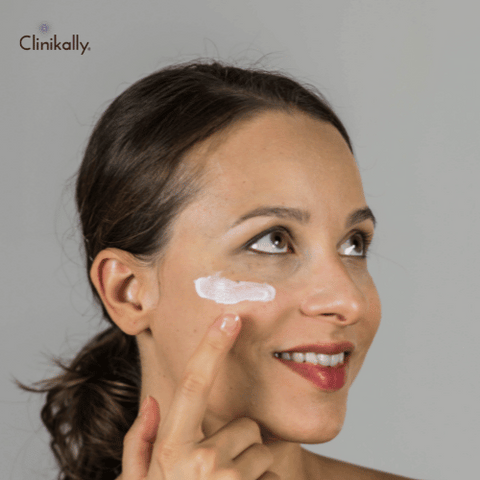
Stearic Acid is a mighty ingredient that helps to feed, shield, and enhance the well-being of your skin. Various science-supported benefits that make it an essential skincare ingredient are:
-
Reduces transepidermal water loss (TEWL), keeping the skin moisturized, soft, and plump for extended periods of time.
-
Stabilizes the skin's barrier of moisture by copying lipids, thus shielding the skin from environmental stressors, pollution, and harsh weather conditions.
-
Enhances spreadability and texture of skincare products, which allows active ingredients to penetrate deeper into the skin for greater effectiveness.
-
Soothes irritation and minimizes dryness, thus making it suitable for sensitive skin types that tend to flake or turn red.
-
Offers lasting hydration, keeping the skin soft, firm, and well-hydrated all day long.
-
Daily application of Stearic Acid-treated products softens rough areas, evens out skin texture, and gives the skin a velvety texture, improving the general appearance and feel of the skin.
-
Removes impurities, oil, and makeup without stripping the natural oils of the skin, when used in cleansers, thus leaving it clean but balanced.
-
Boosts the skin's defense system, enhancing resistance to free radical destruction and early aging.
-
Improves skin elasticity and makes skin look firmer, smoother, and more youthful in the long run due to enhanced moisturization.
-
Stabilizes emulsions so creams and lotions remain consistent and effective.
-
Provides comfort and moisture in skin conditions such as eczema as it is hypoallergenic and non irritating.
-
Facilitates skin healing, cell regeneration, and healthy skin microbiome, leading to a glowing, youthful complexion.
From hydration and protective barrier to texture enhancement and gentle cleansing, Stearic acid provides multi-faceted benefits that make it one of the most prized ingredients in contemporary skincare.
Moisturizing and Barrier Protection Properties
Stearic acid is a humectant and skin-protecting fatty acid that performs a crucial function in ensuring healthy, moisturized skin. In its emollient and occlusive capacities, stearic acid creates a shield on the skin surface that efficiently minimizes transepidermal water loss (TEWL) and retains vital moisture. This keeps skin soft, smooth, and supple for longer, making it one of the most important ingredients in body butters, moisturizers, creams, and lotions. In addition to moisturizing, stearic acid fortifies the skin's native lipid barrier, keeping the skin shielded from environmental stressors, toxins, and irritants. Furthermore, stearic acid's fatty acid composition duplicates the skin's natural lipids, supporting barrier strength and ensuring long-term moisturization. With increasing interest from consumers in barrier-repair skincare and hydration-oriented beauty regimens, stearic acid remains a natural, eco-friendly, and multitasking active ingredient relied upon for intensive skin conditioning and protection.
Stearic Acid as an Emulsifier in Creams and Lotions
Stearic acid is an excellent natural emulsifier that is commonly utilized in creams, lotions, and cosmetics to create rich, stable, and smooth textures. As an animal or plant-derived fatty acid, it assists in mixing the oil and water fractions, producing a homogeneous, creamy texture that improves product performance and stability. In emulsions, stearic acid is used as a stabilizer and thickener, ensuring the blending of ingredients and enhancing the total texture, spreadability, and sensation of skincare formulations.
Aside from its emulsifying property, stearic acid is also responsible for the soft, velvety feel and rich body of creams and lotions, thus making them more moisturizing and protective. It synergizes with other emulsifiers such as glyceryl stearate or cetyl alcohol to form long-lasting, stable products that are ideal for all skin types. Due to its biodegradable and skin-compatible profile, stearic acid is a favorite among clean beauty, vegan skincare, and green cosmetic products. Its multi-functionality provides structure, stability, and hydration, thus rendering stearic acid an essential active ingredient in contemporary emulsion science, imparting functional performance along with a rich sensory benefit to skincare products.
Gentle Cleansing and Skin-Softening Abilities
Stearic acid is famous for its mild cleansing properties and skin softening effects, rendering it a valued active ingredient in facial cleansers, soaps, body washes, and shaving cream. Being a fatty acid surfactant, it gently cleanses dirt, oil, and impurities from the skin surface without drying out natural moisture, balancing and non-drying cleansing. Stearic acid only produces a mild foaming action that does not disrupt the skin's pH, but also has a protective lipid layer, which is perfect for dry and sensitive skin types.
Aside from cleansing, stearic acid acts as a skin-conditioning agent, making the skin soft, smooth, and moisturized after application. It creates a thin protective layer that seals in moisture and increases the natural elasticity of the skin. With this two-in-one action of cleansing and conditioning, it helps maintain long-term skin health and well-being. In contemporary formulations, stearic acid is frequently blended with natural oils and humectants to enhance its moisturizing and calming actions, perfect for the trend towards gentle, sulfate-free, and environmentally friendly skincare. The fact that it produces a rich, creamy lather and a silky finish makes stearic acid an ingredient of choice in products formulated for everyday, gentle skincare routines.
Stearic Acid in Skincare Formulations
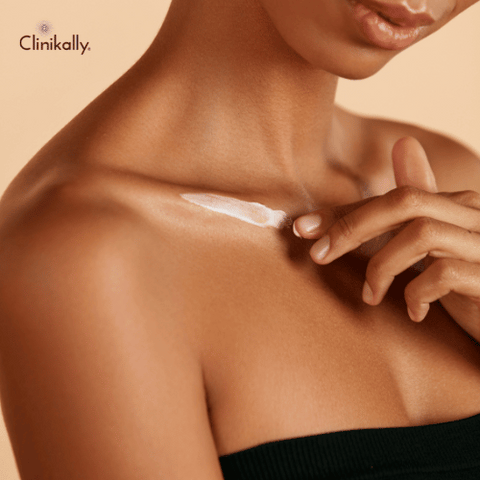
Stearic acid is a vital component in contemporary skincare products as a multifunctional ingredient that improves product texture, stability, and efficacy. As a naturally occurring saturated fatty acid, it provides emulsifying and emollient properties that facilitate oil and water mixtures to combine smoothly while moisturizing and conditioning the skin. Being able to form smooth and stable emulsions, stearic acid is a necessary component of creams, lotions, cleansers, and moisturizers.
-
One of the major benefits of stearic acid is its ability to reinforce the natural barrier of the skin, locking in moisture and protecting against environmental factors.
-
It also adds to the rich, creamy feel consumers expect from high-quality skincare products.
-
Additionally, stearic acid enhances spreadability, allowing for even application and increased absorption of actives.
-
Due to its non-comedogenic, hypoallergenic profile, it can be used with all skin types, even sensitive and acne-prone skin.
-
Aside from its performance advantages, stearic acid also caters to the increasing trend toward sustainable, plant-derived, and eco-friendly beauty.
Being derived from renewable sources such as shea butter, coconut oil, and palm oil, it upholds the values of green chemistry, thus providing performance at the expense of neither purity nor the environment. Overall, stearic acid is a must-have in skincare products, harmonizing efficacy, safety, and sustainability in all uses.
Role in Moisturizers, Lotions, and Cleansers
In contemporary skincare products, Stearic Acid is among the most relied upon and multifunctional ingredients. This saturated fatty acid of natural origin, present in plant oils such as coconut, palm, and shea butter, performs a critical function in maximizing the texture, performance, and stability of moisturizers, lotions, and cleansers. In addition to its functional properties, Stearic Acid helps impart sensory and skin compatibility properties that provide a luxurious and effective feel to skincare products.
Let's discover the science-supported functions of Stearic Acid in these major skincare categories.
Role of Stearic Acid in Moisturizers
Stearic Acid creates a thin, protective film on the skin that retains moisture and minimizes transepidermal water loss (TEWL). This provides long-lasting hydration, particularly for dry, dehydrated, or sensitive skin types. Its waxy nature brings body and thickness to moisturizing products, creating a creamy and luxurious texture without greasiness. As an emulsifier, Stearic Acid facilitates blending of oil and water ingredients in moisturizers so that they become stable and uniform in the long run. Use of Stearic Acid-containing moisturizers regularly enhances skin softening and elasticity so that it becomes visibly smoother and softer.
Role of Stearic Acid in Lotions
Stearic Acid assists in having the best viscosity and spreadability for lotions so that it is absorbed quickly without leaving a heavy residue. Stearic Acid also functions as a co-emulsifier in lotion formulations to avoid product separation and maintain stability through changes in temperature. It has emollient properties, which smooth out the surface of the skin and provide a soft, velvety feel which is perfect for everyday use on the body and hands. Stearic Acid stabilizes the oil phase and avoids oxidation to provide a longer shelf life for lotion formulations.
Role of Stearic Acid in Cleansers
When mixed with alkaline compounds, Stearic Acid produces stearate salts (such as sodium stearate), which are mild cleansing agents that effectively lift dirt, oil, and makeup. In soaps and facial washes, Stearic Acid is responsible for a rich, creamy foam, which provides a more pleasurable experience without drying out the skin. In contrast to harsh detergents, Stearic Acid-based cleansers clean without stripping the skin of natural oils, so they are perfect for dry and sensitive skin. It increases thickness and richness to cleaning products, enhancing texture, stability, and overall user experience.
Comparing Stearic Acid with Other Fatty Acids
Stearic acid is distinguishable from other fatty acids by its special combination of stability, texture-building power, and compatibility with skin. While oleic acid (a monounsaturated fatty acid) offers intense hydration and thinner texture, stearic acid gives a richer, more shielding layer. This property works best in moisturizers, creams, and barrier-fixing products. While oleic acid sometimes is comedogenic for certain skin types, stearic acid is non-comedogenic and safe for sensitive or acne-like skin.
Compared to palmitic acid, another widely used saturated fatty acid, stearic acid is more solid at room temperature, providing skincare formulations with a richer, more luxurious texture and greater stability at various temperatures. It also has greater emulsifying strength, enabling smoother, longer-lasting textures. At the same time, linoleic acid, a polyunsaturated omega-6 fatty acid, is vital to skin barrier restoration and anti-inflammatory function but is devoid of stearic acid's thickening and stabilizing ability.
Essentially, stearic acid is the molecular framework of most skincare formulations. It provides structure, protection, and harmony along with being a complementary fatty acid that adds additional functions such as hydration, nourishment, or skin regeneration. Used in combination, they produce synergistic products that improve skin texture, strength, and overall well-being, making stearic acid a fundamental component of contemporary cosmetic science.
Safety and Suitability for Different Skin Types
In today's cosmetic and skincare formulations, Stearic Acid is a common ingredient prized for its stability, moisturizing properties, and skin compatibility. It naturally occurs in coconut oil, cocoa butter, and shea butter, making it an important emollient and emulsifier in creams, lotions, and cleansers.
Let us dig deeper into the science, safety profile, and how this ingredient responds with various skin types.
-
Scientifically proven safety profile
-
Dermatologist-approved and non-comedogenic
-
Suitable for sensitive skin
-
Suitable for dry and dehydrated skin
-
Suitable for normal and combination skin
-
Safe use in oily and acne-prone skin
-
Gentle enough for mature skin
-
Low risk of allergic reaction
-
Compatible with other skincare actives
-
Eco-friendly and ethically friendly
From a formulation and dermatological perspective, Stearic Acid is among the safest, most skin-friendly ingredients in skincare. Its balance of safety, efficacy, and sustainability makes Stearic Acid a perfect fit for clean beauty, vegan skincare, and dermatologist-approved formulas as it proves to be a classic ingredient that does good for all skin types.
Choosing the Right Skincare with Stearic Acid
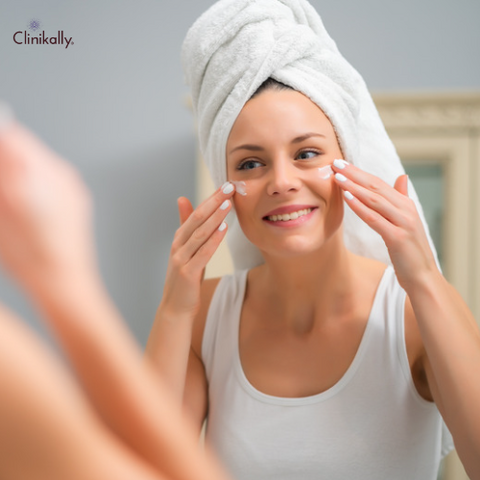
When selecting skincare products with stearic acid, seek out products that pair it with natural oils, humectants, and antioxidants for ultimate hydration and protection. Stearic acid is well-suited for all skin types, providing a balance of moisture retention, barrier maintenance, and soothing cleansing. Perfect for dry, sensitive, and mature skin, it refines texture, smoothness, and elasticity. Whether formulated into creams, lotions, cleansers, or serums, this ingredient provides lasting softness and moisturizing. With the growing interest in clean beauty and sustainable skincare, stearic acid is a top-performing, green ingredient that delivers healthy, radiant, and well-protected skin with each use.