




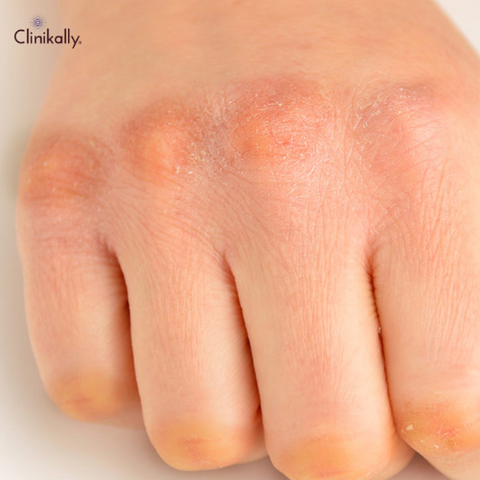
Struggling with uneven skin tone or persistent dark spots on your knuckles? You’re not alone, dark knuckles and patchy pigmentation on the hands are common concerns in 2025, trending in searches as more people seek safe, effective, and natural solutions. Conditions such as recurrent hand washing, sun exposure, dryness, and genetics can cause your knuckles to darken and become uneven, prompting many to seek home remedies for even-toned knuckles and quick ways to get rid of pigmentation. The good news is that various natural treatments for dark knuckles, from lemon juice and baking soda to moisturizing oils and subtle exfoliants are making headway in the world of beauty. Incorporating these DIY methods into your skincare routine, alongside hyperpigmentation-fighting ingredients and mindful sun protection, can gradually restore clarity and brightness to your hands. Whether you’re searching for how to “get rid of dark knuckles fast” or simply want radiant, even skin naturally, today’s holistic approaches offer promising results to help you embrace your most confident self.
Understanding the Causes of Dark Knuckles

Dark knuckles are an increasingly popular skincare issue, often trending high in search results as individuals look to understand their cause and cure. The reasons behind dark knuckles are crucial for individuals aiming for a balanced complexion and wholesome hand appearance. Typical suspects involve chronic sun exposure, persistent rubbing, hormonal discrepancies, and genetics, yet dark knuckles also may represent internal medical conditions such as diabetes, acanthosis nigricans, or vitamin B12 deficiency. In addition to this, side effects of some medications, excessive dryness, or frequent use of strong chemicals may cause visible coloration. Identifying the underlying cause is the key to successful treatment. By understanding and fixing these triggers, you can empower your skin care journey and regain confidence with evenly toned hands.
Common Reasons for Dark Knuckles
Dark knuckles may be attributed to a number of reasons, spanning from skin conditions to habits. Knowing the reasons can assist in the prevention or management of the condition.
-
Hyperpigmentation: Excess production of melanin in the skin may lead to darker knuckles. Sun exposure or inflammation may stimulate this reaction, resulting in the darkening of the skin in certain areas such as the knuckles.
-
Post-Inflammatory Hyperpigmentation (PIH): Following injury or skin condition such as dermatitis or eczema, the skin may darken during healing and form dark patches on the knuckles.
-
Friction or Rubbing: Frequent rubbing or pressure on the knuckles, usually from manual work, sports, or ill-fitting attire or accessories, results in skin thickening and darkening.
-
Diabetes: Acanthosis Nigricans, a syndrome frequently linked with insulin resistance or diabetes, results in dark, thickened skin on the knuckles, neck, or armpits.
-
Hormonal Changes: Pregnancy, oral contraceptives, or other hormonal alterations are responsible for developing conditions such as melasma or chloasma, which result in dark patches on the skin, including the knuckles.
-
Skin Disorders: Disorders such as eczema and psoriasis may result in skin darkening due to inflammation, irritation, or over-drying, leading to patches of dark skin on knuckles.
-
Poor Sanitation: Failure to properly clean the skin can contribute to an accumulation of dirt, dead skin cells, or oils that may lead to darkening of the knuckles. Exfoliating the skin on a regular basis keeps the skin evenly toned.
-
Nutritional Deficiencies: Deficiency in vitamins, particularly Vitamin B12 and Vitamin D, can contribute to skin problems, and in some cases, result in darkening of the skin around the knuckles.
Dark knuckles are a frequent cosmetological issue and can be caused by a variety of factors, both internal and external. With the majority of cases, the simple improvement in skincare routines, resolution of any existing disease conditions, or changes in lifestyle can decrease the manifestation of dark knuckles. Should discoloration worsen or does not respond to improvement, medical consultation might be required.
The Role of Hyperpigmentation in Skin Discoloration
Hyperpigmentation is a primary cause of skin discoloration, resulting in patches of dark spots and uneven skin tone. It happens when there is overproduction of melanin, the melanocyte responsible for your skin's color, hair color, and eye color. This is an elaborate explanation of how hyperpigmentation causes skin discoloration:
-
Increased Melanin Synthesis: Melanin is synthesized by melanocytes in response to such factors as sun exposure, inflammation, or injury. When melanocytes synthesize more melanin than normal, dark spots on the skin are formed.
-
Sun Exposure: Excessive exposure to ultraviolet (UV) rays from the sun is probably the most frequent cause of hyperpigmentation. UV radiation provokes melanocytes to create increased amounts of melanin as a protective response, which leads to tanning or the appearance of dark spots, particularly in areas such as the face, arms, and shoulders.
-
Post-Inflammatory Hyperpigmentation (PIH): Once the skin has been traumatized by cuts, burns, acne, or other forms of inflammation, the healing process tends to leave dark spots or patches behind. This is because the skin releases excess melanin in reaction to the injury or irritation.
-
Hormonal Shifts: Some hormonal shifts, like those seen in pregnancy (melasma) or with birth control pills, stimulate an overproduction of melanin. This usually results in areas of dark, patchy skin, often called the "mask of pregnancy."
-
Skin Disorders and Medications: Certain skin disorders, like eczema or psoriasis, can lead to hyperpigmentation as the affected skin heals. Certain medications can also cause photosensitivity, which results in dark spots when the skin is exposed to the sun.
-
Age: When individuals grow older, their skin loses its ability to discard dead skin cells, and melanin becomes concentrated in specific areas, causing age spots or liver spots.
-
Genetics: There are times when people inherit the inclination towards hyperpigmentation. Their skin would be more susceptible to dark spots or mottled pigmentation because of genetics.
Hyperpigmentation generally appears as dark marks, patches, or a generally discolored uneven skin tone. It is normally harmless but may lead to cosmetic disturbances. Various treatment modalities, including topical creams, chemical peeling, and sun protection, can be used to reduce and treat the appearance of hyperpigmented patches.
Impact of External Factors on Knuckle Skin Tone
The color of the skin on your knuckles, just like the color of your skin, can be greatly affected by a number of external factors. These external factors are capable of causing discoloration, darkening, or an uneven color. This is how external factors affect knuckle skin:
-
Sun Exposure: The sun's ultraviolet (UV) rays trigger the creation of melanin, which is the pigment that colors skin. After a while, too much sun exposure can cause sunspots or tanning, and the knuckles will appear darker. These kinds of areas are usually not used when applying sunscreen, thus they are prone to sun damage.
-
Friction and Rubbing: Regular friction or repetitive rubbing of the knuckles will result in thickening and darkening of the skin. This is more frequent in individuals who engage in manual labor, sports, or other activities requiring frequent hand movement (e.g., weight training or playing certain musical instruments).
-
Hygiene Habits: A lack of good hygiene can play a role in darkened knuckles. When the skin is not washed correctly, dead skin cells, grime, and oils build up, and that buildup causes the skin to appear darker and dull. Conversely, misguided cleaning practices such as over-exfoliating may irritate the skin and result in hyperpigmentation.
-
Climate and Environmental Factors: Harsh weather conditions, including cold or hot weather, might irritate the skin, causing dryness and dark patches on the knuckles. Parched skin tends to become rough, which might make it darker over time. Wind, cold, or low humidity can dehydrate the skin, which further affects skin color and texture.
-
Chemical Exposure: Ongoing exposure to abrasive chemicals or cleaning agents can irritate the skin and make it inflamed or dry. This may result in hyperpigmentation or worsen dark spots on the knuckles.
-
Injury or Skin Conditions: Acute injury, such as cuts, scrapes, or burns, can result in post-inflammatory hyperpigmentation (PIH) as the skin heals. This is a condition that results in dark patches or spots in the affected area of the injury. In the same vein, eczema or psoriasis can result in inflammation on the knuckles, which results in darker-colored skin after the flare settles.
-
Diet and Lifestyle: Though external causes like sun and friction are usually responsible, lifestyle factors like smoking or a bad diet can indirectly influence knuckle skin appearance. Smoking decreases blood and oxygen supply to the skin, causing it to become pale, whereas lack of proper nutrients causes patchy skin tone.
Extrinsic factors may significantly contribute to the color of knuckle skin. Prevention with sunscreen, moisturizing, good hygiene, and reducing irritation can assist in controlling and enhancing skin tone. Moreover, being careful not to expose the skin to irritants and having a healthy lifestyle can avert continued skin coloring.
Effective Treatments for Lightening Dark Knuckles

Dark knuckles may cause discomfort and embarrassment, hence the quest for efficient treatments to whiten dark knuckles a top priority in current skincare. As individuals look for "how to whiten dark knuckles quickly," "home remedies for dark knuckles," and "optimal treatments for dark knuckles," we, at Clinikally, have introduced to you solutions that are not only gentle yet efficient. General treatments include anything from natural remedies like lemon juice, aloe vera, and turmeric to dermatologist-recommended options such as glycolic acid creams, retinoids, and vitamin C serums. Regular exfoliation, correct moisturizing, and protection from the sun are also pivotal steps in any effective lightening process. For those who opt for natural alternatives, skin-brightening ingredients are becoming increasingly popular for their capacity to fade hyperpigmentation and regain even skin tone. By combining home solutions with expert advice, you can accelerate the fading of dark spots and achieve healthier, more radiant knuckles. Explore the latest and most effective strategies to embrace renewed confidence in your hands.
Natural Remedies to Brighten Dark Knuckles
If you want to whiten dark knuckles, there are a number of natural treatments that can help to lighten the skin and enhance its condition. They usually address hyperpigmentation, dryness, and uneven skin tone. Some of the best natural remedies you can use include:
-
Lemon Juice: Vitamin C from lemon juice lightens dark marks and removes dead skin. Put on knuckles for 10-15 minutes and wash off.
-
Aloe Vera: Aloe vera calms and fades pigmentation. Apply raw gel for 20 minutes, rinse.
-
Honey and Lemon Mask: Honey moisturizes while lemon lightens. Combine equal measures, apply to knuckles for 15-20 minutes, then rinse.
-
Turmeric: Turmeric lightens and fades pigmentation. Combine with milk or water, apply for 15-20 minutes, then wash off.
-
Coconut Oil: Coconut oil moisturizes and fades dark spots. Massage onto knuckles at night and sleep on.
-
Baking Soda and Water Scrub: Baking soda exfoliates and brightens skin. Scrub on knuckles for a few minutes, then wash.
-
Tomato Pulp: Tomato's acidity exfoliates and brightens dark spots. Apply for 10-15 minutes, then wash.
-
Yogurt and Oatmeal Scrub: Yogurt exfoliates, oatmeal calms. Mix into paste, scrub for 10-15 minutes, then wash.
These natural remedies can lighten dark knuckles in time, but one has to be patient and consistent. Also, applying sunscreen when out in the sun is necessary as it avoids further darkening of the knuckles and shields the skin. If the darkening doesn't go away and gets worse, you might consider consulting a dermatologist for additional assessment and treatment.
The Best Skincare Ingredients for Even-Toned Knuckles
To attain even-toned knuckles, the use of skincare products that specifically address hyperpigmentation, dryness, and irritation is critical. Some ingredients can lighten dark spots, remove dead skin cells, and promote overall skin wellness. Below are some of the best skincare products for evening out knuckle skin tone:
-
Vitamin C: It is a very effective antioxidant that tends to make the skin look lighter by preventing melanin production, which causes dark spots. It can minimize discoloration, evening out the color of the skin, and shield it from further damage induced by free radicals and UV light. Use serums or creams with stabilized versions of Vitamin C, including ascorbic acid or ascorbyl glucoside. Few products containng Vitamin C are:
- Clinikally Vitamin C3+ Serum
- WishCare Super Bright C16 Vitamin C Serum
- Silkera 20% Vitamin C Serum
- Olivesilk Vitamin C Serum
- Revibra C10 Pure Vitamin C Cream
-
Niacinamide: Vitamin B3 is noted to counteract hyperpigmentation and enhance skin texture. It inhibits melanin production and aids in lightening dark spots and discoloration. Niacinamide also possesses anti-inflammatory properties that calm irritated skin, which can be beneficial for knuckles that can be prone to friction or environmental stressors. Few products conataining Niacinamide recommended by doctors are:
- Clinikally The Ultimate NIA (10% Niacinamide) Serum
- Minimalist 10% Niacinamide Face Serum
- CosIQ Vitamin B3-10% Niacinamide Face Serum
-
Alpha Arbutin: It's a safe and effective plant-derived skin lightener used in products like bearberry. It is used to bleach hyperpigmentation by suppressing the functioning of tyrosinase, the enzyme that causes melanin production. It is a gentle ingredient on the skin and can be used to attain a uniform skin tone when used continuously. Dermatologist recommended arbutin skin care products are:
-
Retinoids: Retinoids, such as retinol and tretinoin, are strong products that help speed up skin cell turnover and peeling. They induce shedding of dead skin cells and stimulate the growth of new skin, which can diminish dark spots and soften skin texture. While retinoids may dry out or irritate skin, it's best to use them in moderation and then apply a good moisturizer. Introduce the following dermatologist recommended retinol products gradually into the routine:
- Clinikally Skin Renewer Retinol Serum
- Verso Daily Facial Fluid With Retinol 8
- Dermaceutic Activ Retinol 1.0
- Retiedge 2% Retinol Serum
- Ceutox Pro Serum 0.3% Retinol
- Dermatica RetiPRIME Night Cream
- Revibra A15 Pure Retinol Cream
-
Hydroquinone: It is a popular skin-lightening compound that lightens the dark spots by suppressing melanin synthesis. It is frequently prescribed to reduce hyperpigmentation, including dark knuckles. Nevertheless, it is crucial to apply this ingredient under the supervision of a dermatologist, since, in certain cases, it can cause irritation or sensitivity when used for a long time. It is recommended to use Hydroquinone only on doctor’s recommendation.
-
Lactic Acid: This is a peeling agent that removes dead skin cells and lightens the skin. It encourages mild peeling, which breaks up and dissolves dark spots gradually. Lactic acid is also moisturizing, which makes it perfect for dry knuckle skin. Moisturex Cream and Dermatica GL Complex Cream can be used.
-
Kojic Acid: It is one of the natural skin whiteners that slows down melanin production. Kojic acid comes from fungi and is used in most skincare products to combat hyperpigmentation. Application of kojic acid on a regular basis will also whiten dark knuckles as well as balance the skin tone. Kozaic Kojic Acid Skin Brightening And Depigmentation Serum, Kojic Depigmenting Cream and Kozimax Skin Lightening Cream are highly recommended.
-
Salicylic Acid: It is perfect for exfoliating skin and penetrating pores to clear away dead skin cells and junk. It treats and prevents uneven skin tone and dark spots by stimulating skin renewal. It's especially good for individuals with acne scars or other skin issues that can lead to hyperpigmentation on the knuckles. The CuraTeam Go-Clear Bye Bye Acne 2% Salicylic Acid Anti-Acne Bodywash and Fixderma Salyzap Body Spray are highly recommended.
-
Licorice Extract: It's a natural brightening compound that minimizes the presence of dark spots and uneven skin tone. It functions by suppressing melanin formation and contains anti-inflammatory elements that can calm the skin. This product can be commonly found in products meant for hyperpigmentation and can be extremely useful in brightening knuckles.
Using these ingredients as part of your skincare routine can eventually whiten and smoothen the skin of your knuckles. When blending several ingredients, begin a mild routine and use products progressively to prevent irritation. Don't also forget to apply sunscreen such as Clinikally SunProtect Sunscreen SPF 50/PA+++ every day in order to shield your skin from getting darker.
Choosing the Right Products for Your Skin
Selecting the appropriate skincare products for your skin is the key to obtaining healthy, radiant skin and treating individual issues. Below are five tips to assist you in selecting the appropriate products for your skin:
-
Know Your Skin Type: Determine whether your skin is dry, oily, combination, sensitive, or normal to pick appropriate products.
-
Understand Your Skin Concerns: Pick products that deal with individual problems such as acne, hyperpigmentation, or wrinkles.
-
Check Ingredients: Choose high-quality, effective ingredients and avoid harsh chemicals, fragrances, or alcohol if sensitive.
-
Patch Test New Products: Test a small amount before full use to check for any reactions or irritation.
-
Consider Formulation: Pick products with the right texture for your skin type (lightweight for oily skin, richer for dry skin).
By using these tips, you are better able to make sound choices when choosing skincare products, so they perform well for your specific skin type and needs.
How to Incorporate Knuckle Care into Your Routine
Adding knuckle care into your daily regimen is key to having smooth, even-toned hands and avoiding dark spots, a trend that's quickly taking over in skincare. With increasing searches for "how to take care of dark knuckles," "knuckle care routine," and "knuckle pigmentation prevention," many are discovering the value of specific hand and knuckle care in addition to conventional skincare. Incorporating gentle exfoliation, intense hydration, and proper sun protection can greatly minimize hyperpigmentation while keeping your knuckles supple and healthy. Fashion-forward natural ingredients such as shea butter, vitamin C, licorice extract, and almond oil are lauded for their capacity to moisturize the skin and dissipate deep-set discoloration. Incorporating night-time hand masks or cuticle oils is another tip of the trade for those wanting to enhance their knuckle care benefits. By focusing on proactive and routine attention, you give your hands the power to look their absolute best, resulting in healthy-looking knuckles that are free from dark spots and dryness. Begin your journey with these easy tips to have the healthiest hands ever.
Moisturizing Techniques for Softer Knuckles
To get softer, smoother knuckles, the right moisturizing methods make all the difference. These four methods are the best ways to hydrate and nourish your knuckles:
-
Use a Thick, Rich Cream: For dry knuckles and patches of rough skin, use a thick, rich cream such as shea butter, cocoa butter, or a heavy hand cream. These products work well to seal in moisture and provide a barrier that keeps the skin soft all day long. Use the cream freely on your knuckles, both after hand washing or at night, when the skin is able to soak it in better. Secalia Glycerin 15% Cream For Dry Skin and The Good Hygiene Co. Barrier Restore Skin Salve For Sensitive Skin are highly recommended.
-
Massage using Natural Oils: Massage your knuckles using natural oils like coconut oil, olive oil, or almond oil to deeply hydrate and nourish the skin. Natural oils have fatty acids in them that rehydrate and enhance skin elasticity. Massage the oil into your knuckles in gentle circular motions for several minutes, giving extra attention to dry or cracked skin, to maintain supple and soft skin. WishCare Cold Pressed 100% Pure Sweet Almond Oil can be used.
-
Overnight Moisturizing Treatment: As an intense moisturizing treatment, apply a heavy layer of moisturizer such as Xerolene Cream or oil on your knuckles at night, then sleep with cotton gloves. This locks in moisture so that it will not rub off when you sleep, and the product gets to deeply hydrate the skin as you sleep. This overnight treatment is truly magic on extremely dry or cracked knuckles.
-
Exfoliate and Moisturize: Mildly exfoliating the knuckles several times a week ensures the removal of dead skin cells, and smoother skin permits moisturizers to penetrate more effectively. Employ a gentle scrub with sugar, oatmeal, or mild exfoliant such as Fasderma Glycolic K Combination Body Anti Tanning Peeling Solution and Chocolite Face & Body Scrub, and afterward apply a nourishing moisturizer such as Urelact Emollient, Humectant & Keratolytic Cream. This step ensures that your knuckles remain hydrated and soft by avoiding excess build-up of rough, dry skin.
By adopting these moisturizing methods into your daily routine, you can maintain your knuckles soft, smooth, and well-hydrated.
Importance of Exfoliation in Treating Dark Knuckles
Addressing dark knuckles requires consistent and holistic skincare, and one of the most crucial but often overlooked steps is exfoliation. Integrating exfoliation into your knuckle care helps to reveal smoother, brighter skin and accelerates the fading of stubborn dark spots. Regular exfoliation is especially effective at managing hyperpigmentation in thick, textured areas like the knuckles, where dead skin makes discoloration appear more pronounced.
-
Exfoliation strips away dead skin cells that can build up on knuckles, allowing fresher, lighter skin to surface.
-
Mild exfoliation reduces hyperpigmentation and discoloration by increasing skin cell turnover, creating a more even tone after time.
-
It enhances brightening treatments' absorption, including creams or natural lightening products, which makes them better work.
-
Natural scrubs such as sugar, oatmeal, lemon juice, or baking soda provide both physical and chemical exfoliation without being harsh on sensitive hands.
-
Regular exfoliating (two to three times weekly) prevents further darkening by lessening the possibility of dirt and grime accumulation, causing discoloration to become darker.
-
Sincere exfoliation smooths the knuckles, decreasing roughness and making hands look healthier and brighter.
In short, exfoliation is the backbone of any successful regimen for treating dark knuckles. By clearing away dead skin, maximizing the effectiveness of specialized products, and preventing the accumulation of pigment, consistent exfoliation puts you a huge step closer to having even-toned, confident hands. Always balance exfoliation with moisturizing and sun protection for optimal results.
Creating a Skincare Routine for Healthy, Even-Toned Knuckles
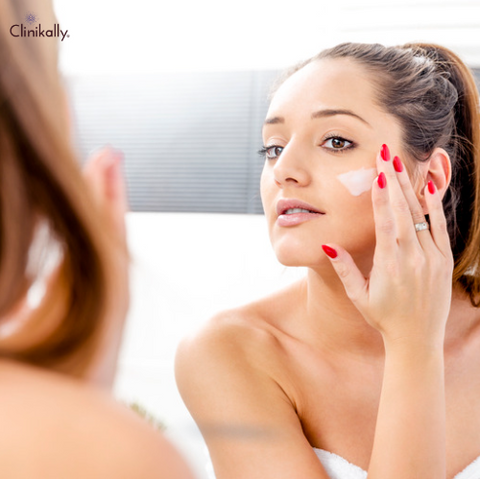
Having healthy, even-toned knuckles involves more than sporadic treatments; it demands an enduring skincare routine specific to the specific needs of your hands. Daily habits are essential creating routines ensures your knuckles are cared for, shielded, and less susceptible to dark spots or dryness. Keeping a holistic focus not only erases present discoloration but also ensures long-term skin longevity and luminosity.
-
A well-organized skincare regimen enhances the performance of specialized treatments, like lightening agents, serums, or home remedies, providing visible outcomes over time.
-
Daily cleansing of the skin clears away dirt, sweat, and pollution from the environment to prevent accumulation, which can highlight dark spots or lead to irritation.
-
Daily moisturizing the knuckles prevents drying out and keeps the skin soft while reducing the likelihood of dryness-related hyperpigmentation.
-
Sunned knuckles protect against damaging UV rays, a chief instigator of darkening and premature aging on bare skin.
-
Exfoliating gently, a part of your regimen three times weekly, triggers cell turnover and maintains a brighter, more uniform tone.
-
Applying moisturizing oils or hand masks at bedtime provides intense hydration and repair, particularly useful for recalcitrant dark spots and rough texture.
-
Maintaining a regular routine enhances compliance and facilitates monitoring of progress so you can address all causative factors of pigmentation.
In summary, building a dedicated knuckle skincare routine is essential for fading existing discoloration and preventing new dark spots from forming. A blend of cleansing, hydration, sun protection, and targeted treatments lays the foundation for smooth, even, and confident hands. Commit to your routine for lasting results and hands you’ll love to show.
Preventing Future Dark Knuckles and Maintaining Healthy Skin
Avoiding the recurrence of dark knuckles and proper skin health is essential for keeping your skin's natural glow and overall health. By taking proactive measures like routine moisturizing, sun protection, gentle exfoliation, and avoiding excess friction, you not only minimize the likelihood of hyperpigmentation but also preserve a smooth, even tone. Healthy skin is resilient, better able to heal itself, and less prone to issues like irritation or dryness that can contribute to darkening. Consistency in these habits ensures your hands stay supple, youthful, and free from unsightly blemishes. Prioritizing skin care for your knuckles becomes an investment in your confidence and long-term skin health, making it easier to enjoy beautiful, comfortable hands every day.
Daily Habits to Protect Your Knuckles from Discoloration
A good approach in the fight against dark knuckles would begin in smart, intentional habits directed to skin care and protection. With just a few neat practices included in the daily routine, you can take care of your best natural coloring of the skin and prevent the onset of dark patches on the hands.
-
Wash your hands with fragrance-free, mild soap using lukewarm water to prevent the irritation of skin that could lead to dryness and dark spots.
-
Moisturize after each wash, particularly knuckles with generous emollients such as shea butter or almond oil, to keep the skin well-hydrated and build up the skin barrier.
-
Use sunscreen on your hands, particularly before venturing out, to protect knuckle skin against UV damage, a major cause of pigmentation problems.
-
Use gloves when doing housework, gardening, or working with rough chemicals to prevent friction and contact with irritants, which darken the skin.
-
Exfoliate your knuckles two to three times a week with gentle natural exfoliants such as sugar or oatmeal to remove dead skin and promote an even tone.
-
Don't pick or scratch at your knuckles, as trauma can exacerbate discoloration and prolong healing.
-
Drink plenty of water during the day and eat well-balanced meals with plenty of vitamins and antioxidants, which promote skin repair and resilience from the inside out.
Adopting these seven habits as part of your daily routine creates a powerful defense against knuckle discoloration. With mindful care and a proactive approach, you can achieve even-toned, supple hands that feel as healthy as they look making knuckle confidence a part of your everyday life.
The Role of Sunscreen in Preventing Skin Darkening
Sunscreen is an integral part of avoiding skin darkening and achieving an even tone. Its main role is to protect the skin from damaging ultraviolet (UV) rays, the most common cause of hyperpigmentation and dark spots. By using sunscreen as part of your every-day skincare routine, you are building a crucial layer that protects your skin against discoloration, sun damage, and other types of harm.
-
Sunscreen protects against UVA and UVB rays, which are the cause of causing melanin production resulting in dark spots, sunburn, and patchy skin.
-
Regular use of sunscreen prevents new dark spots and hyperpigmentation from arising, particularly in areas that tend to get discolored such as the knuckles, face, and hands.
-
Placing sunscreen over existing dark spots prevents them from getting darker, allowing your skin to heal and slowly lighten these marks.
-
Broad-spectrum products with SPF30 or more are the most recommended because they offer protection from both UV and visible light, which also darken hyperpigmentation.
-
Sunscreen enhances the efficacy of skin-lightening treatments by stopping UV rays from undoing the improvement achieved by corrective solutions.
-
It not only minimizes hyperpigmentation but also avoids premature aging through collagen and elasticity preservation, keeping your skin smooth and supple.
-
You have to wear sunscreen every day no matter what your skin color is because even darker skin can experience heightened pigmentation and other sun issues without protection.
Finally, applying sunscreen daily is a savvy, preventative approach for anybody wishing to save their skin from darkening and get an even-toned, radiant glow. By treating sunscreen as an absolute, non-optional routine, you give your skin the power to remain healthy, strong, and luminous for the long haul.
Keeping Your Skin Hydrated for Long-Term Tone Balance
Maintaining hydrated skin is among the pillars of long-term tone balance and a glowing, healthy complexion. Hydration is more than just putting moisturizers on your skin, it's both internal and external care that keeps your skin's cells well-stocked with moisture so they remain resilient, supple, and lively. When your skin is well-hydrated, its defense barrier is intact, which plays a crucial role in inhibiting environmental irritants from causing uneven pigmentation or dark spots.
-
Moist skin ensures an even complexion by minimizing patchiness and visible unevenness. This results in a smooth, balanced skin tone that appears naturally healthy and radiant.
-
Adequate moisture stimulates cell turnover, promoting the sloughing off of dull, dead skin cells and revealing brighter, healthier skin just beneath the surface.
-
Adequately moisturized skin is less susceptible to micro-inflammation and redness, both of which can exacerbate melanin production and lead to hyperpigmentation.
-
A healthy, well-hydrated barrier of skin gives protection against environmental irritants, UV radiation, and air pollution, all major causes of discoloration, particularly on areas that are more likely to be exposed such as your hands and knuckles.
-
Good skin hydration helps improve the uptake of brightening and corrective treatments, ensuring the maximum outcome of your skincare treatments.
-
Dryness can lead to overactive oil production by the skin, causing clogged pores and blemished, patchy tone. Proper balance of hydration maintains the right level of oil and prevents flare-ups.
-
Internally, proper hydration and the incorporation of hydrating foods in your diet facilitates circulation, delivery of nutrients, and detoxification, all the bases for an even complexion.
Embracing regular hydration both internally and externally guarantees your skin stays healthy, robust, and balanced in tone for the long haul. It's an easy, yet effective, approach for anyone looking to achieve lasting glow and an even, confidence-inducing complexion.
Conclusion: Achieving and Maintaining Even-Toned Knuckles Naturally
Finally, achieving and sustaining even-toned knuckles naturally involves an all-encompassing approach anchored in everyday habits and vigilant self-care. Regular exfoliation, meticulous moisturizing, sun protection, and adequate hydration all play essential roles in revitalizing your knuckles' natural glow and avoiding subsequent discoloration. Knowing the reasons behind dark spots and adding effective, gentle remedies, you empower your skin to heal and flourish. Remember, long-lasting results come from dedication and patience giving your hands the care they deserve ensures smoother, more even-toned knuckles over time. Embrace these natural strategies as part of your routine, and enjoy the confidence that comes with healthy, beautiful hands every day.











3 comments
Lilian
I don’t know my kunckles are really darker in winter. I need a cream to remove the dark kunckles
I don’t know my kunckles are really darker in winter. I need a cream to remove the dark kunckles
Priscilla
I like everything you told me
I like everything you told me
Rashida Isah
Please I have dark knuckles and dark feet and I really need to treat them, please I don’t know what to do.
Please I have dark knuckles and dark feet and I really need to treat them, please I don’t know what to do.