




- What is Tretinoin
- Uses of Tretinoin
- Tretinoin for Hair Loss Problem
- Role of Tretinoin in Hair Growth
- How to apply Tretinoin for Hair Growth
- FAQs
Tretinoin is commonly used in skincare, but it is now being explored for its potential role in hair care as well. Interest in tretinoin for hair growth has grown due to its ability to support scalp health, improve cell turnover, and possibly enhance the absorption of treatments like minoxidil.
Although tretinoin is not a primary treatment for hair loss, some studies suggest it may play a supportive role in improving hair growth when used correctly. However, results can vary, and it is important to understand both its benefits and limitations before adding it to your routine.
In this blog, we’ll talk about the working of tretinoin for hair loss problem, its potential benefits, side effects, how to use it safely, and what current research really says about its effectiveness.
Understanding Tretinoin and Its Uses

Tretinoin is used to treat acne and other skin conditions, as directed by your physician. It works by keeping the skin pores free. One tretinoin cream is used to address fine wrinkles, dark spots, and rough skin on the face produced by the sun's harmful rays.
What is Tretinoin?

Tretinoin is a vitamin A derivative and a member of the retinoid family. It is used both topically and orally to treat acne and prevent aging. It may be one of the most potent retinoids available, stronger even than retinol, which is present in many anti-aging serums.
Common Uses of Tretinoin

Topical tretinoin has shown clinical promise in a range of skin problems, including acne, actinic keratoses, and other hyperkeratotic illnesses, as well as anticancer activity in some basal cell malignancies.
Tretinoin’s Mechanism of Action

Tretinoin's usefulness as an acne medicine stems from its ability to alter the aberrant follicular development caused by excessive keratinization of epithelial cells. Tretinoin induces cornified cell detachment and increases shedding.
Tretinoin for Hair Growth

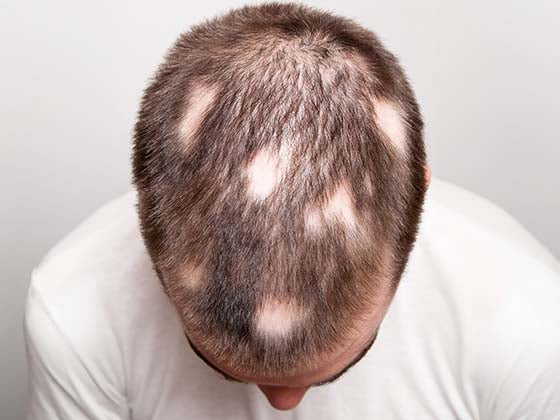
We understand that tretinoin can benefit your skin in a variety of ways, but what about your hair? Well, there hasn't been much research on tretinoin for hair growth. We do have studies on minoxidil, a popular FDA-approved treatment for androgenetic alopecia (also known as male and female pattern hair loss). Minoxidil is used off-label to treat other hair loss issues, including:
- Alopecia areata.
- Chemotherapy-induced hair loss
- Traction alopecia
- Telogen effluvium (caused by extreme stress, malnutrition, and physical illness)
Why are we talking about minoxidil now? Well, tretinoin can improve minoxidil absorption. This could boost minoxidil's effect on hair growth. This tretinoin minoxidil combination is a timeless classic. However, more research is required to know for certain.
How Tretinoin Promotes Hair Regrowth

Tretinoin has been demonstrated to increase and control epithelial cell proliferation and differentiation and may promote vascular proliferation. These factors play a vital role in promoting hair development. These early findings suggest that more research should be conducted on the effect of retinoids on hair development.
Scientific Studies on Tretinoin for Hair Loss Problem

The research has revealed the following findings:
-
Tretinoin may allow you to utilize minoxidil once a day instead of twice. The clinical trial investigated two therapies for male pattern baldness. One group used a solution containing 5% minoxidil and 0.01% tretinoin, while another used 5% minoxidil alone. Both groups saw hair growth, and there were no statistically significant differences between them. However, the combined minoxidil and tretinoin group only administered the medication once a day, whereas the minoxidil-alone group used it twice a day.
-
Tretinoin may increase your reaction to minoxidil. Minoxidil can be an effective hair loss treatment, however, it is not suitable for everyone. Tretinoin may modify that. The study discovered that 43% of subjects who were initially anticipated to be nonresponders to minoxidil responded to the treatment following five days of 0.1% tretinoin use.
-
Tretinoin could promote hair growth. Finally, the juicy part. The report cited previous research, which revealed that 0.025% tretinoin paired with 0.5% minoxidil resulted in noticeable hair growth in 66% of individuals studied. According to the experts, users should start with minoxidil and then add tretinoin for hair grpwth if they aren't satisfied with the outcomes. But, before we get started with the tretinoin, we should point you that this study is both old and tiny.
Comparing Tretinoin with Other Hair Loss Treatments

One study found that whether individuals were given either minoxidil twice daily or minoxidil plus tretinoin once daily, the combination was just as effective in encouraging hair growth as minoxidil alone twice daily.
Practical Application of Tretinoin for Hair Growth

Tretinoin, also known as all-trans-retinoic acid, has been shown to enhance blood circulation, collagen formation, and cell proliferation in the scalp, all of which may be factors in hair loss:
- Tretinoin can increase blood flow to the scalp, which benefits hair follicles by supplying them with nutrients and oxygen and fostering a more favorable environment for hair growth.
- Tretinoin can increase the production of collagen, strengthening hair follicles.
- Tretinoin can control and stimulate epithelium-wide cell division and proliferation, which may aid in hair growth.
How to Use Tretinoin for Hair Regrowth

The following advice relates to using tretinoin for hair loss problem:
-
Start slowly: Begin by using a small amount (about the size of a pea) once a week, gradually increasing the frequency as your skin or scalp adjusts. Applying additional tretinoin will not produce faster results and may cause itching and peeling.
-
Use it at night: You should use retinol before bed because it is photosensitive.
-
Monitor your scalp: If you combine tretinoin with other chemicals, such as minoxidil, you may experience increased irritation. Before using tretinoin for hair loss problem, consult your dermatologist if you are taking any drugs that contain diuretics, tetracycline, or antibiotics.
-
Be patient: Even if you use tretinoin alone or in combination with minoxidil, results may take up to 2-3 months to appear. The severity of your hair loss will influence the outcome.
Combining Tretinoin with Other Treatments

Tretinoin is a potent acne treatment and anti-aging substance. Combining this prescription-strength medication with other harsh agents, such as exfoliating acids, may cause significant skin irritation, requiring you to discontinue therapy until your skin recovers. You should expect mild dryness and light peeling.
Potential Side Effects and How to Manage Them

Topical tretinoin is typically safe if used as directed and as recommended. Still, you may have certain adverse effects. The most common negative effects of topical tretinoin for hair growth are:
- Itching and stinging skin.
- Severe skin dryness
- Skin peeling and flaking, which may look like dandruff if used on the scalp.
- Skin discoloration
- Skin irritation
- Allergic reactions.
- Sun sensitivity
- Sensitivity to alcohol-based hair products
When using tretinoin for hair loss problem, avoid using harsh chemicals on your scalp and hair, as this may cause additional irritation and skin damage. Avoid using hair care products containing alcohol and other potentially irritating chemicals. Rather, choose gentle shampoos and conditioners.
Conclusion: The Future of Tretinoin in Hair Loss Treatment

Tretinoin has been demonstrated to increase and control epithelial cell proliferation and differentiation, and it may also promote vascular proliferation. These factors play a vital role in promoting hair development. These early findings suggest that more research should be conducted on the effect of retinoids on hair development.