Why PCOS Has Turned into PMOS: Everything You Need to Know
Doctor's Desk
Author
7 Oct, 2026

For decades, millions of women worldwide have shared a common frustrating experience. They visited a doctor, looking for a solution for their rapid weight gain, severe fatigue, adult acne, or intense sugar carvings, only to be told “Your pelvic ultrasound looks normal, so you don't have Polycystic Ovary Syndrome (PCOS)." Or conversely, they are handed a PCOS diagnosis and told to simply "come back when you want to get pregnant.”
Finally things have changed now. As published in THE Lancet in May 2026, the medical community announced that PCOS is being renamed to PMOS (Polyendocrine Metabolic Ovarian Syndrome). The name change isn’t just a superficial cosmetic update. It’s simplifying the diagnosis, treatment, and preventive care of this underlying condition. In this blog, we’ll discuss everything you need to know about PMOS.
Why Experts Believe PCOS Should Be Called PMOS?

The term Polycystic Ovary Syndrome was coined in the mid-20th century, and it felt confusing because of two major reason:
- The Cyst Myth: The term PCOS is confusing, as women with this condition do not actually have pathological cysts on their ovaries. Instead what appears on an ultrasound are simply numerous small, fluid-filled follicles (completely normal structures) containing immature eggs that failed to release due to hormonal imbalances. Many women with this condition never ever developed this specific ultrasound feature, leading to massive diagnostic confusion.
- The Fertility Silo: By putting Ovary in the name, the medical practitioners treated the condition strictly as a reproductive or fertility issue. Patients were routinely shuffled to gynecologists or fertility clinics, while their systemic, full-body symptoms like insulin resistance, metabolic distress, and mental health struggles were largely ignored or treated as secondary.
Note: A global survey of over 14,360 patients and clinicians revealed that more than one-third of women experienced extensive, disturbing delays in getting a diagnosis because of the name PCOS and its narrowness.
How will the Name PMOS Help?
The new name, Polyendocrine Metabolic Ovarian Syndrome (PMOS), was chosen after a decade-long consensus process led by 56 global medical and patient organizations. Each word in the new name is chosen focusing on different scientific intent to provide the multi-system reality of the condition.
- Polyendocrine: This term elaborates the systemic attack on the body’s endocrine (hormonal) network. It isn’t just about estrogen or progesterone, it involves a complex, interconnected network of excess androgens like testosterone, luteinizing hormone, and stress hormones.
- Metabolic: This is the most crucial addition. As now, the medical fraternity formally recognized that insulin resistance plays a key role in this condition, affecting 70% to 80% of patients, including those who do not present as overweight. Insulin resistance causes the body to overproduce insulin that triggers the ovaries to produce too much testosterone.
- Ovarian: The word retains its link to the ovaries, validating that irregular ovulation, irregular period, and fertility hurdles remain some of the core defining features of this syndrome.
How the Shift Toward PMOS Improves Disease Understanding & Care
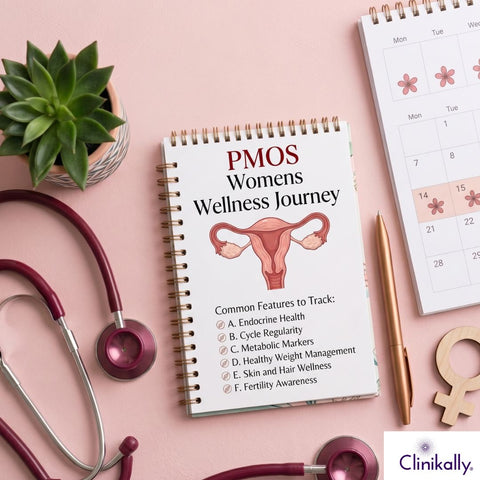
The renaming of PCOS to PMOS eases the management of this disease in several ways. By formally shifting the definition from a gynecological disorder to a systemic metabolic disorder, the medical fraternity has eased the diagnosis of this disease. Let’s see how this small change is going to transform daily disease management for millions of patients:
Redefining the Diagnosis Process
When a patient used to consult for PCOS, the diagnostic criteria was dependent on finding cysts via a pelvic ultrasound and hormone management. If the patient’s ultrasound came back clear, the care was usually shifted toward extreme fatigue, rapid weight gain, or hair loss.
After the PMOS Change: As the name changes to metabolic, doctors are now mandated to look at one of the major causes of this condition: Insulin Resistance. Clinicians will now prioritize a complete blood panel, such as testing fasting insulin, oral glucose tolerance, and advanced lipid panels alongside reproductive hormones. This means women who do not present with the traditional polycystic ovarian appearance will finally get a swift, accurate diagnosis instead of waiting the typical 2 to 3 years.
Helps in Streamlining Patient Care
Previously, the patient with PCOS, used to get segregated treatments for different concerns such as consulting a dermatologist for acne, a gynecologist for irregular periods, a dietitian for weight management, and a fertility specialist if they wanted to conceive.
After the PMOS Change: PMOS firmly roots the condition in Endocrinology and Primary Care. Your General Practitioner (GP) or Endocrinologist will take care of these concerns, and rather than treating isolating symptoms, they will focus on treating the root cause, the hormonal and metabolic dysfunction. This approach will save patients time, money, and immense mental fatigue.
Focusing Completely on Root Cause Management
For decades, the standard medical response to a PCOS diagnosis was shockingly basic: “Taking the birth control pill to regulate your periods, and come back when you want to get pregnant.” This approach was basically the damage control treatment, now, you’re going to get the treatment for the root cause.
After the PMOS Change: Acknowledging the multi-system nature of PMOS legitimizes treatments that address metabolic health directly, regardless of a patient’s reproductive goals. Now, you will get wider clinical validation, standardised guidelines, and better coverage for highly effective metabolic therapies. Now, you’ll get access to:
- Insulin Sensitizers: Earlier and more proactive utilization of medications like Metformin or Inositol.
- Next-Gen Metabolic Therapies: Broader, standardized pathway for utilising modern metabolic treatments, such as GLP-1 receptor agonists (e.g., semaglutide), to manage severe insulin resistance and cardiovascular risk.
- Targeted Lifestyle Medicine: Dietary and exercise prescriptions specifically designed for metabolic rehabilitation.
Lifelong Preventative Care
As the old name was completely linked to fertility, many women were essentially discharged or ignored by their doctors, once they were done having children, or if they chose not to have children at all.
After the PMOS Change: PMOS frames the syndrome as a lifelong endocrine and metabolic journey. Disease management now explicitly includes long-term screening guidelines for Type-2 diabetes, non-alcoholic fatty liver disease (NAFLD), and cardiovascular health. It ensures that a woman in her 40s, 50s, or post-menopause receives continuous, protective metabolic monitoring, ensuring she doesn’t slip through the cracks later in life.
Who is Most Prone to PMOS (Formerly PCOS)?

While PMOS can affect anyone with ovaries, latest global data shows that a certain groups face a significantly higher risk due to genetic, metabolic, and environmental factors:
- Those with a Family History: Genetics play a major role, so if a woman's mother or sister has PMOS, her risks are definitely higher. Additionally, recent research from institutes like AIIMS indicates that the male relatives (brothers or fathers) of women with PMOS often carry the exact same genetic metabolic traits, manifesting as early baldness or metabolic syndrome.
- South Asian & Black Populations: Ethnicity also plays a major influence on metabolic vulnerability. South Asian Women (including Indian) and Black population are often more prone to PMOS. Crucially, they tend to develop severe insulin resistance and metabolic complications at much lower Body Mass Index (BMI) thresholds than caucasian women.
- Individuals with Pre-existing Insulin Resistance or Obesity: While you don’t have to be overweight to have PMOS, but obese individuals with abdominal fat often compound insulin resistance, creating a vicious cycle that triggers the condition.
- Adolescents & Young Adults: The symptoms of PMOS often come out around the time of the first menstrual cycle. Though, due to modern urban lifestyle shifts, disturbed sleep cycles, high-stress environments, and processed diets, clinicians are witnessing a massive surge in younger adolescents being diagnosed.
Common Symptoms of PMOS
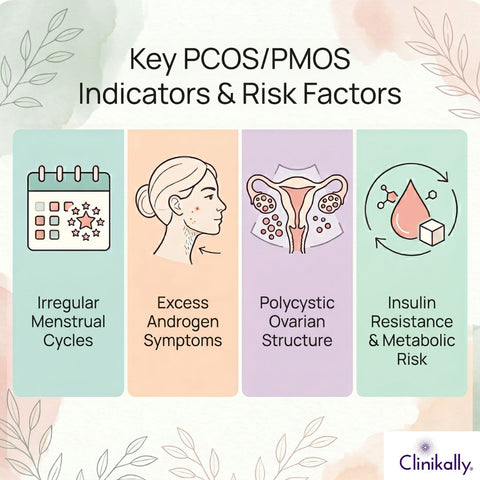
The symptoms of PMOS have expanded after this name change, and are now categorized across multiple body systems. Let’s have a look at a few:
The Metabolic Symptoms
- Stubborn Weight Gain: Sudden weight gain, specifically around the abdomen that feels nearly impossible to lose despite rigorous dieting and exercise.
- Acanthosis Nigricans: Darkened, velvety patches of skin typically found in body folds like the back of the neck, armpits, or groin. It’s definitely a physical sign of severe insulin resistance.
- Sugar Crash Fatigue: If the patient is experiencing intense energy slumps, brain fog, and strong cravings for sugar and carbohydrates shortly after eating, it should be caused by blood sugar spikes and crashes.
The Dermatological Symptoms
- Hirsutism: This growth of coarse, dark hair in a male-pattern distribution, most commonly on the chin, upper lip, chest, abdomen, or back.
- Severe, Resistant Acne: Painful, cystic acne around the jawline, neck, and chin that usually resists standard over-the-counter skincare treatments.
- Androgenic Alopecia: Noticeable thinning of the hair on the scalp, specifically around the crown or frontal hairline, mimicking male-pattern baldness.
The Reproductive Symptoms
- Irregular or Absent Periods (Oligomenorrhea/Amenorrhea): Periods that come randomly, cycles stretching beyond 35 days, or missing periods entirely for months at a time.
- Anovulatory Infertility: Difficulty conceiving because the ovaries host arrested follicles (immature eggs that stall midway through development), meaning an egg is rarely or unpredictably released.
Some Mental Health Symptoms
- Anxiety & Depression: Due to chronic hormonal imbalances and the emotional distress of physical symptoms, patients experience high rates of clinical anxiety and depression.
- Sleep Disruption: A higher risk of sleep apnea and insomnia, often driven by metabolic dysfunction and hormonal fluctuations disturbs sleep cycle.
How to Manage PMOS Effectively?

As the name clarifies, PMOS is a multi-system endocrine and metabolic disorder, managing it requires a dedicated treatment plan. The modern treatment plan is optimized targeting the foundational root causes such as insulin resistance and hormonal dysfunction. Let’s have a look at the PMOS management plan, recommended by doctors.
Targeting the Root Cause
Nowadays, doctors aim directly at your metabolic and hormonal optimization, suggesting:
- Insulin Sensitizers: Medications such as Metformin or targeted supplements such as Myo-Inositol are often used as the primary defenses. They help your cells effectively recognize insulin that naturally lowers blood sugar levels and prevents your ovaries from overproducing testosterone.
- Advanced Metabolic Therapies: Patients dealing with severe insulin resistance, stubborn metabolic blockades, or cardiovascular risks, doctors are using metabolic treatments such as GLP-1 receptor agonists (e.g., semaglutide). This assists in stabilizing metabolic health at a cellular level.
- Androgen Blockers: To address distressing dermatological symptoms like hirsutism (excess facial hair) and male-pattern hair thinning, anti-androgen medications (like Spironolactone) help block excess testosterone at the receptor level.
Workout & Sleep Management
Exercise for PMOS is no longer about burning calories to punish your body; it’s treated as a literal medical prescription for your cells.
- Resistance & Strength Training: Building lean muscle is one of the most effective ways to reverse insulin resistance. Muscle tissue acts like a sponge, soaking up glucose from your bloodstream without even needing insulin.
- Stress-Conscious Cardio: High-intensity workouts can sometimes spike cortisol (the stress hormone) that worsens PMOS symptoms. Incorporating Zone 2 cardio, walking, and yoga keeps stress hormone low while improving cardiovascular health.
- Prioritize Sleep: Chronic sleep deprivation can disturb your metabolism, instantly worsening insulin resistance the very next day. It’s suggested to aim for 7-8 hours of quality sleep to manage PMOS.
Dietary Supplementation to Support PMOS Care
When it comes to PMOS, nutrition becomes a necessity. As your body struggles to process glucose efficiently, your diet needs to focus on managing blood sugar spikes and cooling systemic inflammation. Here’s a recommended diet plan for PMOS:
- Consume Glucose Steady Meal: Every time you eat, it’s suggested to pair complex carbohydrates with high-quality protein and fat. For example, instead of eating a plain apple, pair it with almond butter. The protein and fat slow down digestion, preventing a rapid spike and crash in blood sugar and insulin levels.
- Prioritize Low-Glycermic, Complex Carbs: You don’t need to drastically cut out all carbohydrates. Instead, swap refined, processed carbs (such as white bread, sugary cereals, pastries) for fiber-rich, low glycemic options like quinoa, oats, sweet potatoes, lentils, and non-starchy vegetables. Fibers are trusted to slow down glucose absorption.
- Incorporate Anti-Inflammatory Fats: PMOS is closely linked to low-grade, chronic systemic inflammation. Adding healthy, anti-inflammatory fats such as avocados, extra virgin olive oil, walnuts, chia seeds, and wild-caught fatty fish like salmon helps soothe inflammation and support overall hormone production.
- Correct the Order of Eating: The order in which you consume meals also matters. Starting your meal with fiber (vegetables) and protein first, and saving your complex carbohydrates for the end of the meal, can blunt the post-meal glucose and insulin spike.
Best Products for PMOS
There are a range of supplements available in the market. Choosing the best to support your PMOS can be hard, and thus, here are some dermatologist recommended supplements, you can use to support your metabolism and hormone pathways.
| Product Category | Key Ingredient | How it Helps | Product Types |
| Advanced Insulin Sensitizers | Myo-Inositol, D-Chiro-Inositol, Caronositol | Rebalances the ovarian response to insulin, improves egg quality, and naturally regulates menstrual cycles by mimicking the body's natural cellular messengers. | Inlife Myo-Inositol Powder, Trulis Sachet, Tracnil Sachet |
| Hormonal & Cycle Balancers | Folic Acid, Vitamin D3, Melatonin, CoQ10 | Corrects underlying micronutrient deficiencies common in PMOS, supports healthy ovulation, reduces oxidative stress in the ovaries, and improves overall cellular energy. | Advibe Myo-Inositol + Folic Acid, Episitol Powder, CoQ Fem Nutraceutical Tablet |
| Metabolic & Glucose Support | Berberine HCl, Chromium Picolinate, Alpha Lipoic Acid (ALA) | Acts similarly to traditional metabolic therapies by lowering circulating blood sugar, reducing insulin spikes, managing intense sugar cravings, and targeting stubborn abdominal weight gain. | Miduty PCOS Myo-Inositol with Berberine, Nexna Tablet |
| Holistic & Herbal Blends | Shatavari, Chasteberry (Vitex), Zinc, Magnesium | Uses plant-based adaptogens and essential minerals to naturally lower high stress hormones (cortisol), gently reduce excess androgens (testosterone), and support overall endocrine health. | Earthful Her Support Veg Capsules, Carbamide Forte PCOS Balance Tablet |
Final Thought: Managing PMOS Made Easy
The change from PCOS to PMOS is more than a name change, it’s a medical revolution that eases the diagnosis and treatment for millions of patients. If you’ve spent years feeling dismissed, consulting different doctors, this shift to Polyendocrine Metabolic Ovarian Syndrome has brought hope. It promises a future of faster, more accurate diagnoses, that provides complete primary care offering effective and metabolic treatment.
But still it’s not a condition to neglect, and self-treatment. If you’ve found any of the symptoms that you feel indicate PMOS or if you’re in one of the categories that are prone to PMOS, it’s better to consult an expert, so as to get access to apt treatment and to maintain your overall health.