Herbal Stews in Winter: How Warming Bowls Can Nourish Your Body, Skin, and Hair

When winter gets here, herbal stews are just the best comfort food. They bring together warmth, good nutrition, and all-around wellness in one bowl. These winter stews are really good for you, made with healing herbs, fresh seasonal veggies, and cooked slowly so all the goodness comes out. They help your whole body, making your skin glow, your hair strong, and just generally helping you feel balanced inside. Herbal stews are great because they're packed with good stuff like anti-inflammatory ingredients, antioxidants, and all sorts of important nutrients. They really help your body fight off sickness, make your digestion better, and even keep you from getting dried out when it's chilly outside.Everyone's really into these nourishing bowls lately, probably because they're perfect for anyone interested in natural beauty foods, eating clean, or even following an Ayurvedic winter diet. You see them everywhere, from old-school herbal remedies to today's comfort foods that are packed with good stuff. Looking to support your gut, grow healthy hair, or get glowing skin? Herbal stews are a tasty, old-fashioned way to feel warm, energized, and radiant even when it's cold outside.
Understanding Herbal Stews: Why They’re More Than Just Comfort Food
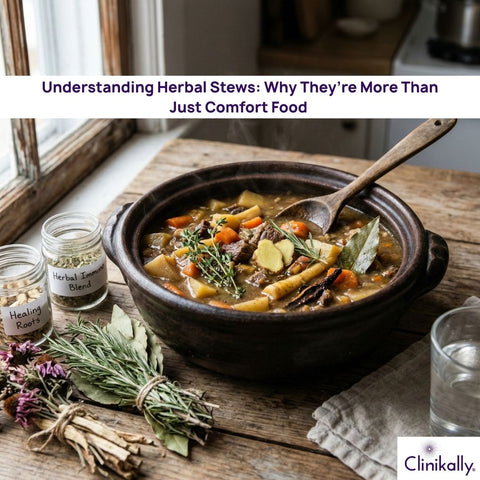
Herbal stews aren't just for cold weather; they're actually pretty amazing for your health. They've got a long history in old healing traditions, and even science these days says they're good for you. These meals are packed with good stuff like medicinal herbs, fresh seasonal veggies, and broths that have been slow-cooked. They really help your immune system, keep your gut happy, and give your whole body the nourishment it needs. Herbal stews are super popular in Ayurvedic, Traditional Chinese Medicine, and other holistic wellness traditions. They're more than just good comfort food; they're packed with stuff that helps with inflammation, cleanses your body, and gives you a good dose of antioxidants. People are really getting into eating clean, plant-based foods, and natural medicines these days. That's why herbal stews are getting popular: they’re great for good digestion, keeping your hormones in check, and giving you lasting energy.Eating herbal stews is a thoughtful way to care for your body, whether you're looking to feel good in the winter, stay healthy, or even get some beauty benefits. They genuinely help nourish you and support your long-term vitality and resilience.
The Winter Connection: Cold Weather, Appetite Shifts, and Nutrient Needs
When it gets cold, your body just naturally starts to change how it eats and how it burns energy because it's working harder to stay warm. When it's cold out in winter, it seems like everyone wants warm, hearty meals that fill them up, especially those slow-cooked dishes and comfort foods that really stick with you. This change comes from using more energy, getting less sun, and hormones messing with how hungry we feel and our mood.When it gets cold out, your body totally digs warming foods. Think about complex carbs, good fats, and meals packed with protein to keep your immune system strong, regulate your temperature, and just boost your overall health. When winter rolls around, we naturally gravitate towards warmer foods like hot soups and stews. These, along with warm herbal drinks, really help our digestion stay in check and keep us feeling strong. It’s all about nourishing our bodies so we can fight off that tired feeling and stay healthy when it's cold outside.
Winter really makes your body work harder, needing more key nutrients to keep your skin moist, your hair healthy, and your immune system strong. When it's cold outside and the heat’s blasting indoors, your skin can really dry out. That's why it's a good idea to eat foods that are rich in things like antioxidants, omega-3s, iron, and all sorts of vitamins. Spending less time in the sun could lower your vitamin D, which might then mess with your energy and how strong your immune system is. Eating good, hearty winter meals can really help your gut feel good, keep your metabolism steady, and warm you up from the inside out. When it gets cold out, a lot of us feel that dry skin, dullness, low energy, and our immune systems taking a hit. Eating seasonal, slow-cooked meals packed with herbs, minerals, and good fats is a fantastic way to give your body just what it needs to fight all that.
Hydration and Heat: How Stews Support Fluid Balance When Air Is Dry
When winter rolls around, the dry air, chilly temps, and even our indoor heating can mess with how hydrated our bodies really are, even if we don't feel all that thirsty. Warming stews really hit the spot here. We make our stews with lots of water-rich vegetables, broths that have been slow-simmered, and ingredients with plenty of minerals. This means they help you get enough fluids each day and also give you important electrolytes. Hot meals are just better for you than cold drinks. They're easier for your body to break down, and they actually help keep you warm, which means your blood can move around more freely and you get more good stuff from your food. When it's cold and dry out, stews are great because they have things like root vegetables, herbs, and legumes. These ingredients slowly release their moisture, which makes stews a really good way to stay hydrated and feel good inside. It's interesting to think about how stews can help keep our bodies feeling good.
They're more than just a drink; they actually help our cells hold onto moisture, which means our skin stays hydrated even when the heat outside tries to dry us out by stripping away our natural oils. Eating meals made with broth that have lots of nutrients good for collagen, along with minerals and healthy fats, can really help your skin's outer layer stay strong. This also stops your skin from getting dull and dry because of not enough moisture. Herbal stews are great for helping your gut stay hydrated. That's a good thing because a well-hydrated gut really helps with how your body soaks up fluids, and that's just a big part of feeling good all over. Winter air and artificial heat can really dry you out, you know? But stews are pretty great for keeping hydrated then. They bring together warmth, fluids, and plenty of nourishing stuff, helping you stay energized, keep your skin looking good, and just feel balanced inside.
The Science of Simmering: Why Slow Cooking Can Improve Flavour and Absorption
Slow cooking isn't just an old-school way of doing things; there's real science behind how it makes food taste better and how your body can actually get more of the good stuff from what you eat. When you simmer things gently over low heat, the ingredients slowly break apart. This brings out their natural sugars, amino acids, and all those fragrant bits that give food such a wonderfully deep and layered flavour. Cooking things slowly, instead of with high heat, helps keep the good stuff in veggies and beans from getting cooked out. It also makes them softer, so they're easier on your stomach. This trick also pulls minerals, phytonutrients, and herbal bits into the liquid, making your stews super nutritious meals that are great for your digestion, immunity, and just feeling good all around.
When you slow cook, it really helps your body soak up more good stuff from your food, and it's also much better for your gut. Letting something simmer for a while really helps break down those tough plant parts and other bits, which means you get more of the good stuff like iron, calcium, and those fat-soluble vitamins. Mix this with some good fats, herbs, and spices, and your body gets way better at soaking up all those good-for-you antioxidants and anti-inflammatory compounds. We're talking about a meal that's super easy for your body to take in, giving you steady energy without any crashes. That's why slow-cooked stews are so popular; they're really valued in old traditions, natural health, and even today's clean eating, all because they bring deep nourishment and support long-term health.
Key Ingredients That Matter: Herbs, Broths, and Nutrients for Deep Nourishment
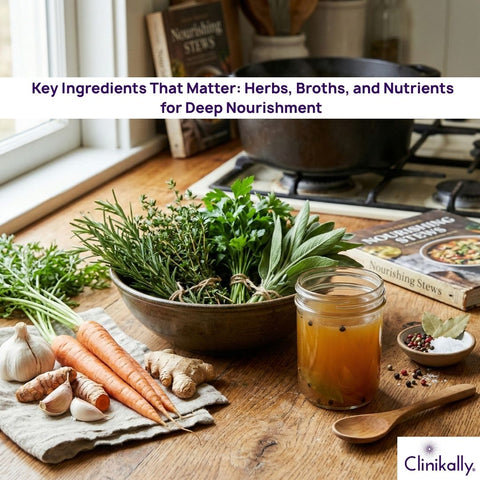
When you're trying to make really good, nourishing herbal stews, what you put in them is what truly matters. When you mix up healing herbs, broths full of minerals, and whole foods packed with nutrients, a basic stew becomes a really powerful meal. These really important ingredients team up to help out your immunity, keep your gut healthy, make your skin happy and hydrated, and give you steady energy- that's especially great when it gets colder outside. Here are 12 key things that make for truly restorative, slow-cooked stews, the kind that really nourish your body and make you feel good all over.
-
Bone Broth or Vegetable Broth: Rich in minerals, electrolytes, and collagen-supporting compounds for gut health and hydration.
-
Ginger: A warming, anti-inflammatory root that boosts digestion and circulation.
-
Garlic: Supports immune function and adds powerful antioxidant benefits.
-
Turmeric: Known for its anti-inflammatory and detoxifying properties.
-
Onions: High in prebiotics that nourish the gut microbiome.
-
Carrots: Provide beta-carotene for skin radiance, health and immune support.
-
Leafy Greens: Packed with iron, chlorophyll, and essential vitamins.
-
Legumes or Lentils: Plant-based protein sources that promote satiety and steady energy.
-
Root Vegetables: Grounding, warming foods that enhance nutrient density.
-
Fresh Herbs: Add antioxidants, flavour, and healing properties.
-
Healthy Fats: Improve absorption of fat-soluble vitamins.
-
Medicinal Spices: Enhance flavour while supporting metabolism and immunity.
When you slow-simmer these healthy ingredients, you're not just making a comforting meal; you're creating something that really helps your body feel good and stay well throughout the year.Herbal stews are such a classic choice when you want that whole-body health thing. It’s a really balanced way to go about clean eating, and it helps with digestion, gives you glowing skin, makes your hair stronger, and genuinely boosts your overall vitality.
Healing Herbs: Ginger, Turmeric, Garlic, and Thyme for Daily Winter Support
Winter wellness really gets a boost from healing herbs; they’re great for natural support when it comes to immunity, digestion, and just generally feeling good when it's cold outside. Ginger, turmeric, garlic, and thyme- these are some amazing herbs that really give your immune system a kick. People have been using them for ages in old-school medicine, and now they're a big part of how we look at healthy eating today. Ginger is really valued because it warms you up, which can help get your blood flowing better, make digestion a bit easier, and even calm down inflammation. Turmeric, which has a lot of curcumin in it, is really good at fighting inflammation and works as a strong antioxidant, helping your joints and keeping your immune system healthy. Garlic is great because it has stuff in it that fights germs and helps your immune system stay strong. Thyme is good for your breathing and also helps kill bad bacteria. Together, they're a dream team for keeping you healthy all winter long.
Adding these special herbs to your everyday meals, particularly to dishes like stews and broths that you cook slowly, really kicks up the flavor and helps your body soak up all the good stuff inside.When you cook them slowly, the good stuff inside becomes easier for your body to absorb. This helps your gut, cleanses your system, and keeps your energy up. These herbs are also great for tackling those typical winter issues, like stuffy noses, slow digestion, and when your immune system needs a bit of a boost because of the cold weather and less sunshine. Ginger, turmeric, garlic, and thyme are packed with good stuff like phytonutrients, essential oils, and antioxidants. They really fit in well with clean eating, plant-forward meals, and just living a naturally healthy life. If you use them regularly, they're a straightforward, good way to keep yourself balanced, warm, and feeling tough all winter.
Broth Basics: Choosing Bone Broth or Plant Broth for Your Body Goals
Picking the right broth is a really important first step when you're making stews and soups that are packed with good stuff and fit what you're trying to achieve with your health. No matter if you like bone broth or plant-based broth, both are good for your gut, your immune system, your skin, and just for feeling well all around. Knowing what each broth does for your body can really help with your digestion, keeping your energy up, and just feeling good all year round: especially when it's chilly out and you need something warm and comforting.
-
Identify Your Primary Health Goal: Bone broth supports gut lining repair, joint health, and collagen production, while plant broth aids detoxification and lighter digestion.
-
Consider Digestive Sensitivity: Plant-based broths are ideal for those seeking easy-to-digest, anti-inflammatory options.
-
Look for Protein Content: Bone broth provides natural protein and amino acids for muscle recovery and satiety.
-
Focus on Ingredients Quality: Choose broths made with organic vegetables, herbs, or grass-fed bones for maximum nutrients.
-
Watch Sodium Levels: Low-sodium broths support heart health and reduce bloating.
-
Match Broth to Lifestyle: Plant broths align with vegan and plant-based diets, while bone broth suits high-protein or paleo lifestyles.
At the end of the day, the ideal broth for you is really about what your body needs and what you like to eat. When you pick out broths that are crafted with care, full of good minerals, herbs, and whole foods, you can turn your regular meals into something that really helps your body. This means good hydration, better digestion, and staying strong for a good long time. Plus, you get to enjoy something that's both comforting and tasty, making it a win-win situation.
Skin and Hair Nutrients: Protein, Zinc, Iron, and Healthy Fats in One Pot
Good skin and strong hair start with eating right, and stews are a simple way to get all those important things that help with beauty, all in one pot. Things like protein, zinc, and iron are super important for making your hair grow, fixing your skin, and helping your cells renew themselves. Protein gives us the stuff to make keratin and collagen, and zinc helps keep our scalp healthy while also managing how much oil it makes. Iron is a really important mineral for moving oxygen all over your body. Without enough of it, you might notice your skin looking a bit dull, and even that your hair starts to thin out. When you slow-cook these nutrients, your body can break them down and take them in a way more easily. This really helps you feel and look good inside and out, especially when it's cold outside.
Good fats also play a big role in keeping your skin hydrated, elastic, and looking shiny. Foods packed with omega-3s, think seeds, legumes, and good quality oils, are really helpful for building up your skin's barrier and calming down any inflammation. When you make a one-pot stew, any fats you include help your body soak up important vitamins like A, D, and E. These are really good for keeping your skin radiant and your hair strong. This blend really helps keep your hormones in check, locks in moisture, and fights off that dryness the cold weather brings. When you pack protein, minerals, and good fats into one comforting bowl, stews become this incredible way to feel good all around, giving you glowing skin and stronger hair, no matter the season.
How to Build the Perfect Herbal Stew: A Practical Winter Formula
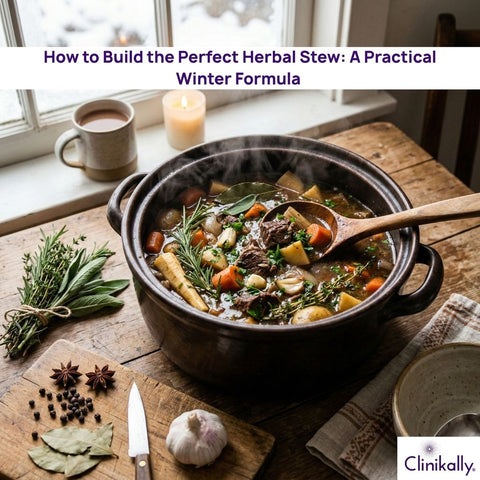
Making a really good herbal stew is a mix of art and science, something we really want during winter when our bodies just crave warm, nutritious food. You know, when you get that herbal stew just right, balancing out the ingredients, textures, and even how you cook it, it really does a lot for you. It's like a good friend to your immune system, helps keep your gut happy, makes your skin feel good, and gives you that steady energy you need all day long. A straightforward, repeatable formula can help you whip up warm, healing winter stews. These stews fit right in with clean eating, seasonal nutrition, and overall wellness plans, and it doesn't have to be complicated.
-
Start with a Mineral-Rich Broth: Choose bone broth or plant-based broth for deep nourishment.
-
Add Warming Aromatics First: Sauté ginger, garlic, onions, and spices to enhance flavour and digestion.
-
Layer Root Vegetables: Carrots, sweet potatoes, and turnips provide grounding energy and nutrients.
-
Include a Protein Source: Lentils, beans, tofu, or meat support satiety and tissue repair.
-
Use Healing Herbs: Incorporate turmeric, thyme, bay leaf, or rosemary for immune support.
-
Balance with Leafy Greens: Add spinach or kale near the end to preserve vitamins.
-
Include Healthy Fats: Olive oil, coconut oil, or seeds improve nutrient absorption.
-
Season Gradually: Build flavour slowly to avoid overpowering the stew.
-
Simmer Low and Slow: Gentle cooking improves digestion and nutrient bioavailability.
-
Adjust Texture Mindfully: Balance broth, solids, and thickness for comfort and satisfaction.
-
Finish with Fresh Herbs: Add brightness and antioxidants before serving.
-
Listen to Your Body: Adjust ingredients based on digestion, energy, and seasonal needs.
If you stick to this simple winter stew recipe, you'll be able to make meals that are both good for you and really satisfying. When you make herbal stews with real care, they're not just tasty; they give you that needed warmth, hydration, and a good sense of balance. They're a truly potent, yummy way to stay well during those colder months.
Step-by-Step Balance: Protein + Fibre + Fat + Herbs for Lasting Warmth
When you're trying to stay warm and energized with your winter meals, it all comes down to a good step-by-step nutritional balance. Think about how protein, fiber, healthy fats, and healing herbs work together; that's key. Protein helps fix up your muscles, keeps you feeling full, and helps your blood sugar stay even. Veggies and beans, full of fiber, are good for your gut and slow down digestion so you feel full for longer. Good fats are super important because they help your body stay warm, keep your hormones in check, and even absorb those key vitamins. If you mix it with warming herbs and spices like ginger, turmeric, and thyme, this balanced method really helps get your metabolism going, gets your blood flowing better, and makes your immune system stronger. These parts all come together to make really good winter meals. They help us eat clean, stay warm inside, and support our well-being throughout the season.
Smart Add-Ins: Vitamin C Vegetables and Antioxidants Without Overcooking
Adding smart ingredients is key to making your winter stews as nutritious as possible, all while keeping those heat-sensitive nutrients safe. Bell peppers, broccoli, cabbage, and leafy greens are chock-full of vitamin C. These veggies are like little powerhouses, bursting with antioxidants that really help out your immune system, keep your skin looking good, and boost collagen. But if you cook them for too long, they lose some of their goodness, so how and when you cook them really matters.If you toss these veggies in at the very end of cooking, or just quickly blanch them, you'll really help keep all that good vitamin C, polyphenols, and natural enzymes intact.This way of doing things goes right along with clean cooking and what we know now about keeping nutrients in our food. When you layer ingredients that are full of antioxidants the right way, you really give your immune system a boost. This also cuts down on oxidative stress and helps your food keep its bright colors and good taste. You can turn a regular, comforting stew into a really smart meal that helps you stay well through the seasons.
Common Mistakes: Too Much Salt, Too Little Protein, or Missing Healthy Fats
Sometimes, even the best winter stews aren't as good for you as they could be if you miss a few important things. Eating too much salt or not getting a good mix of proteins, carbs, and fats when you cook can really mess with your digestion, how much energy you have, and just your general well-being.Knowing about these common mistakes can really turn your everyday cooking into something special, full of good nutrition and balanced, comforting flavors. It's all about making food that helps your immune system, keeps your gut happy, and provides lasting warmth when it's chilly outside.
-
Using Too Much Salt: Excess sodium can cause bloating and dehydration, masking natural flavours and reducing heart-healthy benefits.
-
Too Little Protein: Insufficient protein affects satiety, muscle repair, and hair and skin health.
-
Skipping Healthy Fats: Without fats, absorption of fat-soluble vitamins like A, D, and E is reduced.
-
Overcooking Vegetables: Leads to nutrient loss, especially vitamin C and antioxidants.
-
Ignoring Fibre Balance: Too little fibre impacts gut health and blood sugar stability.
-
Overloading on Starch: Excess refined carbs can cause energy crashes instead of sustained warmth.
Steering clear of these typical slip-ups will help you put together winter meals that truly feed your body and support your overall well-being.When you mix protein, fiber, good fats, and the right spices, your stews will taste great, keep you warm, and give you lasting nutrients. Every bowl will feel comforting and actually do your body good.
Personalised Suggestions: Adjusting Stews for Dry Skin, Dull Hair, or Sensitivity
You know, making your winter stews just right for you is actually a really powerful way to fight off typical seasonal issues like dry skin, dull hair, and that digestive sensitivity many of us get. You know, if you really think about it, you can turn a regular stew into something that actually helps your skin stay hydrated, makes your hair stronger, and keeps your gut in good shape, just by thoughtfully changing up some of the ingredients. This way of doing things really fits with the idea of all-around good nutrition, eating clean, and seeing food as medicine. It helps you eat for what your body specifically needs, all while still getting those comfy, warm meals we all love.
-
For Dry Skin: Add healthy fats like olive oil, seeds, or avocado to support the skin barrier and moisture retention.
-
For Dull or Thinning Hair: Increase protein sources and iron-rich ingredients to promote hair growth and shine.
-
For Digestive Sensitivity: Use gentle herbs and well-cooked vegetables to support easy digestion.
-
For Low Energy: Include complex carbohydrates and mineral-rich broths for sustained warmth and vitality.
-
For Inflammation or Sensitivity: Focus on anti-inflammatory herbs like turmeric and ginger.
-
For Dehydration: Choose broth-heavy stews with water-rich vegetables for better internal hydration.
If you tweak your stew ingredients just right, that one recipe can become your own personal wellness tool. These easy changes make sure your meals do more than just make you feel good; they give you what you need for healthy skin, hair, and just a better sense of balance all winter long.
Final Thoughts: Making Herbal Stews a Simple Winter Ritual for Whole-Body Wellness
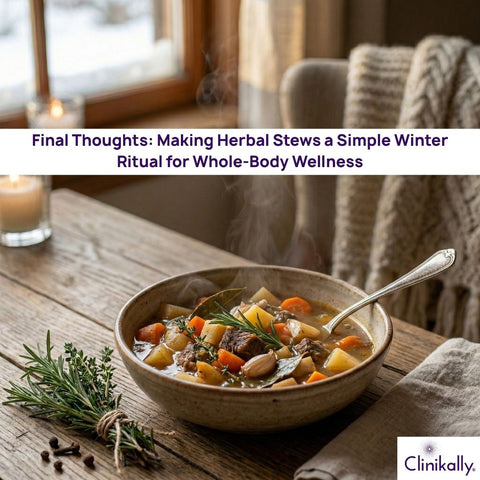
Just making herbal stews a regular thing, especially in winter, is such an easy but really strong way to keep your whole body feeling good by eating smart for the season.These meals are really comforting and packed with good stuff. They've got healing herbs, broths full of minerals, and ingredients that are slow-cooked. It's all about making your gut healthier, boosting your immunity, and giving you great skin and hair.People are really getting into clean eating, overall wellness, and using food to help them feel better. Herbal stews are a simple, old-school way to keep things steady when the weather gets cold.When you really get into mindful cooking and use ingredients that are in season, you're not just making meals. You're turning them into comforting ways to take care of yourself. It's all about helping you stay hydrated, keeping your energy up, and feeling warm inside. This creates a routine that feels really grounding and deeply restorative.