







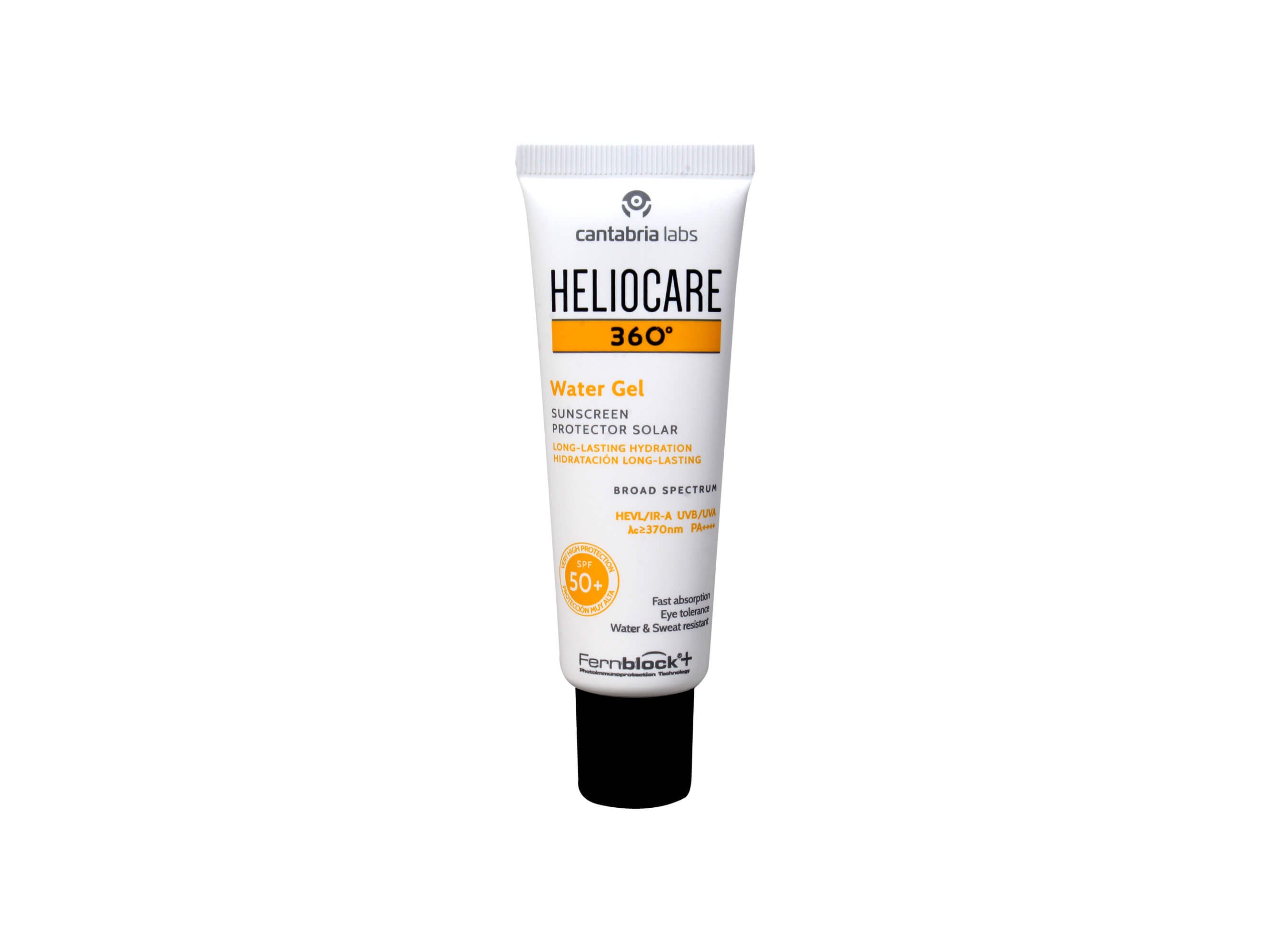
Best Sunscreen for Healthy Skin
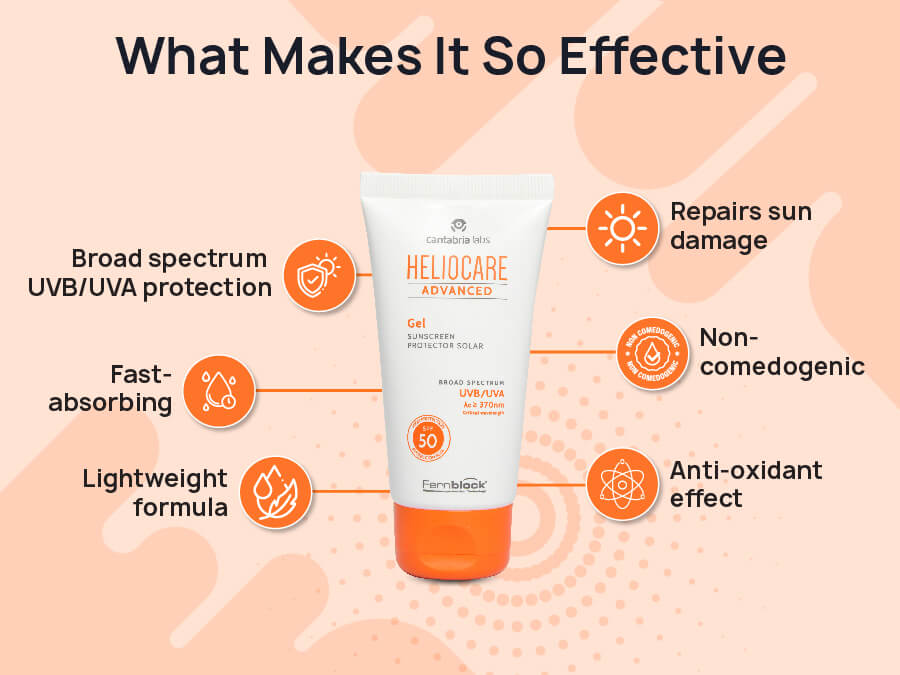
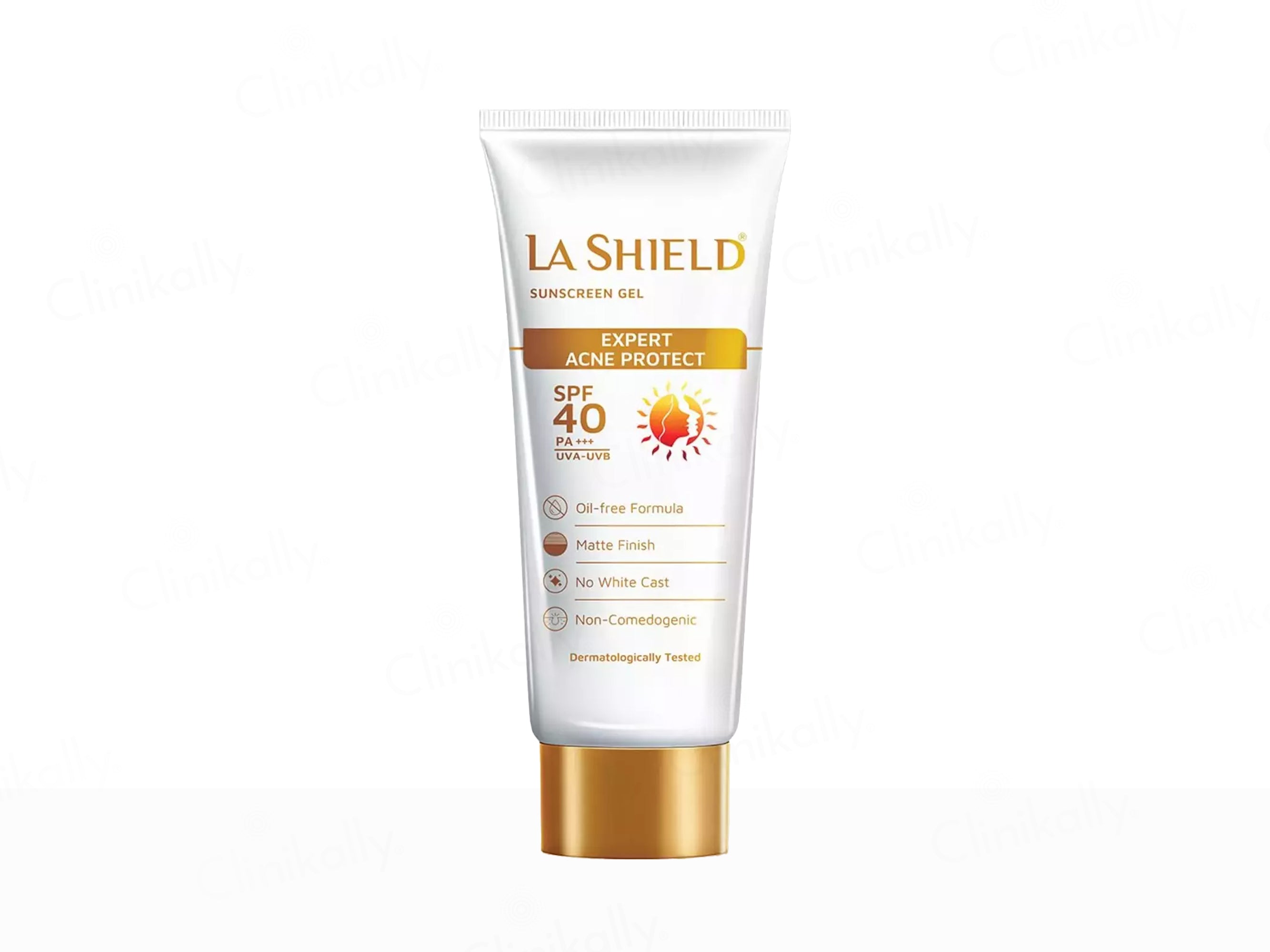
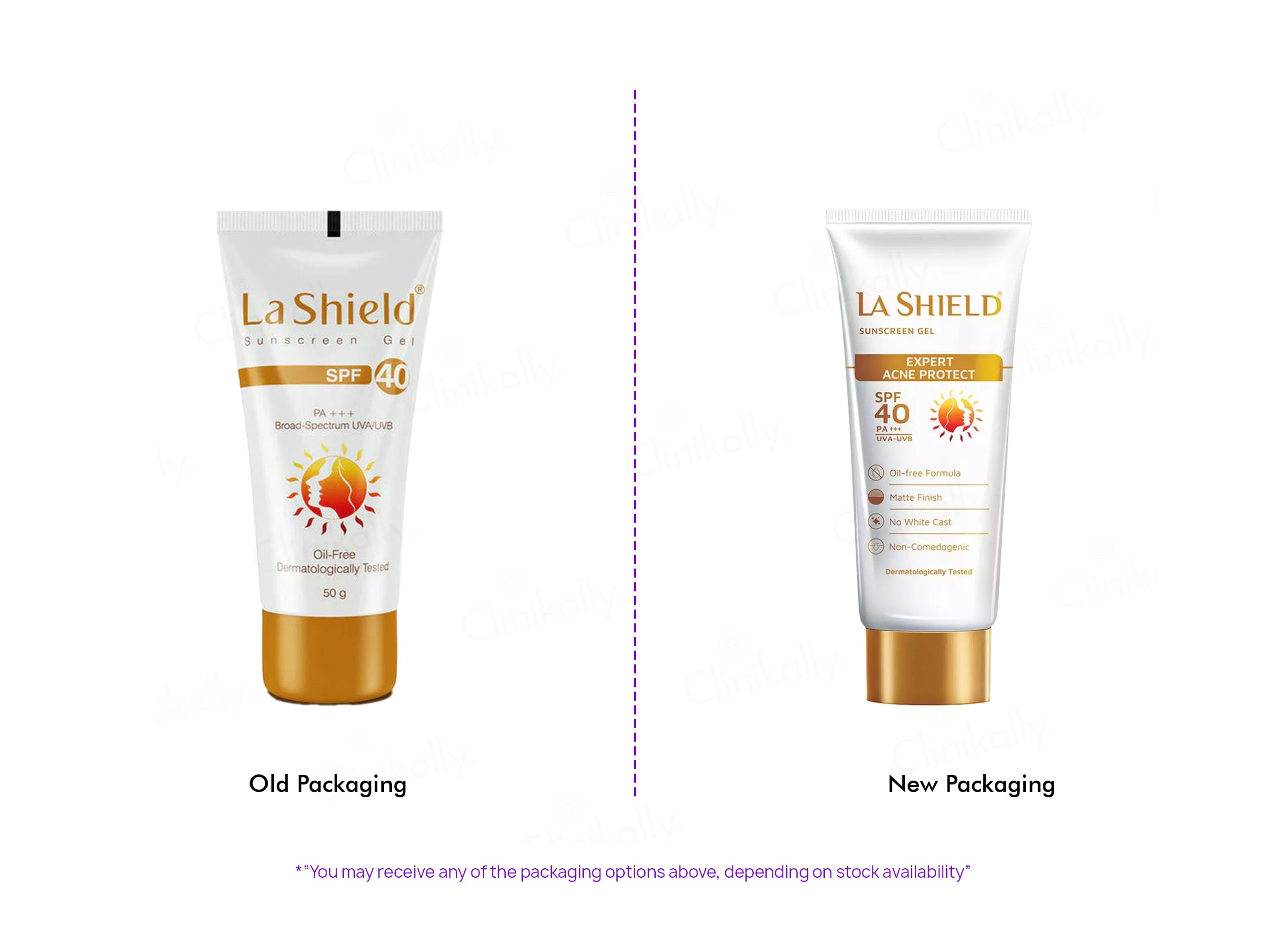
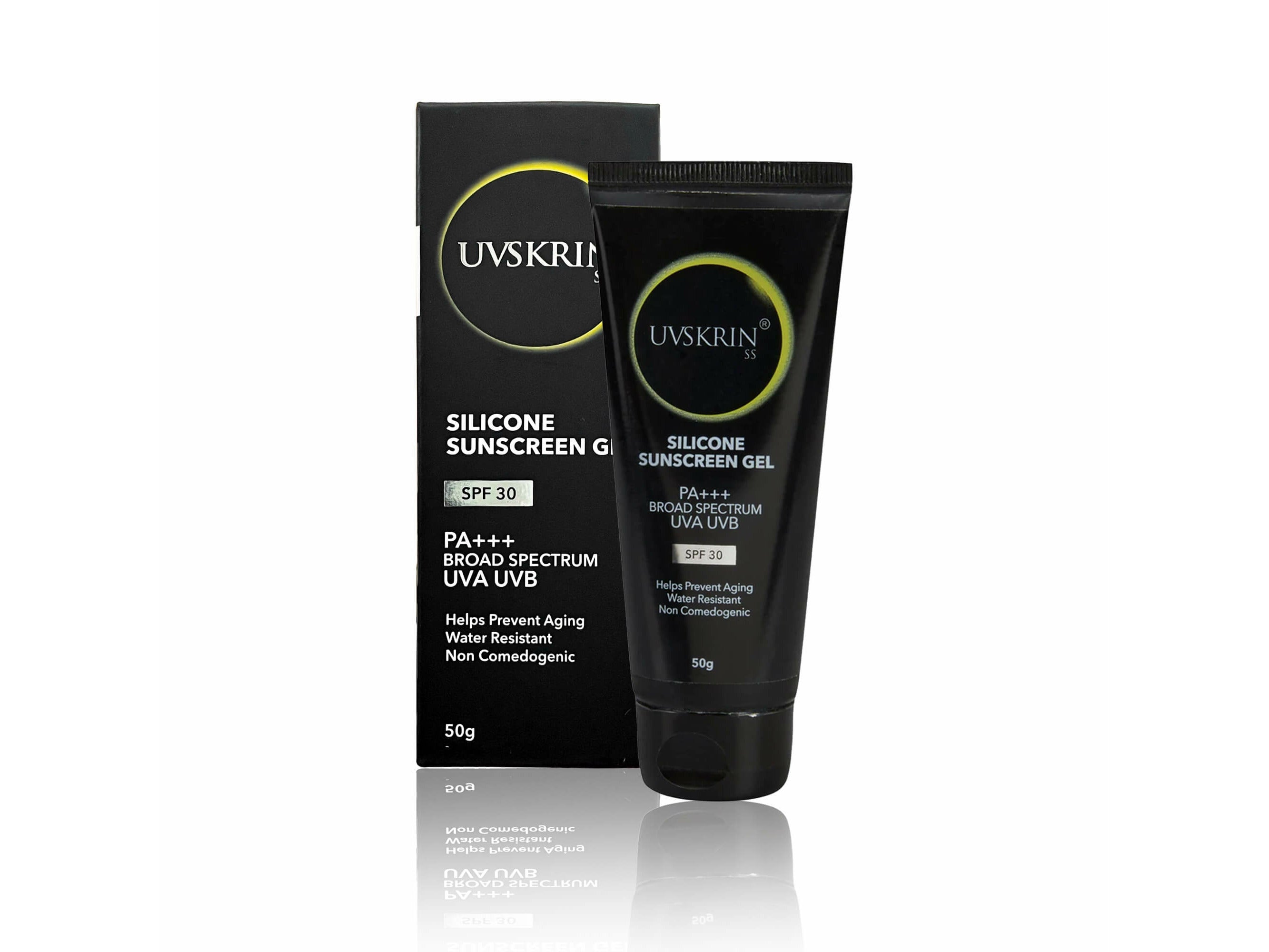
Sunscreen is an essential daily skincare product that protects your skin from harmful ultraviolet (UV) rays and acts as a shield against the sun's rays. Our Sunscreen Collection features the most favored and dermatologist-suggested products, designed for sun prevention and to soothe, safeguard, and ensure long-term skin health and radiance. If you’re seeking the best sunscreen, you must look for a lightweight, invisible daily SPF with a water-resistant formula. Additionally, you must go for a mineral-based sunscreen perfectly designed for sensitive skin. Also, you can check out our broad-spectrum SPF collection that will help you prevent premature aging and sunspots, maintaining a healthy, radiant complexion all year long. In this section, we’ll check out some of the best sunscreens and make sun protection a consistent part of your daily routine.
Understanding Sunscreen
Sunscreen is a basic component of any good skincare and anti-aging routine. It acts as a barrier, protecting your skin against harmful ultraviolet (UV) radiation, which can be divided into two general types, UVA and UVB rays.
Types of Sunscreens
1. Chemical Sunscreens: Chemical Sunscreens utilize organic (carbon-based) compounds that absorb sun rays and transform them to a small portion of heat that is released from the skin. Common active ingredients are Avobenzone, Oxybenzone, Octinoxate and Homosalate.
2. Mineral (or Physical) Sunscreens: Mineral sunscreens use inorganic filters, such as Zinc Oxide and Titanium Dioxide. They form a physical shield on the surface of the skin, which reflects and scatters UV radiation and prevents it from penetrating. They are usually favored for sensitive or acne-prone skin.
3. Hybrid Sunscreens: Hybrid sunscreens combine both chemical and mineral filters in a single formula. They offer the light, non-greasy use of chemical sunscreens and have the advantage of the broad-spectrum stability of mineral filters. This balanced approach usually results in a mix that has minimal white cast and high efficacy, making it suitable for all skin types and everyday use.
Decoding SPF and Broad Spectrum
SPF (Sun Protection Factor): This rating gauges the extent of protection against UVB rays. For example, SPF 30 blocks approximately 97 percent of the UVB rays, whereas SPF 50 blocks approximately 98 percent of the UVB rays. The higher the SPF, the more protection.
Broad Spectrum: This label confirms the product's protection against the UVA and UVB rays. You should always apply a broad-spectrum formula so that both burning and aging factors are safeguarded.
Beyond UV Protection: Besides providing UVA and UVB protection, advanced sunscreens are currently often formulated to contain ingredients (antioxidants and iron oxides) that protect against environmental stressors, including:
- Blue Light (High-Energy Visible Light): Emitted by digital screens and the sun, and it may cause premature aging and hyperpigmentation.
- Visible Light: It has the capacity to worsen conditions such as melasma.
- Pollution: Shields against free radical damage caused by air pollutants to the skin.
PA Rating (Protection Grade of UVA): The PA system is a Japanese standard that measures the level of protection against UVA rays (which cause aging and long-term damage). It is typically denoted by plus signs:
- PA+: Offers some UVA protection.
- PA++: Offers moderate UVA protection.
- PA+++: Offers high UVA protection.
- PA++++: Offers extremely high UVA protection.
Key Benefits of Using a Sunscreen
1. Lowers Skin Cancer Risk: Consistent and proper use of sunscreen is the most effective method for lowering the lifetime risk of developing skin cancer. This includes:
- Melanoma: The most perilous and aggressive type of skin cancer, known for its ability to spread rapidly and pose significant threats to overall health.
- Basal Cell Carcinoma (BCC) and Squamous Cell Carcinoma (SCC): The most prevalent forms, while less aggressive in nature, are typically characterized by their less intense impact.
Regular application of sunscreens reduces the risk of developing cancerous cells by inhibiting the development of UV-induced mutations that build up in the skin. Dermatologists suggest a minimum SPF 30.
2. Protects Against UV Radiation: The primary function of sunscreen is to provide a protective coating against the sun's harmful Ultraviolet (UV) radiation. There are two primary types of UV rays:
- UVA (Aging Rays): They penetrate deeply into the skin, causing permanent damage, such as aging. They can pass through windows and are present throughout the year, even when it’s cloudy.
- UVB (Burning Rays): These are the primary cause of sunburn and mostly affect the epidermis (outer layer). Their intensity also varies depending on the season, time of day, and location.
Sunscreen, particularly a broad-spectrum version, uses filters (to absorb or reflect these rays) to prevent direct damage to the skin cells.
3. Avoid Early Aging (Photoaging): The estimated impact of UV exposure on aging is up to 80 percent of the visible effects. Photoaging is a process characterized by:
- Collagen and Elastin Degradation: UV rays destroy the structural proteins (collagen and elastin) that ensure the skin is firm and elastic.
- Appearance of Wrinkles and Fine Lines: The decline of structural integrity can result in drooping and the emergence of fine lines and wrinkles.
Sunscreen is an anti-aging product that maintains the skin's structural integrity, helping it remain smooth, firm, and resilient over time.
4. Maintains Skin Health and Appearance: Daily use of sunscreen helps keep the skin healthy and attractive by:
- Protecting the Skin Barrier: To maintain the skin's barrier function, it is important to prevent UV damage that causes moisture loss and shields against environmental irritants.
- Preserving Blood Vessels: UV radiation can cause the small blood vessels closest to the skin surface to enlarge and become visible (telangiectasias or so-called spider veins). Sunscreen helps preserve the integrity of these vessels.
5. Reduces Hyperpigmentation: Sun exposure is a significant cause of excess melanin production, which causes types of hyperpigmentation (dark spots). Sunscreen is necessary for the prevention and treatment of the following conditions:
- Age Spots: These are small dark spots found in places that are exposed to the sun.
- Melasma: A chronic condition causing large patches of dark discoloration, often triggered or worsened by UV light.
Sunscreen prevents the production of melanin by blocking the UV rays that trigger it, thereby maintaining a clear and even skin complexion.
How to Choose the Right Sunscreen for Your Skin
While choosing the best sunscreen, you need to take into consideration a number of factors so that the protection is maximal and the chosen sunscreen fits the exact needs of your skin and your lifestyle. The market is diverse, so making an informed decision is important. The following are the key points to consider before purchasing a sunscreen:
1. SPF Level and Broad-Spectrum Coverage: The first thing that you have to take into consideration is the protection level. It should always be a product marked “Broad-Spectrum” to be able to protect against the UVA (aging) and UVB (burning) rays. Daily incidental exposure is generally adequately covered by SPF 30, which blocks approximately 97 percent of UVB rays. In case you intend to engage in extended outdoor activity or your skin is extremely fair, seek out SPF of 50 or more with maximum protection.
2. Check Skin Type and Formula: The type of skin that you have is a very important factor to use in finding out what formula will best suit you. In cases of oily or acne-prone skin, seek out the formulas that are oil-free, non-comedogenic, so that the pores are not clogged and shiny. On the other hand, when you have dry skin, you need to find hydrating sunscreens, which are usually creamier or in lotion form and contain hydrating ingredients, such as ceramides or hyaluronic acid, which provide a long-lasting effect.
3. Choosing Between Physical (Mineral) and Chemical Filters: There are two primary types of active ingredients used in Sunscreens. Mineral sunscreens include zinc oxide or titanium dioxide and are ideal for sensitive skin, post-procedure skin and children since they lie on the skin surface and reflect UV rays. Chemical sunscreens take the UV light and transform it into heat, and thus usually have a thinner texture and are popular with those who do not like the whitish cast caused by mineral formulas.
4. Checking for Water and Sweat Resistance: In the case of activity in the sun, such as water rafting or racing, or a hot climate, the sunscreen must have the label water-resistant. This mark will indicate whether the protection is for 40 minutes or 80 minutes in water. It is imperative to keep in mind that even a water-resistant formula has to be reapplied as soon as it is towel-dried to ensure that protection remains effective.
5. Reviewing for Sensitive Ingredients: It is important to know the ingredients contained in the product. In case your skin is sensitive, you should make sure you give preference to sunscreens that are labeled fragrance-free and that do not have alcohol in them, which may irritate. Swimmers and ocean enthusiasts should seek reef-safe formulations. These products specifically exclude chemicals (like oxybenzone and octinoxate) known to harm coral reefs. Always do a patch test before using any products.
Best Sunscreen for Oily Skin
Oily skin cannot afford sunscreens that are thick and heavy-feeling on the skin, as they can cause greasiness and breakouts. To find oil-free, non-comedogenic products, look specifically at gels, fluids, or lightweight lotions with the goal of a matte finish. The most important ingredients to look at are Silica or Perlite, which are efficient in absorbing excessive sebum to keep a shine-free appearance. Zinc Oxide is also a good mineral filter since it is non-comedogenic and mildly anti-inflammatory, and components such as Niacinamide can stabilize oil production. The use of heavy creams or sunscreens with mineral oils or coconut oil should be avoided.
Best Sunscreen for Dry Skin
Dry skin needs those sunscreens that provide high levels of hydration in addition to UV protection to help overcome flakiness and tightness. The best option would be a creamy, thick lotion or a milk formula that aims to hydrate the skin barrier. Hyaluronic Acid and Glycerin are great humectants that attract moisture to the skin, whereas Ceramides may repair and strengthen the barrier to reduce water loss. A sunscreen with a dewy or natural finish is normally well-tolerated. Products containing high amounts of drying alcohols should be avoided.
Best Sunscreen for Combination Skin
Combination skin requires a balanced formula that will not clog or over-dry the T-zone and the drier parts of the cheeks. The best choice is a lightweight lotion, either in a satin or natural finish (or a mix of chemical and mineral filters). Find products that contain lightweight emollients (like Dimethicone) to keep you comfortable and non-comedogenic hydrators (such as Aloe Vera) to keep dry areas moist without worsening the oiliness of the T-zone. The use of antioxidants such as Vitamin E may also help with general skin health.
Best Sunscreen for Sensitive Skin
Minimal irritation and allergic reaction should be the priority of sensitive skin, so mineral sunscreens are the safest option. These products contain Zinc Oxide and Titanium Dioxide, which do not enter the skin and are unlikely to result in irritation. The ideal lotion must be soft and soothing and must be called Fragrance-Free and preferably Hypoallergenic. To also minimize the level of redness and inflammation, consider calming ingredients such as Allantoin or Bisabolol. It is imperative that sensitive skin types are effectively devoid of routine irritants, especially chemical UV filters such as Oxybenzone and added perfumes.
Best Sunscreen for Men
The skin of men is generally thicker, secretes more sebum, and grows facial hair. To promote regular usage, the best sunscreens for men are those that are very light, non-greasy, and fast-absorbing (like gels, fluids, or sticks), minimizing the heavy, sticky feel. The formula should not leave any trace of white cast and must easily be applied through the facial hair without leaving any visible white trace behind. The main components to consider are the presence of Silica or Niacinamide, which regulate the excess oil and shine, in line with the generally increased production of sebum. In the case of men who shave, ingredients such as Allantoin or mild Zinc Oxide are a very good idea as they will offer a non-irritating protection to tender, post-shave skin.
Best Sunscreen for Women
Women have a tendency to find sunscreens that can be part of a makeup regimen, including a preference towards finish and anti-aging properties. Most popular formulations are usually those that serve as a smooth primer to foundation, giving a matte or satin finish to cover pores and create a smooth, thin layer for makeup. Hydrating formulas containing Hyaluronic Acid or Ceramides are often sought to counteract dryness and keep the skin hydrated, especially as skin thins with age. Mineral sunscreens are very popular because they aid in the neutralization of any white cast with light coverage or color correction. Also, sunscreens with high levels of antioxidants (Vitamins C and E) are currently trendy based on their greater anti-aging and environmental protection.
Non-Comedogenic Sunscreen
The "Non-Comedogenic" label is a must-have for any person worried about blocked pores, especially those who are prone to acne or blackheads. This label ensures that the product is developed using ingredients that are tested and demonstrated not to clog pores or result in the occurrence of comedones. They are based on lightweight chemical filters or micronized mineral filters such as Zinc Oxide, and are mixed with non-pore-clogging carrier materials such as lightweight silicones. It is an essential preventive strategy to use a non-comedogenic sunscreen that will not impair clear skin by providing UV protection.
Buy the Best Sunscreen from Clinikally
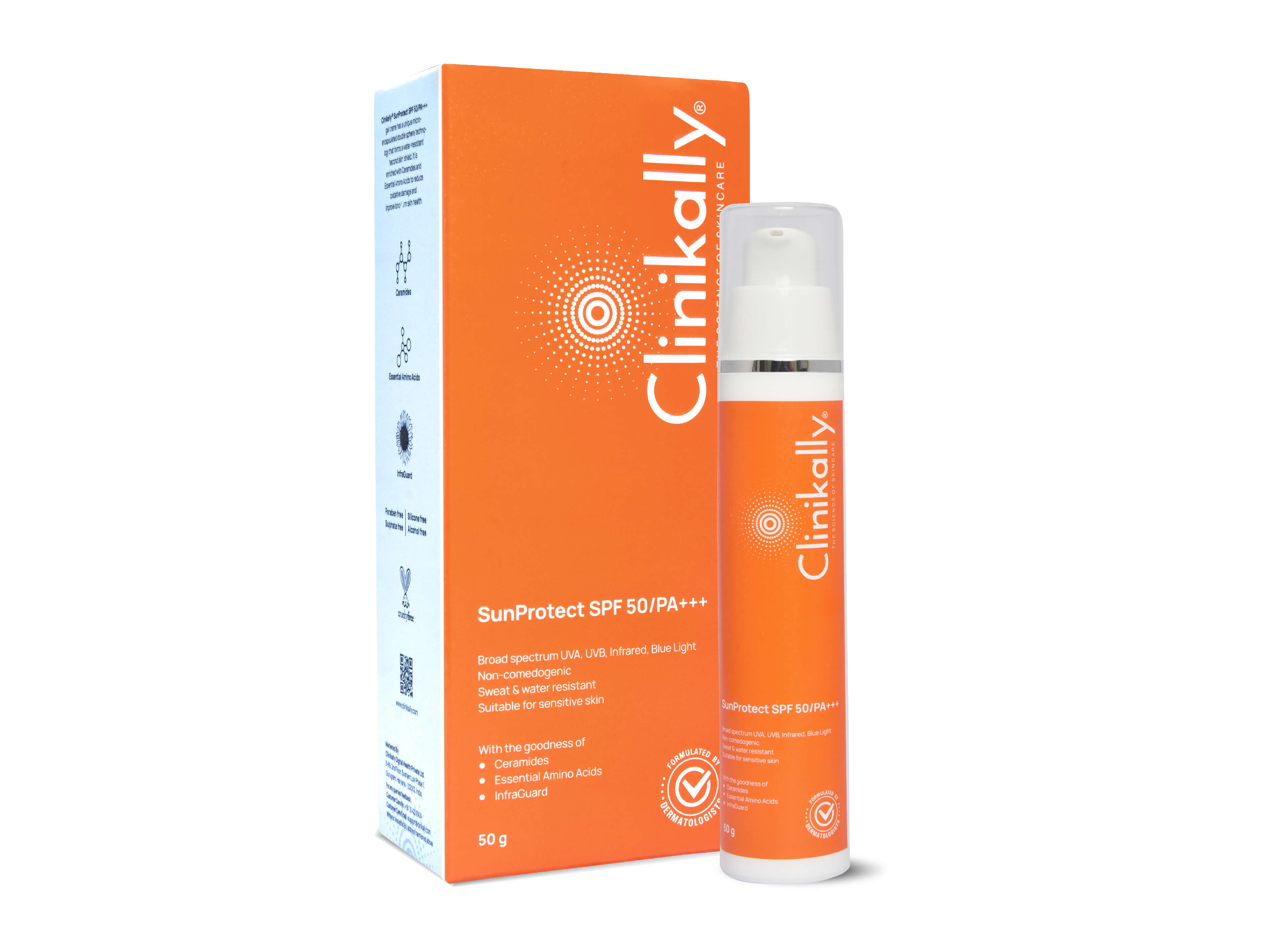
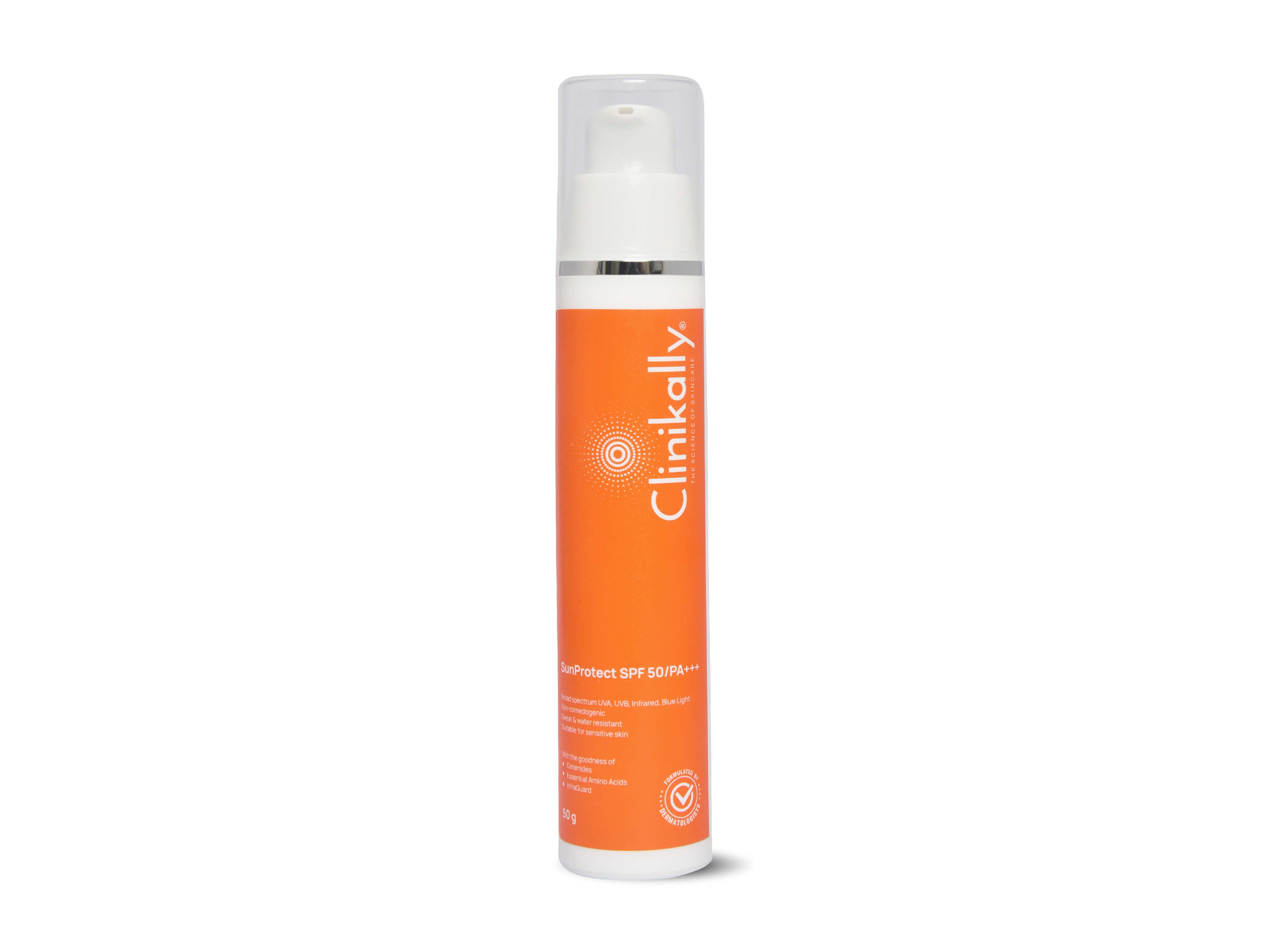
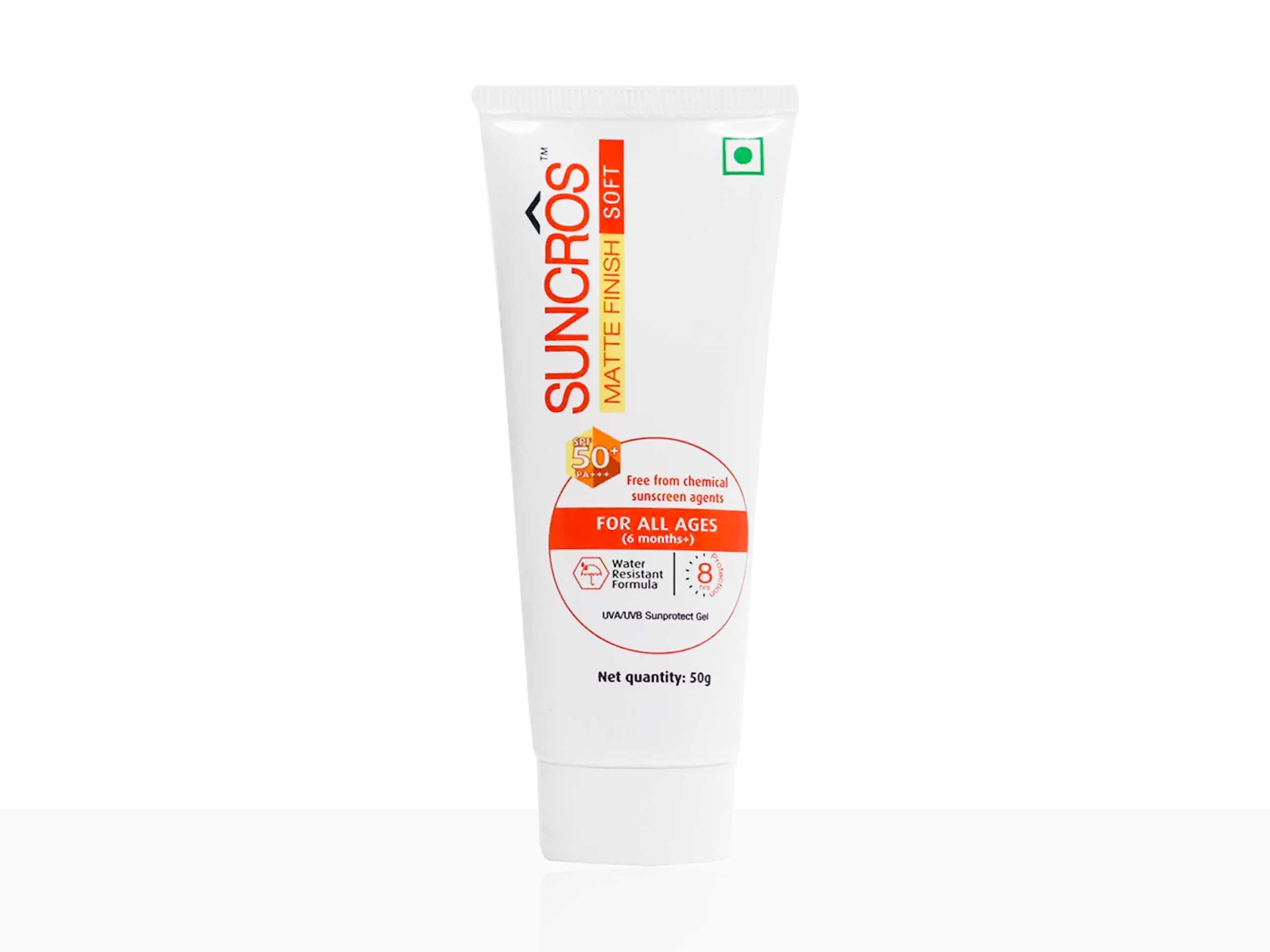
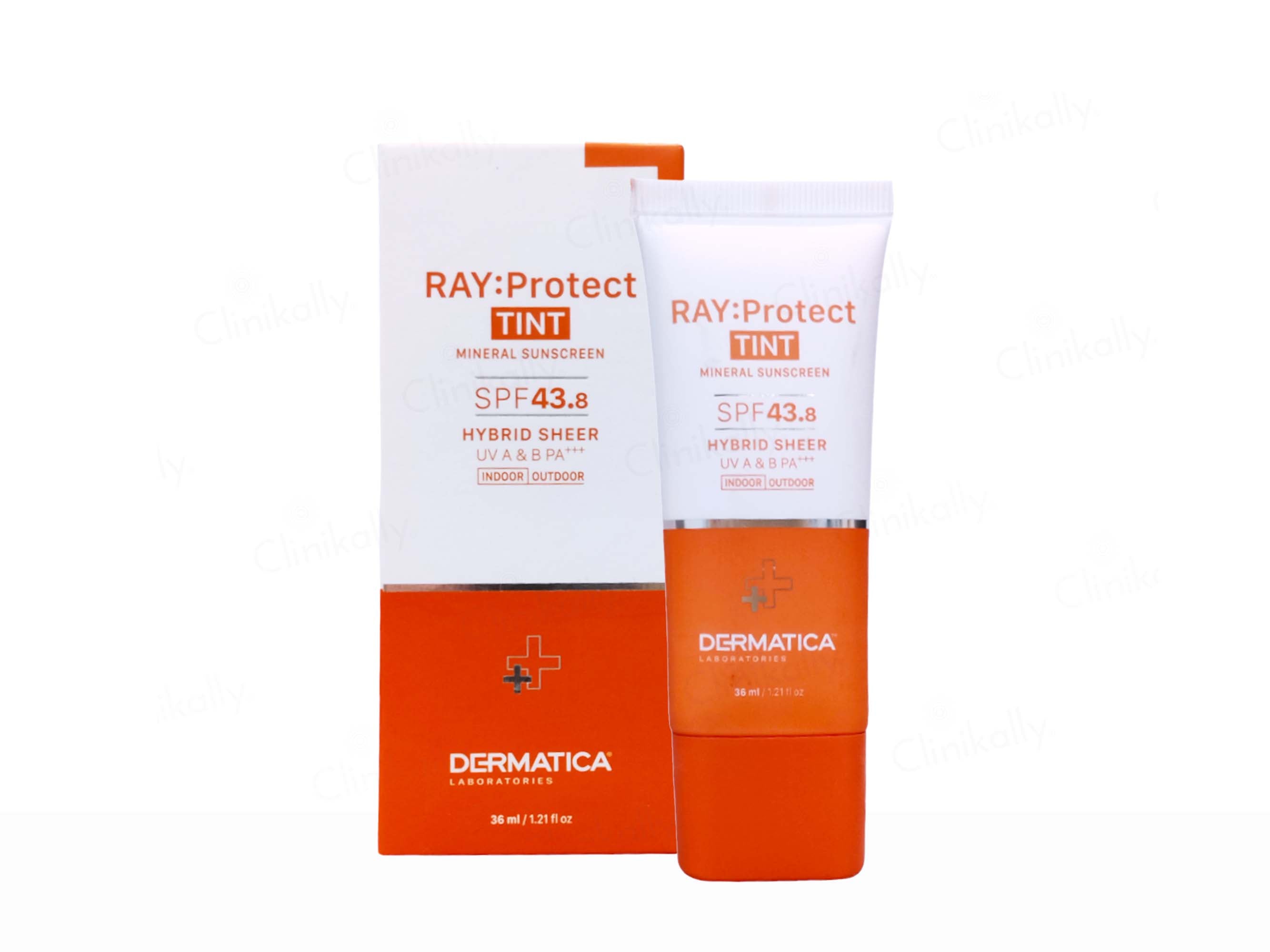
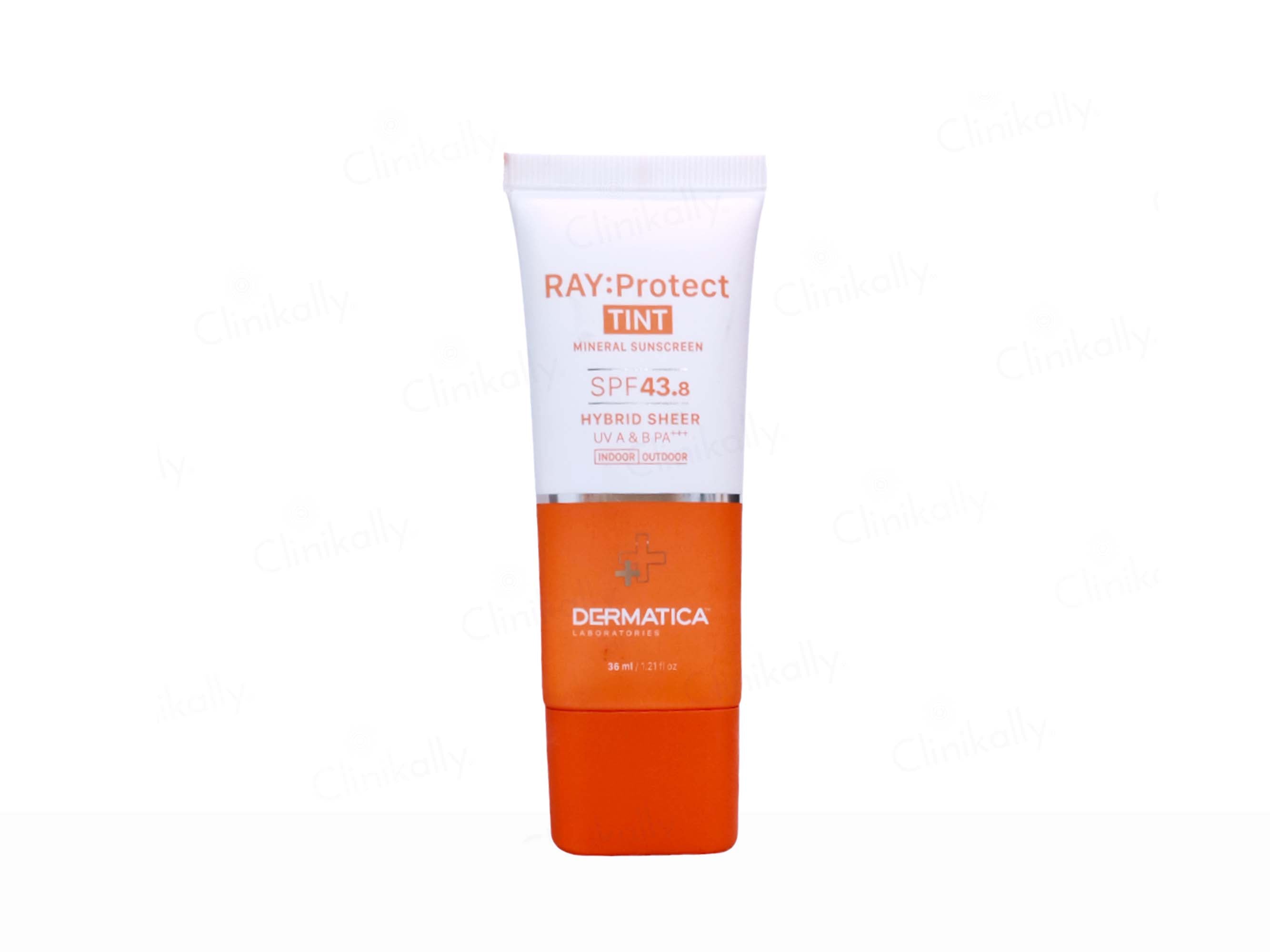
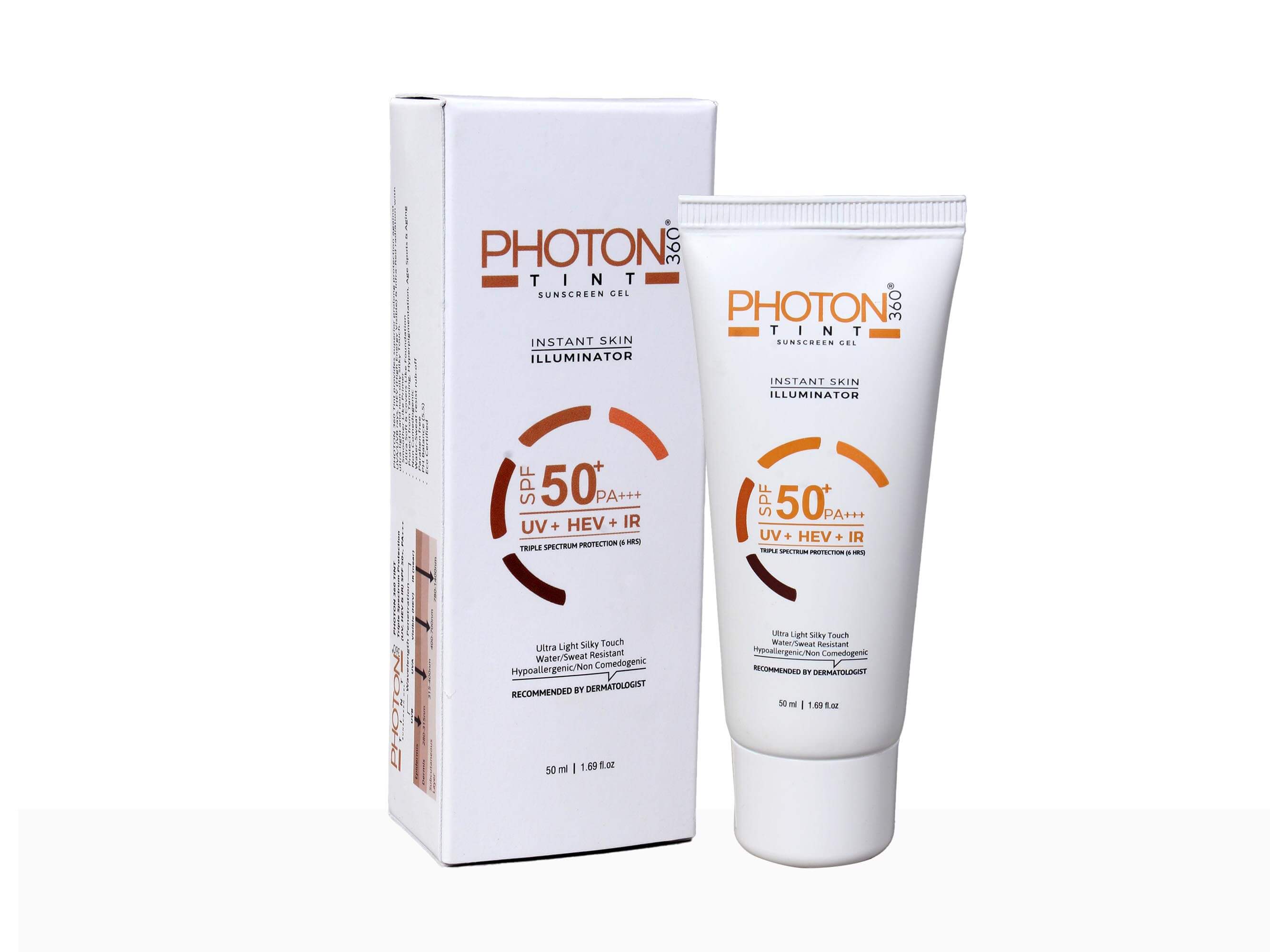
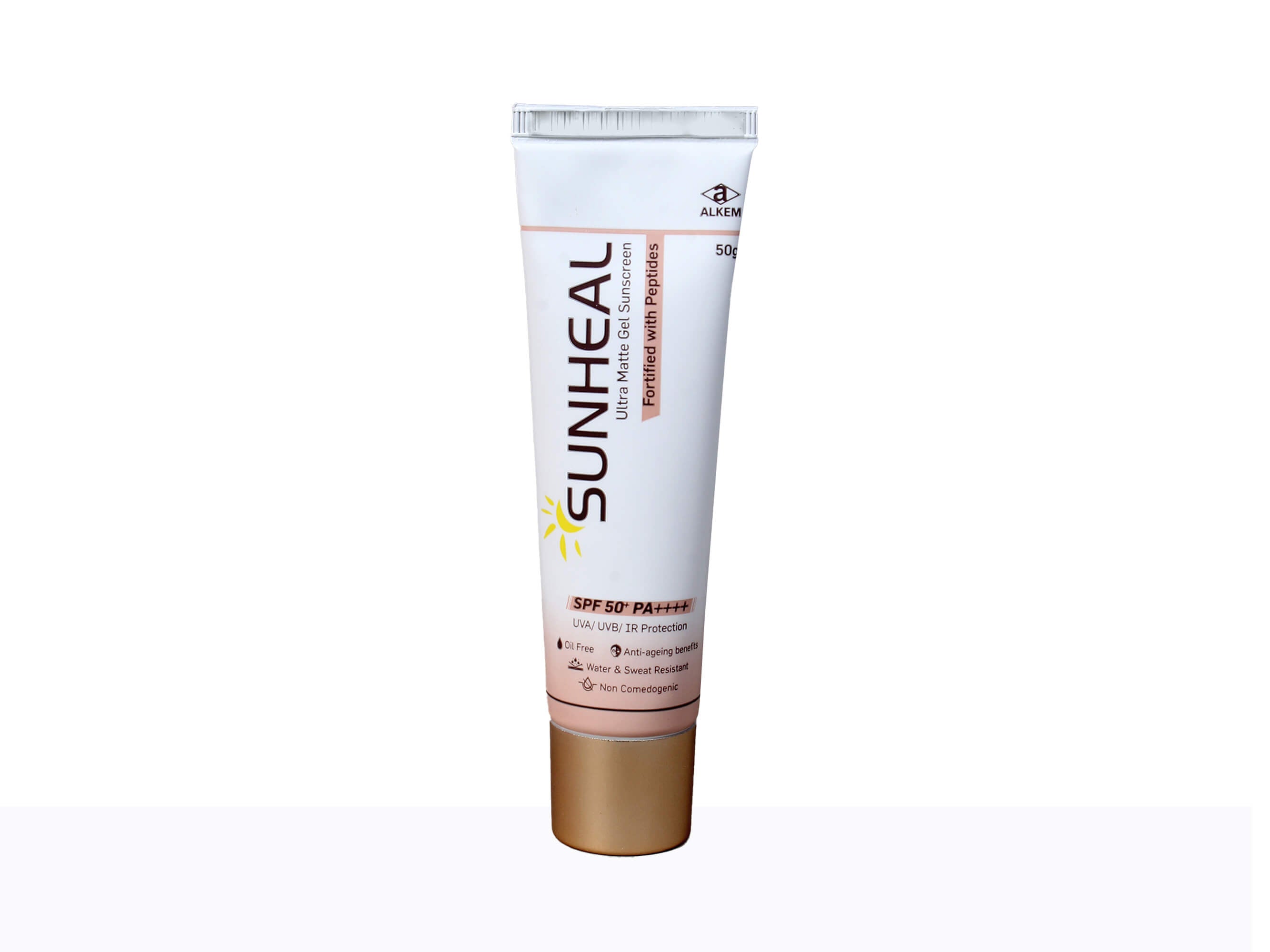
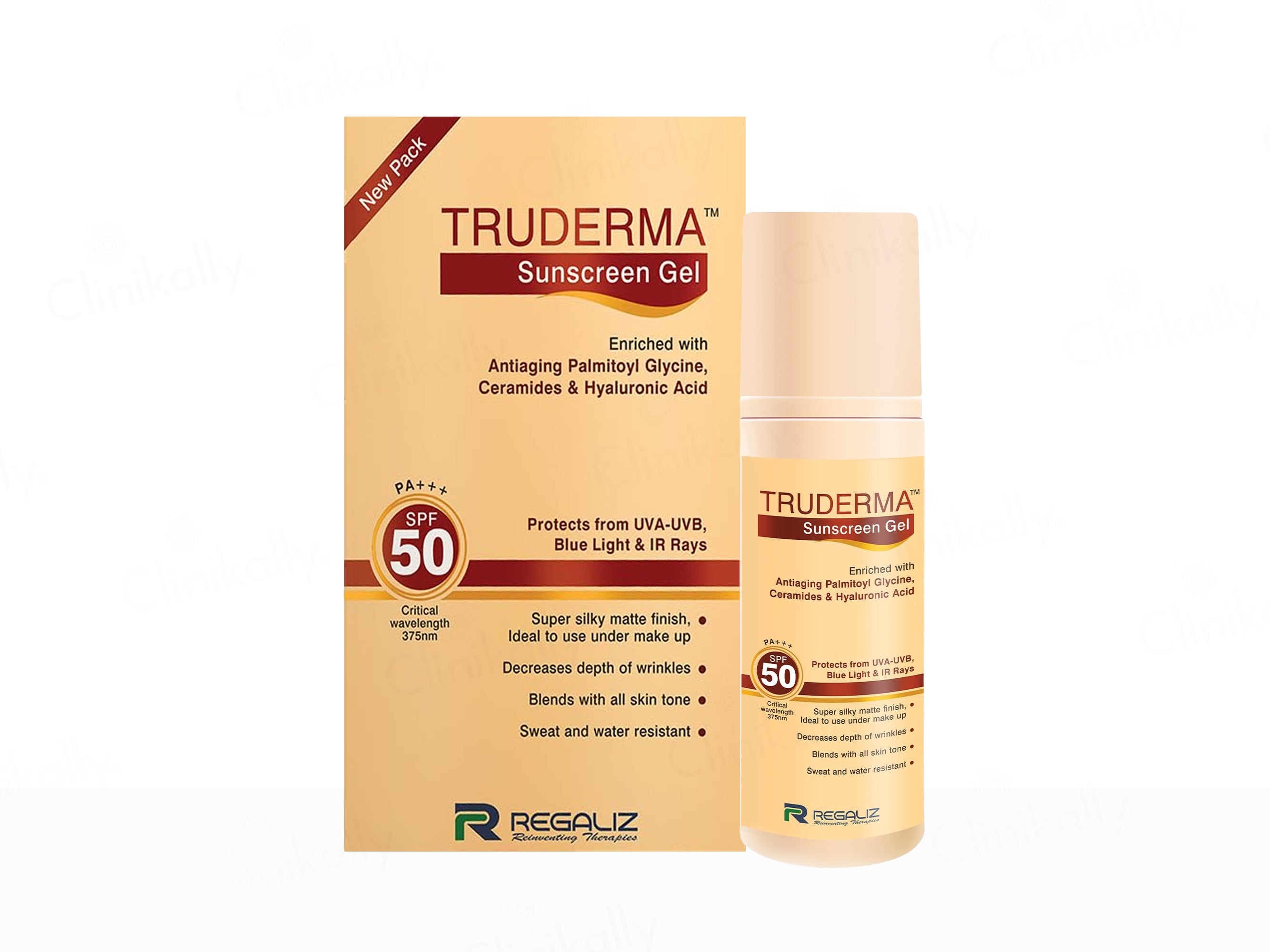
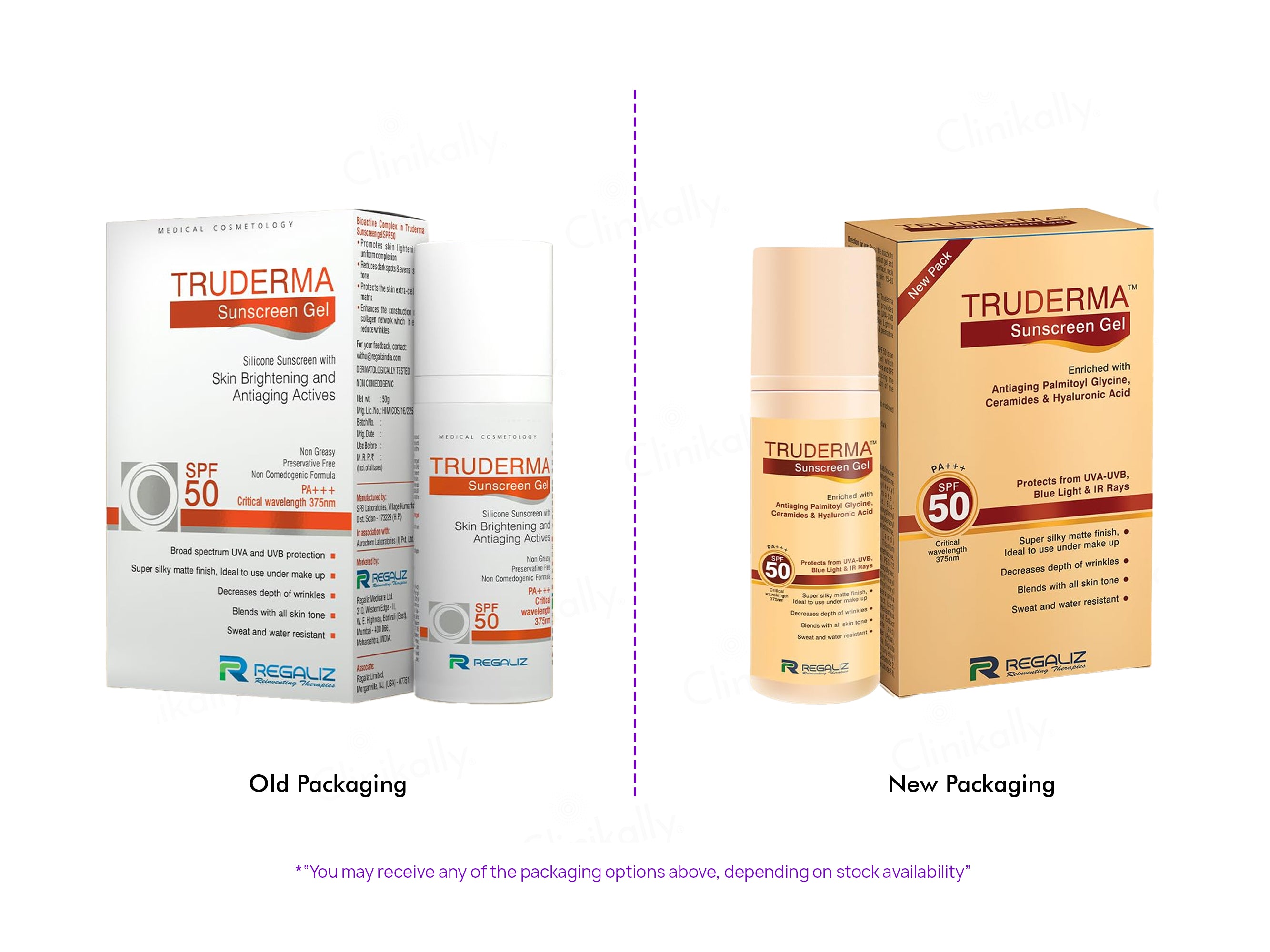
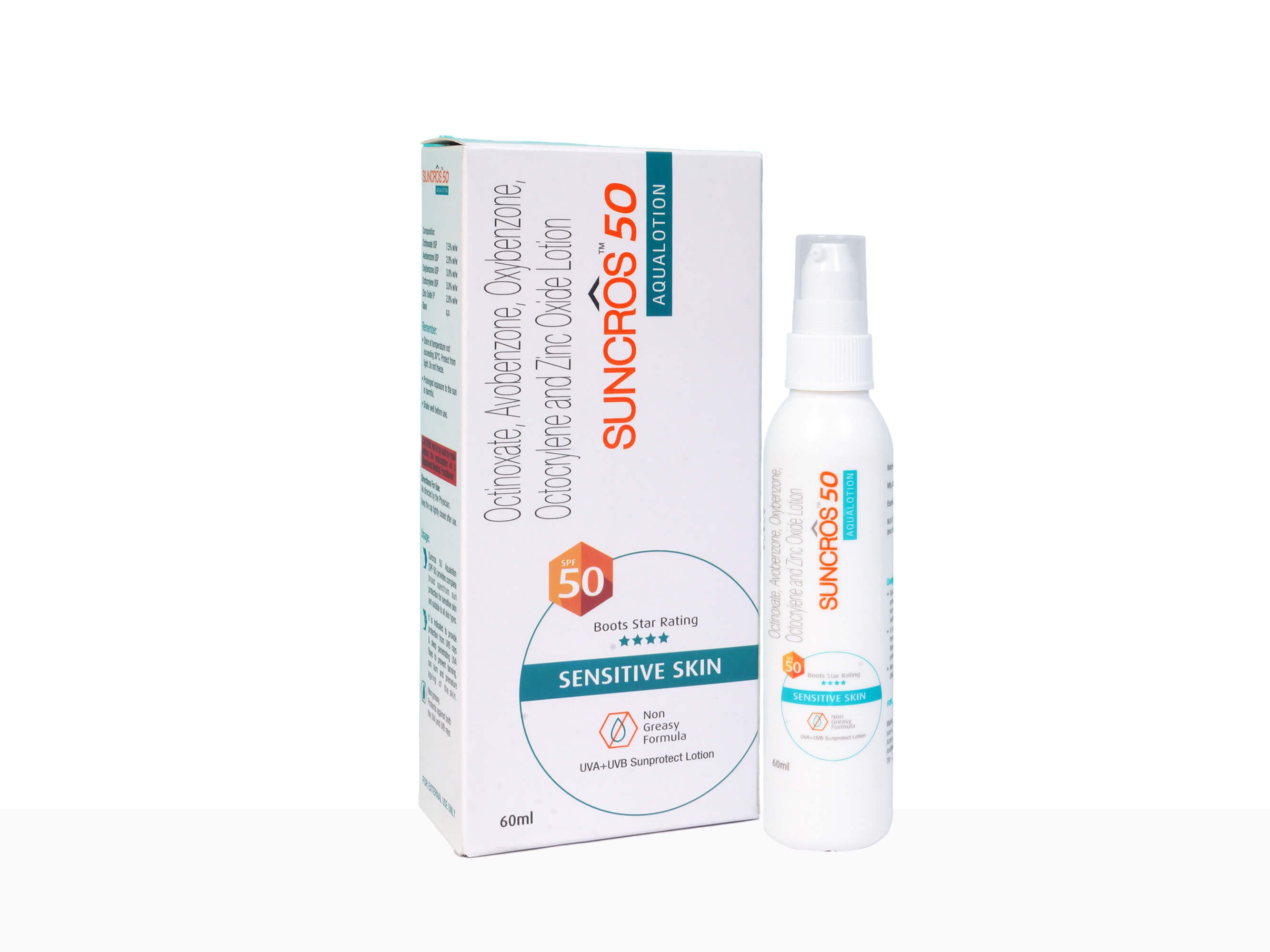
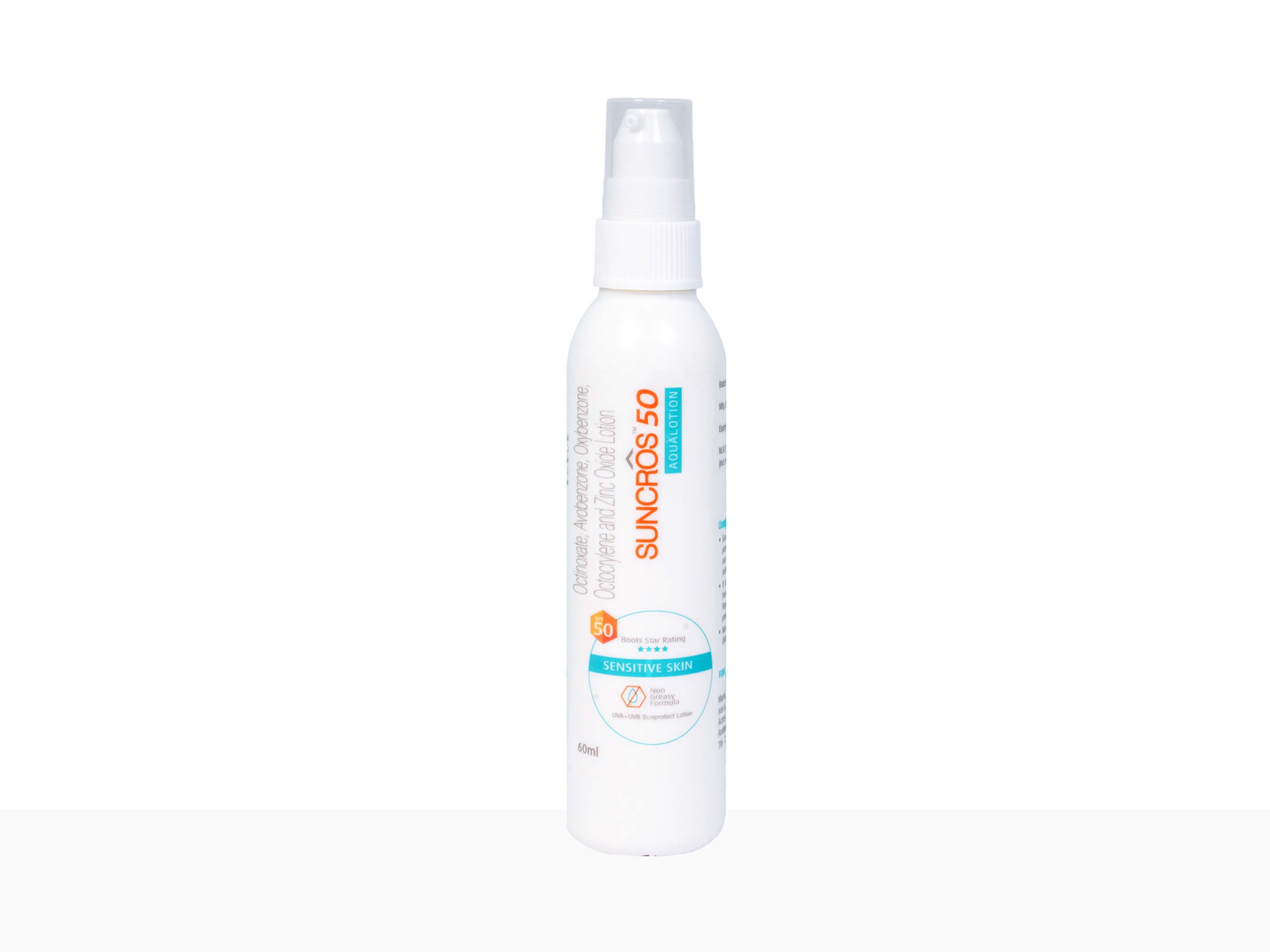
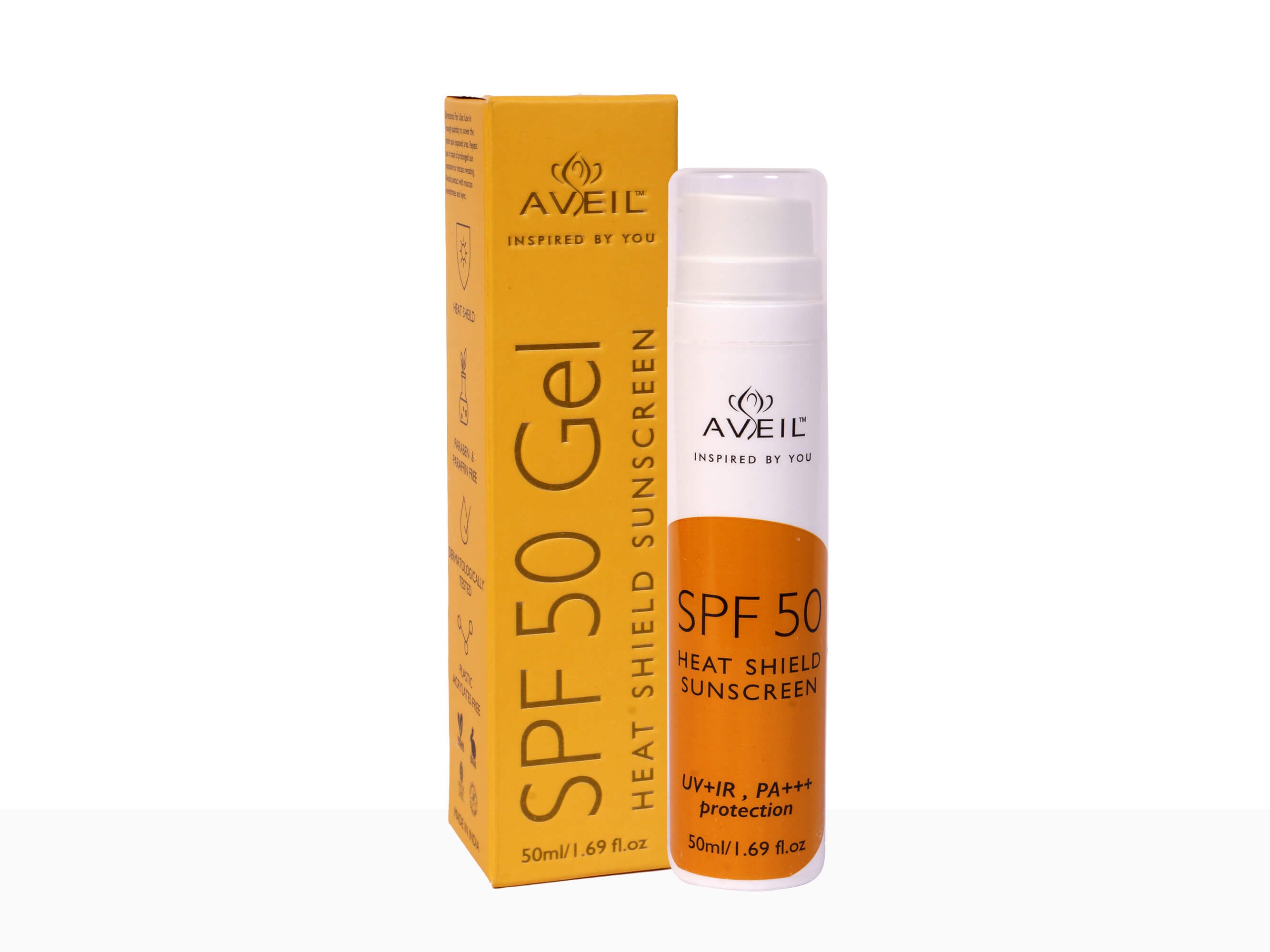
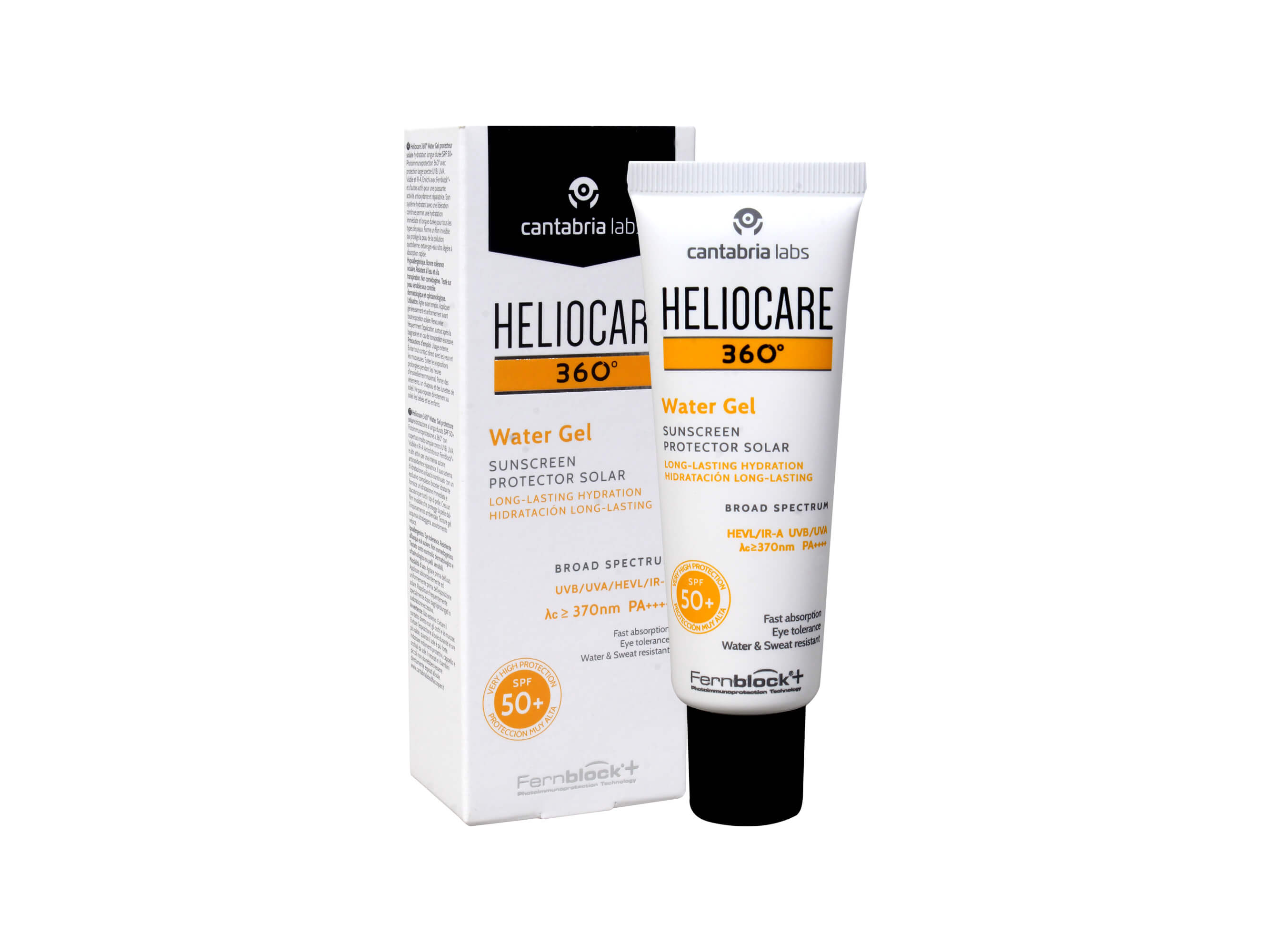
Discover the best sunscreen with Clinikally. With our a curated range of effective and dermatologist-approved sunscreens that offer advanced, broad-spectrum protection tailored to every skin type. Discover and invest in your long-term skin health with our expertly selected formulas.
|
Product Name |
SPF / PA Rating |
Skin Type |
Key Benefits |
|
SPF 55 |
Oily, Acne-Prone skin |
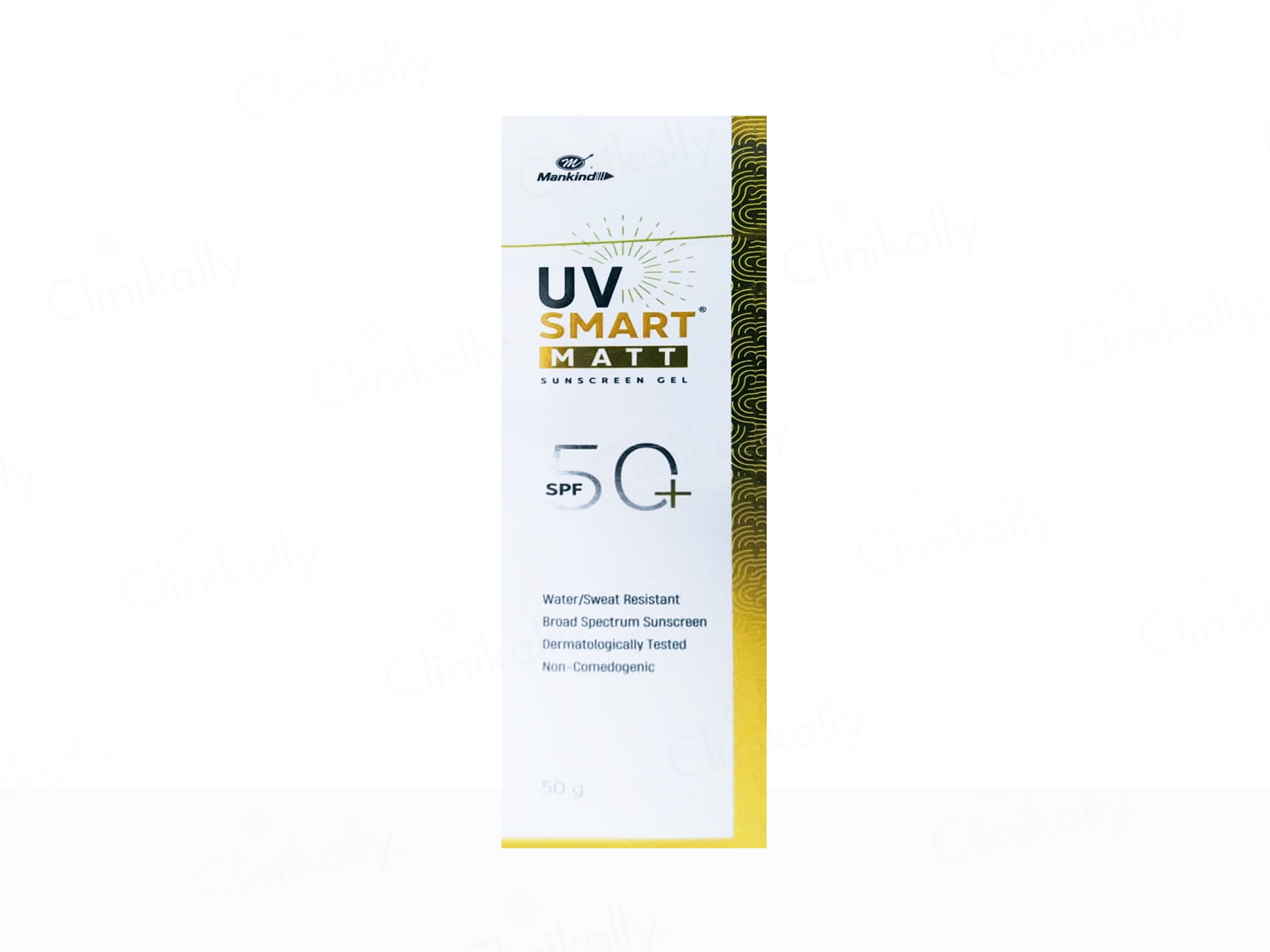
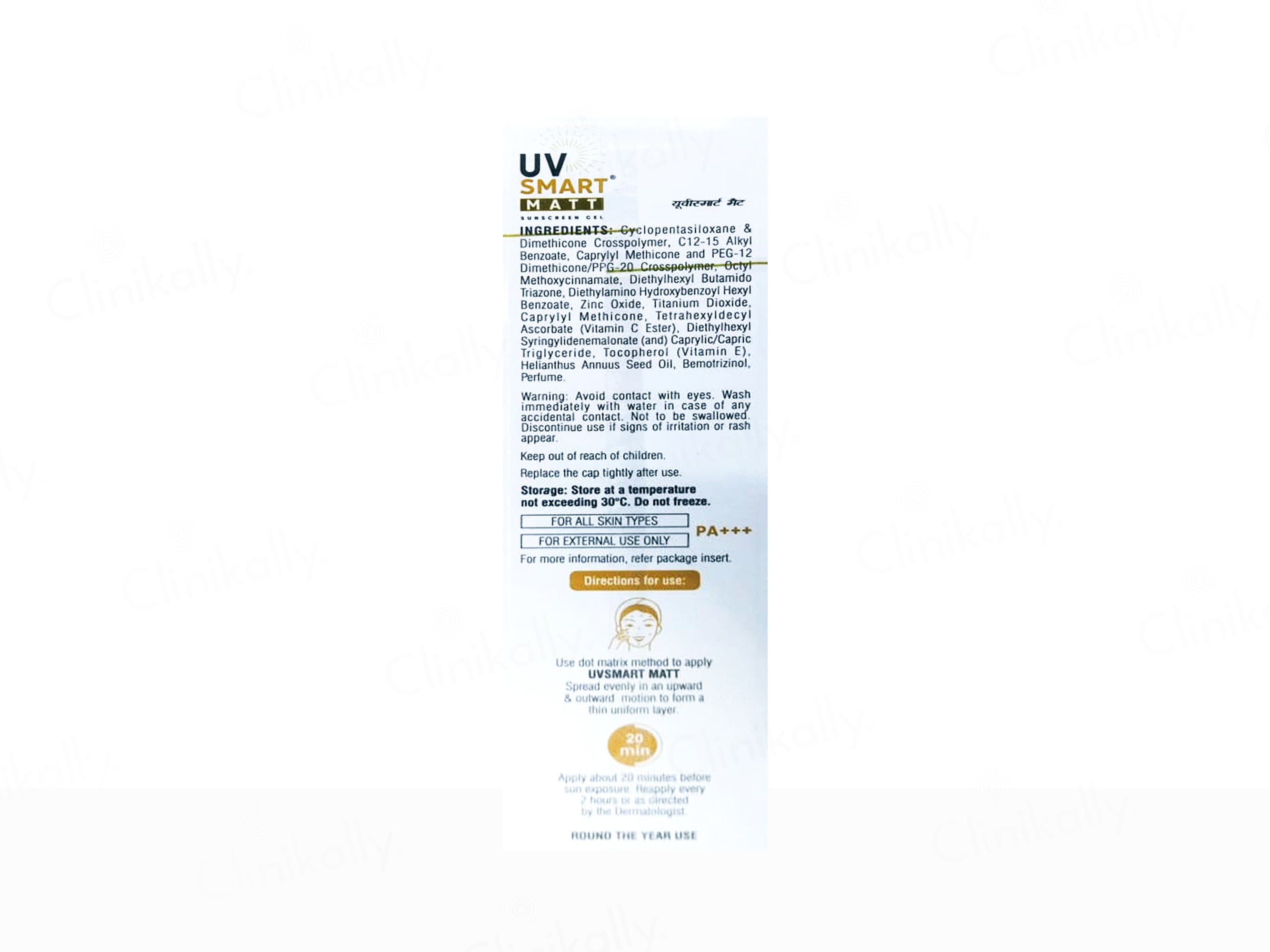
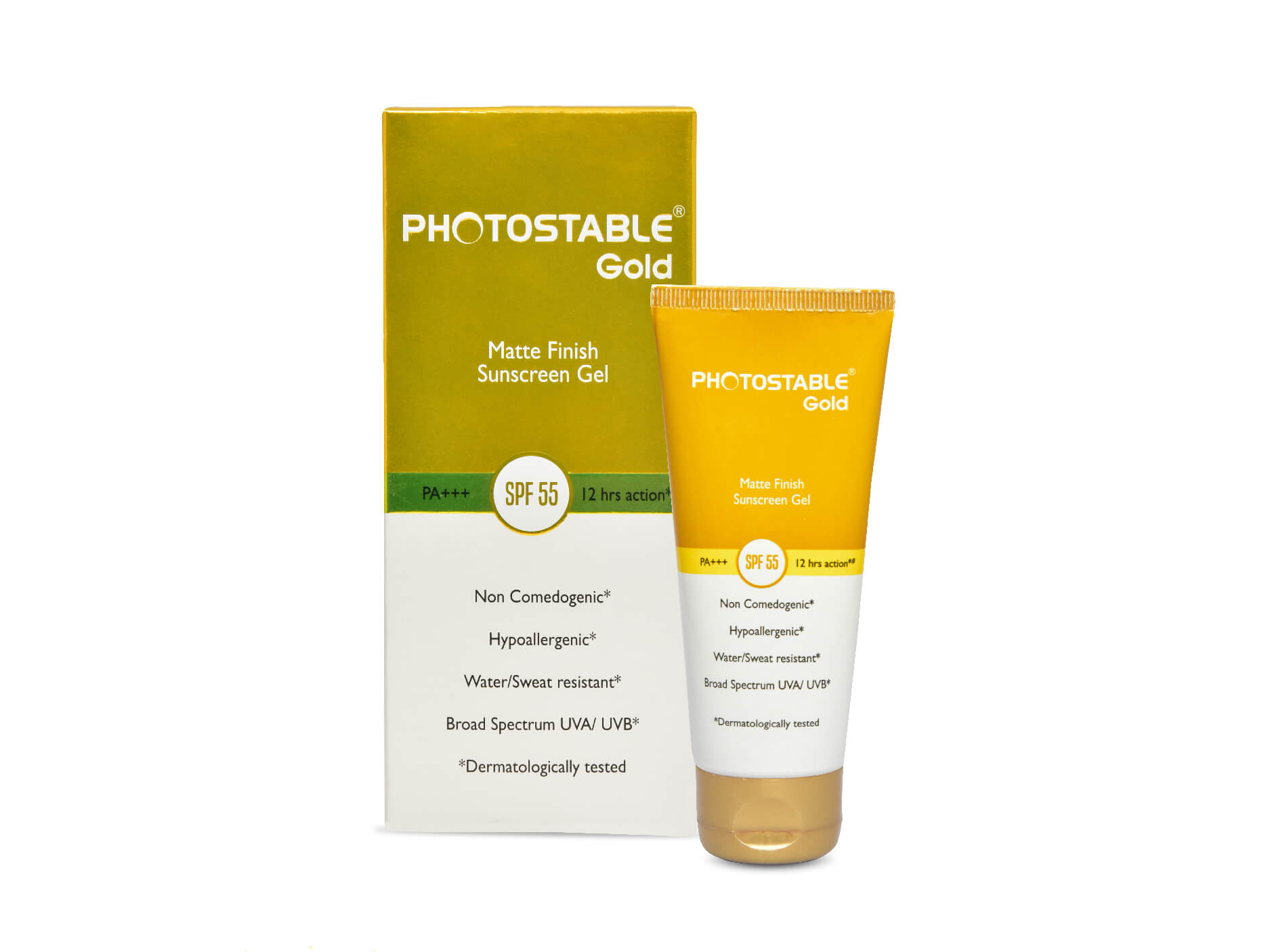
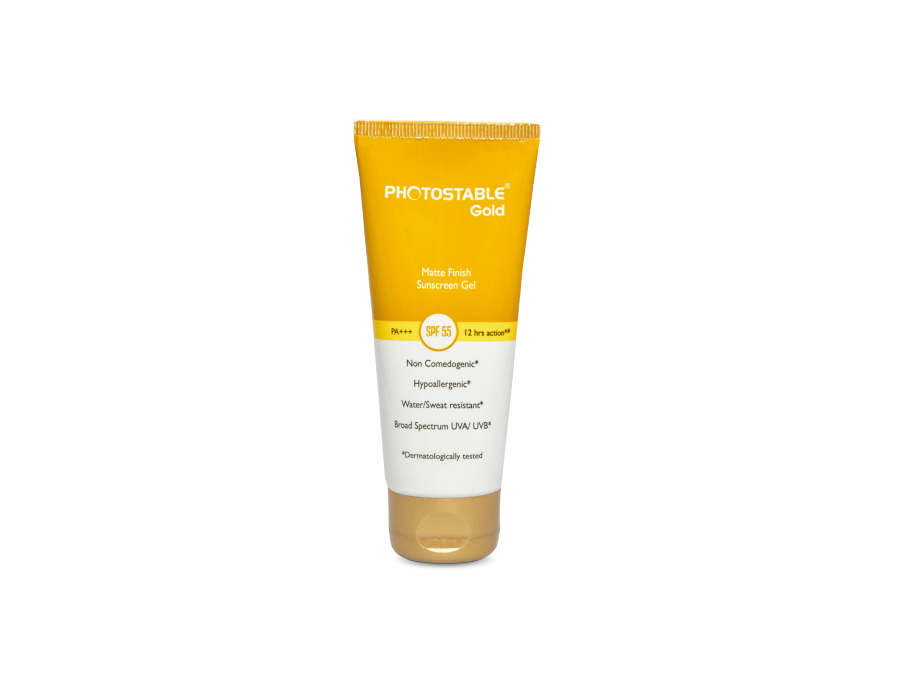
Matte finish for oil control, high UV protection, long-lasting photostability, and sweat-resistant formula |
|
|
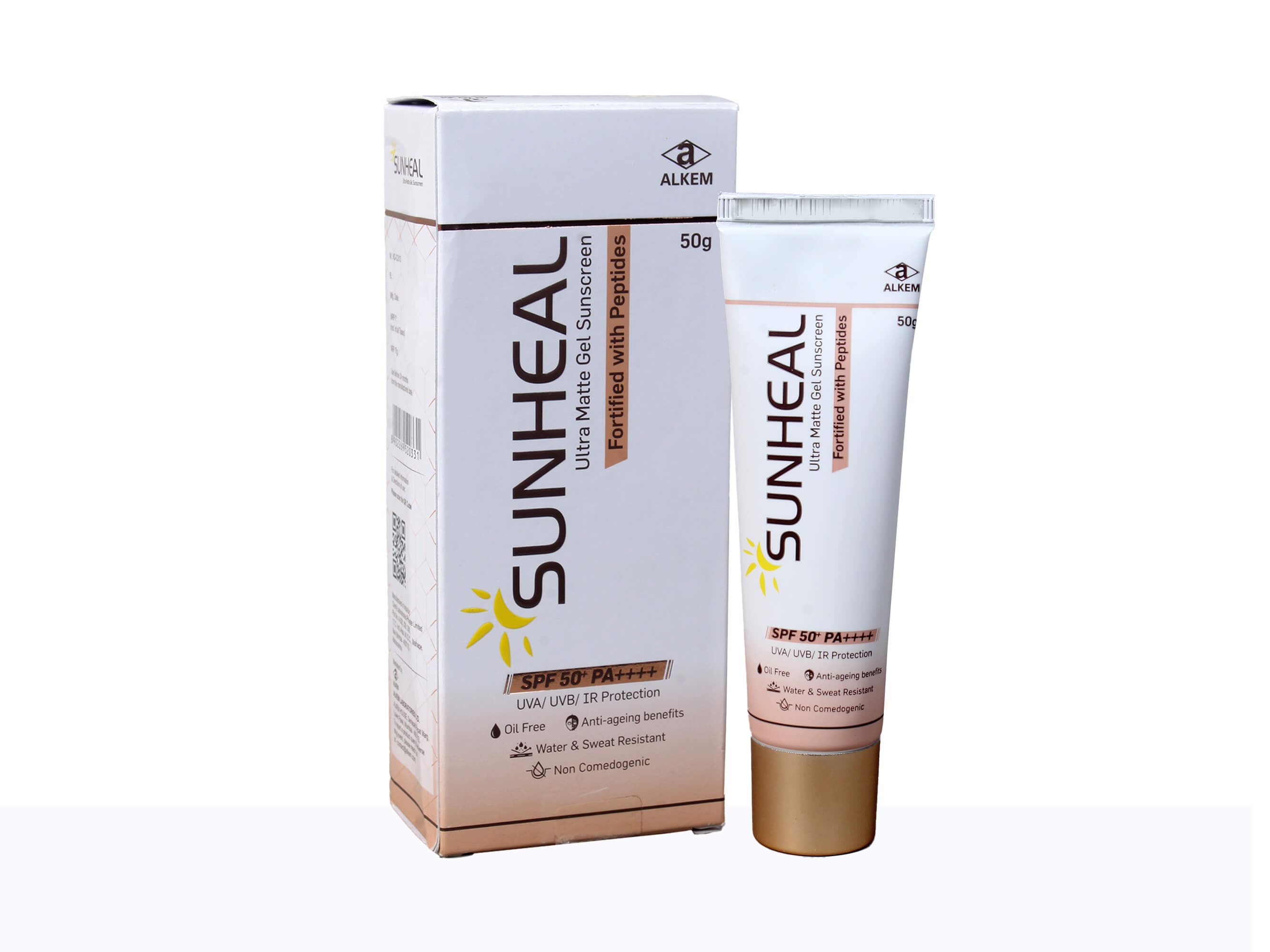
SPF 50+ |
Sensitive, oily skin |
Smooth silicone-based texture helps to reduce skin dryness and irritation, preventing sun damage and premature skin aging. |
|
|
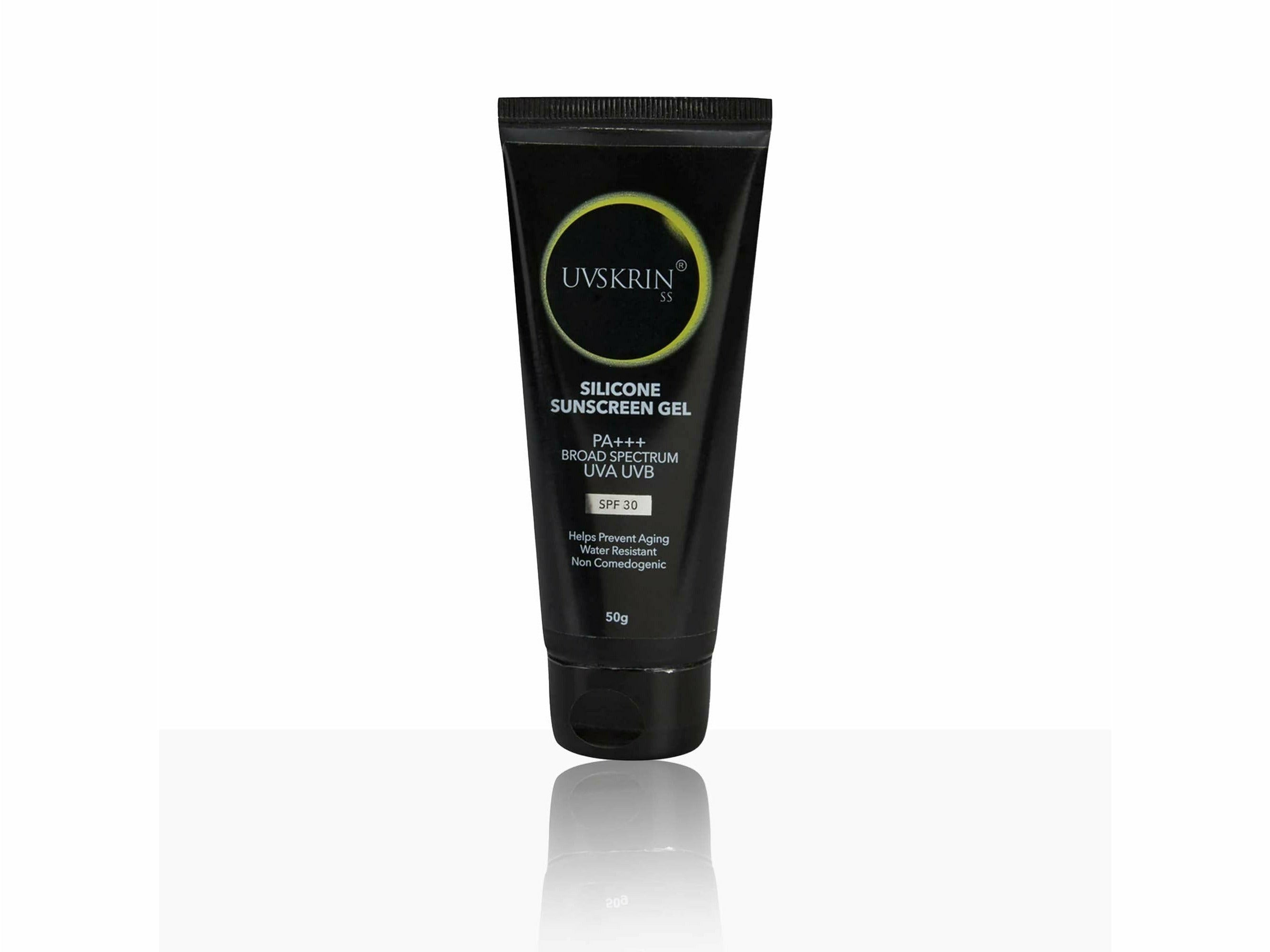
SPF 50 PA+++ |
Acne-Prone skin |
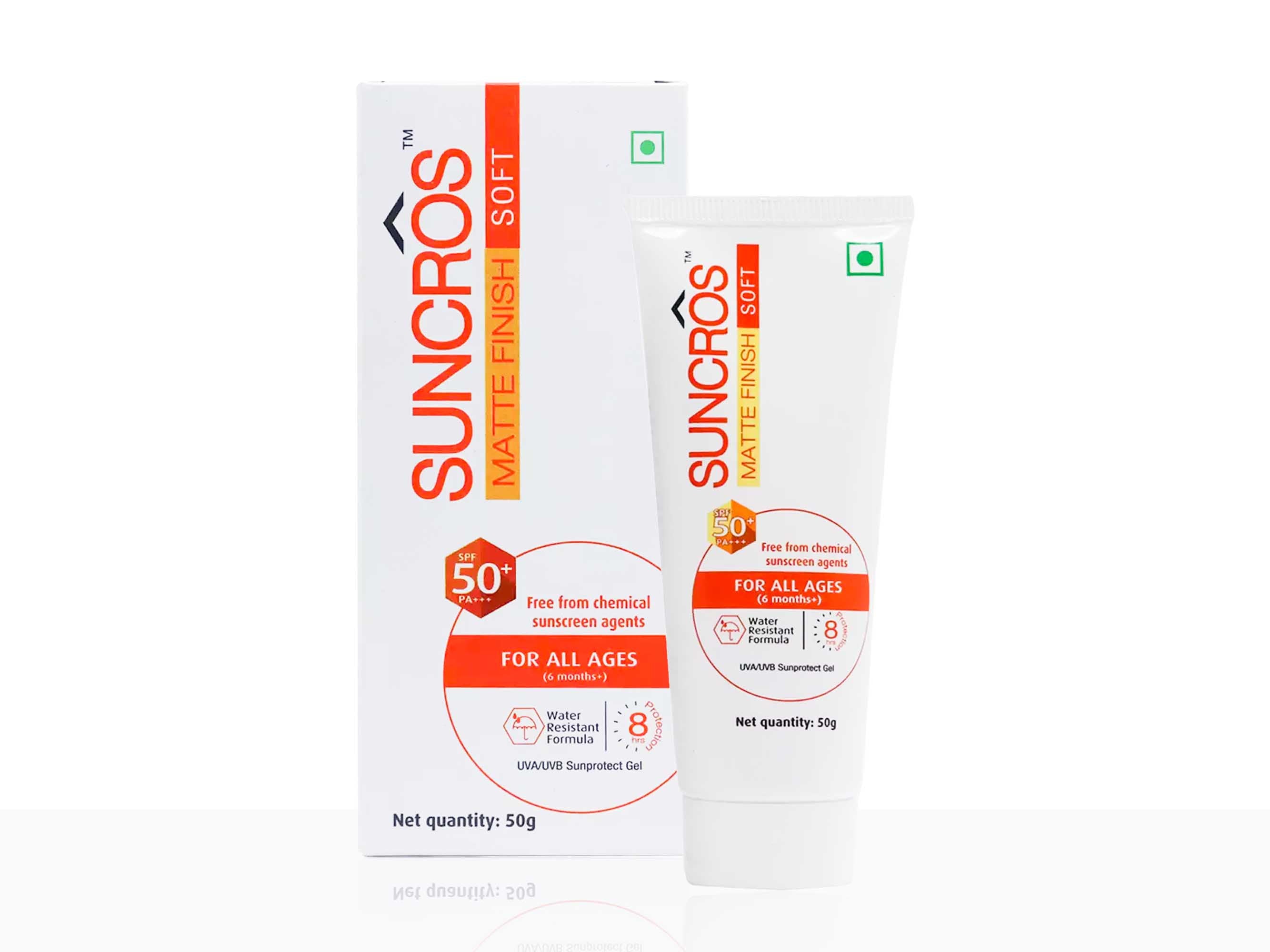
Water-resistant up to 8 hours, Lightweight, non-comedogenic silicone gel that prevents clogged pores, matte finish, and controls sebum |
|
|
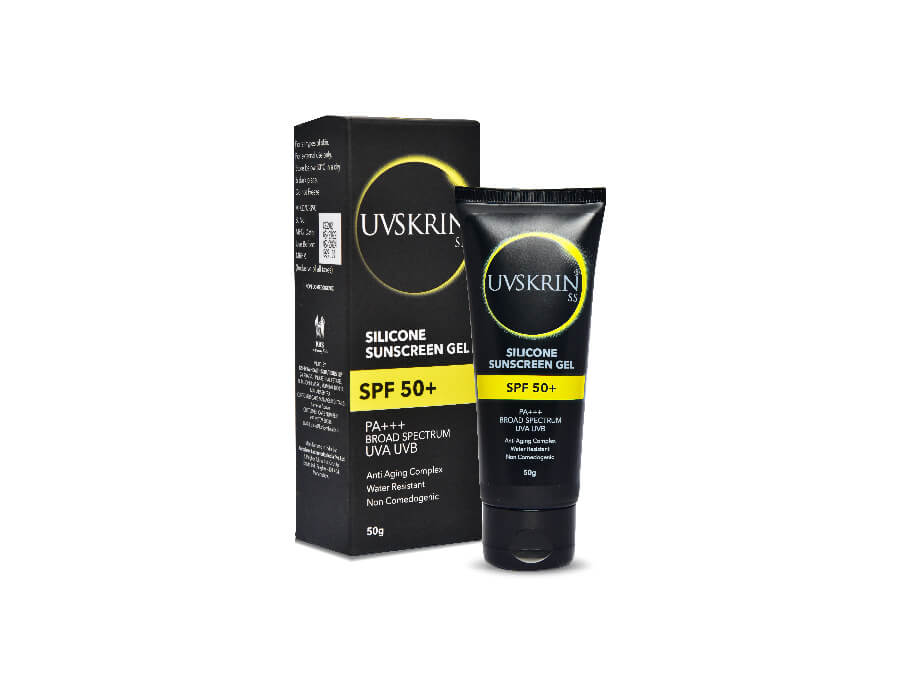
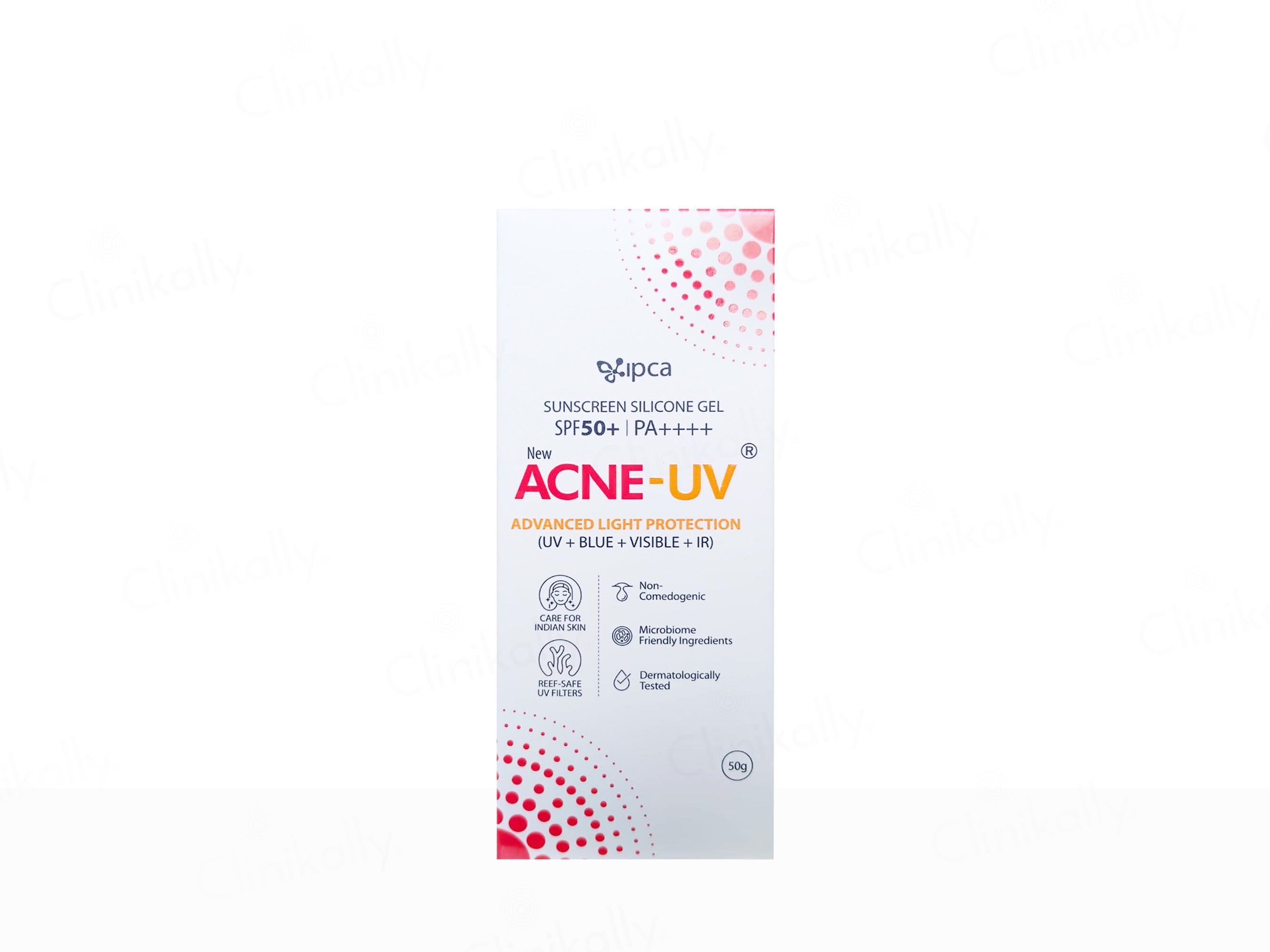
IPCA Acne-UV Advanced Light Protection Silicone Sunscreen Gel |
SPF 50+ PA++++ |
Acne-Prone and Oily Skin |
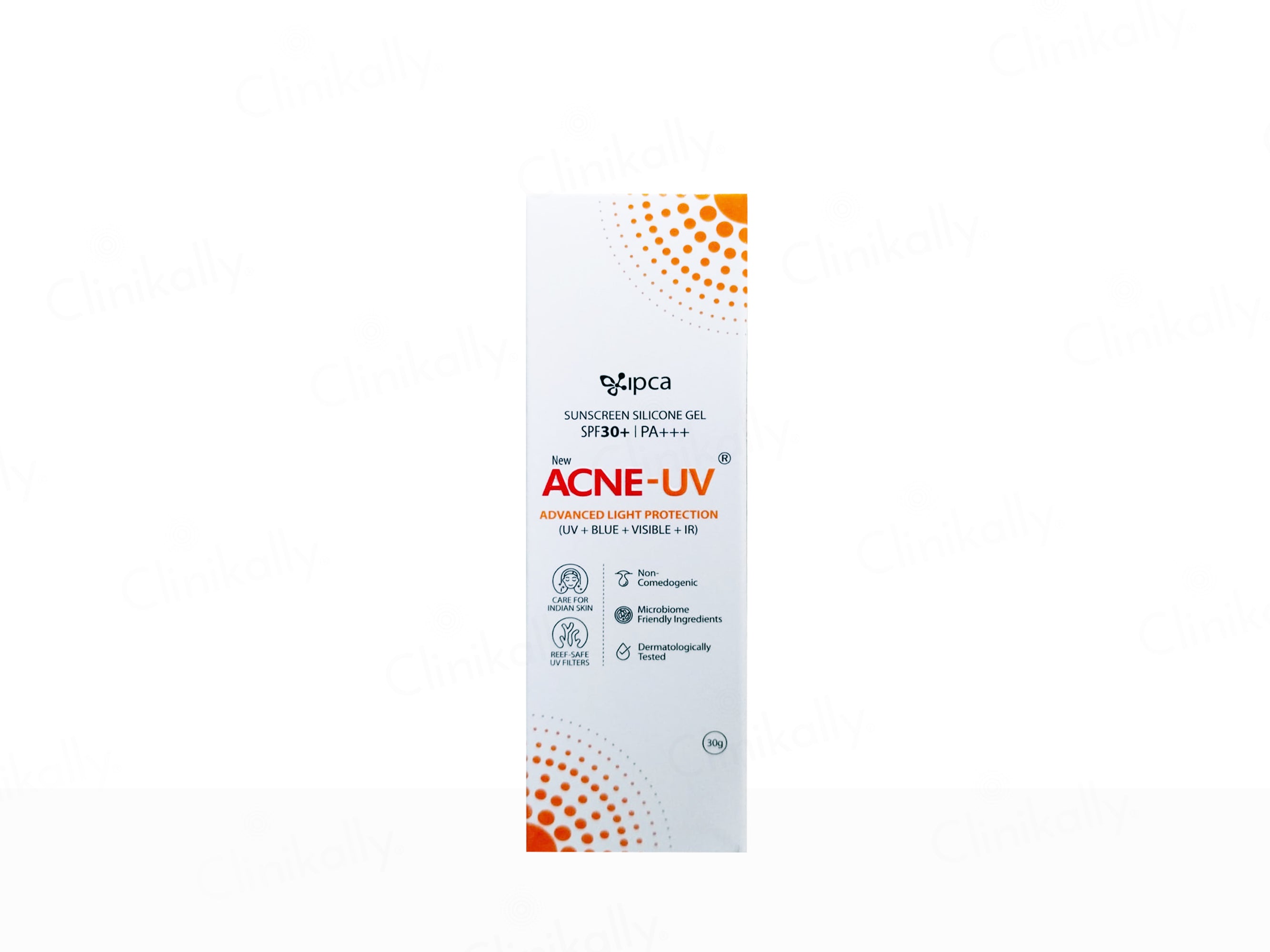
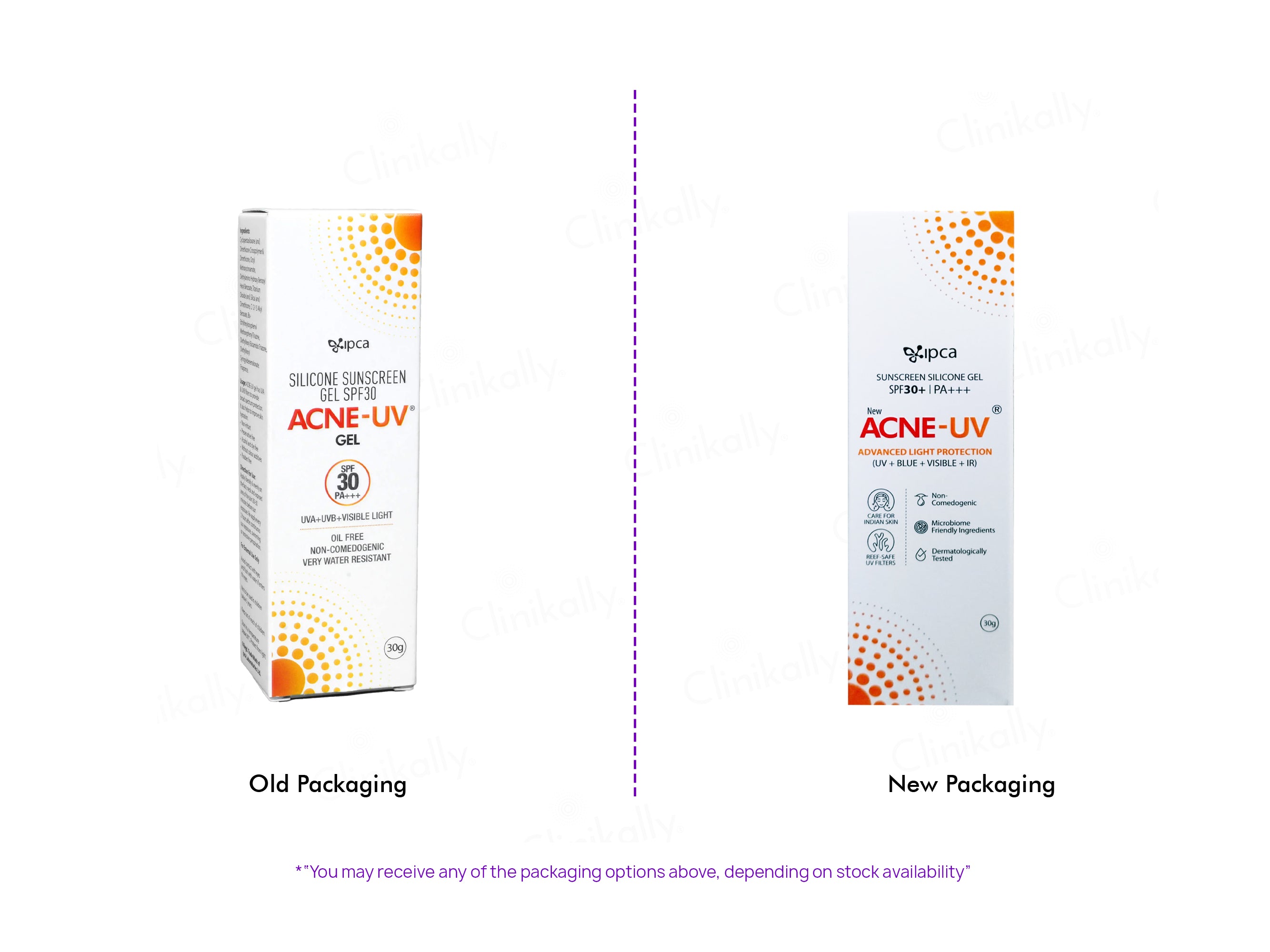
Anti-acne, non-irritating formula with ultra-high UVA/UVB protection, prevents tanning and sunburns, maintains skin texture |
|
SPF 50+ |
Normal to dry skin |
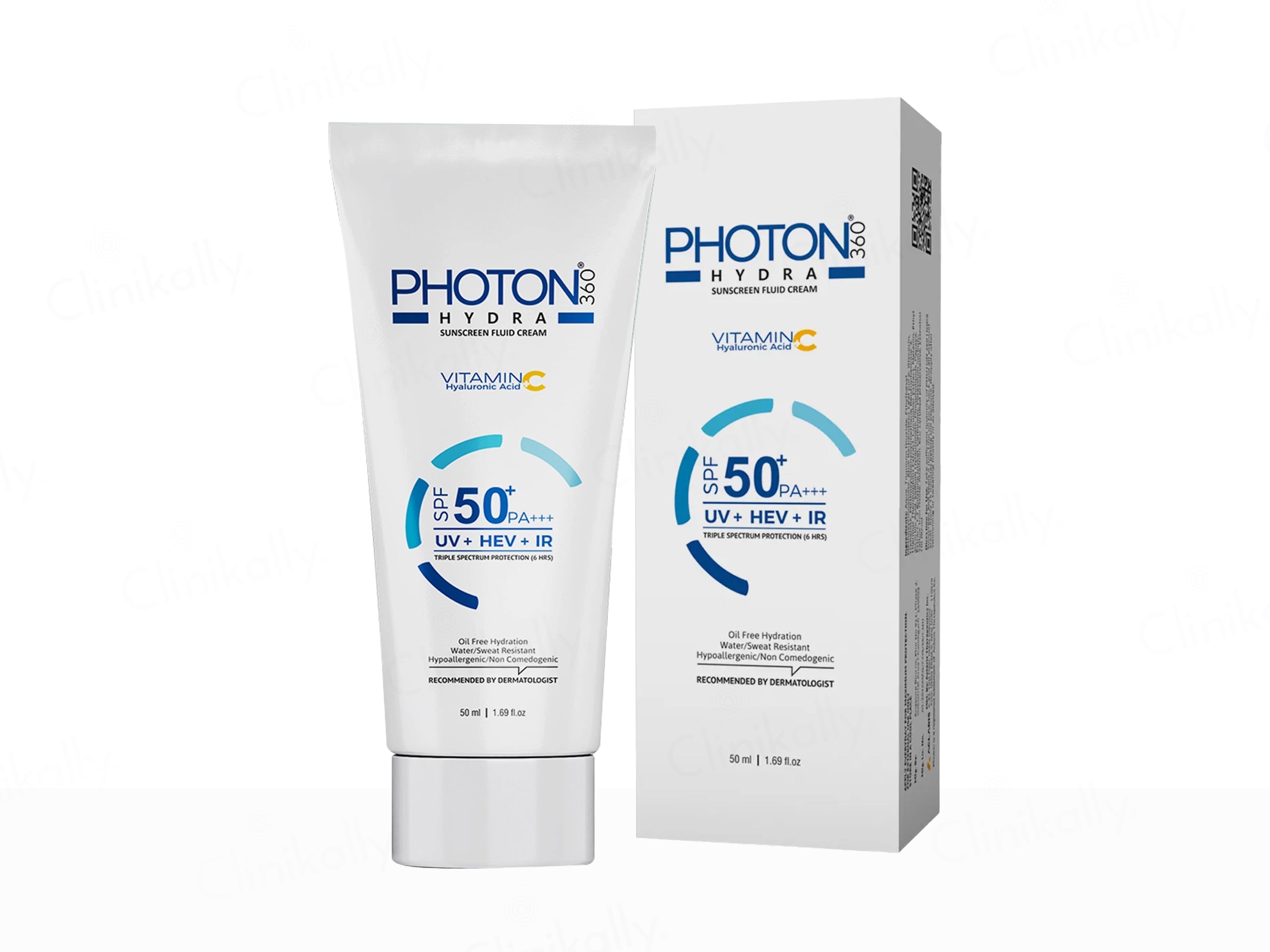
Hydrating fluid cream with moisturizing ingredients, hyaluronic acid, and Vitamin C, paraben-free, gives protection against UV rays and high infrared rays. |
|
|
SPF 50 |
All skin types |
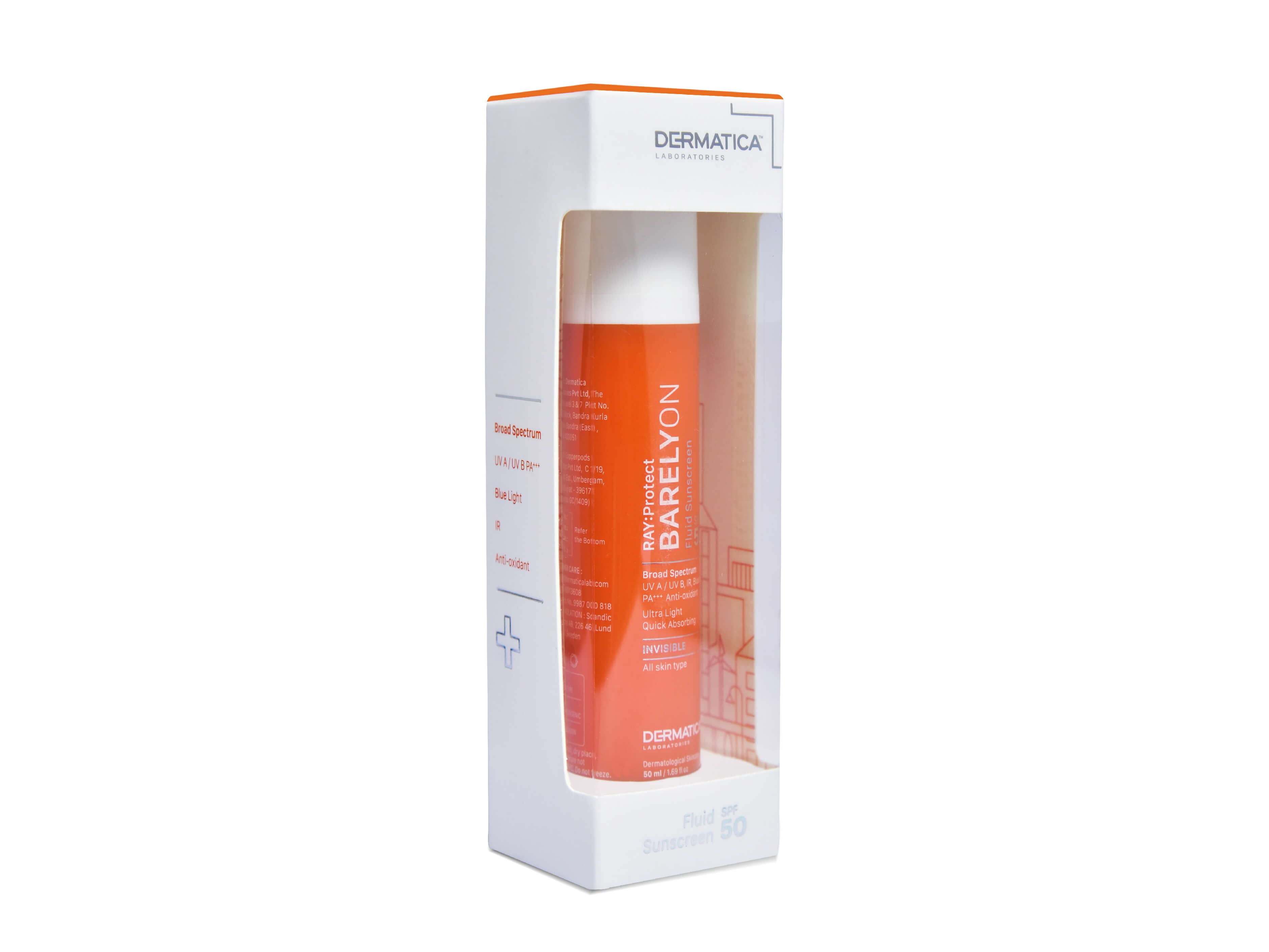
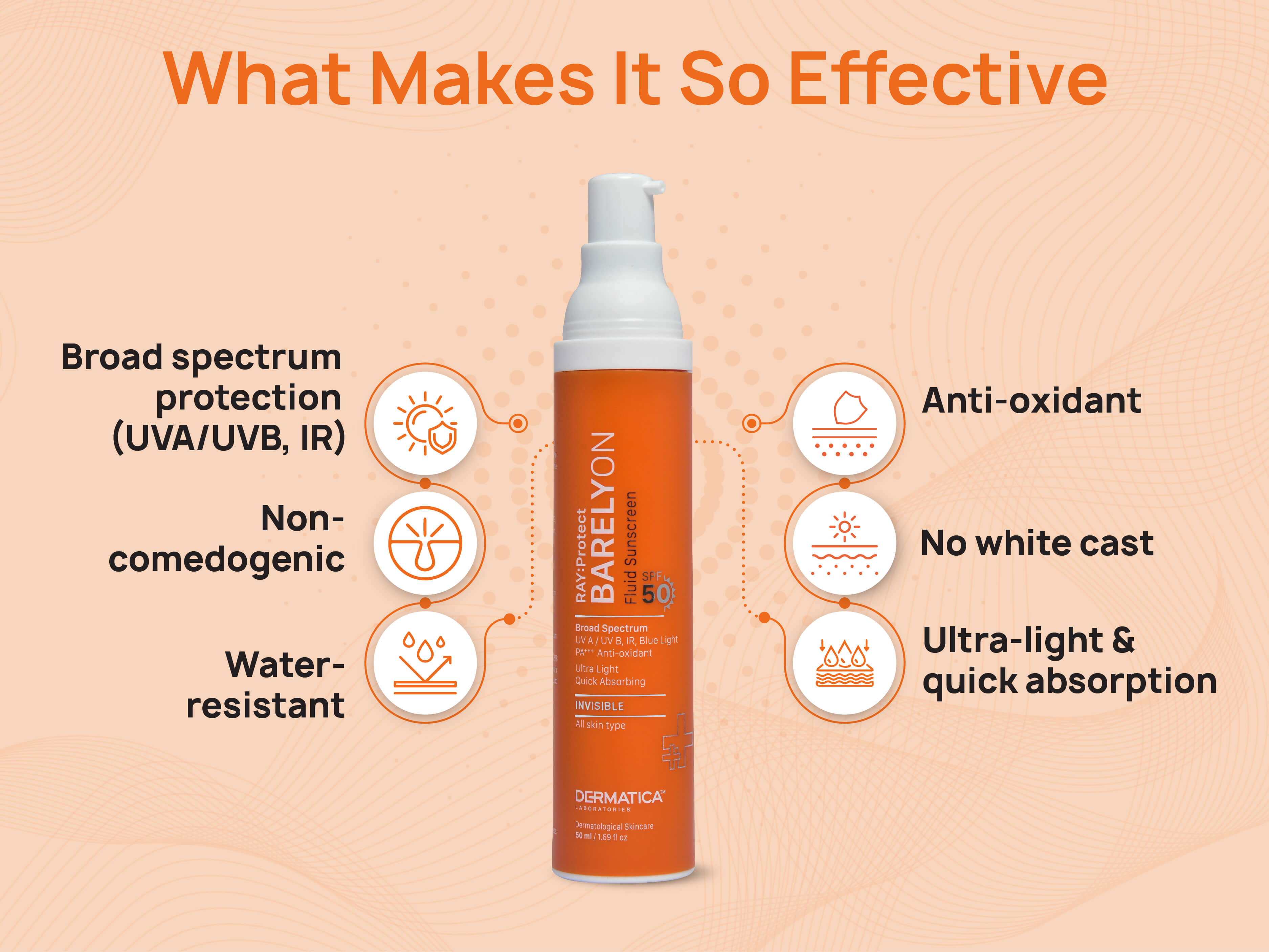
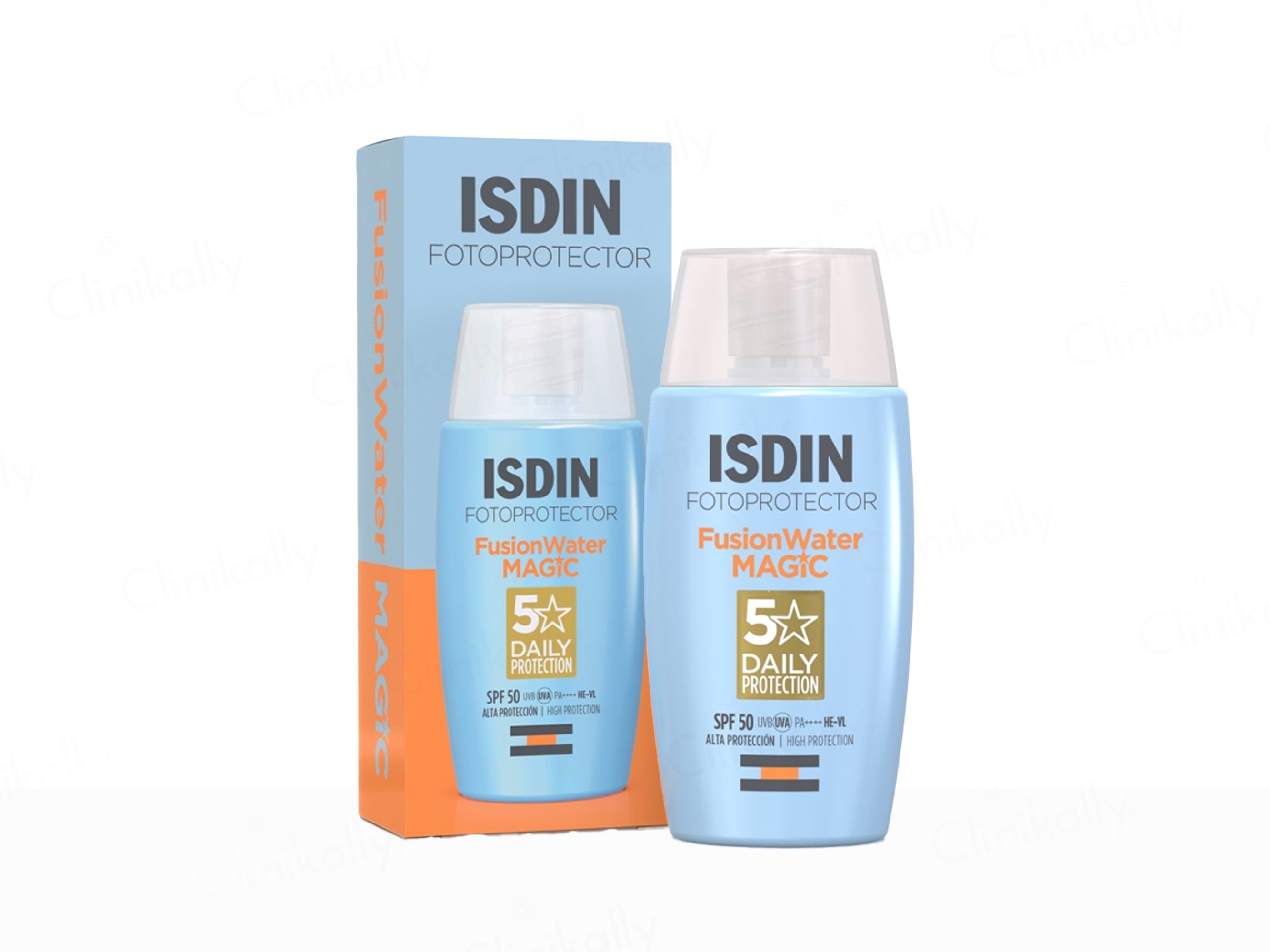
Ultra-light fluid that absorbs quickly, non-comedogenic, friendly for daily use with no white cast, good for makeup base |
|
|
SPF 55+ / PA++++ |
Oily, acne-prone and combination skin |
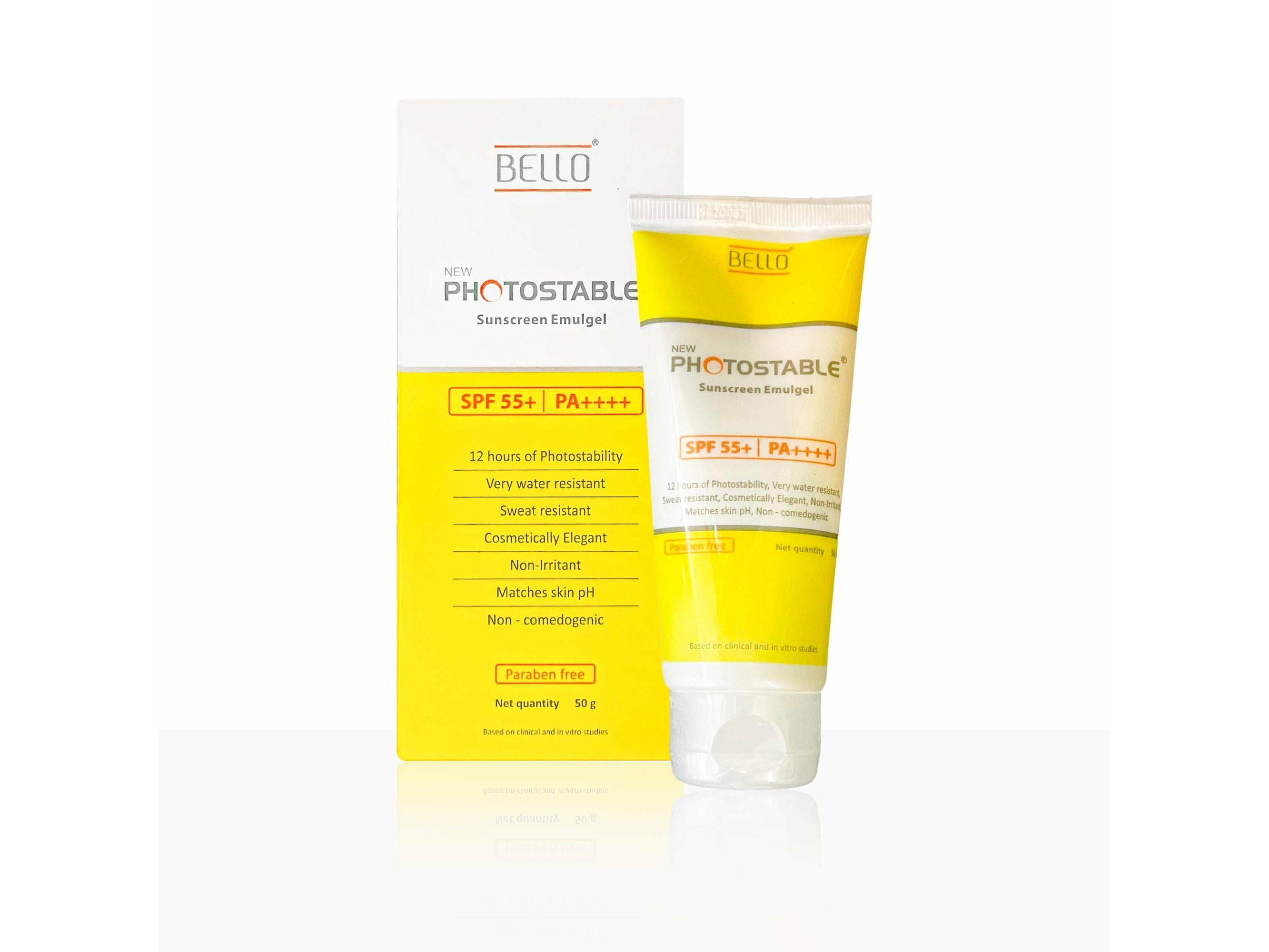
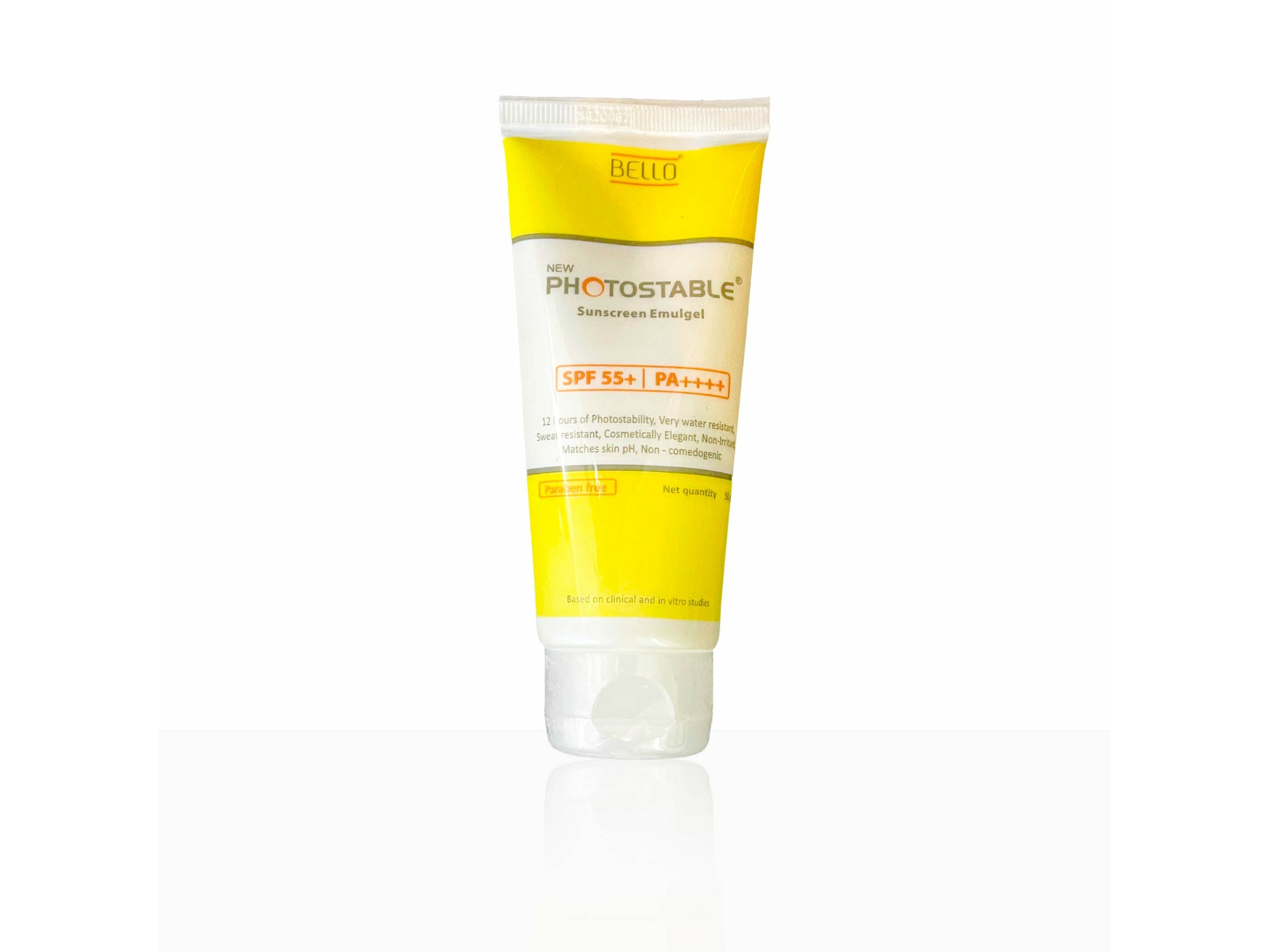
Emulgel texture balances light feel with moisture; very high photostable UVA/UVB protection, |
|
|
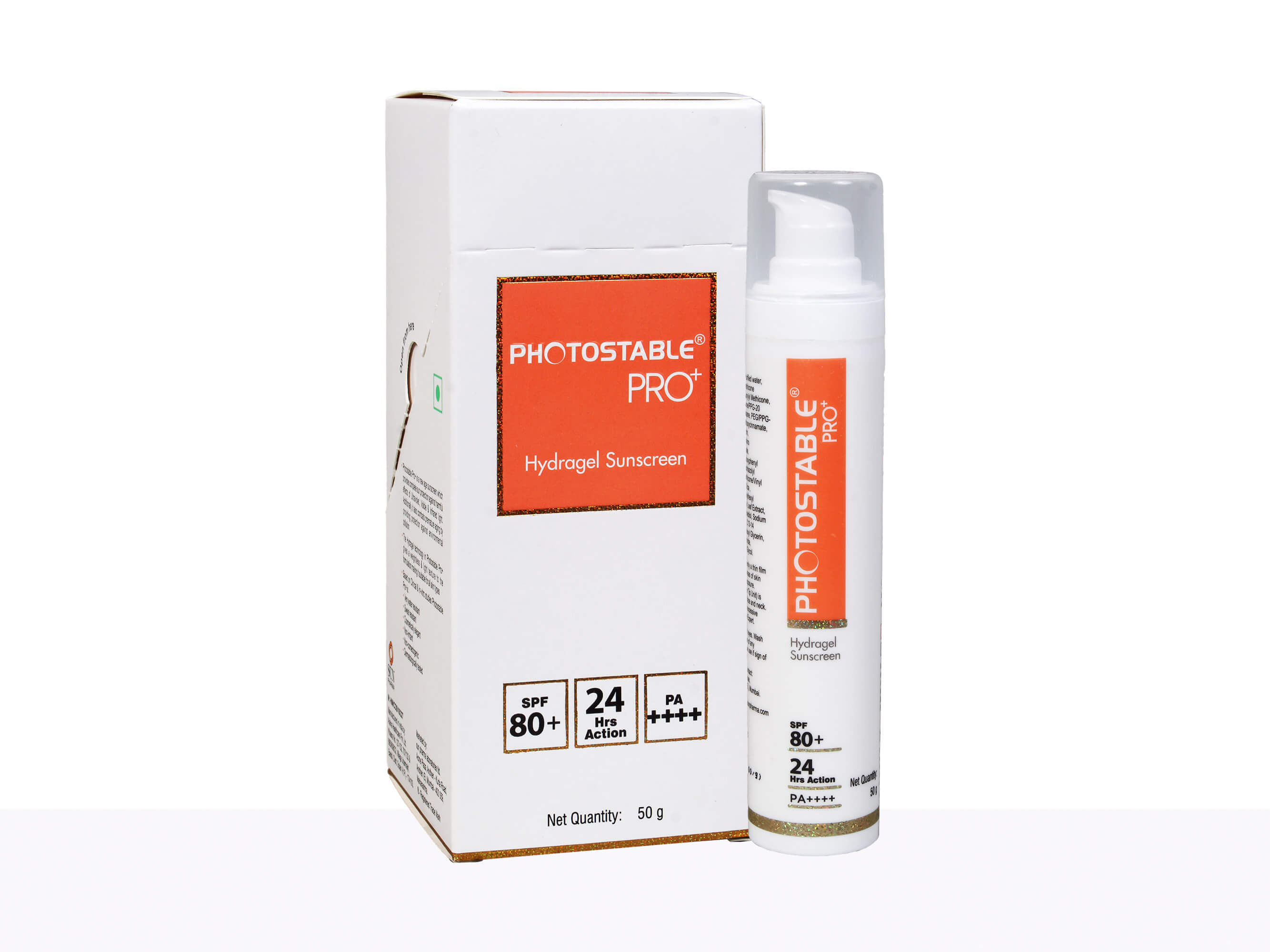
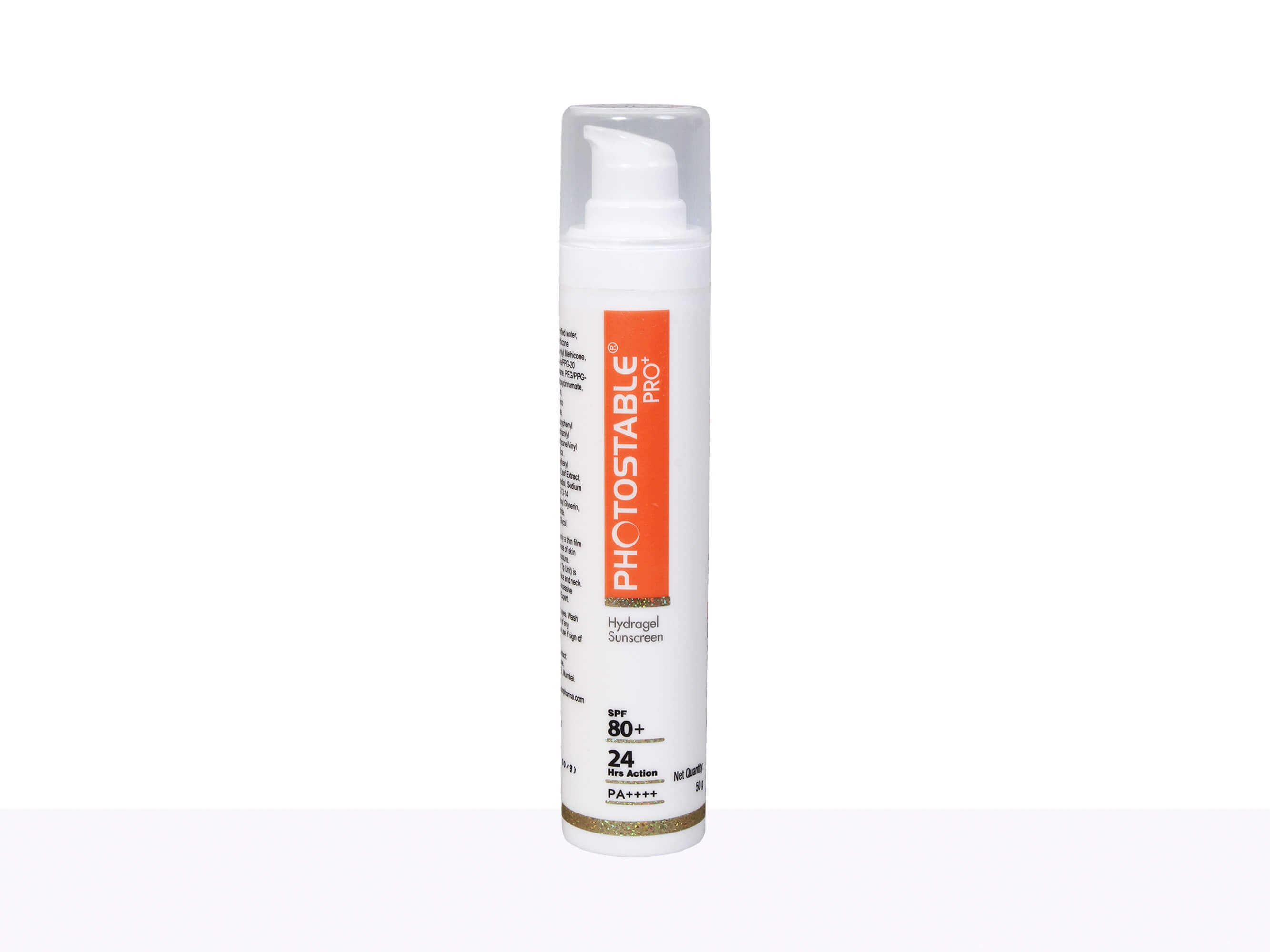
SPF 80+ PA+++ |
All skin types, including acne-prone skin |
Advanced broad-spectrum sunscreen provides a matte finish, infused with antioxidants like vitamin E and grape leaf extract |
|
|
SPF 50 PA+++ |
Normal to dry skin |
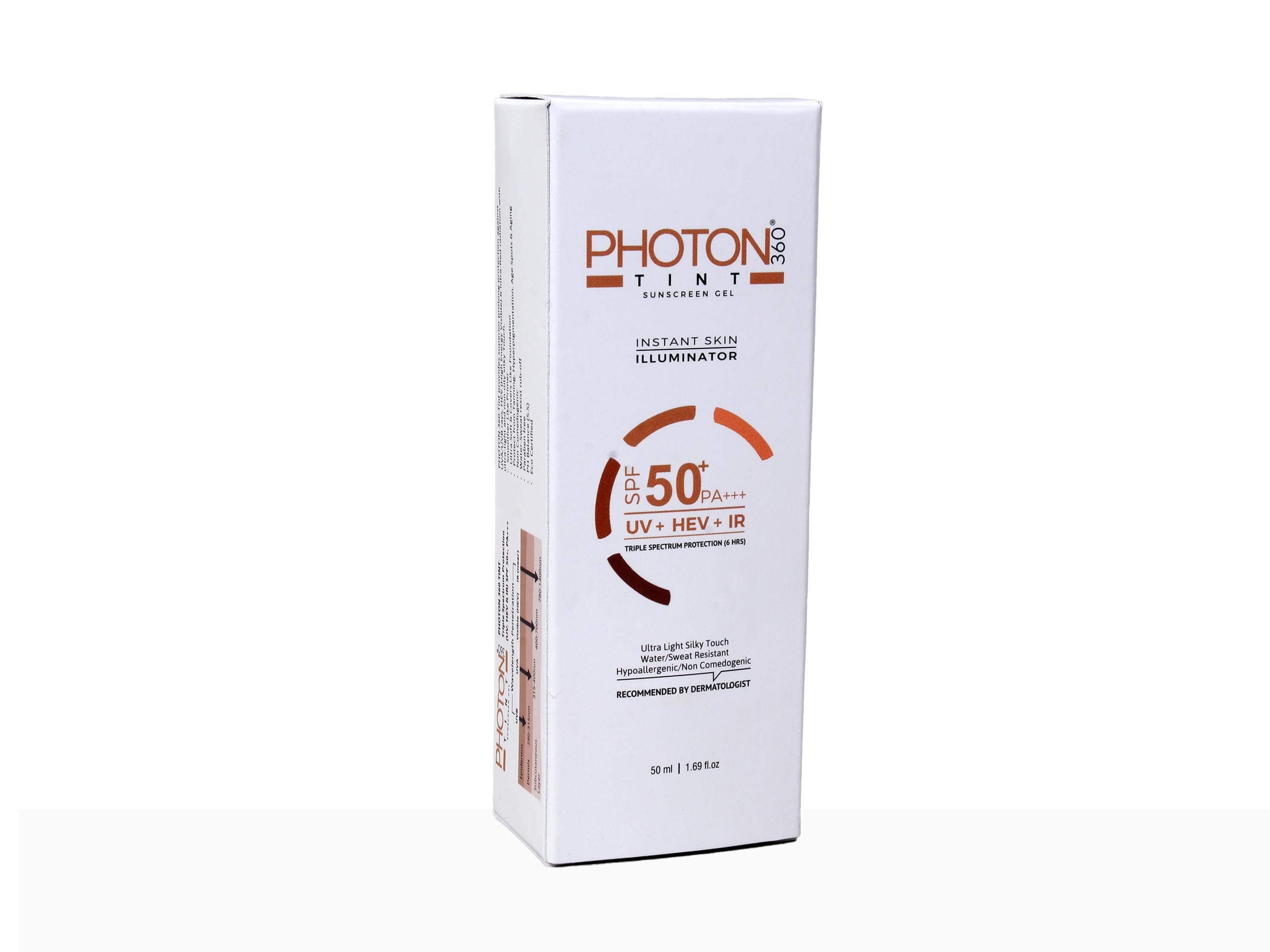
Tinted formula for natural coverage, reduces white cast, Aqua Fusion gives lightweight hydration, non-greasy formula, prevents premature skin aging |
|
|
SPF 50 PA+++ |
All skin types |
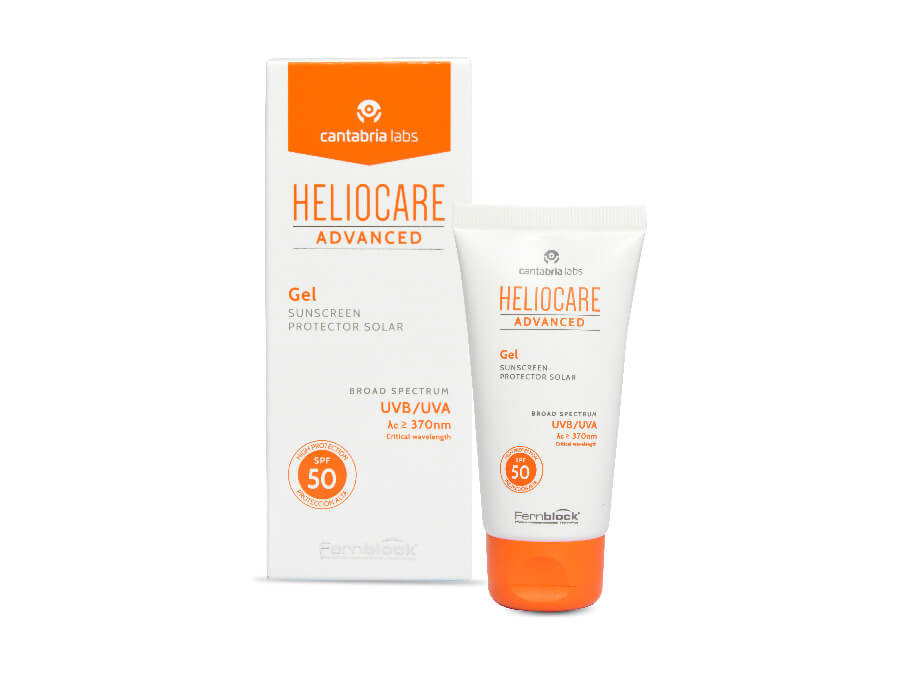
Non-sticky, matte finish, perfect for under makeup, fast-absorbing gel; reliable broad-spectrum protection for daily use, reduces wrinkles and dark spots |
Key Ingredients to Look for in a Sunscreen
The active ingredients in sunscreen, known as UV filters, determine how the product works on your skin. Here are the key ingredients to look for in your sun protection:
- Zinc Oxide: A mineral filter offering broad-spectrum protection (UVA/UVB). It is non-irritating, non-comedogenic, and ideal for sensitive or acne-prone skin.
- Titanium Dioxide: Another mineral filter, it is often paired with Zinc Oxide and provides excellent protection, especially against UVB rays.
- Avobenzone: A popular chemical filter that provides robust protection against UVA (aging) rays.
- Hyaluronic Acid & Glycerin: Both ingredients help the sunscreen double the moisturization, ideal for dry or mature skin.
- Niacinamide (Vitamin B3): A powerful anti-inflammatory and antioxidant that minimizes pores, controls oil, and helps reduce hyperpigmentation.
- Antioxidants (Vitamins C & E): Help neutralize free radicals caused by UV exposure, enhancing the overall protective benefits of the sunscreen.
- Octinoxate: A common chemical filter that primarily absorbs and filters UVB (burning) radiation. It is widely used for its quick-absorbing and non-greasy texture.
- Tinosorb (S & M): New-generation, highly effective chemical filters known for being photostable and offering high broad-spectrum protection (UVA/UVB). They are often found in advanced, high-end formulas.
Safety Information
Do not come in contact with the eyes; in case of contact, rinse them with a lot of water. In case of any rash, irritation, or redness, stop using it and consult with a dermatologist. Always store the product away from direct sunlight and high temperatures. Be sure to check the expiration date to ensure maximum effectiveness and safety.
- External Use Only: You should not ingest these products.
- Patch Test: Patch testing involves smearing a small portion of the product onto a discrete place (behind the ear or on the inner forearm) and leaving it to stay on the area for 24 hours before starting to be used.
- See a Dermatologist: Do not apply to infants below six months without first seeking medical attention.
- Discontinue Signs of Irritation: Discontinue and consult a medical professional in case of irritation.
- Sun Protection Matters: Sunscreen is not a one-stop solution; therefore, sun protection can also be achieved by wearing protective clothing and by minimizing the amount of time spent in the midday sun (10 a.m. - 2 p.m.).
Categories Related to Sunscreen
Mineral Sunscreens | Tinted Sunscreens | Non-Comedogenic Sunscreens | Silicone Sunscreens | Baby Sunscreen | Moisturisers | Skin & Face Serums | Face Oil | Face Wash | Face Mask | Sunscreen Under 1500
Popular Searches
Body Wash | Lip Balms | Skin Cleanser | Body Soap | Toner & Mist | Best Sunscreen for Winter | Best Shampoo for Hair | Best Moisturizers for Winter | Best Body Lotion for Winter | Best Lip Balms for Winter | Best Face Wash for Winter | Best Body Wash for Winter | Best Face Cleansers for Winter | Best Face Serum for Winter | Best Soap for Winter