10 Proven Benefits of Black Tea for Your Well-being

In many cultures, black tea is not only a comfort drink but also a powerhouse of health benefits. Rich in antioxidants and full of other important nutrients, the beverage offers far more than just flavor to the palate. By promoting heart health, aiding digestion, and with many more benefits, black tea has the potential to promote total well-being. Here are 10 science-backed reasons why you should add black tea into your daily routine.
Understanding Black Tea: Origins, Types, and Brewing Methods

Black tea is what people say to be one of the most recognized sorts of tea: for flavor, color, and mouth-drying aftertaste. From the Camellia sinensis plant, its preparation is done with a full oxidation process. Black tea, because of this process, obtains its deep color and fuller flavor. Characteristics such as these are said to have originated in China where they term it "hong cha" or "red tea," due to its reddish-brown color. Today, it is widely manufactured in countries such as India, Sri Lanka, Kenya, and Nepal. The most common varieties are Darjeeling, Assam, and Ceylon. Brewing black tea is quite easy: simply steep tea leaves in boiling fresh water for 3 to 5 minutes or as desired. For a richer taste, it may be drunk plain, with milk, or with lemon. Being rich in antioxidants and moderate in the amount of caffeine, black tea is one of the more popular beverages nowadays for refreshing and energizing purposes.
The Art of Brewing: How to Make the Perfect Cup of Black Tea

Brewing the perfect black tea requires attention to types of tea, water temperature, steeping time, and ration of tea to water. Here is the step-by-step breakdown:
1. Ingredients & Equipment:
-
Black tea leaves or a tea bag
-
Fresh clean filtered water
-
Kettle or Pot
-
Tea strainer (if using loose leaves)
-
Teacup or teapot Water
2. Temperature:
-
Boil the water and let it reach about 95 -100°C-just below a full boil.
-
If you are using an electric kettle, you will be able to control its temperature, so set to about 95°C for better flavour extraction.
3. Tea to Water Ratio:
-
1 teaspoon of loose black tea per cup (about 200 ml) of water.
-
One tea bag per cup is okay when using tea bags.
4. Steeping Time:
-
Pour the hot water over the tea leaves or tea bag.
-
Steep for 3-5 minutes according to how strong you want your tea to be. The longer you steep, the stronger the flavor will be, but any longer than that means the taste becomes bitter.
5. Strain:
-
Once your steeping time has gone by, remove the tea leaves or tea bag so as not to over-brew your cup of black tea.
6. Serve & Enjoy:
-
You can enjoy your black tea straight or with some lemon, honey, sugar, or milk added to taste.
7. Tips:
-
Use fresh, cold water to boil for the best-tasting tea.
-
Pre-warm your teapot or mug by running hot water into it before brewing.
This will brew a smooth, full-bodied black tea!
Exploring Varieties: From Earl Grey to Darjeeling - A Taste of Black Tea

There is a wide range of types of black tea, each one being different in qualities due to the region of origin, style of processing, or flavor profile. Here are some of the varieties found among black teas:
1. Earl Grey: It is a flavored black tea, flavored with bergamot oil. The citrus and floral notes are typical and mostly enjoyed with lemon slices and milk.
2. Darjeeling: This tea is grown in the Darjeeling region of India and is light, delicate, with a hint of fruitiness or floral tone to it. Sometimes referred to as the "champagne of teas."
3. Assam: Originating from the Assam region in India, this is the strongest black tea and most often used in breakfast blends, like English Breakfast.
4. Sri Lanka, or Ceylon: Bright and brisk with some citrus notes, Ceylon black tea is often used as the base for many iced teas.
5. Keemun: Chinese black tea that smokes almost sweet but smooth to finish-it's often considered one of the best black teas for blending.
6. Lapsang Souchong: The only black tea produced in China, it dries over pinewood fires giving it a strong, smoky flavor.
7. English Breakfast: A strong combination of Assam, Ceylon and occasionally, black Kenyan teas, meant to be consumed with milk and sugar.
8. Irish Breakfast: Similar to the English, but with an emphasis on Assam, which gives it a stronger, slightly malty taste.
9. Yunnan: Chinese black tea that's earthy, full-bodied, and yields chocolate or spice notes
These types come with such flavor profiles, which is why black tea forms an extremely diverse category in the world of tea aficionados.
Caffeine Content: How Much Caffeine Does Black Tea Really Have?

Black tea typically has between 40 to 70 milligrams of caffeine in an 8-ounce serving; however, the following may impact the level of caffeine:
-
Type of black tea: Various types, such as Assam, Darjeeling, or Ceylon, have slightly different caffeine levels.
-
Steeping time: The longer you steep it, the higher the caffeine content.
-
Water temperature: The hotter the water, the higher the amount of caffeine extracted.
-
Tea leaf size: The actual small tea leaves in tea bags contain more caffeine than the large loose-leaf tea.
On the other hand, a cup of coffee holds between 95 and 200 milligrams of caffeine in every 8-ounce serving, so black tea would be considered a mildly caffeinated drink.
Unveiling the Health Benefits of Black Tea

Strong and energizing, black tea is a part of many people's daily ritual. Rich in antioxidants and nutrients, it is elements from which great health benefits aside from rich flavoring are derived. Its health benefits range from heart health to mental clarity, thereby making it an essential wellness booster in everyday life. Here are some remarkable ways this brew can contribute to your overall well-being.
Antioxidant Powerhouse: How Black Tea Fights Free Radicals

Black tea is full of antioxidants, particularly polyphenols. In fact, they can even stabilize free radicals that cannot cause cellular damage by donating them electrons. Here's how black tea's antioxidants work:.
-
Neuralization: Antioxidants donate electrons to free radicals and stabilize them, which makes them harmless.
-
Prevention: Some antioxidants can also prevent the formation of free radicals in the first place.
Key Antioxidants in Black Tea are
-
Theaflavins: These are chemicals that occur exclusively in black tea and identified by their powerful antioxidant activities.
-
Thearubigins: Another category of compounds contributing to some of the antioxidant activity of black tea is the thearubigins.
-
Catechins: Although associated most characteristically with green tea, catechins may also be found in minor amounts within black tea.
Scientists have found out that antioxidant compound in black tea may prove advantageous in the following ways:
-
Reduced possibilities of heart disease: Antioxidants in black tea may cut down the blood pressure along with cholesterol level, thus reducing the risk of a cardiovascular disease.
-
Better mental health: According to other researchers, black tea intake would combat cognitive decline and neurodegenerative diseases.
-
Anti-inflammatory: Antioxidants provide anti-inflammatory effects, which may help fight numerous chronic diseases.
-
Cancer prevention: There are reports that black tea may offer a form of prevention against certain types of cancers though there is not enough study on this one.
This makes black tea a very rich addition to a healthy diet because of its antioxidant content. Neutralizing free radicals and protecting our cells can help the black tea further in maintaining the general well-being and reducing the risk from various diseases.
Heart Health: Black Tea's Role in Cardiovascular Well-being

Black tea is one of the favorites flavored drinks, making headlines with its health benefits, especially in relation to heart health. Rich in antioxidants, black tea gives a natural approach towards healthy heart disease.
Black Tea Benefits Heart Health in many ways:
1. Antioxidant Power:
-
Neutralizing Free Radicals: Free radicals, unstable and chemically reactive byproducts of metabolism, damage cells inside your heart and are associated with heart disease. So, antioxidants in black tea can neutralize free radicals that harm your heart.
-
Reducing Oxidative Stress: A balance between free radicals and antioxidants is lost as oxidative stress takes its toll on your body, leading to inflammation and perhaps cardiovascular diseases. Black tea's antioxidant effects can win a battle against oxidative stress.
2. Blood Pressure:
-
Dilation of Blood vessels: Some chemicals in black tea, such as specific flavonoids, may help to relax the walls of the blood vessels and, therefore, lower the blood pressure.
-
Inflammation Reducer: It is a common scenario that inflammation causes high blood pressure. Hence, black tea may indirectly contribute to lowering of the blood pressure through reducing the inflammation.
3. Cholesterol:
-
Lowering LDL Levels: Black tea can also lower "bad" LDL cholesterol, which is one of the factors for heart diseases.
-
Raise Good HDL Cholesterol: Drinking black tea enhances "good" HDL cholesterol, which may protect against heart disease as well.
4. Blood Sugar Regulation:
-
Increase Sensitivity to Insulin: Black tea increases insulin sensitivity in the blood sugar regulatory process. In turn, high blood sugar is a major risk factor of heart diseases.
5. Anti-Inflammatory Effects:
-
Decrease Inflammation: The presence of chronic inflammation is linked to a myriad of medical conditions, including heart disease. Black tea's antioxidant agent inhibits inflammation at every site in the body.
Black tea, thus, is an overall healthy beverage that cares for cardiovascular wellbeing. Consuming black tea may ward off heart disease.
Weight Management: Can Black Tea Help You Shed Those Extra Pounds?

Black tea is a drink consumed on many continents and is relatively very healthy and tasty when considering weight loss. It is no magic pill, but black tea does contribute much to the healthy course of weight loss. Black Tea Can Assist with Weight Management by:
-
Boosting Metabolism:
Some chemical compounds found in black tea, such as catechins, may quicken metabolism. A faster metabolism burns more calories and therefore may help lose weight.
-
Decrease of Fat Absorption:
Polyphenols from black tea may make it difficult for the intestines to absorb fats. This can thus drastically reduce the amount of absorption of fat by the body.
-
Increasing Sensitivity of Insulin:
Black tea is used to improve the sensitivity of insulin, which is mainly important for the regulation of blood sugar. It is due to the building of resistance to insulin that one experiences weight gain.
-
Increasing Satiety:
Black tea intake can make one feel full and satisfied thereby reducing opportunities for overindulgence between meals.
-
Hydration:
Black tea consumption contributes to the hydration of the body. Sometimes, thirst is mistaken for hunger.
Remember, however, that black tea is no replacement for a healthy diet and exercise. A balanced approach to weight management will be more productive and enduringly successful with lifestyle changes and some natural support with black tea.
Gut Health: Improving Digestion and Gut Microbiota with Black Tea

Being widely consumed across the world, black tea has numerous potential benefits on gut health and digestion as well. Rich in antioxidants and certain compounds, black tea contributes much to the overall healthiness of the digestive system. Black Tea Supports Gut Health in the Following Way:
1. Antioxidant Protection:
-
Reduction of Oxidative Stress: Black tea is rich in antioxidants that combat oxidative stress. Oxidative stress attacks the gut cells and leads to digestive issues.
-
Conserving the Gut Lining: Antioxidants preserve the integrity of the gut lining, hence preventing inflammatory processes and preserving the gut in general.
2. Promoting Probiotic Development:
-
Preparation of Favourable Conditions: There are several different kinds of compounds within black tea which would enhance the growth of true friendly bacteria, or probiotics in the intestines.
3. Anti-inflammatory Activity:
-
Black tea has some anti-inflammatory properties that will improve inflammation in the gut, commonly associated with digestive disorders such as IBS.
4. Digestive Improvement:
-
Activation of Enzyme Activity: Black tea compounds may have an effect of activating some digestive enzymes activities hence improve digestion.
5. Gut Microbiota Support:
-
Balance gut microbiome: A healthy gut microbiome is essential to perfect digestion and general health. Black tea can help in maintaining a balance of gut microbiome through the multiplication of good bacteria.
Keep in mind, black tea is somewhat of an adjunct to your treatment plan for gut health, but lifestyle and other therapies that address underlying digestive disorders are required. If you have chronic digestive problems, see a healthcare professional.
Black Tea and Your Body: Exploring the Science Behind the Benefits

Black tea is popular in most of the world because its constituents are a factor in many health benefits. Its main bioactive compounds are antioxidants, polyphenols, and specifically flavonoids. Flavonoids might play a role in protection against oxidative stress. It is alleged that chronic black tea consumption can promote favorable effects on the heart and circulatory system by affecting cholesterol levels. It is also known to assist digestion, via its anti-inflammatory property, and helps in weight management by increasing metabolism. Black tea contains moderate amounts of caffeine that provide a natural energy boost and enhance mental focus without the jittery effects so common in stronger caffeinated beverages. With such proven benefits, black tea is an excellent addition to any healthy lifestyle.
Brain Boost: How Black Tea Enhances Cognitive Function

This black tea drink is widely consumed around the world and holds promises for cognitive improvement. Its antioxidant content combined with specific compounds can contribute to improved health in the brain and clarity of the mind. These antioxidants found in black tea neutralize free radicals, which further protect the brain cells from damage by declining the oxidative stress generated in the body. Specific compounds in the black tea improve the blood flow to the brain by providing necessary nutrients and oxygen. Some studies have reported that black tea may be protective of the nerve cells and thus prove useful in saving more brain cells by preventing them from degeneration. Moreover, it can ease stress and anxiety occurring in the human body, leading to an improvement in thinking operations. Thus, you can include black tea in your routine or day-to-day life and support your brain health while strengthening your cognitive powers.
Cancer Prevention: Black Tea's Potential in Fighting Cancer Cells

Black tea is among the most popular beverages worldwide, but now it stands as one of the prominent potential health benefits about cancer prevention and treatment. Some evidences suggest that some compounds in black tea may serve as anti-cancerous agents.
-
Polyphenols: Black tea contains polyphenols, a category of chemicals that have been associated with several health benefits. Polyphenols like catechin and theaflavin have been reported to have anticancer effects.
-
Antioxidant Activity: Polyphenols exhibit antioxidant activity by neutralizing harmful free radicals which are implicated in the carcinogenesis process.
-
Inhibition of Cancer Cell Growth: Many polyphenols in black tea have been shown to inhibit the proliferation as well as growth of cancerous cells.
-
Induction of Apoptosis: Some polyphenols have, on other hand, been known to induce apoptosis or programmed cell death.
Therefore, black tea has potential for both prevention as well as treatment of cancers. More research is, however necessary in understanding its exact mechanisms of action as well as to develop guidelines for its actual use. Besides, the effects of black tea on cancer are mostly unpredictable because of many factors such as genetic makeup, lifestyle, and the type of cancer. In no way can black tea be a cure for cancer. Traditional treatments should be followed, and consultation with health care professionals should be sought.
In conclusion, black tea is promising on the anticancer front. Further investigation is, however, required to elucidate its potential benefits more satisfactorily; but the available evidence postulates its role in cancer prevention and treatment. Black tea consumption as part of a healthy lifestyle may offer additional benefits beyond the potential anti-cancer effects.
Diabetes Management: How Black Tea May Help Regulate Blood Sugar

Black tea, a widely enjoyed beverage, has attracted attention for its potential benefits in regulating blood sugar. While further research is needed, current studies suggest that compounds in black tea may assist with blood sugar control, particularly in individuals at risk of or managing type 2 diabetes.
-
Improved Insulin Sensitivity: Black tea may enhance insulin sensitivity, helping regulate blood sugar levels.
-
Reduced Glucose Absorption: Compounds in black tea may limit glucose absorption from the intestines, reducing blood sugar spikes after meals.
-
Antioxidant Support: Rich in antioxidants, black tea can help protect cells from oxidative stress, which may indirectly benefit blood sugar control.
-
Diabetes Prevention: Regular black tea consumption might lower the risk of developing type 2 diabetes.
-
Blood Sugar Management: For those with type 2 diabetes, black tea may help regulate blood sugar levels and reduce dependency on medication.
Skin and Beauty: Black Tea's Contribution to Radiant Skin

Black tea is known to contain a large percentage of antioxidants and polyphenols, giving numerous fantastic benefits for one's skin. As a cosmetics ingredient, it serves different purposes, mainly as an anti-aging agent, anti-inflammatory agent, and brightener. Frequent intake or topical application of black tea leads to healthy-looking and youthful skin. The contribution of black tea towards healthy, glowing skin is outlined as follows:
-
Black tea fights free radicals: The antioxidants in black tea protect the skin from oxidative stress and environmental damage, reducing the signs of aging.
-
Improves Skin Elasticity: Black tea's polyphenols help boost the elasticity of the skin, which makes it appear tighter and smoother.
-
Facial puffiness and dark circles decrease: Caffeine from black tea reduces facial puffiness or puffy eyes.
-
Brightness: It can brighten up the complexion due to improved circulation and reduction of dullness.
-
It calms inflammation from the irritated skin and reduces redness. There are many ways black tea helps in creating a glowing, youthful look.
Incorporating Black Tea into Your Lifestyle

The addition of black tea to everyday routines can offer a myriad of health benefits that go way beyond refreshing the drinker. Black tea is full of antioxidants that can help to eliminate oxidative stress, reducing the likelihood of chronic conditions, including heart conditions and diabetes. With its moderate level of caffeine content, this should give you a good jolt of energy without problems in terms of mental clarity and focus, offering you an alternative to those stronger caffeinated beverages. Black tea aids digestion and also helps in maintaining weight while providing proper health care to the cardiovascular system. It comes in a vast array of flavors that easily blend with lifestyles, making it possible to drink in a variety of ways that are comfortable and healthy at the same time.
Brewing Tips: Maximizing the Flavor and Benefits of Black Tea
The best method of drinking black tea is by using freshly filtered water since reboiling depletes the oxygen levels and alters its taste. Black tea requires water heated to approximately 95°C so it extracts all the deep flavors in the tea without bitterness. Loose-leaf teas require one teaspoon per cup, but steeping time can be adjusted according to taste preference in tea: more time may strengthen antioxidants but bring in bitterness. Loose leaves are fine as they will allow the tea to expand and infuse well. For better health benefits, do not add too much sugar to it. Sipping it plain or even a dash of lemon or honey is sufficient.
Black Tea Recipes: Creative Ways to Enjoy Black Tea Beyond the Cup
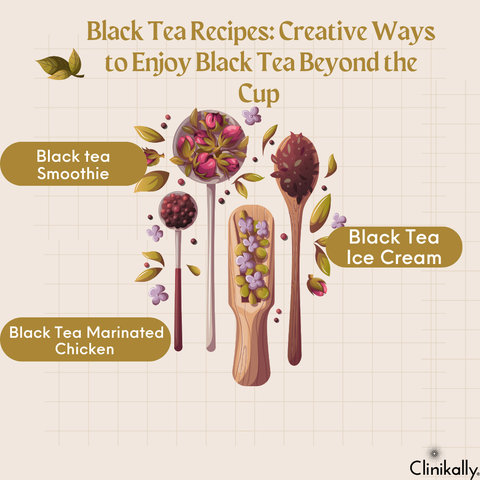
Here are 3 creative recipes that use black tea in unique ways, going beyond the traditional cup:
1. Black Tea Smoothie
Ingredients:
-
1 cup brewed black tea (cooled)
-
1 banana
-
1/2 cup Greek yogurt
-
1 tablespoon honey or maple syrup
-
1/2 teaspoon vanilla extract
-
1/2 cup ice
Directions:
-
Brew and cool black tea.
-
Blend tea, banana, yogurt, honey, vanilla, and ice until smooth.
-
Serve chilled and enjoy a healthy, tea-infused smoothie.
2. Black Tea Marinated Chicken
Ingredients:
-
2 black tea bags
-
1 cup boiling water
-
4 chicken breasts
-
1/4 cup soy sauce
-
2 tablespoons honey
-
2 cloves garlic, minced
-
1 teaspoon ground ginger
Directions:
-
Steep black tea in boiling water for 5 minutes, then cool.
-
Mix tea, soy sauce, honey, garlic, and ginger in a bowl.
-
Marinate chicken in the mixture for at least 2 hours.
-
Grill or bake the chicken until fully cooked.
3. Black Tea Ice Cream
Ingredients:
-
2 cups heavy cream
-
1 cup whole milk
-
4 black tea bags
-
3/4 cup sugar
-
4 egg yolks
Directions:
-
Heat milk and cream until steaming, then steep black tea bags for 10 minutes.
-
Whisk egg yolks and sugar in a bowl.
-
Gradually add the tea-infused milk mixture to the eggs while stirring.
-
Cook the mixture on low heat until it thickens, then chill in the fridge.
-
Pour into an ice cream maker and churn until set.
Black Tea Supplements: Are They a Convenient Alternative?
Black tea supplements have thus become a suitable substitute for people who want the health benefits of black tea but do not want to prepare a cup. Supplements contain concentrated extracts of compounds in black tea, mainly antioxidants like polyphenols and catechins, which carry the majority of its health-boosting properties. They are a convenient and hassle-free way to add the advantages of black tea into your daily life for those that lead busy lives. Supplements can offer similar benefits, but wouldn't be able to mimic the exact sense of experience and additional nutrients in freshly brewed tea. It is always helpful to speak with a doctor before taking any supplement to make sure it will be right for your specific health conditions.
Black Tea Safety: Potential Side Effects and Precautions

Black tea is a generally safe beverage for consumption among most people in the world. However, like any other food or beverage, an overdose will bring negative effects such as:
-
Sleep Disturbance: High amounts of caffeine can prevent sleep.
-
Anxiety Problem: Caffeine tends to worsen anxiety in some individuals who are predisposed to it.
-
Heart Tromps: Too much caffeine leads to irregular heartbeats.
-
Digestive Upsets: Caffeine results in irritable bowel syndrome or acid reflux problems.
-
Low Iron Absorption: Tannins present in black tea inhibit the absorption of iron with intake of food if the person is suffering from iron deficiency.
Certain precautions that can be undertaken from which such side effects can be avoided:
-
Balanced Intake: One should not over-indulge in black tea. In most adults, 3-4 cups per day is non-harmful.
-
Watch out for caffeine sensitivity: If you are sensitive to caffeine, you can reduce your intake of black tea in general or shift to decaf black tea.
-
Sensitive consumption: Watch what time you take black tea. Do not take it near bedtime as this may interfere with your sleep.
-
Iron-rich food : Take black tea with iron-rich foods like red meat, spinach, and fortified cereals.
-
Individual Variations: Everyone will have a different reaction to black tea. If you have suffered from side effects, you will want to go and visit a healthcare provider.
If you have any medical condition, you should be looking for a conversation about black tea or any other herb with your physician, or a registered dietitian.
The Future of Black Tea Research: Emerging Trends and Potential Discoveries

Further research in black tea will likely uncover several avenues for further benefits and managing related risks. This would further elucidate mechanisms of action of such bioactive compounds identified in black tea, continuing to provide bases for developing targeted therapies for many health conditions. Further long-term research in the area will more than likely be carried out to deduce the effects of black tea consumption on general and overall well-being. Accepting this holistic approach to research about tea will open up possibilities for this ancient drink and make a healthier future possible.