





- What Is Ringworm?
- Common Symptoms
- 7 Best Antifungal Ringworm Creams
- Active Ingredients in Antifungal Cream
- Application Tips
- Tips to Prevent Ringworm
- FAQs
If you have ever experienced a patch of skin that was itchy, red, and ring-shaped then you already know how much of a nuisance ringworm can be. It's uncomfortable, and sometimes embarrassing too, particularly if it presents in a visible area or private parts of the body.
Ringworm is medically known as dermatophytosis. According to studies conducted in various regions of the country, the prevalence of the disease varies from 36.6% up to 78.4%. But in some places and dermatologists have reported a significant increase in cases over the last few years. Hot, humid weather, tight clothing, sweating, and sharing personal items like towels or razors all facilitate the spread of the fungus. Thats why many people eventually look for the best cream for ringworm on the market.
In most cases, ringworm can be treated with the proper antifungal cream when used it in proper way and regularly. In this article, we'll examine what ringworm is, how to recognize it, how antifungal creams work, common ingredients found in ringworm creams, how to apply the creams correctly, and certain habits that prevent a recurrence of the ringworm.
What Is Ringworm?

Ringworm is a common fungal skin infection that is not caused by a worm. It is named for the ring-like, circular rash that it commonly causes on the skin. It is a fungal infection of the skin, hair and nails caused by a group of fungi, called dermatophytes, which grow on keratin, the protein of your skin, hair and nails. The infection can be easily transmitted by direct contact with the skin, contaminated surfaces, sharing of clothes, towels or even from pets.
It can appear almost anywhere on the body, including the scalp, feet (athlete's foot), groin (jock itch), and other areas of the skin. While it's rarely serious, ringworm can be persistent and uncomfortable if left untreated, and it tends to spread further on the skin or to other people if treatment is not started early. Recognising it early makes treatment much easier.
What Are the Common Symptoms of Ringworm?
Ringworm has a fairly distinct look, but it can be mistaken for other skin conditions if you're not familiar with the signs. Here's what to watch out for:
-
A red, circular or ring-shaped rash with a raised, scaly border and clearer skin in the centre.
-
Persistent itching, which is often the very first symptom people notice.
-
Dry, flaky, or cracked patches of skin.
-
Redness and mild swelling around the affected area.
-
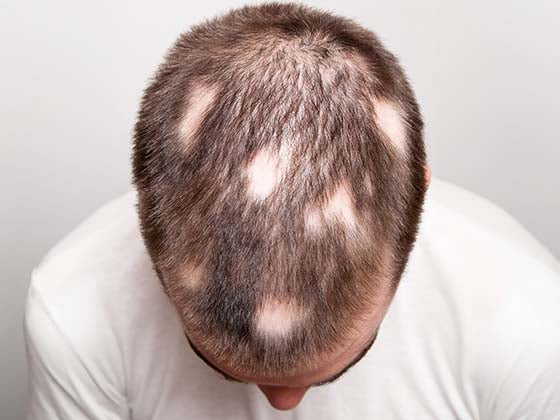
Hair loss or brittle patches if the scalp is involved.
-
Thickened, discoloured, or crumbly nails if the infection affects the nails.
-
Multiple patches that merge as the infection spreads.
-
Discomfort or irritation that worsens with sweating, tight clothing, or friction.
How Do Antifungal Creams Help Treat Ringworm?
Antifungal creams are usually the first line of treatment for ringworm, and for good reason, they work directly at the site of infection. Here's how they help:
-
They kill the fungus or stop it from growing further, depending on the active ingredient used.
-
They break down the fungal cell membrane, which prevents the fungus from surviving and multiplying.
-
They relieve itching, redness, and irritation as the infection starts to clear.
-
They help stop the rash from spreading to nearby skin or to other people.
-
They're applied directly to the affected area, so they act quickly on the visible infection.
-
Regular, correct use reduces the chances of the infection becoming chronic or recurring.
-
Most creams are easy to use at home without needing constant medical supervision, though a dermatologist's guidance is always recommended for confirming diagnosis and treatment duration.
7 Best Antifungal Creams for Ringworm
It is important to use the correct antifungal cream to effectively treat ringworm and avoid reinfection or transmission of the infection. Below are some of the best antifungal cream for ringworm which will help soothe itching, redness, fungal growth and aid in faster healing.
|
Product Name |
Active Ingredient |
Primary Clinical Use |
Therapeutic Class |
|
Ketoconazole (2% w/w) |
Ringworm, Athlete’s foot, Jock itch, and Seborrheic dermatitis |
Azole Antifungal |
|
|
Luliconazole (1% w/w) |
Ringworm, Jock itch, and Athlete's foot |
Topical Imidazole Antifungal |
|
|
Amorolfine (0.25% w/w) |
Fungal skin and nail infections |
Morpholine Antifungal |
|
|
Oxiconazole Nitrate (1% w/w) |
Tinea pedis (athlete's foot), Tinea cruris, and Tinea versicolor |
Imidazole Antifungal |
|
|
Ketoconazole (2% w/w) |
Cutaneous candidiasis, Ringworm, and Jock itch |
Azole Antifungal |
|
|
Luliconazole (1% w/w) |
Broad-spectrum fungal skin infections |
Topical Imidazole Antifungal |
|
|
Amorolfine (0.25% w/w) |
Skin and nail fungal overgrowth |
Morpholine Antifungal |
1. Belzole 2% Cream

Belzole contains ketoconazole 2%, an antifungal that works by damaging the fungal cell membrane so the fungus can no longer survive or spread on the skin.
-
Usage tips: Clean and dry the affected area first, then apply a thin layer once or twice daily as advised, extending slightly onto the healthy skin around the rash.
-
Benefits: Helps clear ringworm, jock itch, and athlete's foot, while easing itching, redness, and flaking with regular use.
2. Zyluli Cream

Zyluli is built around luliconazole 1%, a newer-generation antifungal known for tackling stubborn or recurring fungal infections effectively.
-
Usage tips: Apply a thin layer to the clean, dry, affected area once daily, and continue for the full course even after symptoms start to fade.
-
Benefits: Targets ringworm, athlete's foot, and jock itch, and is well suited for people looking for a good cream for ringworm that works in a relatively short treatment window.
3. Fungicros Cream

Fungicros uses amorolfine as its active ingredient, which blocks a substance fungi need to build their cell membrane, gradually weakening and eliminating the infection.
-
Usage tips: Apply a thin layer to clean, dry skin as directed, and avoid covering the area tightly after application.
-
Benefits: Works well for fungal skin and nail infections, helping reduce redness, swelling, and itching over the course of treatment.
4. Oxiqon Cream

Oxiqon is formulated with oxiconazole nitrate, an antifungal that creates openings in the fungal cell membrane, effectively killing the fungus responsible for the infection.
-
Usage tips: Apply a thin layer once or twice daily as directed, gently rubbing it in until fully absorbed, and wash your hands afterward.
-
Benefits: Offers relief from itching, irritation, and redness, making it a strong ringworm cream option for active infections.
5. ZyKT Cream

ZyKT also uses ketoconazole 2%, working by blocking ergosterol production in fungal cells, which weakens their membrane until the fungus can no longer survive.
-
Usage tips: Clean and pat dry the area, apply a thin layer twice daily or as directed, and massage gently until absorbed.
-
Benefits: Commonly used for ringworm, athlete's foot, and other fungal or yeast-related skin infections, with visible relief from irritation and redness.
6. Lanoban XL Cream

Lanoban XL contains luliconazole 1%, giving it strong, targeted action against the dermatophytes responsible for most ringworm infections.
-
Usage tips: Apply a thin layer once daily to the affected area as directed by your physician, and keep the area clean and dry between applications.
-
Benefits: Helps relieve itching, redness, and scaling, and is often considered among the strongest antifungal creams for ringworm options for once-daily use.
7. Loceryl 0.25% Cream

Loceryl is formulated with amorolfine hydrochloride 0.25%, a broad-spectrum antifungal that penetrates the skin to act against dermatophytes, yeasts, and molds.
-
Usage tips: Apply a thin layer to the clean, dry, affected area as advised, avoiding contact with eyes and mucous membranes.
-
Benefits: Suitable for mild to moderate fungal skin infections, including ringworm and athlete's foot, offering a non-greasy, easy-to-apply alternative to oral antifungals.
Common Active Ingredients Found in Ringworm Creams

Not all antifungal creams are the same. The active ingredient decides how strong the cream is and how it works against the fungus. Here are the ones you'll come across most often:
Clotrimazole
Clotrimazole is one of the most commonly used antifungal ingredients in the treatment of ringworm. It works by damaging the fungal cell membrane, stopping the fungus from growing. Generally very safe and is often prescribed for body or groin infections of mild to moderate severity.
Terbinafine
Terbinafine is a fast acting drug and is one of the most effective for recalcitrant fungal infections. It does not just prevent the growth of the fungus, but actually kills it so many people experience better results when used regularly according to the instructions.
Luliconazole
Luliconazole is a newer generation antifungal which is becoming popular for resistant or recurrent cases of ringworm. It is used in lower doses and over a shorter period of time than some of the older antifungals, but is active against a wide variety of fungal strains.
Ketoconazole
Ketoconazole is an effective treatment for many fungal and yeast infections making it a versatile option. It is often used in creams and medicated shampoos and works in tandem with combating the infection to help reduce itching and inflammation.
Amorolfine
Amorolfine is more commonly used for nail-related fungal infections, though it also has applications for skin infections. It works by disrupting the fungal cell wall, slowing down fungal growth and eventually clearing the infection with consistent use.
Miconazole
Miconazole is a another widely used antifungal drug that is effective against a wide range of fungal infections, such as ringworm. It is mild enough to be used frequently and is available as a cream or powder for various areas of the body.
How to Apply Antifungal Cream for Ringworm Correctly?

The type of cream used is only half the solution, application is the key to increasing the efficacy of treatment and to reducing the risk of recurrence. The correct way to do it:
-
Clean and dry the area first: Gently clean skin with a mild soap and water then pat it dry before applying anything. Fungus loves moisture, so a damp surface may actually help to slow the effectiveness of the cream.
-
Apply a thin layer generously beyond the rash: It is important to spread the cream just beyond the visible edges of the ring because the fungus may already be present in skin that doesn't appear to be affected even if it can't be visible.
-
Rub it in gently until absorbed: There's no need to layer the cream on thickly; a thin application is absorbed quicker, is more comfortable and will be as effective as a thick application.
-
Wash your hands before and after: This is an easily overlooked step that helps to prevent the spread of fungus to the rest of your body or to a family member, especially if you're touching shared items right after applying the cream.
-
Stick to a consistent schedule: Use the cream once a day, or twice as directed on the label or by a skin specialist without skipping doses. Since irregular use gives the fungus a chance to recover and spread again.
-
Complete the full course of treatment: Continue applying even after the rash visibly fades, since stopping too early is one of the most common reasons ringworm returns within a few weeks of seeming to clear up.
-
Avoid tight bandages or coverings: Keep the area open to air since fungus grows fast in hot, damp, covered environments, and trapping moisture under a bandage can slow healing.
-
See a dermatologist: If there's no visible results after two to three weeks, or if the infection is on the scalp, nails, or a large area it's best to get it evaluated professionally.
Tips to Prevent Ringworm from Coming Back

Ringworm has a habit of returning if the environment stays favourable for fungal growth. A few consistent habits can go a long way in keeping it away for good:
-
Keep your skin clean and completely dry: Pay extra attention to skin folds, the groin area, and the spaces between your toes, since these warm, moist areas are exactly where fungal infections tend to start and return.
-
Wear loose, breathable clothing: Tight synthetic fabrics trap heat and sweat against the skin, creating the perfect environment for fungus, so opt for cotton and looser fits, especially in hot or humid weather conditions.
-
Avoid sharing personal items: Towels, clothing, combs, and razors can all carry fungal spores from one person to another, so keep these items strictly personal, even within the same household, until the infection has fully cleared.
-
Wash fabrics in hot water regularly: Bedsheets, towels, and clothes that touch infected skin should be washed in hot water and dried thoroughly, since fungal spores can survive on fabric and cause reinfection later.
-
Change out of sweaty clothes quickly: Don't stay in damp workout gear or sweaty clothing for long after exercising, since prolonged moisture against the skin is one of the easiest ways for fungus to take hold again.
-
Get pets checked if they show symptoms: Ringworm can pass between animals and humans, so if your pet has patchy fur, scratching, or bald spots, get them examined and treated by a vet promptly.
-
Wear footwear in shared spaces: Gyms, swimming pools, and public showers are common places to pick up fungal infections, so wearing slippers or flip-flops in these areas adds a simple layer of protection.
-
Resist the urge to scratch: Scratching an itchy patch might feel satisfying momentarily, but it can transfer fungal spores under your nails and spread the infection to other parts of your body unintentionally.
Final Thoughts To Tackle the Ringworm
Ringworm is not only itchy and persistent but also one of the most curable skin infections if you tackle it properly. It makes a huge difference whether patients use a cream that has an active ingredient, apply it correctly, and follow the full course of treatment. If your symptoms are severe, keep recurring, or don't improve within a couple of weeks after regular use, it's worth to consult with a dermatologist rather than experimenting on your own especially for infections affecting the scalp, nails, or private parts. Most of the people will have this and if they take care of their skin a little bit they will find that their skin clears up and stays clear.