Physical vs Chemical vs Enzyme Exfoliation: What’s Best for Your Skin?
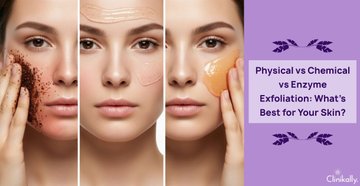
While washing, moisturizing, and protecting your skin are important steps toward a beautiful complexion, they may not be enough. This is where exfoliation comes into play. Exfoliation is an essential step in every effective skincare program since it eliminates dead skin cells from the skin's surface. If you're thinking about including exfoliation in your routine, you should grasp the benefits of both chemical and physical procedures. In this blog, we'll look at the benefits of both procedures, including how they help to brighten and revitalize your skin.
Understanding the Role of Exfoliation in Skin Health
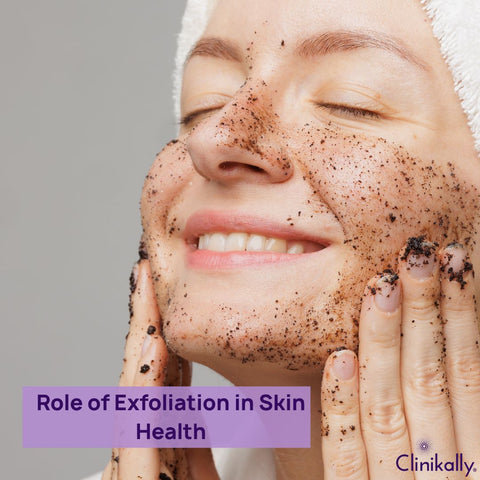
Chemical exfoliation is a popular skincare method in recent years, and with good reason. Chemical exfoliation can promote cell turnover in a single session, revealing fresh, new skin cells that not only improve your skin's overall appearance but also increase the efficacy of other skin care products. This approach is recommended for all skin types and is very effective for treating hyperpigmentation, fine wrinkles, acne, and even sun damage. Following chemical exfoliation, apply a nourishing moisturizer and broad-spectrum sunscreen to protect the skin from environmental stresses and UV damage. Whether you incorporate exfoliation into your at-home skincare routine or seek professional therapy, we recommend being cautious. Exfoliating too much can cause redness, increased sensitivity, and peeling, just as not exfoliating enough can result in a dull complexion, clogged pores, and uneven skin tone. We recommend taking a progressive approach to obtain the full benefits.
How Exfoliation Supports Cellular Turnover
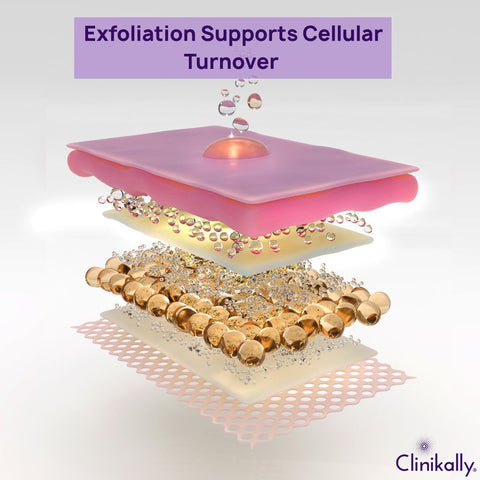
Exfoliation stimulates cellular turnover by hastening the shedding of dead skin cells, hence encouraging the regeneration of new skin cells. This procedure helps to show fresher, brighter, and more youthful-looking skin. This is how it works.
-
Dead skin cell removal: Physical or chemical exfoliation eliminates dead skin cells that can accumulate on the skin's surface.
-
Stimulating new cell growth: When dead cells are eliminated, the skin is driven to make new cells more quickly in order to replace them, boosting cellular turnover.
-
Improved skin appearance: Exfoliation can help enhance skin texture, minimize the appearance of fine lines and wrinkles, and even out skin tone by increasing the rate of turnover.
-
Enhanced product absorption: Exfoliation also helps to eliminate dead skin cells, which can interfere with the absorption of skincare products, allowing active substances to penetrate the skin more efficiently.
The Science Behind Dead Skin Removal
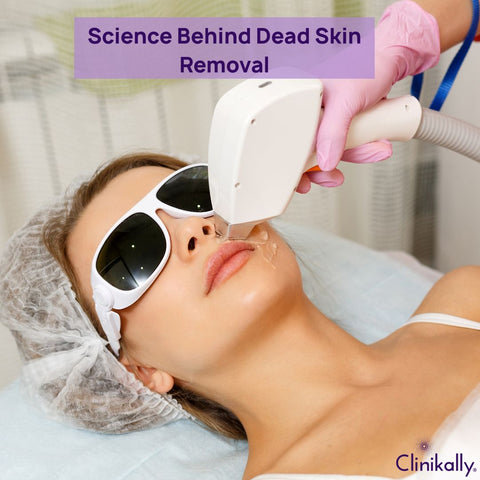
Your skin is a dynamic organ that is continually rebuilding itself. Every 28-40 days, your body naturally sheds dead skin cells in a process known as desquamation. However, factors including as age, environment, and skincare practices might impede the cycle, resulting in accumulation. Exfoliation helps eliminate dead skin, revealing healthier, brighter skin beneath.
-
The top layer of skin, known as the epidermis, is made up of multiple layers. Basal cells in the epidermis divide and push older cells upward. As cells progress upward, they lose hydration and nuclei and transform into corneocytes, which are flat, dead skin cells that make up the stratum corneum. Eventually, these dead cells slough off (desquamation), creating way for younger ones.
-
Aging, dryness, and environmental conditions all contribute to slower turnover. Excess dead skin causes dullness, blocked pores, flakiness, and uneven texture. Exfoliation mimics and improves the natural shedding process.
Why Regular Exfoliation Matters for Glow and Clarity
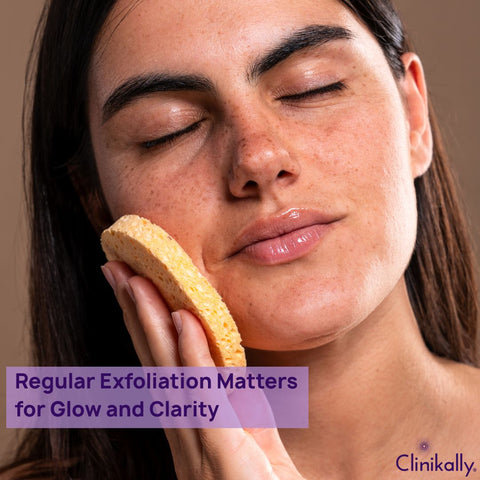
Healthy skin is more than just clean; it is vibrant, smooth, and clear, and frequent exfoliation is essential for achieving this. Exfoliation is more than just eliminating dull, flaky skin; it also boosts your skin's natural regeneration, improves product absorption, and promotes long-term skin health.
-
Reveals fresher skin: Exfoliation removes dead cells, revealing younger, more vivid skin beneath. This new layer reflects light more effectively, giving skin a natural, healthy shine.
-
Smoothes skin texture: Regular exfoliation refines the skin's surface, reducing roughness and the appearance of big pores. It's especially useful for post-acne blemishes and rough areas.
-
Boosts radiance through cell turnover: Exfoliation boosts brightness by increasing cellular turnover, which naturally slows as we age. This helps reduce dark spots, discolouration, and dullness, resulting in a more uniform skin tone over time.
-
Keeps pores clear: Chemical exfoliants, such as BHAs, work deep within pores to remove oil and dirt. This inhibits blackheads and whiteheads, resulting in a clear complexion.
-
Improves skincare product absorption: By removing dead cells, your skin becomes more receptive. Serums, moisturizers, and treatments penetrate deeper, increasing their effectiveness.
Comparing Physical, Chemical, and Enzymatic Exfoliants
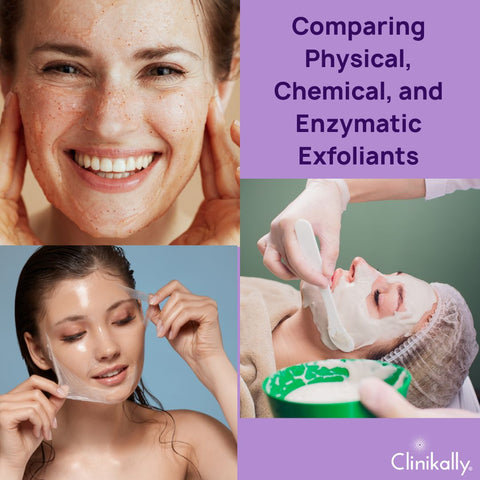
Physical exfoliants use gritty textures to manually remove dead skin cells, while chemical exfoliants use acids or enzymes to dissolve them. Enzymatic exfoliants, a form of chemical exfoliator, use enzymes to dissolve the "glue" that holds dead skin cells together, gradually revealing brighter, smoother skin.
-
Physical exfoliants: Using abrasive particles (such as scrubs, brushes, or washcloths), manually scrub away dead skin cells. Pros include immediate results, the ability to stimulate circulation, and a satisfying manual process. Cons can be too harsh, resulting in micro-tears and irritation, particularly on sensitive skin. Best for oily and combination skin, but only with gentle application.
-
Chemical exfoliants: Use acids (AHAs, BHAs, and PHAs) or enzymes to break down the bonds between dead skin cells. Pros provide more even exfoliation, promote long-term skin texture and tone improvements, and may result in additional skin benefits (for example, collagen production). Cons cause irritation or sensitivity if used excessively or in high concentrations; may increase sun sensitivity. Best for a wide range of skin types, taking into account specific acids and concentrations.
-
Enzymatic exfoliants: Enzymes (often from fruits, such as papain or bromelain) are used to break down keratin in the outer skin layer. Benefits include being mild, lowering redness and irritation, and being appropriate for sensitive skin. It may take longer to see results than other methods. Best for sensitive or mature skin, or anyone looking for a gentler exfoliation method.
Physical Exfoliants: Scrubs and Their Pros & Cons
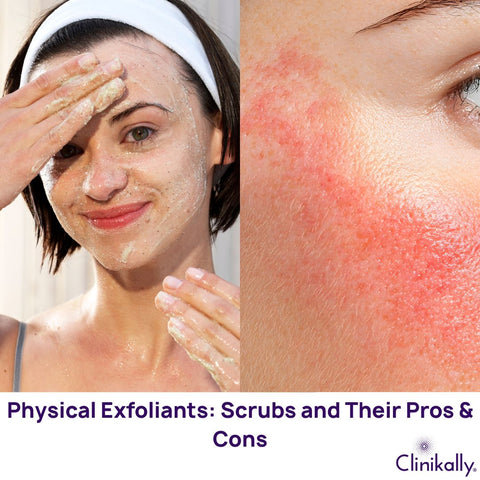
Physical exfoliants, sometimes called mechanical exfoliants, use friction to exfoliate dead skin cells from the skin's surface. These often take the form of cleanses, tools, or brushes. While they provide quick smoothness, their application must be deliberate and skin-type specific to avoid discomfort.
-
They use gritty particles or rough surfaces to slough off dead skin. Facial or body scrubs (with sugar, salt, seeds, or microbeads), exfoliating tools (brushes, mitts, konjac sponges), and dermaplaning tools or razors (for manual cell and hair removal) are all common formats.
-
Benefits include instant results (immediate smoothness and glow after use), accessibility and affordability (widely available in drugstores; easy to DIY), satisfying tactile feel (you can feel the exfoliation happening), customizable intensity (control pressure and frequency during use), and suitability for body exfoliation (particularly effective on thicker skin areas like knees, elbows, and back).
Chemical Exfoliants: How Acids Target Deeper Layers
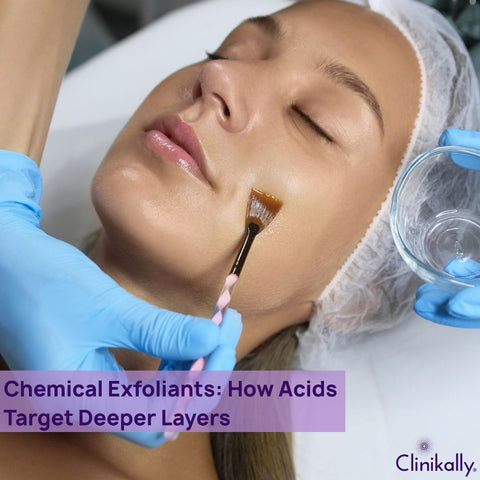
Chemical exfoliants, specifically acids, operate by dissolving the "glue" that holds dead skin cells together, allowing them to shed more easily and expose smoother, brighter skin beneath. They accomplish this via a variety of processes, with some acids penetrating deeper than others to address specific issues including as acne, scarring, and pigmentation. Here's an explanation of how chemical exfoliants, specifically acids, target deeper layers:
-
Chemical exfoliants, which include AHAs and BHAs, are intended to break down the intercellular "glue" (adhesive molecules) that holds dead skin cells together. This procedure permits dead skin cells to more easily separate from the skin's surface, resulting in a smoother, brighter complexion.
-
Alpha Hydroxy Acids, or AHAs, are water-soluble substances that mostly act on the skin's surface, though some, like glycolic acid, have smaller molecules that allow for deeper penetration. Beta Hydroxy Acids, or BHAs, are oil-soluble and have the ability to enter pores more deeply, which makes them useful for treating congestion, blackheads, and acne.
-
Acids that penetrate deeper can deal with problems like BHAs have the ability to clear clogged pores and lessen acne-related inflammation. Certain acids can lessen the visibility of scars by encouraging the formation of collagen and cell turnover. Acids can help fade dark spots and uneven skin tone by increasing exfoliation and decreasing melanin production. AHAs and other acids have the ability to promote the formation of collagen in the skin's deeper layers, which over time will result in firmer, more youthful-looking skin.
-
Chemical exfoliants, unlike physical exfoliants, provide a gentle and even exfoliation. This is because they do not rely on scrubbing force and can be designed to be gentle on delicate or blemish-prone skin.
Enzymatic Exfoliants: A Gentle, Natural Alternative
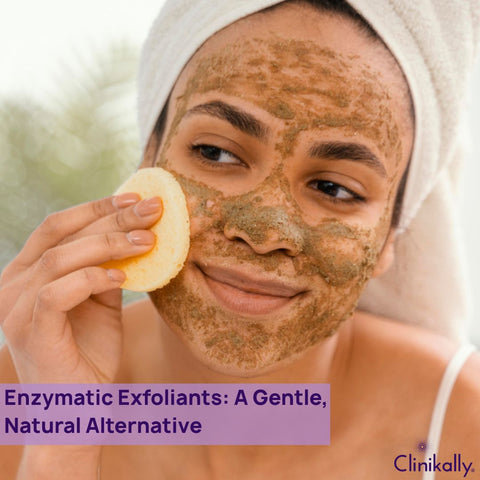
Enzymatic exfoliants are a gentle and natural alternative to physical scrapes and harsh chemical peels for eliminating dead skin cells. They use enzymes derived from fruits such as papaya, pineapple, and pumpkin to break down the proteins that hold dead skin cells together, allowing them to be gently shed. This approach is especially good for delicate skin because it is soft and can brighten the complexion without creating discomfort.
-
Enzymes, such as papain from papaya and bromelain from pineapple, are proteins that act as catalysts, accelerating the breakdown of other proteins. In skincare, these enzymes specifically target the proteins that hold dead skin cells together, loosening them and removing them from the skin's surface. This method allows dead skin cells to be easily removed, revealing a brighter, smoother complexion beneath.
-
Unlike physical scrubs with abrasive particles or harsh chemical peels, enzymatic exfoliation is gentler and less likely to cause irritation or redness, making it ideal for sensitive skin. Enzymatic exfoliants promote skin renewal by removing dead skin cells, which results in a more radiant and even skin tone. Enzymatic exfoliants can help unclog pores by removing dead skin cells that can cause acne and blackheads. Some enzymatic exfoliants, such as those derived from papaya, may also help the skin retain its natural moisture balance.
How to Choose the Right Exfoliation Method for Your Skin
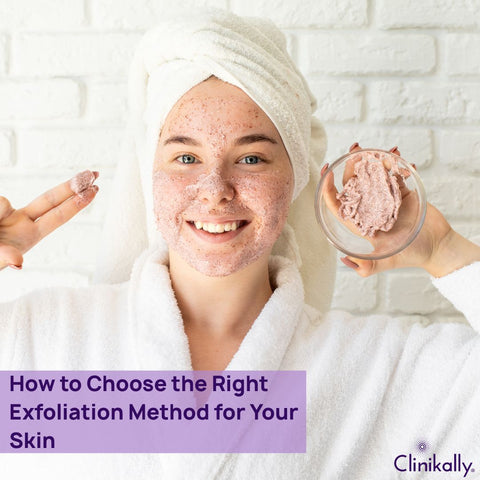
Exfoliation may completely change your skin when done correctly. However, using the improper procedure might cause irritation, breakouts, and barrier damage. The trick is to select the appropriate exfoliant based on your skin type, problems, and sensitivity level. To help you make the right decision, which includes knowing your skin type, match it to the appropriate exfoliation method, assess your main skin concerns, choose frequency and strength, and avoid frequent mistakes.
Skin Type Considerations: Sensitive, Oily, or Dry
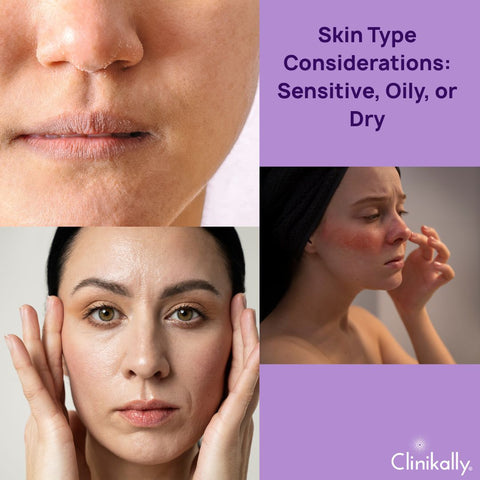
Understanding your skin type is necessary before selecting the appropriate exfoliation procedure. Each type—sensitive, oily, or dry—has distinct qualities that necessitate a personalized exfoliation regimen to avoid irritation and enhance results.
-
Sensitive skin is easily irritated and inflamed: After using new products, it may sting, burn, or turn red, and it is frequently sensitive to smell, alcohol, or harsh active ingredients. Enzymatic exfoliants are gentle and natural (e.g., papaya, pumpkin, pineapple); PHAs (polyhydroxy acids) have larger molecules that indicate slower penetration and less irritation; and lactic acid (low %) is a mild AHA that moisturizes while exfoliating.
-
Oily/Acne-Prone Skin: Enlarged pores, shine in T-zone or full face. Frequent blackheads, whiteheads, or breakouts. Makeup tends to slide off or separate. The best exfoliation option is salicylic acid, or BHA, is soluble in oil, pore-piercing, and anti-inflammatory. Mandelic acid is a gentler treatment for acne and texture than glycolic acid. Occasionally, enzymes can help reduce inflammation following a breakout.
-
Dry/dehydrated skin: Flaky or rough texture, tightness, dullness, or discomfort, and fine lines more visible due to lack of moisture. The best exfoliation option, which includes a mild and hydrating AHA, is lactic acid. Surface smoothing without stripping is possible with enzymatic exfoliants. PHAs provide hydration and mild exfoliation
Common Mistakes in Exfoliating and How to Avoid Them
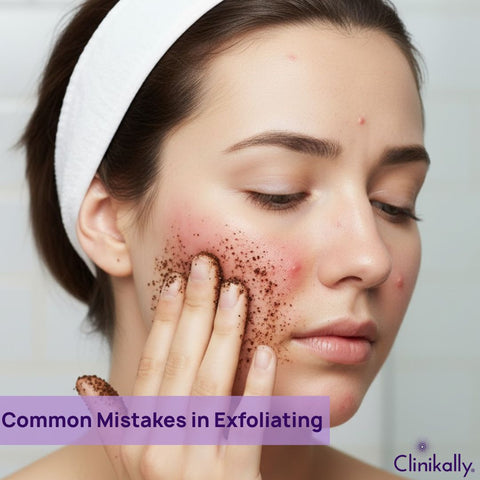
Exfoliation can result in smoother, brighter skin, but using it incorrectly can cause discomfort, breakouts, and long-term barrier damage. Here's a look at the most common exfoliating mistakes and how to correct them for a healthier glow.
-
Over-exfoliating: It appears as redness, stinging, tightness, flaky patches, glossy, irritated skin, and breakouts due to a damaged barrier. Exfoliation should be done no more than 1-3 times a week, depending on your skin type. Use only one exfoliant at a time; do not layer acids or combine with retinol unless specifically instructed. Allow your skin to rest in between exfoliating days.
-
Using harsh scrubs with large or jagged particles: It produces microtears, irritation, and uneven texture while also irritating sensitive or acne-prone skin. Avoid scrubs that contain round, smooth particles, such as jojoba beads or rice powder. Avoid rubbing crushed walnut shells, apricot pits, or raw salt on your face. Chemical or enzymatic exfoliants provide a gentler action.
-
Skipping sunscreen after exfoliating: Exfoliating without sunscreen increases UV sensitivity, pigmentation, and irritation while undermining anti-aging and brightening efforts. Avoid things like using broad-spectrum SPF 30+ after exfoliating, especially if you're using AHAs or BHA. To reduce the danger of exposure throughout the day, apply exfoliants at night.
-
Exfoliating active acne: Exfoliating active acne or broken skin causes inflammation, distributes bacteria, and may result in exacerbated breakouts or delayed healing. Avoid using chemical exfoliants such as salicylic acid to gently clear pores. Avoid using physical scrubs on active pimples, wounds, or raw areas. Prioritize calming and healing components first.
-
Mixing incompatible ingredients: AHA, BHA, retinol, and vitamin C in one routine. Causes barrier breakdown, dryness, and irritation. Avoid doing more than one strenuous activity every routine. Retinol and exfoliating acids should be used on alternate days. Combine exfoliants with hydrators and barrier-repair products (such as ceramides, niacinamide, and panthenol).
-
Using the wrong exfoliant for your skin type: Using the incorrect exfoliant for your skin type. Enzymes may not be sufficient to treat oily skin. Glycolic acid may irritate sensitive skin. Avoid attempting to match your skin type and concern to the appropriate exfoliation (see previous tips). Begin with lesser concentrations and gradually increase.
-
Not moisturizing after exfoliating: Not moisturizing after exfoliation causes the skin to feel tight, dry, and unpleasant. It can cause dehydration or overcompensation in oil output. Avoid following exfoliation with a moisturizing serum (hyaluronic acid) and moisturizer. For oily or acne-prone skin, avoid comedogenic products.
Signs of Over-Exfoliation: What to Watch For
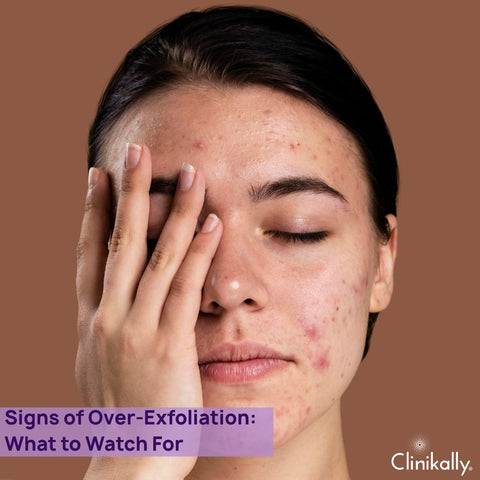
Exfoliation should leave your skin smooth, invigorated, and shining; however, if done too frequently or harshly, it can cause substantial barrier damage. Over-exfoliation is one of the most prevalent skincare blunders, especially when using various actives such as AHAs, BHAs, retinoids, or scrubs in the same regimen. The primary warning indications your skin gives you when it's had too much are:
-
Consistent redness or flushed skin: Even if you have not been out in the sun, your skin appears sunburned. It may feel hot, tight, or stingy.
-
Dryness and flakiness: You detect peeling, cracking, or dry spots. Makeup adheres to rough textures.
-
Increased sensitivity: Products that were previously fine now burn, sting, or tickle. Even water and moisturizers might cause irritation.
-
Tightness and itchiness: After cleansing, your skin may feel unduly stretched, itchy, or uncomfortable.
-
Outbreaks or pimples: Excessive exfoliating can compromise your barrier, causing inflammation and outbreaks. It is often confused for "purging" but occurs outside of usual ranges or lasts for an extended period of time.
-
Shiny but not oily skin: Your skin appears glassy or waxy, but it is not healthy; this is usually due to peeled layers.
-
Thin or transparent-looking skin: The skin loses bounce and seems brittle or papery.
Building an Effective and Balanced Skincare Routine with Exfoliants
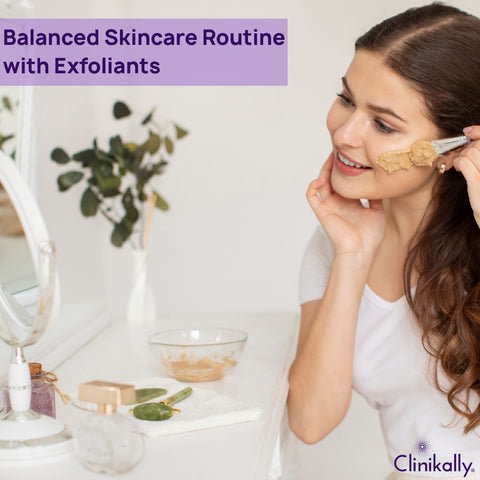
Exfoliation is an effective tool in any skincare routine, but the true magic occurs when it is combined with hydration, protection, and barrier support. Exfoliants, when used correctly, can help to clean pores, smooth texture, and brighten skin tone without causing irritation or excessive exposure. A well-structured skincare routine with exfoliants should:
-
Be gentle, consistent, and adjustable.
-
Always stay hydrated and protect yourself from the sun.
-
Match the exfoliant type and frequency to your skin's current needs.