


This question is a highly asked question on the internet. And several myths revolve around it. What is the actual truth? In this blog, we’ll try to resolve all your doubts regarding this topic.
We’ll begin the discussion with an understanding of hair loss concepts, and then we’ll deep dive into the changes happening in our body during or after masturbation. And after that, we’ll scientifically consider each of the myths and find the truth behind them.
But, if you’re here to know only the answer to this question, the answer is NO.
Why? Let’s see!
Understanding Hairfall: Causes and Contributing Factors

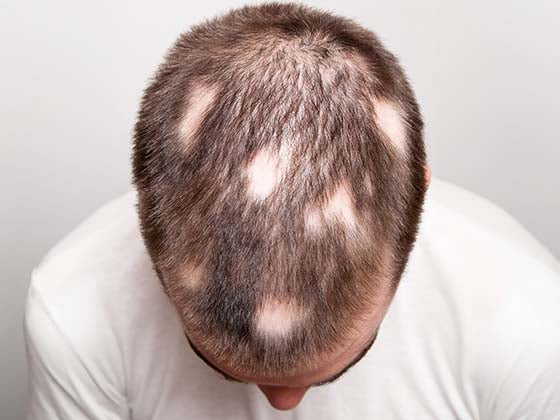
The natural hair growth cycle includes 4 steps: anagen, catagen, telogen, and exogen. In the exogen phase, dead hair falls out naturally. And, again in the anagen phase, the new hair grows again. But, there are several factors, including genetics, hormonal imbalances, medical disorders, nutritional deficiencies, lifestyle choices, drugs, and natural ageing etc., that cause a disturbance in the natural hair growth cycle, leading to hairfall.
Identifying the underlying reason is critical for establishing the best therapy or management approach. If you are suffering from significant or unexplained hairfall, a consultation with a healthcare professional or dermatologist can help identify the cause and propose appropriate therapies or lifestyle modifications to promote healthy hair growth.
Let’s have a look at some of the factors more elaborately.
The Role of Hormones in Hair Health

Hormones are essential for controlling the development, thickness, and shedding of hair, among other elements of its health. The various hormones that affect the hair health are provided below:
-
Androgens: DHT, a testosterone derivative, is one of the primary hormones involved in androgenetic alopecia. It shrinks hair follicles, shortens the hair growth phase, and eventually results in hairfall by binding to androgen receptors in the follicles.
-
Testosterone: The body transforms testosterone into DHT. Elevated testosterone can affect hair follicles by causing an increase in DHT production.
-
Estrogens: Estrogens help enhance hair development by lengthening the anagen phase of the hair cycle and boosting hair density. They help to keep hair thick and reduce shedding.
-
Progesterone: Progesterone, like estrogen, can affect hair growth by promoting follicle health and minimising excessive shedding. It is frequently used in conjunction with oestrogen in hormonal therapies for hairfall.
-
Thyroid Hormones: Thyroid hormones control metabolism and affect the hair growth cycle. Balanced thyroid hormones are essential for good hair development.
-
Cortisol: Cortisol is a hormone produced in response to stress. While persistently increased cortisol levels caused by sustained stress do not directly cause hair loss, they can interrupt the hair development cycle and result in conditions such as telogen effluvium.
-
Insulin and Blood Sugar: Insulin and blood sugar levels have an indirect impact on hair health. Insulin resistance and diabetes are two conditions that can affect hair growth.
Additionally, during menopause, estrogen levels drop considerably, which can cause women's hair to thin and fall out. A decrease in estrogen might cause hair follicles to enter the telogen (shedding) phase early.
Genetics and Hair Loss: What You Need to Know

Androgenetic alopecia and other forms of hairfall are largely influenced by genetics. Recognising your genetic predisposition can assist you in researching possible treatments and managing expectations. While genetics are important, they interact with other factors such as hormones, lifestyle, and general health.
Impact of Nutrition and Lifestyle on Hair

It takes close attention to diet and lifestyle to maintain healthy hair. Good hair care practices, stress management, a well-balanced diet high in essential nutrients, and adequate hydration are all factors that support healthy hair growth. It is possible to prevent or lessen hairfall and keep healthy hair by adopting a holistic approach to diet and lifestyle. If you have specific inquiries concerning your health or hair loss, a qualified dietitian or healthcare professional can give you helpful guidance.
Masturbation and Hair Loss: Separating Fact from Fiction

The belief that masturbation causes hair loss is unsupported by scientific data. Hair loss is caused by a variety of causes, including genetics, hormonal changes, nutrition, and general health. Masturbation, when conducted in moderation, does not affect hormone levels in a way that causes hairfall. Maintaining hair health can be more effectively achieved by addressing underlying health issues, lowering stress, and embracing healthy lifestyle practices. Speaking with a healthcare professional can help you find the answers you need if you're worried about hairfall or your sexual health.
Common Myths About Masturbation and Hair Health

-
Myth: Masturbation leads to hair fall.
-
Fact: There is no scientific evidence linking hair loss with masturbation. The main causes of hairfall are medical issues, hormone imbalances, and heredity.
-
Myth: Masturbation depletes essential nutrients.
-
Fact: Masturbation does not significantly impair the vital nutrients or energy levels necessary for healthy hair. Deficits in some nutrients that affect the growth of hair are usually related to diet, health conditions, or lifestyle choices.
-
Myth: Masturbation causes hormonal imbalances.
-
Fact: Masturbation does not result in significant hormonal problems. While sexual activity causes fluctuations in hormone levels, these changes are usually transient and below safe physiological limits.
-
Myth: Masturbation increases the risk of male pattern baldness.
-
Fact: There is no evidence that masturbation increases the risk of male pattern baldness. Male pattern baldness is mostly caused by genetic predisposition and hormonal variables, not sexual activity.
-
Myth: Masturbation causes premature ageing of the hair.
-
Fact: Masturbation does not prematurely age the hair. Hair ageing is controlled by genetics, environmental factors, and overall health, not sexual activity.
-
Myth: Masturbating alters the density and thickness of hair.
-
Fact: The density or thickness of hair is unaffected by masturbation. Sexual activity has no bearing on hair density or thickness; instead, genetics, diet, and general health.
-
Myth: Scalp issues arise from masturbation.
-
Fact: Dandruff or acne on the scalp is not brought on by masturbation. Hormonal fluctuations and cleanliness are the causes of these issues.
Scientific Evidence on Masturbation and Hairfall

The scientific evidence does not support a direct relationship between masturbation and hair loss. Masturbation may cause temporary fluctuations in hormone levels; these changes are inadequate to influence hair growth or cause hair loss. Hair loss can be caused by heredity, hormonal imbalances, dietary deficiencies, or other health issues. If you are concerned about hairfall or scalp health, consulting a dermatologist is the best method to ensure an adequate diagnosis and treatment.
Psychological Effects: Stress and Hair Loss

Psychological stress has a substantial impact on hair health, resulting in disorders such as telogen effluvium, alopecia areata, and trichotillomania. Stress causes hormonal changes, inflammation, and abnormalities in the hair development cycle, all of which lead to hair loss. Stress management through relaxation techniques, a healthy lifestyle, and expert help can all help to improve hair health. If you have major hairfall or stress-related difficulties, obtaining help from a physician can provide specific tactics and answers for improving your hair health and general well-being.
Promoting Healthy Hair: Tips and Treatments

It takes both effective hair treatments and good habits to promote healthy hair. Here are some ideas and remedies to think about:
-
Daily Habits: Eat a diet rich in vitamins and minerals. Foods or supplements high in Vitamin C, A, D, E, zinc, iron, and omega-3 fatty acids are especially beneficial for hair health. Drink plenty of water to keep your hair and scalp hydrated. Use a mild shampoo that suits your hair type. Avoid washing your hair with hot water; lukewarm is best. Limit the use of heat styling tools. When you do use them, apply a heat protectant spray. Pat your hair dry with a towel instead of rubbing it. Avoid vigorous towel drying.
-
Hair Treatments: Make use of a conditioner designed for your type of hair. Once a week, deep conditioning treatments will help maintain the strength and hydration of your hair. Include hair masks in your daily regimen. Extra nutrition may be obtained with masks containing components like honey, avocado, or coconut oil. To enhance blood circulation, massage your scalp regularly. Additionally, you can apply hair oils with antifungal qualities, such as tea tree oil, or scalp treatments. Restrict the use of chemical hair treatments, including hair colouring, perming, and straightening. Frequent haircuts can maintain the health of your hair and help avoid split ends.
-
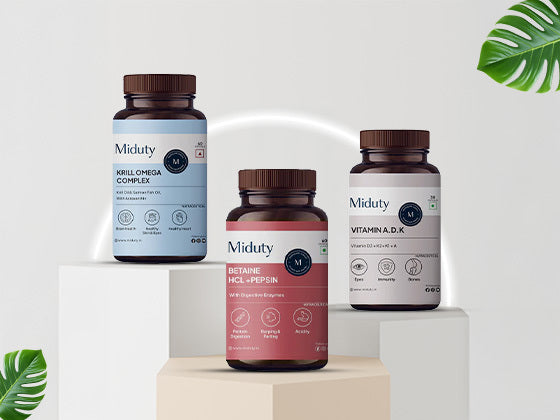
Supplements and Products: A popular supplement for hair health, biotin, can help strengthen hair and promote growth. Look for products with peptides or minoxidil, as these substances are proven to promote hair growth. Essential oils such as peppermint and rosemary can activate hair follicles. Blend them with a base oil and apply to your hair.
-
Lifestyle Considerations: Hairfall may result from high amounts of stress. Engage in stress-reduction activities like exercise, meditation, or hobbies. Shield your hair from harsh sunlight, chilly temperatures, and pool chlorine. When required, put on a cap or utilise protective gear.
By incorporating these tips and treatments into your routine, you can help maintain and promote healthy, vibrant hair.
Effective Hairfall Treatments

If you're dealing with hair loss, there are several effective treatments available. The best approach depends on the cause of the hair loss and individual needs. Here are some commonly recommended treatments:
-
Topical Treatments: This over-the-counter remedy can help decrease hair loss and promote hair growth when it is applied directly to the scalp. It works wonderfully for both genders. Finasteride, a prescribed medicine, can help prevent hair loss by suppressing the hormone that causes hair thinning.
-
Prescribed Medications: Spironolactone is a widely used medication for female pattern baldness, and it can help minimise hair loss by blocking androgens. Similar to finasteride, this medication is used to treat hairfall by inhibiting the conversion of testosterone to dihydrotestosterone (DHT).
-
Hair Restoration Procedures: This involves moving hair follicles from one part of the scalp (usually the back) to the thinning or balding areas. Some of the most common Hair Transplantation Techniques include Follicular Unit Transplantation (FUT) and Follicular Unit Extraction (FUE).
-
Lifestyle and Home Remedies: Ensure you're getting enough essential nutrients that support hair health, such as proteins, vitamins and minerals. Oils like rosemary and peppermint can be massaged into the scalp to stimulate hair follicles. Since stress can contribute to hair loss, incorporating stress-reducing practices like yoga, meditation, or regular exercise can be beneficial.
-
Hair Care Practices: Avoid harsh treatments or hairstyles that pull on the hair. Use a gentle shampoo and conditioner suited to your hair type. Limit the use of heat styling tools, or use them with a heat protectant.
Natural Remedies for Hair Growth

Natural solutions can work wonders in conjunction with conventional hair care procedures. Here are a few natural treatments that work well for encouraging hair growth:
-
Essential Oils: Rosemary oil is known for its ability to boost circulation and promote hair development. Combine a few drops with a carrier oil (such as coconut or jojoba oil) and massage into your scalp. Peppermint oil promotes blood flow to the scalp. Combine it with a carrier oil and apply to the scalp. Lavender oil improves hair growth and provides a relaxing effect. Mixing with carrier oil yields comparable results.
-
Scalp Massages: Regular scalp massages can increase blood circulation to the hair follicles, which promotes hair growth. You can massage using oils such as coconut, olive, or almond oil.
-
Aloe Vera: It soothes the scalp and reduces dandruff, promoting healthy hair growth. Apply fresh aloe vera gel to your scalp and keep it on for 30 minutes before rinsing.
-
Onion Juice: It has sulphur, which promotes the growth of hair and improves blood flow to the scalp. Rinse your scalp after applying freshly squeezed onion juice and letting it sit for 15 to 20 minutes.
-
Fenugreek Seeds: They are rich in nicotinic acid and proteins, both of which aid in the growth of hair. After soaking the seeds for a whole night, crush them into a paste and apply it to your scalp. 30 minutes later, rinse.
-
Green Tea: It is abundant in antioxidants, which can aid in hair growth. Apply cooled green tea to your scalp or drink it every day.
-
Coconut Oil: It is strong in fatty acids, which nourish and strengthen the hair. Apply to the scalp and hair, let for a few hours or overnight, and then wash off.
-
Avocado: Its rich vitamin and healthy fat content can benefit the scalp and promote hair thickness. Use one mashed avocado as a hair mask, letting it sit on your hair for half an hour before rinsing it off.
-
Egg Mask: Eggs are high in protein and biotin, which helps promote hair growth. Combine an egg and a teaspoon of olive oil, apply (let sit for 20-30 minutes), and wash.
-
Saw palmetto: It is thought to inhibit DHT, a hormone linked to hair loss. It can be taken as a supplement, but see your doctor before trying any new ones.
Maintaining Scalp Health

Maintaining scalp health is critical for proper hair development and overall hair quality. Here are some ideas and activities to keep your scalp in excellent condition:
-
Regular Cleansing: Regular washing with a moderate, sulfate-free shampoo helps to remove debris, oil, and product buildup. Depending on your scalp type, shampoo your hair 2-3 times per week. Washing too regularly can remove the scalp of its natural oils, causing dry scalp and irritation.
-
Scalp Exfoliation: Exfoliation can help your scalp just as much as it does your face's skin. To gently exfoliate, use a scalp scrub or a mixture of sugar and carrier oil, eliminating dead skin cells and increasing blood circulation. A gentle exfoliation can also be made from natural substances such as baking soda and water.
-
Moisturizing: To keep your scalp hydrated, apply a moisturizing conditioner or leave-in treatment. Look for products containing natural oils such as coconut, jojoba, or argan oil. Aloe vera offers both moisturizing and calming effects. Apply aloe vera gel directly to the scalp to relieve inflammation and moisturize.
-
Balanced Diet: Consume meals high in vitamins A, C, D, E, B, zinc, and omega-3 fatty acids to promote scalp health. Nuts, seeds, seafood, leafy greens, and fruits all provide health benefits. Drinking lots of water is vital for keeping the scalp moist.
-
Scalp Massages: Regular scalp massages can improve blood flow, which nourishes the hair follicles and promotes healthy hair growth. Combine scalp massages with natural oils like rosemary, peppermint, or lavender oil to stimulate the scalp and improve health.
-
Managing Dandruff: To control flaking, use anti-dandruff products that contain zinc pyrithione, ketoconazole, or selenium sulphide. This essential oil contains antifungal characteristics that can aid with dandruff. Combine a few drops with a carrier oil and apply to the scalp.
-
Avoiding Irritants: Avoid products containing harsh chemicals, sulfates, and parabens, which can irritate the scalp. Always conduct a patch test before using a new product to ensure that it does not trigger an allergic reaction.
-
Protecting from the Elements: Sunburn can occur on your scalp, just as it does on your skin. When spending time outside, wear a cap or apply UV-protective hair products. Keep your scalp away from extreme cold or heat, which can dry up the skin and cause discomfort.
-
Stress Management: High levels of stress can lead to scalp problems such as hair loss and dandruff. Engage in stress-relieving hobbies like meditation, yoga, and regular exercise.
-
Avoid Tight Hairstyles: Tight ponytails, braids, or buns can pull on the scalp, causing irritation or hair loss. To decrease scalp stress, opt for looser styles.
Conclusion: Understanding the Real Causes of Hair Loss
Masturbation is a phenomenon always seen as a concern for human health. Decades of study prove that it isn’t wrong at all. Doing it within a limit helps in boosting happy hormones such as dopamine, endorphins, and oxytocin. It can also be helpful in stress management and often helps you fall asleep.
But doing it rigorously is wrong, and can have negative effects too. But hair loss isn’t related to masturbation at all. Hair loss is a complex condition with numerous potential reasons, including heredity, hormonal changes, stress, nutritional inadequacies, and environmental influences, but masturbation isn’t one of them.
Understanding the underlying causes is critical for selecting the appropriate treatment approach. Addressing the underlying cause of hair loss, whether through lifestyle changes, natural therapies, or medicinal procedures, can help restore and maintain healthy hair.