The Importance of Scalp Care: What Experts Recommend for Healthy Hair
Healthy scalp is the key to healthy, gorgeous hair-yet it is too rarely considered in everyday hair care routines. Experts point out that scalp care is every bit as important as skin care, particularly for fighting hair loss, dandruff, itchiness, and over-oiliness. Increasing awareness of holistic hair health sees the inclusion of the correct scalp care products-such as exfoliating scalp scrubs, clarifying shampoos, and moisturizing serums-in vogue among both dermatologists and trichologists. Whether you're struggling with thinning hair, dryness, or styling product buildup, good scalp hygiene can lead to healthier, fuller-looking hair and better follicle function. In this hair and scalp care guide by Clinikally, we delve into what scalp care really is, why you need it, and the best expert-approved tips and treatments for healthy, fuller-looking hair the natural way.
Understanding Scalp Care: A Key to Healthy Hair Growth
Scalp care goes beyond simply shampooing-it’s about creating an optimal environment for hair follicles to thrive. The scalp, similar to skin on the face, needs to be cleansed regularly, exfoliated, and moisturized to remain in balance and healthy. If not attended to, it can result in blocked follicles, redness, dandruff, or thinning hair. According to experts, scalp products like anti-dandruff shampoos, pre-shampoo detoxifying treatments, and light serums addressing prevalent issues like dryness or oiliness are suggested. As with skincare that improves complexion, a regular scalp care routine promotes healthier, faster-growing hair. With more focus on ingredients such as salicylic acid, tea tree oil, and niacinamide, scalp care is becoming an essential step in overall hair wellness for both genders.
How Scalp Health Impacts Hair Growth
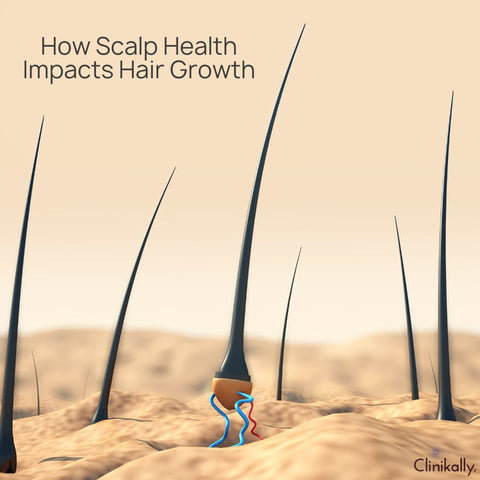
Just like fertile earth is necessary for plants to be healthy, a nourished and balanced scalp is vital for hair density, texture, and luster. When the scalp is properly taken care of, it provides the perfect environment for healthy hair follicles, which result in fuller and longer hair in the long run. Grasping the connection between scalp health and hair growth can prevent common issues such as thinning, breaking, and excessive hair fall.
- Scalp health directly affects the cycle of hair growth by making follicles active and productive.
- Bad scalp cleanliness can block hair follicles with sebum and dead cells, causing inflammation and decreased hair density.
- Scalp disorders such as dandruff, seborrheic dermatitis, or psoriasis may interfere with follicular functioning and hinder new hair growth.
- Increased blood flow to the scalp due to massage or exfoliation promotes oxygenation and supply of necessary nutrients to the hair roots.
- A clean and well-hydrated scalp avoids excessive oiliness, which can promote fungal infections that cause weakening of hair strands.
- pH imbalance in the scalp is responsible for breaking down the skin barrier, impairing follicle strength and causing excessive hair loss.
- Chronic inflammation on the scalp has been associated with conditions of hair thinning such as telogen effluvium and androgenetic alopecia.
- Scalp buildup from hair styling products is capable of choking follicles and inhibiting nutrient uptake, impeding growth.
- Antioxidants and peptides in scalp serums safeguard against damaging environmental stressors affecting follicular health.
- Daily scalp care routines, such as light cleansing and moisturizing, minimize breakage and maximize regrowth.
Adding scalp care to your hair care system isn't just a good idea-it's crucial to long-term hair growth. By keeping your scalp balanced, nurtured, and irritation-free, you enhance follicle longevity and realize the full potential for thicker, healthier hair.
The Science Behind Scalp Exfoliation and Its Benefits
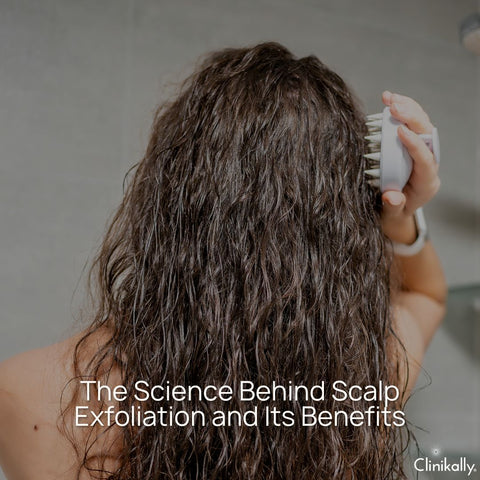
Scalp exfoliation is a highly effective but commonly neglected step in hair care that plays an essential role in keeping the scalp healthy and maximizing hair growth. At a scientific level, it is the stripping of dead skin, excess sebum, and product residue that build up on the surface of the scalp. This action not only stimulates follicle function but also enhances the overall conditions for hair growth. Daily scalp exfoliation-whether with physical or chemical exfoliants-may result in visibly healthier-looking hair and an improved scalp biome.
- Scalp exfoliation eliminates dead skin cells that clog pores and inhibit new hair growth.
- It enhances microcirculation in the scalp, allowing for improved delivery of oxygen and nutrients to hair roots.
- Exfoliation prevents dandruff and flakiness by eliminating buildup from excess oil or dryness.
- It regulates the oil production of the scalp by unclogging clogged sebaceous glands and avoiding over-secretion.
- Chemical exfoliants such as salicylic acid dissolve dead cells inside the pores without breaking the skin barrier.
- Physical exfoliants merely brush the top, stimulating cell turnover and scalp texture smoothness.
- A clean scalp facilitates deeper penetration of topically applied treatments such as hair serums and oils.
- Exfoliation dislodges product buildup that can strangle follicles and deplete hair volume over time.
- It minimizes redness and bacterial activity, decreasing the likelihood of scalp infections that can cause hair loss.
- Scalp exfoliation every few months contributes to healthier, shinier, and thicker locks by reviving follicular activity.
Incorporating scalp exfoliation into your routine once or twice a week can transform not just your scalp but also your hair quality. Backed by science and proven results, this practice is key to unlocking optimal scalp function and sustained hair vitality.
Common Scalp Issues That Affect Hair Health
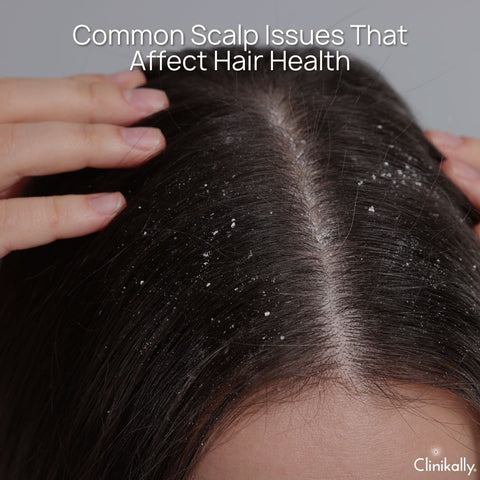
A healthy scalp is critical to strong, healthy hair-but problems such as flaking, inflammation, and infection can seriously impact hair quality and growth. These are the most frequent scalp issues that can interfere with your hair health and how they appear.
- Dandruff: White flakes and itching, dandruff is usually a result of overproduction of oil and yeast growth on the scalp.
- Scalp Psoriasis: An autoimmune disease that causes thick, red, scaly plaques which can disrupt hair follicle health.
- Folliculitis: Bacterial or fungal infection of hair follicles, resulting in red pimples and sometimes localized hair loss.
- Excess Oil Production (Seborrhea): Overactive sebaceous glands secrete more oil, clogging up follicles and causing greasy hair and scalp irritation.
- Scalp Eczema (Atopic Dermatitis): Its symptoms include dryness, itching, and inflammation, usually made worse by harsh products or allergens.
- Buildup of Product or Dead Skin: Dead skin cells and styling product residue can clog pores and decrease oxygen levels in the scalp.
- Tinea Capitis (Scalp Ringworm): A fungal infection that is contagious, which results in round patches of baldness, broken hair, and itching.
- Alopecia Areata: Autoimmune condition in which the immune system attacks hair follicles within the body, causing instant and patchy hair loss.
- Lichen Planopilaris: A rare inflammatory condition that destroys hair follicles, resulting in scarring and permanent hair loss.
- Scalp Sunburn: Constant sun exposure without protection can burn the scalp, causing peeling and excessive hair shedding.
Taking a prompt action against scalp issues is enough to avoid long-term hair damage. Prioritize a scalp care regimen using the appropriate treatments, and consult a dermatologist to keep your hair and scalp healthy.
The Best Scalp Care Practices According to Experts
Trichologists and dermatologists mutually agree that healthy hair begins with a healthy scalp. To promote maximal scalp health, professionals advocate beginning with a mild, sulfate-free shampoo to cleanse without removing natural oils. Weekly exfoliation with a scalp scrub or chemical exfoliant such as salicylic acid removes buildup, excess sebum, and dead skin cells that clog hair follicles. Adding a light scalp serum or tonic containing ingredients such as niacinamide, tea tree oil, or peptides can calm irritation and stimulate blood flow. Steering clear of overheat styling and employing UV-protective hair products can also safeguard the scalp barrier. Above all, a balanced diet full of vitamins B, D, and zinc maintains scalp health from the inside out-making these pro-recommended routines critical for stronger, healthier locks. Continue reading to know more about scalp care in detail.
Essential Steps for a Proper Scalp Care Routine
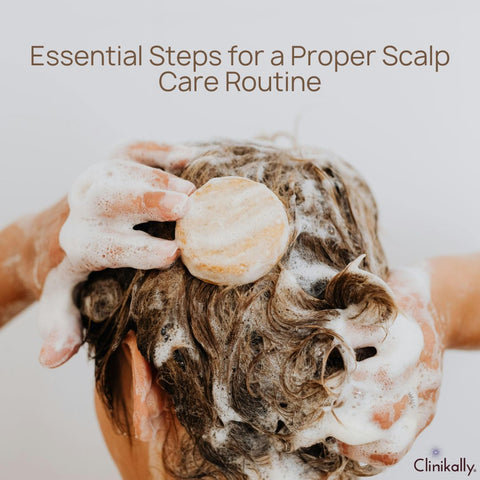
A good scalp care routine is necessary to ensure hair health, encourage growth, and avoid conditions such as dandruff, itchiness, or thinning. Similar to facial skincare, your scalp requires cleansing, hydration, and nutrients regularly to stay in balance and nourish healthy follicles. Adhering to a daily scalp care routine that is appropriate for your needs can restore scalp balance, stimulate blood flow, and improve the overall quality of your hair.
- Begin with a mild scalp cleanser such as Seren Extra Mild Shampoo or an exfoliating shampoo like Aveda Invati Ultra Advanced Exfoliating Shampoo For Thinning Hair to strip away buildup, oil, and dead cells.
- Exfoliate once a week with a scalp scrub or chemical exfoliant to clog pores and trigger follicular regeneration. Pilgrim Patuá & AHA BHA Scalp Scrub is an amazing scalp exfoliator that produces great results.
- Slather on a light, non-comedogenic conditioner like Ducray Anaphase+ Strengthening Conditioner only on lengths to prevent overloading the scalp.
- Add a scalp serum or tonic with actives such as peptides, niacinamide, or caffeine. Alriiz Plus Hair Serum is an excellent recommendation.
- Practice regular scalp massages to enhance circulation and facilitate nutrient supply to hair roots.
- Shun excess heat styling or aggressive treatments that can inflame or irritate the scalp barrier.
- Minimize product layering-too much leave-in or spray can clog up and smother follicles.
- Select pH-balanced products to preserve the scalp's natural acid mantle and microbiome.
- Oil the scalp periodically with light oils such as rosemary or jojoba.
- Keep your scalp safe from sun damage by wearing hats or using SPF-enriched hair care products when going outside.
By following a thoughtful and effective scalp care regimen, you provide the best conditions for optimal hair growth. Small but regular steps can make significant differences in scalp health, leading to thicker, shinier, and healthier hair in the long run.
How Scalp Massages Can Stimulate Hair Follicles
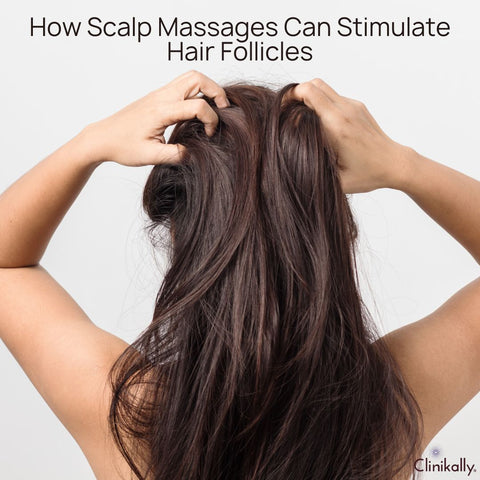
Scalp massages are not only relaxing-they're scientifically proven to promote healthier hair. By manually stimulating the scalp, scalp massages increase blood flow, delivering oxygen and essential nutrients straight to hair follicles. This energizes the follicular cells, prolonging the anagen (growth) stage of the hair cycle. Stress reduction through regular scalp massages also decreases hair loss, making them an easy but effective addition to any hair care regimen.
- Scalp massages bring more blood to the hair follicles, nourishing them with oxygen and vital nutrients.
- They expand the dermal papilla cells, which have a major influence over hair development.
- Massaging increases the secretion of sebum, a natural oil, which conditions the scalp and shields the follicles.
- It can wake up inactive follicles, possibly stimulating regrowth in balding regions.
- Routine massage might prolong the growth stage of hair and postpone entry into the shedding stage.
- They suppress cortisol levels, aiding in reversing stress-induced hair loss such as telogen effluvium.
- Scalp manipulation facilitates lymphatic drainage, eliminating toxins that impede hair health.
- Enhanced circulation allows topical products (such as serums or oils) to penetrate better.
- Massaging loosens dead skin cells and product buildup, keeping follicles clear and operational.
- It enhances the overall scalp environment, supporting stronger, thicker, and more resilient strands.
When done consistently, even a few minutes of daily scalp massage can lead to visible improvements in hair texture, strength, and density-making it a valuable step in any hair growth regimen.
Selecting the Right Products for Scalp Care
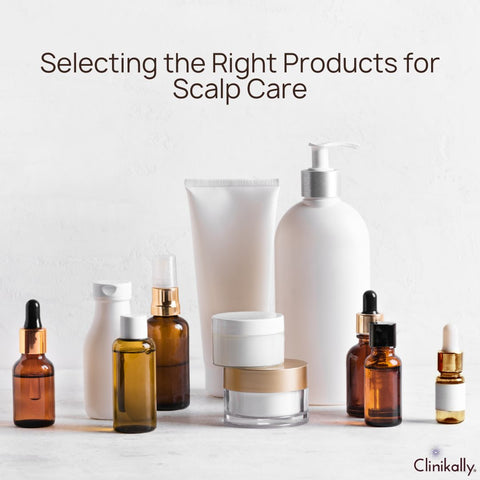
Choosing the right scalp care products is crucial for addressing individual concerns and promoting long-term hair health. Experts point out that not every shampoo, conditioner, or treatment is created with the scalp in mind-many can upset its sensitive pH or cause irritation. Oily scalps with buildup or dandruff are best treated with clarifying shampoos containing salicylic acid or ketoconazole. Sensitive or dry scalps are helped by calming formulas that contain ingredients such as aloe vera, niacinamide, or panthenol. Steering clear of abrasive sulfates, artificial fragrances, and alcohols is the key to scalp equilibrium. Personalizing your routine with specialized solutions-be it scalp exfoliants, serums, or moisturizing oils-keeps your follicles clear, healthy, and able to accommodate stronger, thicker hair in the long run.
Scalp Care Myths and Facts: What You Need to Know
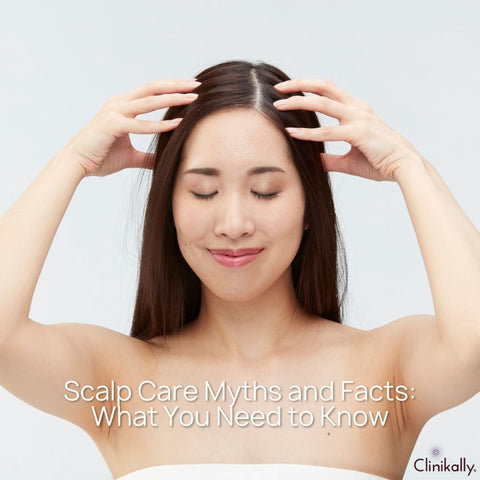
When it comes to scalp care, misinformation is everywhere-ranging from miracle oils to harsh detox routines. But believing these myths can lead to irritation, dandruff, or even hair loss. Understanding the difference between fact and fiction isn’t just helpful-it’s essential for maintaining a healthy scalp and stronger hair. With the increased interest in scalp treatments, hair growth serums, and exfoliating scrubs, it's more crucial than ever to rely on science, not social media, to develop your routine. By dispelling these common scalp care myths, you can select the correct products and develop a routine that promotes long-term hair growth and healthy scalp health.
Debunking Scalp Care Myths
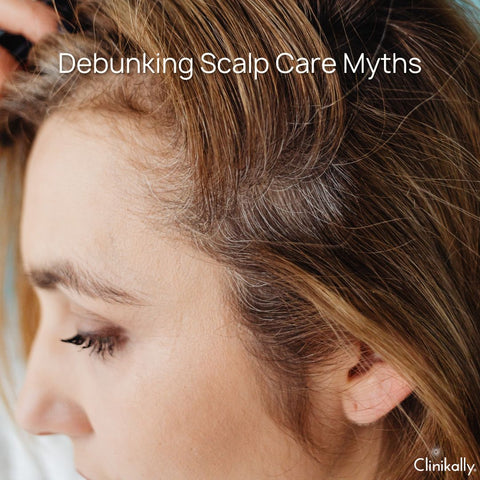
Scalp maintenance is usually shrouded in myths that are more harmful than beneficial in ensuring hair health. Having and believing such myths may result in improper practices, inefficient products, or even scalp problems such as buildup, irritation, or hair loss. Shattering such myths with science-based facts is necessary to know what your scalp actually requires for healthy hair growth and overall scalp health.
1. Myth: Shampooing every day destroys the scalp.
Fact: Every-day shampooing with a gentle, sulfate-free shampoo is fine for oily or sweaty scalps, provided it doesn't strip the oils.
2. Myth: Dandruff results from a dry scalp.
Fact: The majority of dandruff is caused by too much oil and an overgrowth of yeast, not dryness.
3. Myth: Oiling the scalp at night always benefits it.
Fact: Oil left on too long will clog pores and pull in dirt, particularly on oily or acne-ridden scalps.
4. Myth: Scrubbing your scalp vigorously while shampooing is better.
Fact: Aggressive scrubbing can disfigure the skin barrier-gentle massaging is safer and more effective.
5. Myth: Scalp exfoliation is not needed.
Fact: As with facial skin, scalp skin should be regularly exfoliated to clear away buildup and get follicles going.
6. Myth: Hair products have no impact on the scalp.
Fact: Hair products do impact the scalp. Residue on the scalp can lead to clogged follicles and irritation over time.
7. Myth: Itching is always dryness.
Fact: Itching can also be a sign of buildup, fungal infection, or allergic reaction-not merely dryness.
8. Myth: Natural oils can heal all scalp problems.
Fact: Some oils are beneficial, but psoriasis or seborrheic dermatitis requires special, medicated treatment.
9. Myth: Hair loss has nothing to do with the scalp.
Fact: Most types of hair loss originate at the follicle level-within the scalp.
10. Myth: Only people with hair loss need scalp care.
Fact: Scalp care benefits everyone-it supports healthy follicles and prevents future problems.
Understanding the truth behind these myths helps you make informed choices and build a scalp care routine that genuinely supports long-term hair and scalp health.
Expert Tips for Maintaining a Healthy Scalp
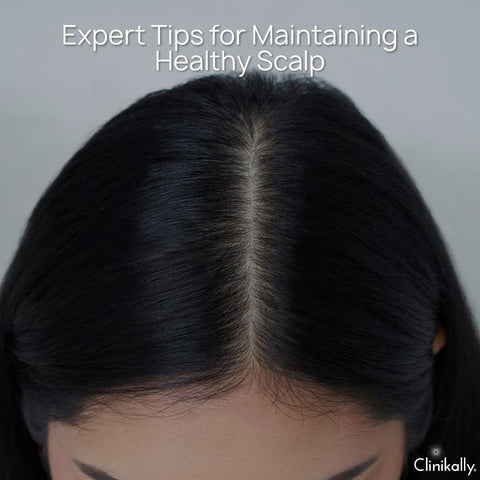
A healthy scalp is the basis of thick, strong, and shiny hair. Whether you're fighting hair loss, dandruff, or oily hair, scalp health is responsible for attaining long-term hair aspirations. Top dermatologists stress that a well-fed, well-balanced scalp is significant in stimulating hair growth as well as reducing scalp inflammation. Here are 10 revised doctor-approved tips to revolutionize your scalp care routine for healthier hair and scalp.
- Choose pH-balanced, fragrance-free cleansers to effectively cleanse the scalp without depleting its natural barrier.
- Shampoo according to activity levels, not hair type-if you exercise daily, wash more often to prevent sweat buildup.
- Utilize a clarifying shampoo such as Cafune Clarifying Conditioning Shampoo every 10–14 days to thoroughly clean product residue, pollution, and excessive sebum.
- Use pre-shampoo scalp products with natural clays or tea tree oil to detox and calm irritated or flaky scalps.
- Strengthen your scalp microbiome with prebiotic-enriched scalp mists or tonics that promote good bacteria balance. Lador Keratin Layered Oil Hair Mist is one such hair care product that nourishes your scalp.
- Replace cotton pillowcases with satin ones to minimize friction and scalp irritation induced by cotton while sleeping.
- Add LED scalp therapy devices at home to enhance microcirculation and stimulate hair follicles.
- Never use conditioner on the scalp itself, as it can cause pore blocking and folliculitis.
- Shield your scalp from harsh weather-apply hydrating leave-in treatments such as Milk Shake Leave-In Conditioner in winter and lightweight SPF sprays in summer.
- Boost scalp health with supplements of zinc, vitamin D, saw palmetto, and marine collagen for internal enrichment. VB7 Hair Tablet, Densyl Advanced Hair Growth Tablet and Cosmofix GMP Ultimate Hair Care Tablet Kit are few excellent recommendations.
By following a customized scalp care routine and sticking to it, you can avoid typical problems such as flakiness, inflammation, or hair snapping, while paving the way for more visibly healthy, thicker-looking hair.
When to Seek Professional Scalp Treatments
While a consistent at-home scalp care routine can maintain general scalp health, certain conditions call for professional attention. If you see persistent problems such as bad dandruff, scalp acne, inexplicable thinning of hair, strong itchiness, redness, or flaking that fails to correct with non-prescription solutions, it's time to see a dermatologist or trichologist. Chronic inflammation of the scalp or conditions such as seborrheic dermatitis, psoriasis, and alopecia need clinical diagnosis and specific therapies. Professional scalp treatments-like scalp detox, PRP (platelet-rich plasma) therapy, LED light therapy, or medicated topical treatments-may also be used to treat more invasive issues at the follicular level. Tackling the issue early not only treats the underlying cause but also avoids causing permanent damage, promoting healthful hair growth and reduced scalp discomfort.
Tailoring Your Scalp Care Routine for Optimal Hair Health
Developing an individualized scalp care regimen is necessary to achieve long-term hair health and avoid problems such as hair loss, dandruff, or irritation. Experts suggest identifying your scalp type-oily, dry, sensitive, or flaky-and selecting products that address those particular issues. Use scalp-friendly ingredients like salicylic acid for exfoliating, niacinamide for calming, and biotin for fortifying hair follicles. Daily cleansing, weekly exfoliating, and moisturizing serums or tonics can make a tangible impact on hair volume and luster. Steer clear of harsh chemicals, over-styling, and product buildup that throw off the scalp's natural pH. By hearing out your scalp's demands and making adjustments to your routine based on them, you provide the perfect conditions for thicker, more robust, and healthier hair growth-positioning scalp care at the foundation of every successful hair care routine.