Kojic Acid vs Tranexamic Acid Which is Better for Clearer Skin
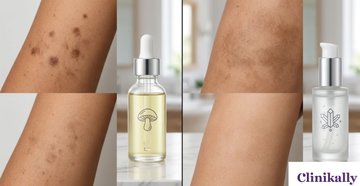
Dark spots, uneven skin tone, and stubborn pigmentation. If you've been struggling with these, you've likely encountered two of skincare's most talked-about brightening ingredients: kojic acid and tranexamic acid.
But with so many brightening ingredients products flooding the market, the real question is which one actually works for your skin concern?
Kojic Acid and Tranexamic Acid both ingredients are popular for the brighthen skin tone. They target hyperpigmentation but both work in completely different ways at different skin depths, and deliver results on very different timelines. Choosing the wrong one could mean weeks of wasted effort and money.
In this article, we provide a comprehensive comparison of kojic acid vs tranexamic acid, covering how each works, who they're best suited for, their side effects, and ultimately, which one deserves a spot in your skincare routine.
Whether you're dealing with melasma, post-acne marks, or general dullness, you'll find your answer here.
Understanding Tranexamic Acid and How It Brightens Skin
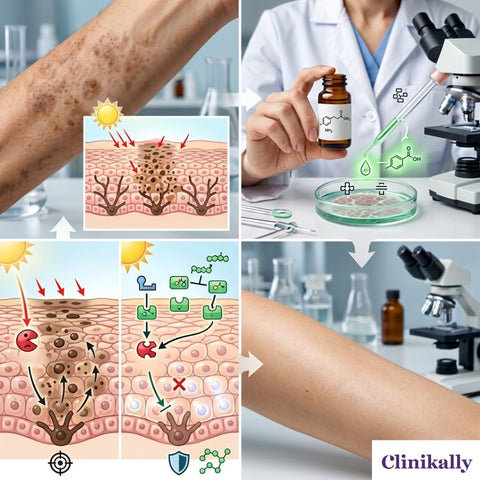
Tranexamic acid seems like a lab chemical, but it has become one of the dermatology's most trusted ingredients to treat stubborn pigmentation, particularly melasma. Here's everything you need to know:
-
Medical Ingredient: Tranexamic acid was initially discovered to prevent excessive bleeding. Dermatologists found that it has a powerful effect in terms of skin discoloration and it rapidly enters a topical skin care product.
-
Works deeper than most brightening agents: Unlike ingredients that only address surface-level pigmentation, tranexamic acid interrupts the signals between skin cells that trigger excess melanin production. It targets the root cause of discoloration at a deeper skin level.
-
Ideal concentration in skincare: The optimal topical preparation includes 2% to 5% tranexamic acid. It may be that products outside these ranges are ineffective in producing the desired results, or they may be too harsh to use every day.
-
Clinically proven for melasma: Several clinical trials have backed tranexamic acid's efficacy in particular for melasma, a common and hard-to-treat form of deep, hormone-induced pigmentation.
-
Exceptionally well-tolerated: One of tranexamic acid's biggest advantages is its gentle nature. Does not exfoliate or peel skin and is safe for sensitive, reactive and deeper skin tones.
What Is Kojic Acid and Why Is It Used in Brightening Skincare?
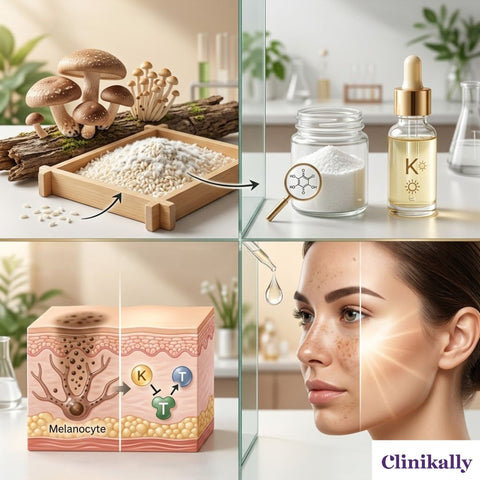
Kojic acid has been a staple in brightening skincare for decades and for good reason. Derived from nature, fast-acting at the surface level, and widely available, it remains one of the most popular ingredients for tackling dark spots. Here's what you need to know:
-
Natural origin: Kojic acid is naturally derived from certain types of fungi and is produced as a byproduct during the fermentation of rice, sake, and soy sauce. This makes it one of the few genuinely natural brightening agents in mainstream skincare.
-
Works by blocking the melanin enzyme: Kojic acid is a tyrosinase inhibitor meaning it directly blocks tyrosinase, the enzyme your skin needs to produce melanin. Less tyrosinase activity equals less pigmentation over time.
-
Best for surface-level pigmentation: Kojic acid is particularly effective at treating discoloration that sits closer to the skin's surface such as post-acne marks, sun spots, age spots, and mild uneven skin tone.
-
Effective concentration range: Products formulated with 1% to 4% kojic acid are considered effective. Higher concentrations increase the risk of irritation without delivering proportionally better results.
Kojic acid vs tranexamic acid: Which is better for you?
Kojic acid and tranexamic acid are both amazing at fading discoloration. Unlike kojic acid, which is a classic antioxidant-type ingredient to prevent pigment, tranexamic acid is better at calming inflammatory triggers to reduce stubborn and dark patches. The selection will depend on the level of skin sensitivity and the type of hyperpigmentation you are dealing with.
|
Features |
Kojic Acid |
Tranexamic Acid |
|
Best For |
Fresh acne scars, sun spots, and quick surface brightening. |
Melasma of long-standing nature, deep pigmentation and redness-prone skin. |
|
How It Works |
Shuts down tyrosinase (the active enzyme that creates pigment/melanin). |
Inhibits the inflammatory process which causes cells to synthesize extra melanin. |
|
Skin Type |
Best for resilient or oily skin; can irritate sensitive skin types. |
Exceptional for all skin types, including sensitive, dry, or rosacea-prone skin. |
|
Results Timeline |
Faster results, often visible within 4 to 6 weeks. |
Works slowly and deeply over the course of 8-12 weeks of regular application. |
|
Side Effects |
Can cause redness, contact dermatitis, or mild stinging if overused. |
Virtually zero side effects; highly stable and soothing. |
|
Usage Time |
Best used in 2 to 3-month cycles to prevent skin sensitization. |
Absolutely safe and highly effective for daily application. |
|
The Verdict |
Choose this if you want a fast, powerful spot-corrector and your skin isn't sensitive. |
If you are trying to treat recalcitrant melasma or looking for an exceptionally gentle product, then this is your choice. |
Kojic Acid vs Tranexamic Acid for Dark Spots
These two ingredients are actually quite different in their mechanism of returning to an even skin tone when it comes to fading isolated sun spots and acne marks. Let's compare how they do on lifting localised discoloration:
|
Attributes |
Kojic Acid |
Tranexamic Acid |
|
Primary Target |
Sun spots, acne scars (PIH), and fresh surface spots. |
Resistant, UV-induced dark spots and persistent discoloration. |
|
How It Works |
Chelation therapy (binds to copper to shut down the spot-activating enzyme, tyrosinase). |
Disruption of signaling pathways (prevents the transfer of pigment between skin cells). |
|
Speed of Results |
Relatively fast; changes are often visible in 4 to 6 weeks. |
Slow and penetrating; generally takes 8-12 weeks of regular application. |
|
Best For |
Quickly lifting individual dark spots on resilient skin types. |
Fades stubborn spots that appear in clusters and prevents future spots from appearing. |
Kojic Acid vs Tranexamic Acid for Hyperpigmentation
If you're looking to treat generalized hyperpigmentation, you need to find a balance between the ingredients and the sensitivity of your skin. This breakdown shows how each acid deals with the discoloration and overall skin tolerance.
|
Attributes |
Kojic Acid |
Tranexamic Acid |
|
Hyperpigmentation Type |
Post-inflammatory hyperpigmentation (dark marks left behind by acne or injuries). |
General sun damage, redness-causing pigmentation and deeper PIH. |
|
Skin Sensitivity Risk |
Moderate to High; known to cause contact dermatitis or redness in sensitive skin. |
Very Low; highly stable and extremely mild, suitable for sensitive and rosacea skin. |
|
Pairing Synergy |
Pairs beautifully with Vitamin C, Glycolic Acid, and Retinol. |
Pairs exceptionally well with Niacinamide, Vitamin C, and Kojic Acid itself. |
Kojic Acid vs Tranexamic Acid for Melasma
Melasma is a difficult condition to treat, as it doesn't happen just with the UV damage but also with hormones and deep inflammation. The reason one of these ingredients has been recently identified as a clinical gold standard to battle the stubborn condition.
|
Attributes |
Kojic Acid |
Tranexamic Acid |
|
Melasma Efficacy |
Moderate; provides surface-level brightening but rarely resolves deep hormonal melasma. |
High (Gold Standard); effectively targets the vascular (blood vessel) component of melasma. |
|
Root Mechanism |
Suppresses melanin synthesis directly at the enzyme level. |
Blocks the inflammatory pathway (plasminogen system) triggered by UV rays and hormones. |
|
Longevity of Treatment |
Best used in 2 to 3-month cycles to avoid skin sensitization. |
Safe for long-term, continuous daily use without thinning the skin barrier. |
|
Dermatologist Verdict |
A great supporting player, but rarely used as a standalone treatment for melasma. |
Widely considered the superior topical choice for managing chronic, hormonal melasma. |
Best Kojic Acid and Tranexamic Acid Products Recommendation for Your Skin
Finding the right anti-pigmentation product depends entirely on how your skin handles active ingredients. This curated selection features highly effective creams and serums that combine the biological pathways of both Kojic Acid and Tranexamic Acid to clear up dark spots, calm down melasma flare-ups, and balance out an uneven skin tone.
This carefully selected range includes potent creams and serums formulated with Kojic Acid and Tranexamic Acid to target dark spots, reduce melasma-related discoloration, and promote a more even-looking complexion.
|
Product Name |
Key Active Ingredients |
Primary Skin Focus |
Product Type |
|
Kojic Acid, Tranexamic Acid, Niacinamide, Alpha-Arbutin |
Sensitive skin hyperpigmentation & dark spots |
Serum |
|
|
Kojic Acid Dipalmitate, Licorice Extract, Lumiskin |
Stubborn melasma, freckles, and dark spots |
Cream |
|
|
Tranexamic Acid, Kojic Acid Dipalmitate, Isononyl Isononanoate |
Sun spots, melasma, and stubborn dark patches |
Serum |
|
|
Arbutin, Azelaic Acid Liposomes, Mulberry Extract |
Old/new dark spots & barrier-safe brightening |
Cream |
|
|
Vitamin C, Aqua, Caprylic |
Melasma, freckles, and acne scars (PIH) |
Cream |
|
|
Tranexamic Acid, Kojic Acid Dipalmitate, Alpha Arbutin |
Nighttime pigment correction & radiance boosting |
Cream |
|
|
Tranexamic Acid, Vitamin C, Niacinamide, Licorice |
Post-acne marks, dullness, and a lightweight glow |
Serum |
How to Use Them Safely and Effectively?

Because these two ingredients target completely different steps in the hyperpigmentation process, they actually make a phenomenal team when used together. While tranexamic acid calms the deep inflammatory signals that trigger pigment cells, kojic acid works at the surface level to shut down the enzymes that manufacture dark spots. To maximize their skin-brightening synergy without compromising your protective skin barrier, you must follow a strategic application method.
A Step-by-Step Integration Guide
-
Phase 1: The 48-Hour Patch Test: Before applying any new active to your face patch-test of that product on your inner forearm or just under your jawline for two consecutive nights. If you don't experience any itching, redness, or bumps, it is safe to proceed.
-
Phase 2: The Slow Application (Weeks 1 & 2): Never apply two strong brighteners at full strength simultaneously. Start by using your tranexamic acid every morning, and add your kojic acid product just two to three nights a week to let your skin acclimate.
-
Phase 3: Building Tolerance (Weeks 3+): If your skin is tolerating the routine without dryness or irritation, you can gradually increase your kojic acid usage to every other night, eventually working up to nightly use.
-
Phase 4: The Strategic Pause (Month 3): While tranexamic acid is perfectly safe for long-term, indefinite daily use, kojic acid should be cycled. To prevent your skin from developing contact dermatitis or sensitization, pause your kojic acid use after three months. Take a four-to-six-week break, relying solely on your tranexamic acid to maintain your glowing results.
Side Effects of Kojic Acid vs Tranexamic Acid

Kojic Acid Side Effects
Kojic acid is generally safe, but may cause contact dermatitis, which is characterized by redness, itching and irritation particularly at 1% or higher. May cause increased sensitivity in the skin over long term use, making skin more prone to sunburn. Some users experience a paradoxical effect where overuse triggers post-inflammatory hyperpigmentation, worsening the very concern it targets.
Tranexamic Acid Side Effects
The topical tranexamic acid has a very mild side effect profile. Some mild dryness or slight irritation can happen at first, but it is uncommon for it to be severe. When consumed orally (for melasma), it has a greater potential for side effects such as nausea, stomach discomfort and a rare but serious side effect, the formation of blood clots (thromboembolism), which must be monitored by a healthcare professional.
Conclusion: The Ultimate Brightening Verdict
There is no one right way to get an even shine to your face. Now the question is whether to use Kojic Acid or Tranexamic Acid, as it depends on your skin type and the root cause of pigmentation.
Kojic Acid is the best choice if you have persistent sun spots, fresh acne marks that don't respond to the active botanicals and need surface brightening to be done quickly. On the other hand Tranexamic Acid is the clinical gold standard that fights inflammation without affecting your skin barrier in cases of chronic, vascular-driven melasma, deep-set patches or highly sensitive skin.
At the end you don't need to pick a single one. These are designed to work on entirely separate steps of pigment production, which is why when paired together through a carefully formulated combination. Regardless of the method you use, remember that consistency and daily broad-spectrum sunscreen are two things you can't live without to ensure long lasting flawless results.