



- Malassezia
- Biofilm
- Malassezia Biofilm
- Symptoms of Malassezia Overgrowth
- Causes of Malassezia
- Malassezia Biofilm Treatment
- Natural Remedies
- Prevention
- FAQs
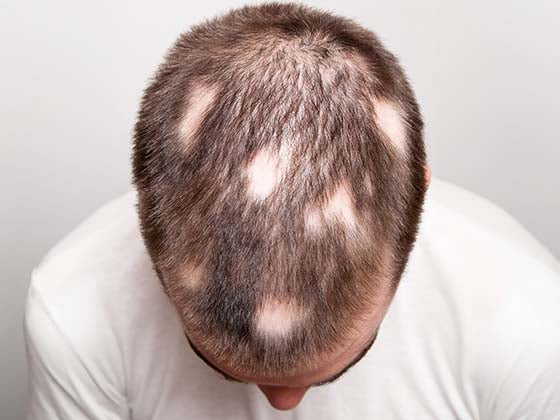
Persistent dandruff, itchy scalp, redness, and recurring skin irritation can sometimes be linked to an overgrowth of Malassezia, a yeast that naturally lives on the skin. In some individuals, this overgrowth may contribute to inflammation, flaking, fungal acne, and scalp discomfort, especially in oily areas of the body.
Researchers are also studying whether Malassezia can form protective biofilm-like structures that may help the yeast persist on the skin and contribute to recurring symptoms in certain skin and scalp conditions.
In this blog, we will explore how Malassezia biofilms may affect skin and scalp health, the symptoms and conditions associated with overgrowth, and the most effective ways to manage these concerns.
What Is Malassezia?

Malassezia is a genus of fungi that is classified as yeast. It is a normal part of the human skin microbiome, meaning it naturally lives on the skin alongside bacteria and other microorganisms without causing problems in most people.
This yeast is lipophilic, which means it thrives in oily environments. It feeds on the fatty acids found in sebum, the natural oil produced by the skin’s sebaceous glands. Because of this, Malassezia is most commonly found in oil rich areas such as the scalp, face, chest, and back.
There are several species of Malassezia, but the ones most commonly associated with skin concerns include Malassezia globosa and Malassezia furfur. Under certain conditions, such as excess oil production, heat, humidity, sweating, or skin barrier imbalance, the yeast can multiply excessively and contribute to inflammation and skin irritation.
What Is a Biofilm?

To understand why some skin conditions can keep returning, it helps to understand biofilms.
A biofilm is a structured community of microorganisms, such as bacteria or fungi, that attach to a surface and surround themselves with a protective outer layer. In simple terms, a biofilm acts like a shield that helps microorganisms survive in challenging environments.
This protective layer is made of substances like proteins, sugars, and DNA produced by the microorganisms themselves. Biofilms can develop on many surfaces, including the skin, scalp, teeth, wounds, and medical devices.
When microorganisms form a biofilm, they may become more difficult to completely remove because the protective layer can help them stay attached to surfaces, survive environmental stress, avoid removal from the skin, and become less responsive to some treatments.
Biofilms are well studied in bacteria, but scientists are still exploring how fungal organisms, including Malassezia yeast, may form biofilm-like structures.
Some researchers believe these biofilms could contribute to recurring symptoms in conditions like dandruff and seborrheic dermatitis. However, research on Malassezia biofilms is still developing, and not every case involves biofilm formation.
Can Malassezia Form Biofilms?

Researchers believe that certain species of Malassezia may be able to form biofilm-like structures under specific conditions. Studies have observed these structures in laboratory settings and in some clinical samples linked to skin and scalp disorders.
Scientists are still studying how important these biofilms are in everyday dermatology. Some researchers believe they may contribute to persistent inflammation, recurring symptoms, and reduced response to treatment in certain individuals.
A Malassezia biofilm may help the yeast stay attached to the skin, survive environmental stress, and persist in oily areas of the body. This could partly explain why some conditions linked to Malassezia, such as dandruff and seborrheic dermatitis, may return even after temporary improvement.
However, it is important to understand that research on Malassezia biofilms is still developing. Standard antifungal shampoos and topical treatments remain effective for many people, and biofilm formation is not considered a fully established explanation for all recurring cases.
Researchers are also exploring whether biofilms may play a role in fungal acne and scalp irritation, but more studies are needed before firm conclusions can be made.
Skin Conditions Linked to Malassezia Overgrowth

When Malassezia yeast grows excessively, it may contribute to inflammation and irritation on the skin. Researchers are also studying whether biofilm formation could play a role in persistent or recurring symptoms in some individuals. Here are some of the most common skin conditions associated with Malassezia overgrowth:
Dandruff
Malassezia dandruff is one of the most common scalp conditions worldwide. The yeast breaks down the natural oils on the scalp into substances such as oleic acid. In sensitive individuals, this can irritate the scalp and increase skin cell turnover, leading to white or yellow flakes.
Common symptoms include itching, scalp irritation, and visible flakes on the hair or shoulders. Stress, sweating, oily hair products, and humid weather may worsen symptoms in some people.
Seborrheic Dermatitis
Seborrheic dermatitis is a chronic inflammatory skin condition often linked to Malassezia overgrowth. It causes red, greasy skin covered with flaky white or yellow scales. It most commonly affects oily areas such as the scalp, eyebrows, sides of the nose, ears, and chest.
Symptoms often come and go over time and may worsen during stress, cold weather, or hormonal changes. Although the exact cause is complex, Malassezia activity, skin barrier dysfunction, and inflammation are believed to contribute to the condition.
Pityrosporum Folliculitis (Fungal Acne)
Pityrosporum folliculitis, commonly called fungal acne, occurs when Malassezia affects the hair follicles. It appears as small, itchy, uniform bumps, usually on the chest, back, shoulders, or forehead.
Unlike traditional acne, fungal acne is caused by yeast rather than bacteria. Because of this, regular acne treatments alone may not fully clear the condition, and antifungal treatment is often needed for improvement.
Common Symptoms of Malassezia Overgrowth

Malassezia overgrowth can affect both the skin and scalp, leading to symptoms that are often mistaken for dandruff, acne, or eczema. These symptoms usually appear in oily areas of the body where Malassezia yeast naturally thrives, such as the scalp, face, chest, shoulders, and back. The severity can vary from mild flaking and itching to persistent irritation and recurring flare ups.
If you suspect you may have a Malassezia related skin condition, here are some common symptoms to look for:
-
Persistent itching: One of the most common symptoms, especially on the scalp, chest, back, or forehead.
-
Small, uniform bumps: Tiny red- or skin-colored bumps that often appear in clusters, which is common in fungal acne.
-
Oily flakes or scales: White or yellowish flakes that may feel greasy, particularly on the scalp or around the nose and eyebrows.
-
Redness and irritation: Inflamed or sensitive patches of skin that may burn, itch, or feel uncomfortable.
-
Recurring flare ups: Symptoms that improve temporarily but keep returning, especially during humid weather, sweating, stress, or periods of excess oil production.
Malassezia symptoms commonly affect oily areas of the body such as the scalp, face, chest, shoulders, and upper back. In some cases, these symptoms may resemble eczema, traditional acne, psoriasis, or allergic skin reactions, which is why proper diagnosis is important if symptoms persist.
What Causes Malassezia Overgrowth?

Several factors can disturb the balance of microorganisms on the skin and encourage Malassezia overgrowth. Since this yeast thrives in oily and humid environments, certain lifestyle habits, skin conditions and environmental triggers may increase the risk of flare ups. Here are some common causes that can trigger Malassezia overgrowth:
-
Humidity and Sweating: It grows best in warm, moist environments. Excess sweating, humid weather, and tight clothing that traps moisture against the skin may worsen symptoms.
-
Excess Oil Production: Because Malassezia feeds on the oils naturally produced by the skin, people with oily skin or oily scalps may be more prone to overgrowth and irritation.
-
Heavy or Occlusive Skincare Products: Certain skincare and haircare products, especially thick creams and greasy oils, may trap oil and sweat on the skin. In some individuals, this can worsen fungal acne or scalp irritation.
-
Hormonal Changes: This can increase oil production, especially during puberty, stress or certain hormonal conditions. These hormonal changes may increase oil production, which can create an environment where Malassezia grows more easily.
-
Stress and Skin Barrier Changes: Stress may affect the skin barrier and immune response, potentially making the skin more sensitive to irritation and inflammation.
-
Immune System Changes: People with weakened immune function may be more likely to develop severe or recurring Malassezia related skin conditions.
-
Antibiotic Use: Long term antibiotic use may disrupt the natural balance of microorganisms on the skin, which can sometimes allow yeast overgrowth to occur more easily.
Understanding these triggers can help reduce flare ups and support better long-term management of Malassezia related skin problems.
How to Treat Malassezia Biofilm and Overgrowth

The goal of Malassezia treatment is to reduce yeast overgrowth, calm inflammation, and support the skin barrier. Treatment may vary depending on the severity of symptoms, the affected area, and the specific skin condition involved. While researchers are still studying the role of biofilms in Malassezia related skin disorders, consistent antifungal treatment and proper skincare remain the foundation of effective management.
Antifungal Shampoos and Topical Treatments
Topical antifungal products are usually the first line of treatment for dandruff, seborrheic dermatitis, and fungal acne. These products help reduce the growth of Malassezia yeast on the skin and scalp. Here are some common antifungal ingredients found in shampoos and topical treatments:
-
Ketoconazole: One of the most widely used antifungal ingredients for dandruff and seborrheic dermatitis.
-
Zinc Pyrithione: This helps reduce yeast growth and scalp flaking.
-
Selenium Sulfide: It is often used for stubborn dandruff and oily scalp conditions, although it may feel drying for some people.
-
Ciclopirox Olamine: This acts as an anti-inflammatory ingredient.
-
Sulfur: This may help reduce oiliness and support exfoliation in some cases of fungal acne.
Some dermatologists may also recommend ingredients like salicylic acid to help reduce excess buildup and flakes on the scalp. Researchers are still exploring whether ingredients that support exfoliation may also help disrupt biofilm like structures associated with microorganisms.
For best results, medicated shampoos such as Self-KT Shampoo, Opirox-Z Shampoo With ZPTO and Clearscalp Shampoo, should usually be left on the scalp for several minutes before rinsing. Consistent use is important, and some individuals may need maintenance therapy to reduce recurring flare ups.
Oral Antifungal Medications
For moderate or severe cases, especially widespread fungal acne or persistent seborrheic dermatitis, dermatologists may recommend oral antifungal medications such as fluconazole or itraconazole.
These medications work from within the body and may be helpful when topical treatments alone are not enough. Because oral antifungals can cause side effects or interact with other medications, it is important to consult your dermatologist before taking one.
Gentle Skincare and Scalp Care
Gentle skincare and proper scalp care play an important role in managing Malassezia related conditions. Over scrubbing, harsh exfoliation and irritating skincare products can damage the skin barrier and worsen inflammation.
Using a gentle cleanser and washing sweaty skin promptly may help reduce irritation and excess oil buildup. It is also important to avoid heavy or greasy skincare products that can trap moisture and oil on the skin. Choosing lightweight, non-comedogenic moisturizers may be more suitable for people prone to fungal acne or oily skin.
Regular scalp hygiene can also help manage symptoms, especially in people with oily scalps or persistent dandruff. Avoiding excessive scratching is important because repeated irritation may worsen inflammation and discomfort. Keeping the skin cool and dry may also help reduce flare ups in hot and humid conditions.
Can Natural Remedies Help?

Some natural remedies may help soothe irritation or support scalp care, but they should not replace medical treatment. While a few ingredients have shown mild antifungal or anti-inflammatory properties in research, evidence for their effectiveness against Malassezia overgrowth remains limited. Natural remedies may provide supportive care in mild cases, but persistent symptoms usually require proper antifungal treatment. Here are some natural remedies that may help in treating Malassezia:
-
Tea Tree Oil: It has antifungal properties and may help reduce scalp irritation in some individuals. However, it should always be diluted before use because concentrated tea tree oil may irritate the skin.
-
Aloe Vera: It may help soothe redness and irritation because of its calming properties. Some people find it helpful for dry or irritated skin associated with seborrheic dermatitis.
-
Probiotics: Research on probiotics and skin health is still evolving. Some studies suggest it may support microbiome balance and skin barrier function. However, evidence for probiotics specifically treating Malassezia overgrowth remains limited.
-
Apple Cider Vinegar: It can help balance the pH of the scalp, making it less hospitable for yeast.
Prevention Tips for Recurring Malassezia Problems

Malassezia related skin conditions can often return if the underlying triggers are not managed properly. Since this yeast naturally lives on the skin, the goal is not to remove it completely but to keep its growth balanced and under control. Consistent skincare, scalp care, and lifestyle habits can help reduce flare ups and support healthier skin over time. Here are some common tips to prevent recurring Malassezia problems:
-
Keep the Skin Clean and Dry: Wash sweaty areas after exercise or heavy sweating. Moist environments may encourage yeast growth.
-
Use Antifungal Shampoo: People prone to recurring dandruff or seborrheic dermatitis may benefit from maintenance use of antifungal shampoo.
-
Avoid Heavy Oily Products: Choose lightweight skincare and haircare products whenever possible.
-
Shower After Sweating: Sweat trapped on the skin can worsen fungal acne and scalp irritation.
-
Wear Breathable Clothing: Tight or sweaty clothing may trap heat and moisture against the skin.
-
Support the Skin Barrier: Use gentle cleansers and moisturizers to avoid unnecessary irritation.
-
Manage Stress: Stress may contribute to flare ups in some individuals.
-
Maintain Good Scalp Hygiene: Regular washing may help reduce oil buildup and scalp irritation.
Consistency is important. Even after symptoms improve, maintenance care may help reduce recurrence.
When to See a Dermatologist

Mild dandruff or fungal acne may improve with over-the-counter treatments, but persistent or recurring symptoms should be evaluated by a dermatologist. Since Malassezia related skin conditions can resemble acne, eczema, or psoriasis, proper diagnosis is important.
You should seek medical advice if you experience severe itching, painful inflammation, thick scaling, recurring flare ups, or breakouts that do not improve with regular treatment. A dermatologist can identify the underlying cause and recommend the most effective treatment plan for your skin and scalp condition.
Final Thoughts: Managing Malassezia for Healthier Skin

Managing Malassezia is about maintaining balance rather than completely removing the yeast from the skin. Since Malassezia is a natural part of the skin microbiome, the goal of treatment is to control overgrowth, reduce inflammation, and prevent recurring flare ups.
Consistent skincare and scalp care play an important role in long term management. Using appropriate antifungal treatments, avoiding overly heavy or greasy products, and supporting the skin barrier may help keep symptoms under control. If symptoms persist or frequently return, consulting a dermatologist can help you find the most effective treatment approach for your skin and scalp condition.











1 comment
Teresa. Heywood
What type of specialist should I see for Malasserzia. in the scalp?
What type of specialist should I see for Malasserzia. in the scalp?