



Polyendocrine Metabolic Ovarian Syndrome (PMOS), previously known as Polycystic Ovary Syndrome (PCOS), is a hormonal and metabolic condition that can often contribute to persistent acne. Increased androgen levels, excess oil production, inflammation, and insulin resistance may all play a role in triggering frequent breakouts and making acne more difficult to manage.
Managing PMOS related acne usually requires a combination of skincare, lifestyle modifications, dietary changes, and medical treatment. In this blog, we will discuss how PMOS can cause acne, its common triggers, effective treatment options, skincare tips, and lifestyle changes that may help support clearer and healthier looking skin.
Understanding PMOS (PCOS) and Its Impact on Skin Health

Polyendocrine Metabolic Ovarian Syndrome (PMOS), previously known as Polycystic Ovary Syndrome (PCOS), is a common hormonal and metabolic condition that affects many women during their reproductive years. PMOS can influence several body systems, including the skin, due to hormonal imbalances, increased androgen levels, inflammation, and insulin resistance.
These hormonal changes can lead to excess oil production, clogged pores, acne breakouts, and other skin concerns that may affect both physical comfort and confidence. Since symptoms and severity can vary from person to person, working closely with a healthcare professional can help create a personalized treatment and skincare plan based on individual needs.
What is PMOS (Previously PCOS)?
Polyendocrine Metabolic Ovarian Syndrome (PMOS), previously known as Polycystic Ovary Syndrome (PCOS), is a hormonal and metabolic condition that can affect ovulation, menstrual health, skin, weight, and overall well being. It is commonly associated with increased androgen levels, insulin resistance, and inflammation, all of which can contribute to symptoms such as acne, irregular periods, excessive hair growth, and weight fluctuations.
Although the earlier term PCOS referred to the presence of multiple small cysts in the ovaries, not everyone with PMOS develops ovarian cysts. The condition is now understood as a broader endocrine and metabolic disorder rather than only an ovarian condition. Hormonal imbalances linked with PMOS can interfere with normal ovulation and increase androgen production, which may worsen acne and other skin related concerns.
How PMOS Can Cause Acne

Polyendocrine Metabolic Ovarian Syndrome (PMOS), previously known as PCOS, is closely linked with hormonal and metabolic imbalances that can significantly affect skin health. These internal changes can increase oil production, clog pores, and trigger persistent or recurring acne, especially around the jawline, cheeks, chin, and lower face.
-
Increased Androgen Levels: Women with PMOS often have elevated levels of androgens such as testosterone. These hormones can stimulate the sebaceous glands to produce excess oil or sebum. When excess oil combines with dead skin cells and bacteria, it can clog pores and lead to acne breakouts, blackheads, and inflammation.
-
Insulin Resistance and Inflammation: Insulin resistance is commonly associated with PMOS. When the body becomes less responsive to insulin, insulin levels may rise, which can further increase androgen production. Elevated insulin levels and chronic inflammation may worsen acne severity and contribute to frequent flare ups.
-
Hormonal Fluctuations: PMOS can also disrupt the balance of hormones involved in the menstrual cycle, including estrogen and progesterone. These hormonal fluctuations may increase skin sensitivity, excess oil production, and breakouts, particularly around menstrual cycles.
Common Skin Concerns Associated with PMOS

PMOS (formerly PCOS), can affect the skin in several ways due to hormonal imbalances, increased androgen levels, insulin resistance, and inflammation. These changes may contribute to persistent or recurring skin concerns that can vary in severity from person to person.
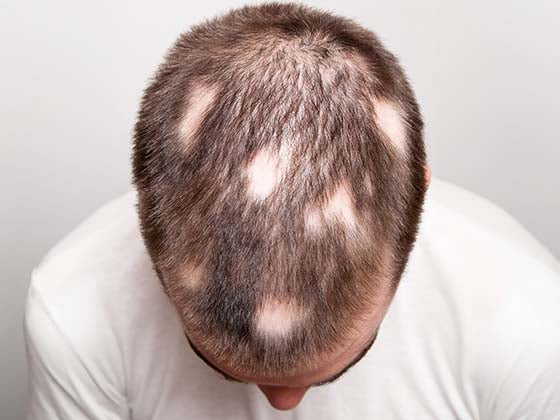
Some of the most common skin concerns associated with PMOS include acne, oily skin, excessive facial or body hair growth (hirsutism), dark velvety patches on the skin known as acanthosis nigricans, skin tags, and hair thinning or female pattern hair loss. Hormonal fluctuations may also increase skin sensitivity and post acne pigmentation in some individuals.
Managing these skin concerns often requires a combination of medical treatment, consistent skincare, healthy lifestyle habits, and hormonal management. Since symptoms can differ for every individual, consulting a dermatologist or healthcare professional can help create a personalized treatment approach based on specific skin and hormonal needs.
Effective Treatments for PMOS Related Acne

Treating acne associated with PMOS (formerly PCOS), often requires a combination of skincare, hormonal management, and lifestyle modifications. Since hormonal imbalance, excess androgen levels, and inflammation can all contribute to breakouts, treatment plans are usually tailored according to acne severity, skin type, and individual health needs.
A combination of topical treatments, oral medications, healthy lifestyle habits, and professional dermatological care may help manage both acne and the underlying hormonal factors linked with PMOS.
Topical Treatments: Creams, Gels, and More
Topical treatments are commonly used for mild to moderate PMOS related acne. These products work directly on the skin to reduce excess oil, unclog pores, control acne causing bacteria, and minimize inflammation. They can also support skin cell turnover and help improve overall skin texture.
Some commonly recommended ingredients for hormonal acne include retinoids, benzoyl peroxide, salicylic acid, azelaic acid, niacinamide, sulfur, and topical antibiotics. Depending on the skin’s sensitivity and acne severity, dermatologists may suggest using these ingredients individually or in combination as part of a consistent skincare routine.
Oral Medications: Hormonal and Medical Treatments
For moderate to severe acne, oral medications may sometimes be recommended to help manage hormonal imbalances and inflammation associated with PMOS. These may include hormonal contraceptives, anti androgen medications such as spironolactone, or oral antibiotics for inflammatory acne.
Since these treatments can affect hormone levels and overall health, they should only be taken under medical supervision. A dermatologist or healthcare professional can help determine the most suitable treatment plan based on individual symptoms, medical history, and treatment goals.
Lifestyle Support and Natural Remedies for PMOS Acne

Lifestyle changes and natural approaches may help support the management of acne associated with PMOS (previously known as PCOS). Since hormonal imbalance, insulin resistance, and inflammation can contribute to breakouts, focusing on overall metabolic and skin health may help improve acne symptoms alongside medical treatment.
Some helpful lifestyle strategies may include:
-
Balanced Diet: Following a balanced and low glycemic index diet may help support hormonal balance and reduce inflammation. Including fiber rich foods, lean proteins, healthy fats, fruits, vegetables, and antioxidant rich foods may also support healthier skin.
-
Regular Exercise: Physical activity may help improve insulin sensitivity, support weight management, reduce stress, and promote hormonal health. Activities such as walking, yoga, cycling, strength training, and other moderate exercises can be beneficial.
-
Stress Management: Chronic stress may worsen hormonal fluctuations and acne flare ups. Relaxation techniques such as meditation, deep breathing exercises, yoga, and maintaining healthy sleep habits may help support overall well being.
-
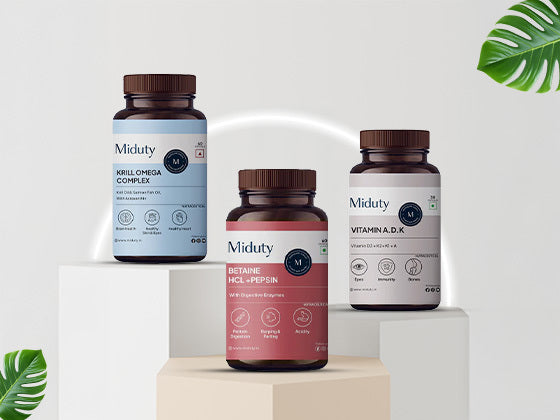
Supplements: Some supplements, including inositol, omega 3 fatty acids, zinc, vitamin D, and probiotics, are being studied for their potential role in supporting hormonal and skin health. These should ideally be taken under medical supervision.
By supporting hormonal balance, reducing inflammation, and improving overall health, these lifestyle approaches may complement professional acne treatments and contribute to clearer and healthier looking skin.
Skincare Routine for PMOS Related Acne

Building a consistent skincare routine is important for managing acne associated with PMOS (formerly PCOS). Since hormonal acne can lead to excess oil production, clogged pores, inflammation, and post acne marks, using suitable skincare products may help support clearer and healthier looking skin. Here are some simple skincare routine for PMOS related acne:
-
Gentle Cleansing: Use a mild, non comedogenic cleanser to remove excess oil, dirt, and impurities without irritating the skin.
-
Targeted Acne Care: Use skincare products with ingredients such as salicylic acid, benzoyl peroxide, retinoids, azelaic acid, and niacinamide that may help reduce breakouts and inflammation.
-
Moisturizing: Use lightweight and non-greasy moisturizers that may help maintain hydration, support the skin barrier, and reduce dryness caused by acne treatments.
-
Daily Sun Protection: Using a broad spectrum sunscreen with SPF 30 or higher may help protect the skin from UV damage and reduce post acne pigmentation.
Following a consistent skincare routine along with healthy lifestyle habits and professional guidance when needed may help improve overall skin health over time.
Lifestyle Tips to Help Manage PMOS and Acne

Managing acne associated with PMOS often requires a combination of medical treatment and healthy lifestyle habits. Since hormonal imbalance, insulin resistance, inflammation, stress, and diet can all influence acne severity, making supportive lifestyle changes may help improve both skin and overall health. Some helpful lifestyle tips for managing PMOS related acne include:
-
Follow a Balanced Diet: Include whole grains, fruits, vegetables, lean proteins, healthy fats, and fiber rich foods in your daily meals. Limiting highly processed foods, sugary snacks, and refined carbohydrates may help support hormonal balance and reduce acne flare ups.
-
Choose Low Glycemic Foods: Low glycemic index foods may help maintain stable blood sugar and insulin levels, which can indirectly support healthier skin.
-
Exercise Regularly: Regular physical activity may improve insulin sensitivity, support weight management, reduce stress, and promote hormonal health. Activities such as walking, yoga, cycling, and strength training may be beneficial.
-
Manage Stress Levels: Chronic stress may worsen hormonal fluctuations and acne. Practices such as meditation, deep breathing exercises, yoga, proper sleep, and relaxation techniques may help support emotional and hormonal well being.
-
Maintain a Consistent Skincare Routine: Using gentle cleansers, lightweight moisturizers, and sunscreen daily may help protect the skin barrier and reduce acne related irritation.
-
Avoid Smoking and Limit Alcohol: Smoking and excessive alcohol consumption may negatively affect hormonal balance and overall skin health.
-
Stay Consistent With Medical Care: Regular follow ups with healthcare professionals such as dermatologists, gynecologists, endocrinologists, or nutritionists may help support long term PMOS and acne management.
-
Learn About Your Triggers: Understanding how factors such as stress, diet, sleep, or certain skincare products affect your skin may help you manage acne more effectively.
Adopting healthy lifestyle habits consistently may help complement medical treatments and support clearer, healthier looking skin over time.
When to Consult a Dermatologist for PMOS Acne

Consulting a dermatologist can be helpful if acne associated with PMOS becomes persistent, painful, severe, or difficult to manage with regular skincare and lifestyle changes. Hormonal acne may sometimes require professional treatment to help control inflammation, reduce breakouts, and minimize acne scars or pigmentation.
A dermatologist can evaluate your skin condition and recommend a personalized treatment plan based on your acne severity, skin type, hormonal concerns, and medical history. Early treatment and consistent medical guidance may help improve overall skin health, manage acne more effectively, and support long term skin confidence.
Final Thoughts: Managing PMOS Acne With the Right Approach
Acne associated with PMOS can sometimes be challenging to manage because of the hormonal and metabolic factors involved. However, a combination of consistent skincare, healthy lifestyle habits, balanced nutrition, stress management, and appropriate medical care may help improve acne symptoms and support healthier looking skin over time.
Since every individual may experience PMOS differently, treatment approaches can vary based on specific skin concerns, hormonal changes, and overall health needs. Consulting qualified healthcare professionals and following a personalized management plan may help achieve better long term results for both skin health and overall well being.