



- PMOS Hair Loss
- Causes of PMOS Hair Loss
- Symptoms of PMOS Hair Loss
- PMOS Related Hair Loss Treatment
- Diet and Lifestyle Changes
- FAQs
PMOS related hair loss can feel frustrating, emotionally draining, and difficult to manage. Many women notice excessive hair shedding, thinning near the crown, or a widening hair part without understanding the underlying cause. Polyendocrine Metabolic Ovarian Syndrome (PMOS), previously known as Polycystic Ovary Syndrome (PCOS), is a hormonal and metabolic condition that can affect the scalp, hair growth cycle, and overall hair health.
Hair loss associated with PMOS is often linked to androgen excess, insulin resistance, inflammation, and hormonal imbalance. These changes may weaken hair follicles over time and contribute to gradual thinning or female pattern hair loss. The good news is that early diagnosis and the right treatment approach may help slow hair fall and support healthier hair growth.
In this blog, we will discuss the causes of PMOS related hair loss, common symptoms, treatment options, hair growth ingredients, lifestyle changes, and expert tips to help manage hair thinning effectively.
Understanding PMOS-Related Hair Loss

PMOS, formerly known as PCOS, is now recognized as a hormonal and metabolic condition that affects much more than the ovaries. It can influence hormone balance, insulin sensitivity, skin, scalp health, weight, and reproductive health.
Hair loss is one of the most common symptoms linked to PMOS. Many women experience gradual hair thinning, increased shedding, or reduced hair density over time. Unlike temporary hair fall caused by stress or illness, PMOS related hair loss often resembles female pattern thinning because of hormones such as testosterone and DHT.
The severity of hair loss may vary from person to person depending on genetics, hormone levels, insulin resistance, inflammation, stress, nutritional status, and early management of the condition. Along with affecting scalp health, PMOS related hair loss can also impact confidence and emotional wellbeing, making early understanding and treatment important.
How Does PMOS Cause Hair Loss?
PMOS related hair loss is mainly linked to hormonal and metabolic imbalance. Many women with PMOS have higher androgen levels, which can increase DHT production. DHT may shrink hair follicles over time, leading to thinner, weaker hair and gradual hair loss.
Insulin resistance can also contribute by increasing androgen activity and inflammation in the body. This may disrupt the normal hair growth cycle and worsen excessive shedding. Chronic inflammation, stress, nutritional deficiencies, scalp oiliness, and genetics may also affect scalp health and contribute to hair thinning over time.
Common Signs of PMOS Related Hair Loss

PMOS related hair loss may look different from person to person. Some women experience mild thinning, while others notice more significant hair shedding and reduced scalp coverage. Here are some common signs of PMOS related hair loss:
-
Gradual Hair Thinning: Many women notice thinning near the crown or top of the scalp. The hair may appear less dense over time.
-
Widening Hair Part: A widening center part is a common early sign of female pattern hair thinning associated with PMOS.
-
Excessive Hair Shedding: Many women notice excessive hair shedding while brushing, washing, or styling their hair.
-
Reduced Hair Volume: Hair may feel flatter, thinner, and less voluminous than before.
-
Changes in Hair Texture: Hair may become finer, weaker, brittle, or more prone to breakage.
-
Visible Scalp: In more advanced cases, the scalp may become increasingly visible due to reduced hair density.
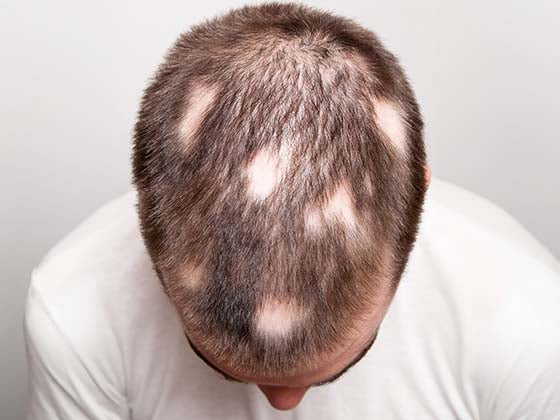
Unlike patchy hair loss conditions such as alopecia areata, PMOS related hair loss is usually diffuse, meaning it affects larger areas of the scalp rather than isolated patches.
Is PMOS Hair Loss Reversible?

Yes, PMOS related hair loss may improve with proper treatment and early intervention. However, the extent of recovery often depends on how long the hair thinning has been present, the severity of hormonal imbalance, genetics, and the overall health of the hair follicles.
When treatment begins early, many women notice improvements in hair shedding, hair thickness, scalp health, hair density, and overall hair growth quality. Hair regrowth is usually gradual, and noticeable improvement may take several months because hair grows slowly.
In some cases, hair follicles that have remained inactive for a long time may not fully recover. This is why early management of PMOS related hair loss is important.
Treating the underlying hormonal and metabolic imbalance is often essential for long term improvement. Simply changing hair products may not be enough if internal hormonal triggers remain unaddressed. A comprehensive treatment approach may involve hormonal management, medical treatment, scalp care, nutritional support, lifestyle changes, and stress management.
Consistency also plays an important role. Hair regrowth often requires patience, regular follow up, and a personalized treatment plan tailored to the individual.
How to Treat PMOS Related Hair Loss

Treatment for PMOS related hair loss usually focuses on managing the underlying hormonal and metabolic imbalance while supporting healthier hair growth. The most effective treatment plan may vary depending on the severity of hair thinning, hormone levels, insulin resistance, scalp condition, genetics, age, and nutritional status.
Since PMOS affects multiple systems in the body, treatment often involves a combination approach rather than relying on a single product or medication. Consulting a dermatologist can help identify the underlying causes of hair loss and create a personalized treatment plan that supports scalp health and long-term hair growth. Let’s discuss some common recommended treatment options for PMOS related hair loss.
Medical Treatments for PMOS Hair Loss
These medical treatments may help slow hair thinning, reduce excessive shedding, and support hair regrowth. Here are some dermatologists recommended medical treatment options:
-
Minoxidil: It may help improve blood flow to hair follicles and support hair growth.
-
Spironolactone: This anti-androgen medication that may help reduce the effects of excess androgens on the hair follicles.
-
Oral Contraceptive Pills: Certain oral contraceptive pills may help regulate hormone levels and reduce androgen activity in some women.
-
Metformin: It is used to help manage insulin resistance in PMOS.
-
Nutritional Supplementation: Adding supplements such as iron, vitamin D, zinc, biotin can help fulfil the nutritional deficiencies that contribute to hair loss.
Topical Treatments and Hair Growth Ingredients
While treating PMOS related hair loss, it is important to look for ingredients that can improve your condition. Certain scalp care ingredients may support healthier hair growth and improve scalp health when used alongside medical treatment. Here are some ingredients to look for:
-
Caffeine: It helps support hair follicle activity and improve scalp stimulation.
-
Ketoconazole: This helps manage scalp inflammation, dandruff, and excess oiliness.
-
Rosemary Oil: This may support hair growth and improve scalp circulation.
-
Peptides: Serum containing peptides may help support scalp health and strengthen hair fibers.
-
Redensyl and Procapil: They help support healthier hair growth.
Diet and Lifestyle Changes That Support Hair Growth

Diet and lifestyle habits can play an important role in supporting hormonal balance, scalp health, and healthy hair growth in women with PMOS. While they may not provide overnight results, they can support long term management when combined with medical treatment and proper scalp care. Here are some dietary and lifestyle changes that should be considered:
-
Focus on Balanced Nutrition: A nutrient rich diet with protein, healthy fats, vitamins, and minerals may help support stronger and healthier hair growth in women with PMOS.
-
Choose Low Glycemic Foods: Whole grains, legumes, vegetables, nuts, and seeds may help support healthier insulin levels and reduce inflammation linked to hair thinning.
-
Exercise Regularly: Regular physical activity may improve insulin sensitivity, support hormonal balance, and reduce stress levels.
-
Manage Stress: Stress management techniques such as yoga, meditation, walking, and deep breathing may help reduce stress related hair shedding.
-
Prioritize Sleep: Maintaining a healthy sleep routine may support hormonal balance and overall wellbeing.
-
Stay Hydrated: Adequate hydration supports scalp health and overall hair quality.
Hair Care Tips for Women with PMOS

PMOS related hair thinning can make your hair more fragile, dry and prone to breakage. Along with medical treatment and lifestyle changes, it is important to follow a gentle and consistent hair care routine. It helps support your scalp health and improve the overall appearance of thinning hair. Let’s understand how you can reduce hair damage by just following a simple hair care routine:
-
Use a Gentle Shampoo: Choose a mild shampoo suitable for your scalp and hair type to help prevent dryness and irritation.
-
Avoid Tight Hairstyles: Tight ponytails, buns, and braids may increase stress on fragile hair follicles.
-
Reduce Excessive Heat Styling: Frequent heat styling may weaken hair and increase breakage. Use heat protection products when needed.
-
Be Gentle While Detangling: Avoid rough brushing and use a wide tooth comb, especially on wet hair.
-
Maintain Scalp Hygiene: A clean scalp may help reduce oil buildup, dandruff, and inflammation.
-
Avoid Heavy Hair Products: Excessive use of heavy oils and styling products may worsen scalp buildup.
-
Trim Hair Regularly: Regular trims may help reduce split ends and improve hair appearance.
-
Follow a Consistent Routine: Consistent hair care and healthy habits may support long term hair health.
When Should You See a Dermatologist?

It is important to seek professional advice if you notice persistent or worsening hair loss. A dermatologist can help identify whether PMOS, nutritional deficiencies, thyroid conditions, stress related shedding, or other scalp disorders may be contributing to hair thinning.
You should consider consulting a dermatologist if you experience excessive hair shedding, rapid scalp thinning, a widening hair part, visible scalp exposure, scalp irritation, or hair loss along with acne, irregular periods, or excess facial and body hair growth. It is also important to seek medical advice if hair fall does not improve despite proper hair care.
Early diagnosis and treatment may help slow further hair thinning and support healthier hair growth over time.
Final Thoughts: Managing PMOS Related Hair Loss
PMOS related hair loss can affect both physical appearance and emotional wellbeing, but early intervention and the right treatment approach may help improve hair health over time.
Since PMOS is a hormonal and metabolic condition, managing hair loss often requires more than just topical hair products. Addressing androgen excess, insulin resistance, inflammation, scalp health, and lifestyle factors together may provide better long-term results.
With consistent care, medical guidance, and a personalized treatment plan, many women are able to manage hair thinning and support healthier hair growth.