The No-Shampoo Experiment: What a Week of Scalp and Hair Detox Reveals
Giving up shampoo for a week can sound like a gamble, but the no-shampoo experiment is fast becoming a game-changer in modern haircare. On this scalp and hair detox journey, you will find out how skipping traditional cleansers can rebalance oil production, soothe irritation, and revive dull strands-all sans harsh sulfates or silicones. This gentle scalp reset takes advantage of trending routines such as the no-poo method, sulfate-free haircare, and clean beauty to help you understand what really builds up on your roots and lengths. From managing frizz and dry ends to encouraging natural shine and stronger growth, a short hair detox can reveal what your hair actually needs. Be it product overload, scalp sensitivity, or simply curiosity about a minimalist haircare routine, this one-week experiment offers real, visible results.
Understanding Scalp and Hair Detox
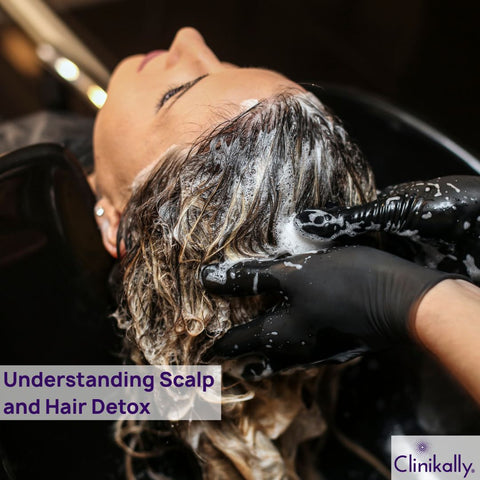
The no-shampoo experiment is reimagining the way we think of haircare by giving your scalp and strands a gentle reset. Within a week of deliberate scalp detox and hair detox, you can begin to help restore balance to excess oil, dissolve product buildup, and reveal natural shine without aggressive surfactants. It's a low-commitment way to support your scalp microbiome while complementing your sulfate-free and silicone-free haircare routine and aligning with the clean beauty and sustainable haircare trends. By exploring the no-poo method, using mild cleansing alternatives, and focusing on a minimalist natural haircare routine, you'll learn how your hair behaves without daily shampoo and what it really needs for long-term health, volume, and manageability.
The Science Behind Shampoo-Free Hair Care
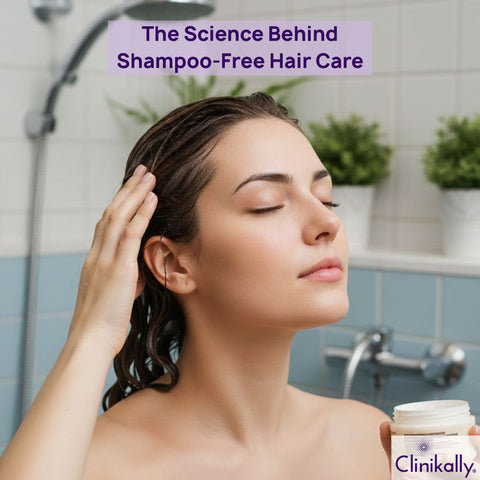
Behind the science of shampoo-free hair care is how your scalp controls oil, microbes, and moisture on its own. Traditional shampoo with aggressive sulfates can strip the skin's barrier and disturb the scalp microbiome, leading to an overproduction of sebum, dryness, or sensitivity. Allowing your scalp's pH to rebalance, you maintain the essential lipids and good bacteria by embracing a no-poo method, low-poo routine, or co-washing. This helps follicles become much healthier, strands stronger, and your hair growth cycle will be improved in time. Backed by research, sulfate-free and silicone-free hair care and microbiome-friendly formulas support minimal buildup with respect for your skin's natural defenses. Understanding how sebum, keratin, and gentle surfactants interact is important in choosing a minimalist, science-driven natural hair care routine that maintains cleanliness without compromising long-term scalp health.
What Happens to the Scalp Without Shampoo
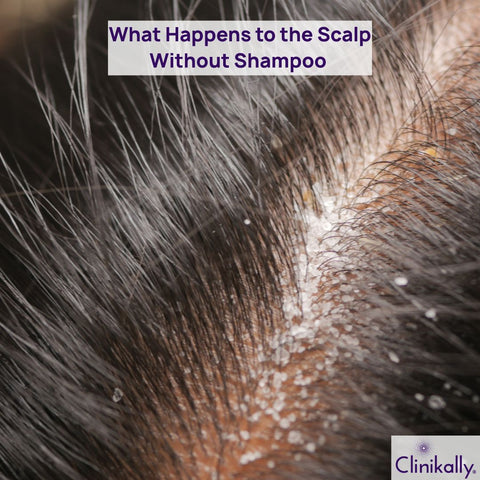
Not using shampoo is the "no poo" method, which definitely can alter how your scalp functions. In the absence of regular, gentle cleaning via a sulfate-free shampoo, your scalp will directly rely on its own sebum control, scalp microbiome, and styling habits. Knowing what actually happens helps you decide between a water-only routine and a balanced, low-poo hair-care approach.
- Sebum Build-Up and Greasier Hair: Your scalp keeps producing sebum, but without shampoo, it isn't washed away regularly. This leads to greasy roots, flat and heavy hair, and a sort of "transition phase" where everything looks extra oily before-and sometimes instead of-any adjustment.
- Shifts in the Scalp Microbiome: The scalp microbiome-bacteria and yeast that live on your skin-feed off of oils and sweat. Without washing, the tendency is for these microorganisms to multiply at an even faster rate, at times causing itchiness, redness, and flakes. Some feel much more balanced, while many require dermatologist-approved products aimed at soothing irritations.
- More Flakes, Dandruff, and Seborrheic Dermatitis: The consequences of skipping shampoo on oily or sensitive scalps will only worsen dandruff and seborrheic dermatitis because oil-loving yeasts such as Malassezia start to thrive and cause persistent flakes and inflammation. In these cases, targeted clarifying treatments or medicated washes are usually far more effective than strict no poo.
- Clogged follicles and scalp congestion: Sebum, dead skin cells, dust, and product buildup around follicles can create tiny bumps, soreness, or breakouts along your hairline. Over time, this congested environment isn't ideal for hair growth if you have thinning or shedding.
- Odor and “Dirty Hair” Feel: Sweat, pollution, and daily grime stick to the scalp and hair. If not shampooed, they can create noticeable odor, especially if you work out frequently or wear hats or helmets, or live in a hot and humid climate. Generally speaking, using water alone will not wash away this type of build-up.
- Waxier, heavier hair texture: With oils coating the hair shaft, strands can feel waxy, coated, and harder to style. Coil or curly hair may obtain a bit more definition and less frizz, but straight or fine hair often becomes stringy and limp. Eventually, most people will reintroduce a gentle sulfate-free shampoo or co-wash to renew softness and bounce.
- Oil Production Tries to Rebalance: Many people believe that excessive washing makes the hair extra oily. The body's production of sebum may gradually slow down upon cessation of shampooing, but this doesn't necessarily happen with every individual. Washing less often, gentle cleansers, or occasional natural scalp detoxes tend to be more practical options for many people than quitting shampoo altogether.
- More Pollutants and Particles on the Scalp: City air, smoke, and dust, along with pollen, may be deposited on the scalp with inadequate cleansing and can cause itching or sensitivity. Occasional clarifying treatments or gentle scalp exfoliation can remove these residues while maintaining simplicity in your routine.
- More Tangles and Breakage: That's because when hair is coated in oil and grime, it doesn't glide smoothly, and the brushing action creates more friction and potential breakage- particularly for fine, bleached, or chemically treated hair. Occasional cleansing plus conditioning helps create slip and protects the hair shaft.
- Less-Than-Ideal Environment for Hair Growth: Healthy hair growth requires clear follicles and a calm scalp. Chronic build-up, inflammation, or flaking is just not what one wants if one desires full-looking hair. Individuals with thinning or pattern hair loss usually do better with clean-but-gentle, scalp-focused care than a strict no-shampoo lifestyle.
- Lifestyle and Confidence Effects: Oily or flaky hair can affect confidence at work, socially, or even on dates. Overreliance on dry shampoo, hats, or tight styles in an attempt to camouflage greasy roots adds yet more buildup.
Skipping shampoo isn't automatically "bad," but a strict no poo routine rarely fits in with modern life with all the pollution, workouts, and styling products. What usually works best is:
-
A sulfate-free, mild shampoo such as Root Deep Sulphate Free Shampoo used not more often than is required
-
Occasional clarifying or detox treatments when build-up appears
-
Smart conditioning and regular care for irritation or itch
Leave the extreme trends behind and focus on keeping your scalp and hair healthy, comfortable, and manageable with a realistic, scalp-friendly routine.
Myths and Misconceptions About Hair Detox
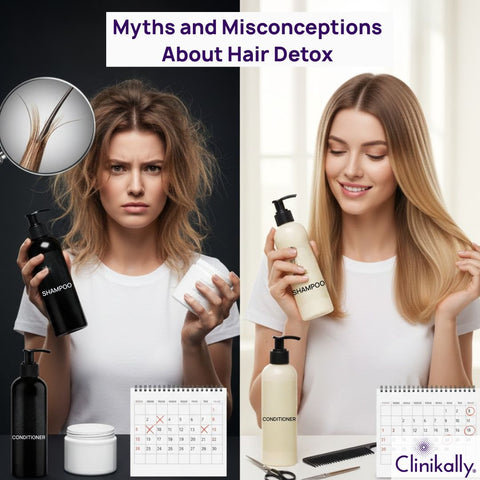
Hair detox sounds dramatic and magical-like one intense treatment can erase years of build-up, damage, and bad product choices. Most "detox" talk is actually clever marketing wrapped around basic scalp care and clarifying routines. Knowing what's real and what's hype in hair detox will help you choose your products and practices wisely to help bring your hair and scalp into balance, not chase the next quick fix.
-
Myth 1: “A Hair Detox Can Reverse Damage Overnight”
Most people think that one strong hair detox treatment or clarifying shampoo will magically fix split ends, heat damage, and breakage. What it actually does is takes away product buildup, excess sebum, hard water minerals, and pollution from hair and scalp. That can make the hair feel lighter, softer, and more responsive to conditioners and masks-but it doesn't "heal" damaged cuticles. Once the hair shaft is broken or frayed, only trimming, consistent deep conditioning, heat protection, and gentle styling can improve its look in the long term. A smart approach, however, would be using detox for the purpose of resetting, then following up with a routine of moisture and protein repair rather than expecting miracle-level transformation.
-
Myth 2: “Natural Hair Detox Ingredients Can’t Be Too Harsh”
Because ingredients such as apple cider vinegar rinses, clay masks, baking soda, and herbal scalp scrubs all sound natural, people assume that they are always gentle and safe for frequent use. In reality, some of those DIY "detox" recipes can be more stripping than a regular shampoo. High-pH treatments like baking soda roughen the cuticle, and overusing acidic rinses upsets a sensitive scalp barrier. Even strong clay masks can leave hair feeling overly dry if you're not careful with time and follow-up conditioning. A balanced natural hair detox respects your scalp microbiome and hair type: short contact time, not too frequent, and always followed by a hydrating conditioner or hair mask to restore slip and shine.
-
Myth 3: “If You Detox, You Don’t Need Regular Shampoo Anymore”
Another big misconception is that after doing a major scalp detox, one can wash their hair with only water or co-wash forever, with no problems. Detox doesn't substitute basic hygiene. Everyday life will still expose your hair to sweat, oil, pollution, styling creams, dry shampoo, and silicone-heavy products that will build up on the scalp over time. A clarifying or chelating shampoo is useful every now and then, but you'll still need a regular, gentle sulfate-free shampoo or low-poo routine to keep your roots clean, clear, and comfortable. The best results usually come from combining occasional detox with regular, mild cleansing and a scalp-first hair care routine, not from ditching shampoo completely.
A smart hair detox isn't about punishing your scalp with extreme treatments; it's about giving your hair a clean slate so that your everyday products can work better. Rather than chase these trendy "7-day hair detox challenges," focus on a realistic rhythm: occasional clarifying to remove build-up, targeted scalp detox when you feel congestion or itchiness, and day-to-day care that includes gentle cleansing, hydration, and heat protection. When you treat detox as a strategic reset rather than a magic solution, you cultivate a healthier, more sustainable routine which keeps your hair light, shiny, and genuinely revived.
The Benefits of Going Shampoo-Free
Going shampoo-free can offer surprising long-term benefits to your scalp, hair, and routine. The moment you step away from daily lathering, your scalp gets a chance to rebalance the natural sebum production, reducing greasy roots, dry ends, and irritation caused by harsh surfactants. A consistent shampoo-free routine supports a healthier scalp microbiome, improved circulation, and stronger hair follicles, which may encourage thicker-looking growth over time. Many people notice softer lengths, an improved curl pattern, less frizz, and richer natural shine when silicone residue and product buildup gradually rinse away. Moving toward the no-poo method is in perfect sync with clean beauty and sustainable haircare goals: using fewer products, less water, and gentler, sulfate-free alternatives while keeping your hair fresh, light, and actually healthy.
Natural Oil Balance and Scalp Health
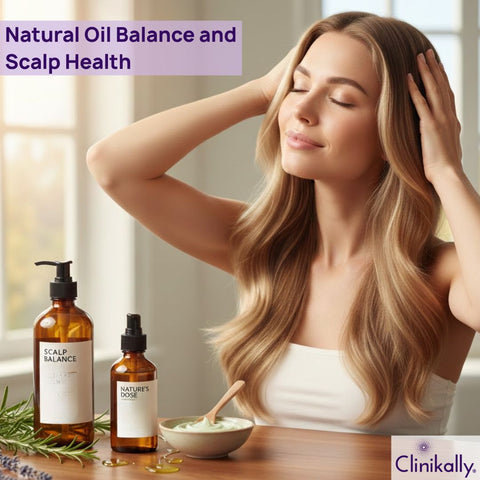
The natural balance of oil is at the core of healthy, resilient hair, and no shampoo methods let your scalp do its job. When you stop stripping your scalp with harsh sulfates, the production of sebum gradually normalizes, reducing that cycle of greasy roots and dry, brittle ends. It's a gentler way to support the scalp barrier, lock in moisture, and help to calm itchiness, flaking, and sensitivity. With time, many people find softer lengths, more defined curls, and a more stable scalp microbiome. Methods like the no-poo approach, water-only washing, and sulfate-free haircare let natural oils travel down the hair shaft, nourishing each strand. The outcome is a scalp that is more balanced and comfortable, with hair looking naturally shiny, stronger, and easier to maintain-without the constant lathering.
Improved Hydration and Stronger Strands
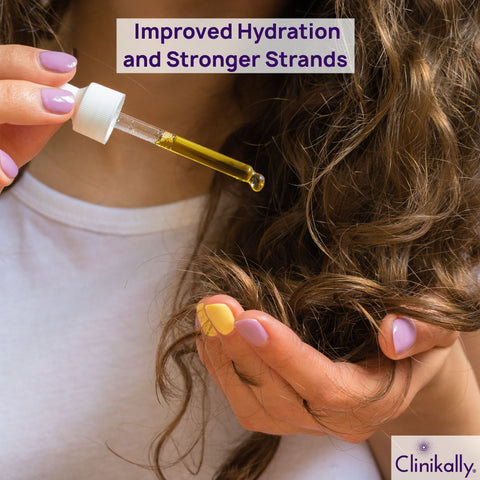
Among the first changes you might observe when making a switch to shampoo-free hair care is deeper, longer-lasting hydration. Without frequent stripping by harsh sulfates and detergents, your natural sebum can coat the hair shaft more evenly, much like a built-in conditioner. This reduces dryness, brittleness, and split ends, particularly for wavy, curly, or coily hair textures that need extra moisture. With some time passing, a regular no-poo routine or low-poo method can support a smoother cuticle, less frizz, and strands that are strong and resistant to breakage when combing or styling. Paired with leave-in conditioners such as Olaplex No. 5 Moisturize & Mend Leave-In Conditioner, lightweight hair oils such as Enshine Light & Non-Sticky Hair Oil, and silicone-free products, shampoo-free routines help reinforce your hair's protective barrier, improving elasticity, shine, and overall hair strength from root to tip.
Long-Term Impact on Hair Texture and Shine
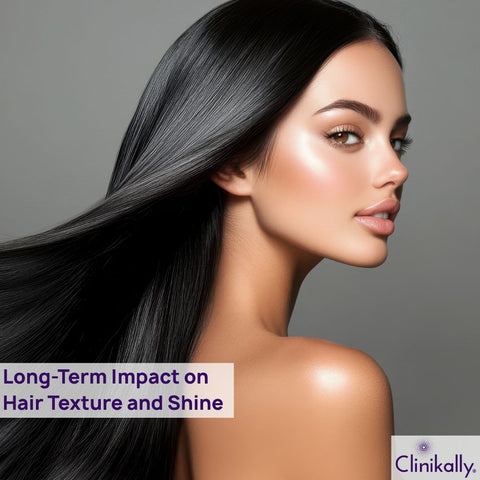
Healthy hair is not about what it looks like in the mirror today; rather, it's about how your routine shapes texture, movement, and shine over months and years. The nature of cleansing, conditioning, and detoxing of the scalp builds in a pattern that supports long-term soft, reflective strands or gradually results in dullness, frizz, and breakage. Knowing how this works for long-term effects on hair texture and shine helps in building a routine that ages well.
1. Consistent build-up can make your hair look dull and lifeless:
When styling products, sebum, hard-water minerals, and pollution are not removed regularly, they form a thin film over the hair shaft. Over time, this build-up disrupts light reflection, so even healthy hair looks matte, flat, and "dirty" faster. Occasional use of a gentle clarifying shampoo or scalp detox can reset the surface, allowing light to bounce off the cuticle and making hair look naturally glossier.
2. Smoothness and Frizz are Determined by Cuticle Health:
Hair shine starts at the cuticle-the outer layer of each strand. Harsh cleansing, extreme heat, and rough towel-drying can chip or lift the cuticle over months and years. Once the cuticle is rough, hair feels coarse, tangles easily, and frizz becomes your default. A routine with a sulfate-free shampoo, lukewarm water, and leave-in conditioners that smooth the cuticle helps maintain a sleek, reflective surface and a softer overall texture.
3. Chronic Dehydration Steals Elasticity and Bounce:
When your hair rarely gets deep conditioning, hydrating masks, or nourishing oils, the inside layers of the strand slowly lose moisture and flexibility. Long term, this means hair doesn’t spring back when stretched; it looks stiff, puffy, and prone to breakage. Regular deep conditioning and balanced protein-moisture treatments restore elasticity so that your natural hair texture-whether straight, wavy, or curly-has more movement and shine.
4. Heat and Chemical Styling Change Texture Permanently:
Years of repetitive straightening, curling, bleaching, or other chemical treatments slowly change the internal structure of hair. Even though it may look glossy right after a salon visit, repeated and long-term damage leaves hair porous, frayed at the ends, and uneven in texture from root to tip. Using heat protectant, spacing out chemical services, and adding in reparative treatments preserve a more even texture and much longer-lasting shine instead of that dry, straw-like finish.
5. Scalp Health Shows Up in Hair Density and Glow:
Long-term scalp health directly impacts how your hair looks and feels. A clogged, flaky, or inflamed scalp cannot support strong, resilient strands that often manifest as thinner ponytails and dull, fragile lengths. A scalp-first routine-gentle cleansing, occasional exfoliation, and light, non-clogging oils or serums creates a healthier environment for new growth; thus, the hair growing out has better texture and strength with a natural luster.
Every wash day and styling decision over months and years quietly shapes your hair's future. When you protect the cuticle, avoid constant high heat, keep the scalp clear, and feed your hair regular moisture and repair, texture becomes more controlled and defined while shine becomes easier to maintain. Rather than chasing quick fixes, think in terms of long-term hair health: a calm, balanced scalp, protected cuticle, and a routine that lets natural texture and shine do the heavy lifting.
A Week Without Shampoo- What to Expect
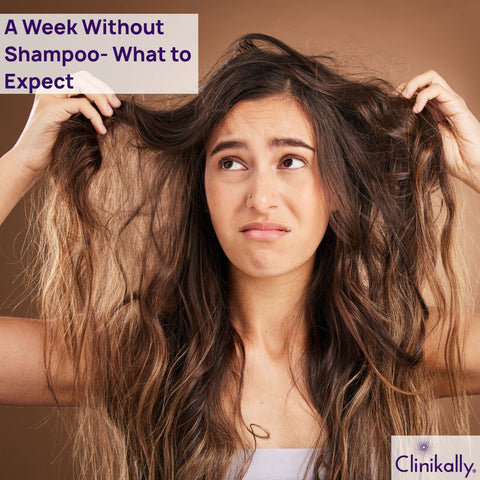
Going a week sans shampoo changes much more than how your hair looks in the mirror. When you pause your usual wash routine- whether you’re trying the no poo method, water-only hair washing, or simply stretching wash days- your scalp microbiome, oil levels, and overall comfort start to shift.
-
Days 1-2: Slight Oil at the Roots
Hair still feels largely fresh, but roots start to look a bit heavy as sebum isn't washed away with a sulfate-free shampoo.
-
Days 2-3: Shine or Grease, Depending on Hair Type
Wavy or curly hair may look softer and more defined, while straight or fine hair usually looks greasy and flat.
-
Days 3-4: Scalp Starts Reacting
The scalp microbiome feeds off the sweat, oil, and product, giving a little itchy scalp with minuscule bumps if you work out.
-
Days 4-5: Build-Up and Odor Show Up
You may notice a waxy feel at the roots and a light scalp odor, in particular under hats or in humid weather.
-
Days 5-6: Increased Flakes and Discomfort
Dead skin intermingles with oil; thus, flakes become more visible and the scalp might feel clogged or tender.
-
Day 7: Hair Looks Flat, Scalp Feels “Full”
Roots are limp, ends may feel puffy, and your scalp often feels like it needs a reset with a clarifying shampoo or gentle scalp detox.
-
After the Week: You will learn your real wash rhythm. Some find they can stretch wash days, while others find their hair and scalp feel best with more regular, scalp-first hair care.
A week without shampoo won't ruin your hair, but it does show exactly how your scalp truly handles less cleansing. Use what you notice-oiliness, odor, flakes, or comfort-as a guide to build a balanced routine with a mild sulfate-free shampoo, occasional scalp detox, and styling products that don't suffocate your roots. You'll get the best of both worlds: fewer unnecessary wash days and hair that still feels fresh, light, and shiny.
Daily Changes in Hair and Scalp
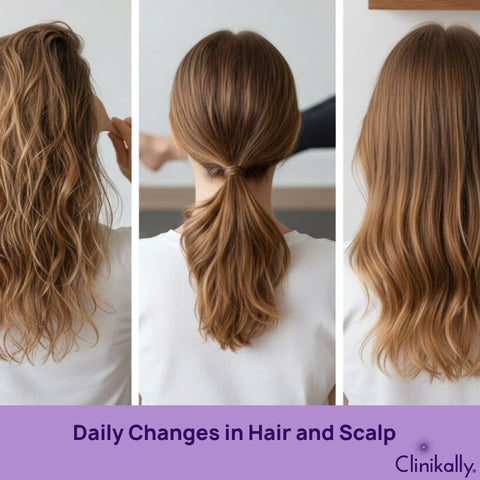
Everyday habits of washing, styling, sleeping, and even exercising create small, powerful changes in your hair and scalp. When you start to experiment with stretching your wash days, trying the no poo method, or going to a sulfate-free shampoo, you'll start to see patterns that repeat day after day. By paying attention to these daily changes, you'll build a realistic, scalp-first hair care routine instead of guessing what your hair needs.
- Oil levels and root volume change during the day because production of sebum remains constant, roots often feel light and airy in the morning but heavier and flatter by the evening. If your scalp microbiome is balanced, and you're not using loads of styling products, that oil can give a soft, natural shine instead of instant greasy buildup.
- Workouts, tight hairstyles, and hot environments can take a docile scalp and turn it into an itchy, sensitive one by night. Gentle brushing, loosening hairstyles, and regular but mild cleansing with a sulfate-free shampoo or occasional scalp detox help keep irritation and congestion from being an everyday problem.
- Hair texture varies due to friction and moisture loss. All through the day, friction from pillows, collars, and even just touching your hair raises the cuticle, making strands look frizzier and less defined. Minimal heat and a very light-handed styling routine, combined with leave-in conditioner, preserve healthier shine and smoother texture throughout the day.
When you start watching these daily shifts in oil, comfort, and texture, your routine becomes more intentional and less trial and error. Maybe you realize you need a clarifying shampoo only once in a while but a gentle cleanser and lightweight conditioner most days. Or you find that your scalp feels best when you balance out stretching wash days with smart scalp care instead of skipping shampoo entirely. Those small observations add up to a customized rhythm that keeps your scalp clear, your hair manageable, and your natural shine easier to maintain.
Managing Grease, Odor, and Discomfort
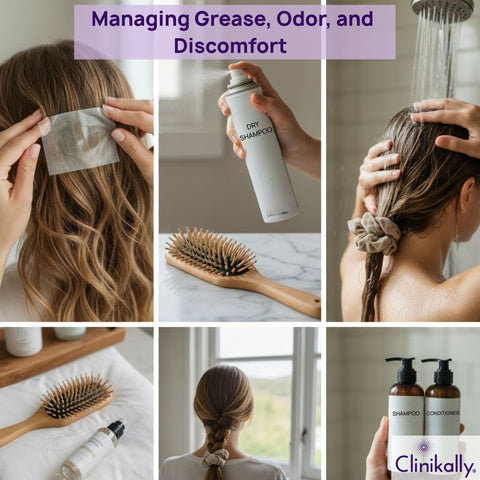
Managing greasy roots, scalp odor, and that “I need to wash my hair” discomfort becomes a real challenge when you stretch wash days or try the no poo method. The goal isn’t to suffocate your scalp with products, but to keep it as fresh and comfortable as possible between shampoos while still protecting your hair health and natural shine.
-
Blot, Don’t Scrub the Scalp: Use oil-absorbing sheets or a clean tissue to gently press on greasy areas at the roots instead of harshly rubbing or scratching.
-
Use Dry Shampoo Strategically: Apply a lightweight, residue-minimizing dry shampoo only at the oiliest sections (usually crown and hairline), then brush through to avoid build-up.
-
Rinse with Water on Non-Wash Days: On days you skip shampoo, a quick lukewarm water rinse plus gentle scalp massage can reduce sweat, light odor, and surface oil without over-washing.
-
Prioritize Breathable Hairstyles: Avoid tight buns, heavy gels, and helmets for long hours; choose loose ponytails, braids, or clips that let your scalp breathe and reduce trapped sweat.
-
Keep Your Tools Clean: Wash brushes, combs, and pillowcases regularly so you’re not re-depositing old oil, dust, and product onto a freshly cleansed scalp.
-
Cool Down After Workouts: After exercising, let your scalp fully dry, use a soft towel to blot sweat at the roots, and, if needed, refresh with a light scalp mist instead of piling on products.
-
Schedule a Gentle Reset Wash: When discomfort, flakes, or odor persist, do a reset with a mild sulfate-free shampoo or clarifying wash, followed by conditioner on the lengths only.
When you handle grease, odor, and discomfort with small, consistent habits instead of panicking and over-washing, your scalp stays calmer and your hair routine becomes more sustainable. Build a rhythm that balances stretch-between-washes with smart scalp care: clean tools, strategic dry shampoo, occasional clarifying, and breathable hairstyles. That way, your scalp feels fresher, your roots look lighter, and you can maintain longer gaps between shampoos without sacrificing comfort or confidence.
Transitioning Smoothly to a Detox Routine
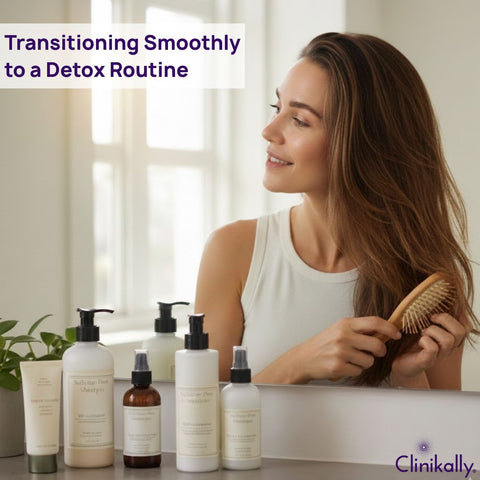
You don't have to deal with a week of greasy roots, flaky scalps, and panic buns just because you want to transition into a hair and scalp detox routine. With a few smart tweaks, you can easily go from frequent washing or heavy styling products to a more balanced, detox-friendly routine that supports your scalp microbiome and keeps hair presentable while it adjusts.
-
Begin by Gradually Stretching Wash Days Rather than going from daily shampooing to once a week overnight, insert a day between washes each week. This gives your scalp a chance to rebalance oil production in the meantime, and makes your hair detox feel manageable, not shocking.
-
Switch to Gentle, Detox-Friendly Products First Before going full-on no poo or using intense scalp detox masks, introduce a sulfate-free shampoo and light conditioner. This softens the transition, reduces build-up, and prepares the hair for occasional clarifying or detox treatments without stripping it.
-
Support Your Scalp Between Washes Go light on the dry shampoo, and brush it to distribute natural oils; rinse with lukewarm water when necessary.
Practice these few habits that will keep grease, odor, and irritation at bay so your detox routine feels like an upgrade and never a punishment. When you think of a hair detox as a gradual, strategic change rather than an abrupt shock, your scalp reacts more calmly, and your hair retains shine and movement. Slowly extending wash days, using gentler products, and taking care of your scalp in between gives you a routine that is both sustainable and detox-inspired, refreshing the roots, keeping the lengths healthy, and the style maintained with ease.
Personalizing Your Scalp and Hair Detox Journey
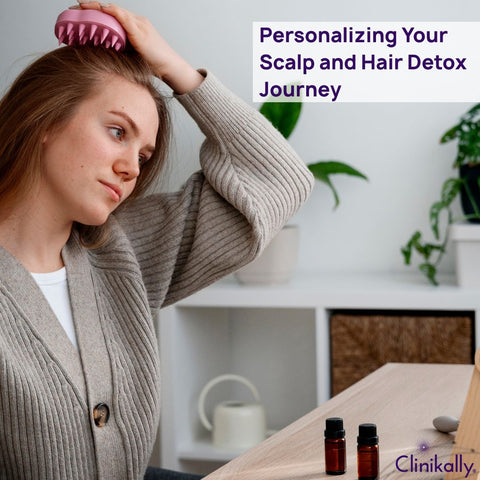
Ultimately, personalizing your scalp and hair detox journey means tuning into your own roots, not rigid rules. Whether you follow a full no-shampoo method, rotate in sulfate-free cleansers, or experiment with co-washing and gentle scalp massage, the best routine is whichever one your hair actually thrives on. Track how your scalp feels, how long your hair stays fresh, and what natural treatments-such as aloe vera, scalp oils, or herbal rinses-really deliver. With time, you'll build the custom hair detox routine that supports your scalp microbiome while delivering bounce, natural shine, and a style that fits in with your lifestyle. Rather, consider this an ongoing experiment-a collaboration with your hair that's flexible, mindful, and tailor-made for you.