

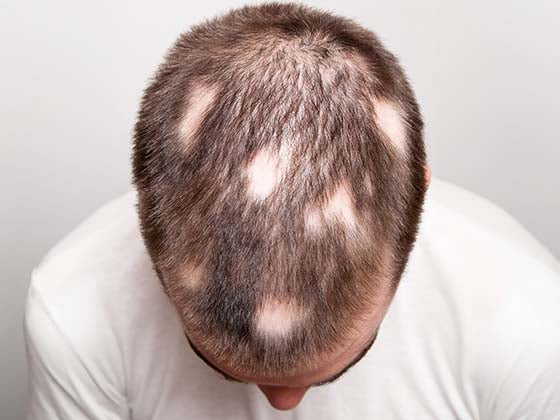


Your morning shampoo can appear innocuous, but examining the shampoo ingredients more closely can uncover a variety of unlisted threats. From nasty surfactants to hormone-disrupting ingredients in shampoo, most formulations include toxic shampoo ingredients associated with scalp irritation and inflammation as well as long-term health issues. Ingredients such as sulfates, parabens, formaldehyde, and synthetic fragrance may lead to hair fall caused by shampoo and aggravate situations for sensitive scalp individuals. Knowing the impact of alcohol in shampoo and avoiding silicones is significant for the selection of a shampoo for damaged hair or a gentle shampoo for sensitive scalp. As knowledge becomes more widespread, more and more are making the transition to sulfate-free shampoo benefits, fragrance-free shampoo options, and even experimenting with DIY shampoo alternatives or natural hair cleansers. This haircare guide by Clinikally demystifies toxic chemicals in haircare and provides a shampoo label guide to assist you in locating the best clean shampoos for your purpose.
H2:The Science of Shampoo: What Goes Into Your Hair Wash?
Baffled by what actually goes into your everyday hair wash? Shampoo is more than cleansing liquid-it's a precisely mixed combination of surfactants, conditioners, preservatives, and perfumes meant to strip dirt, excess oil, and product residue off your scalp and hair. Not all ingredients, however, are as innocent-sounding. Most traditional shampoos include harsh surfactants, parabens, silicones, and even formaldehyde releasers, which might lead to scalp inflammation, irritation, or even hair loss in the long run. Reading the shampoo ingredient list is key to smarter, safer decisions-particularly if you have a sensitive scalp or damaged hair. As concerns about sulfate-free shampoo benefits grow, clean beauty believers now stress selecting natural hair shampoo and shying away from dangerous shampoo ingredients. This article gets inside the science of how shampoo formulas work, so you can read labels and select products that are really good for your hair and scalp.
H3:Understanding Formulations: Why Some Ingredients Harm More Than Help
All shampoo ingredients are not equal-some are more of a hindrance than a help. Though shampoos are meant to clean and condition your hair, many have concealed villains that jeopardize scalp health and hair quality.
-
Drastic surfactants, including sulfates, strip the hair of natural oils, causing dryness and irritation.
-
Parabens and formaldehyde releasers, used as preservatives, have been associated with hormone disruption and long-term health threats.
-
Silicones can provide short-term smoothness but tend to accumulate over time, clogging the scalp and leading to dullness.
-
Fragrance additives and alcohols can activate allergies or exacerbate scalp inflammation, particularly in sensitive-skinned individuals.
With increasing awareness of endocrine disruptors in shampoo and toxic chemicals in haircare, consumers are shifting towards safer alternatives-such as sulfate-free, fragrance-free, and clean shampoos. Learning about how these products work helps you make better decisions for your hair's health and future wellbeing.
H3:The Role of Surfactants and Preservatives in Shampoos
The function of surfactants and preservatives in shampoos lies at the heart of how shampoos clean and stay usable over a period of time.
-
Surfactants are the cleansing agents which facilitate the removal of oil, dirt, and product residues from scalp and hair through the mixing of water and oil.
-
Preservatives inhibit the formation of disease-causing microbes such as bacteria and fungi, making the shampoo safe and stable during its shelf life.
Most commercial shampoos, however, employ harsh surfactants such as sulfates and aggressive synthetic preservatives in the form of parabens and formaldehyde releasers. These ingredients, although effective, have the potential to cause scalp irritation, hair loss, and even endocrine disruption and toxic chemical exposure concerns. This has created a need for sulfate-free, paraben-free, and fragrance-free shampoos that are safe for sensitive scalps and closer to clean beauty standards. In brief, surfactants remove dirt, preservatives safeguard-but it is important to select the proper type of each to ensure both healthy scalp and hair.
H3:Common Reasons Behind Scalp Irritation and Hair Thinning
Link 1: Causes of Hair Thinning
Scalp irritation and hair loss are on the rise, usually attributed to the day-to-day products we consume-particularly shampoos. Knowing the ingredients and how they affect us is the key to understanding the underlying causes. More consumers now are shifting towards best clean shampoos, sulfate-free shampoos, and nature hair cleansers as information about toxic shampoo chemicals and their effects on scalp health and hair thickness becomes more widespread.
-
Harsh surfactants in shampoo like sulfates remove the natural oils of the scalp, leading to dryness, itchiness, and inflammation in the long run.
-
Parabens used in shampoo can upset the hormone balance and lead to endocrine disruption, which can secondarily cause hair thinning in a few individuals.
-
Formaldehyde used in the chemical form in shampoo is a proven irritant and allergen that can further increase scalp sensitivity and hair breakage.
-
Alcohol in shampoo has the following effects: enhanced dryness and damaged scalp barrier, particularly when used in high doses or more than once.
-
Synthetic dyes and fragrances are frequent causes of scalp and shampoo irritation, particularly for individuals with sensitive skin or underlying conditions.
-
Silicone in shampoo has the potential to accumulate on the scalp, resulting in clogged follicles and interference with normal hair growth patterns.
-
Hair loss with shampoo is usually due to cumulative use of harsh chemicals in shampoo that are causing inflammation or allergic reactions.
-
An incorrect pH-balanced shampoo may disrupt the natural equilibrium of the scalp's ecosystem, causing the scalp to become inflamed due to fungal imbalance or over-production of sebum.
-
Insufficient rinsing or excessive use of harsh cleansers may also irritate the scalp and cause chronic dryness or flaking.
-
Not adhering to a shampoo guide on a label commonly causes consumers to unknowingly apply products that are full of hidden irritants or allergens.
-
Failing to select a fragrance-free shampoo or a product with a safe shampoo for sensitive scalp enhances the risks of contact dermatitis or flaking.
-
Hormonal dysregulation, compounded by exposure to chemicals, may expedite thinning, particularly in combination with bad scalp care.
-
Shampoo with damaged hair that still has sulfates or parabens can actually make hair fragility worse rather than enhancing resilience.
-
Environmental conditions like pollution and exposure to UV rays along with harmful shampoo ingredients enhance hair thinning and scalp inflammation, particularly in urban environments with pollution.
In summary, the path to healthier hair begins by using formulations that honor your scalp integrity. Selecting sulfate-free shampoo benefits, steering clear of parabens, and paying attention to the ingredient list on the shampoo can go a long way in reducing hair fall from shampoo and overall scalp health.
H2:Top 9 Harmful Ingredients You Should Steer Clear Of
Link 2: 9 Toxic Ingredients for Hair
While glancing at a shampoo label, it's important to recognize ingredients that can cause more harm than benefit. These are 9 toxic shampoo ingredients to steer clear of for a healthy scalp and hair:
-
Sodium Lauryl Sulfate (SLS) – A severe surfactant which removes natural oils and leads to dryness and scalp irritation.
-
Parabens – Typical preservatives with potential endocrine-disrupting properties and hindrance of hormones.
-
Formaldehyde & Formaldehyde Releasers – Both associated with allergic contact sensitization and possible cancers.
-
Synthetic Fragrances – Usually undisclosed chemicals that may initiate allergies and scalp irritation.
-
Silicones (such as Dimethicone) – Cause buildup, weighing hair down over time and blocking follicles.
-
Alcohols (such as Isopropyl Alcohol) – Dry hair and scalp, weakening hair.
-
Phthalates – Concealed in fragrances, they're linked to hormone disruption.
-
Polyethylene Glycols (PEGs) – Petroleum-thickeners with contamination issues.
-
Coal Tar Dyes – For color, but possibly carcinogenic and irritating to sensitive scalps.
Going for natural hair cleansers or sulfate-free, fragrance-free shampoos is a safer option for long-term hair and scalp health.
H3:Sulfates (SLS and SLES): Stripping Away Essential Oils
Link 3: Harmful Sulfates for Hair
Sulfates such as Sodium Lauryl Sulfate (SLS) and Sodium Laureth Sulfate (SLES) are common surfactants used in shampoos since they produce a thick lather and efficiently remove dirt, oil, and product residue. Unfortunately, they are also aggressive surfactants that don't make distinctions between unwanted grime and the natural, protective oils of your scalp.
Here's how sulfates strip away essential oils and affect scalp and hair health:
-
High detergency: SLS and SLES degrade sebum (natural oils) too harshly, destroying the protective lipid layer that keeps your scalp hydrated and in balance.
-
Scalp microbiome disruption: The over-cleansing process will disrupt the natural pH and microbial equilibrium, resulting in dryness, irritation, and causes of scalp inflammation.
-
Oil overproduction as a reaction: As a reaction to over-stripping, the scalp could overproduce oil, further aggravating greasiness or provoking seborrheic diseases.
-
Hair shaft dehydration: Deprived of the protective oil coating, hair turns brittle, fuzzy, and more susceptible to breakage, rendering shampoo for damaged hair even less effective if it is formulated with sulfates.
-
Increased sensitivity: Sulfates may lead to redness, itching, or even allergy in people with sensitive skin, supporting strongly the need for using safe shampoo for sensitive scalp.
This is why some of the benefits of sulfate-free shampoo are improved moisture retention, scalp comfort, and reduced risk of hair loss from shampooing. Selecting shampoo that is silicones-free and sulfates-free maintains a healthy scalp barrier without exposing the hair and scalp to toxic shampoo chemicals that have long-term damaging effects. One such sulphate free shampoo is Root Deep Sulphate Free Shampoo.
H3:Parabens: Preservatives with Hormonal Consequences
Link 4: Endocrine Disruption with Parabens
Parabens are artificial preservatives found in most shampoos and other personal care items to inhibit bacterial and mold growth, and increase shelf life. Parabens are effective as preservatives but are more and more associated with hormonal effects that make health-conscious consumers anxious. Here's why parabens have an impact on hormones and general health:
-
Imitate estrogen: Parabens (such as methylparaben, propylparaben, and butylparaben) are xenoestrogens, which implies that they can imitate estrogen in the body and attach to estrogen receptors.
-
Hormonal imbalance: This imitation has been known to interfere with the endocrine system and, thereby, impact reproductive health, fertility, and menstrual cycles-emphasizing their status as endocrine disruptors in shampoo.
-
Associated with breast tissue concentration: Low concentrations of parabens have been found in breast tissue, raising questions about a potential link with hormone-sensitive diseases.
-
Cumulative exposure: Daily use of several personal care products that include parabens-such as shampoos, lotions, and cleansers-may result in cumulative exposure and enhanced risk over time.
-
Children and sensitive persons at higher risk: Endocrine systems of children and individuals with hormonal disorders are more susceptible to parabens' effects, making sensitive scalp shampoo a more sought-after option.
Shampoo paraben avoidance through best clean shampoos, fragrance-free shampoos, and careful reading of the shampoo ingredients becomes key to reducing hormonal risks while still achieving effective scalp maintenance. Hairyuth Anti Hair Loss Shampoo is a paraben free formula. Also, it is devoid of sulphates.
H3:Formaldehyde-Releasing Agents: Hidden Toxicity
Link 5: Formaldehyde Toxicity
Formaldehyde-releasing agents are preservatives commonly found in shampoos to inhibit microbial growth, but they're a sneaky risk because they give off formaldehyde slowly, which is a known carcinogen and irritant. Unlike "formaldehyde"-labeled ingredients, which make their presence glaringly obvious, formaldehyde-releasing agents typically come with complicated chemical names that make them difficult to catch on a typical shampoo ingredient label. This is how they're sneaky sources of toxicity:
-
Stealth presence: Active ingredients such as
-
DMDM Hydantoin
-
Imidazolidinyl Urea
-
Diazolidinyl Urea
-
Quaternium-15
-
Bronopol
-
Sodium Hydroxymethylglycinate
release formaldehyde slowly over time with storage and use, adding up to toxic shampoo ingredients
.
-
Cumulative exposure risk: Shampoos with these agents' repeated use creates ongoing low-level exposure, which can pile up and enhance health risks in the long run.
-
Skin and scalp irritation: Formaldehyde in shampoo is a frequent inducer of contact dermatitis, particularly in sensitive skin individuals or those with pre-existing conditions-aggravating shampoo and scalp irritation.
-
Respiratory sensitivity: Inhalation of emitted formaldehyde vapors while showering has the potential to irritate the eyes, nose, and throat, particularly in poorly ventilated areas.
-
Linked to cancer and immune effects: Classified as a human carcinogen by health authorities, formaldehyde exposure is linked to nasopharyngeal cancer and may suppress immune response, emphasizing the need for safe shampoo for sensitive scalp.
To avoid these harmful chemicals in haircare, consumers should choose fragrance-free shampoo or best clean shampoos that clearly state “formaldehyde-free” and avoid ambiguous preservatives, relying instead on natural or safer synthetic alternatives.
H3:Artificial Fragrances: Unlisted Allergens
Link 6: Allergenic Fragrances
Artificial fragrances are one of the leading sneaky allergens in personal care products, particularly in shampoos. Although they offer pleasant odors, the synthetic mixtures may consist of dozens-if not hundreds-of chemicals not disclosed on the ingredient label, many of which induce scalp irritation, allergic contact dermatitis, and hair loss from shampoo. Behind the amorphous description "fragrance" or "parfum," they escape detailed labeling on the ingredient statement, rendering them unlisted allergens. This is how artificial scents create a sneaky threat:
-
No ingredient disclosure: "Fragrance" is a trade secret, so companies are not obligated to list out the separate ingredients-many of which are possible allergens or irritants.
-
Trigger contact dermatitis: Symptoms can include itching, redness, burning, or flaking-particularly in people with eczema, psoriasis, or sensitive scalp.
-
Linked to hormone disruption: Certain fragrance chemicals in shampoo are also endocrine disruptors, which have long-term implications for reproductive health.
-
Worsen scalp conditions: For people with dandruff or seborrheic dermatitis, synthetic fragrances can worsen inflammation and slow healing.
-
Add to chemical overload: Ongoing exposure to these disguised allergens across various products adds up to the body's toxic burden, making it crucial to use best clean shampoos and fragrance-free shampoos.
To reduce the risk of scalp and shampoo irritation, it's important to choose safe shampoo for sensitive scalp that is properly labeled as fragrance-free or naturally perfumed using essential oils-and to carefully read the shampoo guide label before applying.
H3:Silicones: Glossy Now, Build-Up Later
Link 7: Silicones Causing Clogged Scalp
Silicones are frequently incorporated into shampoos and conditioners to add to hair a shiny, sleek, and frizz-free look. Though they create instant shine and detangling advantages, their repeated use can cause build-up on the scalp and hair that disrupts hair health and development. This "glossy now, problematic later" is why increasingly more individuals are embracing shampoo free of silicones and rather utilizing best clean shampoos for promoting long-term scalp wellbeing. Here's what silicones do to your hair and scalp in the long run:
-
Make a synthetic film: Silicones cover every strand, giving hair the look of shine and feeling silky to the touch, but this coating also holds onto dirt, oil, and sweat beneath.
-
Stop moisture penetration: The silicone film prevents moisturizing ingredients from penetrating into the hair shaft, causing dryness and brittleness beneath the shine.
-
Make product build-up: Water-insoluble silicones such as dimethicone and cyclopentasiloxane are hard to remove and build up over time, dragging hair down.
-
Clog follicles: Scalp build-up clogs follicles, leading to shampoo and increased scalp inflammation cause hair loss.
-
Need severe surfactants to remove: The removal of silicone buildup typically requires severe cleansers such as sulfates, which strip natural moisture and aggravate shampoo and scalp irritation.
This process of artificial shine followed by harm is the reason sulfate-free shampoo benefits and herbal hair cleansers are gaining popularity. Selecting silicone-free, fragrance-free shampoo is important in the avoidance of toxic chemicals in hair care and the promotion of long-term scalp and hair health.
H3:Alcohols: Drying Agents of Hair You Didn’t Know About
Link 8: Drying Action of Alcohols
Alcohols in shampoo are usually unsung ingredients, but they can do a lot of drying and dehydrating to your hair. Not all alcohols are evil-fatty alcohols such as cetyl or stearyl alcohol can be hydrating-but short-chain drying alcohols that evaporate fast are common in many shampoos and remove moisture. These are the drying alcohols you didn't know existed, lurking in the open on the shampoo ingredient label. This is how drying alcohols quietly destroy your hair and scalp:
-
Strip out natural oils: Alcohols such as ethanol, isopropyl alcohol, and SD alcohol remove sebum, the natural oil that protects and moisturizes the scalp and hair shaft.
-
Disrupt moisture balance: These alcohols work to dry out the scalp and strands due to evaporation, making it prone to fall due to increased hair fall from shampoo.
-
Weaken the hair cuticle: Regular exposure lifts the outer layer of the hair shaft, making it more porous, frizzy, and vulnerable to breakage-especially in shampoo for damaged hair.
-
Trigger scalp irritation: Dry, compromised scalp skin is more prone to itching, redness, and scalp inflammation, particularly in sensitive individuals.
-
Typically blended with other rough ingredients: These alcohols are typically combined with sulfates and artificial fragrances, enhancing their drying properties and making poisonous shampoo ingredients even worse.
To steer clear of these toxic chemicals in shampoos, go for fragrance-free shampoo, sensitive scalp-safe shampoo, and scan for types of alcohol on your shampoo label guide. Using best clean shampoos with no harsh alcohols is paramount for maintaining moisture and nourishing healthy, strong hair.
H3:Phthalates: Silent Endocrine Disruptors
Phthalates are chemical substances commonly used in shampoos and other personal care items to extend the life of synthetic fragrances. Although they are heavily used, they are seldom included verbally on the shampoo ingredient label-so they remain silent endocrine disruptors that can cause interference in hormone balancing and overall health. As the popularity for best clean shampoos and silicone- and fragrance-free shampoo grows, knowing the silent dangers of phthalates is paramount. Here's how phthalates quietly hijack your endocrine system:
-
Hidden in "fragrance": Phthalates are a ubiquitous ingredient in artificial fragrances, which are kept as trade secrets-so they're not often listed straight out on labels.
-
Mimic and block hormones: They have the ability to mimic or block estrogen and testosterone, interfering with normal hormonal messages and causing problems such as infertility, early puberty, and thyroid problems.
-
Accumulate in the body: Ongoing exposure to phthalate-based products results in long-term exposure and bioaccumulation, of particular concern to pregnant women and children.
-
Cause hair loss: Hormonal disequilibrium caused by phthalates can disrupt the cycle of hair growth, thus making hair fall even worse because of shampoo and scalp inflammation.
-
Worsens with layering: Since there are so many personal care products that contain phthalates, layering these products during daily use multiplies exposure without the consumers' awareness.
Avoiding toxic shampoo ingredients like phthalates requires choosing fragrance-free shampoo, checking the shampoo label guide carefully, and preferring safe shampoo for sensitive scalp. Switching to sulfate-free, clean formulations helps protect your hormones, scalp, and hair health in the long run. Fixderma Fidelia Strengthening Shampoo is one such example that is phthalate free.
H3:Triclosan: Banned but Still Found
Triclosan is an antimicrobial compound that was once in common use in personal care products, such as shampoos, for its antibacterial effects. It has since been banned or limited in most countries because of its severe health and environmental hazards. Nevertheless, it occasionally still appears in shampoos, particularly imported or inadequately regulated products-presenting a sneaky concern in your shampoo ingredient list. Here's why triclosan is prohibited-and how it still finds its way into haircare:
-
Endocrine disruption: Triclosan is an endocrine disruptor, suppressing thyroid, estrogen, and testosterone functions, and potentially messing with reproductive health and hair growth.
-
Promotes antibiotic resistance: Triclosan overuse has the potential to cause bacterial resistance, rendering medical antibiotics ineffective.
-
Environmental toxicity: When washed off, triclosan flows into waterways where it poisons aquatic life and builds up in the food chain.
-
Associated with allergic responses and scalp inflammation: Triclosan is known to cause shampoo and scalp inflammation, contact dermatitis, and even aggravate problems such as eczema.
-
Still available under deceptive names: Some products list triclosan under unfamiliar names or don't change existing formulas so that it becomes all too easy to overlook without a good shampoo label guide.
To keep away from dangerous shampoo ingredients such as triclosan, consumers should use best clean shampoos, fragrance-free shampoo, and gentle shampoo for sensitive scalp. Reading the complete shampoo ingredient list and keeping away from outdated or unverified brands is the secret to safeguarding health and the environment.
H3:Coal Tar Dyes: Carcinogens in Disguise
Link 10: Carcinogenic Coal Tar
Coal tar dyes are artificial dyes from coal-processing waste and are present in a few shampoos to color them in attractive hues. But these innocent-looking dyes are concealed carcinogens with a host of health implications. Even though there is increasing public awareness regarding toxic constituents in shampoo, coal tar dyes tend to camouflage under designations such as "CI" or "FD&C" followed by a color and numeral and hide in plain sight on a standard shampoo ingredients list. This is how coal tar dyes represent a silent threat in hair care:
-
Associated with cancer: Many coal tar dye chemicals have been listed as possible human carcinogens, especially after absorption through the scalp upon frequent use.
-
Cause allergy: The dyes will cause shampoo and scalp irritation, resulting in rashes, flaking, and heightened sensitivity, particularly in patients with eczema or psoriasis.
-
Hold heavy metals: Certain formulations include trace quantities of heavy metals such as arsenic or lead, which allow for long-term toxic accumulation in the body.
-
Lax regulation in some markets: Although banned or restricted in the EU and elsewhere, coal tar dyes are still allowed in most products elsewhere because labeling legislations are loose.
-
Often unnecessary: These colorants serve no functional benefit for hair or scalp health-making them purely aesthetic and easily avoidable with best clean shampoos or fragrance-free shampoo options.
Selecting safe shampoo for sensitive scalp, shying away from colorful mixtures unless colored naturally, and reading a shampoo label guide are intelligent moves to avoid these toxic substances in haircare. Use sulfate-free, silicone-free, and coal-tar-free shampoos to safeguard your long-term hair and general health.
H2:Choosing Wisely: How to Read Shampoo Labels for a Safer Routine
Browsing the shampoo shelf can be daunting, but developing the ability to read labels is your initial step toward a healthier hair routine.
-
Always begin by reading the ingredient list for known culprits such as sulfates, parabens, formaldehyde, silicones, and artificial fragrances.
-
Be wary of generic words such as "fragrance" or "parfum," which usually cover up a mixture of unlisted chemicals.
-
Choose shampoos bearing "sulfate-free," "fragrance-free," or "sensitive scalp" labels, particularly if you find it difficult to deal with scalp irritation or hair loss.
-
Gentle, plant-based shampoos with clear formulations clean effectively without the dangerous side effects.
-
If unsure, patch test and consult a dermatologist.
With increasing awareness of toxic chemicals in hair products and the advantages of natural hair shampoo, the selection of a healthy shampoo is more convenient than ever before. A spot of label literacy can make a big difference in safeguarding your scalp, locks, and overall health.
Frequently Asked Questions
Link 11: FAQs
1. What are toxic shampoo ingredients that can cause scalp irritation?
Toxic shampoo ingredients like sulfates (SLS, SLES), parabens, formaldehyde-releasing agents, artificial fragrances, and coal tar dyes can strip natural oils, disrupt pH balance, and trigger shampoo and scalp irritation. Avoiding these helps maintain a healthy scalp and reduce hair fall.
2. Are sulfate-free shampoo benefits worth switching for sensitive scalps?
Yes, sulfate-free shampoo benefits include gentler cleansing, better moisture retention, and reduced inflammation, making them ideal for people with scalp sensitivity or dryness. They’re also less likely to contain other harmful chemicals in haircare.
3. Why should I avoid parabens in shampoo?
Parabens in shampoo are preservatives that may mimic estrogen and disrupt hormones. Long-term exposure has been linked to endocrine disruption and potential reproductive health risks, especially in sensitive individuals.
4. Can shampoo without silicones help with long-term hair health?
Absolutely. Shampoo without silicones prevents build-up on the scalp, allowing better absorption of nutrients and reducing hair thinning. It also supports natural shine and avoids the temporary gloss-but-damage cycle.
5. How does formaldehyde in shampoo affect scalp health?
Formaldehyde in shampoo, often hidden as a releasing agent, is a known irritant and allergen. It can cause scalp itching, burning, and long-term sensitivity, making it crucial to choose a safe shampoo for sensitive scalp.
6. What should I look for in a shampoo label guide to avoid harmful ingredients?
When reading a shampoo label guide, check for terms like “fragrance,” “SLS/SLES,” “parabens,” “formaldehyde,” “coal tar dyes,” and “phthalates.” Opt for best clean shampoos that are clearly labeled as sulfate-free, paraben-free, and fragrance-free.
7. Are there natural hair cleansers or DIY shampoo alternatives that are effective?
Yes, natural hair cleansers like reetha, shikakai, and aloe vera are great DIY shampoo alternatives. They cleanse gently without harsh surfactants in shampoo and are free from alcohol, silicones, and artificial dyes, reducing the risk of scalp inflammation.