What Is Alteromonas Ferment Extract and How Is It Used in Skincare?
Alteromonas Ferment Extract (AFE) is a distinctive ingredient present in certain skincare products. This natural extract is derived from a species of marine bacteria that thrives in deep ocean conditions. Its ability to keep skin hydrated and healthy has made it popular in the beauty business. Understanding how this extract works and its benefits will help you select the best products for your skincare routine. In this blog, we'll look into AFE and how it's utilized in skincare.
Origins & Science: How a Marine Microbe Became a Beauty Active
Alteromonas Ferment Extract (AFE) is one of the most exciting skincare substances to emerge from the rapidly expanding field of marine biotechnology. This activity, generated from a deep-sea microorganism, demonstrates the intersection of natural resilience and scientific innovation. Its journey from the depths to cosmetics demonstrates how skin regeneration and protection may be achieved through survival techniques in trying circumstances. This marine bacterium can survive in some of the harshest environments on Earth. Living in deep seas with little light, extreme pressure, and little nutrition, the microbe evolved remarkable defense mechanisms. To survive, it secretes exopolysaccharides (EPS), which are complex sugar molecules that protect it from oxidative stress, heavy metals, and mechanical damage. Researchers were interested in these natural protective compounds because they thought they could help human skin, which has similar problems with pollution, UV exposure, and stress from the environment.
Instead of harvesting it directly from sensitive marine ecosystems, the scientists used a controlled fermentation technique. Cultivating Alteromonas in a laboratory environment made long-term production of its beneficial polysaccharides possible. Fermentation improves purity, consistency, and reduces environmental impact, making the extract eco-friendly. This technique also increases bioavailability, which ensures that the molecules work properly when applied to the skin. Thus, biotechnology facilitated the conversion of a deep-sea survival mechanism into a scalable skincare solution. At the molecular level, Alteromonas Ferment Extract acts as a shield. Its exopolysaccharides have an affinity for binding harmful heavy metals including cadmium, nickel, and lead, preventing them from resting on the skin and causing oxidative stress. This system protects collagen and elastin, reducing the premature aging induced by pollutants.
The extract also has a high water-binding capacity, which reduces transepidermal water loss (TEWL) and strengthens the skin barrier. The clinical research indicates that it improves hydration within hours, while its relaxing effects reduce redness, sensitivity, and irritation. These features make it ideal for metropolitan skincare, where pollution is a constant concern.
AFE once purified, is used in serums, moisturizers, masks, and barrier creams. It goes well with barrier-supporting chemicals like niacinamide and hydrating substances like hyaluronic acid. It is a common ingredient in after-sun, barrier-repair, and anti-pollution products for sensitive skin because it can do many things. Users often say that their skin feels softer, smoother, and less sensitive to everything in the environment. In today's world, skin is continuously exposed to pollutants, UV radiation, heavy metals, and even blue light from electronic devices. These variables exacerbate oxidative stress, reduce hydration, and lead to premature aging. Alteromonas Ferment Extract is a biotechnology-based treatment that gives skin the resilience that allowed the marine bacterium to thrive under oceanic conditions. Importantly, its sustainable sourcing aligns with modern clean beauty principles.
Survival Proteins: Glycoproteins and Polysaccharides Explained
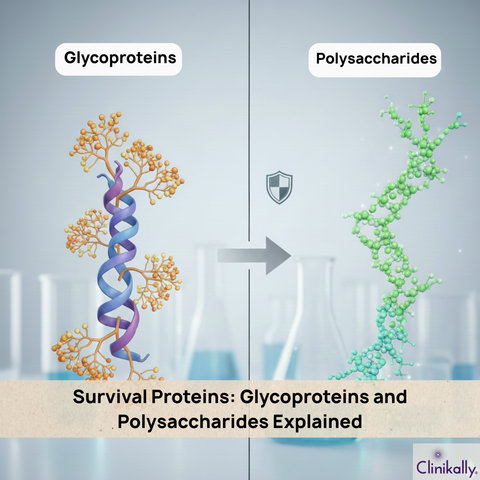
Glycoproteins and Polysaccharides are explained as follows:
Polysaccharides (protective biofilm builders): Long chains of sugar molecules (exopolysaccharides or EPS) emitted from the bacterial cell. Ocean function forms a moisturizing gel-like layer over the bacterium, trapping moisture and protecting it from desiccation. Bind heavy metals and other toxins to prevent cell damage, while dispersing and absorbing harmful UV rays. Skincare products work as moisture magnets (like hyaluronic acid) to keep skin supple. Create a breathable shield that protects against pollution particles and oxidative stress. It reduce water loss to support a healthy skin barrier.
Glycoproteins: They are proteins with sugar chains that are connected. They help proteins stay stable, hydrate glucose, and send signals. The ocean's ability to help cells stick together lets bacteria stick to surfaces even when there are strong currents. The enzymes and structural proteins are protected from degradation when the temperature or salt levels are high. The coordinating their defensive responses, it makes it easier for microbes to talk to each other. The skincare increases cell communication in the skin, which aids in healing and regeneration. It provides a conditioning effect, leaving the skin feeling smoother and stronger. It promotes anti-inflammatory mechanisms that alleviate discomfort.
Sustainable Fermentation and Ethical Ocean Sourcing
The emergence of marine biotechnology in cosmetics has raised significant debates concerning sustainability and ethical sourcing. Alteromonas Ferment Extract, a popular marine-derived activity, exemplifies how scientists can innovate responsibly while protecting vulnerable ocean ecosystems. Traditionally, many natural compounds were gathered directly from their surroundings, raising worries about over-extraction and ecological imbalance. Alteromonas macleodii and other deep-sea species inhabit delicate habitats where extensive collection would be both unfeasible and detrimental to the ecology. To overcome this, researchers used biotechnological fermentation, which cultivates microorganisms under regulated laboratory settings.
Alteromonas ferments exopolysaccharides, the bioactive molecules that give extracts their protective and moisturizing properties, instead of continuously extracting them from the ocean. This strategy promotes sustainable production, reduces environmental impact, and ensures consistency in quality and performance. The fermentation preserves biodiversity by diverting components from marine habitats while addressing the growing need for high-performance active compounds. The alignment with ethical sourcing criteria is equally important. The consumers are increasingly worried about the environmental impact of their skincare products. By choosing components that come via fermentation instead of simple extraction, marketers may show that they care about clean beauty and protecting the ocean. This not only builds trust but also ensures that progress benefits both people and the environment.
Proven Skin Benefits Supported by Emerging Research
The recent research on AFE and its effects on skin is as follows:
Pollution and heavy metal protection: The various studies have shown that Alteromonas exopolysaccharides can chelate heavy metals (e.g., cadmium and lead), preventing them from causing oxidative stress in skin cells. It acts as an anti-pollution shield, minimizing cellular damage in urban areas.
Antioxidant defense: In vitro assays show strong free radical scavenging activity, particularly against ROS (reactive oxygen species) caused by UV and pollution. It slows photoaging by reducing the breakdown of collagen and elastin.
Skin barrier strengthening: EPS forms a breathable, invisible film on the skin's surface, lowering transepidermal water loss (TEWL) in clinical hydration tests. The product makes skin tougher, smoother, and more comfortable, mainly for dry or sensitive skin.
Cell culture: They say that being around this extract lowers the levels of pro-inflammatory cytokines like IL-1α and TNF-α. This reduces redness, irritation, and skin sensitivity after the procedure.
Hydration: The temporary treatment in volunteers enhanced skin moisture levels by up to 30% in just hours. It provides quick volume and suppleness without oiliness.
Hydration Boost and Barrier Reinforcement
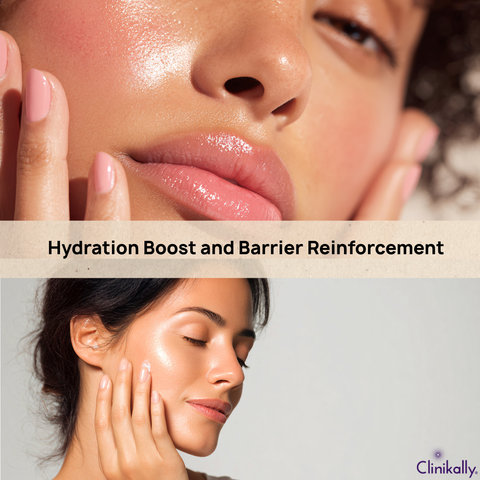
Emerging cosmetic science suggests that Alteromonas ferment extract increases hydration and skin barrier strength. The essential points are listed below.
Film-forming moisture shield: The exopolysaccharides in this extract form a thin, invisible biofilm on the skin's surface. This reduces TEWL by retaining moisture in the skin and allowing it to breathe.
Water-binding ability: The extract's sugar molecules attract and retain water in the same way that humectants like glycerin and hyaluronic acid do. The increase in short-term hydration occurs within hours of administration.
Barrier protein: By reducing oxidative stress and inflammation, the extract helps to protect structural proteins (filaggrin, involucrin) and lipids that are necessary for barrier integrity. They maintain optimal corneocyte cohesiveness and lipid balance. Increased resilience to irritants, allergies, and environmental stressors.
Long-term resilience: Consistent use strengthens the stratum corneum's defense network, making it less susceptible to dryness and reactivity. Skin texture and comfort improve cumulatively over weeks. Even when exposed to harsh climates or pollutants, the skin becomes more resilient and balanced.
Redness Reduction and Postbiotic Soothing
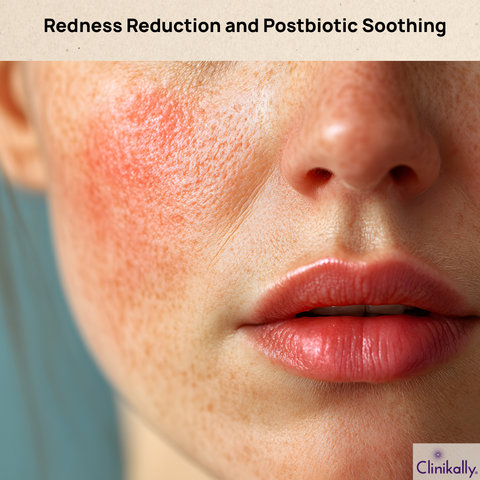
Alteromonas ferment extract is a postbiotic skincare ingredient obtained from the marine bacterium Alteromonas macleodii dwells in deep, cold ocean waters. To survive in its natural habitat, the microbe produces exopolysaccharides (EPS) and glycoproteins. These valuable compounds are extracted without harming marine environments through sustainable fermentation, yielding a high-quality, consistent component.
Alteromonas ferment extract is used in skincare to provide hydration, protection, and calming properties. Its EPS creates a lightweight, invisible layer that decreases transepidermal water loss, promotes hydration, and protects against pollutants and heavy metals. It strengthens the skin barrier by retaining structural proteins and lipids, ensuring long-term resilience.
Emerging research suggests antioxidant benefits, anti-inflammatory effects, and heavy metal chelation, making it especially effective for urban skin defense. It decreases redness by reducing pro-inflammatory cytokine activity and causing a barrier-first soothing effect, which is particularly beneficial for sensitive or postoperative skin. The material is microbiome-friendly and promotes a healthy skin ecosystem.
It is typically included in serums, creams, mists, and recovery products, offering both rapid relief and long-term protection. Its unique marine origin and postbiotic profile set it apart as a high-performance, long-lasting active for hydration, barrier strengthening, pollution protection, and redness reduction.
Anti-Pollution Shield Against Urban Stressors
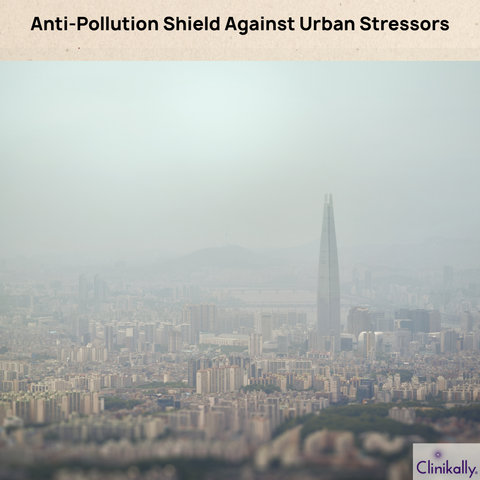
AFE is a marine-derived postbiotic known for its anti-pollution benefits. It comes from the deep-sea bacteria Alteromonas macleodii through sustainable fermentation and has exopolysaccharides (EPS) that work as a strong buffer against stresses. Lead, cadmium, and particulate matter are examples of heavy metals that can bind to the skin, destroying the skin barrier and causing oxidative stress. Alteromonas EPS binds to these metals via chelation, decreasing their detrimental effects before reaching skin cells. Its negatively charged, hydrophilic biofilm also helps with pollution resistance by minimizing its adherence to the skin's surface.
The extract is a powerful antioxidant that eliminates reactive oxygen species (ROS) produced by pollutants, UV radiation, and ozone. This prevents collagen and elastin from breaking down, keeping the skin tight and clean. It also helps to maintain the barrier's strength by lowering lipid peroxidation and protein oxidation, which reduces irritation and redness.
Formulation Insights: Pairings, Concentrations, and Stability
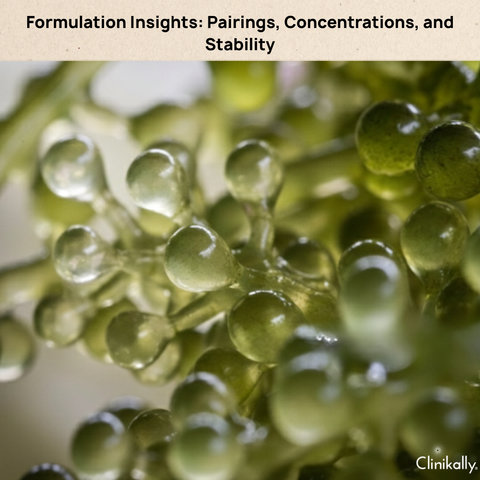
AFE is a water-soluble marine postbiotic that aids in hydration, barrier repair, and pollution-free skin care. It works best in 1-5% formulas, but higher concentrations are also possible. It works in combination with humectants (such as glycerin and hyaluronic acid), barrier lipids (such as ceramides and fatty acids), soothing agents (such as panthenol and madecassoside), and antioxidants (such as vitamin E and ferulic acid) to improve hydration and protection.
To maintain bioactivity, mix AFE with water at room temperature or below 40°C. It is stable between pH 4.5 and 7.0 and should be stored away from excessive heat, light, and oxidation. It is recommended to pack it in an airtight or opaque container. Avoid inappropriate combinations of high pH, strong oxidants, and live probiotics.
As a film-forming exopolysaccharide, AFE works well with most emulsions, serums, and mists, providing both immediate and cumulative effects. Water-based formulations require a broad-spectrum preservative system.
Compatible Ingredients: Ceramides, Niacinamide, HA
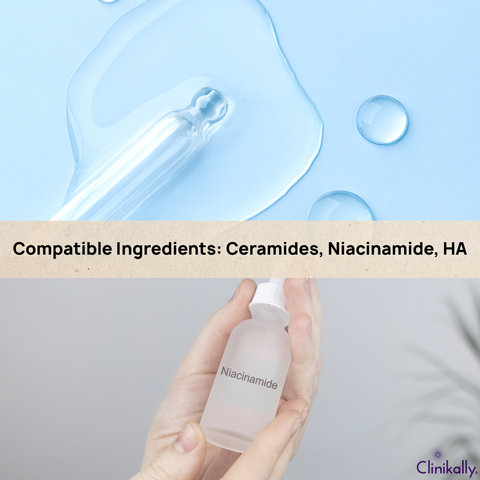
AFE works with ceramides, niacinamide, and hyaluronic acid (HA) in skincare formulations, as shown below:
Ceramides: Exopolysaccharides in AFE make films that keep moisture in, and ceramides rebuild the lipid matrix of the stratum corneum. The benefit is that two barriers protect you: ceramides strengthen from the inside, while AFE protects from the outside.
Niacinamide: It increases ceramide production and lowers inflammation, whereas AFE's EPS alleviates irritation and protects against contaminants. The benefits include stronger, more resilient skin, enhanced tone, and less redness. A Niacinamide serum for sensitive, urban-exposed skin is a good example.
Hyaluronic acid (HA): HA draws water into the skin, and AFE's EPS helps keep it there by reducing transepidermal water loss. Benefits include longer-lasting hydration and a plumper, smoother texture. A Hyaluronic Acid serum, gel cream, or face mist are common applications.
Optimal pH Range and Preservation Tips
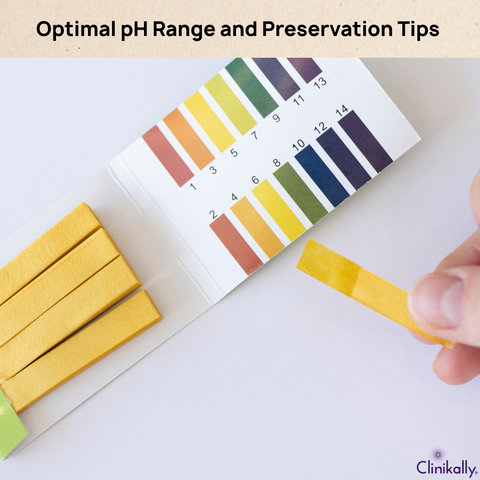
A formulation-focused guide for AFE pH and preservation requirements are:
Optimal pH range: pH ranges ranging from 4.5 to 7.0 provide the optimum stability. Below pH 4.5, glycoproteins and polysaccharides can breakdown, reducing barrier and hydration efficacy. At pH values higher than 7.0, the EPS film-forming structure can be destabilized, affecting viscosity. Most serums, emulsions, and mists designed for neutral to slightly acidic skin pH are effective.
Preservation tips: AFE is water-soluble and employed in water-based or emulsified systems, hence broad-spectrum preservation is required. Compatible systems include phenoxyethanol + ethylhexylglycerin, caprylyl glycol + phenethyl alcohol, and benzyl alcohol + dehydroacetic acid (natural/COSMOS-compliant formulae). Avoid using powerful oxidizing preservatives, which can harm EPS. Use PET/challenge testing in the final mix to confirm preservative efficacy.
Handling and storage: Add AFE during the cool-down (≤40°C) phase after heating. During manufacturing, protect yourself from direct light and extended exposure to high temperatures. Store in airtight, opaque, or UV-protective packaging.
Sensitive-Skin Considerations and Patch-Test Protocols
Alteromonas ferment extract (AFE) in sensitive-skin products, with suggested patch-test protocols for safety validation:
Sensitive-skin considerations: AFE is a postbiotic that contains no live bacteria, therefore it is often well-tolerated even by sensitive or post-procedure skin. Exopolysaccharides provide a non-occlusive, calming layer that alleviates stinging and stiffness in sensitive skin. Avoid using AFE in leave-on cosmetics that include high concentrations of exfoliating acids (e.g., >10% AHAs, strong BHAs). Maintain a pH between 4.5 and 6.5 for the optimum skin compatibility. Keep fragrances, essential oils, and harsh preservatives to a minimum. To increase comfort, use synergistic soothing medication.
Patch-test: Product development include recruiting 20-50 persons, including known sensitive skin subjects. Apply a small amount of the final formulation on the inner forearm or behind the ear and leave for 24-48 hours. Check for erythema, edema, or irritation after 24 and 72 hours.
Consumer Directions: Use a pea-sized amount on the inside forearm. Before using full-face, wait 24 hours. If redness, irritation, or burning develops, rinse thoroughly and discontinue use.
Key Takeaways for Consumers and Formulators
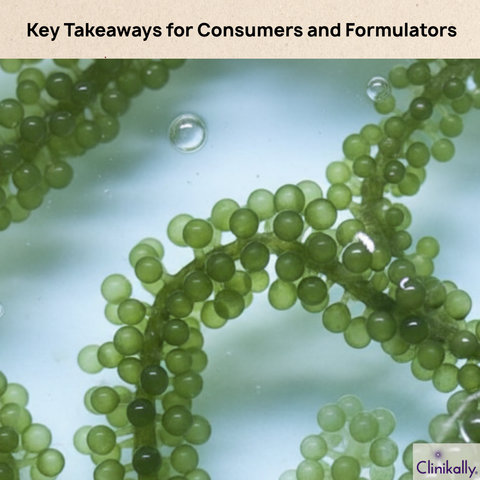
AFE is a marine postbiotic generated from the deep-sea bacteria Alteromonas macleodii via sustainable fermentation. It improves skin moisture, strengthens the barrier, reduces redness, and protects against environmental stressors including particulate matter and heavy metals. It is suitable for most skin types, particularly sensitive or post-procedure skin, and is widely used in serums, moisturizers, barrier creams, and recovery therapies.
AFE works best for formulators when used at a concentration of 1-5%, added to the water phase at temperatures below 40°C to keep It is stable in the pH range of 4.5-7.0, works well with ceramides, niacinamide, hyaluronic acid, panthenol, and antioxidants, and necessitates a broad-spectrum preservative system (e.g., phenoxyethanol and ethylhexylglycerin). To prevent light and oxidation, use airless or opaque packing.
Its film-forming effect provides both instant hydration and long-term resilience, while its postbiotic properties promote a healthy skin microbiome. In urban skincare, AFE serves as an anti-pollution shield, eliminating pollutants before they cause oxidative stress. Products for sensitive skin should have a faint smell and be devoid of harsh actives, with a patch test recommended. Overall, AFE provides a versatile and environmentally sourced solution for modern skin defense and restoration.