Banishing Butt Acne Naturally: Effective Home Remedies
Banishing butt acne naturally involves turning to home remedies that harness the healing properties of natural ingredients. These natural remedies for butt acne can be gentle yet effective, targeting the common causes such as bacteria, inflammation, and clogged pores. From household staples like apple cider vinegar and tea tree oil for butt pimples; to soothing agents like coconut oil and aloe vera for skin healing; these natural treatments offer a holistic approach to maintaining clear skin without the harsh side effects of chemical treatments. Here's a look at some effective home remedies for treating buttocks pimples at home, that can help you manage and prevent butt acne effectively. Keep reading for DIY treatments for butt acne!
Uncovering the Roots of Butt Acne: Causes and Prevention
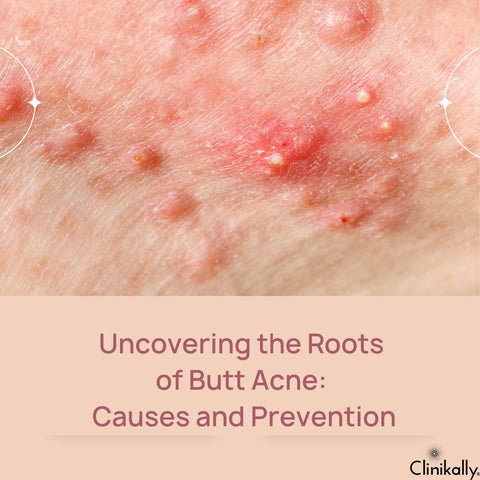
Butt acne, often mistaken for traditional acne, is typically caused by inflammation of hair follicles, known as folliculitis. Here are some of the primary causes along with prevention tips:
Causes of Butt Acne
Common causes for developing Butt Acne are:
-
Friction and Tight Clothing: Tight, non-breathable clothing can increase heat and sweating, leading to clogged follicles and breakouts.
-
Excessive Moisture: Sweat and remaining wet for long periods, especially after exercise or in hot weather, can irritate the skin and contribute to folliculitis.
-
Poor Hygiene: Infrequent showering or not changing out of sweaty clothes can promote bacterial growth.
-
Irritants in Products: Some laundry detergents, soaps, or skincare products contain irritants that can cause skin reactions.
-
Physical Irritation: Shaving or other forms of hair removal can cause irritation and small cuts, which may become infected.
-
Bacterial Infection: Sometimes, a bacterial infection primarily caused by Staphylococcus aureus can lead to severe forms of folliculitis.
Preventative Measures For Butt Acne
Various methods to prevent Butt Acne are:
-
Wear Loose, Breathable Clothing: Choose garments made from natural fibers like cotton, which allow your skin to breathe and reduce irritation.
-
Shower After Sweating: Bathing right after heavy perspiration, especially after a workout, helps wash away sweat and bacteria that could clog pores.
-
Change Wet Clothes Promptly: Avoid sitting in wet swimwear or sweaty gym clothes for extended periods.
-
Use Gentle Skin Care Products: Opt for hypoallergenic soaps and detergents free from harsh chemicals, fragrances, and dyes.
-
Avoid Rough Physical Exfoliation: While gentle exfoliation can help prevent ingrown hairs, avoid harsh scrubs or brushes that can further irritate the skin.
-
Maintain a Healthy Diet: High glycemic diets or diets rich in processed foods may contribute to inflammation in some people. Eating a balanced diet rich in vegetables, fruits, and whole grains can help.
-
Consult a Dermatologist: If you frequently suffer from severe folliculitis, a dermatologist can provide treatments such as topical or oral antibiotics, antifungal medications, or medicated cleansers.
By understanding the causes and implementing these prevention strategies, you can help reduce the occurrence of butt acne and keep your skin clear and healthy.
Identifying Common Triggers of Butt Acne
Butt acne, or folliculitis, occurs when hair follicles become infected and inflamed, often looking similar to regular acne found on other parts of the body. Here are some common triggers:
-
Wearing tight clothes, especially those made from non-breathable materials like nylon, can trap sweat and bacteria against the skin, leading to irritation and breakouts.
-
Activities that cause excessive sweating and friction, like cycling or wearing tight gym clothes, can contribute to folliculitis. The combination of heat, sweat, and rubbing can irritate the skin and clog hair follicles, leading to acne breakout.
-
Sitting for extended periods can also cause friction and sweating, making the buttocks a prime area for breakouts. Furthermore, being be-seated on leather chair can cause more harm.
-
Not taking a shower after sweating or using harsh soaps can irritate the skin and promote acne.
-
Hair removal methods such as shaving or waxing can lead to irritation and small wounds in the skin, which can become infected, causing folliculitis.
-
Warm, humid environments are breeding grounds for bacteria, which can exacerbate folliculitis.
-
Laundry detergents, body washes, or other skincare products with harsh chemicals can irritate the skin and lead to breakouts.
Understanding these triggers can help in managing and preventing butt acne by adopting suitable clothing choices, maintaining good hygiene, and being mindful of skin irritation.
Hygiene and Lifestyle Adjustments for Prevention

Hygiene and lifestyle adjustments are vital in preventing butt acne by reducing the risk factors that contribute to skin irritation and infections. Here are some effective strategies:
1. Hygiene Adjustments: Certain hygiene habits for acne control are:
- Regular Cleansing: Shower regularly, especially after sweating or exercising, using a mild, fragrance-free soap to keep the skin clean and reduce the buildup of bacteria.
- Exfoliate Gently: Incorporate gentle exfoliation for acne-prone skin into your routine to remove dead skin cells and prevent them from clogging pores. Opt for chemical exfoliants like those with salicylic acid, which are less likely to irritate sensitive areas.
-
Change Clothes Frequently: Avoid sitting for long periods in wet or sweaty clothes, including workout gear and swimwear. Changing into dry, clean clothes helps minimize the risk of bacterial growth and skin irritation.
2. Lifestyle Adjustments: Incorporating a few lifestyle changes for clear skin is mandatory. Certain tips are:
- Wear Breathable Fabrics: Choose loose-fitting clothes made from natural fibers like cotton. These allow the skin to breathe and reduce the moisture buildup that can lead to folliculitis.
- Stay Hydrated: Drinking plenty of water helps maintain the skin’s moisture balance from the inside out, supporting overall skin health and resilience.
- Balanced Diet: Maintain a diet rich in fruits, vegetables, and whole grains to provide essential nutrients that support skin health. Avoid excessive intake of sugary and fatty foods that can exacerbate acne.
- Manage Stress: High stress levels can exacerbate acne by increasing the production of hormones such as cortisol. Engage in stress-reducing activities like yoga, meditation, or regular exercise.
- Avoid Tight Clothing: Tight clothing can cause friction and trap sweat against the skin, aggravating existing conditions and leading to new outbreaks. Opt for looser fits to keep skin irritation at bay.
Implementing these hygiene and lifestyle changes can significantly help in the prevention and management of butt acne, preventing butt acne flare-ups, promoting healthier skin and reducing the frequency of breakouts.
The Role of Diet in Managing Skin Health
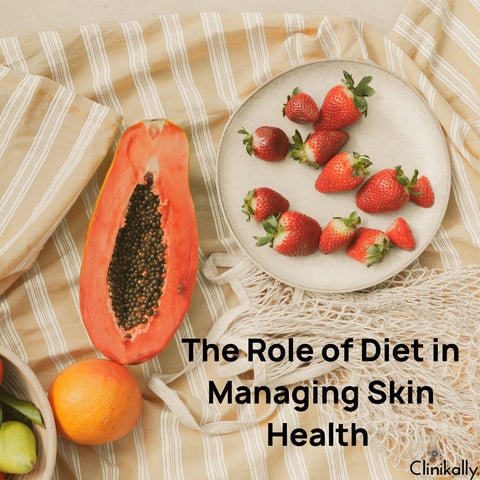
Diet plays a crucial role in managing skin conditions such as butt acne, largely through its impact on inflammation and overall skin health. Here are a few key diet tips for acne prevention:
-
Low Glycemic Index Foods: Consuming foods with a low glycemic index, such as whole grains, leafy greens, and most fruits, can help reduce insulin levels and sebum production, potentially minimising acne outbreaks.
-
Hydration: Staying adequately hydrated helps to flush out toxins from the body and keeps the skin cells plump, which can aid in reducing the appearance of acne.
-
Zinc-Rich Foods: Foods high in zinc, such as pumpkin seeds, lentils, and beef, are known for their anti-inflammatory properties and can help manage and reduce acne flare-ups. Zinc supplements like Zitcare Capsule for skin health can also be added in your diets.
-
Avoid Dairy and High Sugar Foods: Some studies suggest that dairy products and high-sugar foods can exacerbate acne in some people by promoting inflammation and hormonal imbalances.
By focusing on a balanced diet rich in antioxidants, vitamins, and minerals, and limiting inflammatory foods, you can support your skin's health and potentially reduce the occurrence of butt acne.
DIY Remedies: Your Arsenal Against Butt Acne
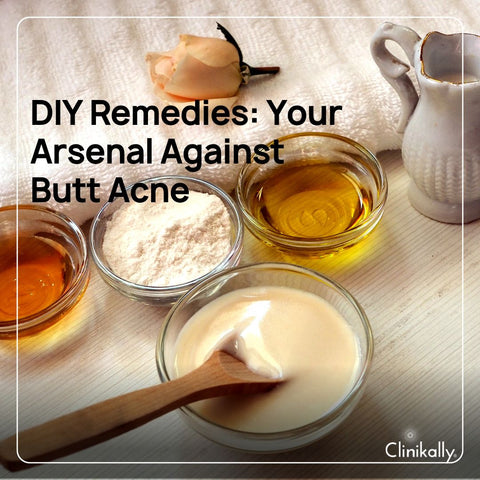
Butt acne, often not true acne but folliculitis—a form of inflammation caused by irritation or an infection of the hair follicles—can be uncomfortable and embarrassing. Fortunately, various DIY remedies can help manage and treat this condition at home. Here’s how you can address it using accessible and natural ingredients:
1. Coconut Oil: Coconut oil is beneficial for treating butt acne primarily due to its antimicrobial properties, which help reduce the bacteria that can cause infections in the skin. It also contains anti-inflammatory compounds that can soothe irritated skin and reduce redness. Moreover, its moisturizing effect helps maintain the skin's barrier function, preventing further irritation and outbreaks.
2. Tea Tree Oil: Known for its antibacterial and anti-inflammatory properties, tea tree oil can help reduce folliculitis. Dilute tea tree oil with a carrier oil (like coconut oil) and apply it to the affected area to decrease redness and prevent infection. Tea Tree Oil is one of the most effective essential oils for skin acne.
3. Apple Cider Vinegar: Apple cider vinegar has antibacterial properties and a natural pH balancer, which can help reduce the presence of bacteria and soothe inflamed skin. Dilute it with water (half vinegar, half water), apply it to the affected area with a cotton ball, and rinse after 10 minutes. Apple cider vinegar for acne is an ancient effective remedy for acne due to its natural antibacterial properties and action.
4. Aloe Vera: Aloe vera is excellent for soothing and healing skin. Its gel has anti-inflammatory and cooling effects, which can help heal irritated skin. Apply pure aloe vera gel directly to the affected area and leave it on to absorb. BABE Aloe Vera Gel can be used.
5. Warm Compress: Applying a warm compress to the affected area can help soothe irritation and reduce swelling. It can also draw out bacteria and pus from the follicles, helping them to heal faster.
6. Oatmeal Bath: An oatmeal bath can calm inflamed skin and reduce itchiness. Grind plain oatmeal and add it to a lukewarm bath. Soak for 15-20 minutes to help soothe the skin on your buttocks.
7. Baking Soda: Baking soda can act as an exfoliant and anti-inflammatory agent. Mix baking soda with water to create a paste and apply it to the affected area to help reduce irritation and clear up bumps.
8. Witch Hazel: Witch hazel has anti-inflammatory and astringent properties, making it an effective remedy for skin irritation and inflammation. Apply witch hazel directly to the skin with a cotton pad to help cleanse and soothe the area. Witch hazel for acne reduction gives promising results.
9. Honey: Honey is an effective natural remedy for butt acne due to its antibacterial properties, which help to reduce infection and inflammation. Its natural osmotic effect draws out impurities from the pores, aiding in the cleansing process. Additionally, honey's soothing properties help calm irritated skin, promoting faster healing of acne lesions.
Apart from that, using turmeric masks for skin care on the buttock is also very popular. Using Sugar scrub, by mixing it with a carrier oil also aids in sloughing away dead skin cells. These remedies can be effective for treating mild cases of folliculitis or irritation. However, if your condition persists or worsens, it is essential to consult a dermatologist. Severe cases may require medical treatment such as prescription creams or antibiotics.
The Power of Tea Tree Oil: A Natural Antiseptic Approach
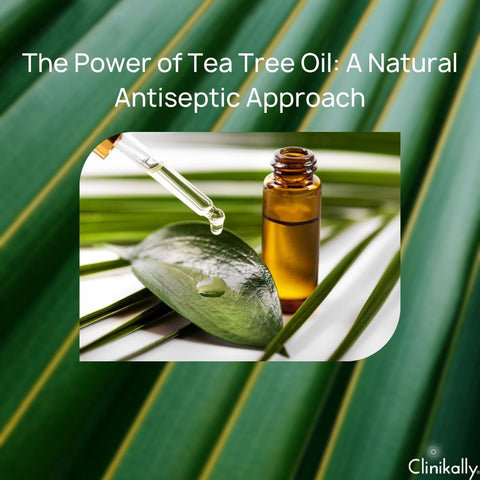
Tea tree oil, derived from the leaves of the Melaleuca alternifolia tree native to Australia, is well-known for its potent antiseptic properties, making it highly effective in treating skin conditions like butt acne, or more accurately, folliculitis. Here’s how tea tree oil aids in alleviating this condition:
-
Antibacterial Action: Tea tree oil contains compounds like terpinen-4-ol that have strong antibacterial properties. These compounds help to eliminate the bacteria responsible for infecting hair follicles, which is a common cause of folliculitis. By reducing bacterial growth, tea tree oil helps prevent the formation of new acne lesions.
-
Anti-inflammatory Properties: In addition to its antibacterial effects, tea tree oil is also a natural anti-inflammatory agent. It can reduce the redness and swelling associated with inflamed follicles, soothing irritated skin and making the acne less visible and painful.
-
Antifungal Benefits: Folliculitis can sometimes be caused by fungal infections. Tea tree oil's antifungal properties make it effective in treating these types of infections as well, providing a comprehensive approach to treating all potential causes of folliculitis.
-
Cleansing Agent: Tea tree oil is a natural cleanser. It helps in cleansing the pores deeply, removing excess oil, debris, and dead skin cells that can clog the follicles and exacerbate the condition.
-
Reduces Oiliness: It helps regulate the production of sebum in the skin. By controlling excess oiliness, tea tree oil helps reduce the likelihood of follicles becoming blocked, which is a key factor in the development of acne.
Using Tea Tree Oil Safely
When using tea tree oil, it's important to dilute it properly to avoid skin irritation, as it is very potent. A typical dilution might involve mixing a few drops of tea tree oil with a carrier oil like coconut oil, jojoba oil, or almond oil. This mixture can then be applied to the affected area with a cotton ball or pad. Before using tea tree oil, especially on sensitive areas like the buttocks, performing a patch test on a small area of skin is advisable to ensure there is no adverse reaction.
By leveraging tea tree oil’s antiseptic properties, individuals suffering from folliculitis can find significant relief, experiencing fewer symptoms and a quicker healing process. Always consider consulting with a healthcare provider or dermatologist before starting new treatments, especially if you have sensitive skin or are prone to allergies.
Soothing Aloe Vera: Healing and Hydration for Affected Skin
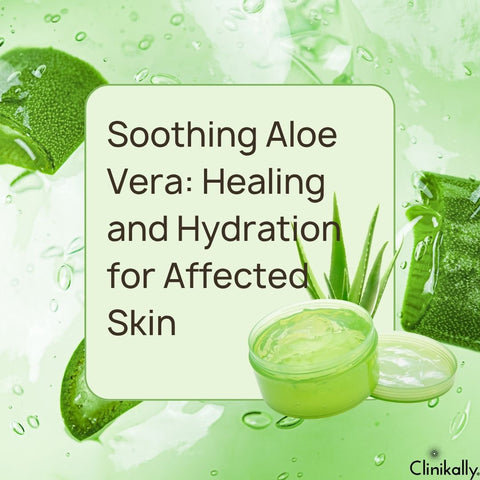
Aloe vera is renowned for its soothing, healing, and hydrating properties, making it an invaluable ingredient in the treatment of various skin conditions, including sunburns, irritation, and dry skin. Here’s an elaboration on how aloe vera can be especially beneficial for healing and hydrating affected skin:
-
Hydration: Aloe vera gel contains over 99% water, which helps moisturize, soothe, and hydrate the skin. Unlike many conventional moisturizers that sit on the surface of the skin, aloe penetrates deeper, providing moisture to deeper layers of skin, which helps with quicker healing of dry and damaged skin.
-
Healing Properties: Aloe vera is rich in compounds like glycoproteins and polysaccharides. Glycoproteins are known to help in healing by reducing pain and inflammation, while polysaccharides promote skin growth and repair. These components are crucial for rapid healing of skin abrasions, burns, and cuts.
-
Anti-inflammatory Effects: Aloe vera has effective anti-inflammatory properties due to the presence of compounds such as acemannan, which helps in reducing redness and swelling. This is particularly beneficial for inflammatory skin conditions like acne and eczema.
-
Antimicrobial Properties: Aloe vera possesses mild antimicrobial properties, which can help treat infections without harsh reactions, making it suitable for sensitive and irritated skin. These properties prevent skin infections that can often complicate skin conditions and delay healing.
-
Antioxidant Benefits: The gel is also packed with antioxidants such as vitamins C and E, and beta-carotene, which offer skin protective benefits. These antioxidants not only protect the skin from free radicals but also help in maintaining skin elasticity and reducing the visibility of fine lines and wrinkles.
-
Soothing Sensation: Upon application, aloe vera provides a cooling effect that can soothe sunburns and other irritations. This cooling sensation is soothing for itchy skin and inflammations, providing immediate relief.
-
Skin Barrier Enhancement: Aloe helps in strengthening the skin’s barrier, enhancing its ability to retain moisture and withstand environmental toxins and pollutants. This enhanced barrier function is vital in maintaining skin health and preventing damage.
Application Tips
For best results, aloe vera gel should be applied directly to the affected area. It can be sourced directly from the aloe plant or bought as a pure aloe vera gel product. Ensure the gel is free from added colours, fragrances, or alcohol, which can irritate sensitive skin. Apply the gel two to three times daily or as needed to clean, dry skin.
In summary, aloe vera is more than just a home remedy; it’s a clinically proven skin saver with multiple benefits that make it a staple in skin care regimens worldwide. Whether dealing with sunburn, dry skin, or inflammation, aloe vera’s natural properties can provide relief and promote healthy, hydrated skin.
Witch Hazel: Reducing Inflammation and Calming Irritation
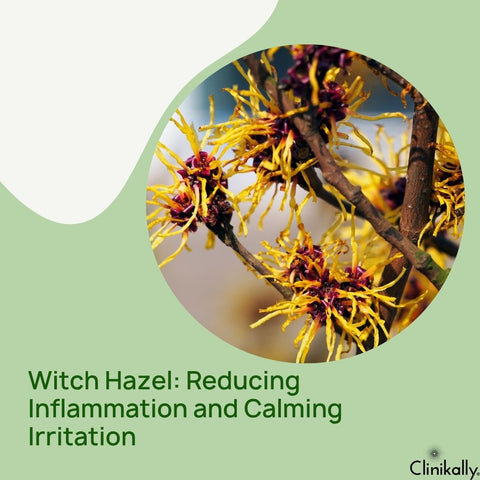
Witch hazel is a natural remedy well-regarded for its anti-inflammatory and soothing properties, making it an excellent choice for managing skin irritations like butt acne or folliculitis. Various benefits of Witch Hazel for Butt Acne are due to following properties:
-
Anti-inflammatory Properties: Witch hazel contains tannins, which have strong anti-inflammatory effects. This can help reduce the redness and swelling associated with inflamed follicles.
-
Astringent Qualities: It acts as a natural astringent, helping to tighten the skin and reduce oiliness, which can help prevent the clogging of pores that leads to breakouts.
-
Antibacterial Effects: Witch hazel has been shown to inhibit the growth of bacteria, including types that can cause skin infections. This is crucial in preventing and treating folliculitis.
-
Soothing Effect: It can calm irritation and soothe the skin, providing relief from discomfort caused by breakouts.
Usage Guidelines
Using witch hazel in a correct manner is essential for treating butt acne. Various key points are:
-
Opt for a pure witch hazel extract or a product that contains a high concentration of witch hazel without too much alcohol or added fragrances, which can irritate sensitive skin.
-
After bathing and thoroughly drying the area, apply witch hazel using a cotton pad. Gently dab it on the affected areas. Avoid vigorous rubbing, which can irritate the skin further.
-
Apply witch hazel 1-2 times daily, especially after showering or cleansing the skin, to maintain cleanliness and reduce irritation.
-
Before starting regular applications, perform a patch test on a small area of skin to ensure there is no allergic reaction or excessive dryness.
-
Although witch hazel helps in drying out excess oils, it’s important to follow up with a light, non-comedogenic moisturizer to keep the skin hydrated without clogging pores.
While witch hazel is generally safe for topical use, it's important to be cautious if you have particularly sensitive skin or if you're prone to allergic reactions. Always start with a patch test, and if you experience any adverse effects, discontinue use and consult a dermatologist. Integrating witch hazel into your skincare routine can be an effective way to manage and prevent the symptoms of butt acne, helping to keep your skin clear and comfortable.
Beyond Treatment: Maintaining Clear Skin in the Long Run
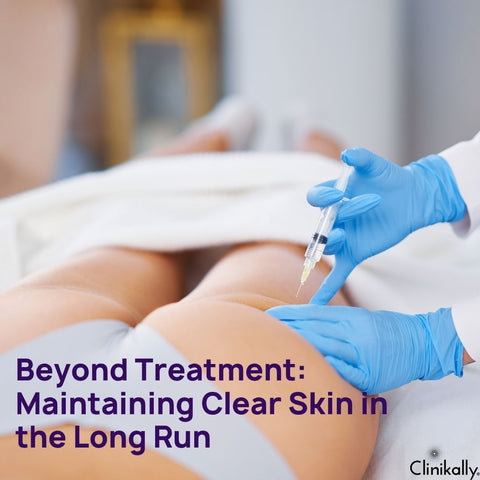
Maintaining clear skin, particularly when dealing with recurring issues like butt acne, extends beyond immediate treatments to adopting long-term skincare habits. Consistency is key; incorporating daily gentle cleansing, wearing breathable, loose-fitting clothing, and maintaining a healthy diet rich in anti-inflammatory foods can significantly impact skin health. Regularly moisturizing with non-comedogenic products and using natural anti-inflammatory agents like witch hazel can help soothe existing irritation and prevent future breakouts. Additionally, staying hydrated and managing stress through practices like yoga or meditation can also enhance skin resilience, promoting a clear and healthy complexion over time.
Moisturizing Strategies: Balancing Skin without Clogging Pores
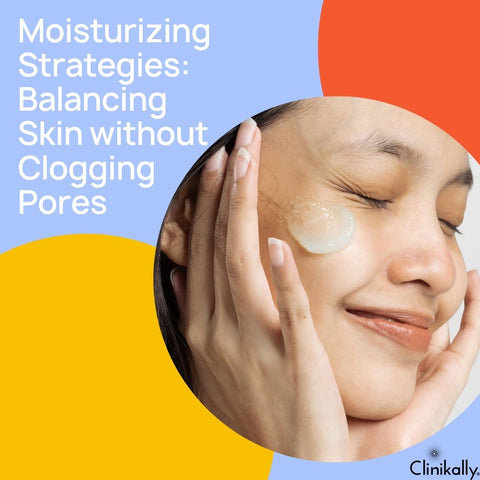
When dealing with butt acne, choosing the right moisturizing strategies is crucial to keep the skin balanced without exacerbating the condition. Here are effective tips to ensure proper hydration without clogging pores:
1. Selecting the Right Moisturizer
-
Non-comedogenic Products: Opt for moisturizers labelled non-comedogenic, meaning they are specifically formulated to not clog pores. These products typically have a lighter consistency and absorb quickly into the skin.
-
Oil-free Formulas: Oil-free moisturizers provide the necessary hydration without adding excess oil to the skin, which can trigger breakouts.
-
Gel-based Moisturizers: Gel-based options are excellent for oily or acne-prone skin as they are light, hydrating, and less likely to cause breakouts compared to heavier cream-based moisturizers.
2. Application Techniques
-
Clean Application: Always apply moisturizer on clean and dry skin. This helps prevent trapping any dirt or bacteria under the moisturizer, which could worsen acne.
-
Gentle Application: Apply the moisturizer gently, using light patting or tapping motions rather than rubbing vigorously, which can irritate the skin.
-
Regular Use: Consistent use of moisturizer, especially after showering or exfoliating, helps maintain the skin’s natural barrier and prevents dryness, which can lead to more skin problems.
3. Additional Tips
-
Hydration From Within: Increasing water intake can help maintain overall hydration levels, contributing to healthier skin.
-
Balanced Diet: A diet rich in vitamins and minerals can support skin health. Foods high in vitamins A, E, and omega-3 fatty acids can particularly help improve skin’s moisture levels.
-
Avoid Irritants: Steer clear of products with harsh chemicals, fragrances, or dyes, which can irritate sensitive skin and exacerbate acne.
-
Patch Testing New Products: Before fully integrating a new moisturizer into your routine, do a patch test on a small area of skin to ensure it does not cause irritation or worsen your condition.
By carefully selecting and applying the right moisturizer and adopting comprehensive skin care habits, you can effectively hydrate your skin while managing and preventing butt acne, keeping your skin smooth and clear.
Regular Exfoliation: Keeping Skin Smooth and Pimple-Free
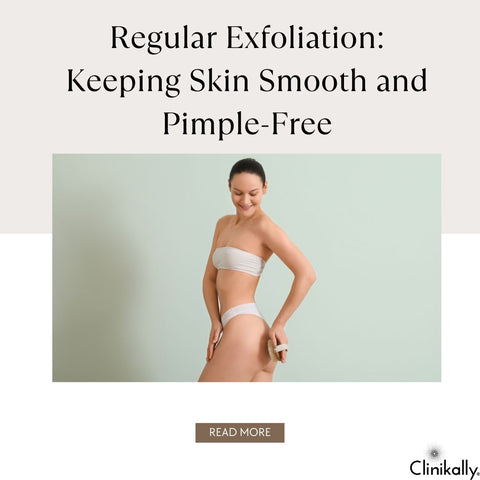
Regular exfoliation is a key component in maintaining smooth and pimple-free skin, especially when managing conditions like butt acne. Exfoliation helps remove dead skin cells that can clog pores and lead to breakouts. By incorporating a gentle exfoliating routine, you can enhance the skin's natural renewal process, allowing healthier skin cells to surface. This not only prevents acne but also improves the overall texture and appearance of the skin.
-
For areas prone to acne, such as the buttocks, it's crucial to use a soft exfoliating brush or a chemical exfoliant with ingredients like salicylic acid or lactic acid, which are known for their ability to penetrate deeply into the pores and dissolve any impurities.
-
When exfoliating areas with acne, it's important to balance effectiveness with gentleness. Mechanical exfoliants, such as scrubs with beads or sugar, can sometimes be too abrasive and may irritate already inflamed skin, potentially worsening the condition. Instead, opting for chemical exfoliants or finely milled physical exfoliants can achieve the desired cleansing effect without causing additional harm. Nevlon Acne Soap can be used for the same.
-
Exfoliating one to two times a week is generally sufficient to maintain clear skin without over-stripping it of natural oils.
-
After exfoliating, it is crucial to follow up with a non-comedogenic moisturizer like Aveeno Daily Moisturising Lotion to hydrate the skin and protect the newly exposed cells from environmental stressors.
Regular, gentle exfoliation can thus play a vital role in a comprehensive skincare routine aimed at keeping the skin smooth and clear of pimples.
When to See a Dermatologist: Navigating Persistent Skin Issues
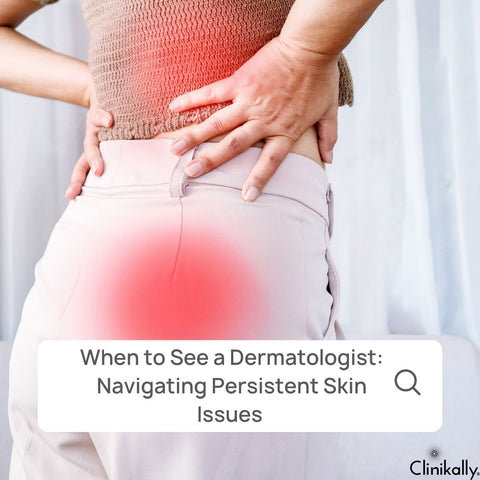
When dealing with persistent butt acne, consulting a dermatologist becomes essential if standard home care and over-the-counter treatments fail to bring improvement. If you notice severe redness, pain, extensive breakout areas, or if the acne frequently recurs, these are signs that professional intervention is needed. A dermatologist can provide a more accurate diagnosis and may prescribe stronger topical treatments, oral medications, or even recommend specific procedural interventions to effectively manage the condition. Additionally, a dermatologist can offer tailored advice on skincare routines and products that are best suited for your skin type, helping to prevent future flare-ups and maintaining overall skin health.
Integrating Natural Care into Your Skincare Regimen
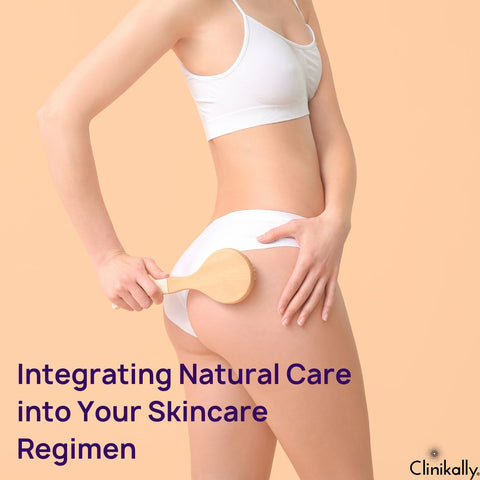
Integrating natural care into your skincare regimen can enhance skin health by harnessing the gentle, healing properties of nature. Natural ingredients like aloe vera, tea tree oil, and witch hazel offer soothing, antibacterial, and anti-inflammatory benefits that support skin recovery and maintenance without the harsh effects of synthetic chemicals. By choosing products with organic, sustainably sourced ingredients, or even preparing homemade remedies, you can minimize your exposure to irritants and allergens, promoting a healthier complexion. Over time, a skincare routine enriched with natural elements can lead to visibly clearer, more radiant skin, aligning daily care with holistic wellness principles.