Banyan Leaf in Skincare: A Traditional Healer’s Modern Revival for Sensitive Skin
Banyan leaf, a long-honored herbal in classic Ayurvedic medicine, is making a strong return to skincare in the modern era-particularly for reactive and sensitive skin types. Laden with natural antioxidants, flavonoids, and antibacterial action, banyan leaf extract soothes inflammation, minimizes redness, and aids in skin healing without harsh side effects. This ancient plant powerhouse was rediscovered recently by holistic skincare and clean beauty enthusiasts for its soothing properties on eczema, acne, and other skin irritation-prone conditions. Since consumers are looking for plant-based and gentle remedies more and more, banyan leaf as an ingredient in skincare is presented as a natural, sustainable option to chemical products. Used in calming face masks, soothing serums, and hydrating creams, banyan leaf is an emerging ingredient in sensitive skin solutions. Find the contemporary rebirth of this ancient healer in your skin regimen.
Exploring the Origins and Therapeutic Use of Banyan Leaf
The banyan tree (Ficus benghalensis), regarded by many cultures as sacred, has a long history dating back to Ayurveda and traditional folk medicine. For centuries, banyan tree parts-most notably leaves-have been employed in healing everything from skin infections to inflammations and wounds. Banyan leaf extract is known for its astringent, antibacterial, and healing properties, making it a go-to natural remedy for skin concerns like acne, rashes, and eczema. Traditionally, crushed banyan leaves were applied directly to the skin to promote healing and reduce redness. With increasing demand for plant-based well-being, contemporary formulations now unlock the healing potential of banyan leaf in skin care products, providing a botanical bridge between traditional healing knowledge and scientifically informed dermal care.
What Is Banyan Leaf and Where Does It Come From?

Banyan leaf is derived from the banyan tree (Ficus benghalensis), a stately fig tree native to India and other Asian tropical areas. Identifiable by its sprawling canopy and aerial roots, the banyan tree is revered as a symbol of longevity, strength, and healing throughout Indian culture. Its dense, dark green leaves are full of phytonutrients and bioactive compounds that have been used in traditional Ayurvedic and herbal medicine for hundreds of years. The leaves are harvested with caution and processed-many times through dehydration and extraction techniques-to produce concentrated ingredients that are used topically. Rich in antioxidants, flavonoids, and tannins, banyan leaf is increasingly being added to contemporary skincare for its soothing, anti-inflammatory, and skin-repairing properties, particularly for sensitive, acne-prone, or irritated skin.
Its Role in Ayurveda and Traditional Skin Healing
The banyan leaf has long been a prized commodity in Ayurveda and Indian traditional medicine, with its versatile healing powers for the skin, body, and mind. With holistic wellness and natural skin care becoming popular again in contemporary practices, this age-old remedy is being tapped again for its healing potential, especially in controlling skin inflammation, spots, and sensitivity.
- Employed in Ayurvedic medicines for its cooling and anti-inflammatory action on irritated pitta dosha
- Used traditionally as a paste on acne, rashes, and small skin injuries
- Said to lighten pigmentation and tan when used topically on a regular basis
- Banyan leaf latex extract used for the enhancement of wound healing and skin regeneration
- Acts as a natural antiseptic and is thus suitable for the treatment of skin infections
- Aids in alleviating itchiness and redness in eczema or allergic conditions
- Decoctions from bark and leaves utilized for purifying the skin internally
- Frequently suggested in Ayurvedic texts to correct vata and kapha imbalances of the skin
- Its antioxidant nature prevents free radical damage to the skin
- Compresses prepared with leaves utilized for swelling or inflamed skin disorders in traditional medicine
In Ayurveda, the banyan leaf is more than an ingredient-it's a metaphor for holistic healing. Its long-standing presence in skin remedies, from ancient poultices to contemporary herbal infusions, underscores its long history of soothing, healing, and rejuvenating the skin naturally.
Extraction Methods and Integration into Modern Skincare
Banyan leaf has come full circle from ancient ceremonies to contemporary laboratories, where its active compounds are being leveraged through cutting-edge extraction techniques. With clean beauty and plant-based products catching on internationally, incorporating banyan leaf extracts in skincare products is a harmonization of ancient knowledge and scientific progress.
- Typical extraction techniques involve cold pressing, decoction, and ethanol extraction to maintain active constituents
- Hydrophilic extracts are commonly applied in toners and gels due to their moisturizing and soothing characteristics
- Alcohol tinctures facilitate the concentration of antibacterial and antifungal compounds for specific applications
- Leaf powders get mixed into face packs and masks for gentle exfoliation and anti-acne effects
- Phytochemical-abundant extracts get added to serums and lotions for age-reducing and lightening properties
- Applied in emulsions to aid skin barrier healing and soothe inflammation
- Incorporated into sensitive or redness-susceptible skin moisturizers because of its soothing effect
- Combined with other plant ingredients such as neem, aloe vera, and turmeric in Ayurvedic-inspired product lines
- Used in cleansers and face washes because of its organic cleansing and sebum-balancing properties
- Frequently included in organic or environmentally friendly product lines for overall skin wellness
Through the combination of conventional preparation methods and contemporary extraction science, banyan leaf has been revitalized for use in skincare. It is now a functional ingredient in formulations for clarity, serenity, and natural restoration-uniting the healing that has been around for centuries with modern skin health aspirations.
Scientifically Supported Skin Benefits of Banyan Leaf
Banyan leaf has some scientifically proven advantages for skin health, especially for sensitive and inflammation-prone skin. Research has established that banyan leaf extract is rich in flavonoids, tannins, and phenolic compounds-natural free-radical-neutralizing antioxidants that prevent premature aging. It is also efficient in treating acne-inducing bacteria and calming down skin infections due to its antibacterial and antimicrobial qualities. Studies also identify its anti-inflammatory properties that relieve redness, swelling, and inflammation in skin conditions such as eczema and dermatitis. Moreover, banyan leaf promotes collagen formation and healing of wounds, speeding up the natural repair of the skin. As consumers increasingly look for clean, efficient products with nature-derived origins, banyan leaf is emerging as a strong ingredient for cutting-edge, science-formulated skincare.
Anti-Inflammatory Effects and Skin Soothing Properties
Gently but intensely celebrated, banyan leaf is particularly prized in skin care for its capacity to soothe inflammation and quiet irritated tissue. Rich in bioactive compounds, it modulates immune response and alleviates surface redness, making it a go-to natural component for reactive and sensitive skin types.
- Inhibits inflammatory enzymes and cytokines through flavonoids and polyphenols
- Alleviates swelling and pain of acne, eczema, and dermatitis
- Calms redness and itchiness caused by external stressors or allergies
- Relieves heat-induced skin irritation, particularly in areas exposed to the sun
- Facilitates the skin recovery process after exfoliation or cosmetic procedures
- Encourages microcirculation to assist in skin repair and detoxification
- Bolsters the skin barrier to prevent future irritation and inflammation
- Relieves rashes and insect bites due to its soothing latex properties
- Suitable for repeated use on delicate areas such as under the eyes or cheeks
- Suitable for use in after-sun treatment, anti-itch creams, and soothing serums
With its natural anti-inflammatory profile and clinically established skin-soothing activity, banyan leaf remains a reliable botanical for recouping comfort and balance-particularly for those struggling with chronic skin sensitivity or inflammatory issues.
Promoting Wound Healing and Barrier Repair Naturally
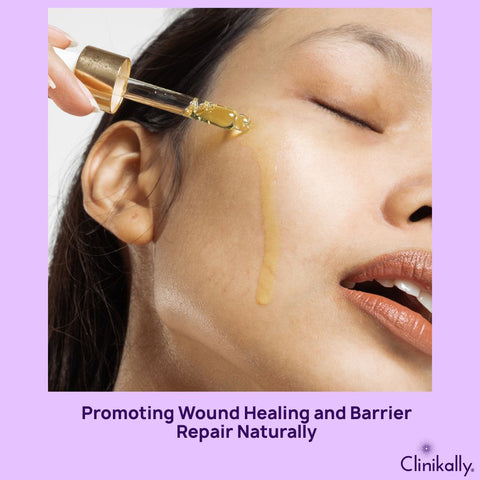
Banyan leaf has been traditionally valued for its capacity to speed up the healing of wounds and fortify the skin's defense barrier. Now, its application in contemporary skincare still captures these potent regenerative properties, so it is an efficient natural choice in healing weakened or damaged skin.
- High content of tannins and antioxidants that promote quicker skin regeneration
- Banyan leaf latex helps to seal small cuts and abrasions
- Initiates collagen synthesis, essential for tissue repair
- Suppresses microbial load on wounds, diminishing chances of infection
- Facilitates the creation of protective layers preventing transepidermal water loss
- Accelerates healing of dry skin, cracked or sensitive skin
- Convenient in soothing inflammation surrounding wounds to promote painless healing
- Stimulates healthy cell turnover, essential for post-acne or scarred skin
- Works synergistically with other healing herbs in balms and ointments
- Aids in restoring resilience in skin compromised by harsh weather or treatments
Harnessing the natural healing intelligence of banyan leaf allows skincare products to work in harmony with the body’s own repair processes-gently restoring skin health and reinforcing the barrier without harsh chemicals or irritants.
Suitable for Sensitive, Redness-Prone, and Acneic Skin
Banyan leaf is particularly suited for sensitive, redness-prone, or acne-prone skin. Its non-irritating yet potent properties soothe breakouts, reduce inflammation, and establish a healthier, more stable-looking complexion-all without drying or irritating the skin.
- Naturally antibacterial, preventing breakouts by controlling acne-causing bacteria
- Stabilizes sebum and unblocks pores without harshness
- Soothes sensitive skin and prevents flare-ups from environmental triggers
- Reduces redness and blotchiness with cooling, calming ingredients
- Fades post-acne spots and pigmentation over time
- Won't dry out skin, which makes it great for dry-sensitive skin
- Contains no harsh acids or exfoliants, so it can be used on sensitive skin
- Reduces skin sensitivity with time by making the barrier more resilient
- Great for use in simple, ingredient-driven skincare regimens
- Suitable for both teens and adults with hormonally or stress-acne
A soothing multitasker, banyan leaf provides a natural remedy for treating problem skin without irritating it-bringing ease, transparency, and visible relief to sensitive or acne-ridden skin.
Using Banyan Leaf Safely and Effectively in Your Routine

Using banyan leaf in your skincare regimen can have many benefits, but proper use with safety and effectiveness is essential to achieve maximum results without irritation. As a strong botanical extract, banyan leaf should be introduced gradually-particularly for sensitive or reactive skin types. Always do a patch test prior to using banyan leaf products on your face to eliminate possible allergies. Choose formulations wherein banyan leaf is counterbalanced with moisturizing and barrier-supporitng ingredients like aloe vera, hyaluronic acid, or ceramides. Avoid combining it with harsh exfoliants or strong actives like retinoids initially, to prevent over-sensitization. Opt for dermatologist-tested, clean-label products that clearly list banyan leaf extract as a key ingredient. When used mindfully, banyan leaf can become a powerful, natural ally in soothing, protecting, and healing your skin.
Best Products Featuring Banyan Extract
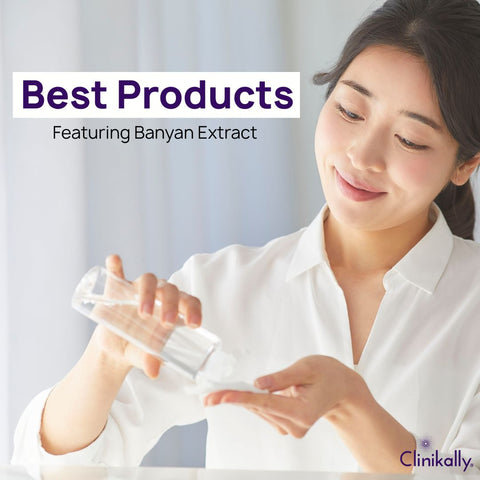
Selecting the correct skincare products with banyan extract will maximize its effectiveness for your individual skin concerns. If you're dealing with inflammation, acne, or barrier repair, being aware of what to ask for will guarantee you're optimizing this potent botanical.
- Check for "Ficus benghalensis extract" or "banyan leaf extract" on the product list
- Opt for products containing little or no fragrance or alcohol for sensitive skin tolerance
- Choose gel-based or light formulations for oily and acne skin types
- Creams or balm with banyan extract are best for barrier repair as well as dry skin
- Choose products combined with other soothing botanicals such as aloe vera or centella for enhanced soothing benefits
- Use serums or ampoules for spot treatment of redness or acne
- Make sure the product is dermatologically tested, particularly if you have sensitive skin
- Steer clear of formulas that contain harsh exfoliants when using banyan extract to avoid overstimulation
- Look for eco-friendly or Ayurvedic-certified brands for authenticity and purity
- Patch test new products using banyan extract, particularly if your skin is compromised
Wise selection enables you to reap the complete range of skin benefits from banyan extract-naturally boosting calm, clarity, and resilience with each use.
Complementary Botanicals That Enhance Its Benefits

Banyan extract synergizes with a number of other plants, amplifying its calming, healing, and clarifying action. Carefully combined, these natural partners can enhance skincare benefits-particularly for sensitive, acne-ridden, or irritated skin types.
- Aloe vera augments hydration and boosts banyan's cooling, anti-inflammatory action
- Turmeric contributes antimicrobial and brightening effects, fighting pigmentation and acne marks
- Neem enhances antibacterial activity, increasing formulations' efficacy against acne
- Centella asiatica (Gotu kola) helps to heal wounds and restore collagen growth
-
Licorice root extract helps to fade hyperpigmentation and soothe irritation
-
Chamomile provides added comfort for redness, itchiness, and sensitivity
- Calendula helps to repair tissues and alleviate flakiness or dry spots
-
Green tea extract adds antioxidant shield and rebalances oil production
- Sandalwood adds potency to banyan's cooling and soothing effects on irritated skin
- Manjistha (Indian madder) detoxifies and ensures uniform skin tone
- Holy basil (Tulsi) offers antimicrobial shield along with stress-induced skin reaction reduction
- Tea tree oil complements banyan's antibacterial effects for spot treatment
- Honey provides moisture locking and accelerates post-acne skin healing
-
Rose water tightens pores and heightens the overall soothing effect
- Ashwagandha assists in fighting skin stress and inflammation, particularly in urban settings
By combining banyan extract with these time-tested botanicals, skincare formulations become more holistic, targeting not just symptoms but also the underlying causes of skin imbalance.
Who Should Use It and How Often?
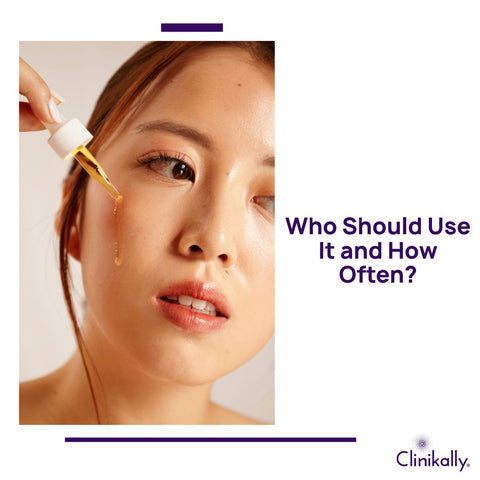
Banyan leaf extract is a mild yet efficient ingredient that is well adapted to most skin types, particularly those with repeat sensitivity, redness, acne, or superficial barrier deterioration. Due to its natural origin and nourishing properties, it is well placed for both preventative treatment and intense treatment in skincare routines.
- Ideal for sensitive, acne, oily, and combination skin types
- Strongly advised for those who suffer from redness, flare-ups, or reactive skin
- Safe to use by teenagers and adults with hormonal acne
- Effective for people with dry, damaged skin looking for barrier repair
- Suitable for individuals making the switch to clean or Ayurvedic skincare regimens
- Mild enough for everyday use in cleansers, toners, and moisturizers
- Serum or spot treatments containing banyan extract can be applied 1–2 times per day
- Can be combined with hydrating actives such as hyaluronic acid or niacinamide
- For specific issues, balms or masks can be applied 2–3 times a week
- Avoid only in exceptional instances of certain plant allergicities-patch testing recommended
Regular use of banyan leaf extract keeps the skin in good balance, prevents irritation, and assures long-term clarity and strength-making it a wise addition to nearly any regimen.
Why Banyan Leaf Is Becoming a Staple in Holistic Skincare
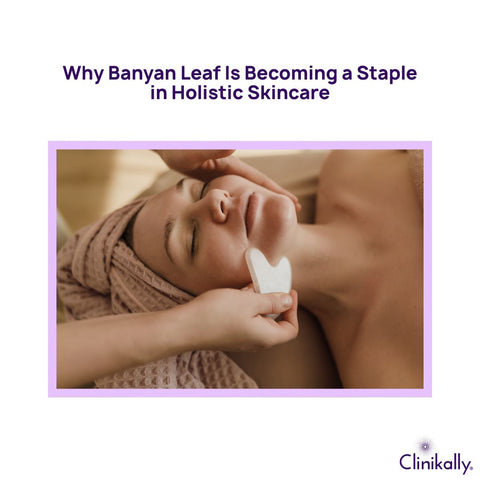
Banyan leaf is quickly becoming a staple in holistic skin care as consumers increasingly look for natural, plant-based solutions that actually work without damaging the skin. Its high antioxidant content, anti-inflammatory ability, and soothing antibacterial property make it particularly well-suited to sensitive, acne, and irritated skin types. In a time where mindful wellness and clean beauty are leading the way, banyan leaf provides the ideal combination of ancient healing tradition and contemporary scientific backing. It nourishes the skin's inherent repair mechanisms, soothes inflammation, and supports a healthy skin barrier-all while being non-toxic and safe. With brands and consumers increasingly favoring more sustainable, high-performing skincare solutions, banyan leaf emerges as a venerable botanical that is compatible with the concepts of holistic healing and long-term skin health.