Bean Essence Skincare: The Fermented Secret to Glowing Skin
In the world of skincare, it's important to consider what's traditional as well as what's modern. One of the most recent trends in skincare is the use of fermented bean essences. This potent herb has long been a well-kept secret in many East Asian beauty regimes, but it is now making waves throughout the world thanks to its glowing skin effects. In this blog post, we will discuss bean essence skincare and the fermented secret to glowing skin.
Understanding Fermented Bean Essence: What Makes It Special?
Fermented bean essence is unique in that it mixes ancient tradition with modern skincare research. The fermenting process enhances the naturally present nutrients in beans, making them more efficient at moisturizing, protecting, calming, and nourishing the skin. Fermented bean essence is a skincare hidden gem, capable of improving texture, balancing moisture, and promoting even skin tone.
The Science Behind Fermentation in Skincare
Fermentation has been a component of human civilization for centuries, especially in food and beverages, where it improves flavor, preservation, and digestibility. However, in recent years, it has emerged as an effective skincare approach. Fermentation in skincare is more than just a trend; it is a scientifically proven technique that can provide multiple skin advantages.
How Bean Essence Enhances Skin Health?
Bean essence is a potent and versatile ingredient that can benefit skin health in a variety of ways. Beans are high in nutrients that can help with a range of skin conditions, including deep hydration and brightening, as well as anti-aging, soothing, and acne-preventing properties. Fermented bean essences are among the most potent and organic supplements for any beauty program, and the fermentation process only enhances their benefits. Bean essence is a trustworthy ingredient that promotes healthier, more vibrant skin, whether you want to hydrate, minimize fine lines, or reduce inflammation.
Fermented vs. Non-Fermented Skincare: What’s the Difference?
-
Absorption and bioavailability: One of the most notable benefits of fermentation is that it increases the bioavailability of active substances. The fermentation process converts complicated substances into simpler, smaller molecules that are more easily absorbed by the skin. This implies that fermented substances can function more quickly and efficiently, providing their advantages directly to skin cells. On the other hand, while non-fermented substances can be useful, they are more difficult for the skin to absorb. Larger molecules in non-fermented substances may not permeate the skin as easily, thus, the benefits may take longer to manifest.
-
Nutrient density: Fermentation increases the potency of active chemicals found in components such as amino acids, vitamins, antioxidants, and polysaccharides. Fermentation also produces new molecules, such as lactic acid (a gentle exfoliator), which can provide further skincare advantages. As a result, fermented foods typically contain higher amounts of helpful nutrients for the skin. Non-fermented items, on the other hand, contain these nutrients in their raw form, which might be effective but is often less concentrated or strong than fermented counterparts. While a vitamin C serum can aid with brightening, fermented components may allow the body to absorb and use the vitamin more effectively.
-
Gentleness on the skin: Fermented substances are often softer on the skin, particularly for people with sensitive skin. The fermentation process breaks down potentially unpleasant components, making the final product less likely to elicit reactions. Additionally, fermentation frequently results in the creation of natural acids (such as lactic acid), which give gentle exfoliation without severe washing. Non-fermented products, on the other hand, might cause skin irritation, particularly those containing essential oils, strong acids (such as glycolic acid), or alcohol. Non-fermented skincare may be harsher on delicate or reactive skin than fermented options, which provide soothing effects.
-
Antioxidants and probiotics: Fermented foods are typically high in antioxidants and probiotics. The fermentation process can increase the antioxidant levels in foods such as green tea, soy, and rice, providing better protection against free radical damage. Probiotics (or good bacteria) included in fermented skincare can help balance the skin's microbiota, resulting in healthy, bright skin. Non-fermented items, on the other hand, may include antioxidants; however, without fermentation, the antioxidants may not be as easily absorbed or effective in fighting free radicals. Probiotics are rarely found in non-fermented items unless they are deliberately added; thus, the skin's microbiome may not benefit from the same balancing effects.
-
Exfoliation and skin texture: Many fermented foods contain lactic acid or other gentle exfoliating acids. These can gently exfoliate the skin, eliminating dead skin cells and boosting cell turnover, resulting in smoother, more luminous skin. Because fermentation softens these acids, they are frequently safe for all skin types, even sensitive skin. Non-fermented products, on the other hand, may contain more abrasive exfoliants, such as physical scrubs (which can irritate the skin), as well as harsher chemical exfoliants like glycolic acid. These can be effective exfoliants, but they may not be as mild or nourishing as fermented alternatives.
-
Shelf life and stability: Fermentation typically improves the stability of substances. The method helps to preserve the active ingredients in a product, allowing fermented items to have a longer shelf life and maintain their effectiveness for a longer length of time. On the other hand, non-fermented items, particularly those containing natural preservatives, may have a shorter shelf life. Non-fermented items may lose their potency over time if they are not stabilized by the fermentation process.
The Benefits of Fermented Bean Essence for Your Skin
The key advantages of using fermented bean essence in your skincare routine:
-
Enhanced skin hydration: Fermented beans are high in amino acids and polysaccharides, both of which are effective moisturizing agents. When used in skincare, fermented bean essence draws moisture and promotes a plump, moisturized appearance. Fermented substances are especially good for people with dry or parched skin since they contain smaller, more easily absorbed molecules than their non-fermented counterparts.
-
Rich in antioxidants for skin protection: Beans, especially when fermented, are high in antioxidants such as vitamins C, E, flavonoids, and polyphenols. These antioxidants are extremely effective at neutralizing free radicals and preventing premature aging.
-
Brightening and even skin tone: Fermented beans are well-known for their ability to lighten the complexion and even out skin tone. Beans such as soy and mung contain chemicals that suppress the production of melanin, the pigment that causes dark spots and uneven skin tone.
-
Anti-aging and collagen-boosting: Fermented beans, particularly soybeans, contain isoflavones, plant compounds with strong anti-aging properties. These isoflavones increase collagen production while reducing the appearance of fine lines and wrinkles. The fermentation process enhances the potency of isoflavones, allowing them to penetrate deeper into the skin and provide stronger anti-aging benefits.
-
Soothing and anti-inflammatory properties: Fermented bean essence, particularly from mung and black beans, has anti-inflammatory chemicals that can calm and soothe sensitive skin. This makes it ideal for persons who suffer from acne, rosacea, or eczema, as well as those who have sensitive skin. Fermented bean essence's mild nature makes it an ideal complement to routines for individuals with reactive or sensitive skin.
-
Improved skin texture: Regular application of fermented bean essence can enhance skin texture in a variety of ways, including moderate exfoliation and accelerated cellular turnover. By smoothing the skin's surface, it might appear more polished, with fewer rough spots or bumps.
-
Regulates oil production: Fermented bean essence can help balance the skin's oil production, making it ideal for those with oily or mixed skin. Beans such as soy and mung beans have the potential to regulate sebum production, preventing the skin from producing excessive oil, which can contribute to clogged pores and acne. Provide non-greasy hydration, keeping the skin hydrated without becoming oily.
-
Supports skin’s natural barrier: Fermented bean essence helps improve the skin's protective barrier. The skin barrier is responsible for keeping moisture in and harmful elements out; thus, keeping it strong is essential for healthy skin. Fermented beans include lipids and amino acids that help to strengthen the skin's barrier function, limiting water loss and irritating penetration. A good skin barrier also helps to avoid eczema, dryness, and sensitivity.
-
Antibacterial and acne-fighting properties: Fermented beans, particularly mung beans, have antibacterial qualities that make them a good acne-treatment element. Fermented bean essence can help prevent the growth of dangerous germs on the skin's surface, lowering the likelihood of pimples and outbreaks. It also helps to relieve existing acne by lowering redness and inflammation around breakouts.
-
Eco-friendly and sustainable: Fermented bean essence is not only beneficial to the skin, but it is also a more sustainable skincare alternative. Beans are a renewable resource that can be grown with a lower environmental effect than other agricultural ingredients. The fermentation method also decreases waste, making fermented bean essence a more environmentally responsible option for concerned consumers.
Hydration Boost: Locking in Moisture Naturally
Natural moisture retention demands more than just product use; it also necessitates the use of the proper ingredients and techniques to hydrate and protect your skin. You can maintain your skin health and moisturized without using harsh chemicals or synthetic substances by concentrating on humectants, emollients, and occlusives, layering your products correctly, and nourishing it from within. The goal is to achieve a balance between hydration and protection so that your skin is fed and able to retain moisture throughout the day. Aloe vera, hyaluronic acid, and fermented essences are some of the many natural ways to lock in moisture for soft, bright skin.
Strengthening the Skin Barrier with Probiotic Care
Probiotics are not only beneficial to your intestines, but they can also help you have healthier skin. Incorporating probiotic-infused products into your skincare routine can help restore balance to your skin's microbiome, reduce inflammation, and strengthen the skin barrier. This leads to improved hydration, protection, and overall skin health. Whether you have dry, sensitive, or acne-prone skin, probiotic treatment can boost its resilience, helping it to withstand external irritants while still retaining moisture.
Antioxidant Power: Protecting Skin from Environmental Stress
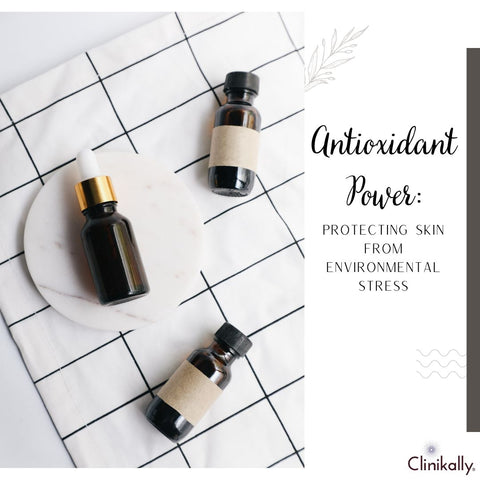
Environmental stress is an unavoidable part of modern life, but with the right antioxidants, you can keep your skin safe and healthy. Antioxidants not only neutralize free radicals and reduce oxidative stress but also promote skin healing, hydration, and anti-aging. By integrating antioxidant-rich skincare products in your daily routine, you can protect your skin from UV damage, pollution, and harsh weather. Antioxidants, such as vitamin C, green tea, and niacinamide, are an effective and natural way to protect your skin and keep it looking young and radiant.
How to Incorporate Fermented Bean Essence into Your Routine
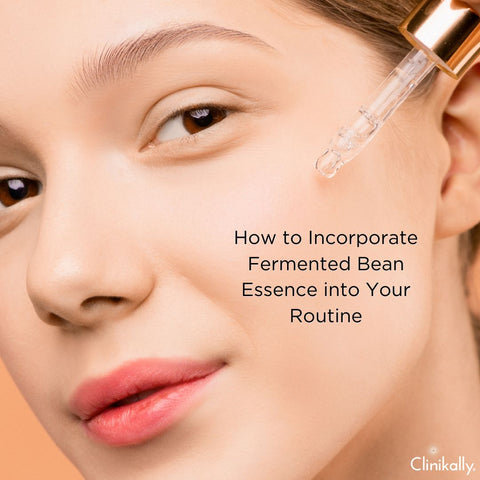
To integrate fermented bean essence into your skincare routine for maximum benefit:
-
Start with a cleanse: Begin your skincare routine by washing your skin, removing grime, oils, and makeup. This enables that the following products to penetrate more effectively. Choose a gentle, moisturizing cleanser that won't remove your skin's natural oils.
-
Apply a toner: After cleansing, use a toner to balance the pH of your skin and prepare it to absorb the following products. To get the most out of the fermented bean essence, use a moisturizing toner.
-
Apply the fermented bean essence: After cleaning and preparing your skin, apply the fermented bean essence. You can apply it with your fingertips or a cotton pad. Pat the essence gently into your skin, concentrating on regions that may require further hydration or care.
-
Layer with serum (optional): After using the fermented bean essence, layer it with serum for a more targeted therapy. Choose a serum that addresses your skin's specific needs, such as anti-aging, brightening, hydration, or acne therapy.
-
Apply a moisturizer: Apply a moisturizer to lock in the advantages of fermented bean essence. Fermented essences are frequently incredibly moisturizing, but using them with a moisturizer will help keep moisture and protect your skin's barrier. Choose a moisturizer that compliments the essence and provides extra hydration or protection from environmental stressors.
-
Finish with sunscreen: If you're using fermented bean essence in the morning, use a broad-spectrum sunscreen with an SPF of 30 or higher. This protects your skin against UV radiation and environmental toxins, keeping it healthy and guarded all day.
Choosing the Right Fermented Skincare Products
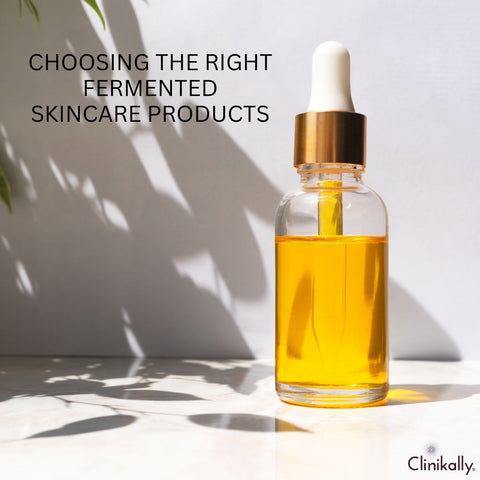
The correct fermented skincare products can significantly enhance the health and appearance of your skin. Understanding your skin type, analyzing your specific needs, and choosing high-quality products containing active fermented components will help you achieve a hydrated, glowing, and youthful complexion. Remember to start slowly, pay attention to how your skin reacts, and reap the myriad advantages of fermented skincare, including deep hydration, brightening, and anti-aging effects.
Layering Bean Essence for Maximum Absorption
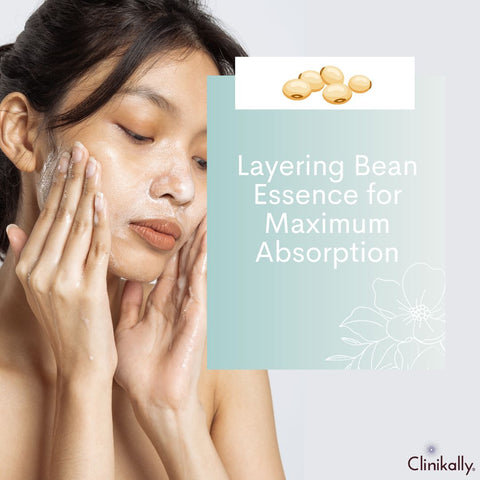
A step-by-step guide to properly layering bean essence in your skincare routine for best results:
-
Start with a cleanser: Before using any skincare products, cleanse your skin to eliminate dirt, oil, makeup, and pollutants. A clean face will help your skin absorb the following items more effectively.
-
Tone your skin (Optional): After cleansing, use a toner to balance your skin's pH and prepare it for better absorption of the following items. A toner can also eliminate any pollutants left behind after cleansing.
-
Apply bean essence: Now is the time to apply your fermented bean essence. Essence is a lightweight, moisturizing solution that prepares the skin for more potent treatments while also offering an extra dose of hydration and nutrients.
-
Use a serum (Optional): Serums are thicker and more concentrated than essences; thus, they are used after the essence in the skincare procedure. Serums target specific skin issues like pigmentation, acne, and fine wrinkles.
-
Moisturize: After your essence and serum have been absorbed by the skin, apply a moisturizer to seal everything in. Moisturizing helps seal in the nutrients and moisture offered by the essence and serum, promoting long-term hydration.
-
Finish with sunscreen: If you use fermented bean essence in the morning, make sure to apply sunscreen afterward. Although the essence can assist in increasing your skin's ability to defend itself, UV rays continue to pose a risk to your skin's health; hence, SPF is essential.
-
Adjust frequency of use based on your skin’s needs: For most skin types, fermented bean essence can be used once or twice a day as part of your morning and evening routine. It hydrates and nourishes your skin on a daily basis. If you have sensitive skin, begin by applying it every other day and progressively increase the frequency as your skin develops tolerance.
-
Layering example routine: Simple steps for layering your fermented bean essence for optimum absorption and skin benefits. The morning routine includes cleanser, toner (optional), bean essence, serum, moisturizer, and sunscreen. The evening ritual includes cleanser, toner (optional), bean essence, serum, and moisturizer.
-
Extra tips for maximum absorption: Applying your essence or toner while your skin is still slightly moist allows the items to absorb more quickly. Patting your goods into your skin, particularly the bean essence, promotes blood flow and absorption. After using one product, wait 30 seconds to 1 minute before applying the next. This allows each product to fully soak before moving on to the next layer. Using too many layers of cosmetics might overstress the skin. Stick to the essentials (cleanser, toner, essence, serum, moisturizer, and sunscreen) and add more as needed.
Common Myths About Fermented Skincare Debunked
Some of the most common myths about fermented skincare are as follows:
-
Myth: Fermented skincare is only suitable for older skin. Fact: Fermented skincare products are frequently hailed for their anti-aging properties, but they are appropriate for all skin types, not only older skin. The fermentation process reduces substances to tiny molecules, making them more easily absorbed by the skin. This can help anyone looking for hydration, better skin texture, brightness, or relaxing characteristics.
-
Myth: Fermented skincare can irritate sensitive skin. Fact: While some skincare components can irritate sensitive skin, fermented compounds are often milder and can be highly useful. Fermented foods can improve skin barrier function, making it more resistant to external stresses.
-
Myth: Fermented skincare emits a strong, unpleasant odor. Fact: While certain fermented goods may have a little odor, it is usually not unpleasant. The odor is often subtle and fades after being absorbed into the skin. In addition, many high-quality fermented skincare products are fragrance-free or contain natural scents to enhance the scent.
-
Myth: Fermented skincare products include chemicals. Fact: Not every fermented skincare product contains harsh ingredients. Fermentation frequently aids in the breakdown of active substances into more accessible forms, allowing them to be more effective at lower doses. The fermentation process can also increase the efficacy of natural chemicals, allowing for more delicate but effective therapies.
-
Myth: Fermented skincare is merely a fad. Fact: Fermented skincare is not a fad. The science of fermentation in skincare dates back centuries, and the procedure has a lengthy history in Asian skincare regimes. According to research, fermented substances can provide real benefits, such as increased hydration, anti-aging effects, and improved skin texture.
-
Myth: Fermented skincare is only suitable for oily or acne-prone skin. Fact: Fermented skincare is not just for oily or acne-prone skin. It is quite versatile, benefiting dry, sensitive, and aged skin equally. Fermentation improves the moisturizing characteristics of the substances, making them perfect for dry skin, while the calming effects aid in reducing irritation in sensitive skin types.
Is Fermented Bean Essence the Missing Step in Your Skincare Routine?
It's possible that adding fermented bean essence to your skincare regimen is just what your skin needs to reach the next level of vitality and health. It's a valuable element because of its deep hydration, relaxing properties, and ability to support a healthy, radiant complexion. To get the most out of it, layer it carefully and adjust it to the specific demands of your skin!