

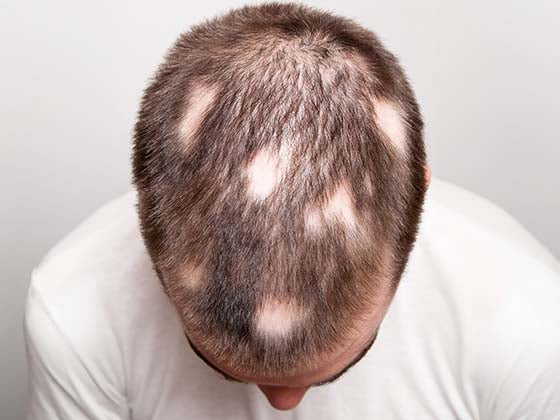
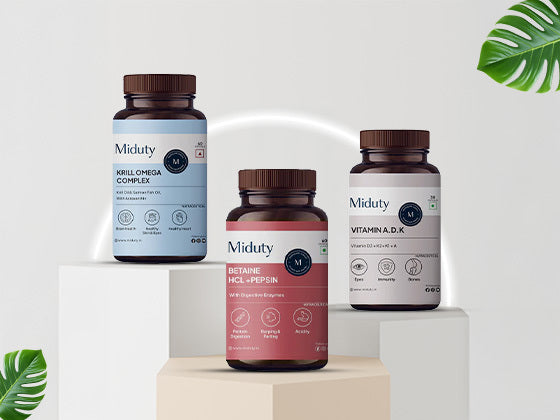


Hello there, haircare enthusiasts! Today, we'll delve into the fascinating world of niacinamide, a superstar ingredient that's no longer only for your skin—it's about to alter your hair care routine as well. Niacinamide, well-known for its multiple skin advantages, is making waves in the hair care industry, promising healthier, stronger, and shinier locks. This blog discusses how niacinamide is transforming hair and scalp care.
What is Niacinamide and How Does It Benefit Your Hair?

Niacinamide, generally known as vitamin B3, is gaining prominence in the beauty and health market due to its excellent hair-care benefits. By boosting blood flow to the scalp, it guarantees that hair follicles have an adequate quantity of oxygen and nutrients. This increased circulation stimulates the hair follicles, resulting in healthier and stronger hair growth. One of niacinamide's major benefits is its ability to decrease hair loss. It nourishes the hair follicles by improving nutrient availability to the scalp, preventing them from becoming weak and brittle. As a result, the hair becomes less likely to split and shed. This is especially good for people who are experiencing hair loss or thinning hair.
-
Promotes hair growth: Niacinamide improves blood flow to the scalp, ensuring that hair follicles receive the nutrients they require to thrive, resulting in healthier and potentially faster hair growth.
-
Strengthens hair: Niacinamide contributes to the production of more keratin, a protein that forms the hair shaft, making hair strands more robust and less likely to break or split.
-
Moisturizes scalp and hair: Niacinamide moisturizes the scalp and hair, minimizing dryness and brittleness. This can help minimize flakiness and irritation, resulting in a more conducive environment for hair development.
-
Reduces inflammation: Its anti-inflammatory characteristics can calm an inflamed scalp, lowering the redness and irritation that are commonly linked with dandruff or other scalp problems.
-
Regulates oil production: Niacinamide regulates oil production on the scalp, which is useful for persons with oily or dry scalps.
-
Prevents environmental damage to hair: The antioxidant qualities of niacinamide can help shield hair from UV radiation and other environmental stresses.
The Science Behind Niacinamide’s Role in Hair Health

Niacinamide promotes healthy hair by improving scalp health, increasing moisture retention, and strengthening hair follicles. It accomplishes this by increasing blood circulation to the scalp, which nourishes hair follicles while decreasing irritation. Niacinamide also aids in keratin synthesis, which is essential for hair strength and resilience, and may help manage DHT, a hormone associated with hair loss.
Niacinamide’s Impact on Scalp Inflammation and Dandruff

Niacinamide, also known as Vitamin B3, can be beneficial for both scalp inflammation and dandruff. Its anti-inflammatory properties help soothe irritation and reduce redness, while also regulating oil production, which can contribute to dandruff. Additionally, niacinamide can improve scalp health by enhancing blood circulation and promoting keratin synthesis, leading to stronger hair. Here's a more detailed look at how niacinamide impacts scalp inflammation and dandruff:
-
Reduces inflammation and soothes the scalp: Niacinamide has anti-inflammatory properties that can help calm irritated and inflamed scalps, potentially reducing redness and itching associated with dandruff and other scalp conditions.
-
Regulates oil production: By balancing oil production on the scalp, niacinamide can help create a less favorable environment for the yeast (Malassezia) that can contribute to dandruff.
-
Improves scalp health: Niacinamide can enhance blood circulation in the scalp, which is important for delivering nutrients to hair follicles and promoting healthy hair growth.
-
Strengthens hair: Niacinamide can boost keratin production, a protein that makes up the hair shaft, leading to stronger, more resilient hair and potentially reducing breakage.
-
Moisturizes scalp: Niacinamide can help enhance moisture retention in the scalp, which can aid in alleviating dandruff-related dryness and flakiness.
-
Protects against environmental damage: Niacinamide's antioxidant qualities can help protect the scalp and hair from pollutants and UV radiation.
Key Benefits of Niacinamide for Hair and Scalp

Niacinamide, often known as vitamin B3, is a powerful substance that benefits not only the skin but also the hair and scalp. Here are its main benefits:
-
Strengthens the hair structure: Niacinamide boosts keratin production, which is a vital protein that forms up hair strands. This results in stronger, more durable hair that is less susceptible to breakage and split ends.
-
Improves scalp circulation: Niacinamide stimulates microcirculation in the scalp, increasing the availability of oxygen and nutrients to hair follicles, promoting healthier and more active hair growth.
-
Reduces inflammation and soothes scalp irritation: Niacinamide's anti-inflammatory characteristics make it great for soothing itchy, flaky, or sensitive scalps, which are commonly caused by disorders such as seborrheic dermatitis or dandruff.
-
Balances scalp oil production: Niacinamide regulates sebum production, making it beneficial for both oily and dry scalps. This helps maintain a healthy scalp environment and reduces buildup that can clog hair follicles.
-
Enhances hair elasticity and shine: By improving moisture retention in the hair shaft, niacinamide contributes to smoother, shinier, and more manageable hair, especially for dry or damaged types.
-
Protects against environmental damage: It offers antioxidant protection that shields the scalp and hair from free radicals and environmental stressors like pollution and UV rays, which can weaken strands over time.
-
Supports hair growth cycles: Niacinamide increases prolonged anagen (growth) phases in the hair cycle, which may help to decrease excessive shedding or thinning with continued use.
Niacinamide for Scalp Hydration and pH Balance

Niacinamide is a notable element for scalp care, particularly when it comes to moisture and pH balance—two critical components of a healthy scalp environment.
Scalp hydration
-
Boosts natural moisture retention: Niacinamide enhances the skin barrier by increasing the development of ceramides and lipids, which seal in moisture and keep the scalp from becoming dry or flaky.
-
Soothes dry, tight, or itchy scalp: Its relaxing characteristics help ease discomfort caused by dehydrated or irritated skin, making it excellent for people suffering from scalp sensitivity or seasonal dryness.
-
Improves scalp texture and comfort: With regular usage, niacinamide promotes a smoother, more supple scalp, laying the groundwork for healthy hair growth.
pH balance support
-
Maintains a healthy scalp microbiome: Niacinamide regulates scalp pH, which promotes a balanced microbiome and lowers the risk of bacterial or fungal overgrowth (dandruff).
-
Prevents excess oil or dryness: By regulating sebum production and pH, niacinamide keeps the scalp from becoming excessively oily or dry, producing ideal conditions for follicle health.
-
Improves the efficacy of other hair products: A regulated pH allows other active components (such as peptides or plant extracts) in your routine to function more effectively without causing discomfort.
How Niacinamide Helps Combat Hair Thinning and Loss

Niacinamide is gaining popularity in hair care due to its multi-targeted strategy to treating hair thinning and loss. Its biological effects extend beyond the surface, providing support at both the scalp and the follicle level.
-
Increases circulation to hair follicles: Niacinamide enhances microvascular blood flow in the scalp. This increased circulation provides more oxygen and nutrients to hair follicles, resulting in a healthy environment that promotes hair growth and decreases thinning.
-
Niacinamide strengthens the hair shaft: By promoting keratin formation, which reinforces hair strands from the root, minimizing breaking and helping to keep hair length over time. This is especially important for those who have weak or brittle hair due to thinning.
-
Promotes scalp barrier function: A healthy scalp is required for strong hair. Niacinamide strengthens the skin barrier, reducing scalp inflammation, dryness, and irritation, all of which can lead to excessive shedding and hair loss.
-
Regulates oil and prevents follicle clogging: Excess oil or scalp accumulation can suffocate follicles, causing hair loss. Niacinamide regulates sebum production, keeping pores clean and follicles active and clear.
-
Prolongs the hair growth phase: Some research suggest that niacinamide helps keep hair in the anagen (growth) phase longer while shortening the resting (telogen) phase, resulting in thicker, denser hair over time.
-
Reduces oxidative stress and inflammation: Niacinamide, an antioxidant, neutralizes free radicals that harm hair follicles and cause premature hair loss. It also contains anti-inflammatory properties that alleviate autoimmune or stress-related hair shedding.
How to Incorporate Niacinamide Into Your Hair Care Routine

Including niacinamide in your hair care routine is a simple yet powerful strategy to promote scalp health, counteract hair loss, and boost overall hair strength and shine. Here's how to do it correctly:
-
Apply a niacinamide-infused scalp serum: After washing your hair, apply niacinamide serum to your damp scalp. Part your hair into parts and massage in the serum using a dropper or your fingertips. Leave it in—no rinsing necessary. For the greatest results, repeat 3-5 times each week.
-
Choose shampoos or conditioners with niacinamide: Daily usage of niacinamide-infused washing products promotes a healthy scalp and strengthens the hair's protective barrier. To ensure that niacinamide works properly, use a mild, sulfate-free shampoo.
-
DIY scalp treatment (optional): Combine a few drops of niacinamide serum and aloe vera gel or moisturizing hair oil. Use it as a weekly pre-shampoo scalp treatment. Allow it to sit for 15-20 minutes before washing.
-
Layer it with complementary ingredients: For promoting hair growth and minimizing hair loss, use peptides or caffeine. Panthenol (vitamin B5) adds hydration and softness to the hair. Avoid mixing highly acidic treatments (such as direct acids or strong exfoliants) in the same session to maintain pH balance.
-
Be consistent: Niacinamide works best when used consistently and over time. You may notice changes in scalp comfort and hair structure within a few weeks, followed by more obvious effects in growth or thickness after 8-12 weeks.
Niacinamide Serums for Scalp Health

Niacinamide serums are becoming a popular treatment for boosting scalp health, promoting hair development, and treating typical concerns such as oiliness, dryness, and irritation. Here's how these serums help with scalp serums:
-
Balances oil production: Niacinamide balances oil production by regulating sebum levels, which helps to control both excessively oily and dry scalp. This provides a clean, balanced environment that promotes healthy hair development.
-
Strengthens the scalp barrier: Niacinamide strengthens the scalp barrier by increasing ceramide production, which improves moisture and protects against environmental aggressors such as pollution and harsh shampoos.
-
Reduces scalp inflammation and itchiness: Niacinamide's anti-inflammatory characteristics make it beneficial for relieving scalp irritation, redness, and flaking, especially in disorders such as seborrheic dermatitis or sensitivity.
-
Promotes follicle health: Because niacinamide improves blood circulation, it delivers more oxygen and nutrients to hair follicles, resulting in stronger, denser hair growth over time.
-
Improves scalp texture and pH: Niacinamide helps preserve the scalp's natural pH, inhibiting microbial imbalance and promoting a smoother, healthier scalp surface.
Best Products with Niacinamide for Hair Growth

Niacinamide-infused products provide a scientifically proven, non-irritating solution to build stronger, healthier, and fuller hair. For the best effects, consistency and patience (8-12 weeks) are essential, and these products may be safely incorporated into most hair care routines.
Conclusion: Niacinamide for a Healthier, Stronger Scalp and Hair

Niacinamide is a potent chemical that benefits both the scalp and the hair. It targets the underlying reasons of hair loss, breakage, and poor scalp condition by enhancing follicle health and scalp hydration, as well as lowering inflammation and balancing oil production. Regular use of niacinamide, whether in serums, shampoos, or targeted treatments, can help strengthen the hair shaft, increase circulation, and create an ideal environment for long-term hair development. Its delicate yet powerful profile makes it suited for all hair types, including sensitive scalps and those suffering from dandruff, dryness, or excess oil.