Why Sugar-Based Cleansers Suit Every Skin Type

When it comes to sugar-based cleansing, the first thing to understand is that the consistency of the cleansing items you employ is completely irrelevant. What's truly important is what's inside. This is where sugar-based cleaners come in. When we talk about sugar-based cleansing, we don't mean sugar exfoliants or scrubs, though we do adore them. Instead, sugar-based cleansing refers to the major ingredient in your cleanser. The fundamental chemicals in your washing products can have a significant impact on your skin and the level of irritation or nourishment you experience. In this article, we'll go over all you need to know about sugar-based cleansing, its benefits, and why sugar-based cleansers are suitable for all skin types.
The Science Behind Sugar-Based Cleansing: Why It Works

The science behind sugar-based washing stems from its capacity to gently exfoliate, moisturize deeply, and maintain a healthy skin environment. Sugar, with its natural glycolic acid, humectant characteristics, and eco-friendly benefits, provides an effective, nourishing, and sustainable skincare solution suitable for practically any skin type.
How Sugar Gently Exfoliates and Removes Dead Skin Cells

Sugar is a science-backed, skin-safe exfoliator. Here's an explanation of how sugar works to gently remove dead skin cells while promoting healthy, vibrant skin:
-
Naturally rounded particles for safe physical exfoliation: Sugar granules, unlike salt or synthetic microbeads, are small and naturally rounded, making them less abrasive on the skin, preventing microtears, ideal for sensitive areas such as the face, neck, and décolletage, effective at manually dislodging dead skin cells, dirt, and debris, and supportive of smooth, polished skin without redness or irritation.
-
Glycolic acid: Sugarcane is a natural source of glycolic acid, a type of alpha hydroxy acid (AHA) that works on a deeper level by breaking down the "glue" (desmosomes) that holds dead skin cells together, stimulating cell turnover, encouraging fresh skin cells to rise to the surface, fading hyperpigmentation, refining pores, softening rough texture, and improving the skin's ability to absorb serums and moisturizers.
-
Gentle enough to retain skin barrier integrity: Over-stripping the skin is a common worry with exfoliation, which can cause dryness, irritation, inflammation, and breakouts. Sugar's gentle mechanical action and moisture-binding properties aid in protecting the skin's natural oils and lipid barrier, prevent trans-epidermal water loss (TEWL), and leave the skin feeling rejuvenated and nourished rather than tight or raw.
-
Improves microcirculation for a healthy glow: The massaging motion of using a sugar scrub stimulates blood flow to the surface, delivering oxygen and nutrients to skin cells, giving skin a natural brightness and renewed appearance, and aiding in purification and healing from within.
Sugar’s Natural Humectant Properties for Skin Hydration
Sugar's natural humectant characteristics make it an effective hydrator in skincare. It does more than just exfoliate; it deeply nourishes the skin, leaving it balanced, smooth, and beautifully hydrated with each application.
The Role of Glycolic Acid in Sugar-Based Cleansers

Sugar-based cleansers provide more than simply gentle exfoliation; they are also a natural source of glycolic acid, one of the most powerful and scientifically proven alpha hydroxy acids (AHAs) for skincare. Here's how glycolic acid affects the efficacy of various cleansers:
-
Naturally derived from sugarcane: Glycolic acid, which is naturally generated from sugarcane, is the smallest and most effective AHA, allowing it to enter the skin deeply and swiftly. This provides sugar-based cleansers an advantage for both surface exfoliating and deeper skin rejuvenation.
-
Chemical exfoliants: Unlike physical scrubbing, glycolic acid works by breaking down the bindings (desmosomes) between dead skin cells, facilitating gentle cell turnover and the shedding of dull, flaky skin, leaving the skin smoother, clearer, and more refined with continued use.
-
Stimulates collagen production: Research suggests that glycolic acid, for example, stimulates fibroblasts in the dermis to make more collagen and elastin, which helps tighten and reinforce the skin over time and contributes to anti-aging effects in regular skincare regimens.
-
Improves product absorption: By eliminating dead skin accumulation and unclogging pores, glycolic acid improves the efficacy of serums, moisturizers, and treatments that follow, as well as preparing the skin to absorb actives such as vitamin C, peptides, and hyaluronic acid.
-
Balanced action in cleaners: Glycolic acid is frequently buffered or present in low quantities in sugar-based cleansers, lowering the risk of irritation. It is coupled with moisturizing substances such as honey, glycerin, or oils, and it is balanced by sugar's natural humectant and soothing properties.
Top Benefits of Sugar-Based Cleansing for Glowing Skin

Sugar-based cleansers are more than just a natural skincare trend; they're multifunctional powerhouses that wash, exfoliate, and moisturize while being gentle on your skin. Here's how they assist you get a healthy, beautiful glow:
-
Gentle exfoliation for radiant skin: Sugar granules assist in sloughing off dead skin cells without creating microtears, revealing fresh, smooth skin beneath, promoting even skin tone and refined texture, and encouraging natural radiance and glow through cell turnover.
-
Natural humectant action: Sugar is a natural humectant, which means it absorbs moisture into the skin and moisturizes it while cleansing—no dry, tight after-feel; it helps maintain a plump, radiant complexion, and promotes long-term moisture retention and skin softness.
-
Enhances skin smoothness and softness: Sugar-based cleansers increase skin smoothness and softness by eliminating buildup and flakes, reducing the appearance of rough areas or uneven texture, and creating a smooth canvas for makeup or other skincare products.
-
Promotes healthy circulation: Sugar washing involves a gentle massage that promotes microcirculation beneath the skin, delivers more oxygen and nutrients to skin cells, and provides an immediate healthy flush or glow.
-
Naturally contains glycolic acid: Sugar (particularly sugarcane) naturally includes glycolic acid, which provides chemical exfoliation to dissolve dead skin cells, aids in the fading of dark spots, acne scars, and dullness, and increases collagen formation over time for firmer, radiant skin.
-
Skin barrier friendly: Sugar-based washing is gentler on the skin's barrier, preserving its natural oils and pH balance. Promotes the microbiota and skin barrier integrity. Reduces the risk of irritation, breakouts, and dryness.
-
Clean, eco-friendly, and biodegradable: Sugar is clean, eco-friendly, and biodegradable, making it safer for rivers than microbeads. Frequently seen in formulations with few ingredients and an emphasis on sustainability. A sustainable alternative to harsher exfoliants.
Natural Exfoliation: Achieving Smooth and Radiant Skin
Natural exfoliation is your skin's best friend for brightness, smoothness, and overall health. Whether you use a sugar scrub, a fruit enzyme mask, or an oat-based polish, taking this technique means fostering your shine in a gentle, safe, and effective manner.
Enhanced Blood Circulation for a Healthier Complexion

Improving blood circulation is important for skin health and brightness, in addition to overall well-being. Proper circulation ensures that your skin receives the nutrients and oxygen it requires, resulting in a naturally radiant, even-toned complexion. Here's how and why increasing circulation improves your skin:
-
Delivers oxygen and nutrients to skin cells: Provides oxygen and nourishment to skin cells. When blood flow increases, more oxygen and critical nutrients enter the dermis, causing skin cells to become more stimulated and active, which promotes cell turnover, collagen synthesis, and healing.
-
Detoxifies the skin naturally: Detoxifies the skin naturally Improved circulation helps the lymphatic system remove toxins and waste, lowers puffiness and fluid retention, clears congestion and dullness, and can alleviate disorders like acne and inflammation by clearing buildup.
-
Increases the efficacy of skincare products: Increased blood flow increases the skin's susceptibility to active chemicals, accelerates the healing of blemishes or irritation, and improves the absorption and efficacy of serums, lotions, and treatments.
-
Promotes a young, rosy glow: Improved circulation offers skin a natural flush of color and an even tone, encouraging rosy cheeks and reducing sallowness, preventing dull, tired-looking skin, and supporting firmness and elasticity over time.
-
Naturally boost skin circulation: Natural ways to promote skin circulation include facial massage (manual or with instruments such as gua sha or jade rollers), moderate exfoliation (e.g., sugar-based scrubs encourage microcirculation), and exercise. Rinses with hot and cold water to create contrast. Ingredients include caffeine, ginseng, and niacinamide.
Sugar’s Antioxidant Properties: Fighting Free Radical Damage
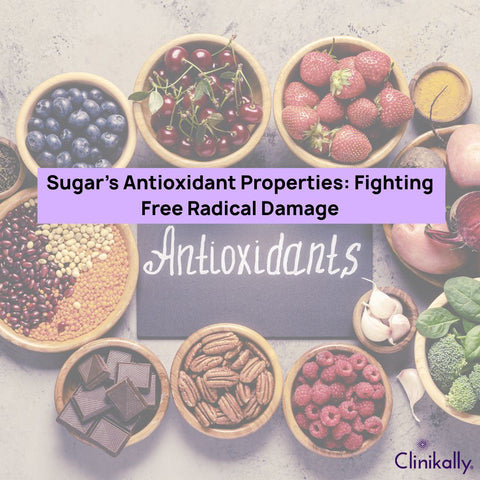
While sugar is frequently connected with internal inflammation when ingested in excess, certain kinds of sugar, particularly those used in cosmetics, have demonstrated antioxidant capabilities that can help protect the skin from oxidative stress. Here's how sugar-based substances can boost your skin's defenses and combat obvious symptoms of aging:
-
Understanding Free Radical Damage: UV light, pollution, stress, and poisons all produce unstable molecules known as free radicals. They degrade collagen, elastin, and cell membranes. This causes premature aging, dullness, wrinkles, and inflammation.
-
Sugar-derived substances have antioxidant properties: Certain sugar-related skincare products, such as gluconolactone and lactobionic acid (polyhydroxy acids), have been shown to lower oxidative stress while improving skin texture and moisture. Particularly useful for sensitive or aged skin. These provide exfoliation and antioxidant protection with minimal discomfort. Trehalose, a sugar molecule found in desert plants and fungi, functions as a potent cellular protectant, allowing cells to endure stress and dehydration while also protecting skin from UV and environmental damage by stabilizing proteins and membranes.
-
Sugar preserves other antioxidants: Sugar (particularly in the form of natural syrups or sugar alcohols such as sorbitol), which includes vitamin C and botanical extracts in formulations, helps antioxidants remain effective for longer periods of time and improves the bioavailability and absorption of other active ingredients.
-
Indirect antioxidant support through hydration: While sugar is not a direct antioxidant, its humectant activity aids in barrier integrity, prevents inflammation, lowers the risk of oxidative stress caused by dryness or barrier degradation, and promotes an optimal environment for skin regeneration and defense.
Incorporating Sugar-Based Cleansers into Your Skincare Routine
Sugar-based cleansers are gentle yet effective skincare multitaskers that exfoliate, moisturize, and nourish in a single step. When used properly, they can improve skin clarity, smoothness, and shine without affecting the skin barrier. Here's how to use them most effectively in your daily routine:
-
Use as a second-step cleansing or a 2-3 times weekly treatment: Sugar-based cleansers are best used as part of a double cleansing routine (after removing makeup with an oil or balm). Exfoliate 2-3 times per week (particularly if using a scrub-based solution). Alternatively, use a gentle, sugar-infused gel or cream cleanser every day.
-
Select the appropriate formula for your skin type: Not all sugar cleaners are made equal. Choose one that best suits your skin, which includes Dry or mature (sugar and oils or honey-based balm cleansers), Oily or acne-prone (sugar with glycolic acid or clarifying botanicals) and sensitive (ultra-fine sugar scrubs or sugar-infused gel cleansers with soothing ingredients)
-
Massage softly: Sugar crystals dissolve with warmth and water, so avoid scrubbing too forcefully. Instead, apply to moist skin and massage in moderate, circular motions. Allow the cleanser to sit for 30-60 seconds so that any active components (like glycolic acid) can operate. Rinse thoroughly with lukewarm water, not hot, to avoid irritation.
-
Follow with hydrating and barrier-reinforcing steps: Continue with hydrating and barrier-reinforcing procedures. Exfoliation allows your skin to better absorb treatment products, so follow with a moisturizing toner or essence (such as rose water or aloe-based mist). Serum (such as hyaluronic acid or niacinamide). Moisturizer to lock in moisture. SPF (AM only) when used in the morning, especially if the cleanser contains glycolic acid.
-
Don't overuse: Even though sugar is gentle, over-exfoliation can still harm your skin barrier, so stick to 2-3 times per week unless the product is specifically designated for regular usage. To avoid irritation, use strong actives (such as retinol or vitamin C) on alternate days.
Best Practices for Using Sugar-Based Cleansers

Sugar-based cleansers provide gentle exfoliation, hydration, and skin-smoothing effects, but proper application is essential for radiant, healthy skin without irritation. Here are the best practices to follow:
-
Choose the appropriate type: Choose the best sugar cleanser for your skin type. Skin concerns include dry or flaky skin (balm or cream cleanser with sugar and nourishing oils), acne-prone or congested skin (sugar + glycolic acid or charcoal gel cleanser), sensitive skin (ultra-fine sugar scrub or sugar-infused gel with soothing ingredients), and dull, uneven skin tone.
-
Always use on damp skin: Wet your face with lukewarm water before applying. This softens the sugar and activates the humectants and cleaning agents. It eliminates excessive friction and provides a smooth, delicate exfoliation.
-
Massage softly in tiny circles: Apply mild pressure, particularly on delicate areas like the cheeks and beneath the eyes. Concentrate on regions prone to dullness or buildup: forehead, nose, and chin. Allow sugar granules to partially dissolve during massage for progressive exfoliation.
-
Do not rush: If your cleanser contains glycolic acid or botanical actives, let it rest for 30-60 seconds before rinsing. This permits light chemical exfoliation and brightening chemicals to function properly.
-
Rinse well and pat dry: Rinse with lukewarm water until there is no residue left. Avoid over-drying or straining; instead, pat skin with a clean towel. Follow immediately with moisturizing steps (toner, essence, serum).
-
Limit usage to 2-3 times a day (unless extremely gentle): Even light exfoliants might cause barrier disruption if applied excessively. Daily use is only recommended for a light sugar gel or lotion cleanser with no abrasive granules.
-
If used in the morning, apply sunscreen: Exfoliation makes your skin more sensitive to the sun, so always apply a broad-spectrum SPF 30 or greater after morning use. It protects fresh skin from UV damage and hyperpigmentation.
How Often Should You Use Sugar-Based Cleansers for Maximum Results?

Sugar-based cleansers are popular because of their gentle exfoliating and moisturizing characteristics, but regularity is important for seeing significant, long-term results. Using them too frequently can cause irritation, while using them infrequently may restrict their glow-boosting power. Here's how to establish your ideal rhythm, which includes general advice (2-3 times per week), adjustments based on skin type and cleanser formula, time of day (evening is best), avoiding overuse (know the signs), and boosting benefits with complementary measures.
Pairing Sugar-Based Cleansers with Other Skincare Products
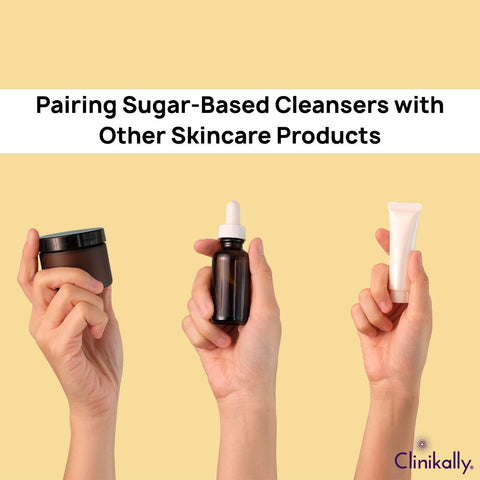
Sugar-based cleansers are gentle exfoliants that also moisturize and brighten the face; however, to achieve the maximum benefits, they must be combined with the appropriate skincare products. Here's your go-to guide for creating a well-rounded program centered around sugar-based cleaning.
-
Hydrating toners and essences: After exfoliation, replenish moisture, soothe the face, and prepare it for deeper product absorption. Look for mists with rose water, aloe vera, rice extract, or hyaluronic acid. Helps to maintain hydration balance and relieves post-exfoliation irritation.
-
Lightweight serums (hydrating, brightening, and barrier-repair): Exfoliated skin absorbs actives more effectively; maximize this advantage with hyaluronic acid (hydrates and plumps), niacinamide (strengthens barrier, decreases redness), and vitamin C(brightens and combats free radical damage). Apply soon after toning to achieve deeper penetration.
-
Moisturizers that lock in benefits: To seal in hydration, apply a nourishing, non-comedogenic moisturizer. Choose cream, gel, or oil-based products based on your skin type. Following an exfoliation, look for relaxing elements such as ceramides, shea butter, or oat extract.
-
Sunscreen (Morning Routine Essential): If your sugar cleanser contains glycolic acid or is used in the morning, use SPF. Exfoliated skin is more susceptible to UV damage. Use SPF 30 or higher every day.
Sugar-Based Cleansing: A Safe and Effective Alternative for Sensitive Skin
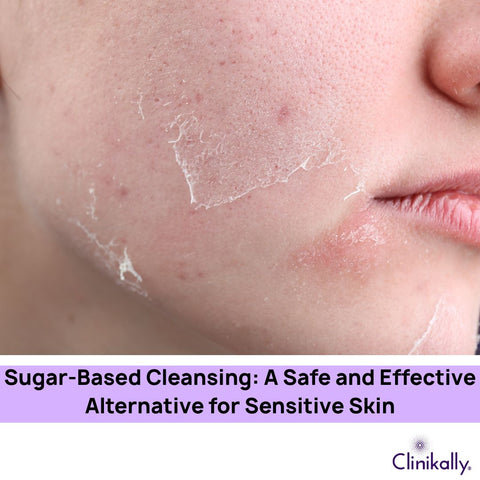
Sugar-based washing is a gentle, natural, and effective way to exfoliate and refresh sensitive skin, without the sting of harsh scrubs or synthetic actives. With the appropriate product and frequency, you may achieve smooth, bright skin without sacrificing comfort or barrier health.
Why Sugar is Gentle and Safe for Delicate Skin Types

Exfoliation can be difficult if your skin is fragile or prone to irritation. The improper product might cause redness, dryness, or inflammation. That's where sugar comes in—a naturally mild, moisturizing, and safe alternative that works with, not against, your skin. Here's why sugar is an excellent exfoliator for sensitive and delicate skin:
-
Round, water-soluble grains for gentle exfoliation: Unlike strong scrubs with jagged particles (such as walnut shells or microbeads), sugar granules are naturally smooth and spherical, lowering the danger of microtears. Water-soluble, which means they dissolve upon contact with water or heat. Easy to control: you can vary pressure and concentration to get more or less exfoliation.
-
Sugar is a natural humectant: Sugar absorbs moisture into the skin, making it nourishing while exfoliating, prevents the dry, tight feeling after washing, strengthens the skin barrier, especially in dry or reactive skin, and leaves skin plump, smooth, and comfortable.
-
Mild glycolic acid content promotes mild renewal: Sugar—particularly sugarcane—is a natural source of glycolic acid, an alpha hydroxy acid (AHA) that promotes gentle chemical exfoliation to improve shine and texture. It helps to fade discolouration or dullness over time. Contains very low concentrations in sugar, making it safe for sensitive skin when used in cleansers.
-
Barrier-friendly and non-stripping: Sugar is barrier-friendly and non-stripping, meaning it does not strip natural oils or alter the skin's protective layer, preserving the lipid barrier. Helps to prevent transepidermal water loss (TEWL). Reduces the likelihood of post-cleansing redness, irritation, and inflammation. Ideal for skin disorders such as rosacea, eczema, and general reactivity.
-
Gentle enough for frequent use (with the appropriate formulation): Depending on your sensitivity, you can use ultra-fine sugar or sugar-infused gel cleansers numerous times per week. It works particularly effectively when combined with relaxing components such as aloe, chamomile, oats, or honey. It provides a balanced cleanse—neither too harsh nor too mild. Always begin with 1-2 times per week and increase as your skin tolerates it.
The Benefits of Using Sugar-Based Cleansers for Sensitive Skin

If your skin is sensitive to harsh cleansers, finding a cleanser that is both effective and delicate can seem impossible. Fortunately, sugar-based cleansers are a naturally soothing solution for cleansing, exfoliating, and hydrating your skin without breaking its delicate balance. Here's why they're an excellent option for sensitive skin:
-
Ultra-gentle exfoliation with no irritation: Sugar granules are spherical and smooth, reducing microtears. They are water-soluble and dissolve during application, avoiding the need for excessive scrubbing. Effective in removing dead cells without stripping the skin's surface.
-
Natural humectant: Sugar is a natural humectant, which means it attracts moisture and draws water into the skin, reducing tightness and flaking, preventing the dry, stripped feeling associated with foaming or soap-based cleansers, and keeping sensitive skin hydrated, smooth, and quiet.
-
Supports the skin barrier: Sensitive skin frequently has a weak or damaged barrier. Sugar-based cleansers, which cleanse without losing important lipids and natural oils, strengthen the skin's protective function and minimize sensitivity to external irritants such as pollution or allergens.
-
Mild glycolic acid content for safe skin renewal: Mild glycolic acid content ensures healthy skin rejuvenation. Sugar (particularly from sugarcane) includes a natural form of glycolic acid that promotes moderate exfoliation and brightening, helps erase dullness and uneven tone, and is present in concentrations low enough to be well-tolerated by sensitive skin.
-
Calming formulations for irritated skin: Many sugar-based cleansers contain soothing botanicals (such as chamomile, oat, and aloe vera), anti-inflammatory chemicals to reduce redness and irritation, and non-stripping textures such as balms or creamy gels that nourish while cleansing.
What to Look for in a High-Quality Sugar-Based Cleanser

A high-quality sugar-based cleanser should be more than simply a scrub; it should be a gentle, effective skincare treatment that protects your skin's barrier while providing visible benefits. When created with the right components and utilized correctly, it can transform your skin into something smoother, brighter, and healthier.
Final Thoughts: Why Sugar-Based Cleansing Should Be Part of Your Routine

Adding a sugar-based cleanser to your skincare routine is a simple improvement with revolutionary results. It's a conscious, efficient technique to care for your skin, especially when harsh cleansers or exfoliating treatments aren't enough. Sugar washing, whether applied a few times a week or daily (depending on the product), provides a sweeter path to radiant, healthy skin.