


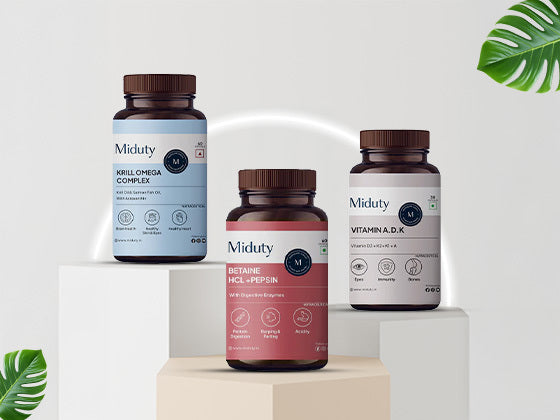


The wellness market is moving beyond standard capsules to incorporate innovations such as lab-grown omega-3s, vegan collagen, and fair trade botanicals. In this article, we'll look at an outline of these achievements.
Lab-Grown Omega-3s: A Sustainable Revolution

Lab-grown omega-3s are primarily obtained from algae, which are the natural source of omega-3s in the marine food chain. Certain algae strains are cultivated in controlled settings using modern biotechnology to produce high amounts of the important fatty acids EPA (eicosapentaenoic acid) and DHA. Unlike fish oil, which can be contaminated with heavy metals such as mercury and microplastics, lab-grown omega-3s are free of these pollutants, resulting in a cleaner and safer product.
Environmental benefits
-
Reduced Overfishing: Getting omega-3s directly from algae reduces pressure on wild fish populations, which helps to protect marine ecosystems.
-
Lower Carbon Footprint: Algal cultivation typically requires less land, water, and energy than fishing or fish farming.
-
Sustainable Production: Controlled growth environments reduce reliance on natural ocean resources while enabling year-round, scalable production.
Health benefits
-
Pure and vegan-friendly: Lab-grown omega-3s are a plant-based alternative suitable for vegans and those allergic to fish.
-
High potency: Concentrated forms can provide adequate doses of EPA and DHA.
-
No fishy aftertaste: Many users have reported a more pleasant taste profile without the typical fish oil "burp."
Why algae-based omega-3s are replacing fish oil

Algae-based omega-3s are quickly replacing traditional fish oil supplements.
-
Sustainability and environmental impact: Traditional fish oil production relies on collecting vast amounts of wild fish, which contributes to overfishing and threatens marine biodiversity. Algae may be grown sustainably in controlled circumstances with low influence on the oceans and ecosystems. This helps to protect marine life and minimizes the carbon footprint involved with fishing.
-
Purity and safety: Ocean pollution can cause fish oil to include heavy metals (such as mercury), PCBs, and microplastics. Omega-3s derived from algae are cultivated under controlled settings to provide greater purity and safety. Algal omega-3 supplements often have a cleaner, more neutral flavor and lack the fishy aftertaste seen in fish oil.
-
Vegan and allergy-friendly: Algae-based omega-3s are suitable for vegans and vegetarians, providing an ethical alternative free of animal exploitation. People who are allergic to fish can safely consume algae-derived omega-3s without experiencing any adverse reactions.
-
Equivalent or higher EPA/DHA content: Algae are the principal natural source of EPA and DHA in the marine food chain, with levels that are equivalent or greater. Algae-derived supplements include EPA and DHA amounts comparable to, if not higher than, fish oil.
-
Ethical and transparent supply chain: Algae cultivation can be easily tracked and certified, and it frequently adheres to fair trade and sustainable agriculture standards.
How lab-grown sources reduce ocean strain

Explanations for how lab-grown omega-3 sources lessen strain on our oceans include:
-
Eliminating overfishing: Oily fish like salmon, mackerel, and anchovies are a traditional source of omega-3 fatty acids. Large-scale fishing to supply omega-3 demand contributes considerably to overfishing, which disturbs marine ecosystems, depletes fish populations, and threatens ocean biodiversity. Lab-produced omega-3s, generated from algae grown in controlled settings, eliminate the need to hunt wild fish, thereby preserving ocean life.
-
Protecting marine ecosystems: Fishing techniques such as trawling can harm ocean floors and unintentionally catch non-target species (bycatch), including endangered animals. Lab-grown omega-3s eliminate the need for these damaging methods, allowing marine environments to recover and restore ecological equilibrium.
-
Lowering pollution and waste: Fish farming (aquaculture) frequently generates garbage, which pollutes nearby waters and spreads diseases to wild fish populations. Lab-grown omega-3 production occurs in confined bioreactors, reducing environmental pollution and removing the dangers associated with fish farming.
-
Sustainable and scalable production: Algae can be produced on land or in tanks with renewable resources, regardless of ocean conditions or fishing seasons. This sustainable agriculture can expand to fulfill global demand without jeopardizing native fish stocks or ocean habitats.
-
Climate effect reduction: Fishing and fish farming emit greenhouse gases through fuel use, transportation, and processing. Lab-grown omega-3s produced in efficient facilities have a lower carbon footprint, which helps to achieve broader climate goals while also protecting the ocean.
Health benefits without the environmental cost

Omega-3 fatty acids, particularly EPA and DHA, are critical for brain function, cardiovascular health, inflammation regulation, and overall well-being. Traditionally derived from fish oil, these nutrients have environmental consequences such as overfishing and ocean pollution. Lab-grown omega-3s provide the best of both worlds.
-
Optimal health support: Similar to fish oil, lab-grown omega-3s provide pure, potent EPA and DHA that promote cardiovascular health, cognitive function, joint mobility, and skin vitality.
-
No toxic contaminants: Lab-grown omega-3s are free of mercury, PCBs, and microplastics, which are commonly found in fish oil, ensuring safer consumption.
-
Vegan and allergy-friendly: They are ideal for plant-based diets and those allergic to fish because they provide essential nutrients without relying on animal products.
-
Eco-friendly production: Lab-grown omega-3s are grown sustainably, eliminating the environmental damage caused by overfishing, protecting marine biodiversity, and lowering carbon emissions.
Vegan Collagen: Fact or Fad?

Collagen is an essential structural protein present in skin, bones, joints, and connective tissues. It supports skin elasticity, joint flexibility, and general tissue strength. Traditional collagen supplements are often obtained from animal sources, such as bovine or marine collagen.
Vegan Collagen
-
Not actual collagen: Because true collagen is a protein produced by animals, plants do not naturally contain it.
-
Collagen builders: Vegan collagen supplements typically contain nutrients that help your body produce collagen, such as vitamin C, amino acids (like proline and glycine precursors), silica, and antioxidants.
-
Bioengineered collagen: Some newer supplements use fermentation and biotechnology to create collagen-like proteins or peptides that do not contain animal ingredients, but these are still in the market.
Is It a Fad?
-
Growing popularity: Vegan collagen supplements appeal to ethical, environmental, and dietary preferences, generating consumer interest.
-
Scientific support: Although evidence supports collagen-building nutrients, the market's "vegan collagen" claims can exaggerate results or confuse consumers.
-
Quality matters: To avoid marketing hype, choose products with clinically studied ingredients and transparent sourcing.
Can plant-based peptides mimic real collagen?

Collagen is a complex structural protein composed of long chains of amino acids arranged in a triple-helix form that is mostly found in mammals. True collagen is naturally formed from animals due to its unique structure. Plant-based peptides are shorter chains of amino acids derived from plants or produced by fermentation, and while they do not have the exact structure of collagen, they can perform supportive roles:
-
Stimulating Collagen production: Certain plant peptides can instruct the body's cells (fibroblasts) to increase natural collagen synthesis. Peptides produced from rice, soy, or other plants, for example, may help in collagen production.
-
Providing building blocks: Proline and glycine precursors, two essential amino acids required to make collagen, are found in plant-based peptides.
-
Antioxidant protection: The antioxidant qualities of many plant peptides shield preexisting collagen from oxidative stress-induced degradation.
Benefits of vegan collagen for skin, hair, and joints

Vegan collagen supplements do not contain collagen, but they do give nutrients that help your body's natural collagen production and overall tissue health. Here's how they help different sections of your body:
-
Skin health: Vitamin C, silica, and certain amino acids found in vegan collagen supplements encourage fibroblasts to produce more collagen, which increases the firmness and elasticity of the skin. Antioxidants (such as vitamin E and polyphenols) found in many plant-based formulas shield skin from oxidative stress and promote hydration, which lessens dryness and dullness. By encouraging the production of collagen, wrinkles, fine lines, and sagging are lessened, resulting in a more youthful complexion.
-
Hair strength and growth: The amino acids in vegan collagen builders also help to produce keratin, a key structural protein in hair. This increases hair strength and reduces breakage. Antioxidants and vitamins contribute to a healthy scalp environment, which supports hair follicle function and may promote hair growth. Hair that has been nourished is more lustrous and has a smoother texture.
-
Joint and bone support: Collagen is a major component of cartilage, which promotes its health. Vegan collagen supplements include precursors and nutrients that may aid in cartilage repair and joint flexibility. Components high in antioxidants may help lessen joint pain and inflammation. Minerals such as silica and vitamin K, which are commonly found in vegan collagen blends, help to promote healthy bone mineralization.
Popular ingredients in collagen-boosting formulas

Popular substances included in collagen-boosting regimens, particularly in vegan or plant-based supplements, and how they enhance natural collagen production:
-
Vitamin C: It is required for collagen synthesis because it aids in the conversion of proline into hydroxyproline, which is an important amino acid in collagen structure. Acerola cherry, amla, citrus fruits, and camu camu are some of their sources.
-
Silica (Silicon): Enhances skin hydration, elasticity, and collagen integrity by strengthening connective tissue. Sources include bamboo extract, horsetail, whole grains, and leafy greens.
-
Amino acids: Collagen contains certain amino acids such as glycine, proline, and lysine. Vegan formulations include these or their plant-based predecessors. Sources include pumpkin seeds, lentils, quinoa, spirulina, and sunflower seeds.
-
Hyaluronic acid: Increases skin hydration and plumpness; maintains the extracellular matrix, which houses collagen. Vegan versions are often made by microbial fermentation.
-
Biotin (Vitamin B7): It is known to improve hair and nail strength; it also maintains keratin infrastructure, which indirectly benefits skin and hair health. Sweet potatoes, almonds, seeds, and avocados are good sources of this.
-
Zinc: It is a cofactor in collagen formation and repair. Also promotes skin healing and minimizes inflammation. Sources include pumpkin seeds, lentils, chickpeas, and tofu.
-
Copper: It promotes the formation of cross-links in collagen and elastin, which improves tissue strength and elasticity. Nuts, seeds, whole grains, and dark chocolate are all possible sources.
-
Antioxidants (e.g., vitamin E, polyphenols, CoQ10): It protect existing collagen from free radical damage and promote skin regeneration. Green tea, berries, pomegranate, turmeric, and grape seed extract are some of the sources.
-
Plant-based peptides: Signal molecules derived from soy, rice, or other plants may induce fibroblasts to produce more collagen. Fermented plant protein extracts.
-
Aloe vera: It contains chemicals that have been demonstrated to increase collagen and hyaluronic acid production when taken internally. Aloe vera juice or powder.
Herbal Supplements Go Fair Trade: What It Really Means

Fair trade herbal supplements are more than a fad; they represent a deliberate decision to support people, the environment, and wellbeing all at once. As more brands commit to ethical sourcing, consumers may feel confident about the herbs they consume, knowing that their therapeutic effect extends well beyond the container.
What does fair trade mean in wellness?

Fair trade in wellness entails caring for both people and the environment, in addition to the ultimate product. It reflects a more holistic view of health, emphasizing fairness, sustainability, and global responsibility.
Herbs that support both people and the planet

Ashwagandha (Withania somnifera), tulsi (Holy Basil), moringa, turmeric, maca, chamomile, rooibos, rhodiola, and schisandra berry are herbs that benefit both humans and the environment. These herbs are more than just wellness trends; they are part of a global movement that promotes human well-being, cultural heritage, and environmental health. Supporting them ensures that your personal care contributes to a better environment and a more equitable economy.
How to identify truly fair trade supplements

A practical guide to identifying truly fair trade supplements, allowing you to shop with confidence and conscience.
-
Look for recognized certifications: These third-party certifications guarantee that products adhere to established ethical and sustainability standards.
-
Check ingredient transparency: Ethical brands are pleased to tell you where their herbs come from, who grows them, and how they're harvested. Look for stories about the country of origin and the suppliers. Reputable businesses frequently identify the farm or cooperative with which they collaborate; if the source is unclear, the product may not be fair trade.
-
Evaluate the brand's mission and methods: Fair trade is more than simply a label; it represents a mindset. Ethical businesses frequently openly discuss their support for smallholder farmers, publish impact reports or give-back metrics, and invest in community development or regenerative farming.
-
Prioritize entire herb products: Single-ingredient herbs (such as turmeric, ashwagandha, or moringa) are more likely to originate from reputable sources. These are easier to trace than bespoke blends with numerous undetectable ingredients.
-
Ask questions or read reviews: Ethical companies frequently reply rapidly to sourcing inquiries. Community evaluations and third-party publications might demonstrate brand transparency.
Shaping the Future: What Ethical Supplements Mean for You

As the wellness business evolves, customers are becoming more aware of not only what they put into their bodies, but also how those substances are obtained, produced, and delivered. Ethical supplements offer a significant change toward openness, sustainability, and equity in personal health and global well-being.